Artwork
Ragini Bilaval, Page from a Jaipur Ragamala Set
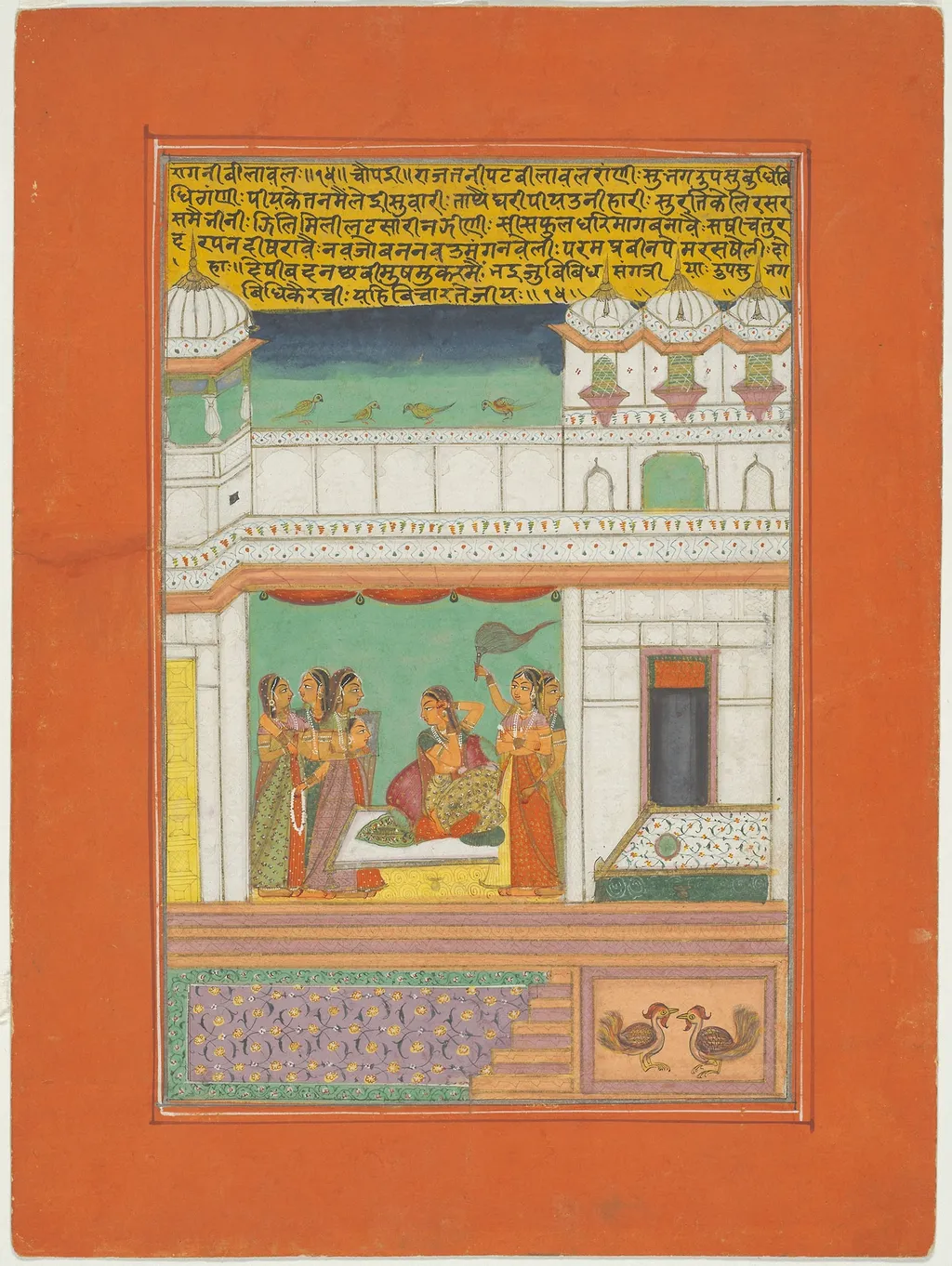
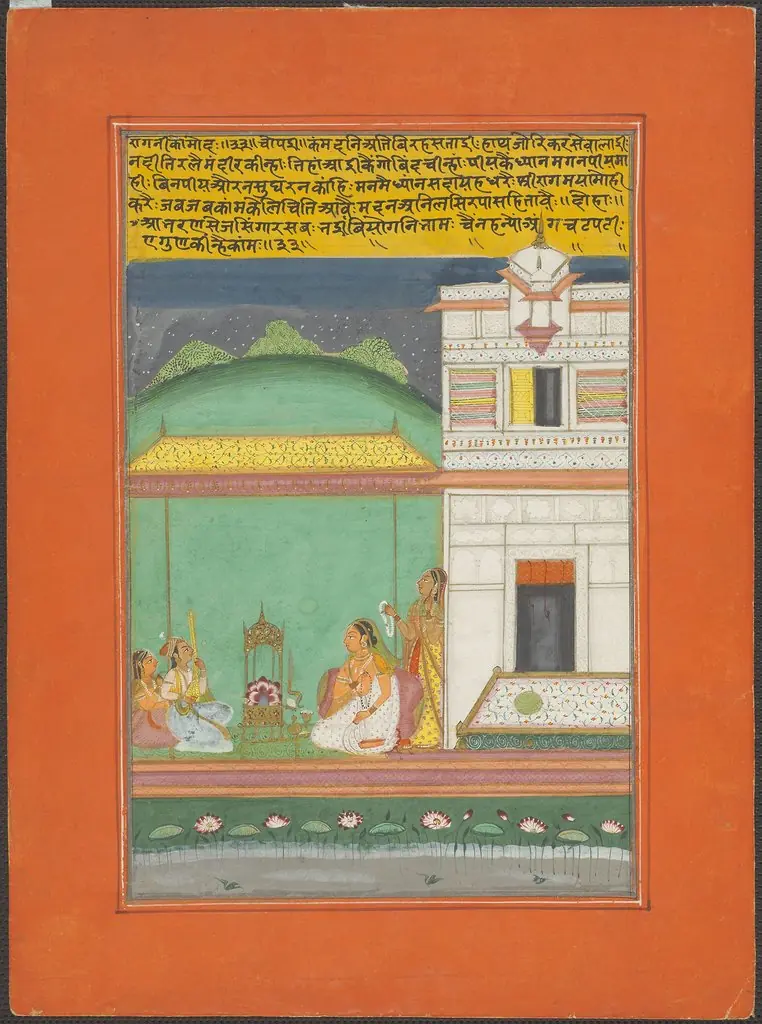
Ragini Bilaval, Page from a Jaipur Ragamala Set is an unspecified painting by the Mughal Painting artist Unknown. It dates from 1757 and is held in the collection of the Art Institute of Chicago. This painting is one folio from a Ragamala series produced in the Jaipur court during the late 17th or early 18th century.
About this work
Overview
This painting is one folio from a Ragamala series produced in the Jaipur court during the late 17th or early 18th century.
This painting is one folio from a Ragamala series produced in the Jaipur court during the late 17th or early 18th century. It illustrates a specific raga, Bilaval, through a domestic scene rather than a mythological narrative. The composition centers on a reclining woman surrounded by attendants, evoking the emotional tone associated with the raga through quiet, intimate activity rather than dramatic action.
Subject & Meaning
The scene depicts a woman resting in a private chamber, attended by others who fan her and observe in stillness. This imagery aligns with the raga Bilaval’s association with morning serenity and gentle introspection. The setting suggests a noble household, where music and mood are intertwined with daily ritual. The absence of instruments or overt performance implies the raga’s presence as an ambient, internal state rather than an audible one.
Technique & Style
Executed in opaque watercolor and gold on paper, the painting displays fine brushwork and meticulous patterning in textiles and architecture. Colors range from vivid reds and blues to softer ochres and greens, creating harmony without excess. The balcony framing the landscape introduces depth, while the delicate rendering of birds and foliage enhances the sense of quiet observation. Details in jewelry and drapery reflect regional courtly aesthetics.
History & Provenance
The painting originates from a commissioned set of Ragamala illustrations made for the Jaipur royal family, likely under the patronage of Sawai Jai Singh II. Such sets were created to visually interpret musical modes, blending devotional, poetic, and aesthetic traditions. The folio remained within the royal collection until the 20th century, when it entered public institutional holdings through documented transfers.
Context
Ragamala paintings emerged in North Indian courts as visual counterparts to musical modes, often inspired by poetic texts. In Jaipur, these works fused Mughal precision with local Rajput sensibilities, emphasizing refined interiors and subdued emotion. Unlike earlier depictions of raga as divine figures, Jaipur artists favored human scenes to convey mood, reflecting a shift toward secularized, intimate interpretations of musical theory.
Legacy
This painting exemplifies the evolution of Ragamala art from symbolic representation to psychological nuance. Its quiet domesticity influenced later regional styles and remains a reference for understanding how music was conceptualized visually in early modern India. Today, it contributes to scholarly discourse on the intersection of sound, emotion, and visual culture in pre-colonial South Asian courts.
Artist & collection

 Domestic Scene
 Giacomo and Cardinal Marco, investing Andrea, Abbot of San Zeno, with his Benefice
 The Nymph of Fontainebleau
 Portrait of a Woman
 Madonna and Child with Saints in the Enclosed Garden
 Venus and Minerva
 Family Group of Four on Sofa
 Wall painting from Room H of the Villa of P. Fannius Synistor at Boscoreale
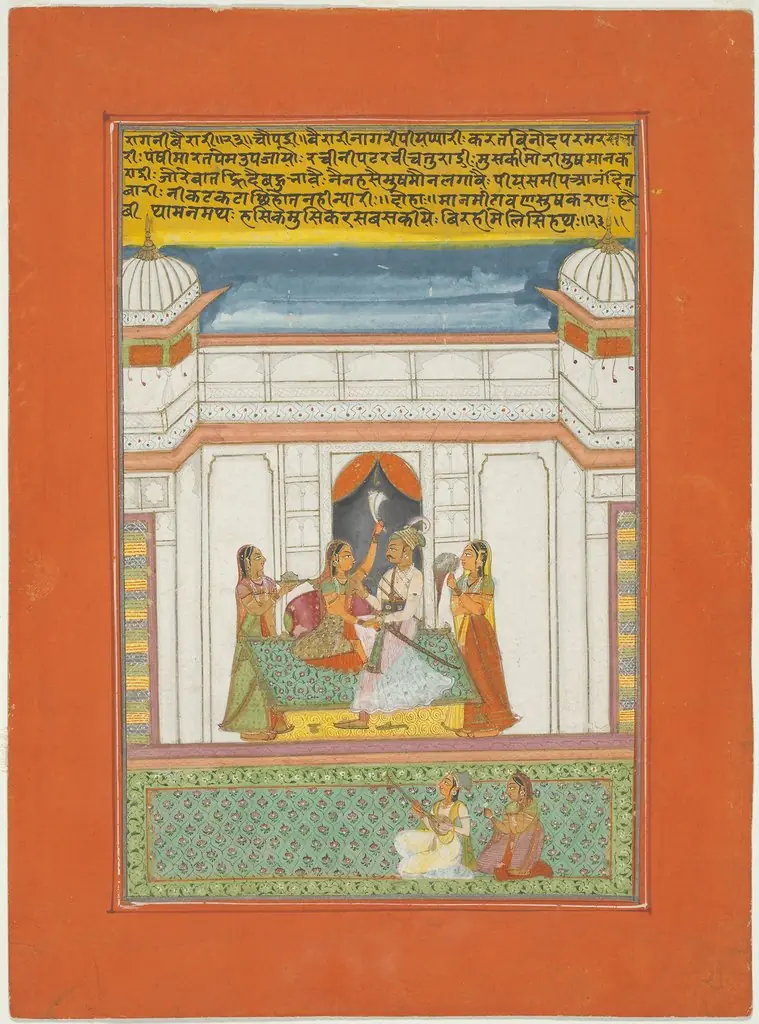 Ragini Bairari, Page from a Jaipur Ragamala Set
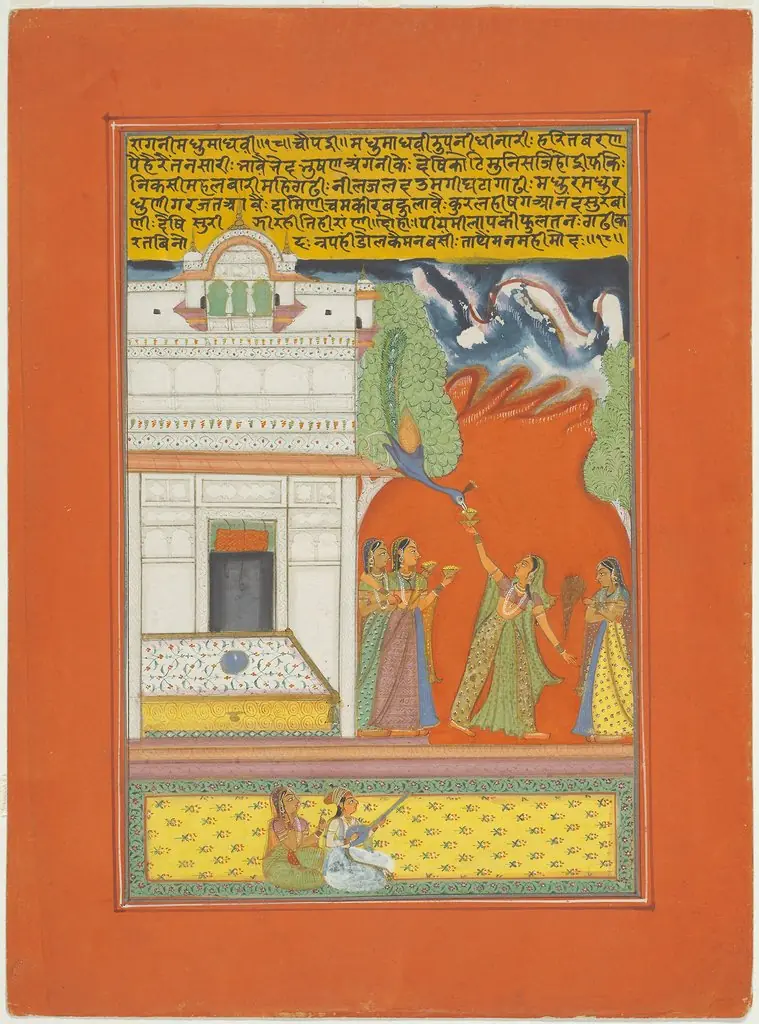 Ragini Madhumadhavi, Page from a Jaipur Ragamala Set
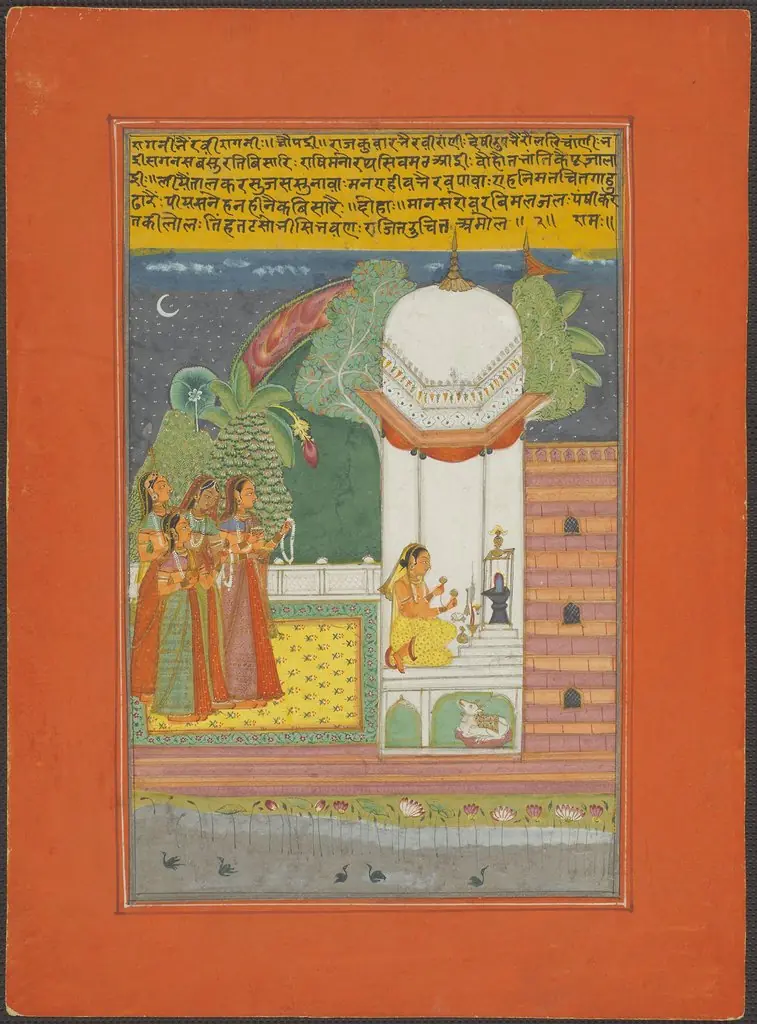 Ragini Bhairavi, Page from a Jaipur Ragamala Set
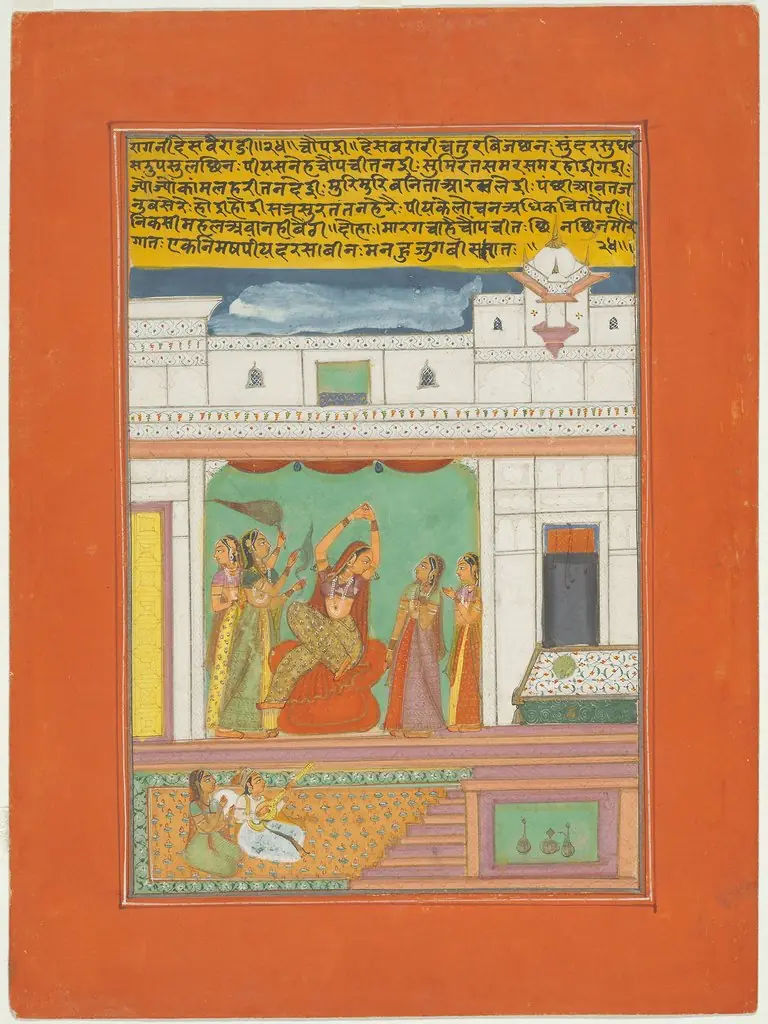 Ragini Desavaradi, Page from a Jaipur Ragamala Set
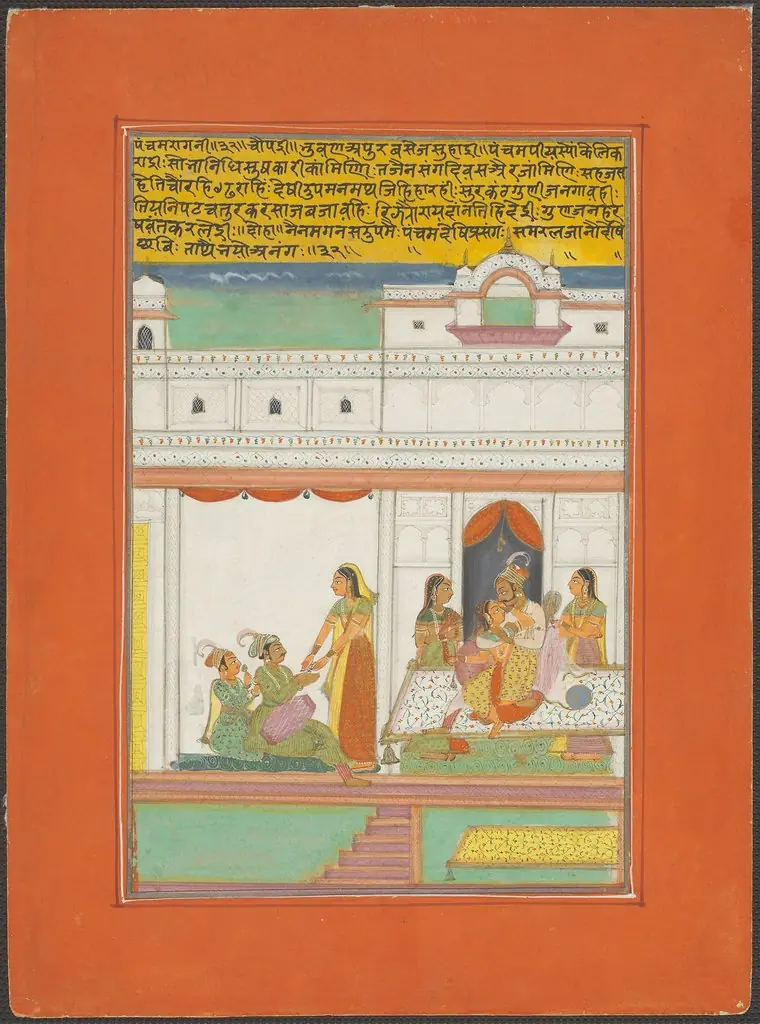 Panchama Ragini, Page from a Jaipur Ragamala Set
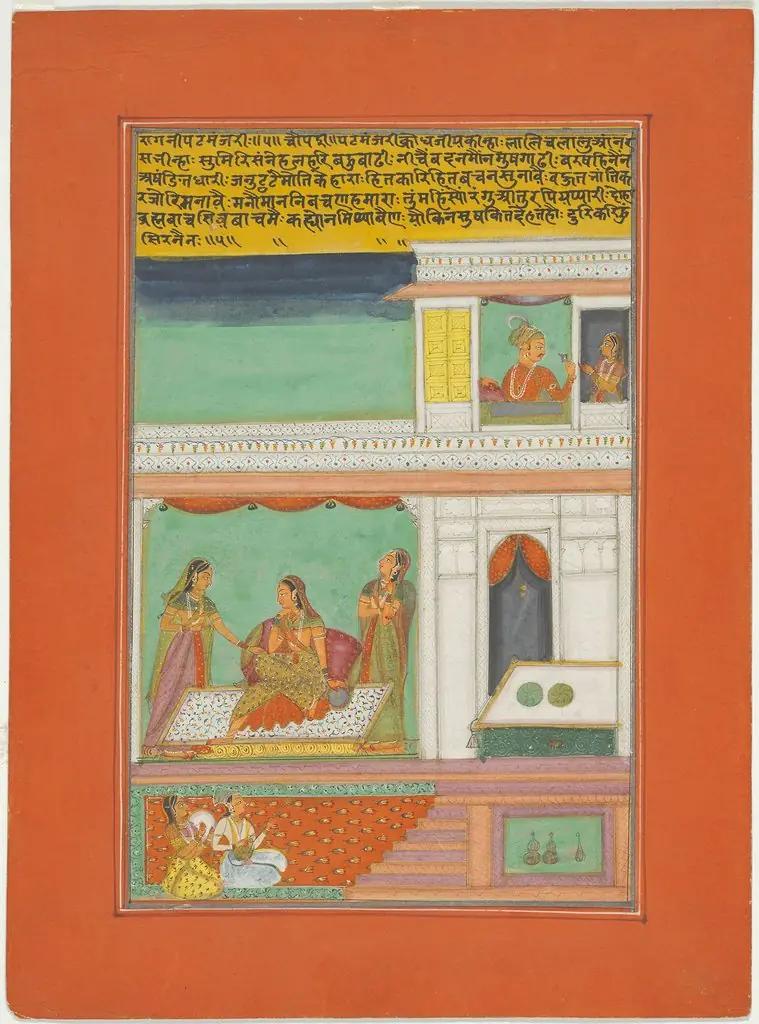 Ragini Patmanjari, Page from a Jaipur Ragamala Set
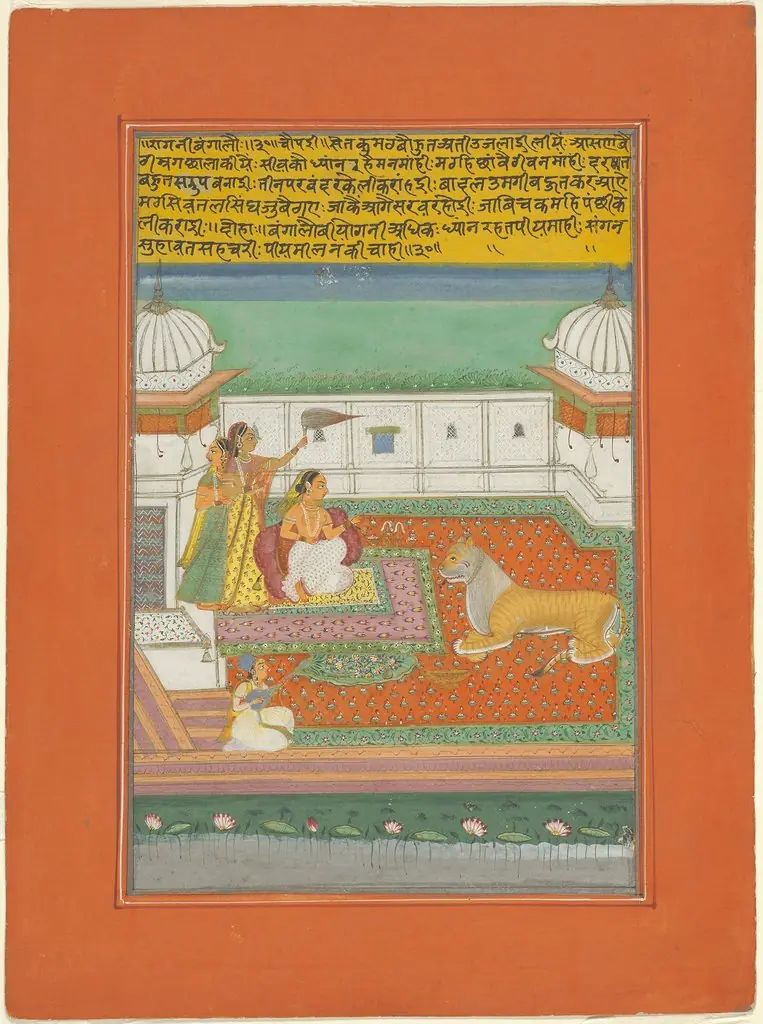 Ragini Bangali, Page from a Jaipur Ragamala Set
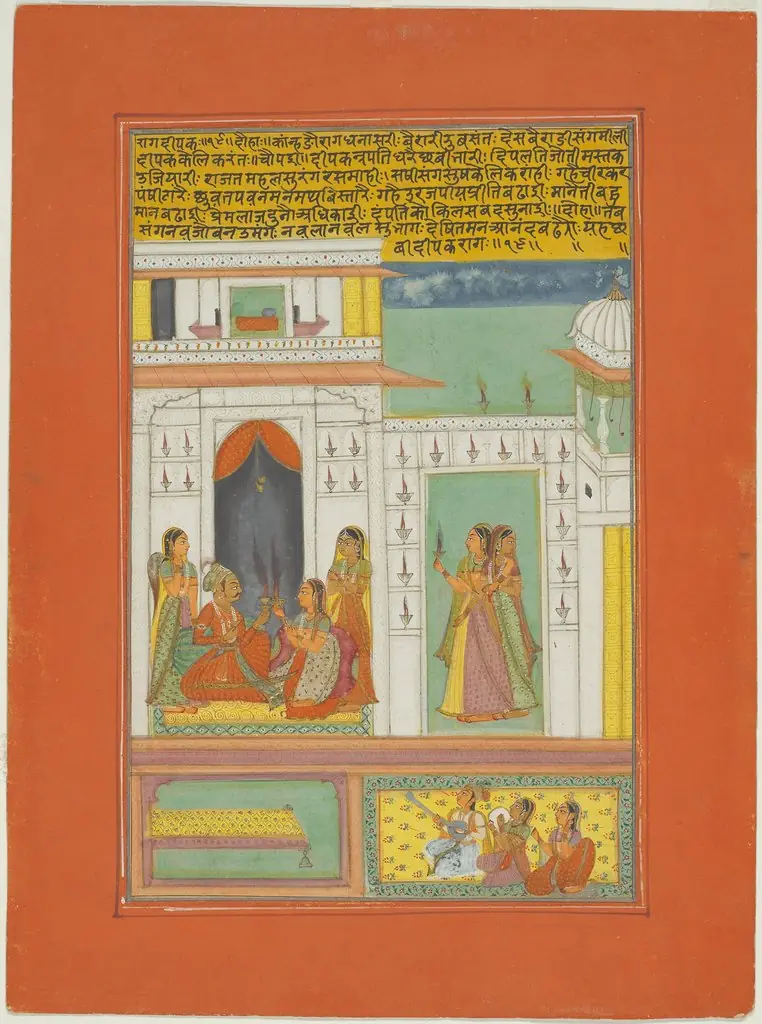 Raga Dipak, Page from a Jaipur Ragamala Set
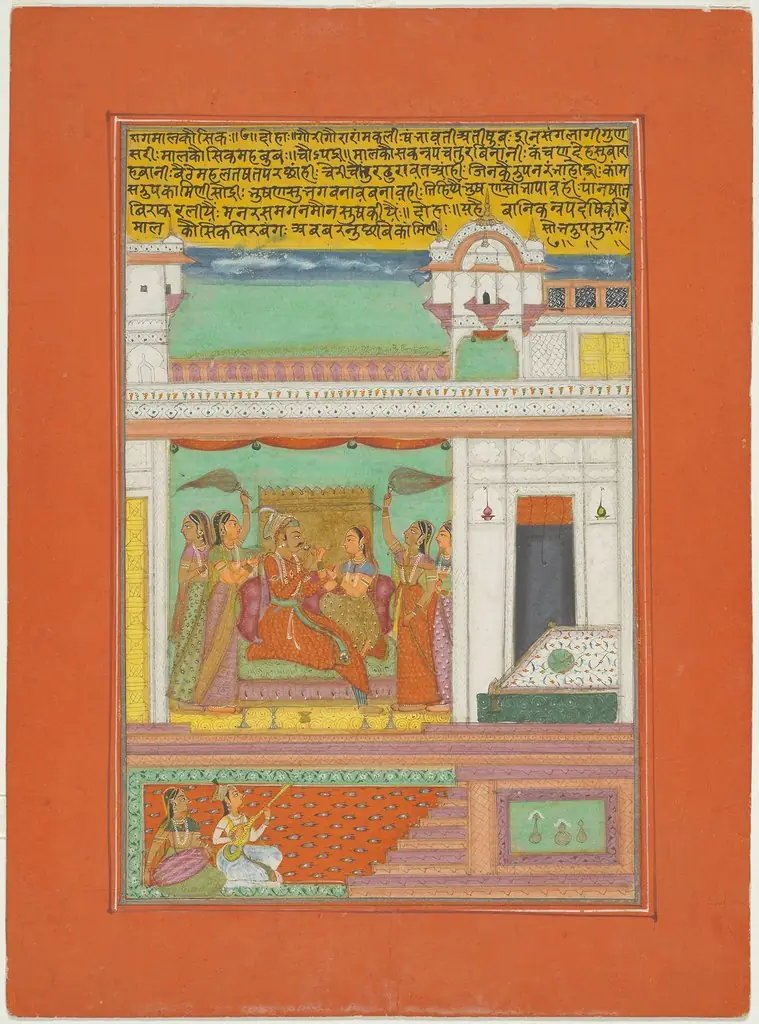 Raga Malkaushika, Page from a Jaipur Ragamala Set
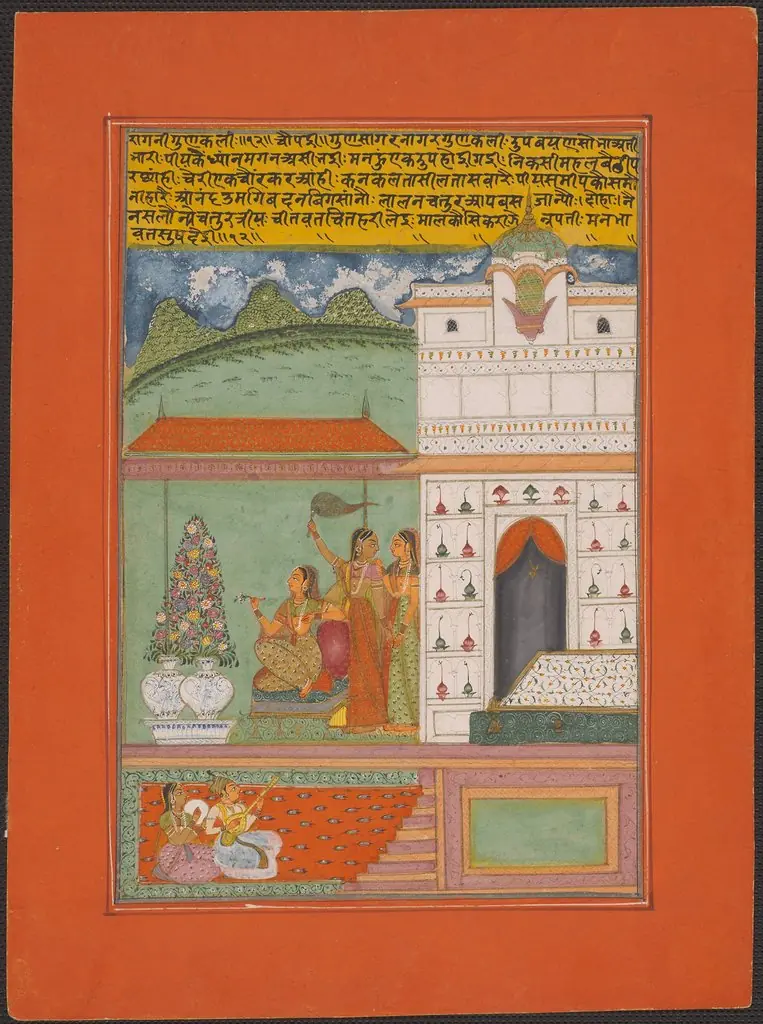 Ragini Gunakali, Page from a Jaipur Ragamala Set
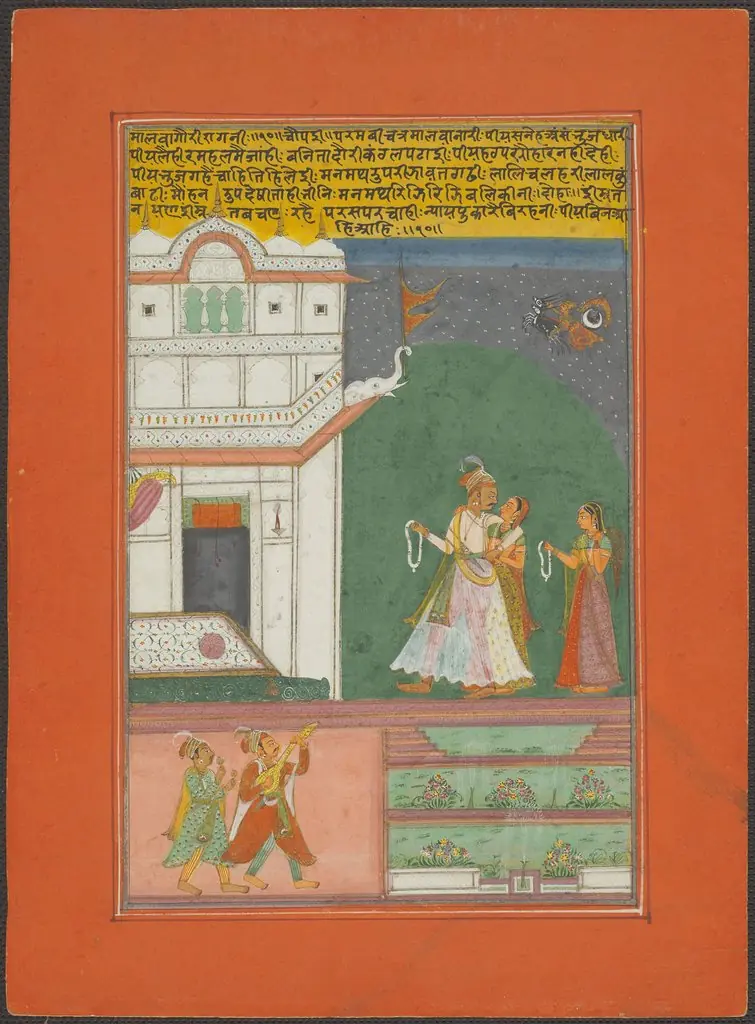 Malavagaudi Ragini, Page from a Jaipur Ragamala Set
 Ragini Kamod, Page from a Jaipur Ragamala Set