Artwork
Meisje uit Edam
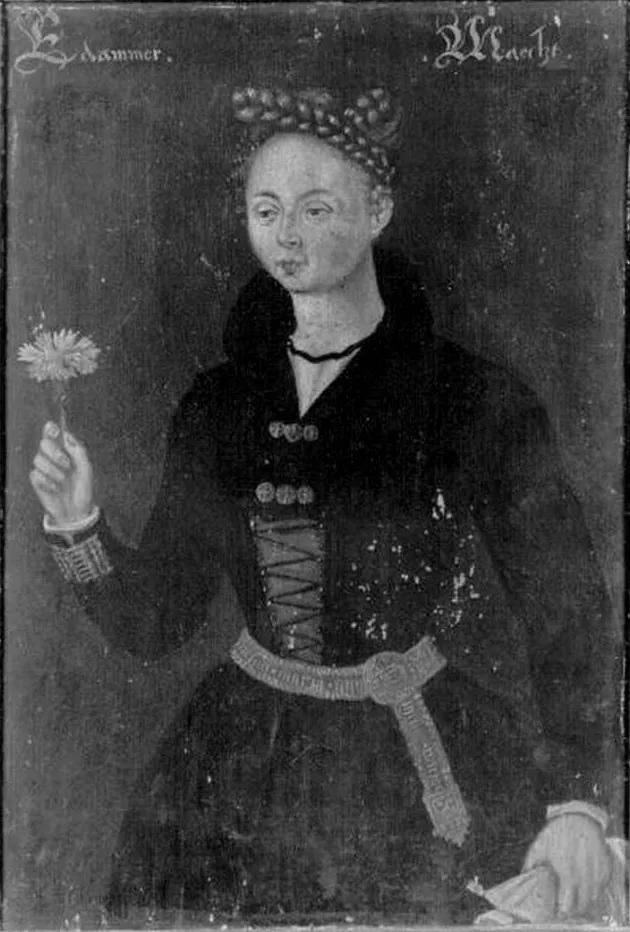
Meisje uit Edam is an oil painting. It dates from 1550 and is held in the collection of the Rijksmuseum.
About this work
The use of oil paint and the attention to detail in the woman's face and clothing indicate that the artist was skilled in their craft.
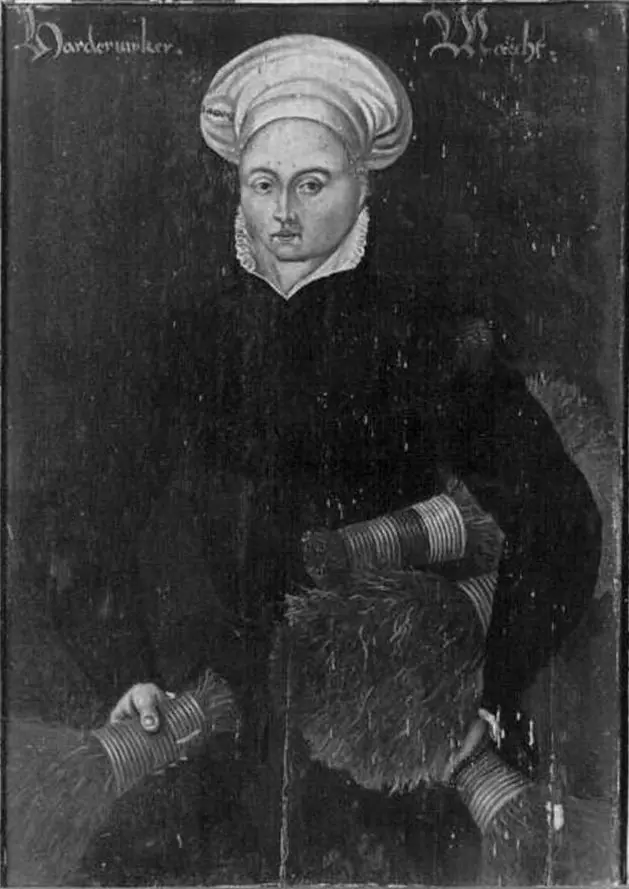
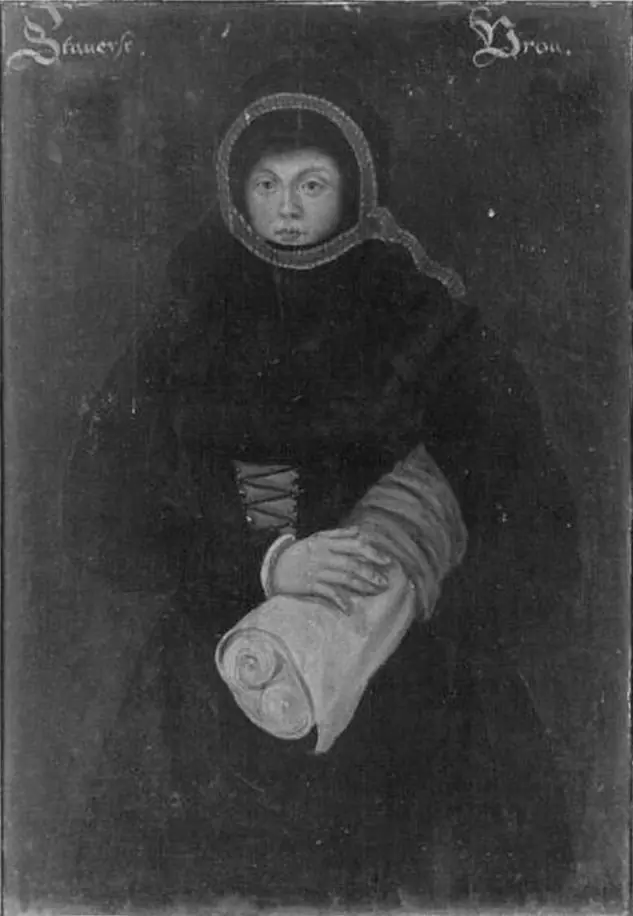
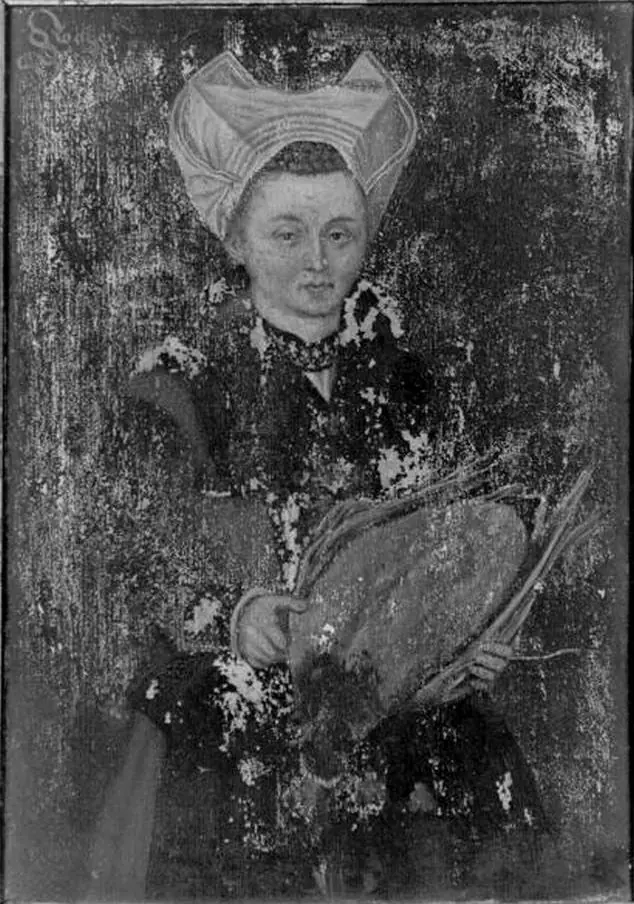
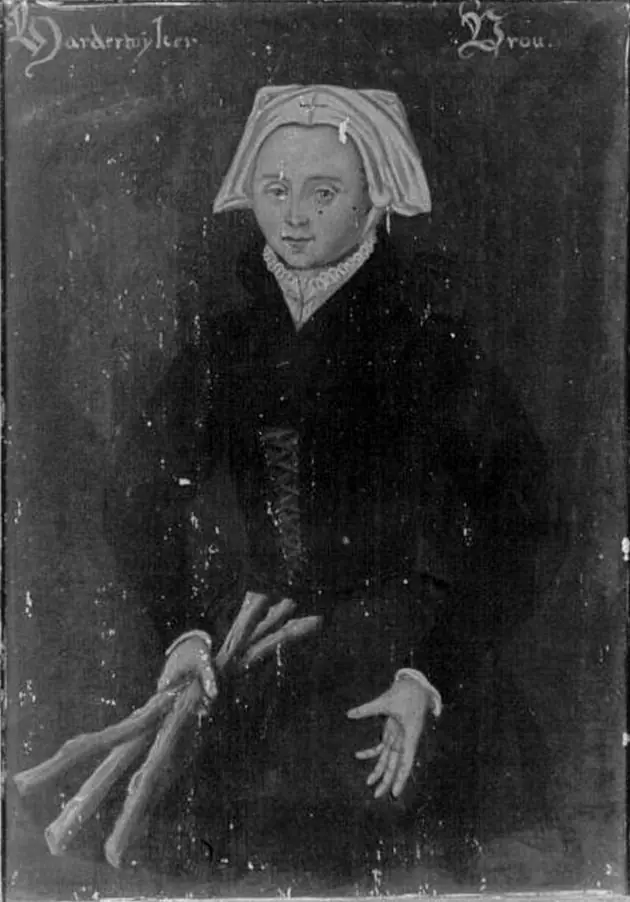
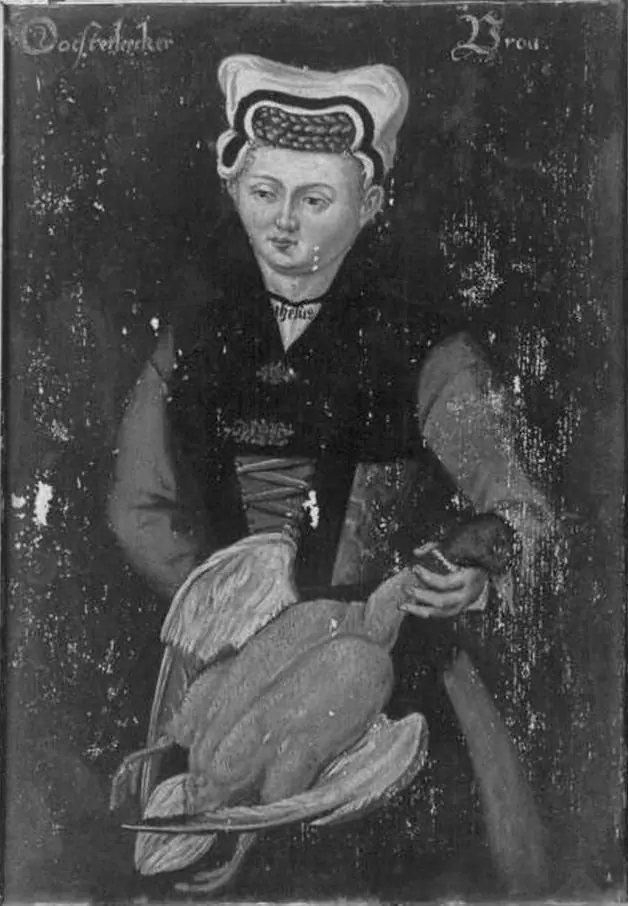
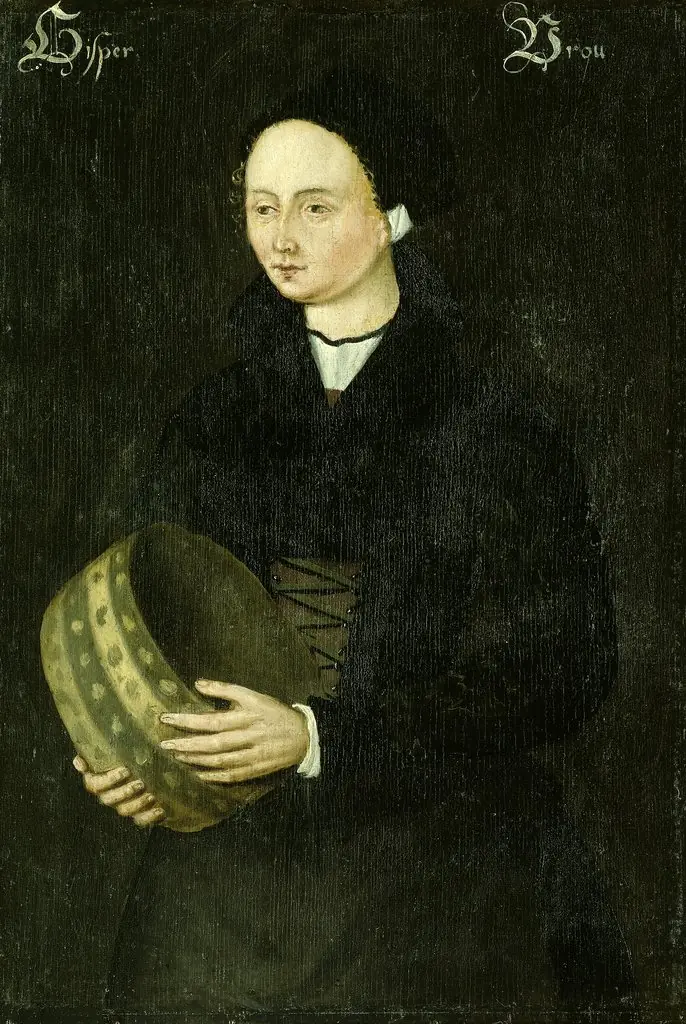
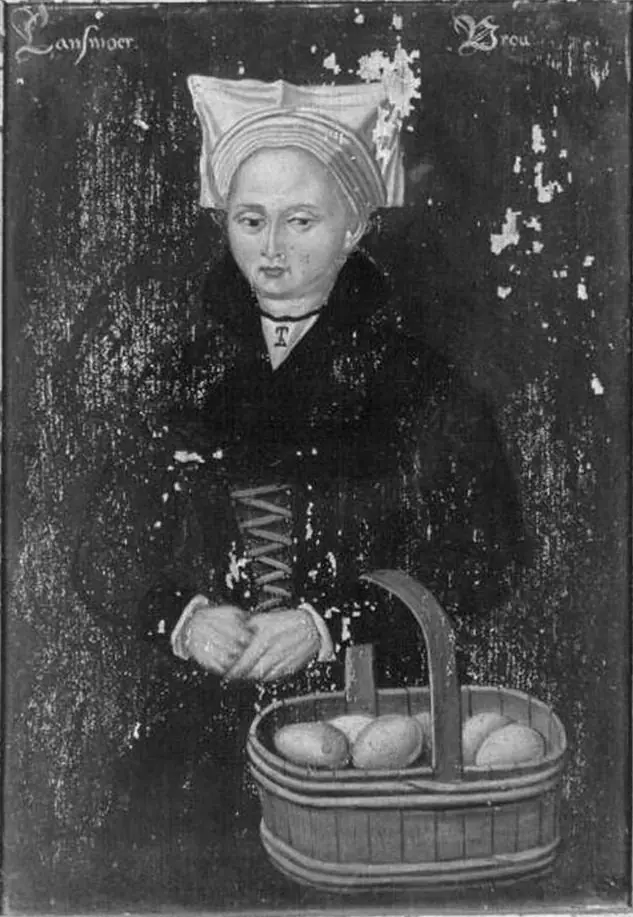
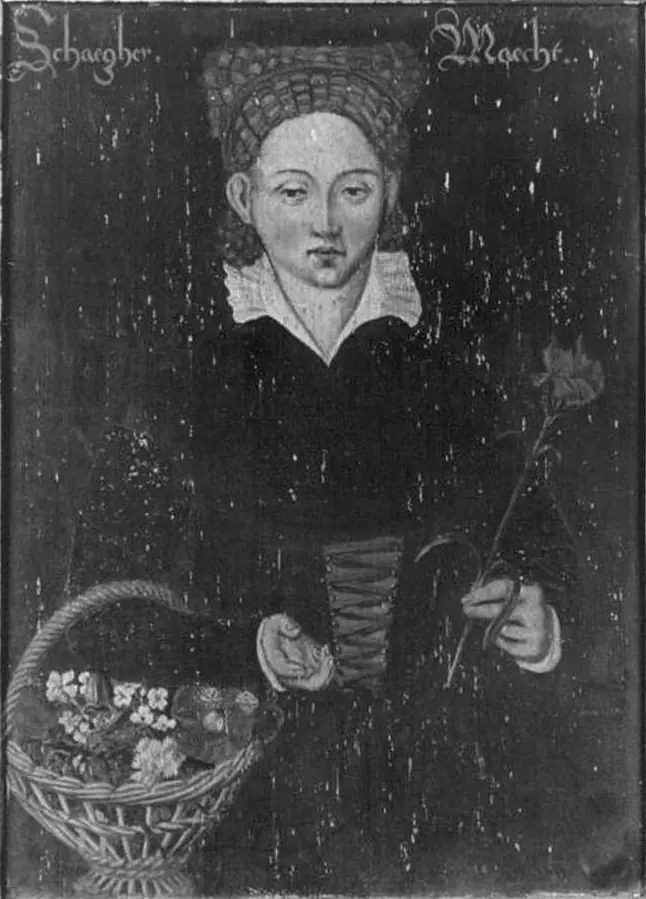
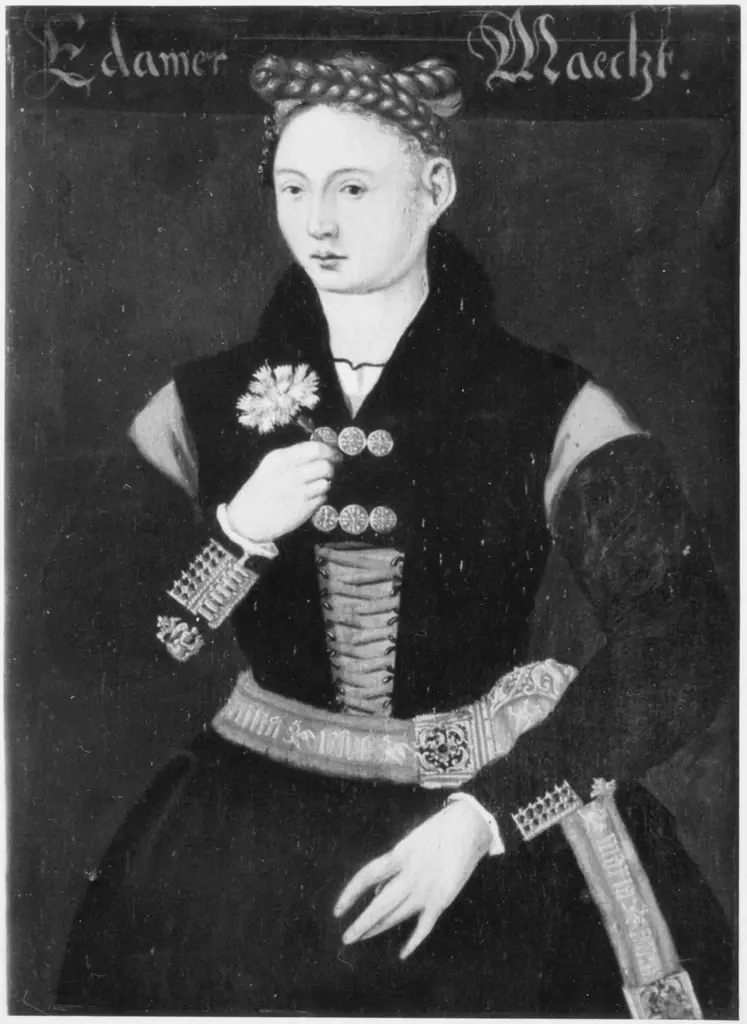
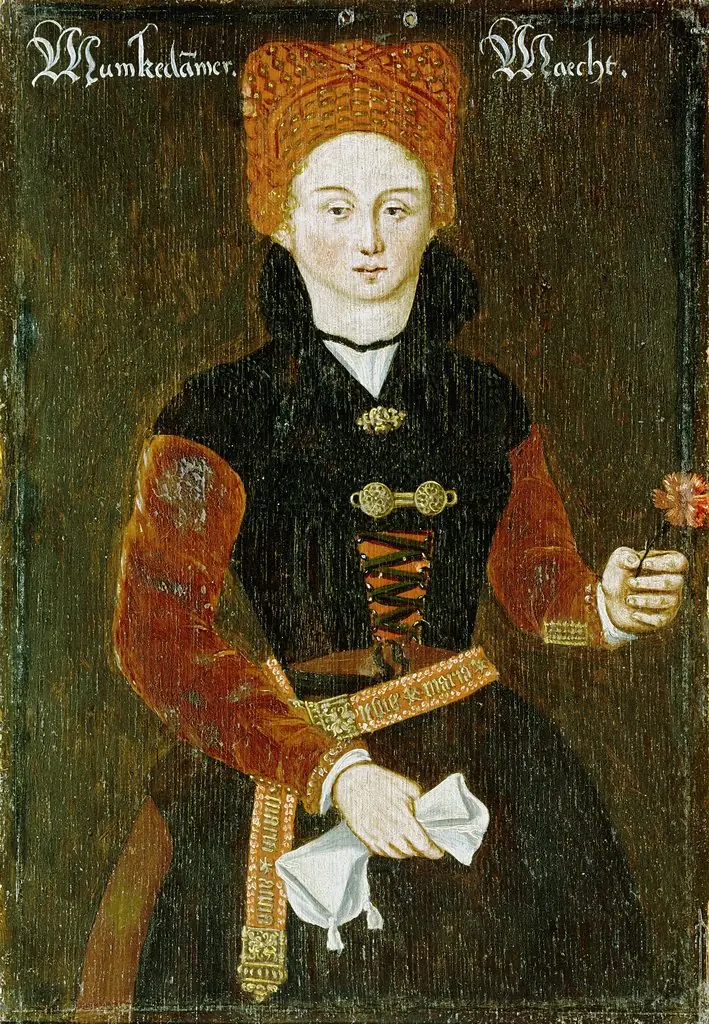
The painting depicts a woman in a dark dress, holding a flower in her right hand. She wears a headpiece and has a belt around her waist. The background is dark, and the overall atmosphere is somber.
The woman's clothing and hairstyle suggest that the painting is from the 16th century. The use of oil paint and the attention to detail in the woman's face and clothing indicate that the artist was skilled in their craft.
If you're interested in learning more about traditional clothing of the Netherlands, you might want to explore that topic further.
Overview
The work, titled *Meisje uit Edam*, is an oil painting portraying a young woman dressed in a dark gown. She holds a single flower in her right hand, wears a modest headpiece, and a simple belt cinches her waist. The background is rendered in deep tones, giving the composition a muted, contemplative atmosphere.
Subject & Meaning
The figure’s attire and coiffure point to a 16th‑century Dutch setting, suggesting the artist intended to capture a typical local woman rather than an idealized portrait. The solitary flower may symbolize modesty or fleeting beauty, while the somber palette reinforces a sense of restraint characteristic of the period’s social norms.
Technique & Style
Executed in oil on canvas, the painting demonstrates a high level of craftsmanship through careful modeling of the face and meticulous rendering of fabric textures. The artist employs subtle chiaroscuro to model the figure against the dark background, creating a three‑dimensional presence while maintaining a restrained, naturalistic style typical of Northern Renaissance portraiture.
History & Provenance
While specific details of the painting’s ownership are not recorded, its stylistic attributes align it with Dutch works of the mid‑1500s. The title references Edam, a town in North Holland, indicating a likely regional origin or subject matter tied to that locale.
Context
During the 16th century, Dutch art increasingly focused on realistic depictions of everyday people, moving away from purely religious themes. This painting reflects that shift, emphasizing individual character and local dress, and it contributes to our understanding of domestic attire and social attitudes in the Netherlands before the Golden Age.
Artist & collection