Artwork
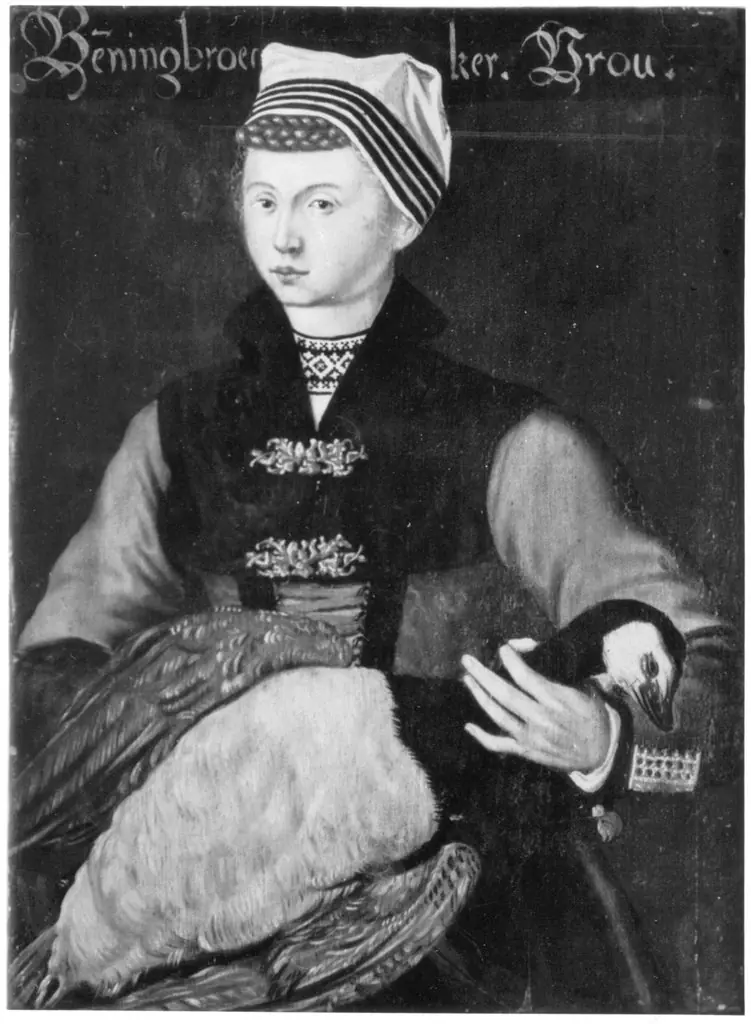
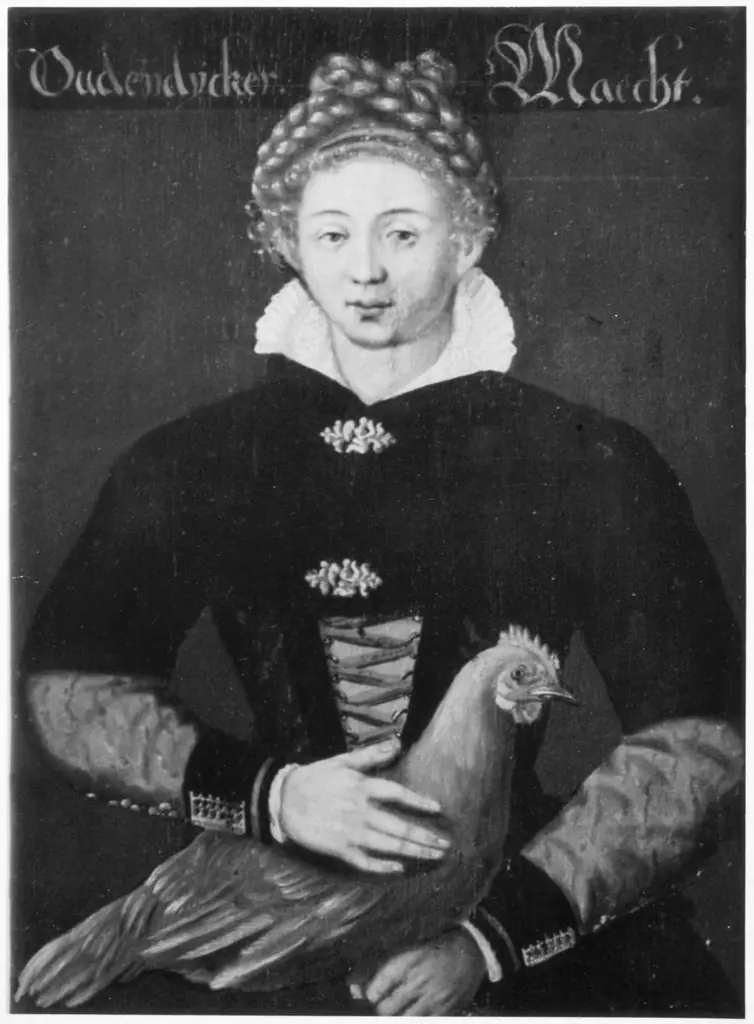
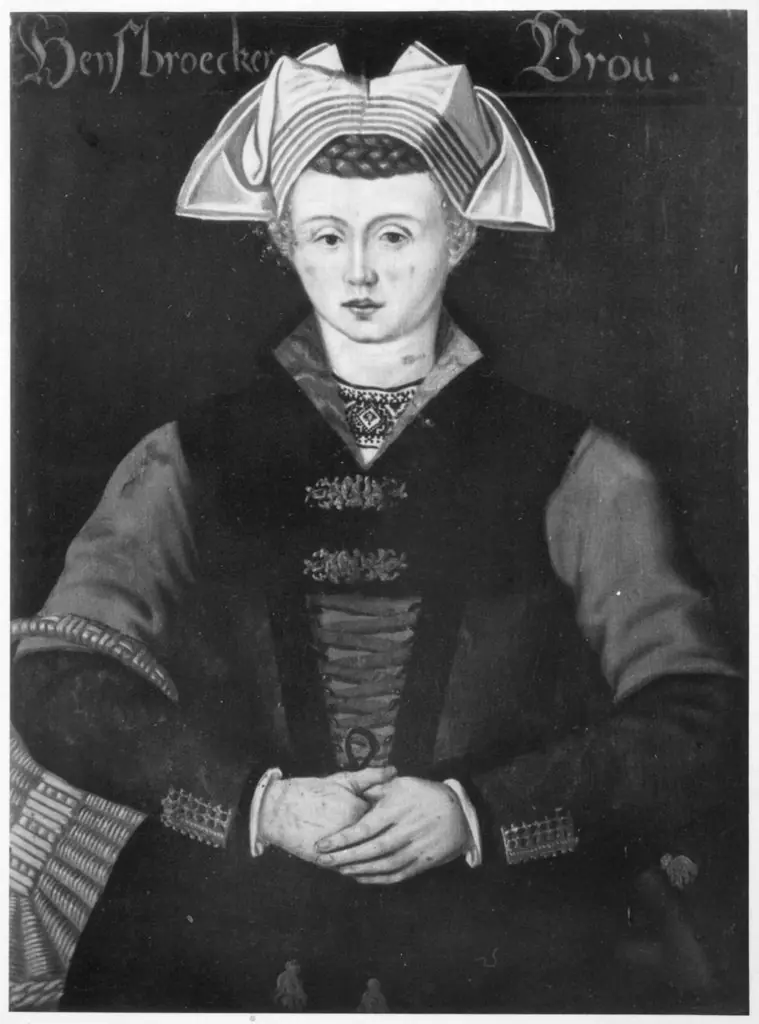
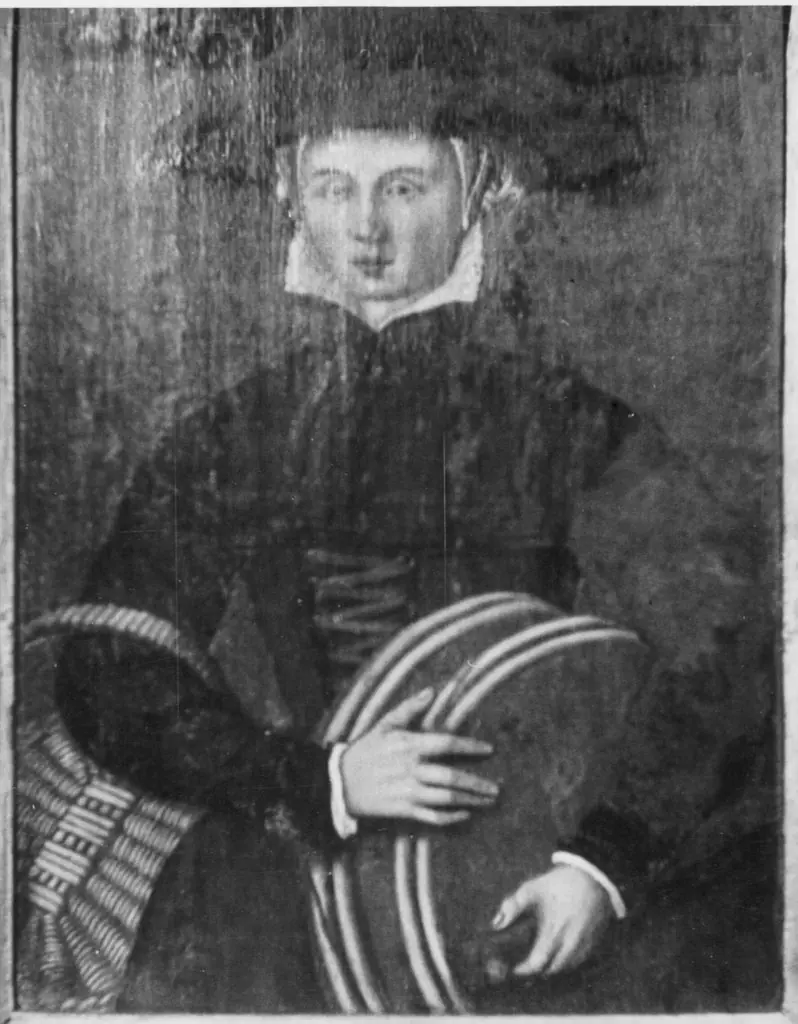
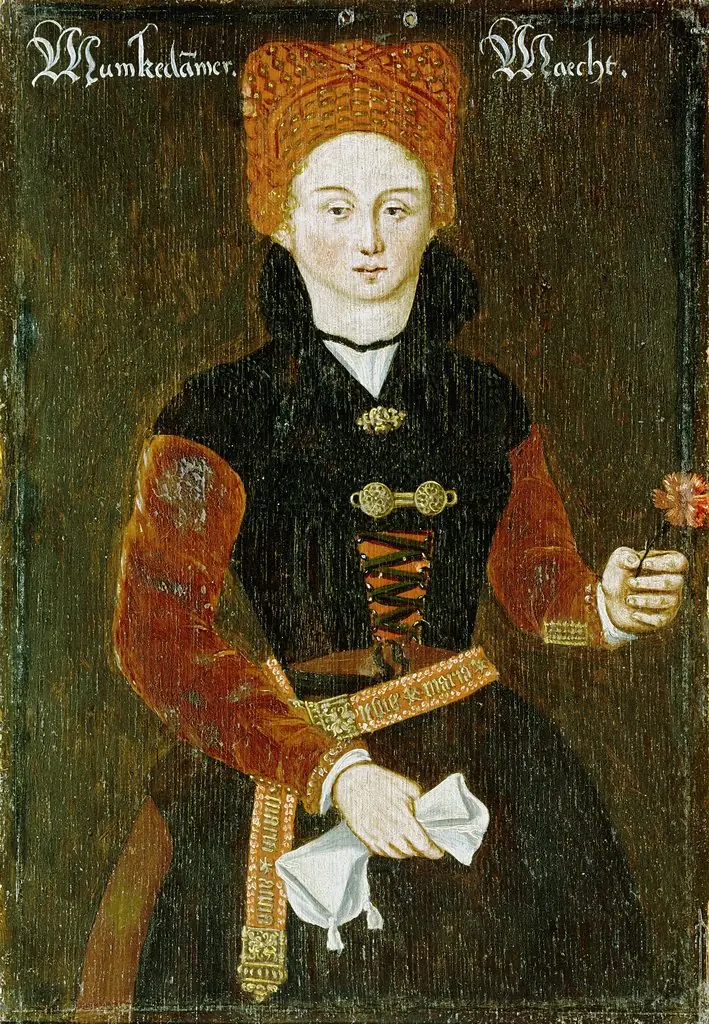
Girl from Edam in country dress
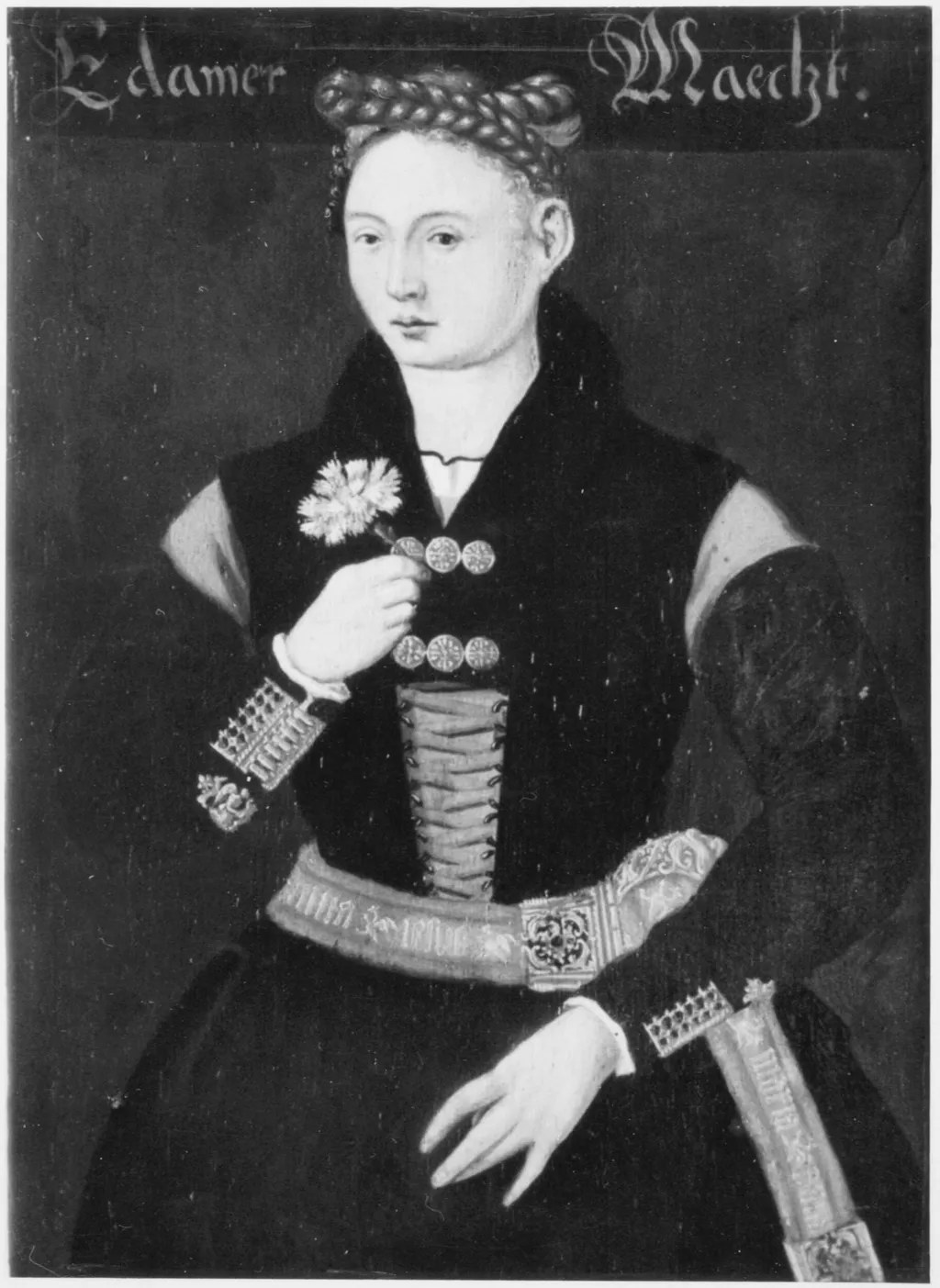
Girl from Edam in country dress is an oil painting by J. van Horst. It dates from 1570 and is held in the collection of the Rijksmuseum. Created in 1570, this oil painting by J.
About this work
Overview
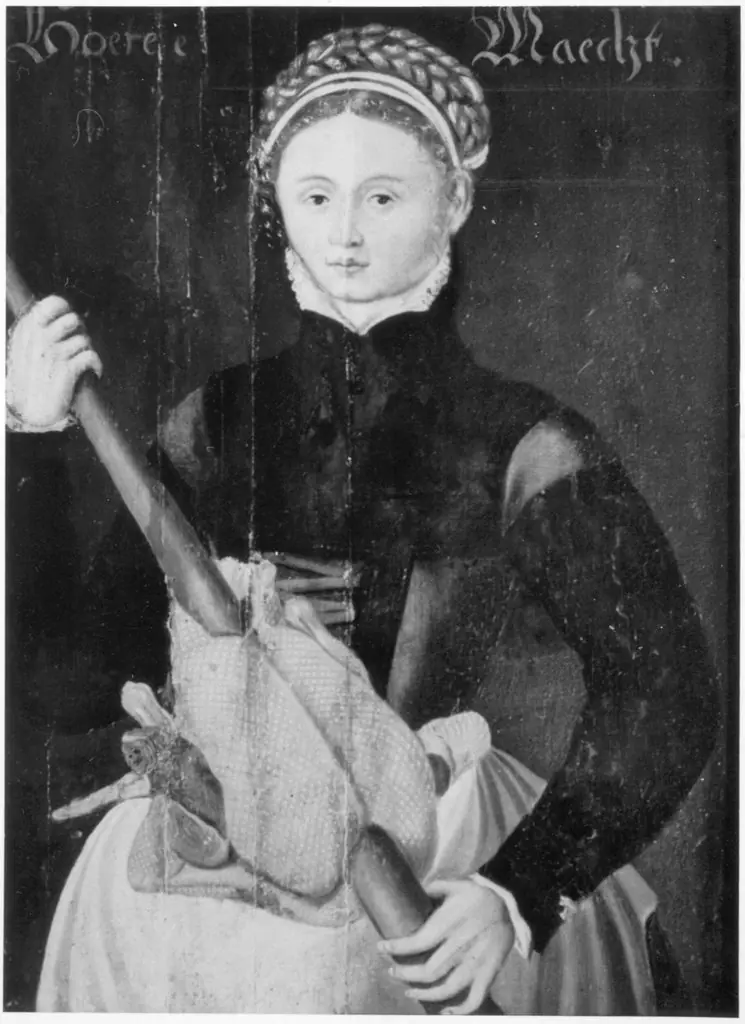
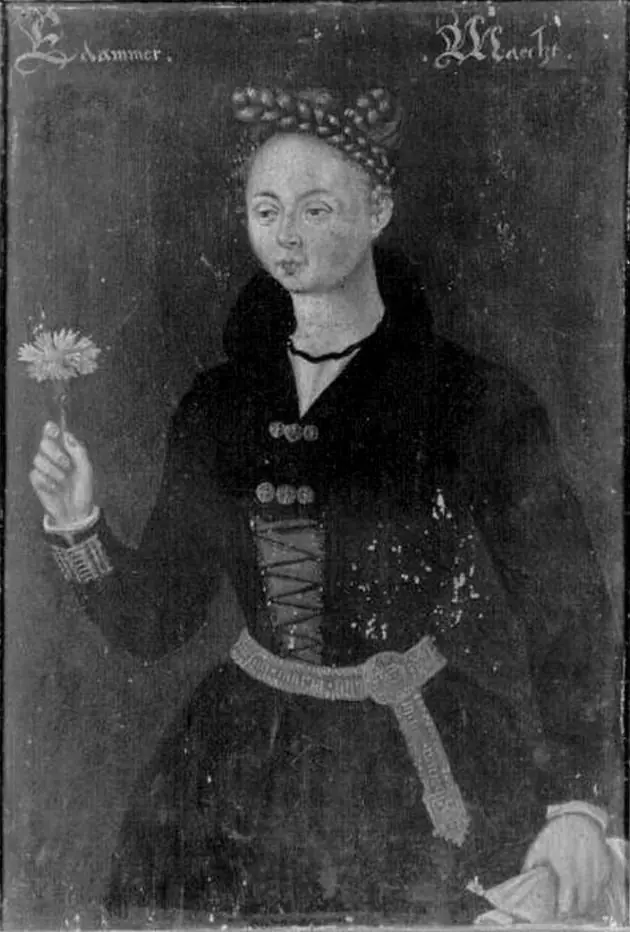
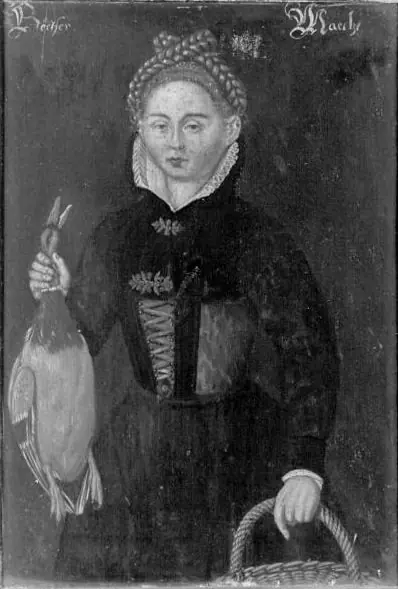
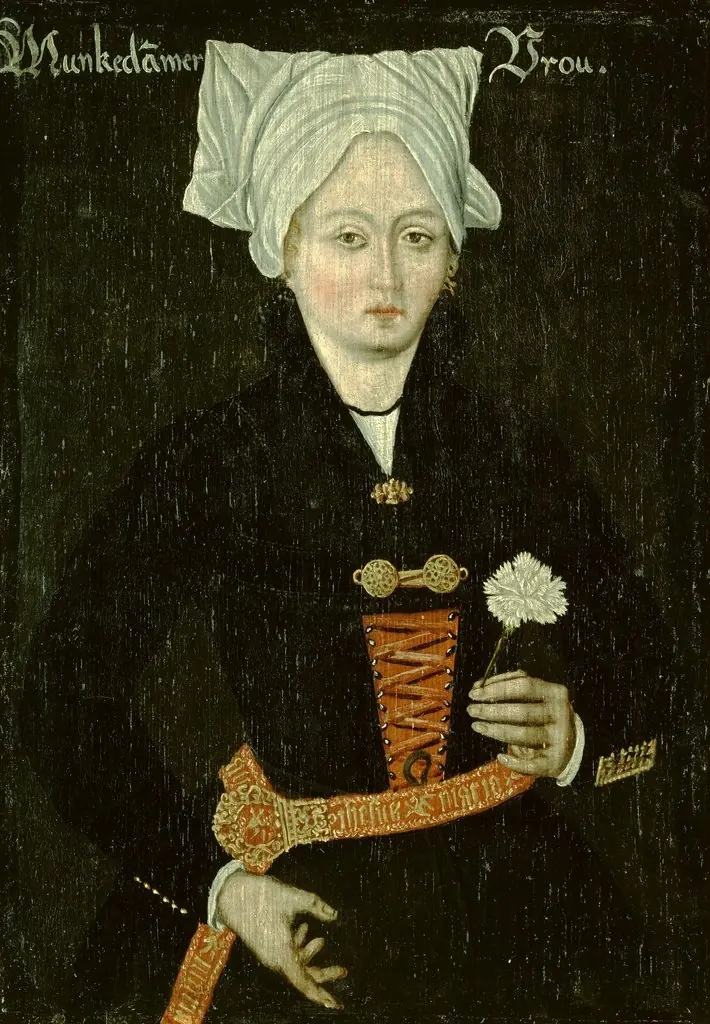
Created in 1570, this oil painting by J. van Horst portrays a young woman dressed in the customary attire of the Dutch countryside. The work is part of the Rijksmuseum’s collection and presents a quiet, direct gaze toward the viewer, emphasizing the sitter’s modest presence within a restrained setting.
Subject & Meaning
The figure wears a dark, modest gown trimmed with a white collar and cuffs, her hair gathered in a simple bun, and holds a single flower. The attire and accessory reflect everyday dress of women in the Edam region, suggesting a focus on regional identity and the dignity of ordinary life rather than allegorical symbolism.
Technique & Style
Van Horst employs oil pigments to achieve a luminous surface, allowing subtle colour transitions across the fabric and skin. A chiaroscuro treatment models the face and hands, setting them against a muted, darker backdrop that enhances depth. The brushwork is restrained, favoring smooth modeling over visible strokes, which contributes to the painting’s calm realism.
History & Provenance
The portrait entered the Rijksmuseum’s holdings as part of its Dutch Golden Age acquisitions, though the precise path of ownership before the museum remains undocumented. Its attribution to J. van Horst is based on stylistic comparison with other signed works from the same period.
Context
During the late sixteenth century, Dutch artists increasingly depicted local subjects and everyday people, moving away from purely religious or mythological themes. This work exemplifies that trend, offering insight into contemporary dress and social customs of Edam, a town known for its cheese trade and modest prosperity at the time.
Artist & collection
Artist
This Dutch painter made small oil portraits of women and girls from villages like Benningbroek and Heiloo, dressed in traditional country clothes around 1570.