Artwork
Amor bei Vulkan (oval)
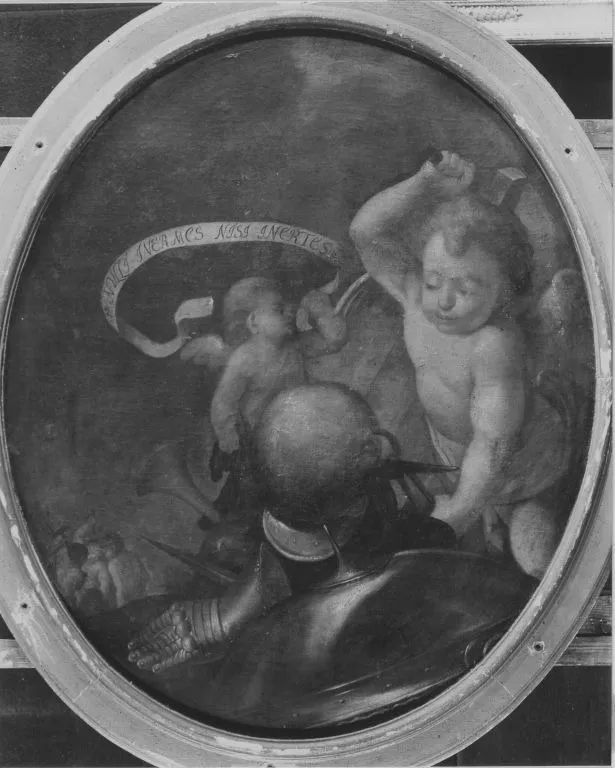
Amor bei Vulkan (oval) is an unspecified painting by the Flemish Baroque painting artist Unknown. It dates from 1650 and is held in the collection of the Bavarian State Painting Collections. The work is an oval-format oil painting that presents a solitary armored figure framed by a celestial attendant.
About this work
Overview
The composition is set against a predominantly dark backdrop, creating a stark contrast between illuminated armor, feathered wings, and surrounding shadow.
The work is an oval-format oil painting that presents a solitary armored figure framed by a celestial attendant. The central male subject, clad in a helmet and bearing a sword, occupies the foreground, while a winged cherub hovers above, clutching a banner whose inscription is indistinct. The composition is set against a predominantly dark backdrop, creating a stark contrast between illuminated armor, feathered wings, and surrounding shadow.
Subject & Meaning
The portrait depicts a martial individual, likely a noble or heroic archetype, juxtaposed with a putto that traditionally symbolizes love or divine favor. The presence of the banner suggests a commemorative or allegorical message, though the text is illegible, leaving the specific dedication ambiguous. The pairing of armor and cherubic figure may convey the tension between martial valor and the softer virtues of affection or patronage.
Technique & Style
The painter employs chiaroscuro to heighten drama, rendering the metallic sheen of the armor and the delicate translucency of the cherub's wings in bright light against a muted, tenebrous field. The brushwork is precise in the detailing of the helmet and sword, while broader strokes suggest atmospheric depth. The oval format reinforces the intimate focus on the central figures, a compositional choice common in portraiture of the period.
Context
The composition reflects a baroque sensibility, wherein dynamic contrasts and theatrical gestures convey emotional intensity. The inclusion of a putto bearing a banner aligns with iconographic conventions used in commemorative portraiture, often employed to celebrate military achievements or patronage. The work’s dramatic lighting and allegorical elements situate it within a tradition that merges personal portraiture with symbolic narrative.
Artist & collection

 Domestic Scene
 Giacomo and Cardinal Marco, investing Andrea, Abbot of San Zeno, with his Benefice
 The Nymph of Fontainebleau
 Portrait of a Woman
 Madonna and Child with Saints in the Enclosed Garden
 Venus and Minerva
 Family Group of Four on Sofa
 Wall painting from Room H of the Villa of P. Fannius Synistor at Boscoreale
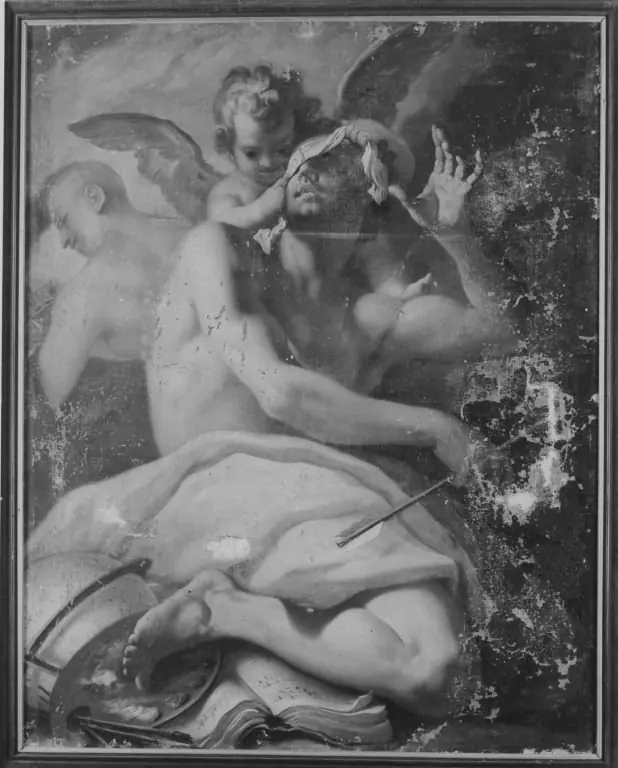 Allegorie: Die versäumte Gelegenheit
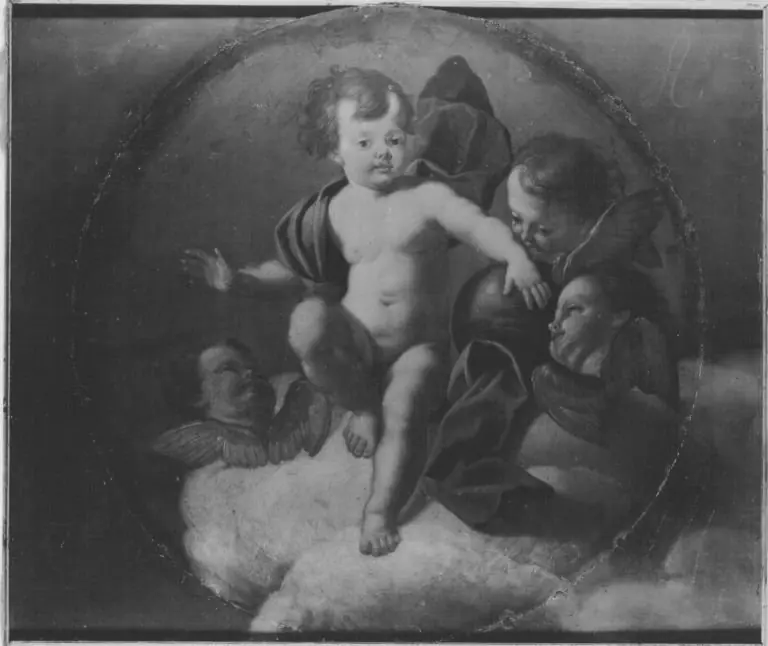 Das Kind Jesu
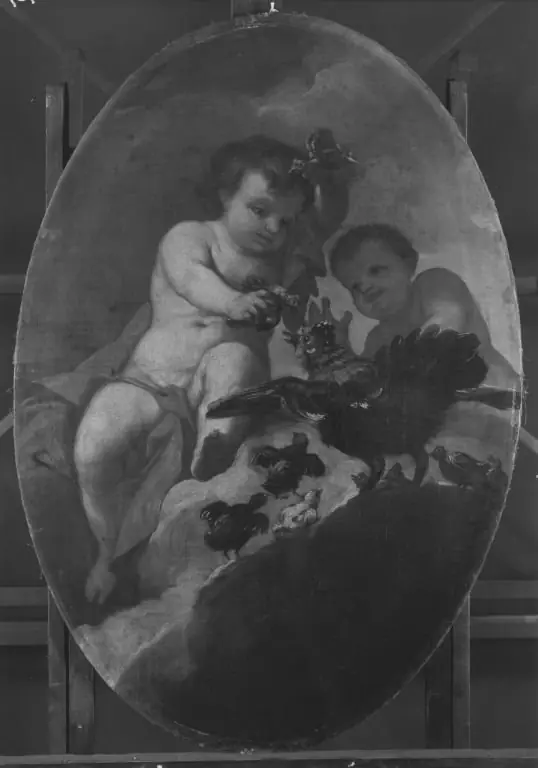 Zwei Genien mit Bruthenne
 Die Taube des Heiligen Geistes mit blumenstreuenden Engeln (und Werkstatt)
 David
David David
David Opferung der Iphigenie
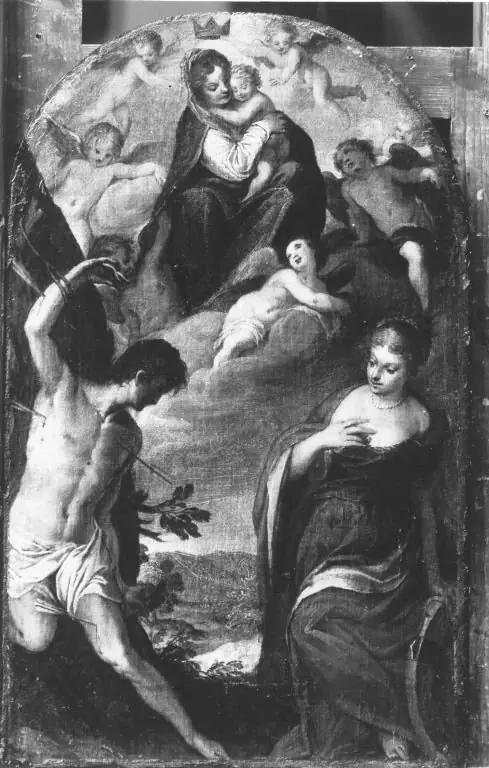 Maria mit Kind und den hll. Sebastian und Katharina (zugeschrieben)
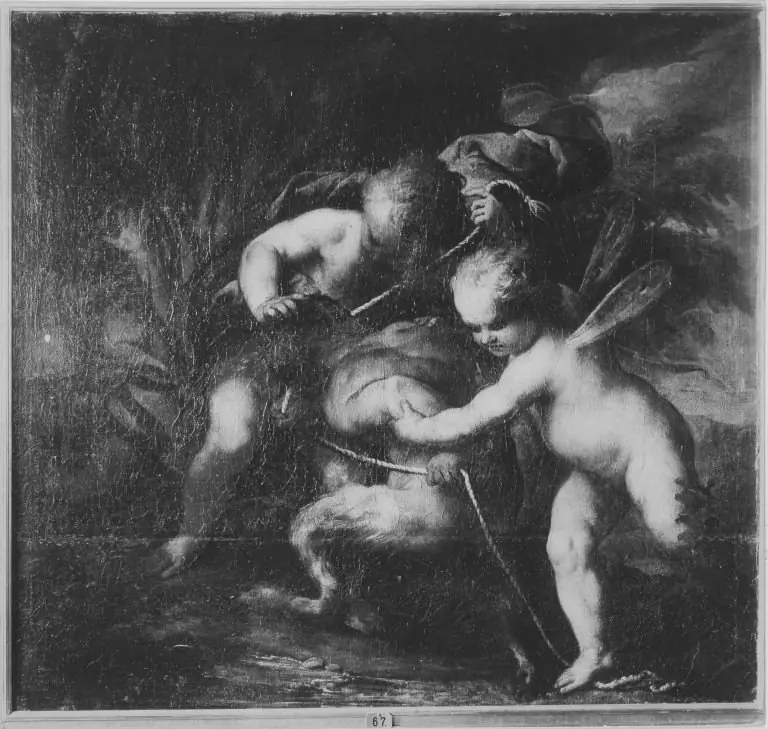 Zwei Eroten fesseln einen jungen Satyr
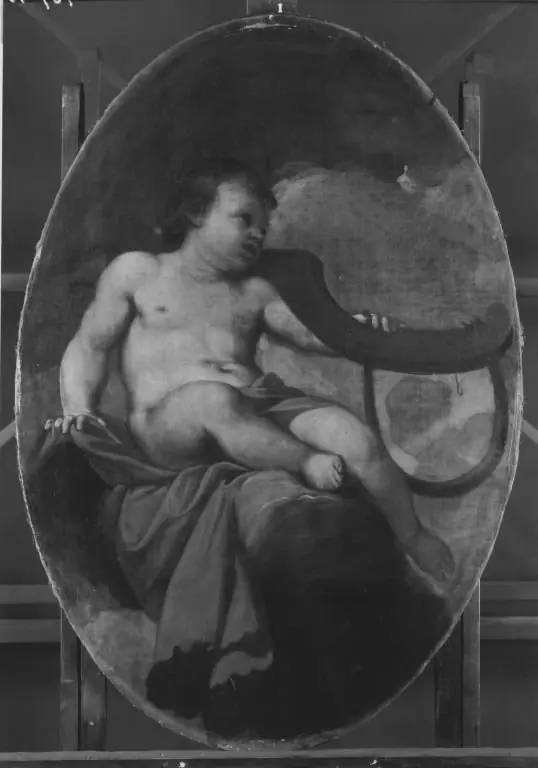 Genius mit Joch
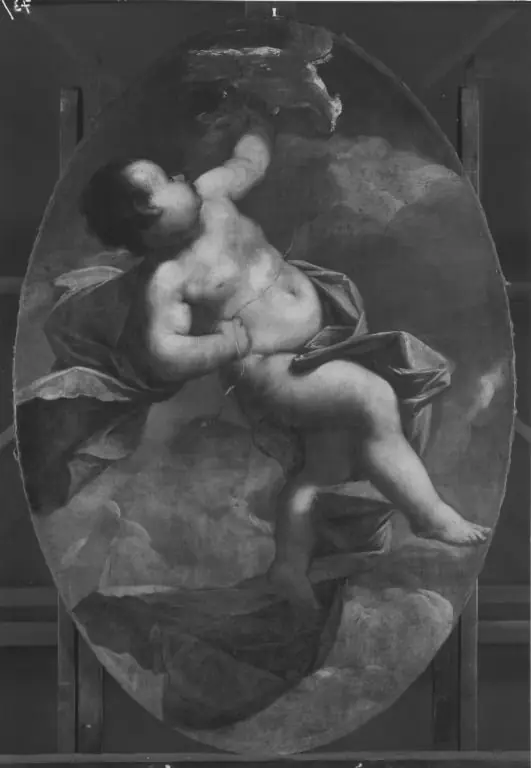 Genius mit Taube
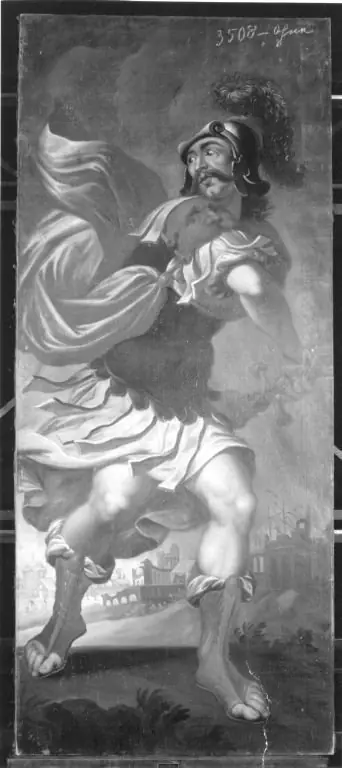 Mars
Mars