Artwork
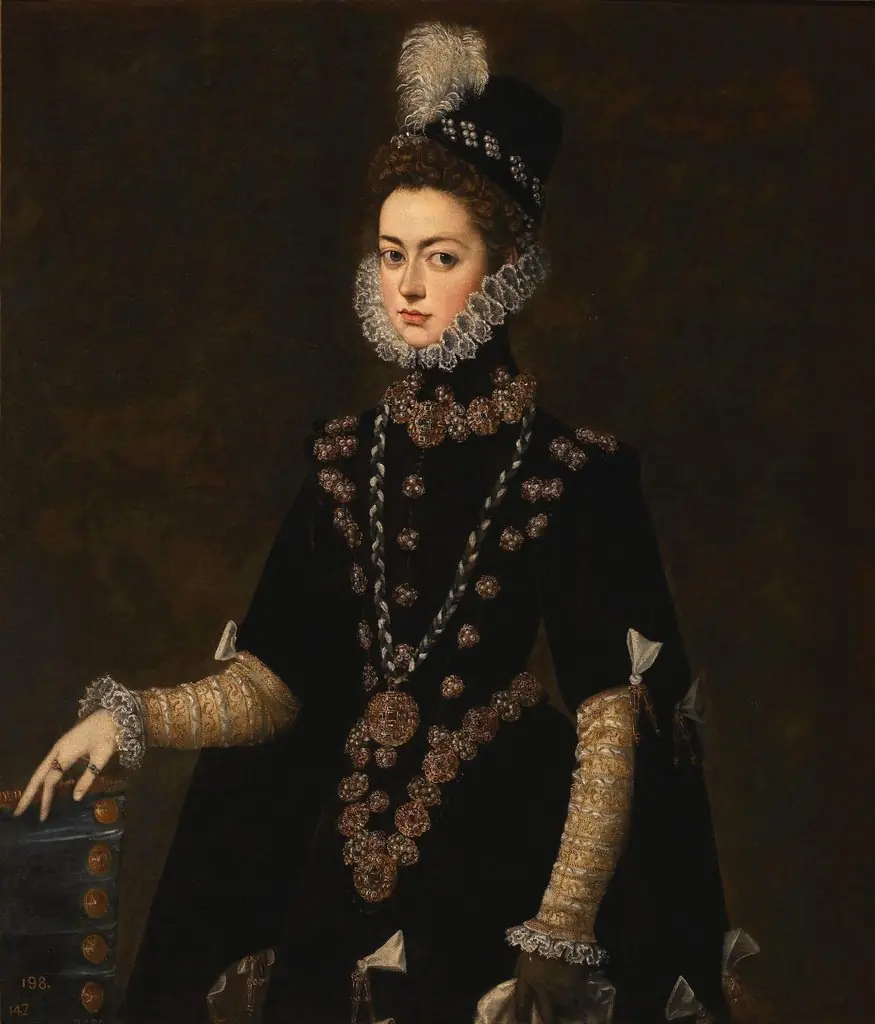
Infantin Maria (1528-1603), Kaiserin, Bildnis in halber Figur
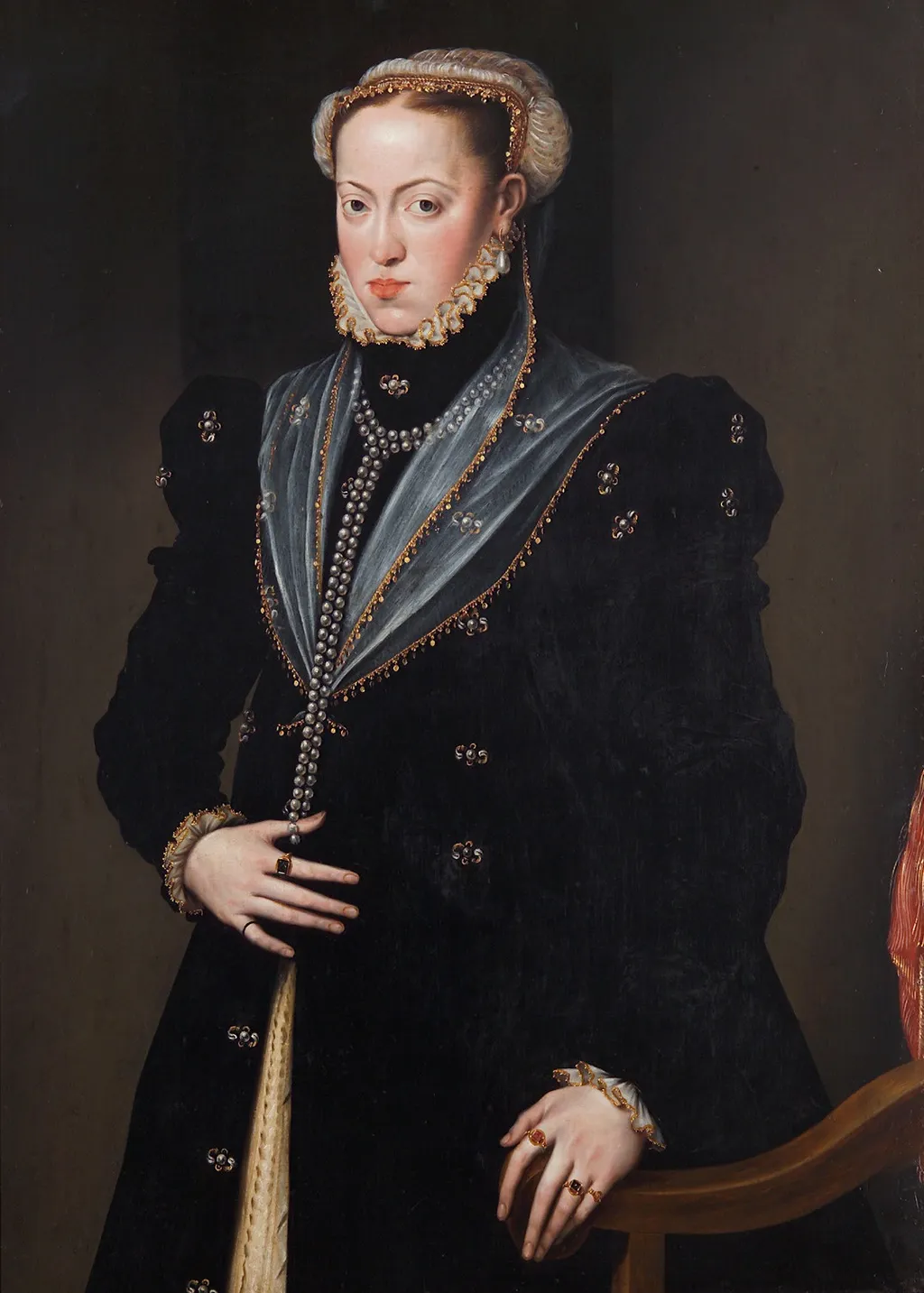
Infantin Maria (1528-1603), Kaiserin, Bildnis in halber Figur is an oil painting by the Early Baroque Italian artist Unknown. It dates from 1600 and is held in the collection of the Kunsthistorisches Museum. This oil painting depicts Maria of Austria, Holy Roman Empress, portrayed in half-length.
About this work
Overview
Her attire, richly detailed in black fabric adorned with minute gold embroidery, conveys status without overt opulence.
This oil painting depicts Maria of Austria, Holy Roman Empress, portrayed in half-length. She stands against a deep, unmodulated background that isolates her figure and heightens visual focus. Her attire, richly detailed in black fabric adorned with minute gold embroidery, conveys status without overt opulence. The composition emphasizes stillness and dignity, with subtle modeling of form through controlled light and shadow.
Subject & Meaning
Maria of Austria, daughter of Emperor Charles V and queen consort of Ferdinand I, is presented as a figure of imperial authority and reserved piety. Her somber dress and restrained jewelry reflect Habsburg ideals of solemnity and duty. The rod she holds may symbolize governance or spiritual guidance, reinforcing her role as a stabilizing force within the dynasty. The pearl-encrusted headpiece and ruff signal her high rank without extravagance.
Technique & Style
The artist employs chiaroscuro to model the contours of Maria’s face, hands, and garments, lending volume and tactility to the surface. Fine gold stitching on the gown is rendered with precision, contrasting against the dark ground. The ruff and pearl netting are painted with delicate brushwork, capturing texture and light refraction. The background remains flat, directing attention entirely to the figure’s presence and attire.
History & Provenance
Commissioned during Maria’s tenure as empress, the portrait likely originated in the Habsburg court, possibly for diplomatic or familial use. It remained within imperial collections, documented in 16th-century inventories. Its survival through centuries of political change reflects its importance as a visual record of Habsburg female authority in the early modern period.
Context
Portraits of royal women in the mid-16th century often emphasized modesty and moral authority over personal expression. Maria’s image aligns with broader trends in Central European court art, where dress and posture conveyed political identity more than individuality. The use of black as a noble color, popularized by Spanish Habsburgs, underscores her connection to a powerful dynastic lineage.
Legacy
The portrait endures as a representative example of Habsburg court portraiture, illustrating how visual codes of dress and lighting communicated power in an era before photography. Its restrained elegance influenced later depictions of aristocratic women in Central Europe, reinforcing the association between somber attire and imperial dignity well into the 17th century.
Artist & collection

 Domestic Scene
 Giacomo and Cardinal Marco, investing Andrea, Abbot of San Zeno, with his Benefice
 The Nymph of Fontainebleau
 Portrait of a Woman
 Madonna and Child with Saints in the Enclosed Garden
 Venus and Minerva
 Family Group of Four on Sofa
 Wall painting from Room H of the Villa of P. Fannius Synistor at Boscoreale
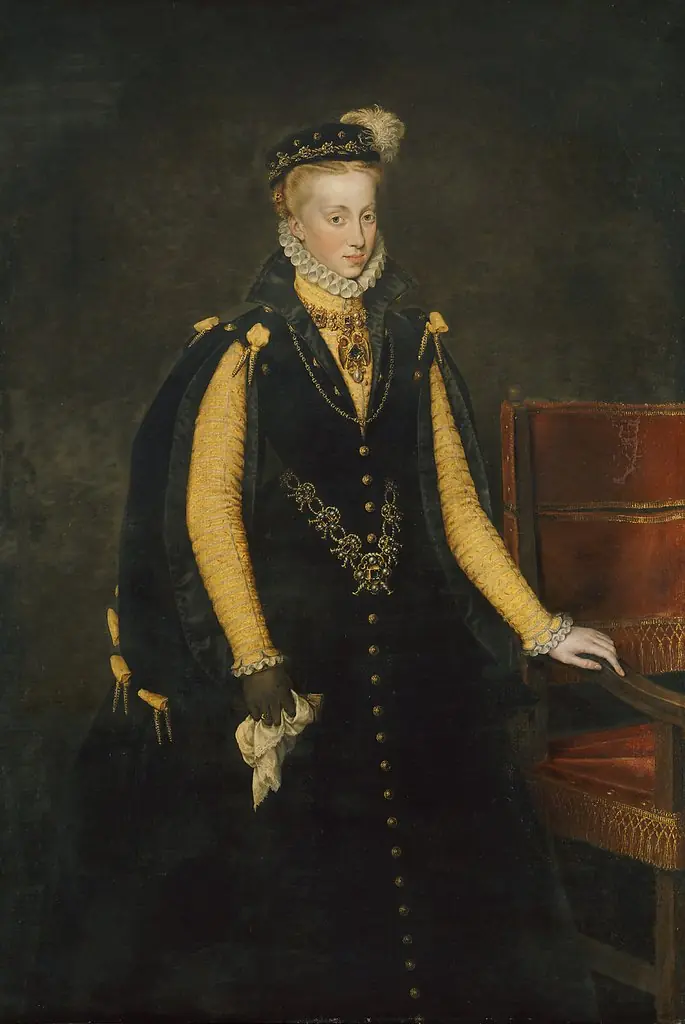 Anna von Österreich, Königin von Spanien
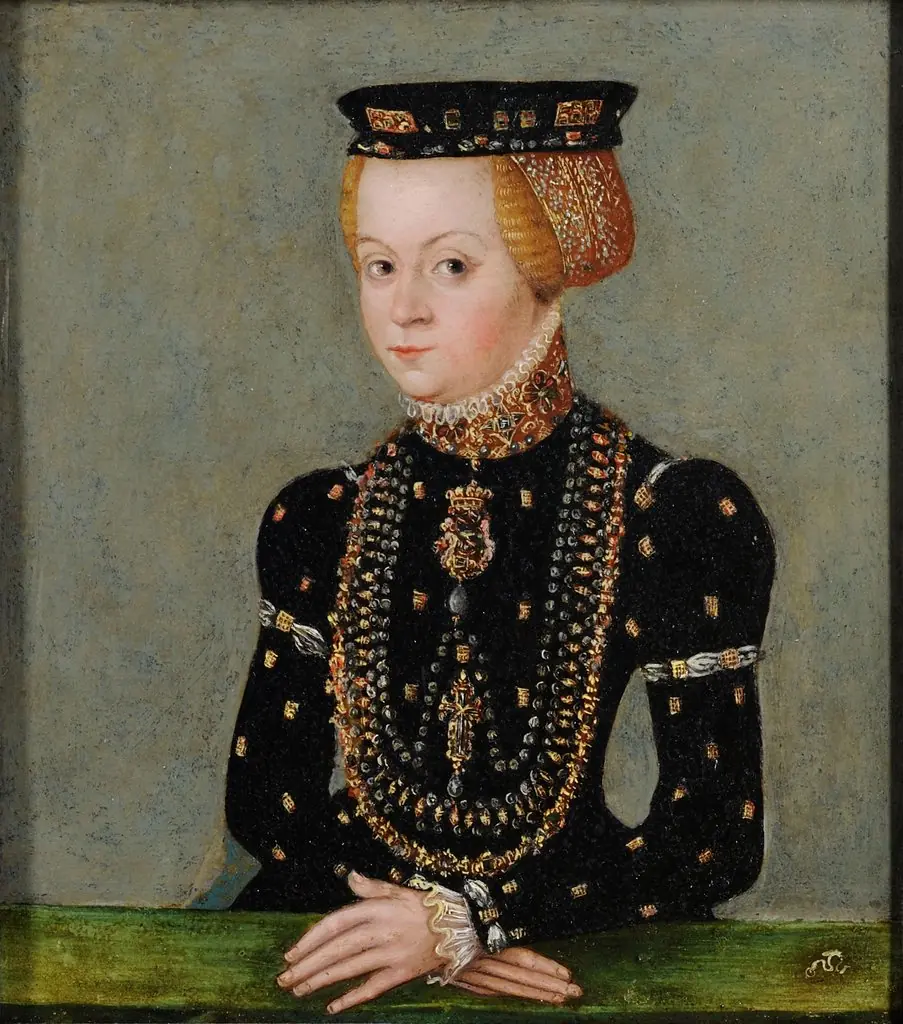 Sophia Jagiellon
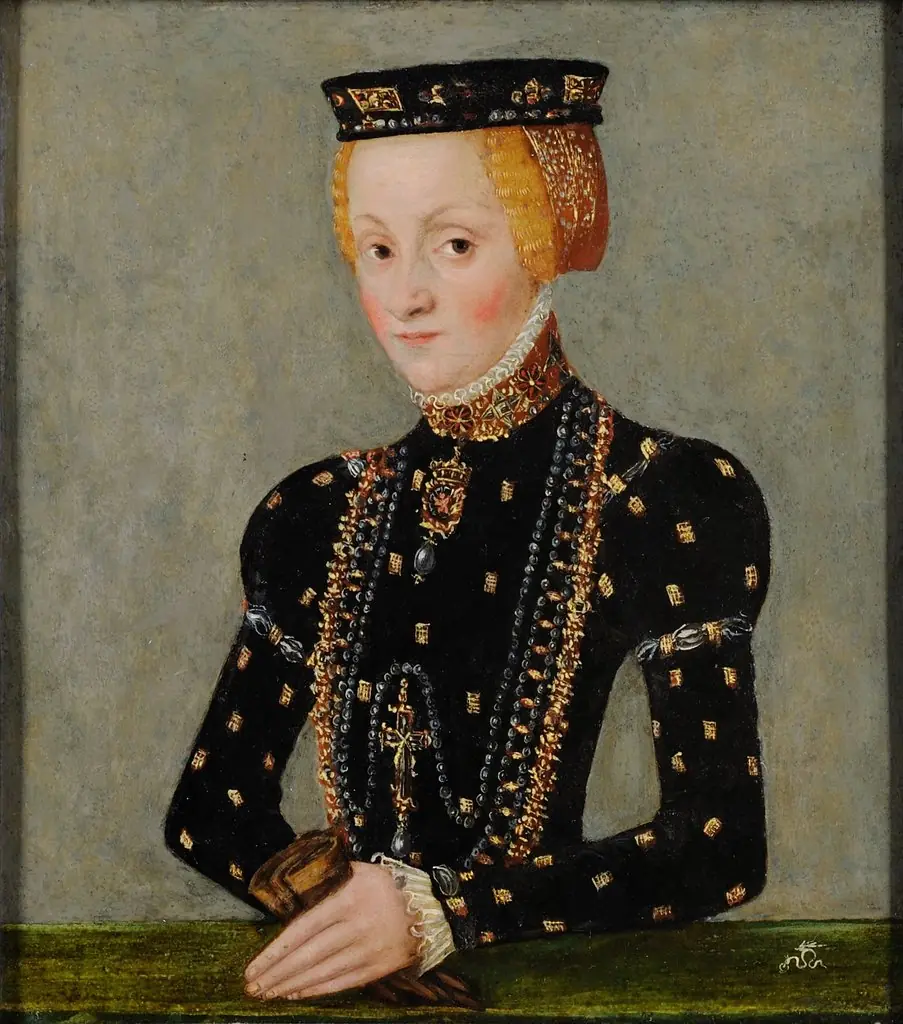 Catherine Jagellon
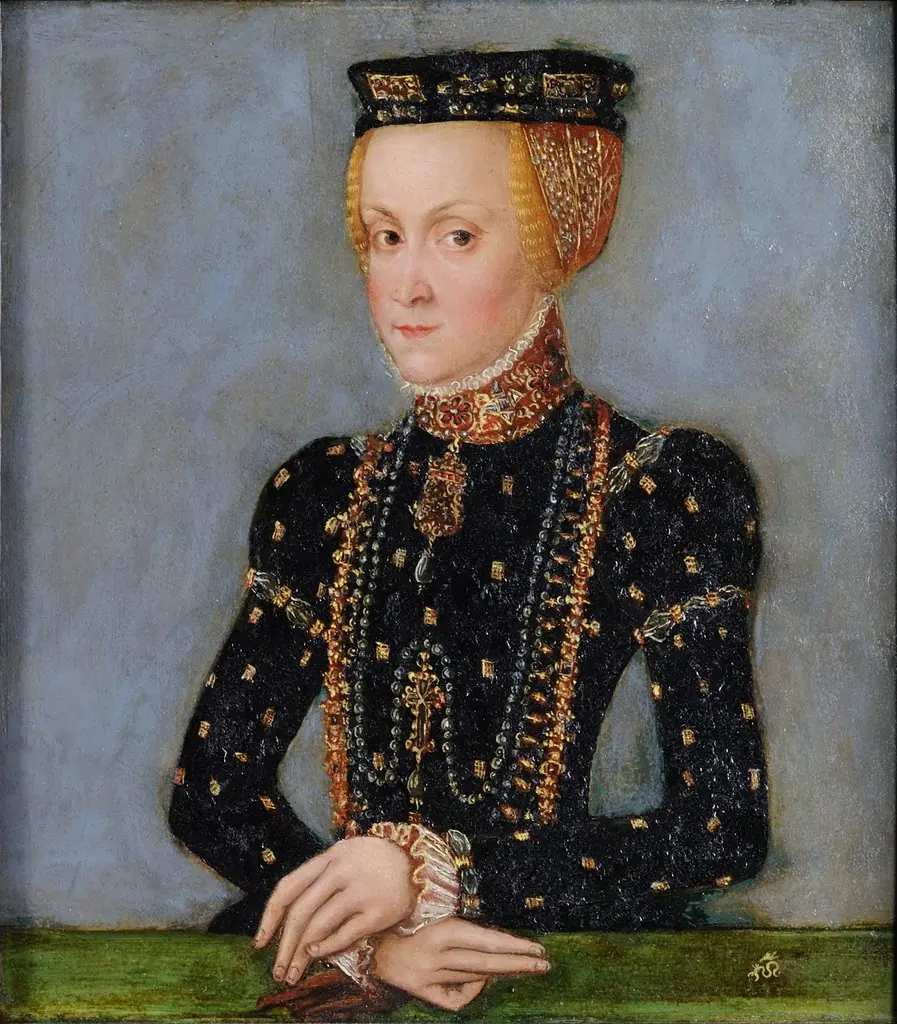 Anna Jagiellon
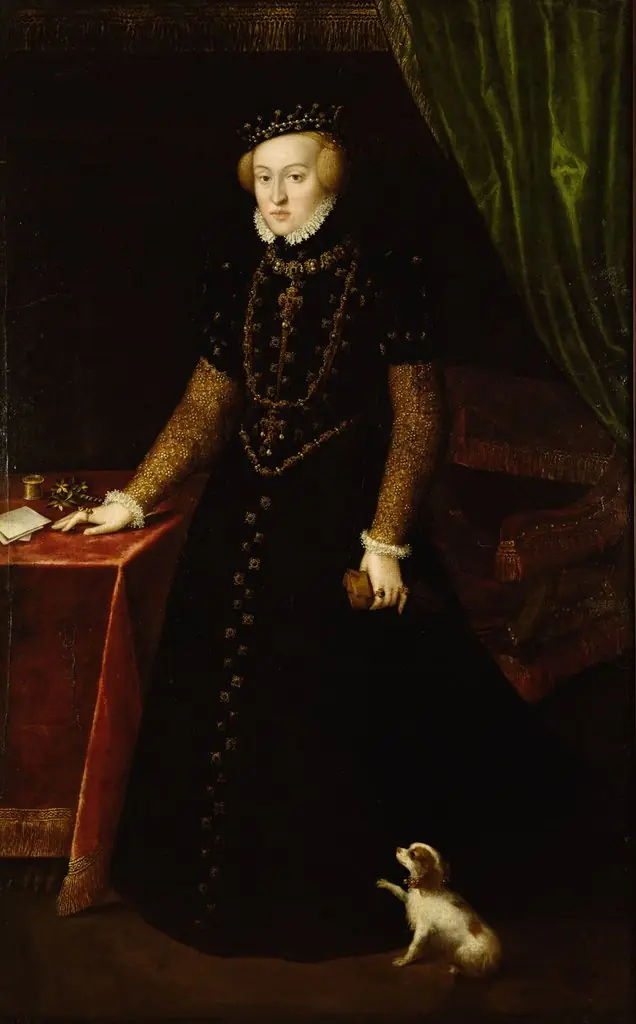 Erzherzogin Eleonore (1534-1594), Herzogin von Mantua in ganzer Figur
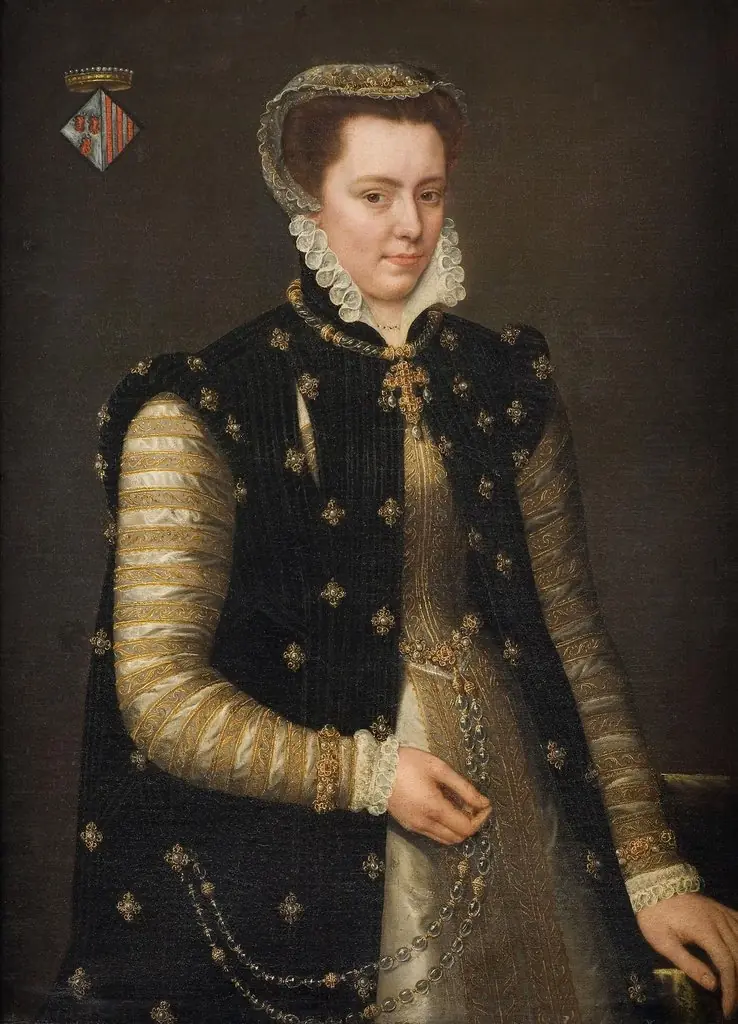 Portrait of Margaret of Parma
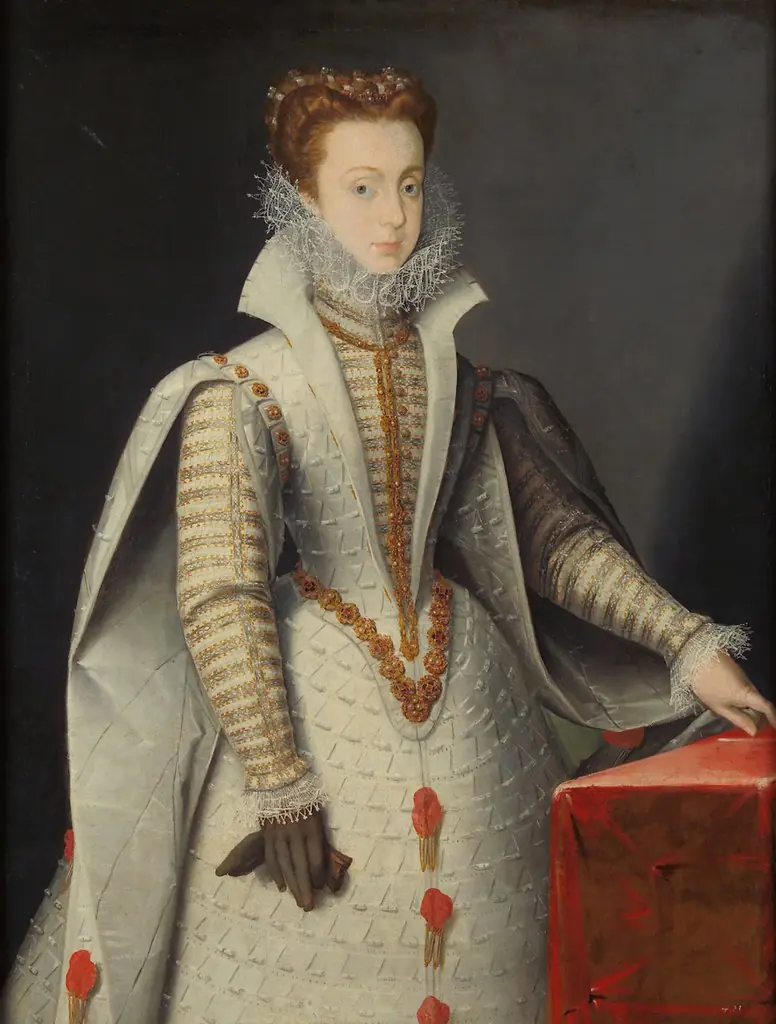 Herzogin Margarete von Joyeuse (1564-1625), Dreiviertelbildnis
 Female Portrait
 Lady with the Jewel
 Portrait of Archduchess Mary Anna of Bavaria
 Margaret, Duchess of Parma
 The Infanta Catalina Micaela