Artwork
Anna Jagiellon
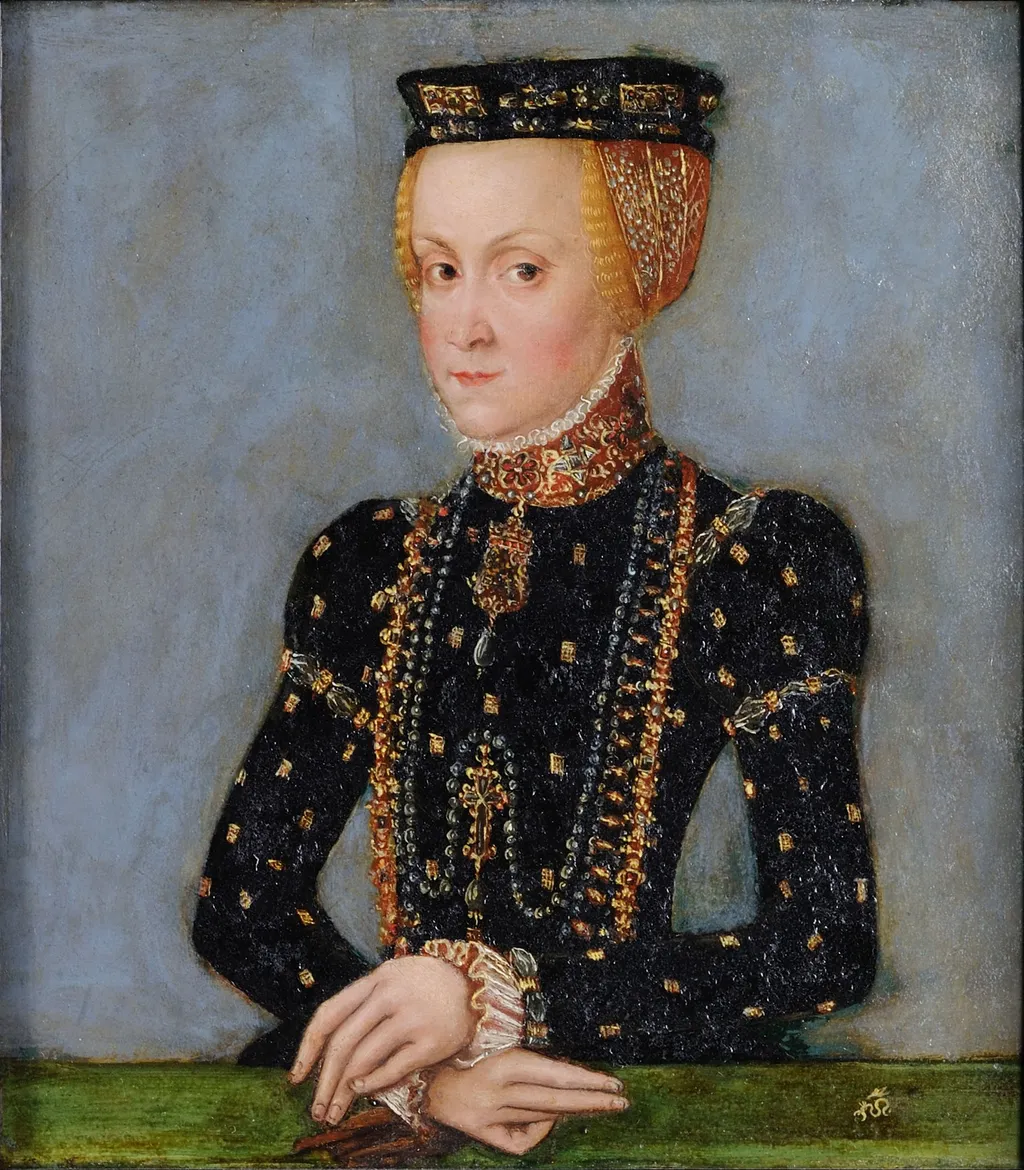
Anna Jagiellon is an oil painting by Lucas Cranach the Younger. It dates from 1556 and is held in the collection of the National Museum in Kraków.
About this work
Overview
Created by Lucas Cranach the Younger, a German artist known for his precise portraiture, the work reflects the stylistic traditions of the Northern Renaissance.
Painted in 1556, this oil portrait depicts Anna Jagiellon, a Polish queen and member of the Jagiellon dynasty. Created by Lucas Cranach the Younger, a German artist known for his precise portraiture, the work reflects the stylistic traditions of the Northern Renaissance. It resides in the National Museum in Kraków, where it remains a key example of 16th-century courtly representation in Central Europe.
Subject & Meaning
Anna Jagiellon is portrayed with solemn dignity, her hands folded and gaze direct, conveying composure and authority. Her attire—black velvet adorned with gold and crimson embroidery—signals her royal status and adherence to Habsburg-influenced mourning dress, common among elite women after the death of a spouse. The covered hair and restrained posture reflect ideals of female nobility and piety in mid-16th-century Poland.
Technique & Style
Cranach the Younger employed oil paint to achieve fine detail in fabric textures and metallic embellishments. Subtle chiaroscuro models the face and hands, lending volume without dramatic contrast. The flat, pale blue background isolates the figure, emphasizing her presence. Intricate patterns on the dress and hat are rendered with meticulous brushwork, showcasing the artist’s skill in translating textile richness into pigment.
History & Provenance
Commissioned during Anna’s time as Queen of Poland, the portrait likely served to affirm her political identity in the wake of her husband’s death. It entered the National Museum in Kraków’s collection in the 19th century, following the dispersal of aristocratic holdings after the partitions of Poland. Its survival through centuries of political upheaval underscores its cultural significance to Polish heritage.
Context
Created during a period of dynastic transition in Poland-Lithuania, the portrait aligns with broader trends in Central European court art, where rulers used imagery to assert legitimacy. Cranach the Younger, trained in his father’s workshop, brought German Renaissance precision to Polish commissions, bridging artistic traditions between the Holy Roman Empire and the Polish court.
Legacy
The portrait remains one of the few surviving likenesses of Anna Jagiellon, offering insight into how female rulers were visually represented in early modern Europe. It contributes to scholarly understanding of how portraiture functioned as political tool and cultural artifact, preserving the visual language of power in a time when women’s public roles were tightly circumscribed.
Own this work as a print
Artist & collection
Artist
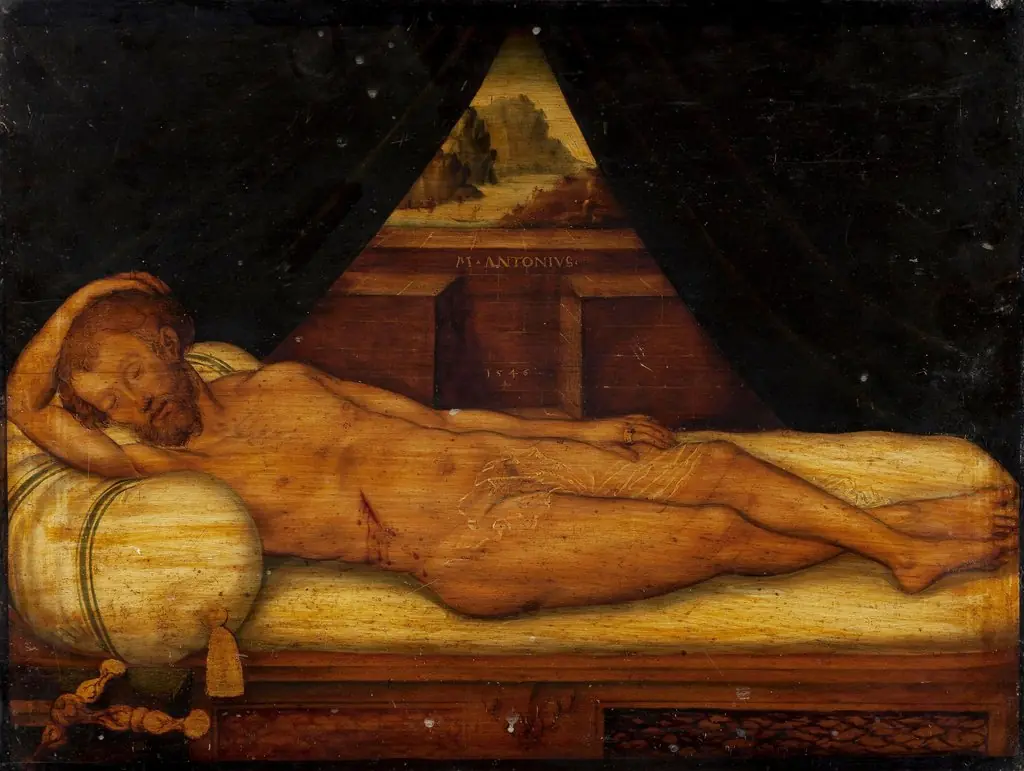
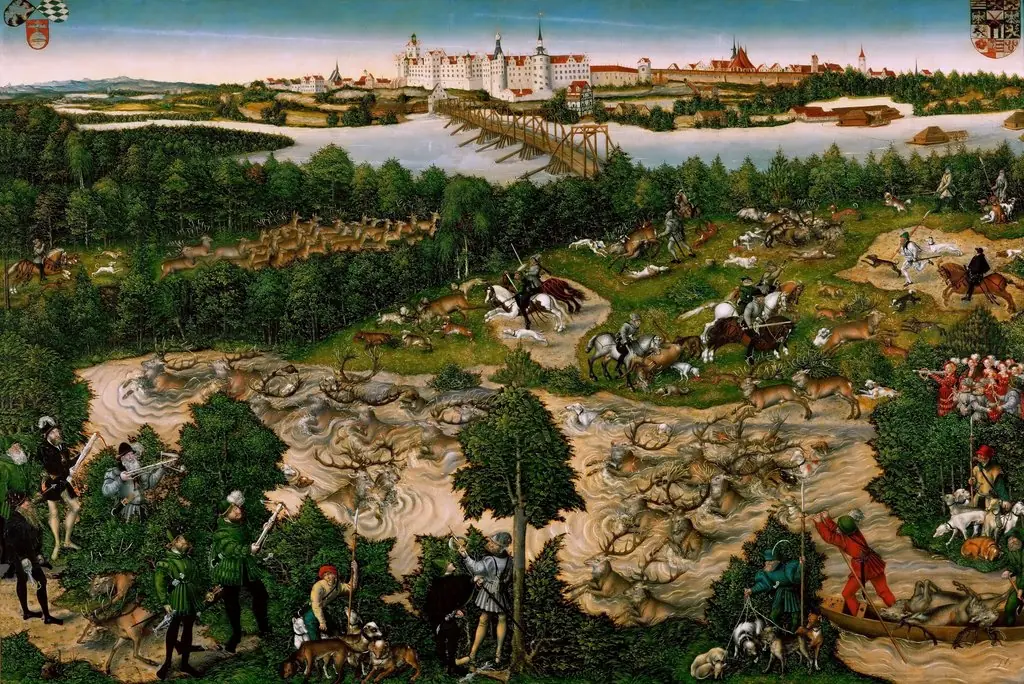
Lucas Cranach the Younger (German: Lucas Cranach der Jüngere, IPA: ; 4 October 1515 – 25 January 1586) was a German Renaissance painter and portraitist, the son of Lucas Cranach the Elder and brother of Hans Cranach.

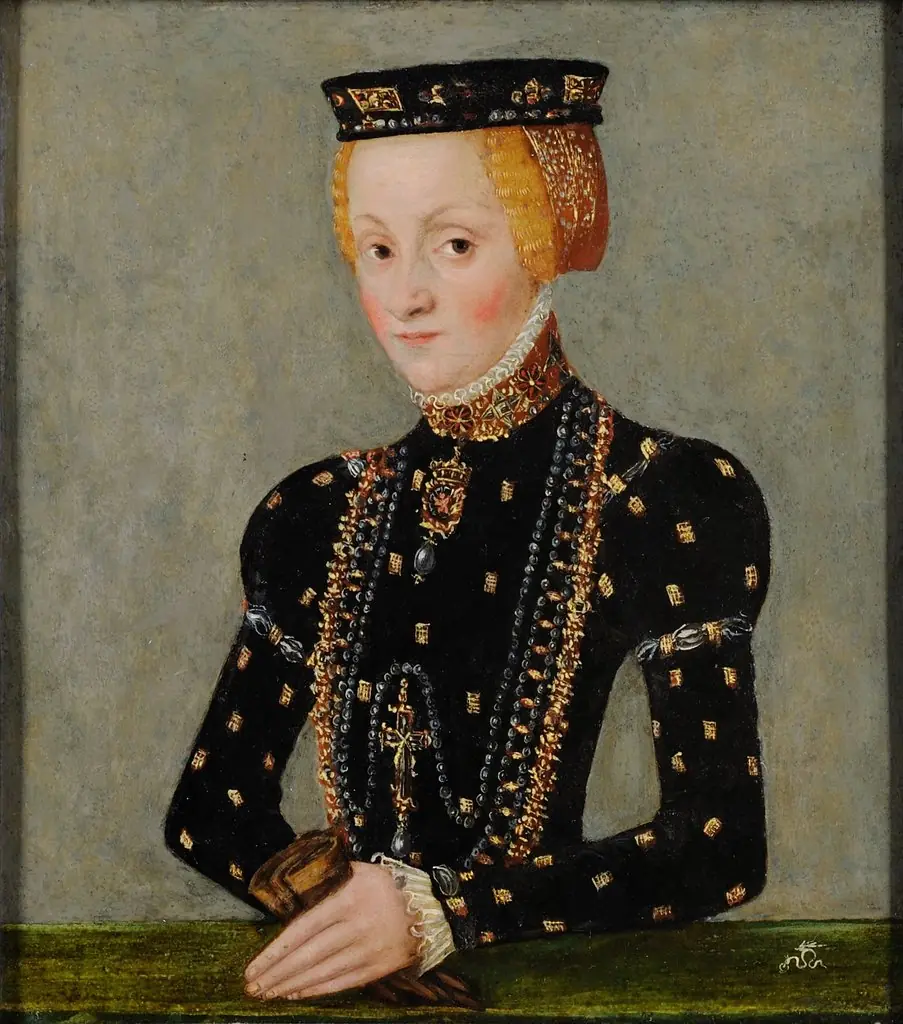 Catherine Jagellon
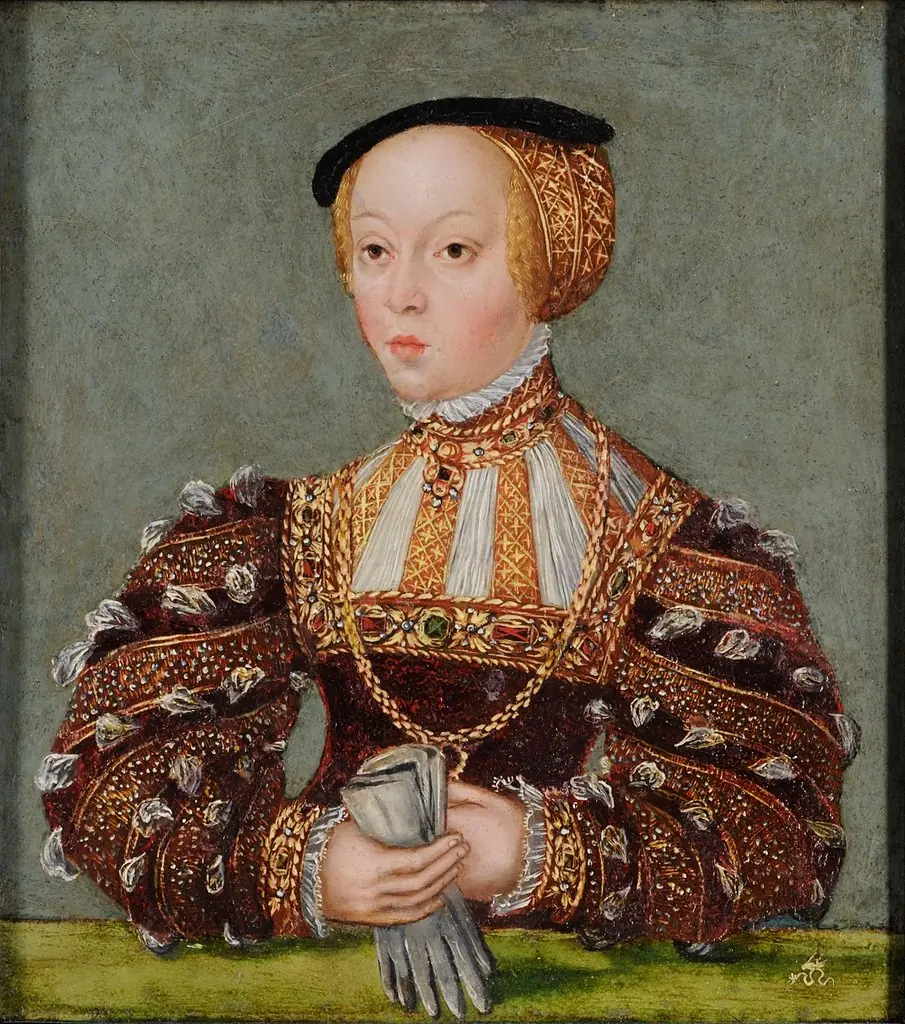 Elisabeth of Austria
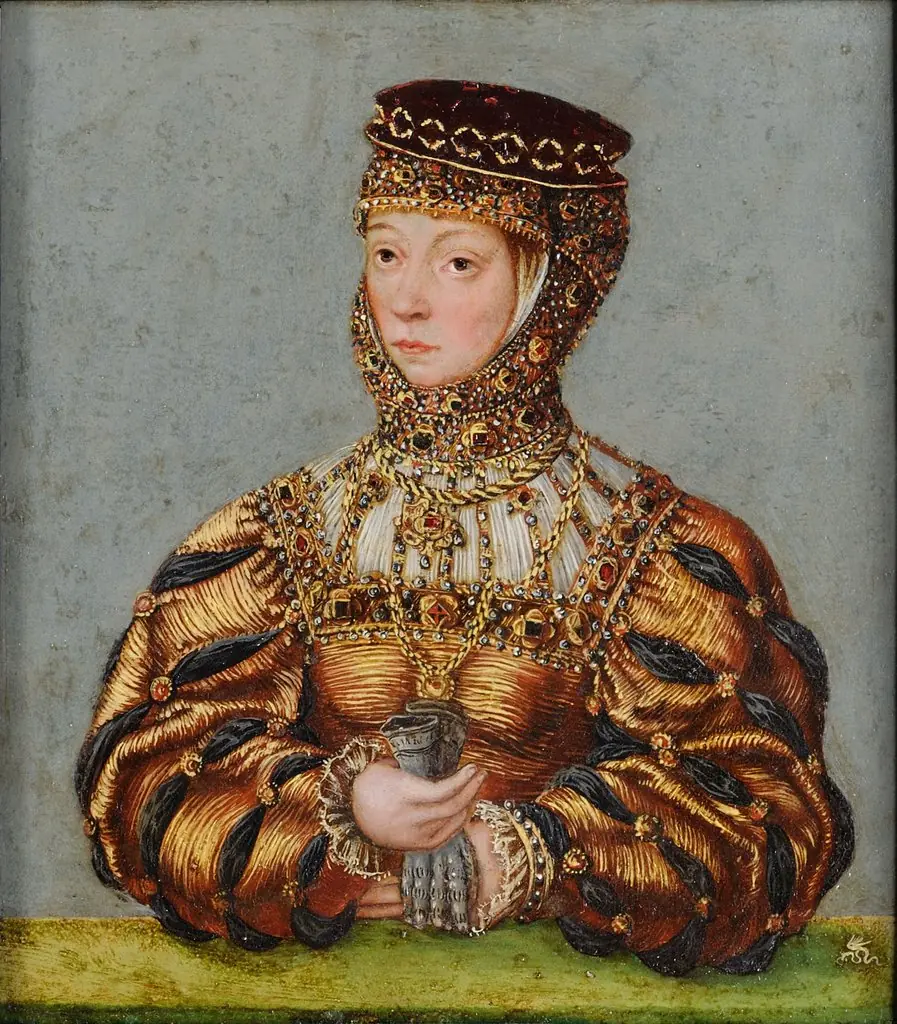 Barbara Radziwill
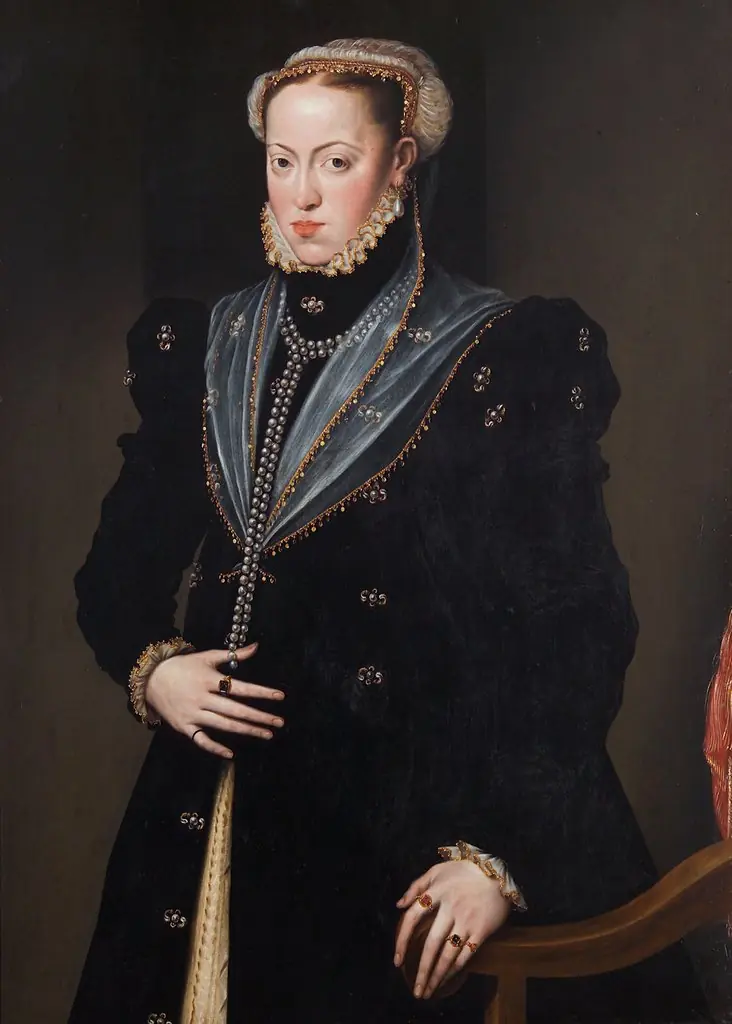 Infantin Maria (1528-1603), Kaiserin, Bildnis in halber Figur
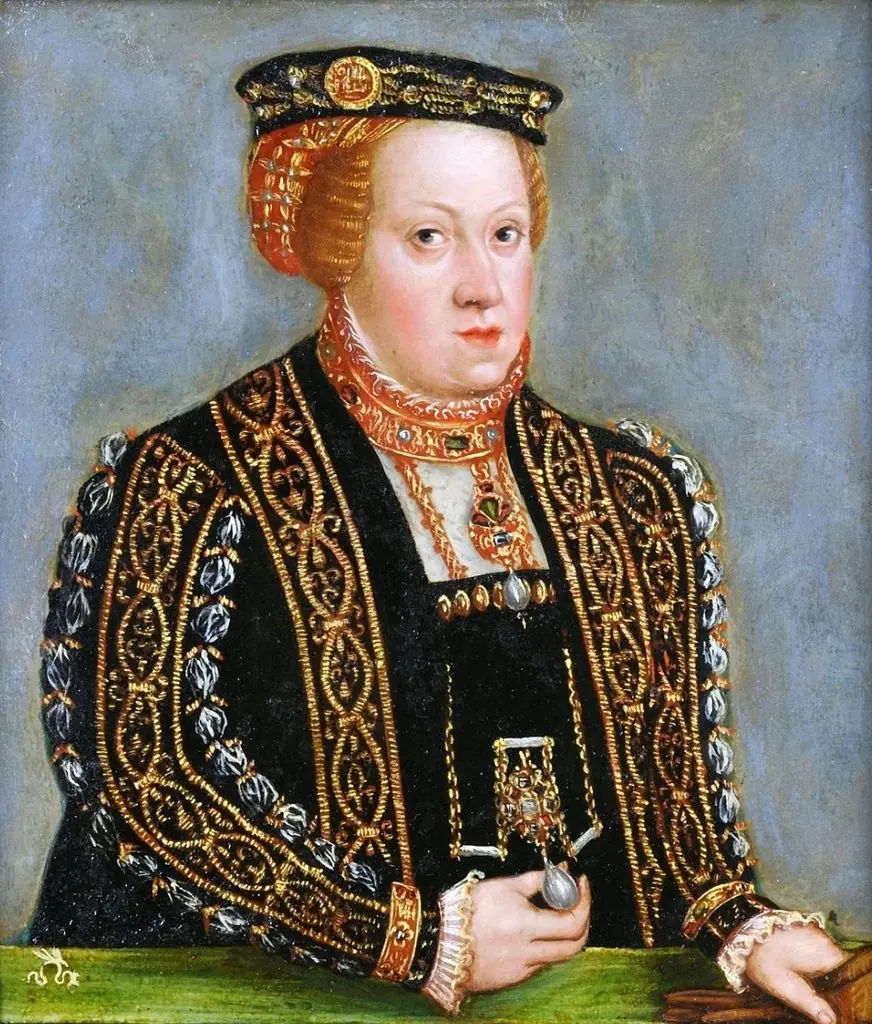 Catherine of Austria
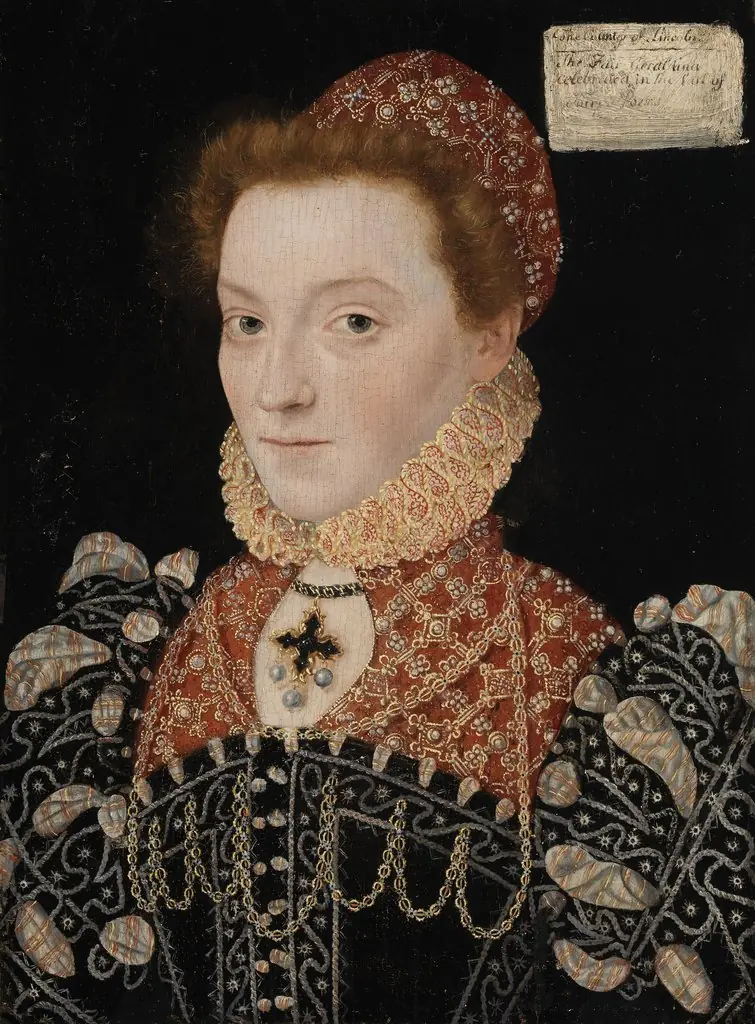 Portrait of 'The Fair Geraldine' (Elizabeth Fitzgerald, Countess of Lincoln, c1528-1590)
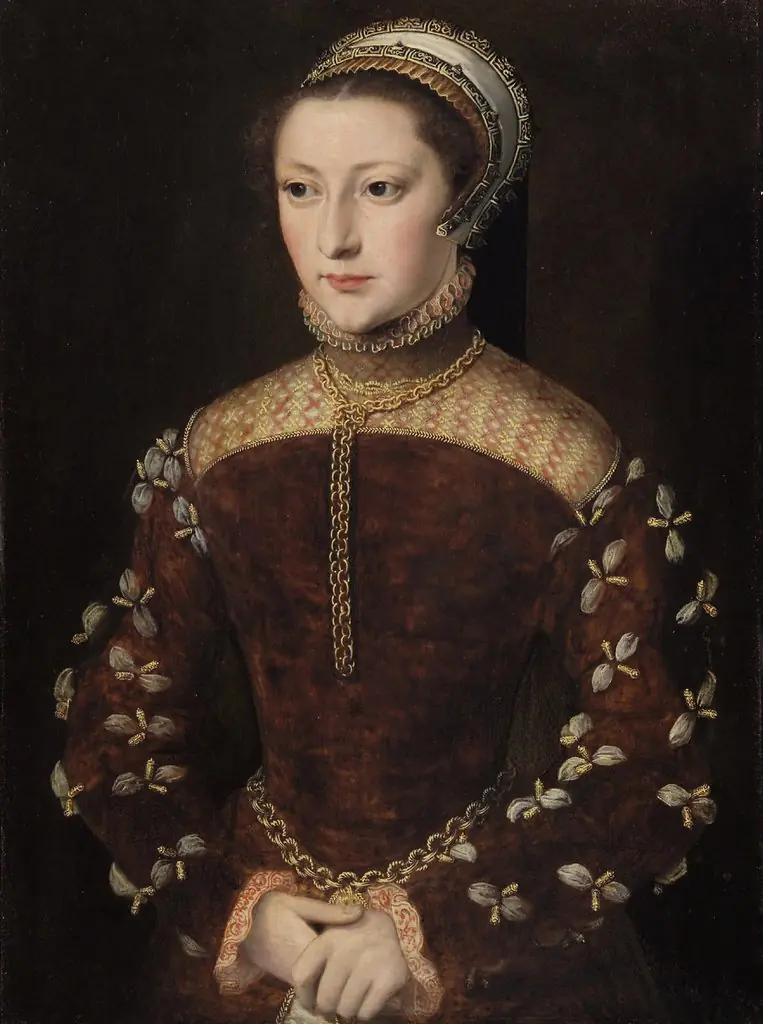 Weibliches Bildnis
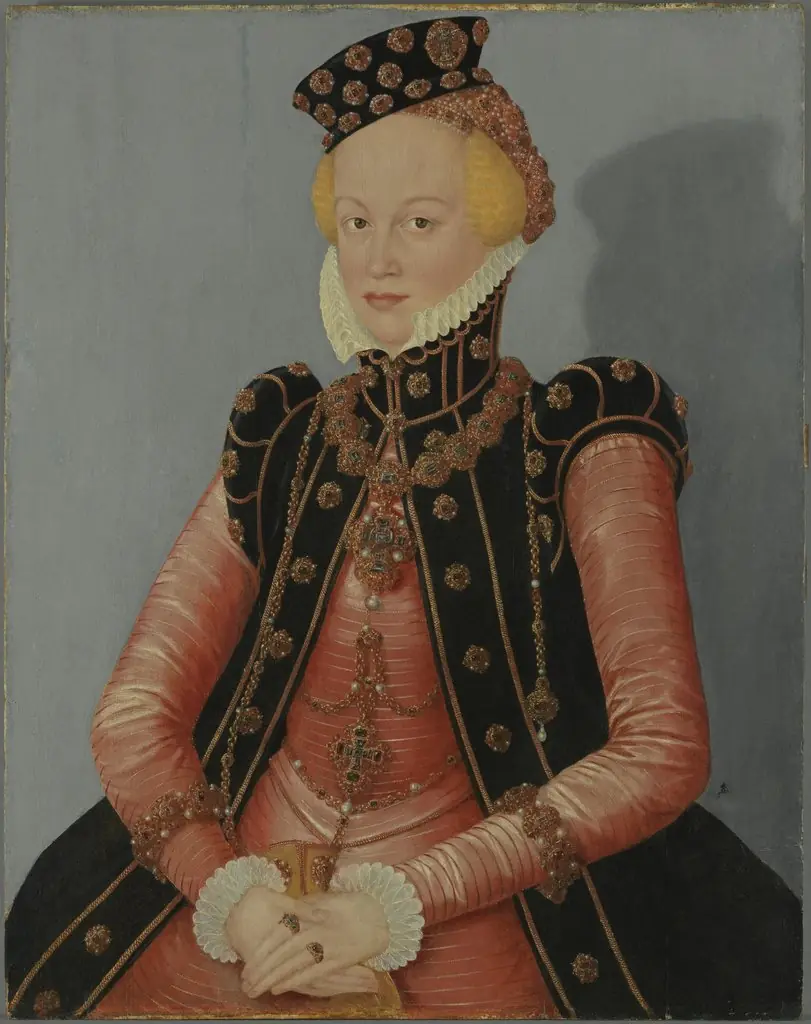 Portrait of a Lady (Margravine Elisabeth von Ansbach-Bayreuth?)
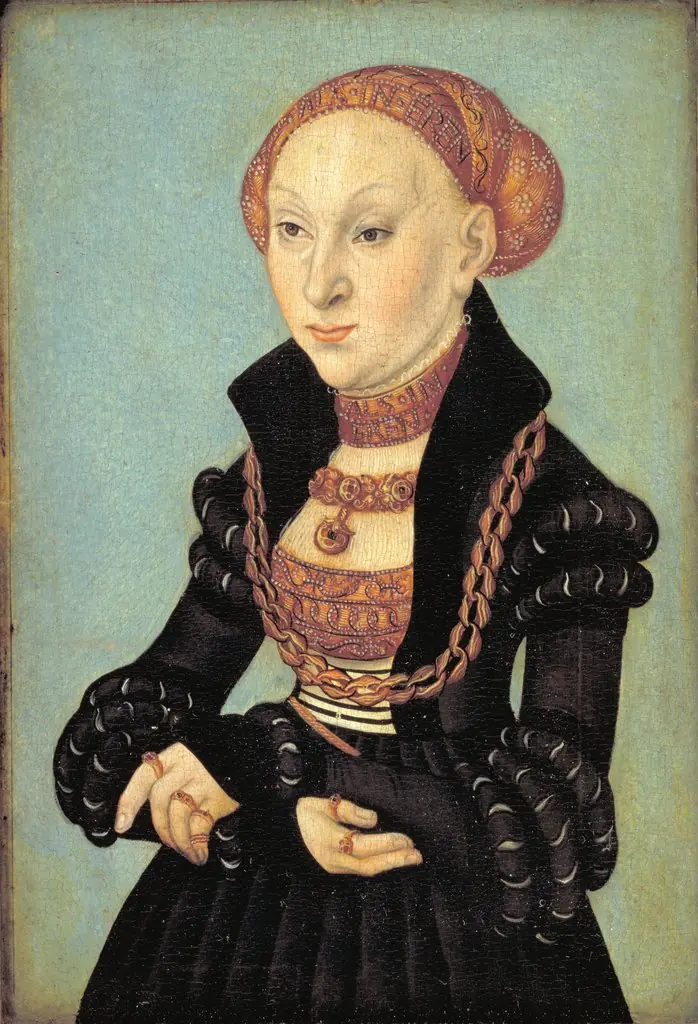 Portrait of the Electress Sibyl of Saxony (1510-1569)
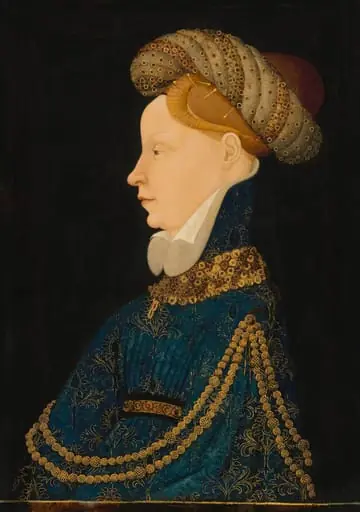 Profile Portrait of a Lady