Artwork
Tantric Manuscript "Sangrahani Sutra"
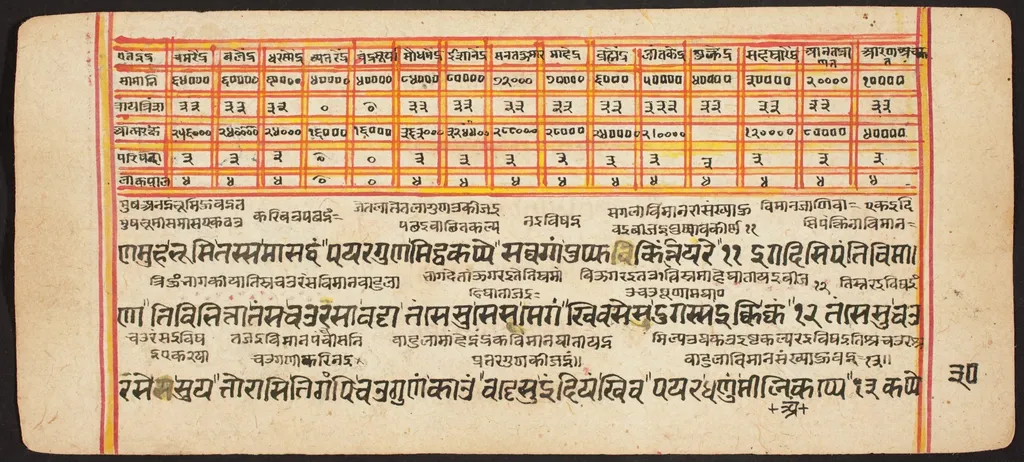
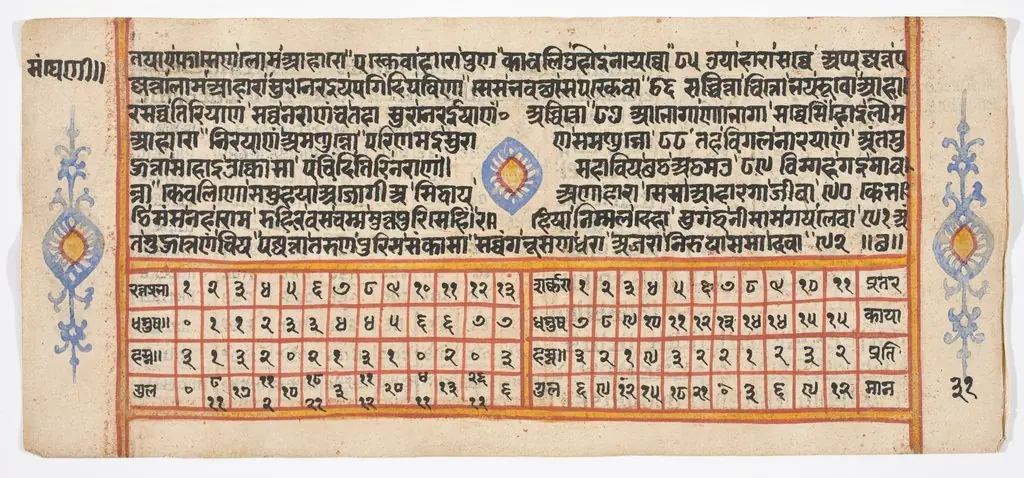
Tantric Manuscript "Sangrahani Sutra" is an unspecified painting by Unknown. It is held in the collection of the Detroit Institute of Arts. This page originates from a handwritten Tantric Buddhist manuscript known as the Sangrahani Sutra, produced in medieval South Asia.
About this work
Overview
The yellowed parchment and faded dark ink indicate significant age and prolonged handling, consistent with liturgical use over centuries.
This page originates from a handwritten Tantric Buddhist manuscript known as the Sangrahani Sutra, produced in medieval South Asia. The text is arranged in a tightly spaced grid, a format common in devotional manuscripts meant for ritual use. The script, though undeciphered in this instance, exhibits elaborate calligraphic flourishes typical of esoteric Buddhist traditions. The yellowed parchment and faded dark ink indicate significant age and prolonged handling, consistent with liturgical use over centuries.
Subject & Meaning
The Sangrahani Sutra is a doctrinal text within Vajrayana Buddhism, summarizing key teachings on ritual practice and meditative discipline. Its grid layout suggests a structured approach to memorization and recitation, possibly aiding monks in oral transmission. The ornate script may reflect reverence for the words as sacred objects, where form enhances spiritual potency. The red border, while decorative, also demarcates the sacred space of the text, separating it from the mundane.
Technique & Style
The manuscript was executed on palm leaf or paper with iron-gall ink, a common medium in South Asian scribal traditions. The script’s intricate flourishes indicate skilled calligraphers trained in monastic scriptoria. The grid structure reflects a deliberate design for clarity and ritual pacing, while the faded ink and worn surface suggest repeated use in ceremonies. The thin red border, likely applied with natural pigments, frames the text without interrupting its flow.
History & Provenance
Though its exact origin is unrecorded, similar manuscripts are associated with tantric Buddhist communities in Nepal, Tibet, or eastern India between the 10th and 15th centuries. The Detroit Institute of Arts holds comparable examples, indicating a broader circulation of such texts among collectors and institutions. Its survival implies careful preservation, possibly within temple libraries or private devotional collections, shielded from environmental damage and political upheaval.
Context
This manuscript belongs to a tradition where sacred texts were not merely read but ritually activated through recitation, visualization, and physical handling. The grid format facilitated sequential chanting, aligning with tantric practices that emphasized precise repetition. Such texts were often kept in cloth wrappings or wooden boxes, passed down through lineages of teachers and disciples, reinforcing their role as living conduits of esoteric knowledge.
Legacy
Though the script remains undeciphered, the physical form of this page contributes to scholarly understanding of medieval Buddhist scribal practices. Its preservation in institutional collections allows for comparative study with other tantric manuscripts, aiding in the reconstruction of lost textual traditions. The aesthetic and structural choices reflect a worldview in which writing itself was a spiritual act, not merely a means of communication.
Artist & collection

 Domestic Scene
 Giacomo and Cardinal Marco, investing Andrea, Abbot of San Zeno, with his Benefice
 The Nymph of Fontainebleau
 Portrait of a Woman
 Madonna and Child with Saints in the Enclosed Garden
 Venus and Minerva
 Family Group of Four on Sofa
 Wall painting from Room H of the Villa of P. Fannius Synistor at Boscoreale
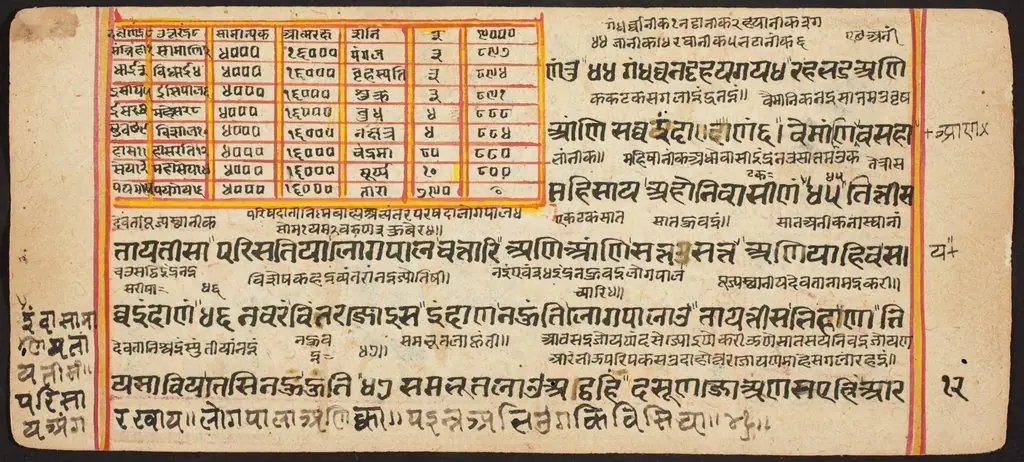 Tantric Manuscript "Sangrahani Sutra"
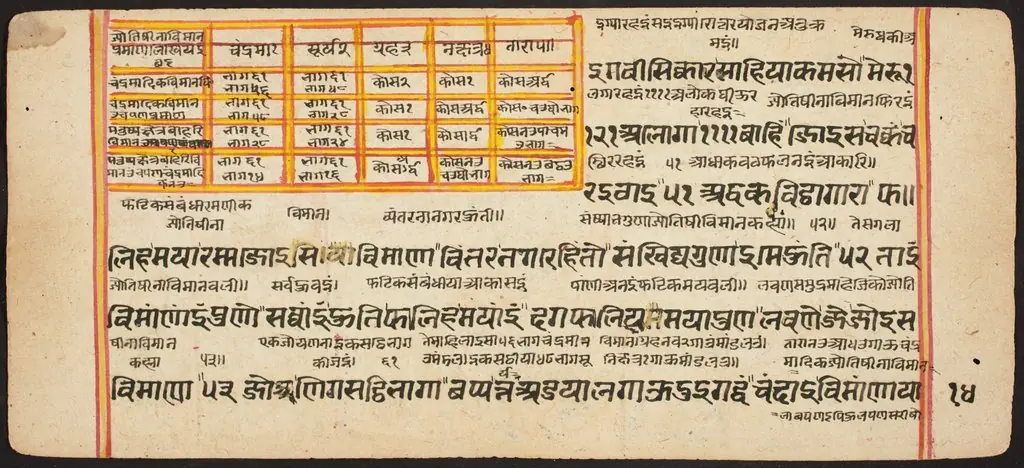 Tantric Manuscript "Sangrahani Sutra"
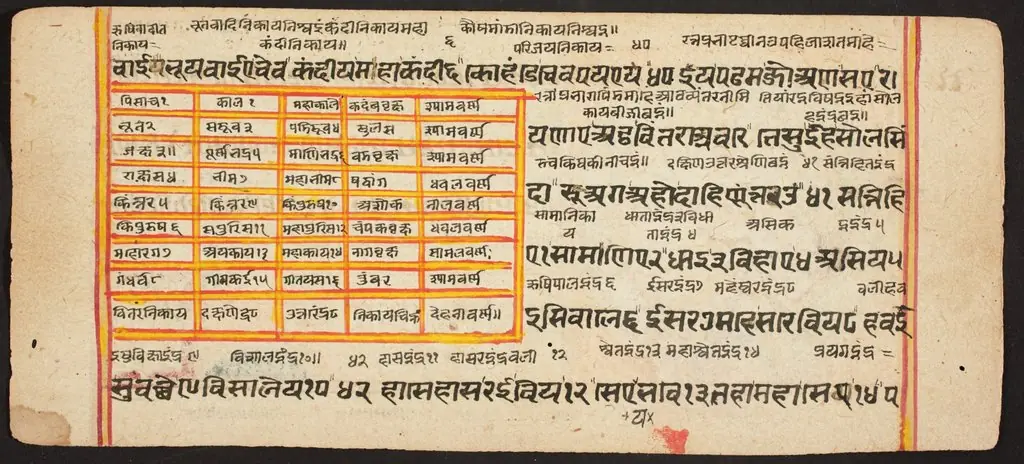 Tantric Manuscript "Sangrahani Sutra"
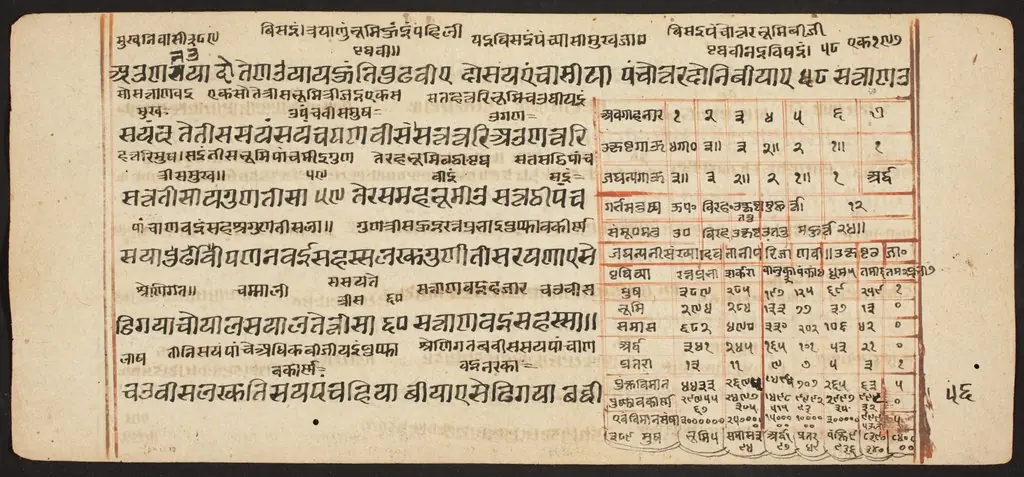 Tantric Manuscript "Sangrahani Sutra"
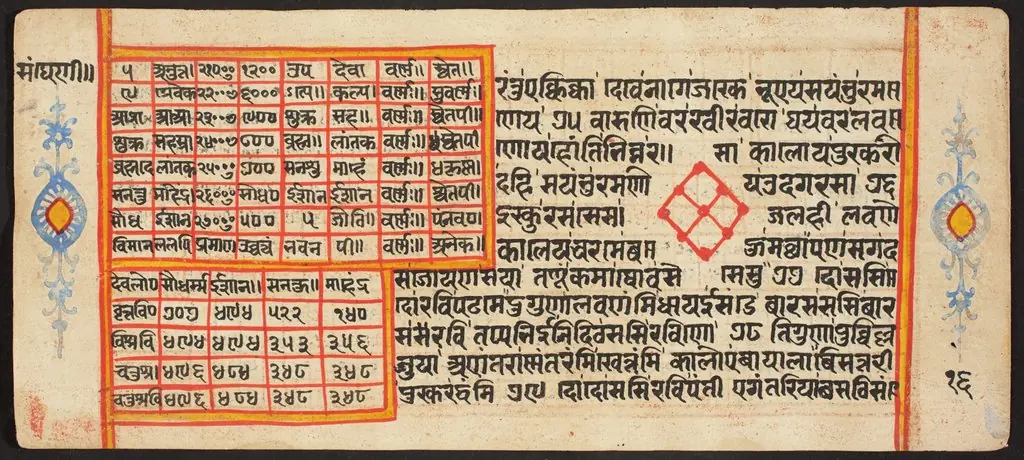 Tantric Manuscript "Sangrahani Sutra"
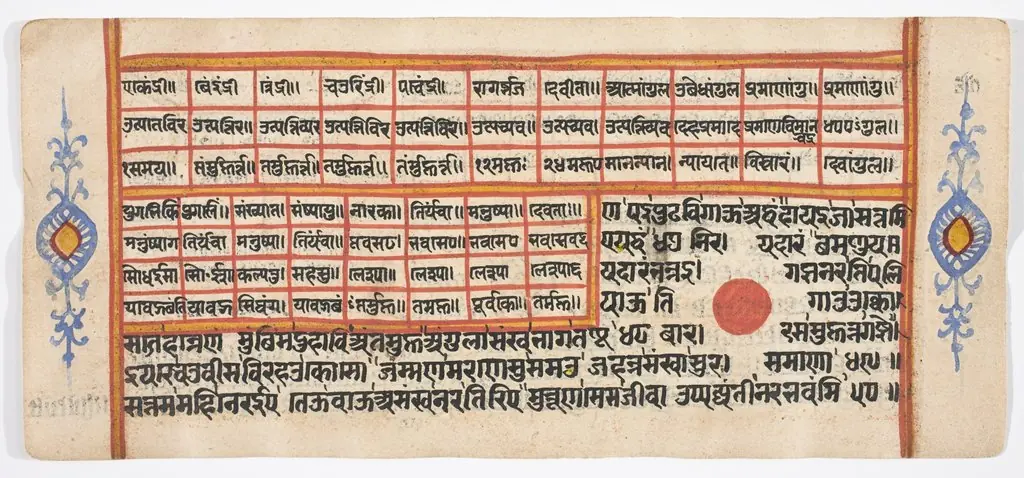 Tantric Manuscript "Sangrahani Sutra"
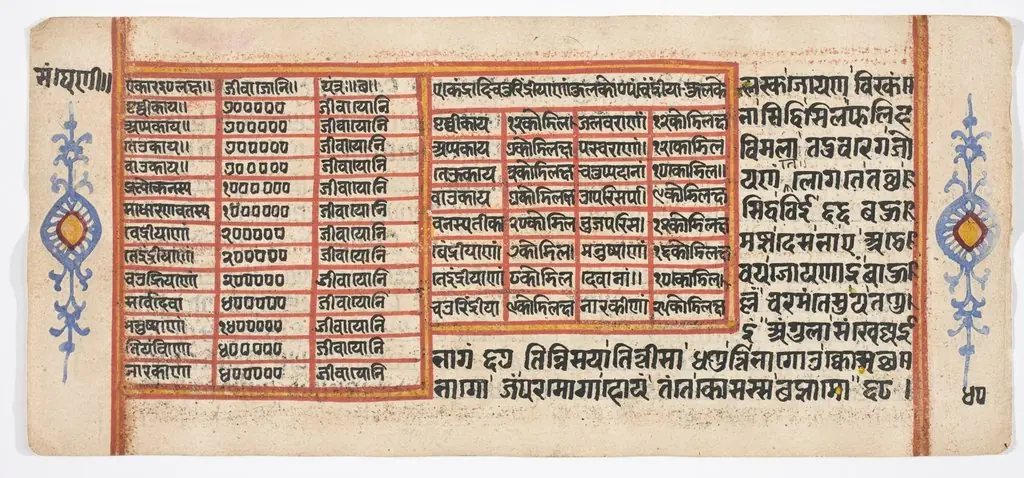 Tantric Manuscript "Sangrahani Sutra"
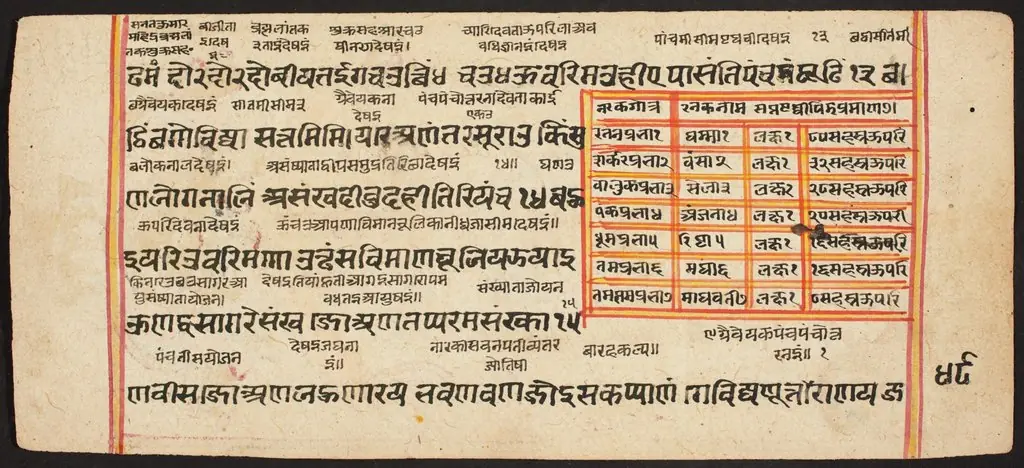 Tantric Manuscript "Sangrahani Sutra"
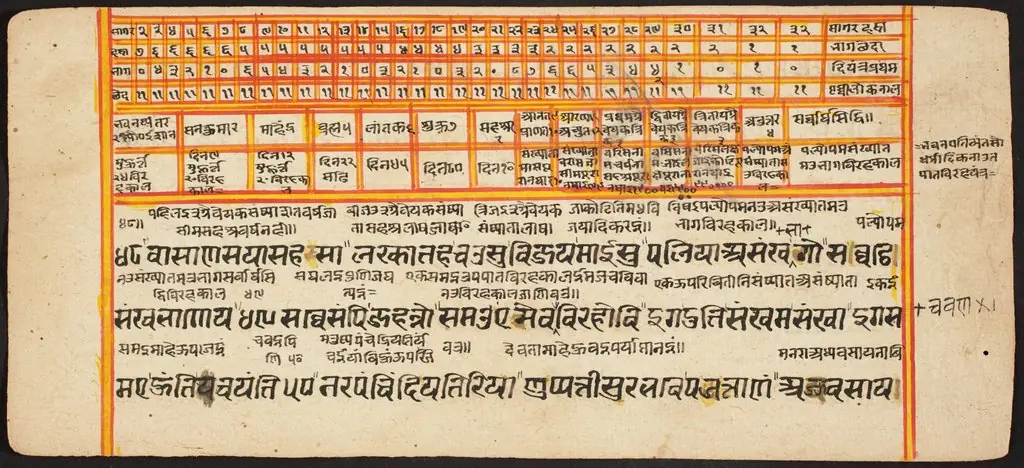 Tantric Manuscript "Sangrahani Sutra"
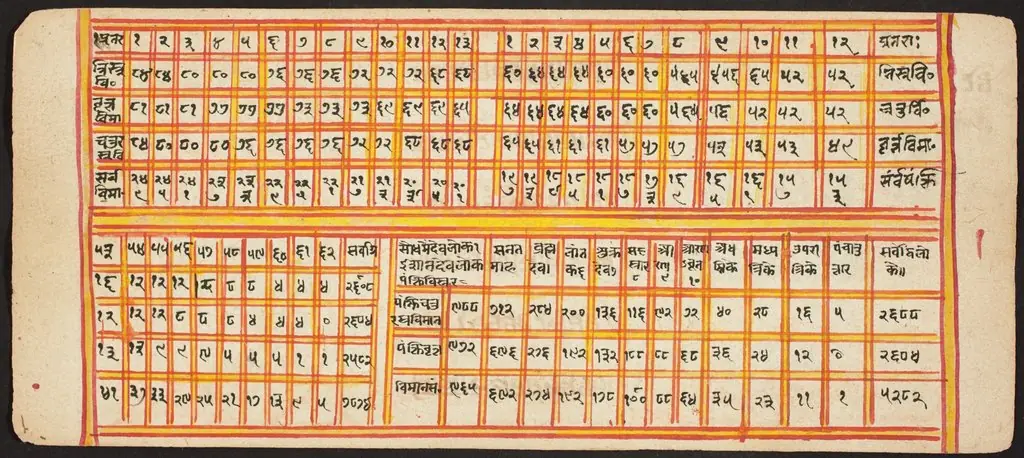 Tantric Manuscript "Sangrahani Sutra"
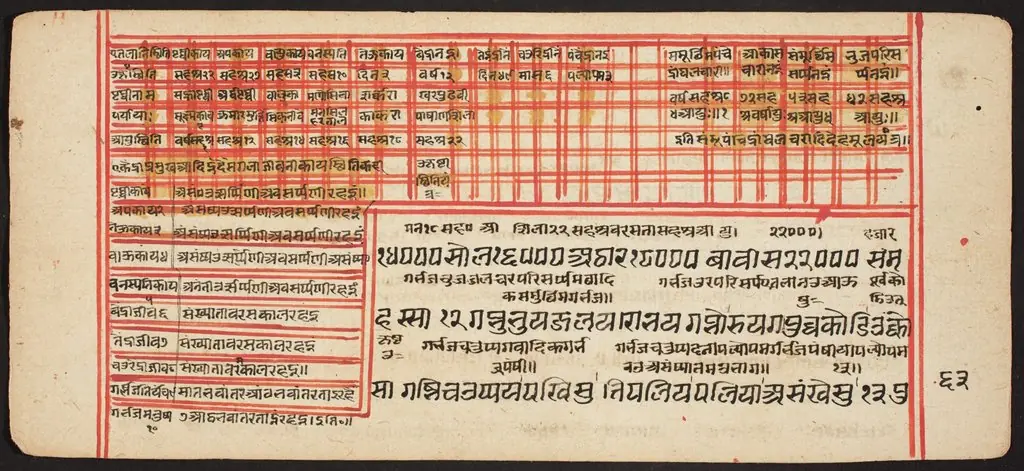 Tantric Manuscript "Sangrahani Sutra"
 Tantric Manuscript "Sangrahani Sutra"