Artwork
Tantric Manuscript "Sangrahani Sutra"
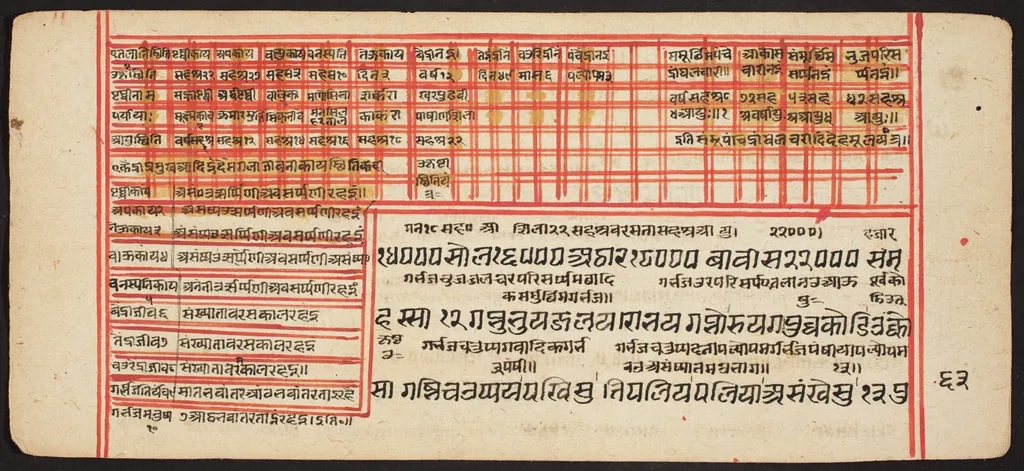
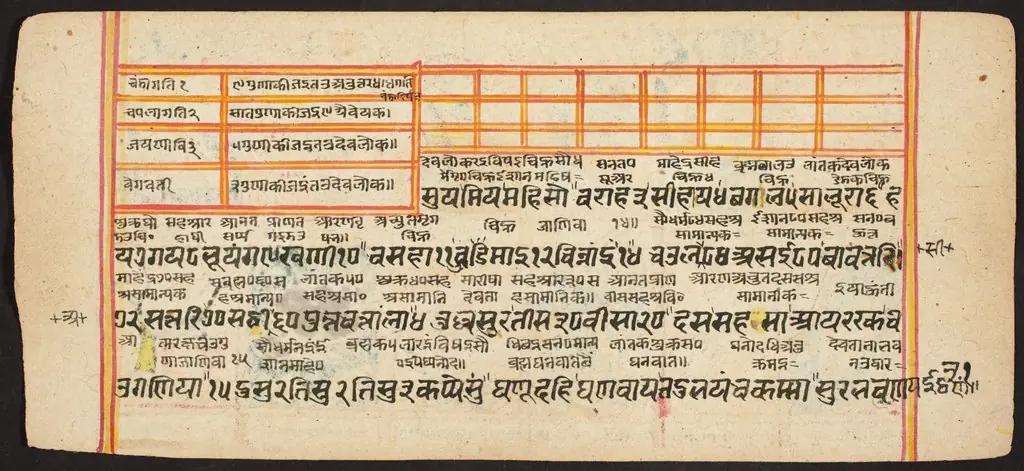
Tantric Manuscript "Sangrahani Sutra" is an unspecified painting by Unknown. It is held in the collection of the Detroit Institute of Arts. The 'Sangrahani Sutra' is a tantric manuscript painted on a light beige surface, organized by a precise grid of red lines.
About this work
Overview
The composition relies on restrained color and structured layout, emphasizing clarity and ritual precision over decorative flourish.
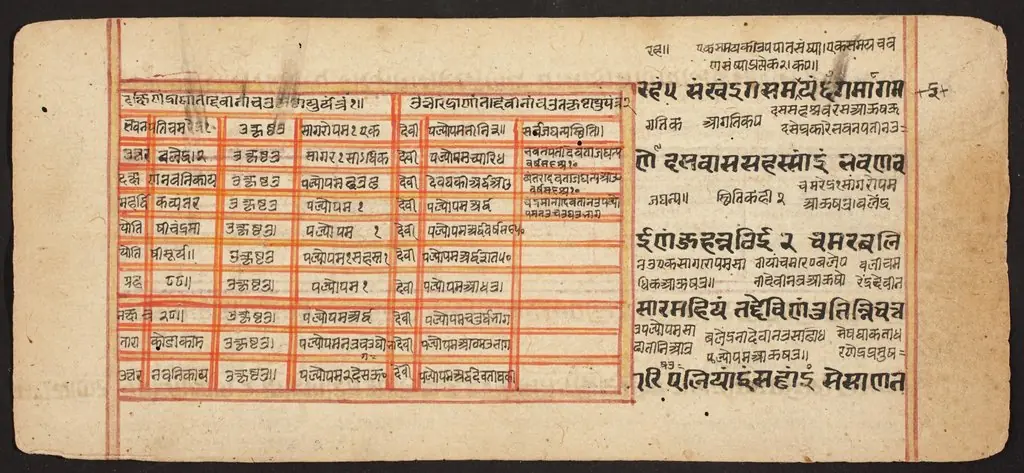
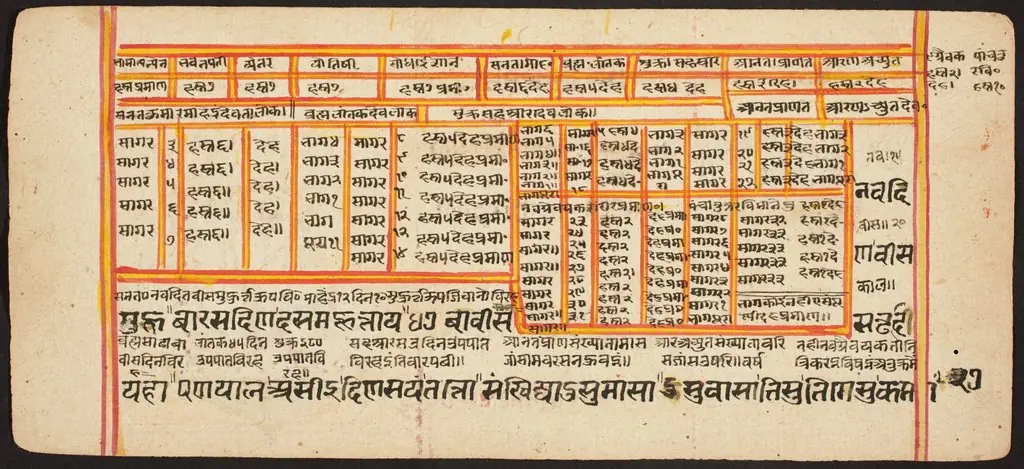
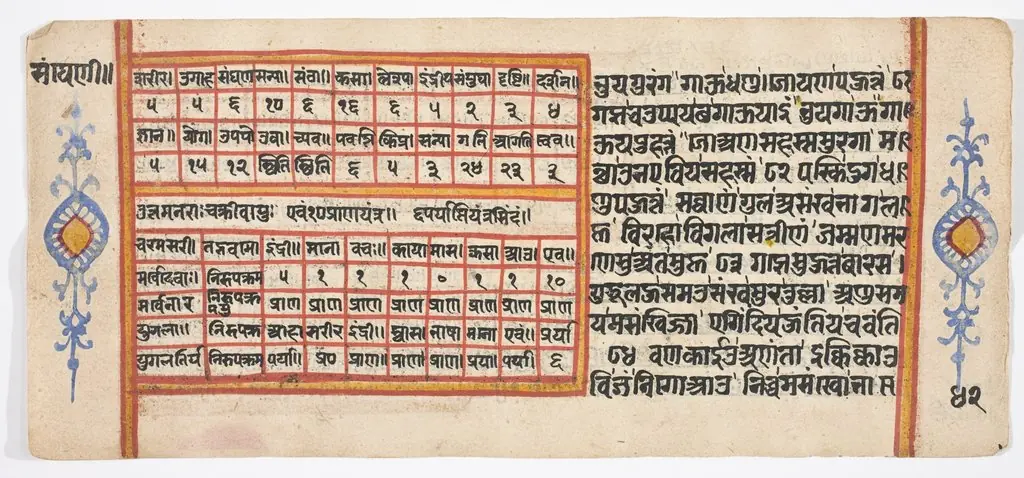
The 'Sangrahani Sutra' is a tantric manuscript painted on a light beige surface, organized by a precise grid of red lines. Black ink, applied in a formal cursive script, fills the horizontal bands between these lines. The composition relies on restrained color and structured layout, emphasizing clarity and ritual precision over decorative flourish. The script remains unidentified, reinforcing the text’s esoteric function within its religious context.
Subject & Meaning
As a tantric text, the 'Sangrahani Sutra' likely contains ritual instructions, mantras, or cosmological diagrams intended for meditative or ceremonial use. The strict grid and uniform script suggest a deliberate ordering of sacred knowledge, possibly to aid memorization or ritual performance. The absence of imagery focuses attention on the written word as a vessel of spiritual power, consistent with tantric traditions that elevate mantra and script as sacred tools.
Technique & Style
The manuscript employs a minimalist palette of black ink on beige substrate, with red lines drawn as structural guides. The cursive script is executed with consistent pressure and rhythm, indicating skilled, deliberate handwork. The red grid, neither ornamental nor decorative, serves a functional role in aligning text and regulating spatial density. This technique reflects a monastic discipline where form follows liturgical necessity.
History & Provenance
The exact origin and date of the 'Sangrahani Sutra' are undocumented, though its stylistic features align with tantric manuscript traditions of South or Southeast Asia, possibly between the 10th and 15th centuries. It may have been produced in a monastic scriptorium for use by initiates. Its survival suggests it was preserved with care, likely within a religious community that valued textual continuity over visual elaboration.
Context
This manuscript belongs to a broader tradition of tantric literature that prioritizes oral transmission and ritual engagement with sacred texts. Unlike illustrated sutras, it omits iconography, reflecting a focus on the intrinsic power of the written word. Its grid system echoes other liturgical formats used in meditation and ritual recitation, where spatial organization aids mental discipline and spiritual alignment.
Legacy
The 'Sangrahani Sutra' endures as a quiet testament to the role of textual discipline in tantric practice. Its unadorned form contrasts with later, more elaborate religious manuscripts, offering insight into earlier, more austere approaches to sacred writing. Scholars continue to study its script and structure to better understand the transmission of esoteric knowledge in pre-modern Buddhist and Hindu communities.
Artist & collection

 Domestic Scene
 Giacomo and Cardinal Marco, investing Andrea, Abbot of San Zeno, with his Benefice
 The Nymph of Fontainebleau
 Portrait of a Woman
 Madonna and Child with Saints in the Enclosed Garden
 Venus and Minerva
 Family Group of Four on Sofa
 Wall painting from Room H of the Villa of P. Fannius Synistor at Boscoreale
 Tantric Manuscript "Sangrahani Sutra"
 Tantric Manuscript "Sangrahani Sutra"
 Tantric Manuscript "Sangrahani Sutra"
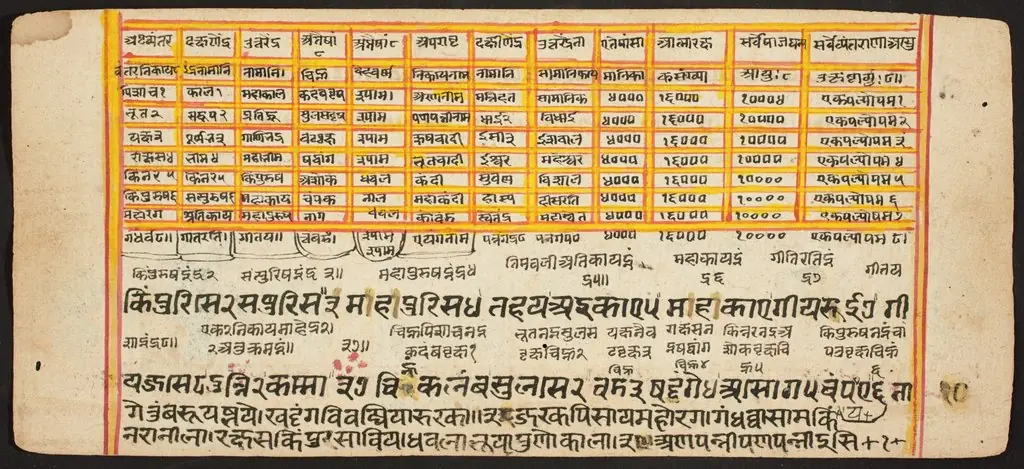 Tantric Manuscript "Sangrahani Sutra"
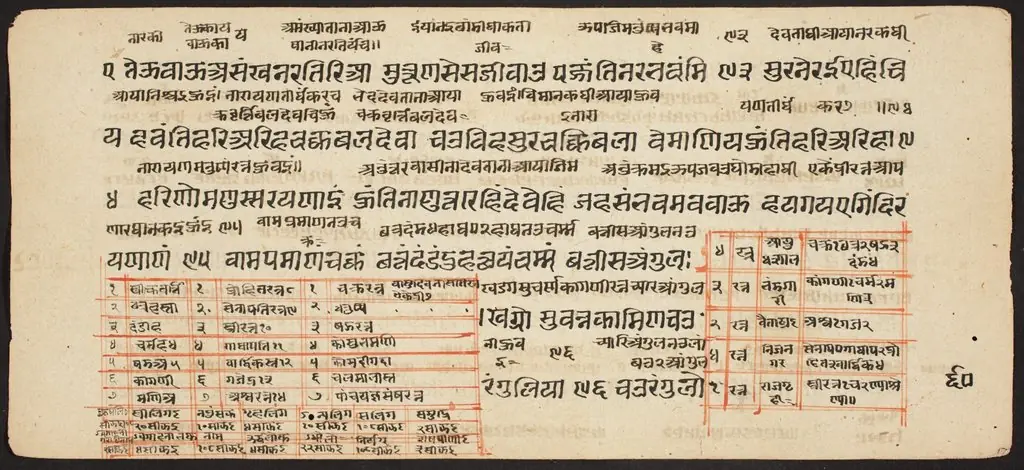 Tantric Manuscript "Sangrahani Sutra"
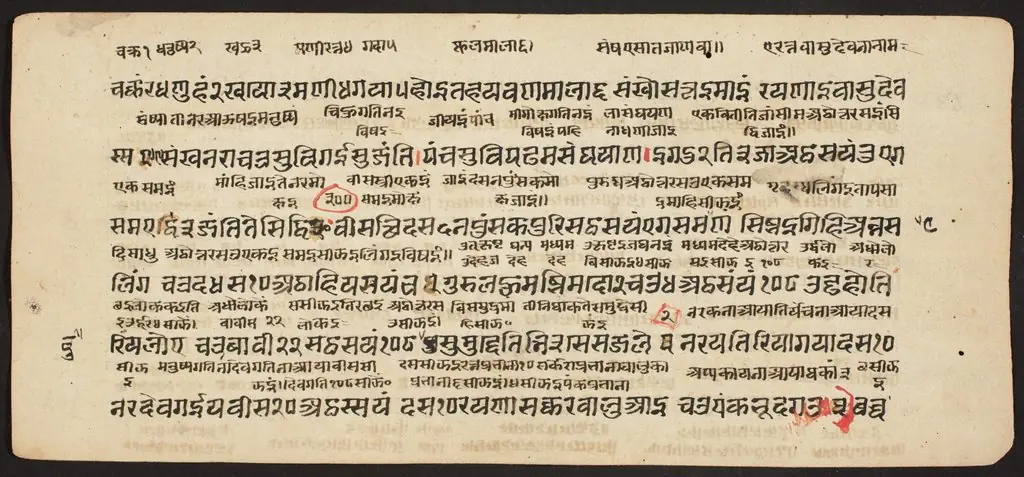 Tantric Manuscript "Sangrahani Sutra"
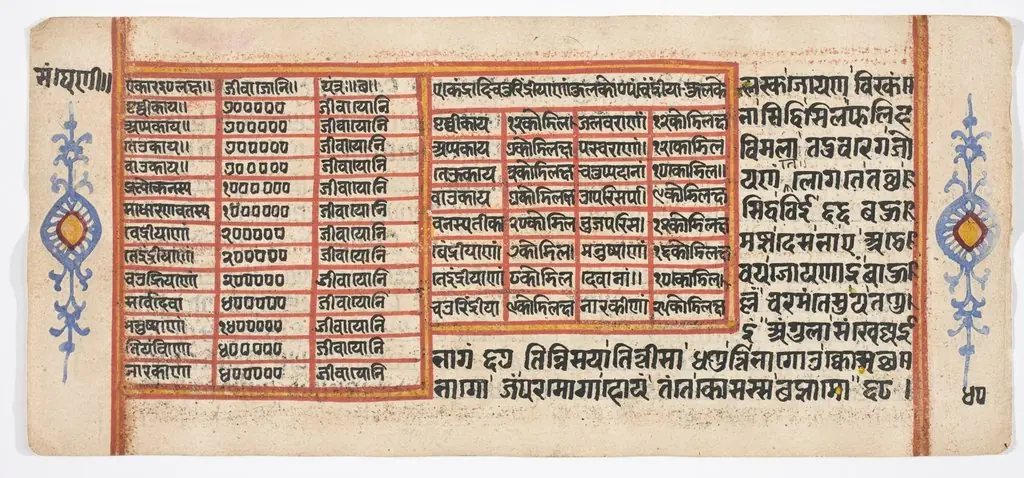 Tantric Manuscript "Sangrahani Sutra"
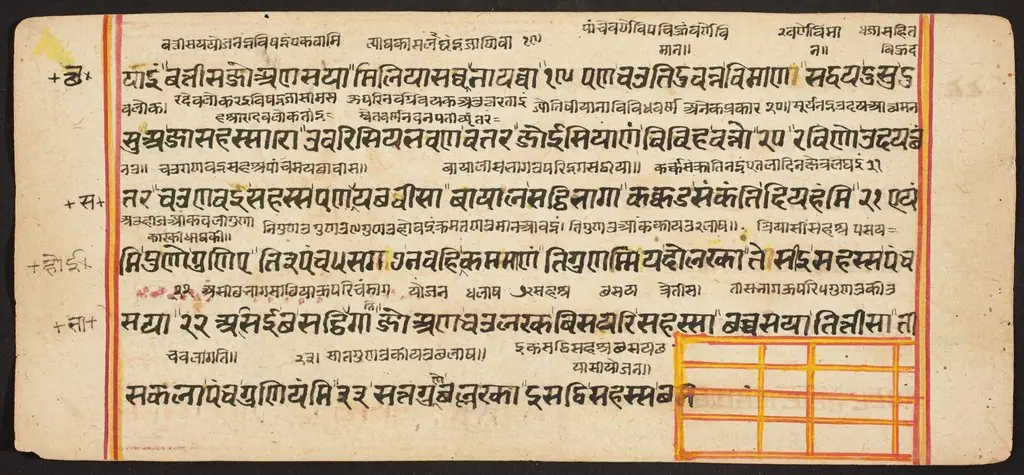 Tantric Manuscript "Sangrahani Sutra"
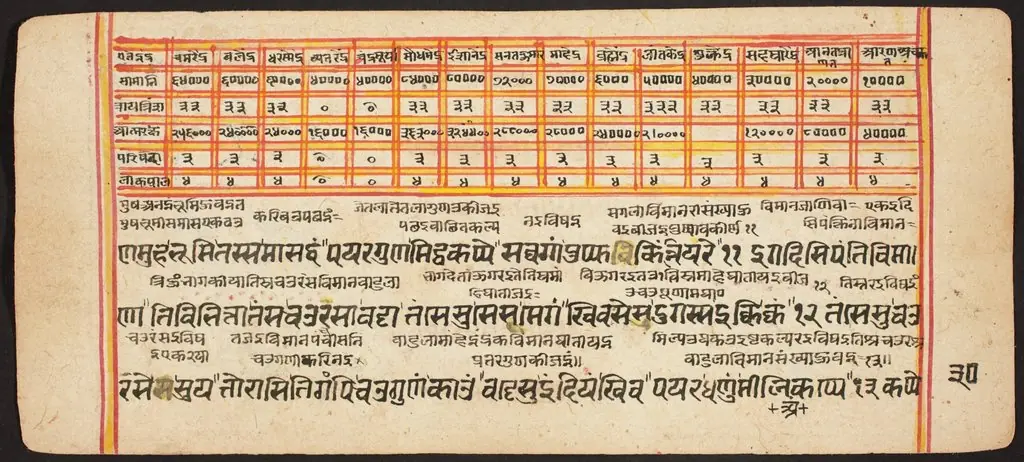 Tantric Manuscript "Sangrahani Sutra"
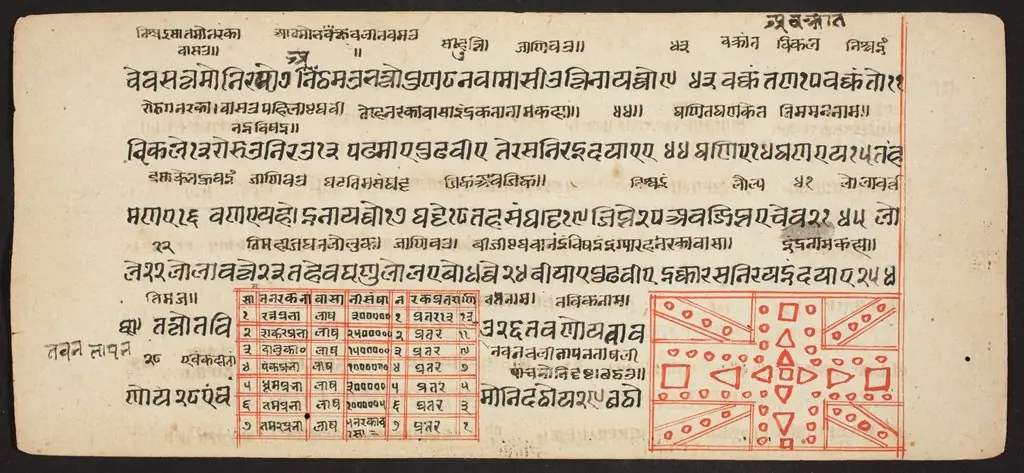 Tantric Manuscript "Sangrahani Sutra"
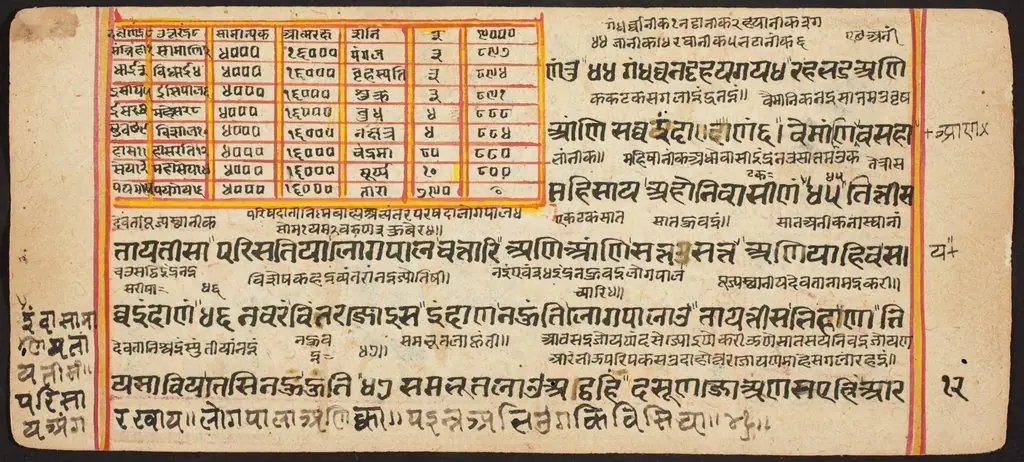 Tantric Manuscript "Sangrahani Sutra"
 Tantric Manuscript "Sangrahani Sutra"