Artwork
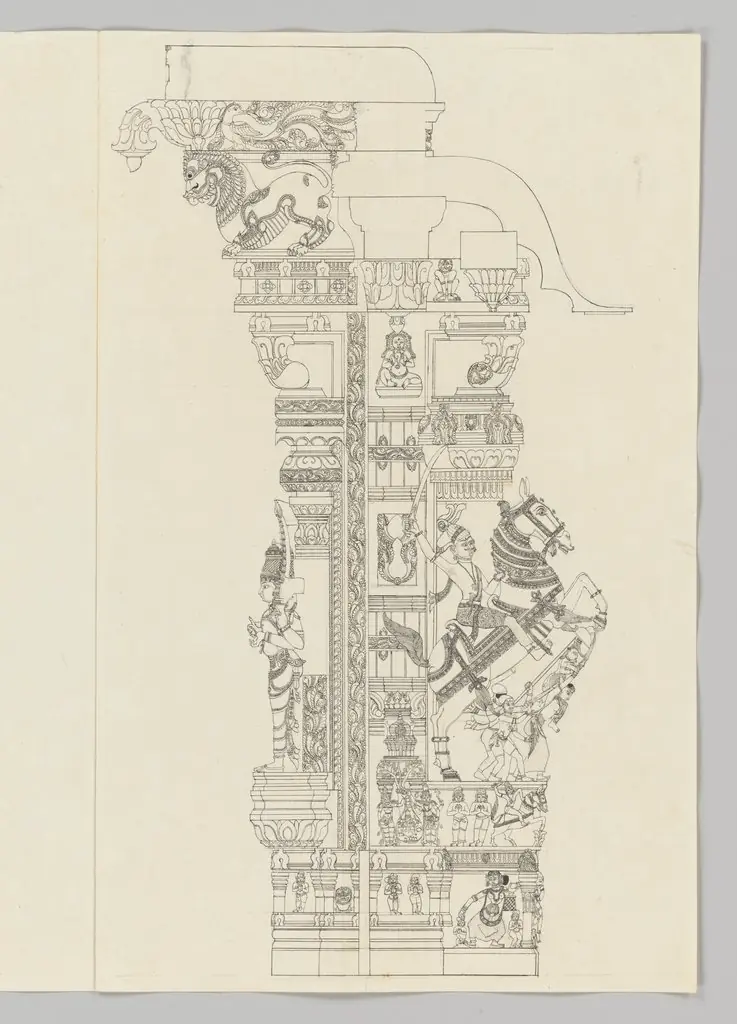
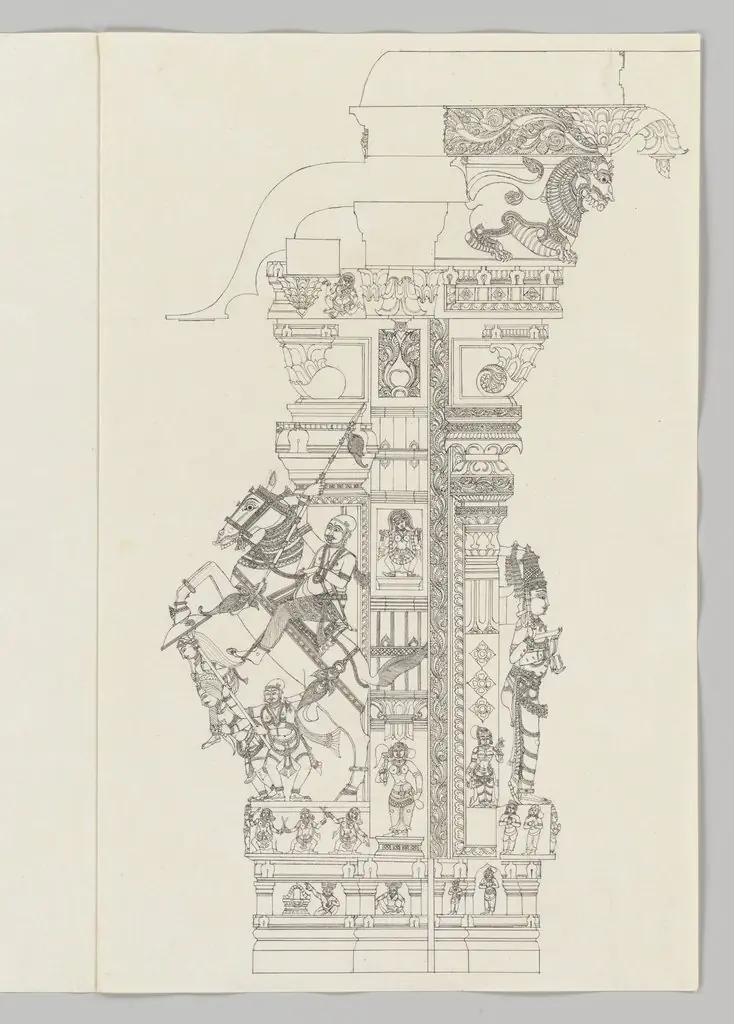
Sundareshvara teaching a bird a mantra; Nandishvara.
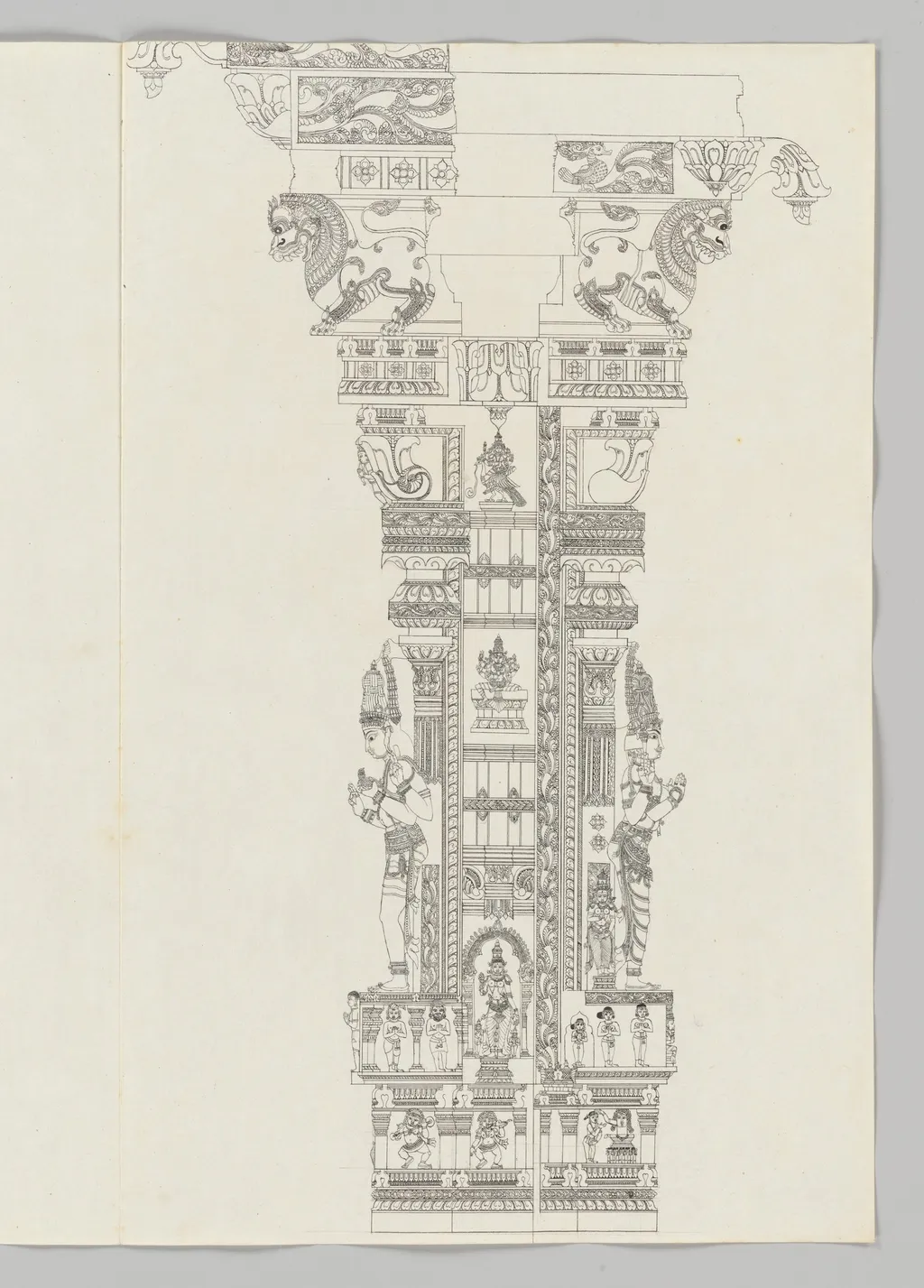
Sundareshvara teaching a bird a mantra; Nandishvara. is an unspecified painting by the Patna School of Painting artist Unknown. It dates from 1800 and is held in the collection of the Metropolitan Museum of Art. Created in 1800, this painting is part of a rare architectural visual genre, likely produced in South India.
About this work
This painting is interesting because it shows a unique scene of a deity teaching a bird, which is not a common subject in art.
The painting is titled Sundareshvara teaching a bird a mantra; Nandishvara.
It was created in the year 1800.
The Metropolitan Museum of Art holds this work, which is an example of an architectural visual genre.
The image depicts a column, among other elements.
This painting is interesting because it shows a unique scene of a deity teaching a bird, which is not a common subject in art.
You can learn more about this type of art at The Metropolitan Museum of Art.
Overview
Created in 1800, this painting is part of a rare architectural visual genre, likely produced in South India. It depicts the deity Sundareshvara instructing a bird in a sacred mantra, a subject uncommon in traditional iconography. The work is held by the Metropolitan Museum of Art and reflects a localized devotional tradition that blends narrative with structural symbolism.
Subject & Meaning
The scene portrays Sundareshvara, a form of Shiva, imparting a mantra to a bird—an unusual act that suggests spiritual transmission beyond human capacity. The bird may symbolize the soul or a devotee in a simpler form, emphasizing that divine knowledge is accessible to all beings. The presence of a column hints at temple architecture, grounding the scene in sacred space.
Technique & Style
Executed in a detailed, miniature style typical of South Indian court painting, the work uses fine brushwork and muted pigments to define forms. The composition centers on the deity and the column, with minimal background, focusing attention on the interaction. The architectural element is rendered with precision, suggesting its symbolic importance over naturalistic setting.
History & Provenance
The painting entered the collection of the Metropolitan Museum of Art as part of its broader acquisition of Indian miniature paintings. Its origin is likely a regional workshop in Tamil Nadu or Karnataka, where devotional themes intertwined with architectural motifs. No earlier provenance is documented, but its style aligns with early 19th-century temple-related commissions.
Context
In early 19th-century South India, devotional art often illustrated temple legends and esoteric teachings. This painting reflects a niche tradition where deities engage with non-human beings, possibly drawing from Shaiva tantric texts or local oral lore. The column may reference the Nandi pillar or temple shafts, reinforcing the link between worship and sacred structure.
Legacy
This work contributes to the understanding of regional Indian painting beyond mainstream narratives. Its focus on a non-standard mythological moment highlights the diversity of devotional expression in pre-colonial South India. While not widely reproduced, it remains a significant example of how spiritual ideas were visualized in intimate, architectural contexts.
Artist & collection

 Domestic Scene
 Giacomo and Cardinal Marco, investing Andrea, Abbot of San Zeno, with his Benefice
 The Nymph of Fontainebleau
 Portrait of a Woman
 Madonna and Child with Saints in the Enclosed Garden
 Venus and Minerva
 Family Group of Four on Sofa
 Wall painting from Room H of the Villa of P. Fannius Synistor at Boscoreale
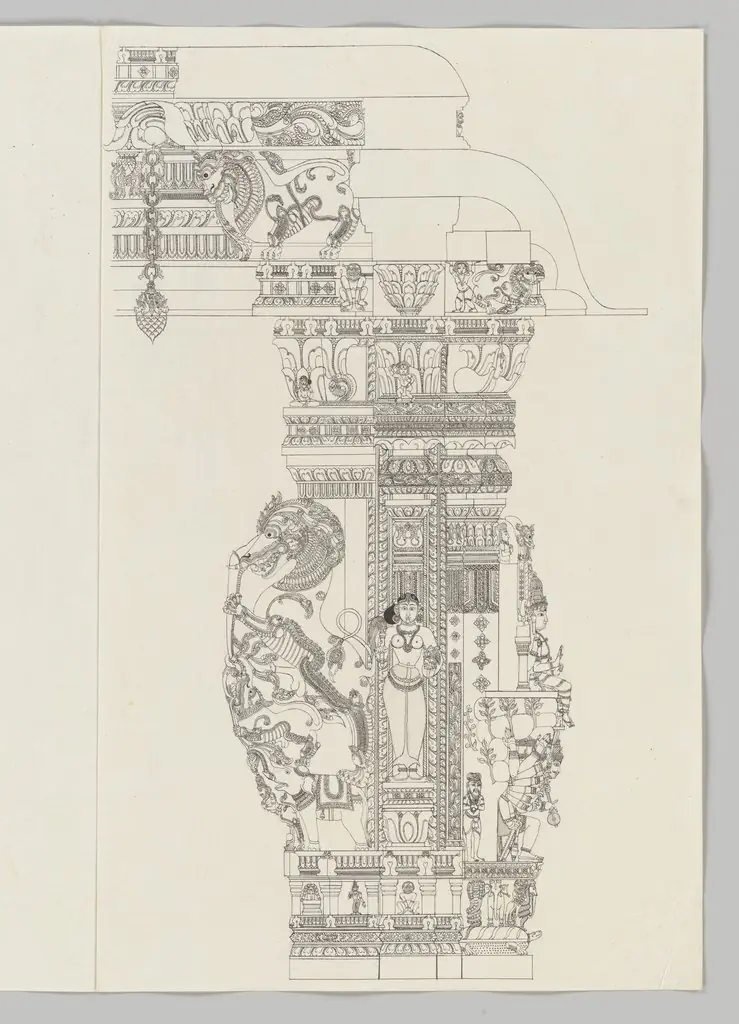 Shiva Ravananugrahamurti; woman holding a flywhisk; rearing yali
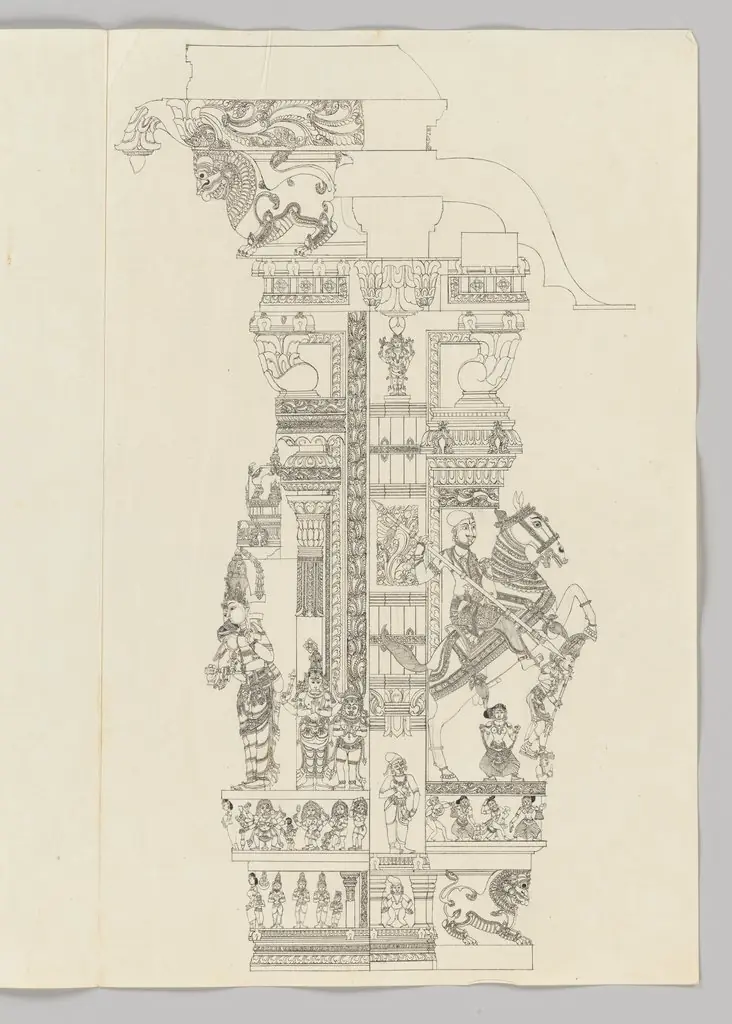 Marriage of Minakshi and Sundareshvara; equestrian warrior with spear
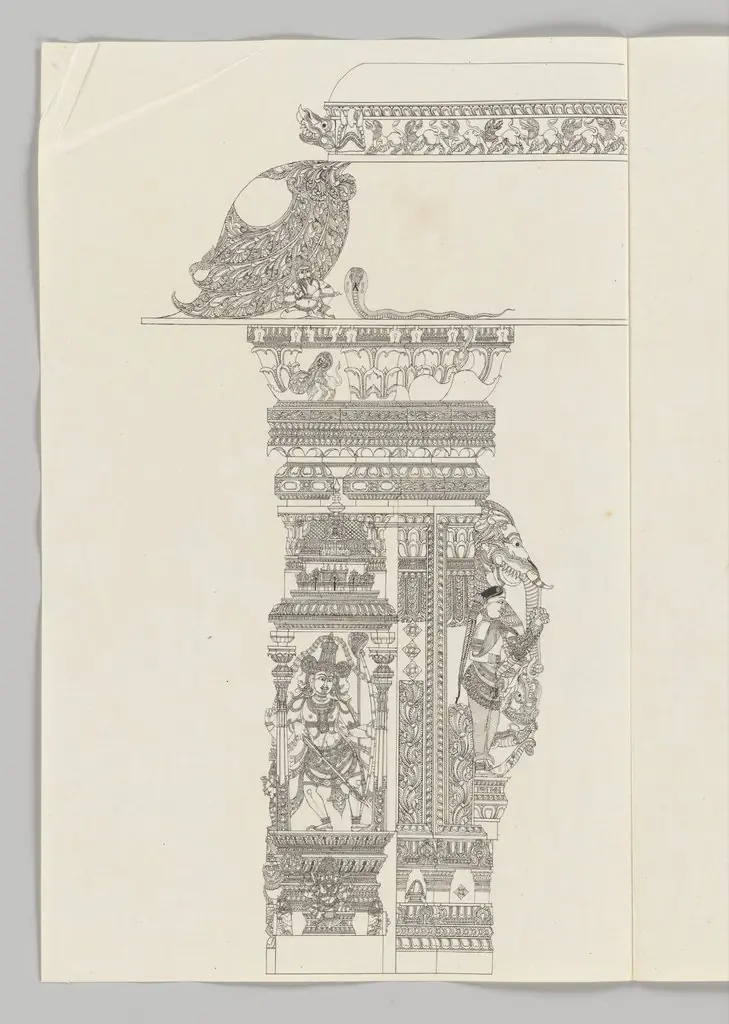 Shiva as Tripsurasamhara; woman holding a flywhisk; rearing yali
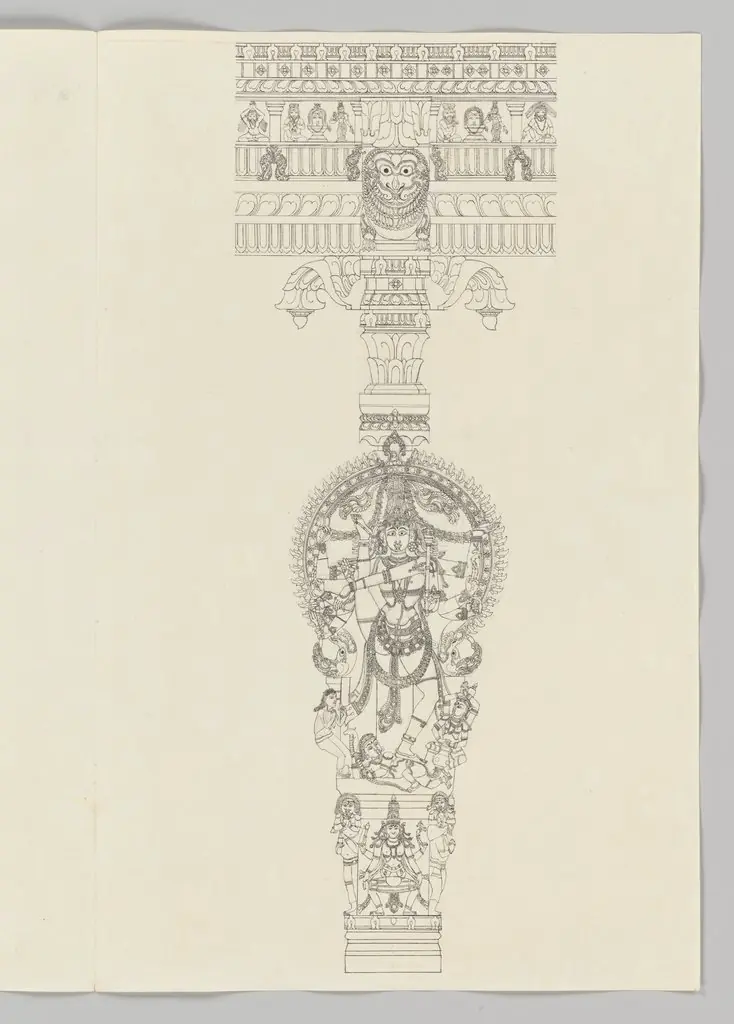 Shiva Urdhvatandava
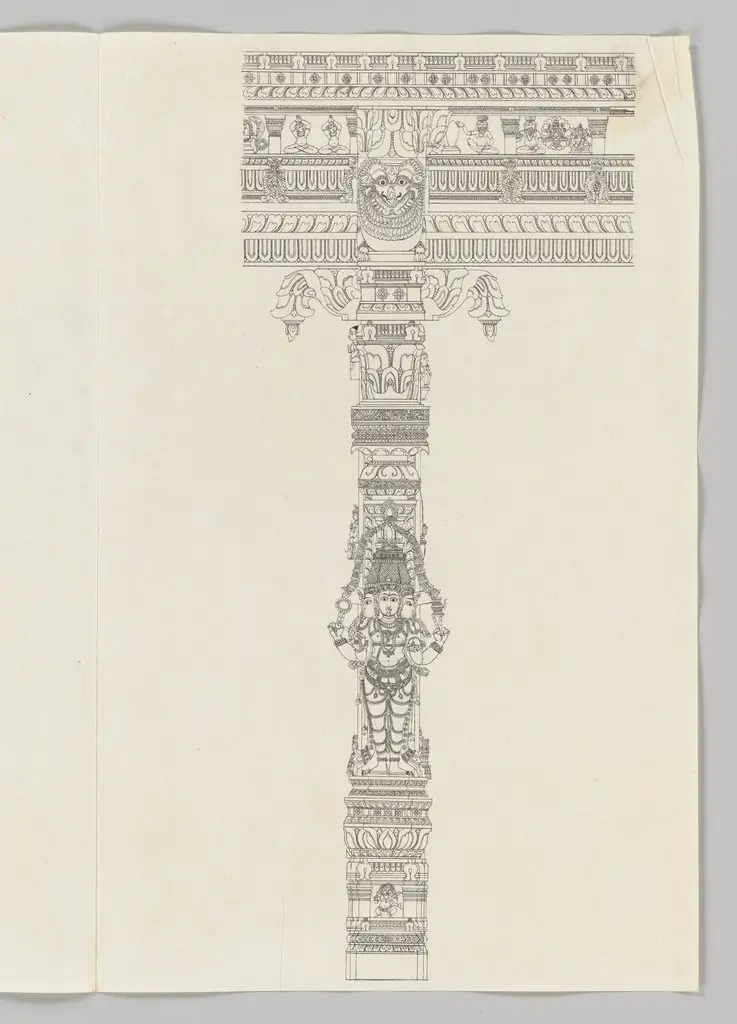 Brahma
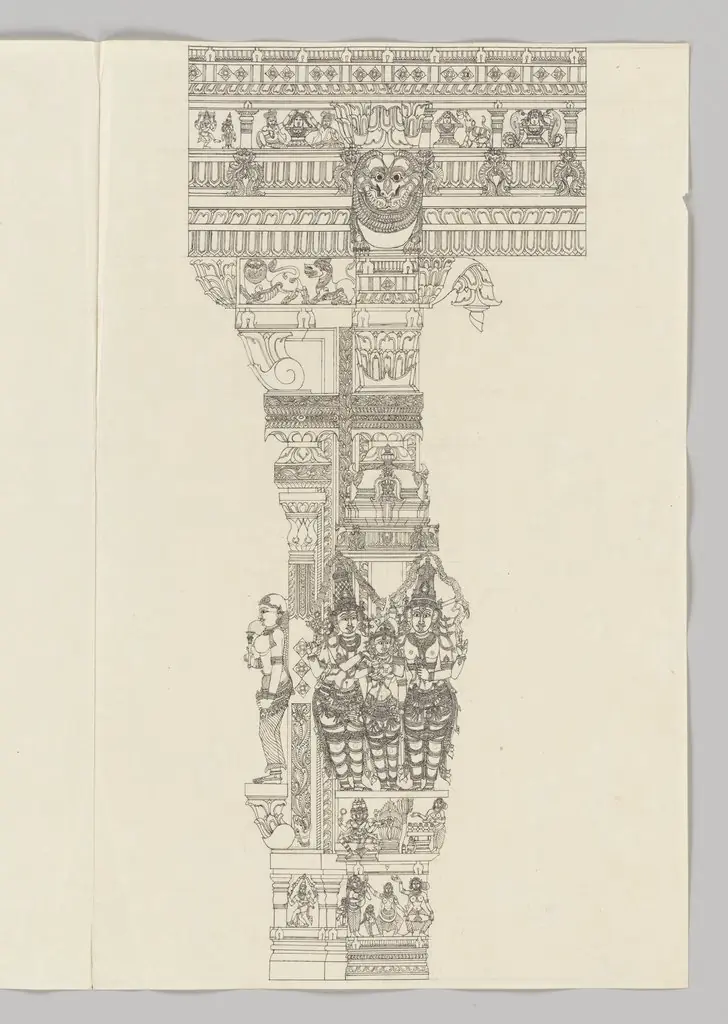 Marriage of Minakshi and Sundarehsvara, attended by Vishnu
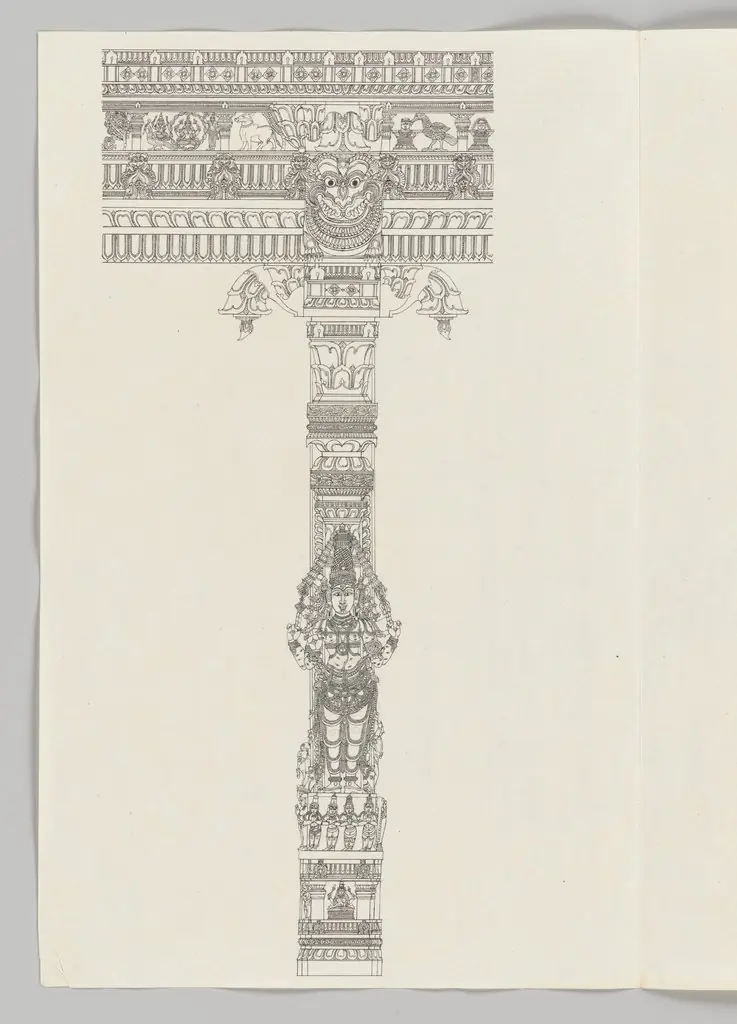 Subramanya
 Subramanya
 Subramanya: equestrian warrior with raised spear