Artwork
George Washington
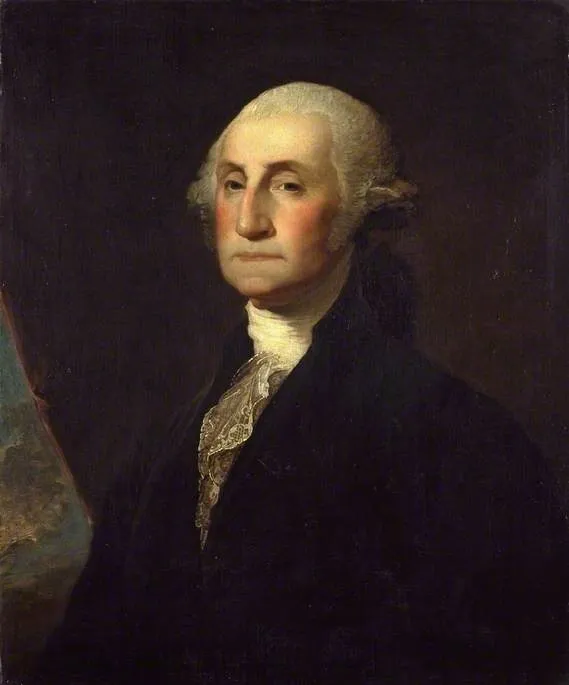
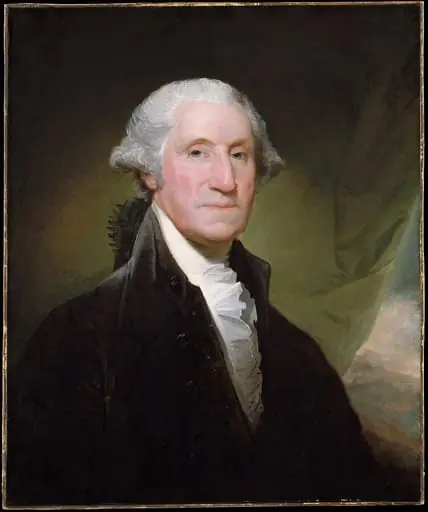
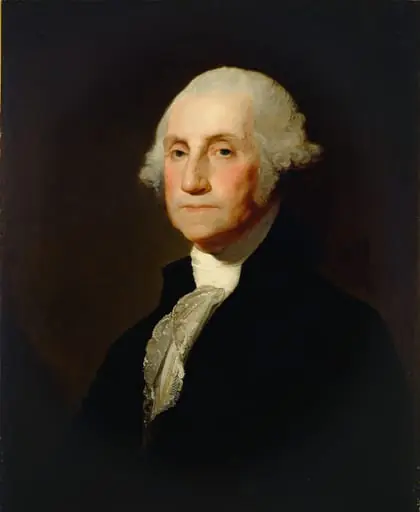
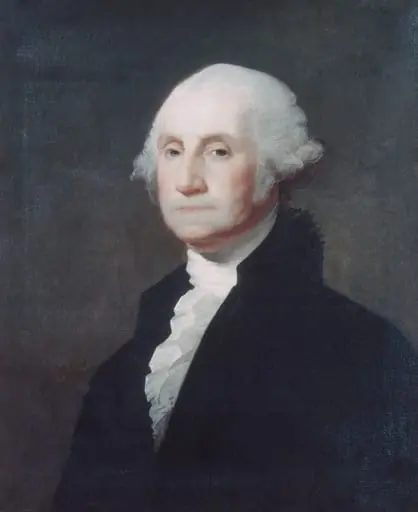
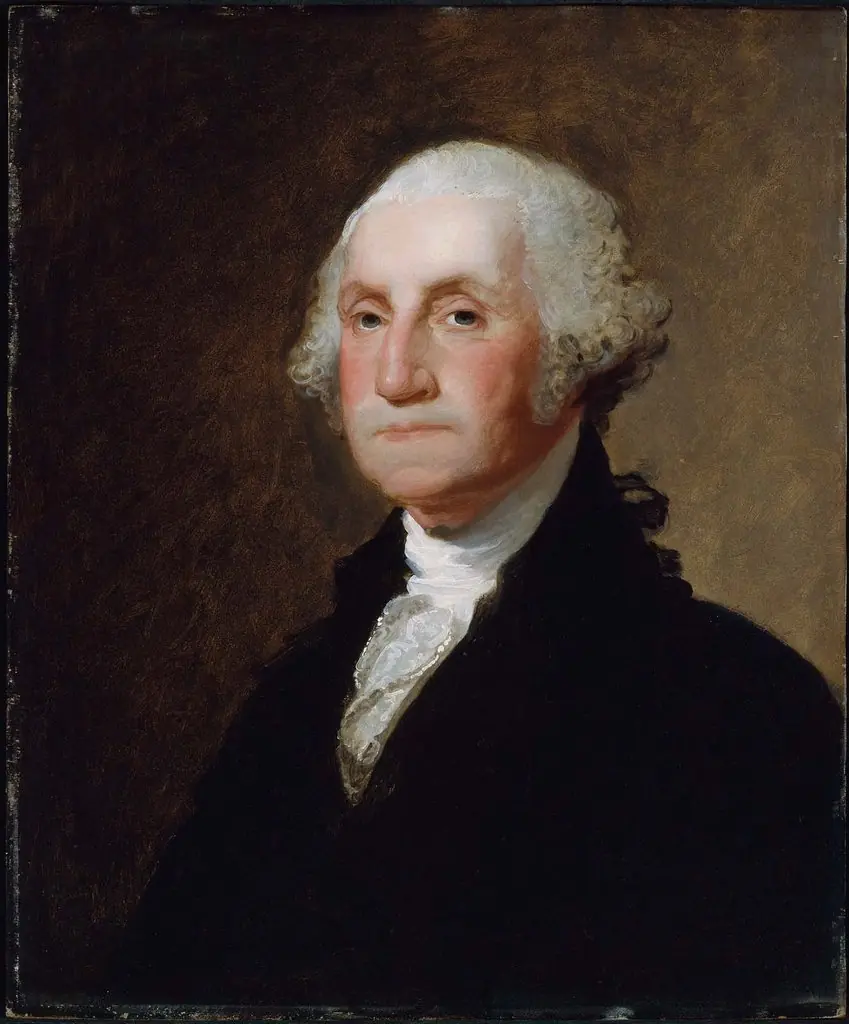
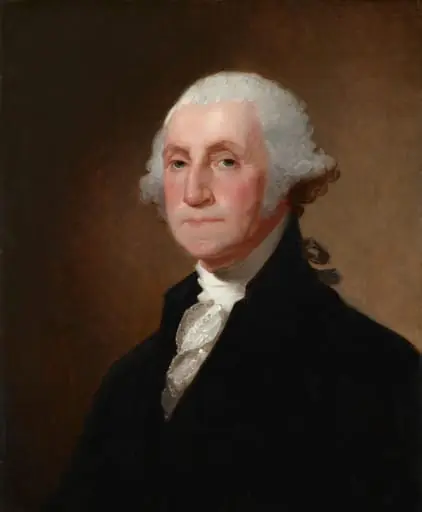
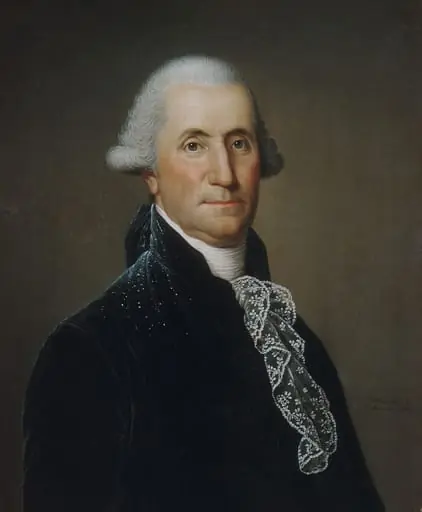
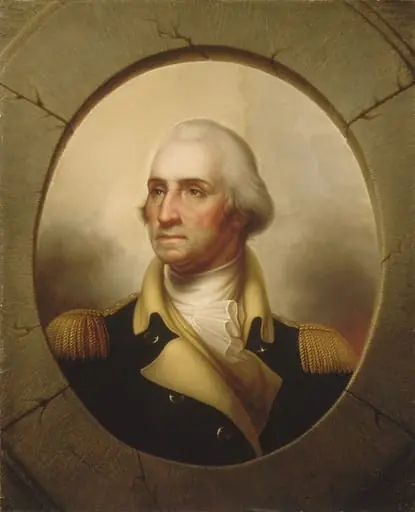
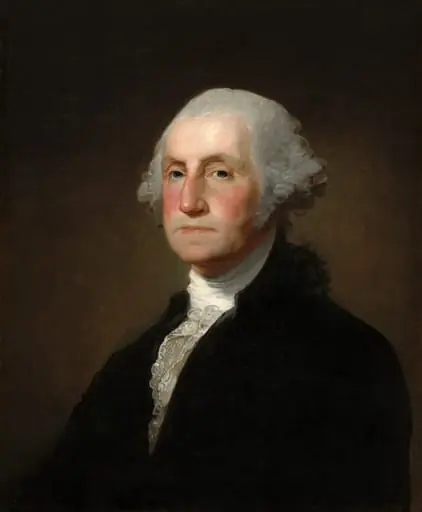
George Washington is an oil painting by the American Folk Art artist Unknown. It dates from 1801 and is held in the collection of the Fitzwilliam Museum.
About this work
The artist's use of chiaroscuro creates a sense of depth and dimensionality, drawing the viewer's attention to the subject's face.
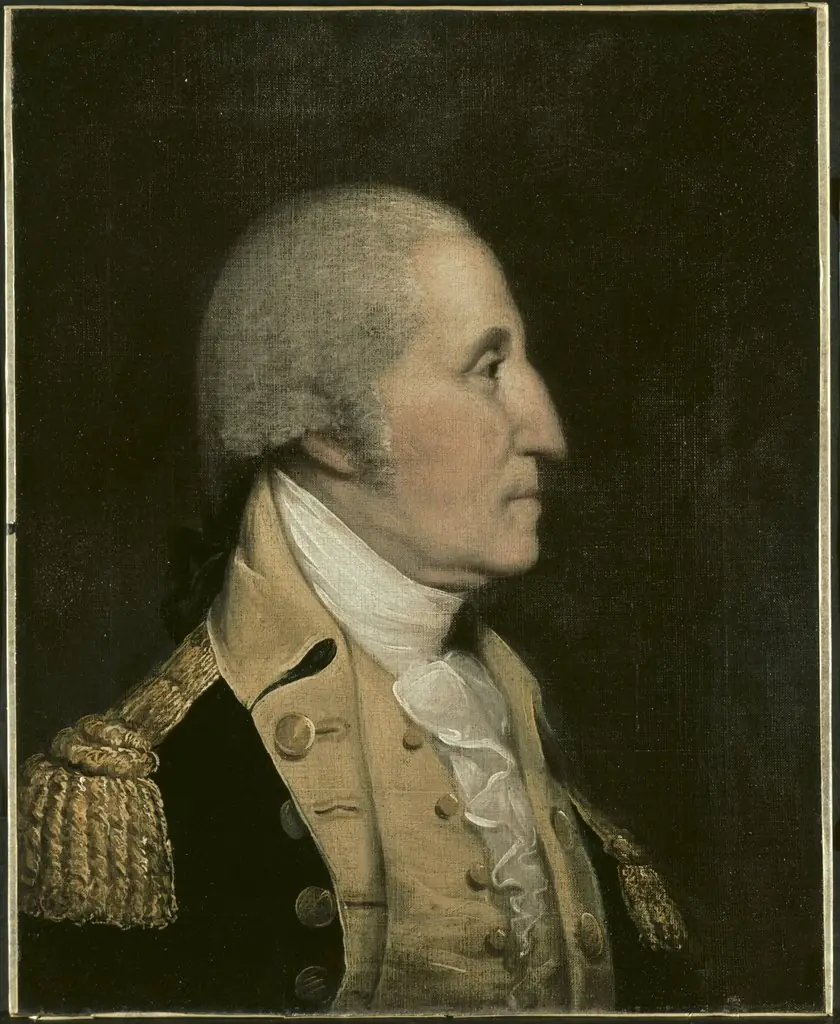
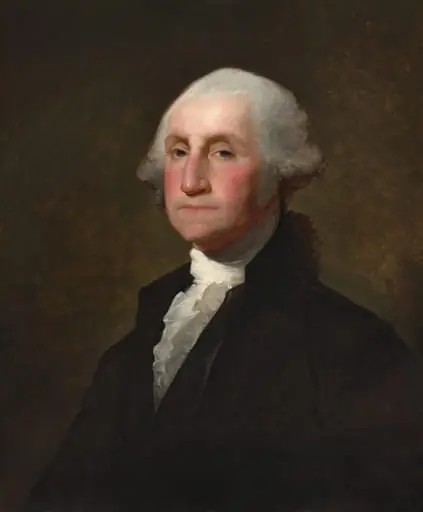
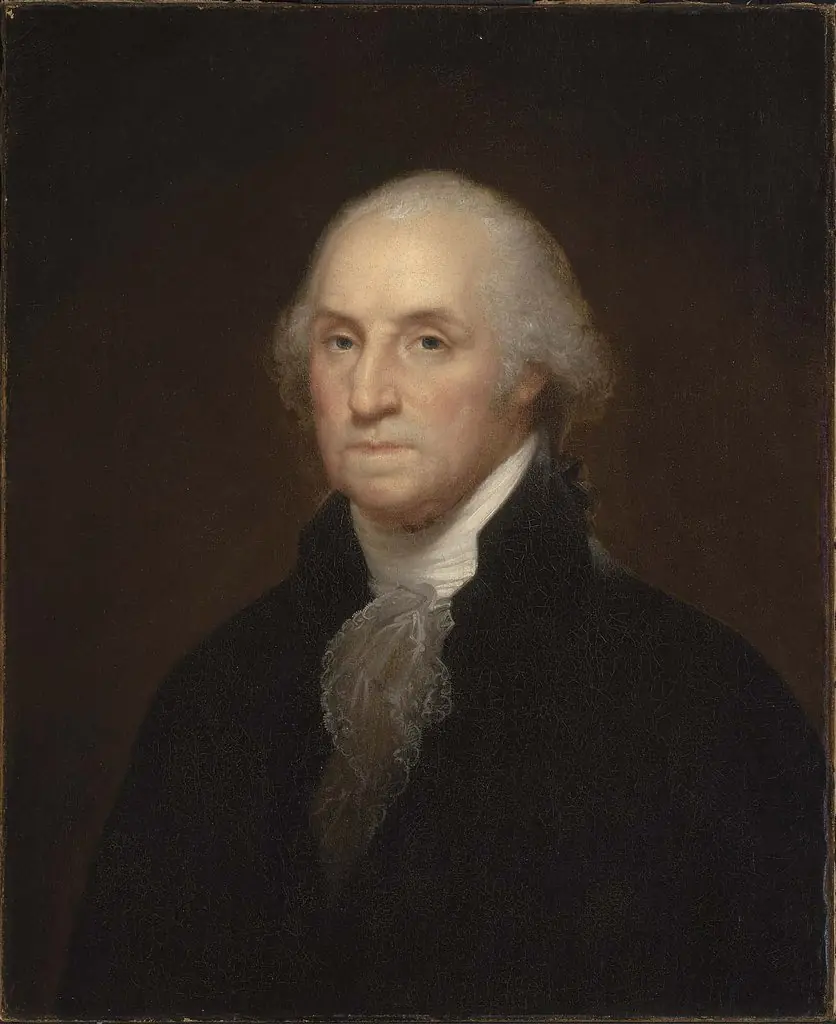
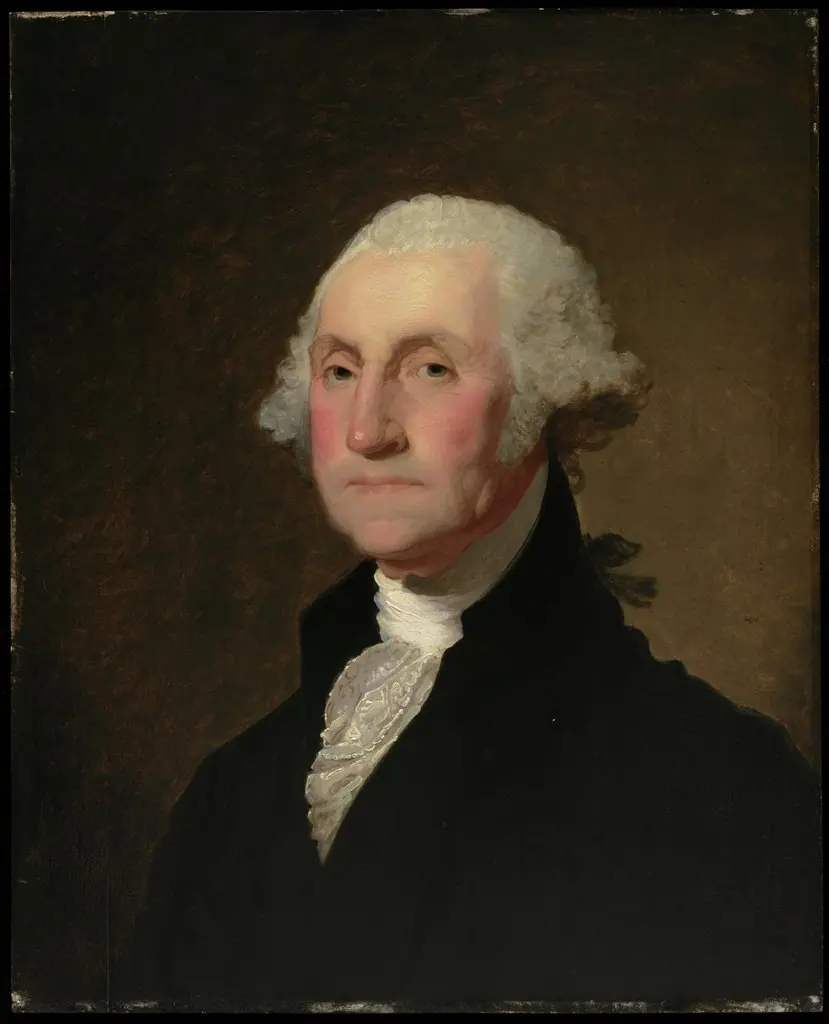
This portrait features a man with white hair, dressed in a black coat and a white lace shirt. He is positioned in front of a dark background, with a subtle hint of blue and brown visible on the left side of the image. The subject's attire and hairstyle suggest a formal setting, possibly from the 18th or 19th century. The artist's use of chiaroscuro creates a sense of depth and dimensionality, drawing the viewer's attention to the subject's face.
Overview
This oil painting depicts George Washington in formal attire, rendered with careful attention to light and shadow. The composition isolates the figure against a dark, neutral background, enhancing focus on his facial expression and clothing. Subtle tones of blue and brown in the background suggest ambient depth without distracting from the subject. The work reflects conventions of portraiture from the late 18th or early 19th century.
Subject & Meaning
Washington is portrayed in civilian dress, not military uniform, emphasizing his role as a civic leader rather than a commander. His white hair and composed demeanor convey age, dignity, and authority. The absence of symbols like swords or documents reinforces a quiet gravitas, aligning with his public image as a reluctant statesman who prioritized republican virtue over personal glory.
Technique & Style
The artist employs chiaroscuro to model Washington’s face and hands, creating a three-dimensional presence against the flat background. Fine brushwork captures the texture of lace at the collar and the softness of powdered hair. The palette is restrained, dominated by black, white, and muted earth tones, contributing to a tone of solemnity and restraint characteristic of neoclassical portraiture.
History & Provenance
The painting’s origins are not fully documented, but its style and subject align with portraits produced during Washington’s retirement at Mount Vernon. It likely dates to the 1790s or early 1800s, possibly commissioned by a private patron or institution seeking to preserve his likeness after his presidency. No known exhibition history or early ownership records are widely attested.
Context
During Washington’s lifetime, portraiture served as a tool for shaping public perception of national leaders. Artists often avoided overt political symbols to present leaders as embodiments of moral character. This portrait fits within a broader trend of dignified, understated likenesses intended to reinforce ideals of leadership rooted in virtue rather than spectacle.
Legacy
The image contributes to the enduring visual identity of George Washington as a figure of stoic leadership. Though not one of the most widely reproduced portraits, it reflects the aesthetic priorities of early American portraiture—clarity, restraint, and psychological presence. It remains a quiet testament to how visual culture helped define the nation’s founding ideals.
Artist & collection

 Domestic Scene
 Giacomo and Cardinal Marco, investing Andrea, Abbot of San Zeno, with his Benefice
 The Nymph of Fontainebleau
 Portrait of a Woman
 Madonna and Child with Saints in the Enclosed Garden
 Venus and Minerva
 Family Group of Four on Sofa
 Wall painting from Room H of the Villa of P. Fannius Synistor at Boscoreale