Artwork
Schlacht bei Pavia
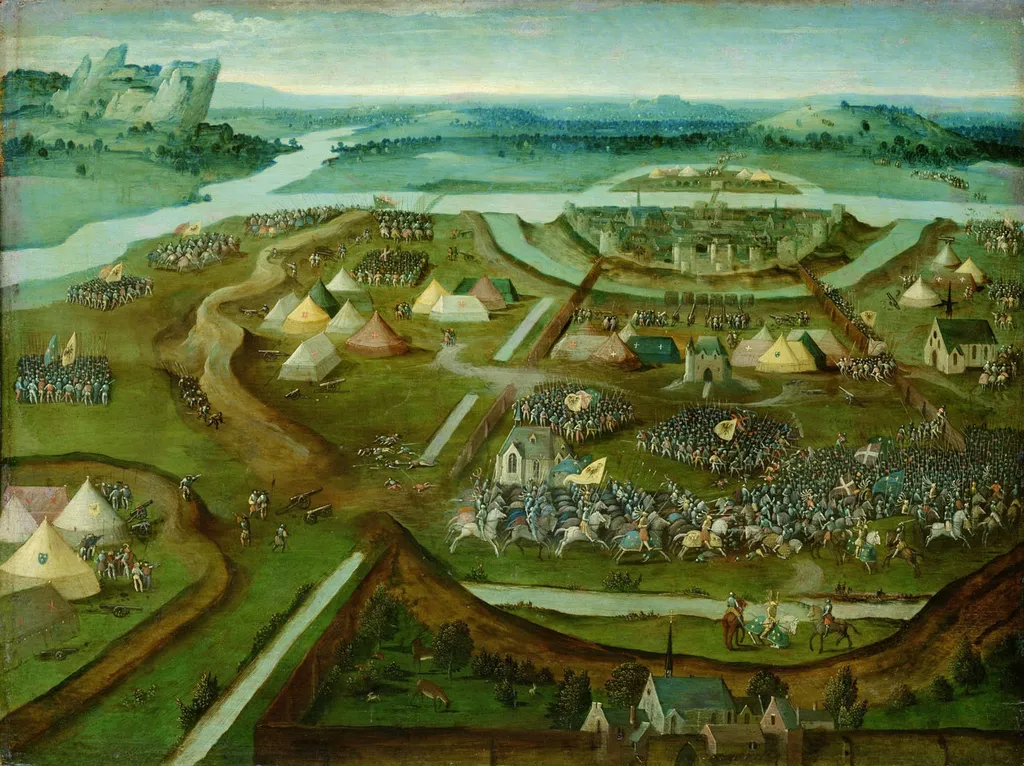
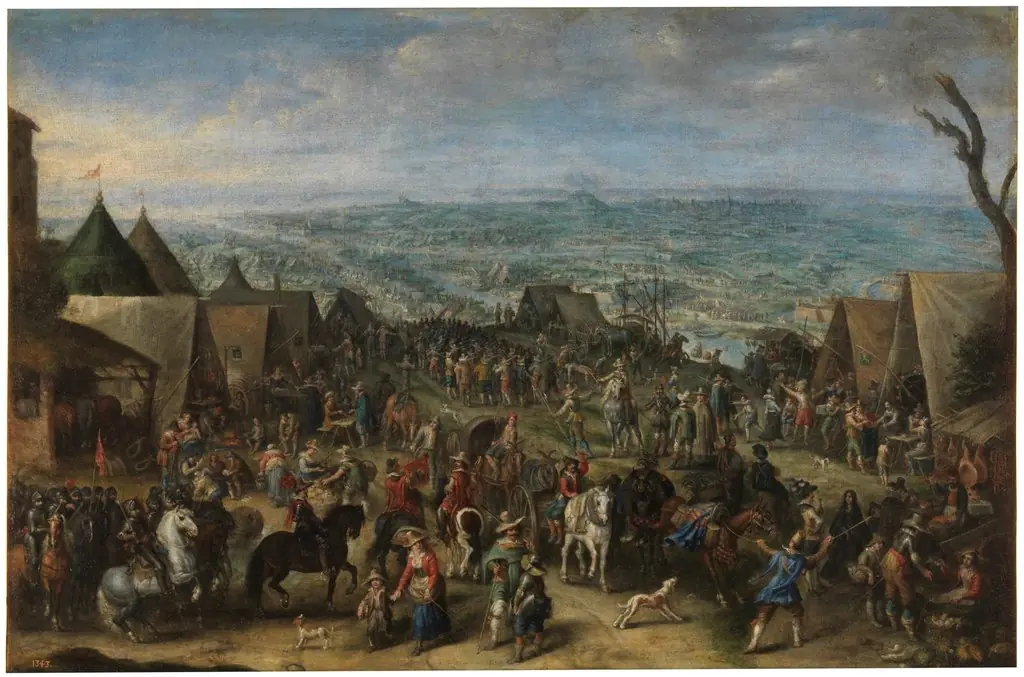
Schlacht bei Pavia is an oil painting by the Mannerist artist Unknown. It dates from 1530 and is held in the collection of the Kunsthistorisches Museum. This oil painting depicts the Battle of Pavia, a decisive conflict in 1525 between French and Habsburg forces.
About this work
Overview
This oil painting depicts the Battle of Pavia, a decisive conflict in 1525 between French and Habsburg forces.
This oil painting depicts the Battle of Pavia, a decisive conflict in 1525 between French and Habsburg forces. The scene is rendered on a broad horizontal plane, capturing the chaos of combat across a rolling landscape. A small church anchors the center, while tents and distant trees frame the composition. The palette favors muted earth tones, punctuated by vivid reds in military attire, suggesting the scale and intensity of the engagement without overt dramatization.
Subject & Meaning
The painting illustrates the climax of the Italian Wars, when French King Francis I was captured by Imperial troops. The battlefield is shown as a sprawling, organized chaos—soldiers on horse and foot clash near the church, while flags and banners mark unit identities. The inclusion of tents and terrain suggests the campaign’s logistical scale. The scene avoids glorification, instead presenting war as a complex, multi-layered event unfolding across terrain and ranks.
Technique & Style
The artist employs fine brushwork to render minute details: individual flags, textured grass, and the folds of armor. Perspective is flattened to accommodate the vast number of figures, typical of 16th-century battle scenes. Colors are restrained—olive greens, ochres, and slate blues dominate—with strategic use of crimson uniforms to draw the eye. The sky is softly rendered, avoiding dramatic clouds, reinforcing the painting’s documentary tone rather than emotional intensity.
History & Provenance
The painting likely originated in the Habsburg court circle, commissioned to commemorate the Imperial victory. It may have been produced in the decades following the battle, as part of a broader effort to visually document military triumphs. Its survival suggests it was preserved in imperial collections, possibly in Vienna or Madrid, before entering a public museum. No definitive artist attribution is recorded, but its style aligns with Flemish or German court painters of the period.
Context
Painted during the height of Habsburg power, this work reflects the era’s interest in recording military history through visual means. Battle scenes like this were not merely decorative but served as political statements, reinforcing dynastic legitimacy. Similar works were commissioned across Europe, often by rulers seeking to immortalize victories. The focus on terrain, troop formations, and identifiable landmarks indicates a desire for historical accuracy over mythmaking.
Legacy
The painting contributes to a tradition of early modern military documentation, influencing later historical and topographical depictions of warfare. Its restrained style and attention to detail set it apart from more theatrical 17th-century battle paintings. Today, it remains a valuable resource for understanding 16th-century military organization, dress, and landscape representation. It continues to be studied alongside other Habsburg-era commissions in institutions like the Kunsthistorisches Museum.
Artist & collection

 Domestic Scene
 Giacomo and Cardinal Marco, investing Andrea, Abbot of San Zeno, with his Benefice
 The Nymph of Fontainebleau
 Portrait of a Woman
 Madonna and Child with Saints in the Enclosed Garden
 Venus and Minerva
 Family Group of Four on Sofa
 Wall painting from Room H of the Villa of P. Fannius Synistor at Boscoreale
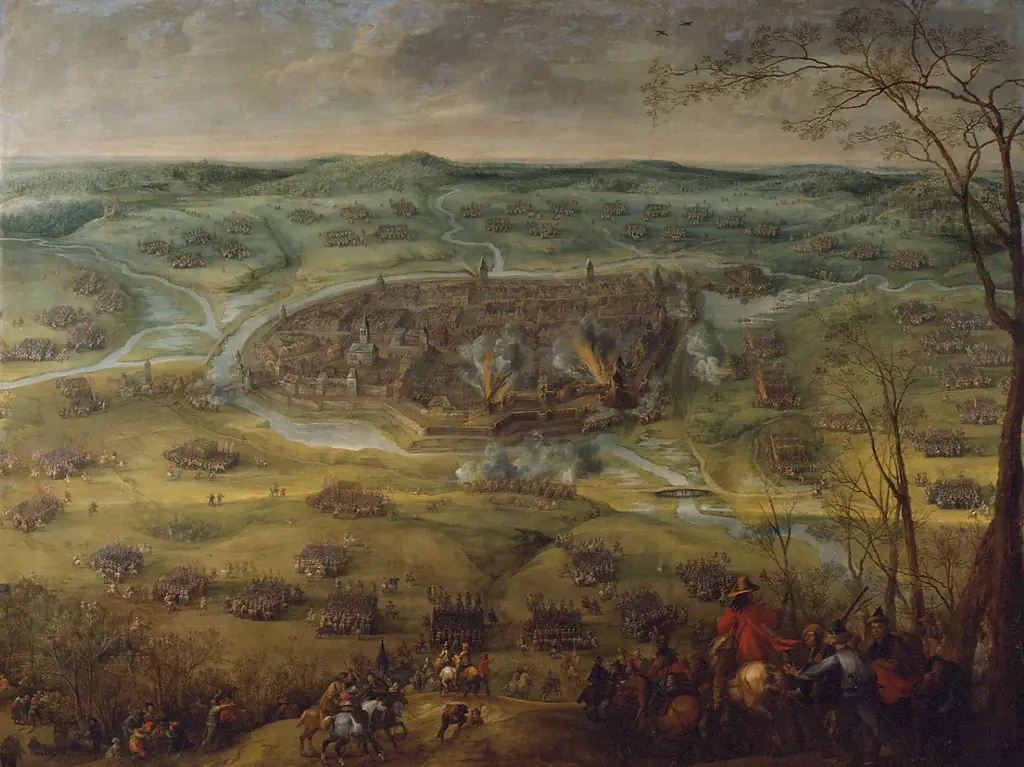 The siege of Neuburg, 1641
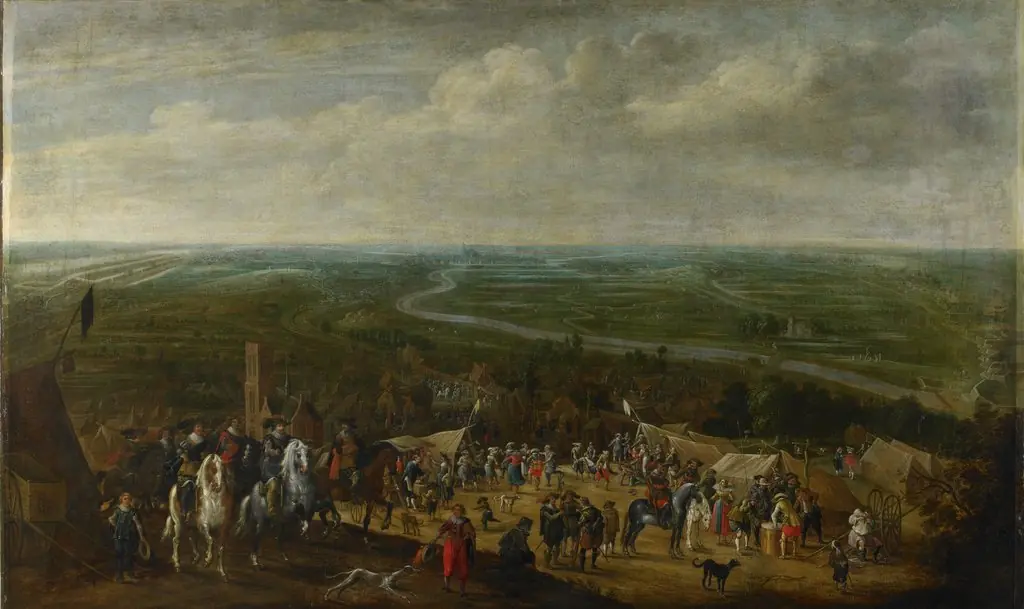 Prince Frederik Hendrik at the siege of 's-Hertogenbosch, 1629
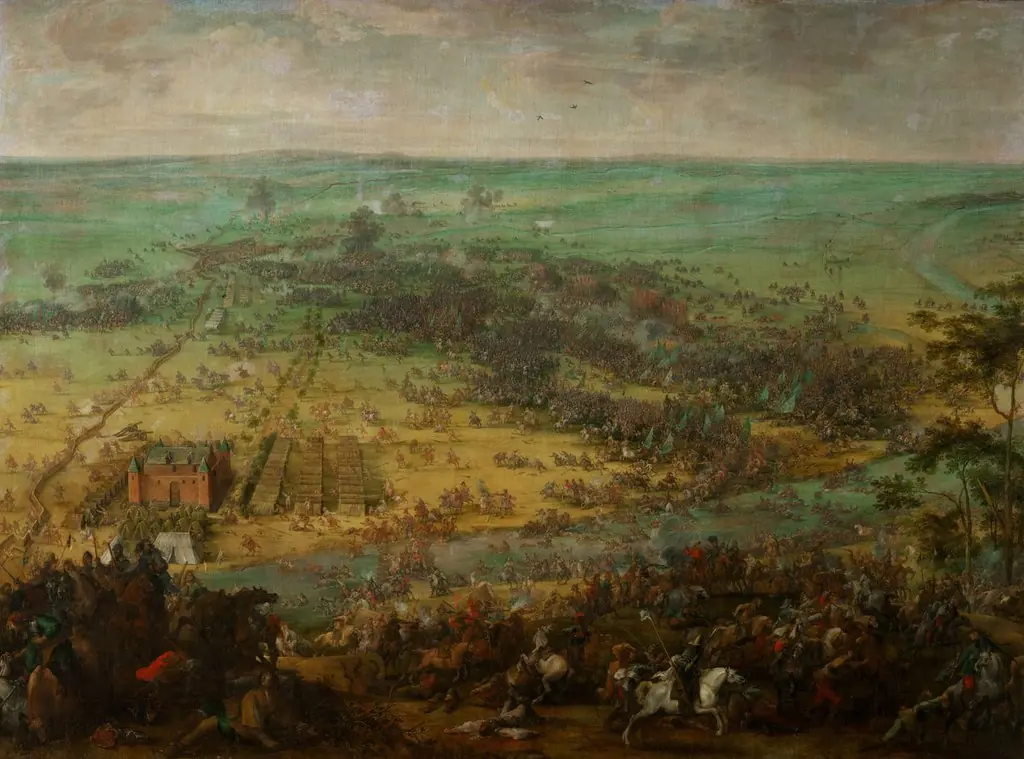 The defeat at Grancourt, 1639
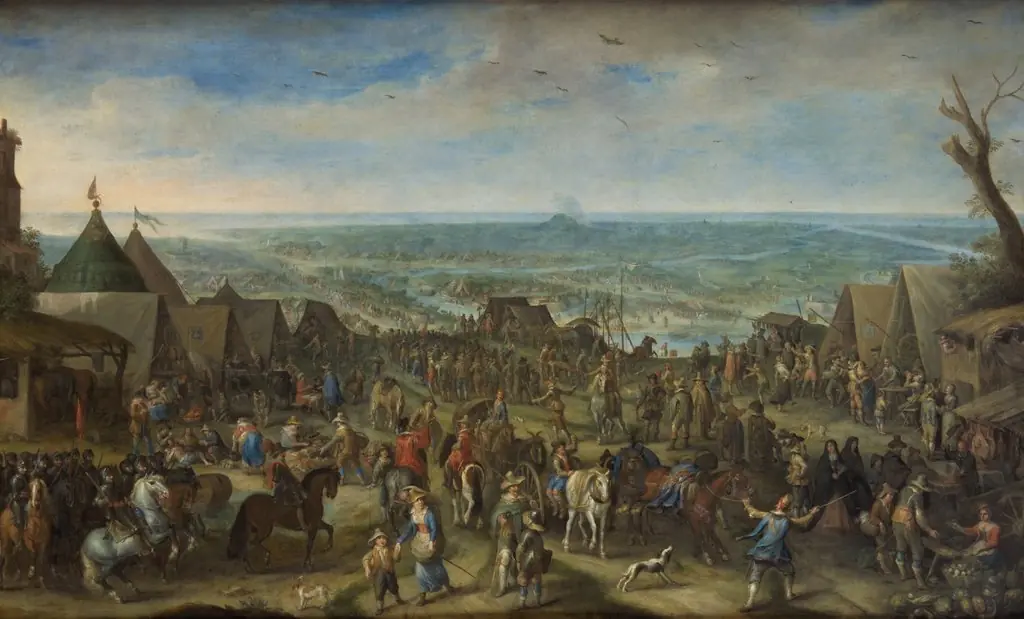 Field camp
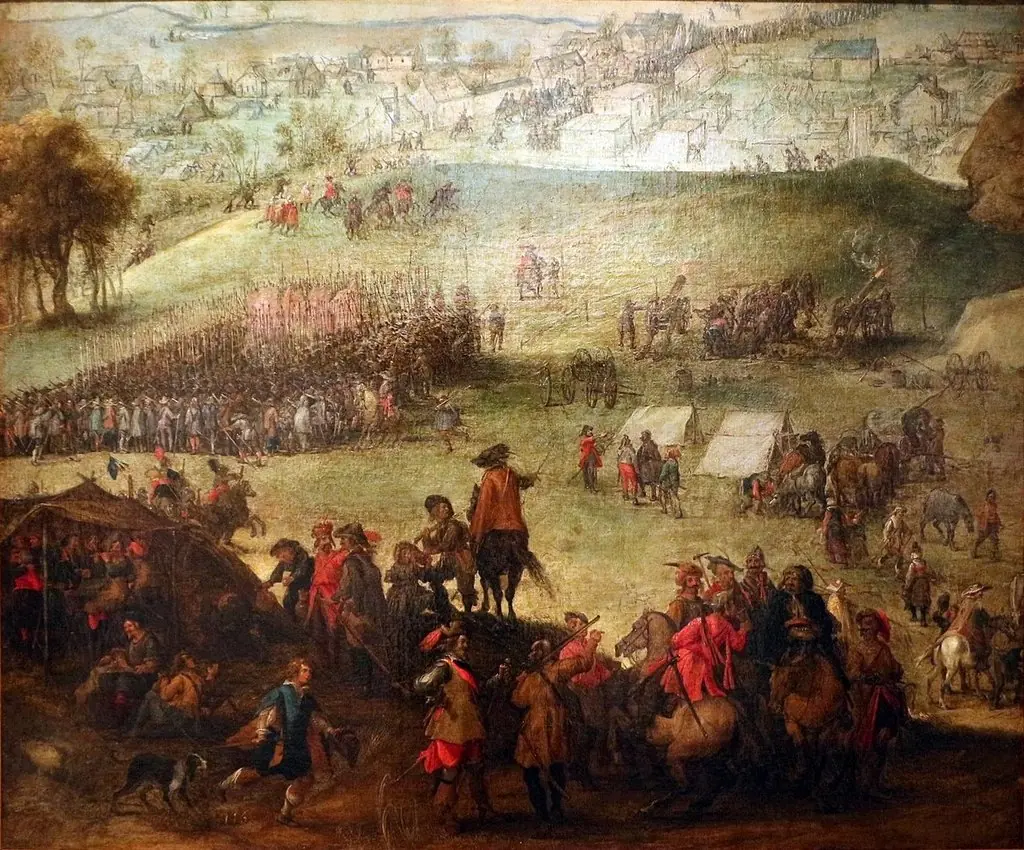 Rendição de uma cidade
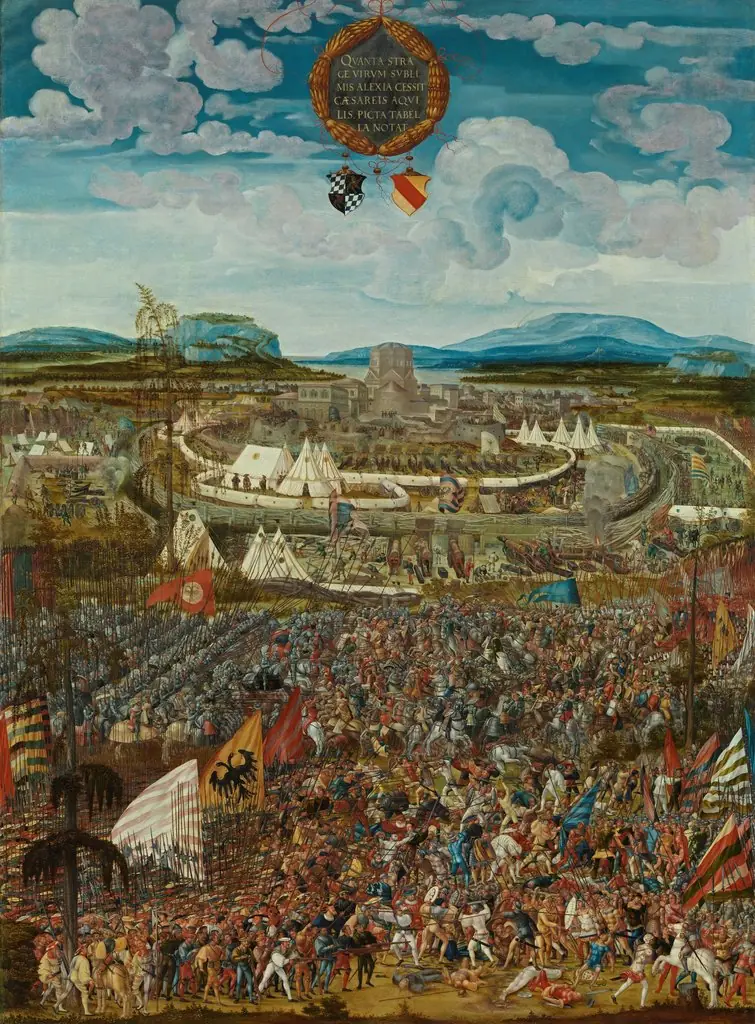 The anachronistic Siege for Battle of Alesia
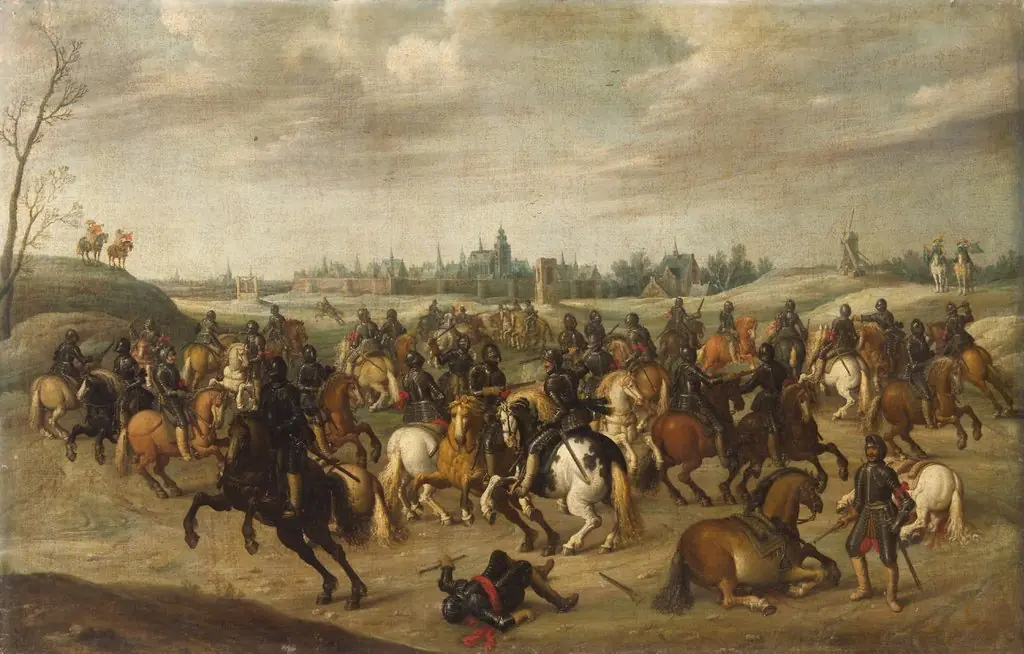 Reitergefecht vor Hertogenbosch
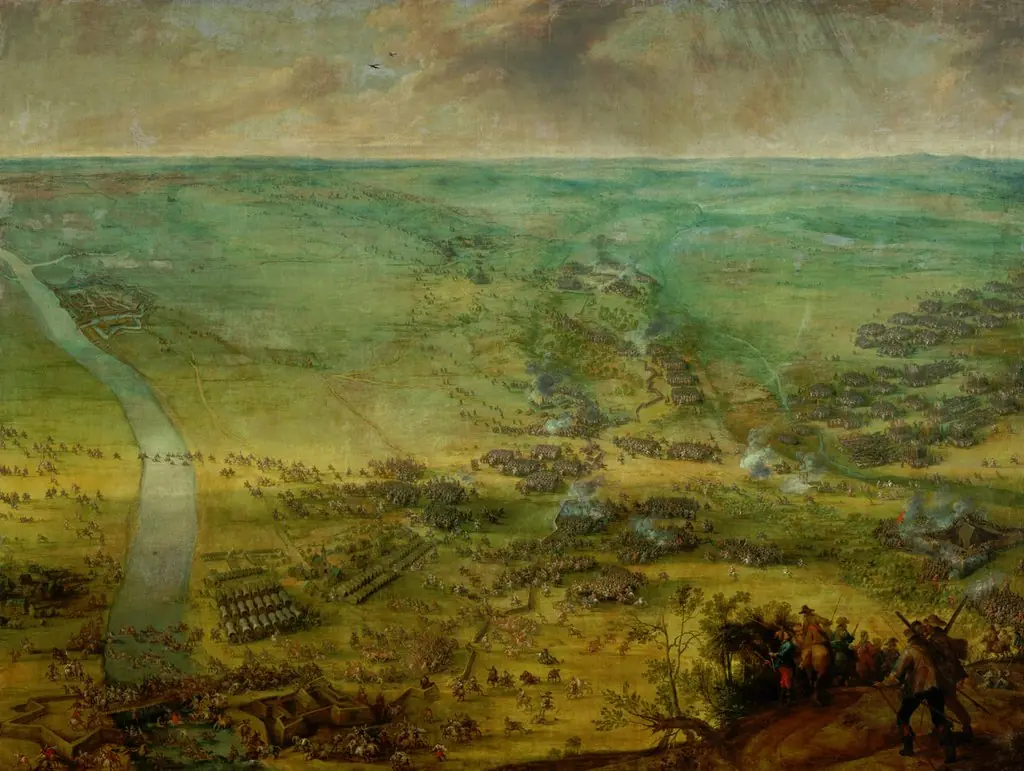 The Battle of Thionville, the Arrival of the Imperial forces under Piccolomini , 19 June 1639
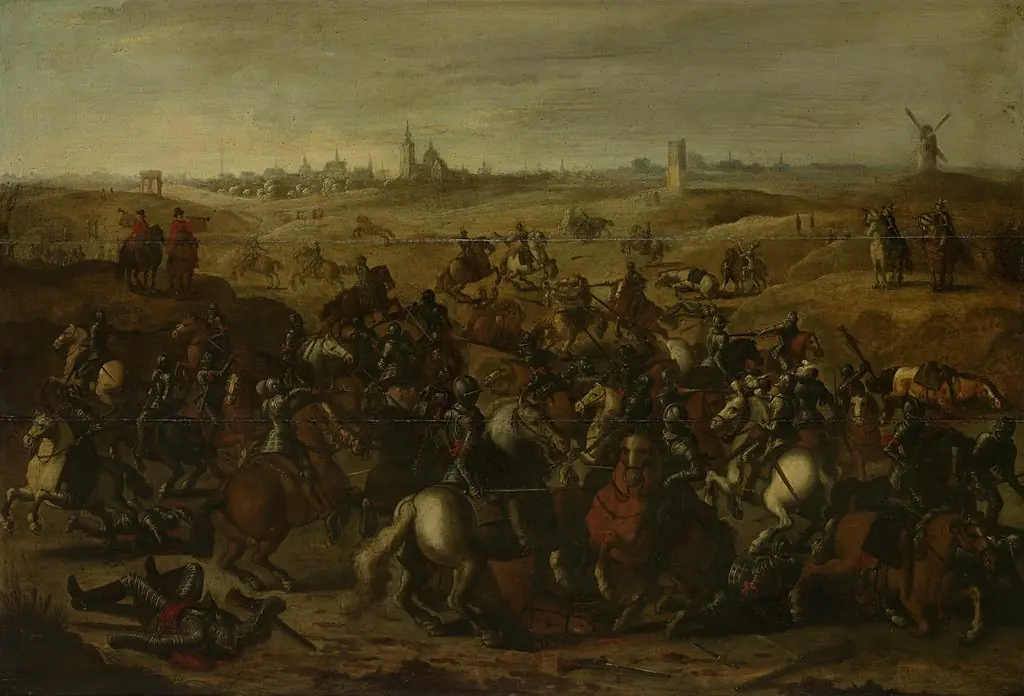 The battle between Bréauté and Leckerbeetje on the heath outside Vught, 5 Februari 1600
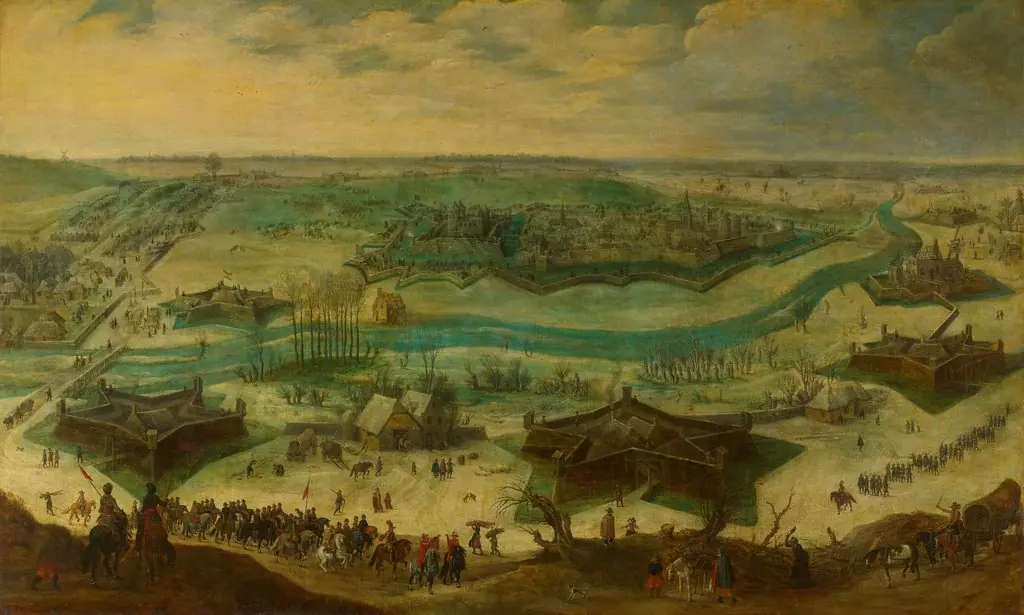 A siege of a city, thought to be the siege of Gulik by the Spanish under the command of Hendrik van den Bergh, 5 September 1621-3 February 1622
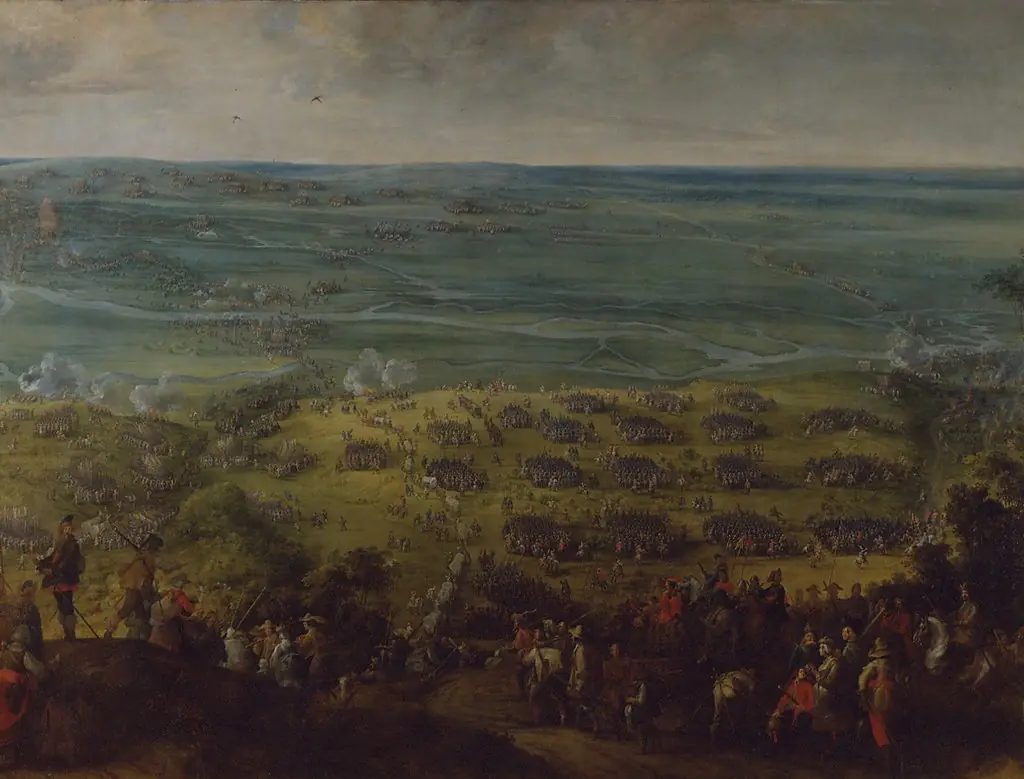 The crossing of the Somme
 Sitio de Ostende