Artwork
Portrait of Antonio van Diemen, Governor-General of the Dutch East Indies
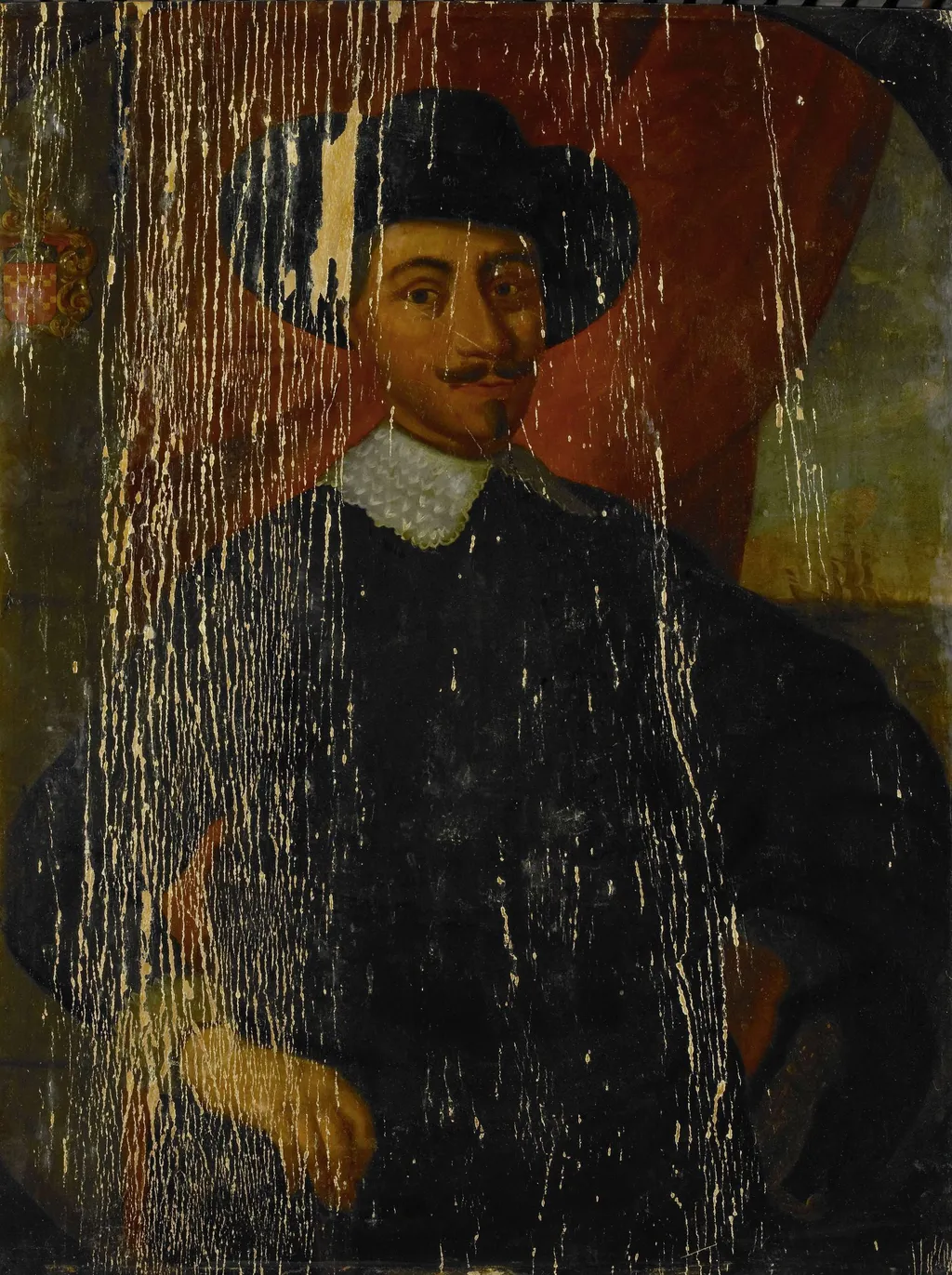
Portrait of Antonio van Diemen, Governor-General of the Dutch East Indies is an oil painting. It dates from 1650 and is held in the collection of the Rijksmuseum. The oil painting depicts Antonio van Diemen, who served as Governor‑General of the Dutch East Indies.
About this work
Overview
The oil painting depicts Antonio van Diemen, who served as Governor‑General of the Dutch East Indies. Rendered against a deep red background, the figure is shown in a black hat and dark clothing, accented by a white ruffled collar. His posture is slightly turned, and his gaze meets the viewer with a solemn, authoritative expression.
Subject & Meaning
Van Diemen’s portrait emphasizes his official status and the gravitas of his colonial administration. The restrained palette, formal pose, and direct eye contact convey a sense of duty and governance, reflecting the expectations of a high‑ranking official in the seventeenth‑century Dutch Republic.
Technique & Style
Executed in oil on canvas, the work employs the chiaroscuro and meticulous detailing characteristic of Dutch Golden Age portraiture. The artist uses a limited colour scheme—dark garments against a vivid red backdrop—to highlight facial features, while the brushwork shows a blend of smooth modeling and subtle texture in the fabric and hat.
History & Provenance
The portrait was created during van Diemen’s tenure in the mid‑1600s, a period when Dutch officials often commissioned likenesses to affirm their authority. The painting’s current condition shows age‑related cracking and fading, indicating it has survived several centuries of handling and changing ownership before entering its present collection.
Artist & collection

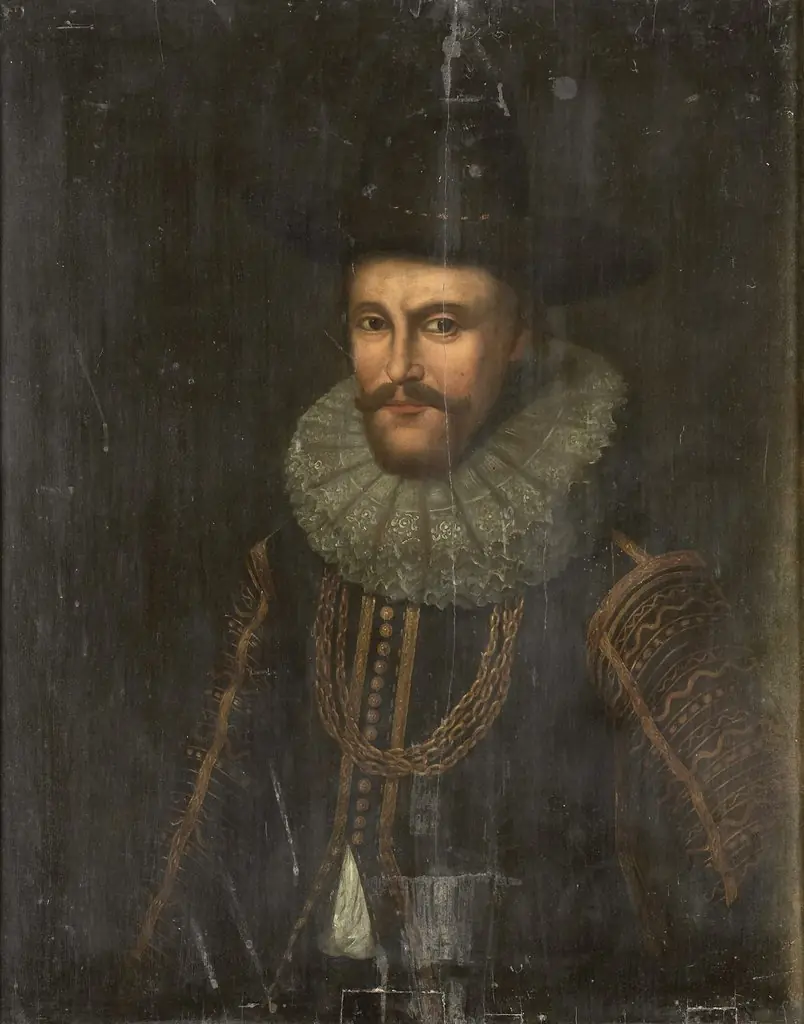 Portrait of Laurens Reael, Governor-General of the Dutch East Indies
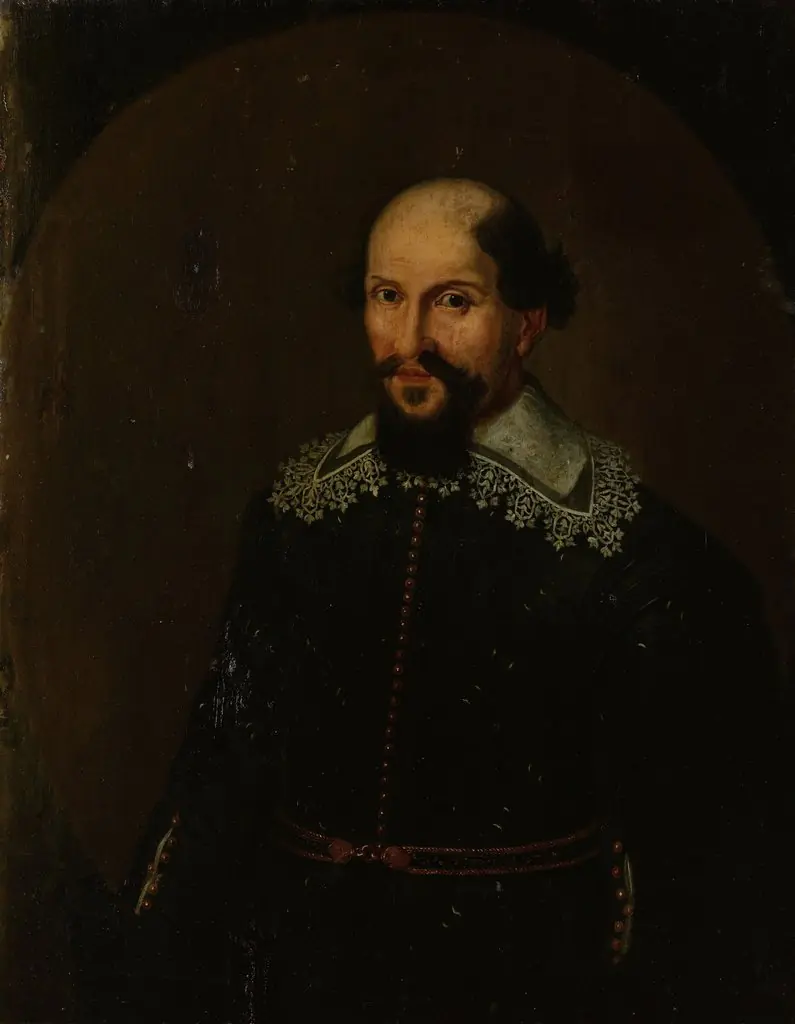 Portrait of Jacques Specx, Governor-General of the Dutch East Indies
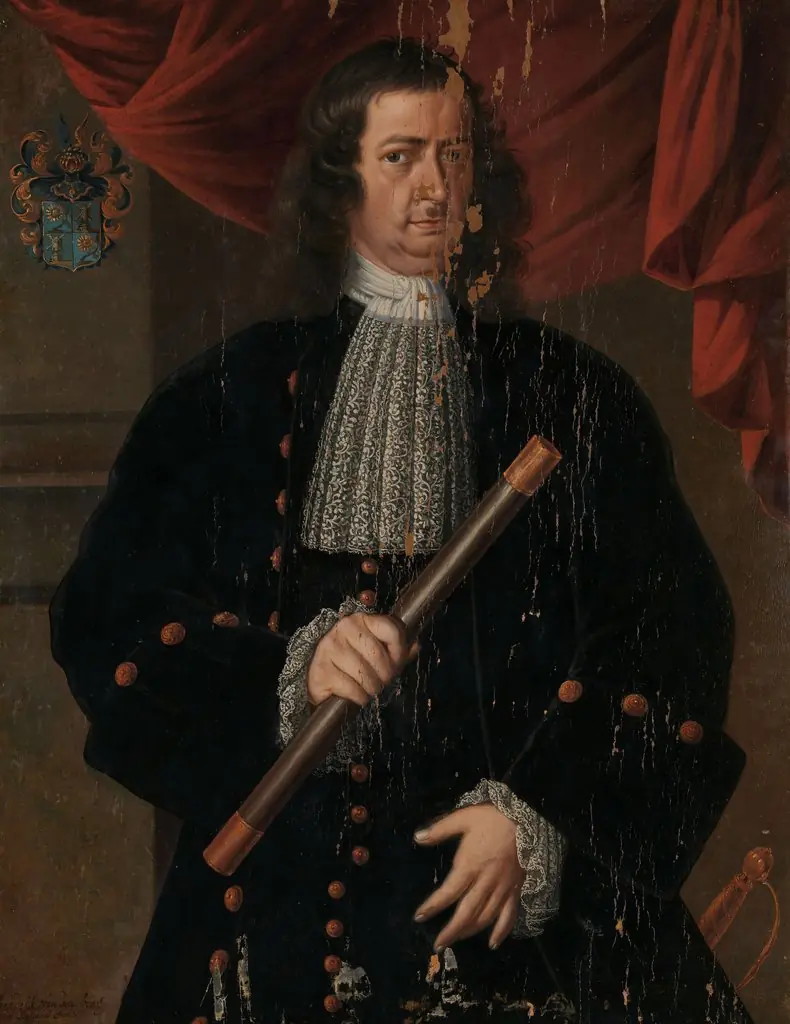 Portrait of Christoffel van Swoll (Swol, Zwol), Governor-General of the Dutch East Indies
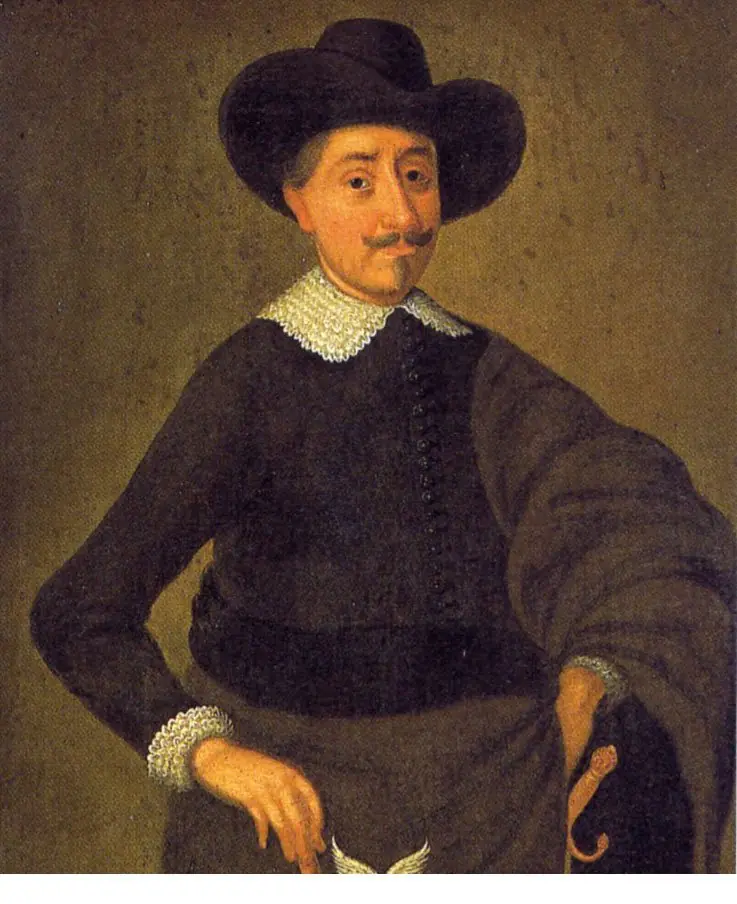 Portrait of Antonio van Diemen (1593-1645)
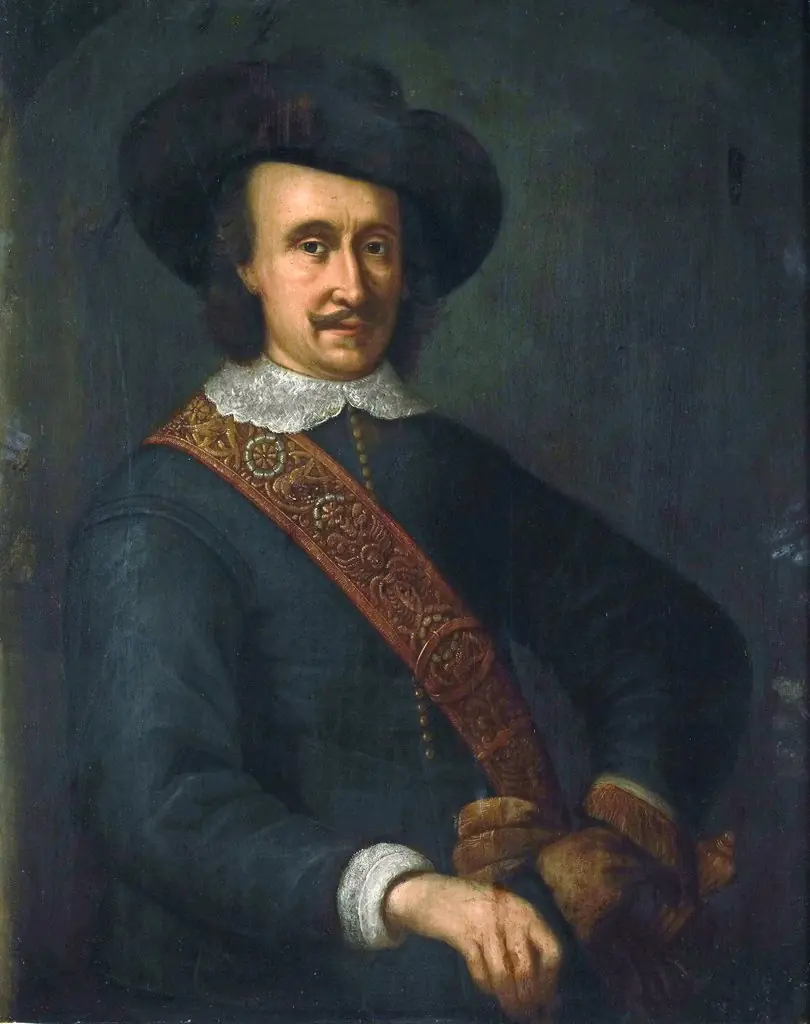 Portrait of Cornelis van der Lijn, Governor-General of the Dutch East Indies