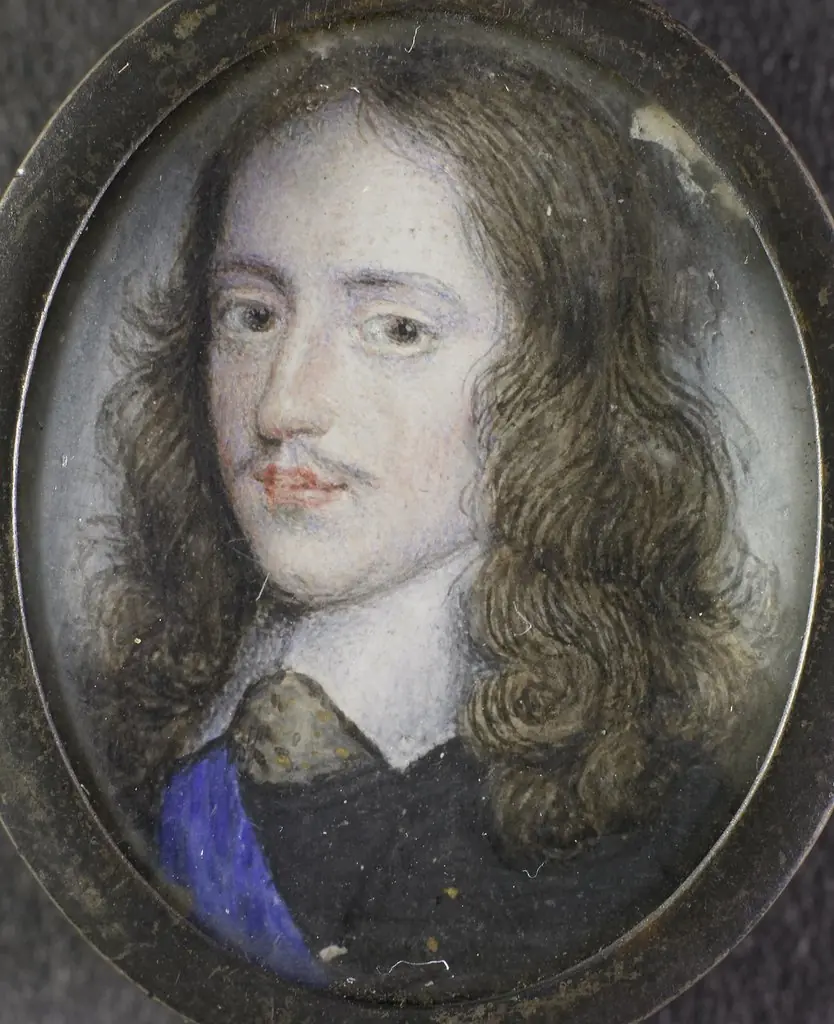
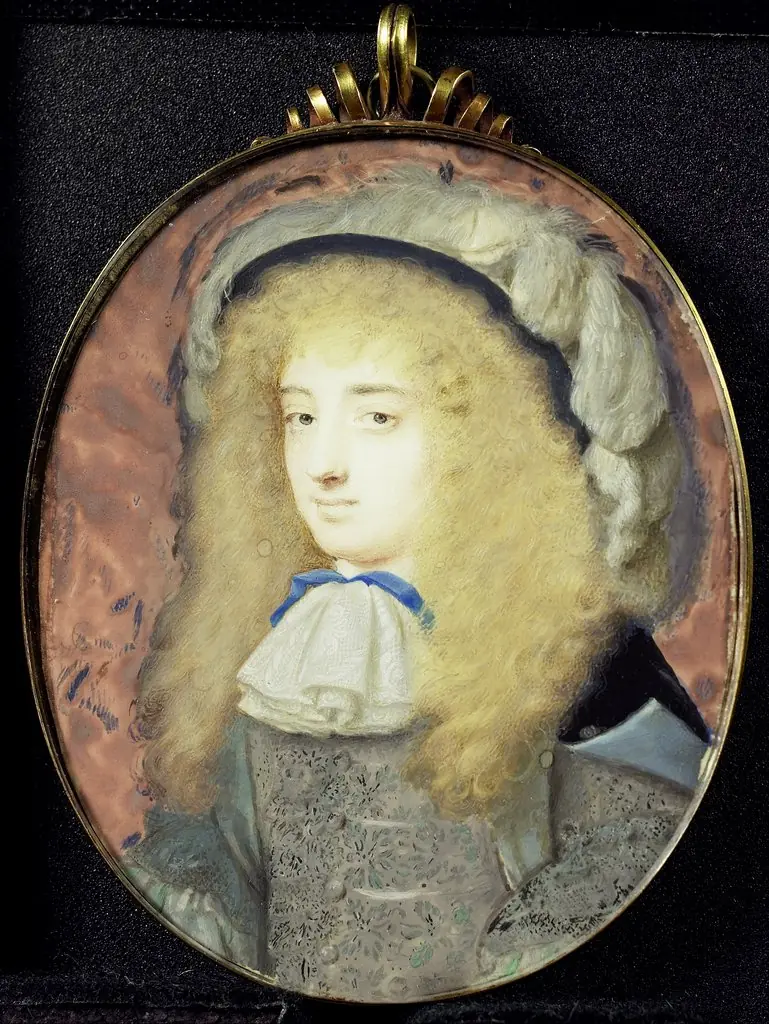
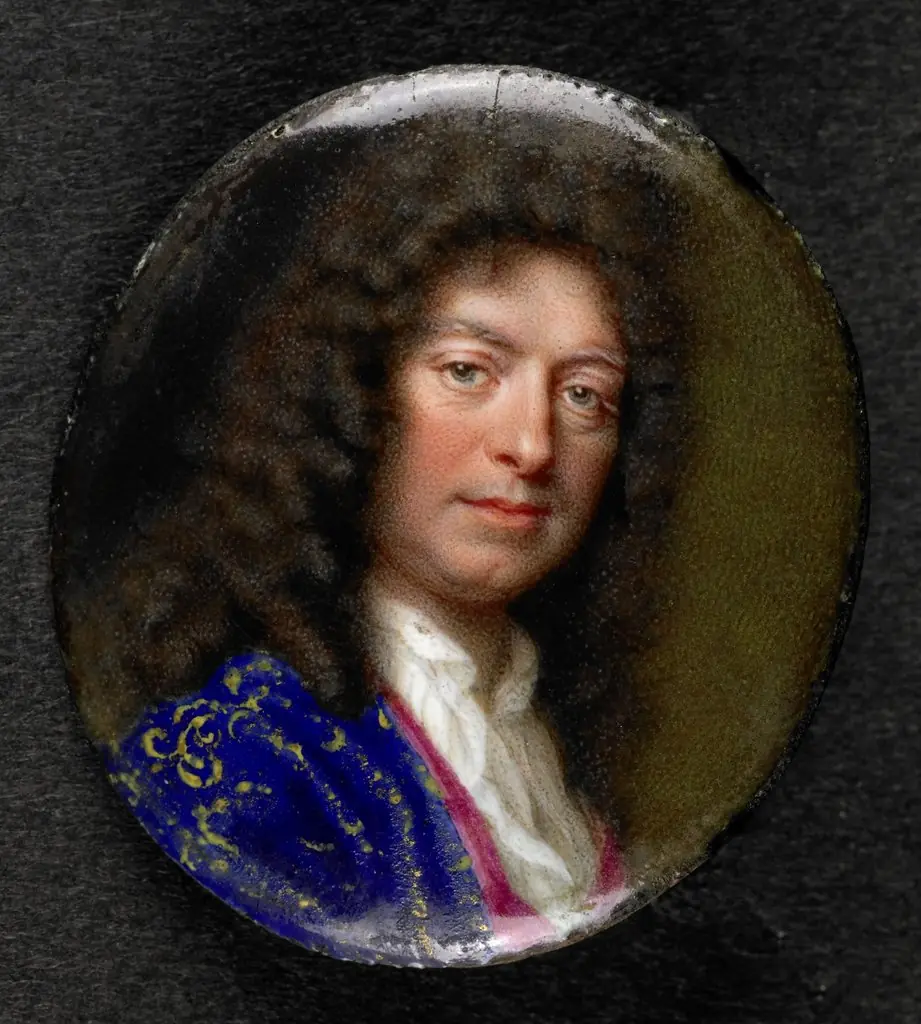
Artwork
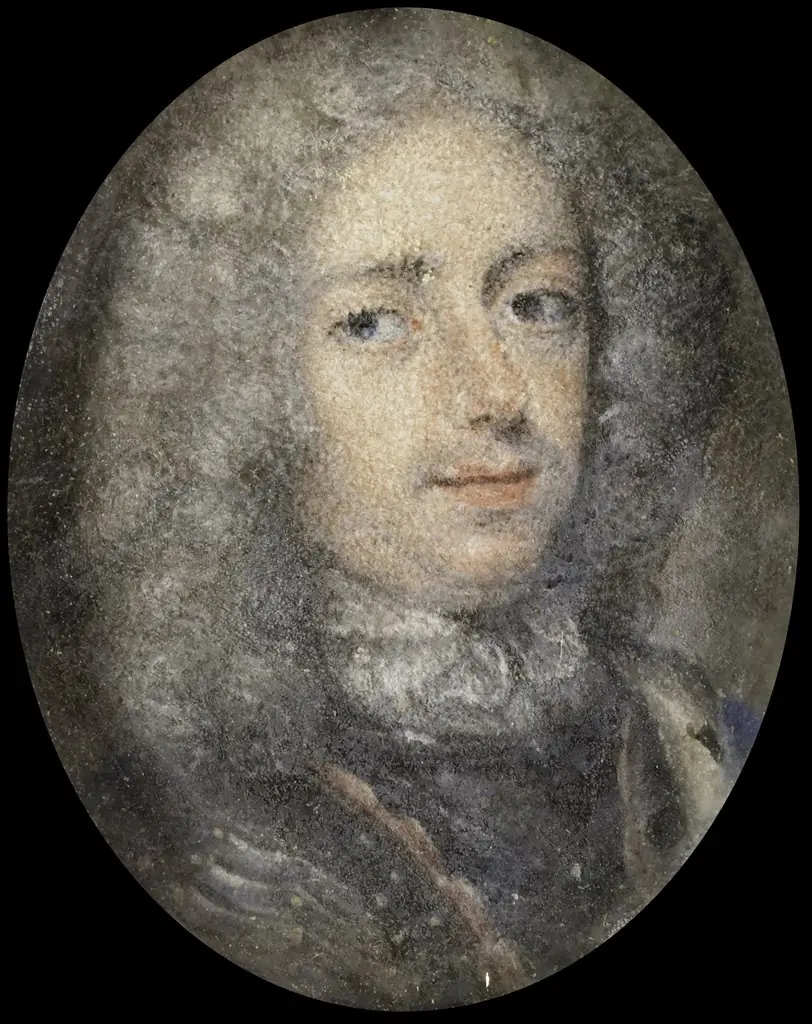
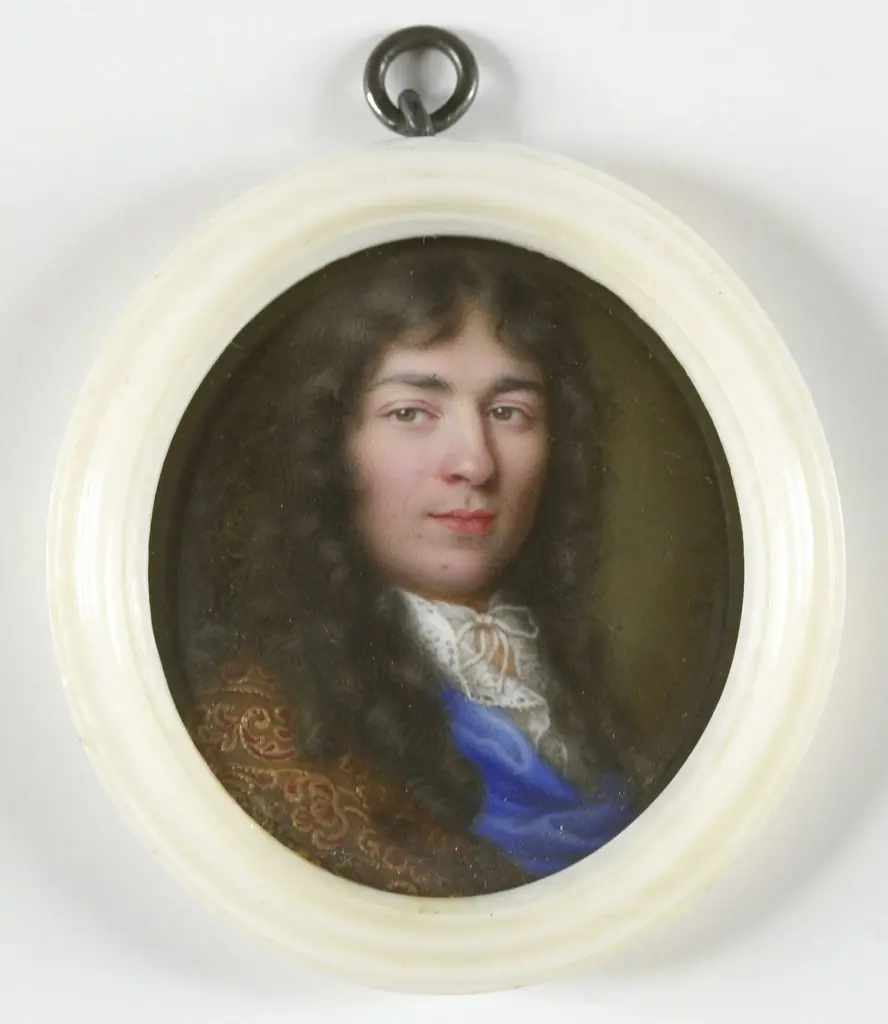
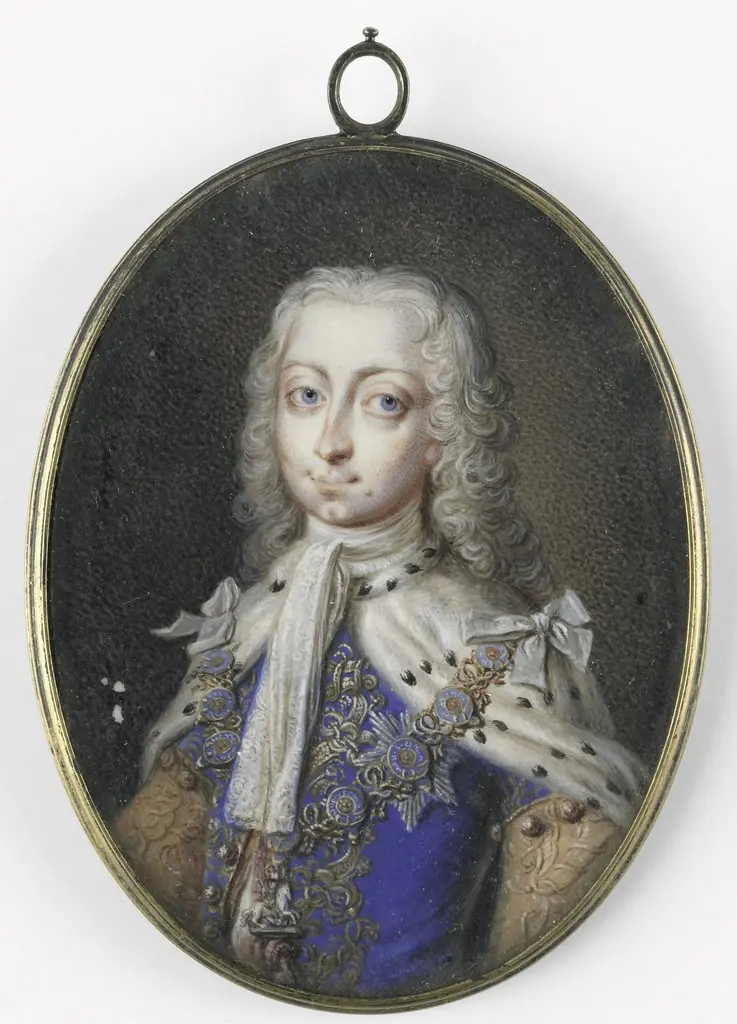
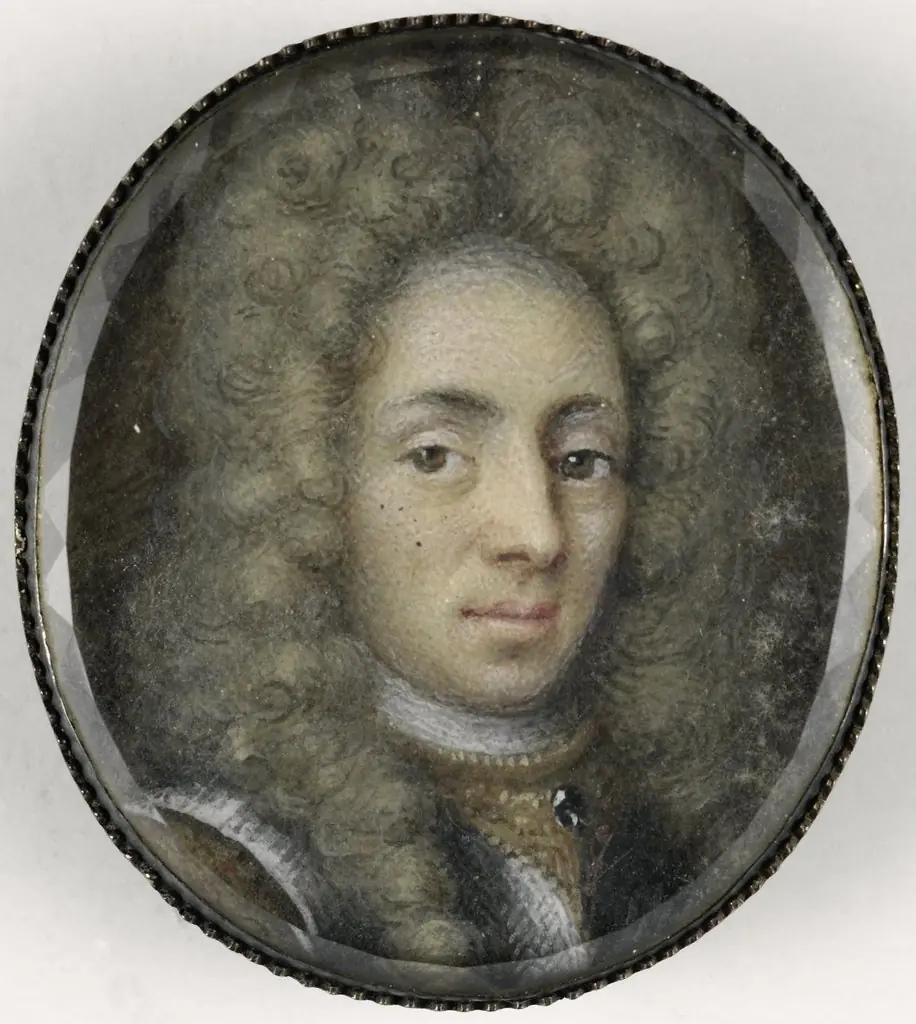
Portret van een man en een vrouw (keerzijde) vermoedelijk Willem Frederik Markgraaf van Brandenburg-Anspach (1686-1723) en zijn vrouw Christiane Charlotte van Württemberg (1694-1723)
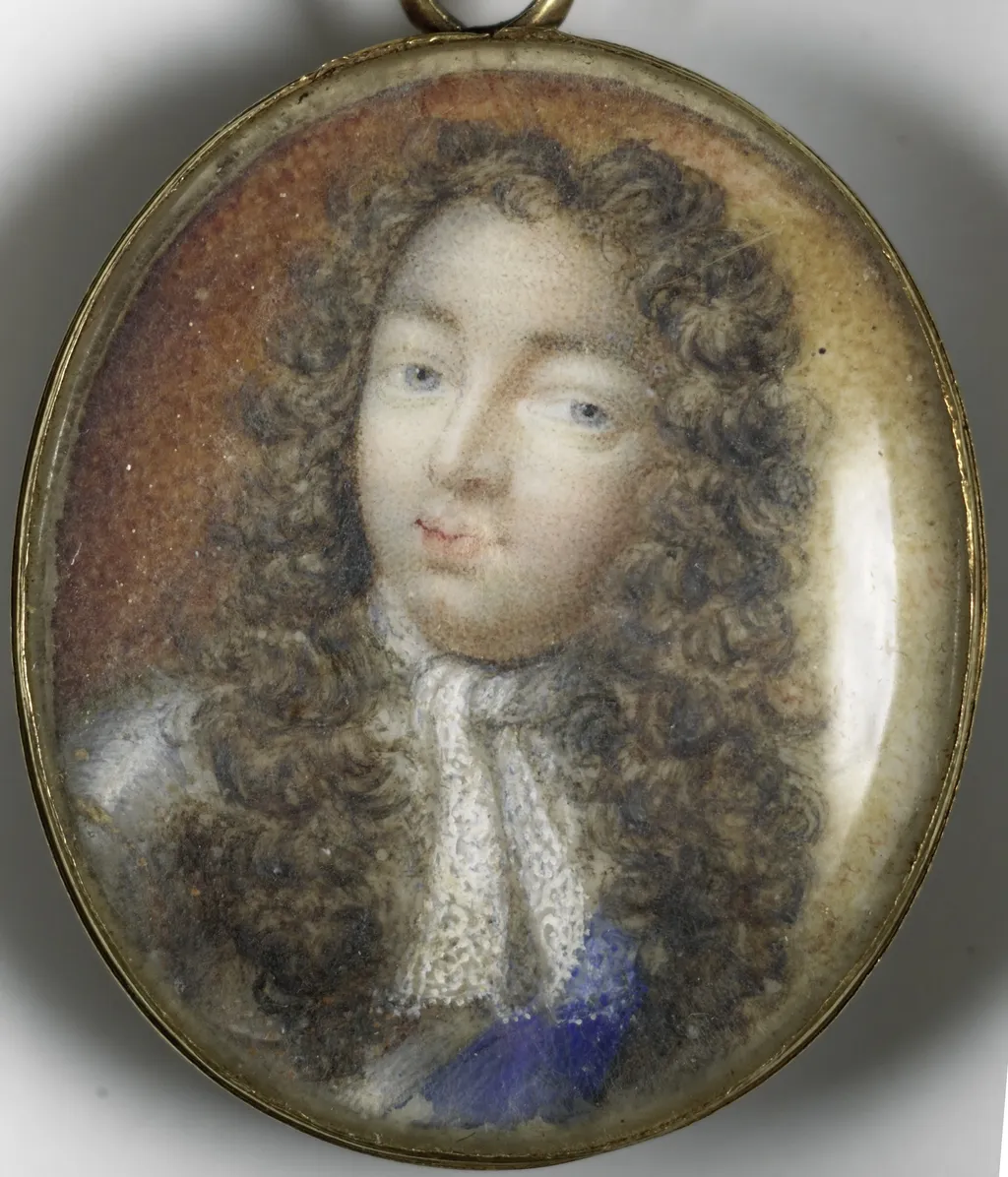
Portret van een man en een vrouw (keerzijde) vermoedelijk Willem Frederik Markgraaf van Brandenburg-Anspach (1686-1723) en zijn vrouw Christiane Charlotte van Württemberg (1694-1723) is an ivory painting by the Rococo painting artist Unknown. It dates from 1720 and is held in the collection of the Rijksmuseum. This round portrait, executed in ivory, depicts two figures in profile, rendered through meticulous carving rather than pigment.
About this work
Overview
The work’s modest scale and worn edges suggest it was intended for intimate viewing, possibly as a personal memento or decorative object.
This round portrait, executed in ivory, depicts two figures in profile, rendered through meticulous carving rather than pigment. The medium’s natural pale tone forms the basis of the composition, with subtle gradations of shading lending volume to facial features. The work’s modest scale and worn edges suggest it was intended for intimate viewing, possibly as a personal memento or decorative object.
Subject & Meaning
The double portrait is believed to represent Willem Frederik, Margrave of Brandenburg-Ansbach, and his wife, Christiane Charlotte of Württemberg. The profiles, set against a dark ground, emphasize the subjects’ social status through refined detailing of costume and physiognomy. Such ivory carvings often served as commemorative objects, preserving likenesses of nobility in a durable yet delicate form.
Technique & Style
The artist employed layered carving to model the figures, exploiting ivory’s translucency to create soft transitions between light and shadow. Fine incisions define facial contours, hair, and the woman’s lace collar, while the background remains unadorned, heightening contrast. This approach reflects techniques developed in the late 17th and early 18th centuries for miniature portraiture in ivory.
History & Provenance
The work’s origins lie within European court circles, where ivory portraiture was prized for its craftsmanship and portability. The subjects’ identities, though not conclusively verified, align with the Margrave and Margravine of Brandenburg-Ansbach, who died in 1723. The piece later entered institutional collections, where its condition reflects centuries of handling and display.
Context
Ivory portrait miniatures emerged as a luxury art form in the Baroque period, favored by aristocrats for their personal and diplomatic value. The medium’s rarity and the skill required for carving elevated such works above painted miniatures. This example reflects the era’s fascination with portraiture as a means of asserting lineage and presence, even in absence.
Legacy
While ivory carving declined due to shifting tastes and material restrictions, works like this endure as testaments to the craft’s technical refinement. They offer insight into 18th-century court culture and the role of portraiture in reinforcing dynastic identity. Contemporary collections preserve these objects as historical artifacts, balancing aesthetic appreciation with ethical considerations surrounding ivory.
Artist & collection

 Domestic Scene
 Giacomo and Cardinal Marco, investing Andrea, Abbot of San Zeno, with his Benefice
 The Nymph of Fontainebleau
 Portrait of a Woman
 Madonna and Child with Saints in the Enclosed Garden
 Venus and Minerva
 Family Group of Four on Sofa
 Wall painting from Room H of the Villa of P. Fannius Synistor at Boscoreale