Artwork
Portret van een man
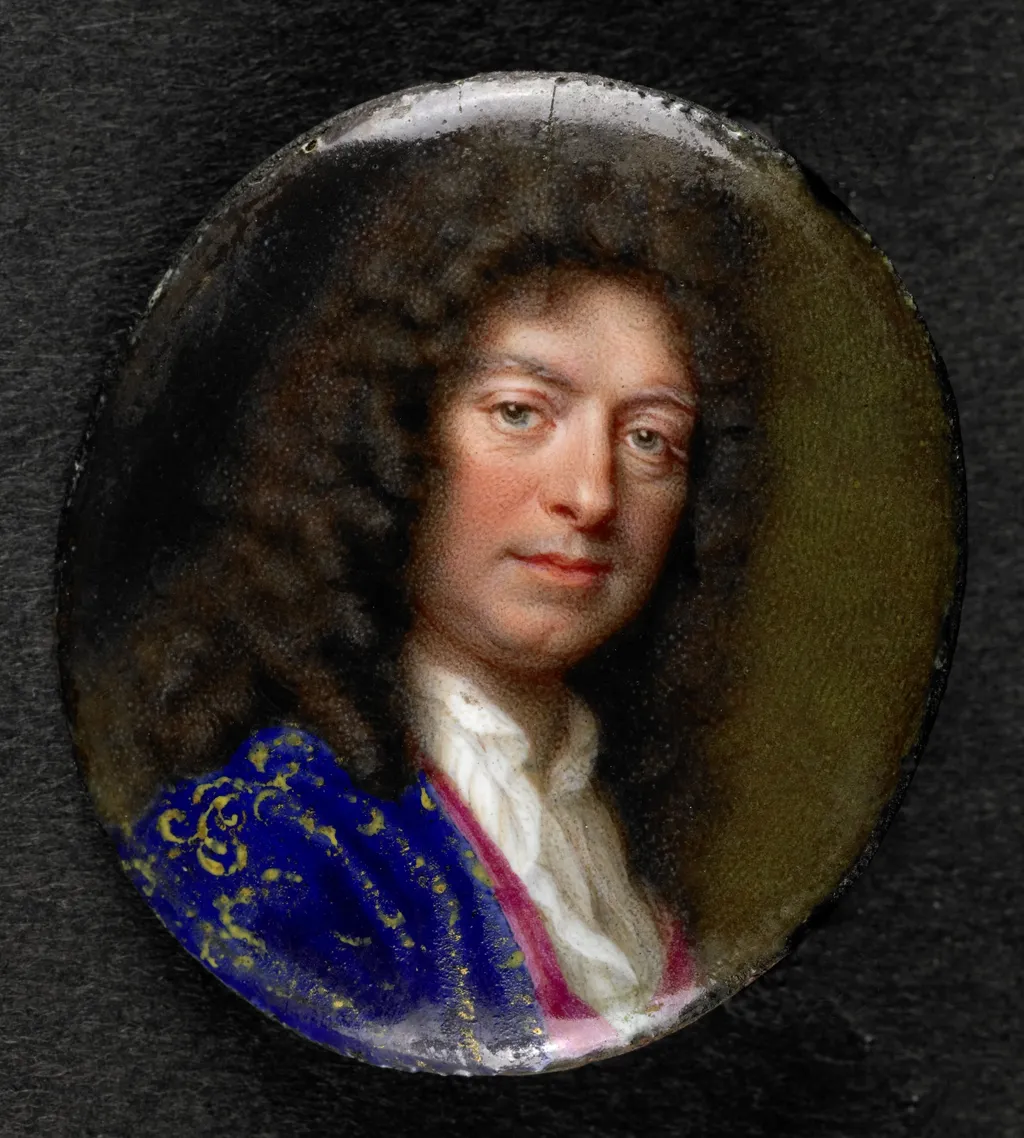
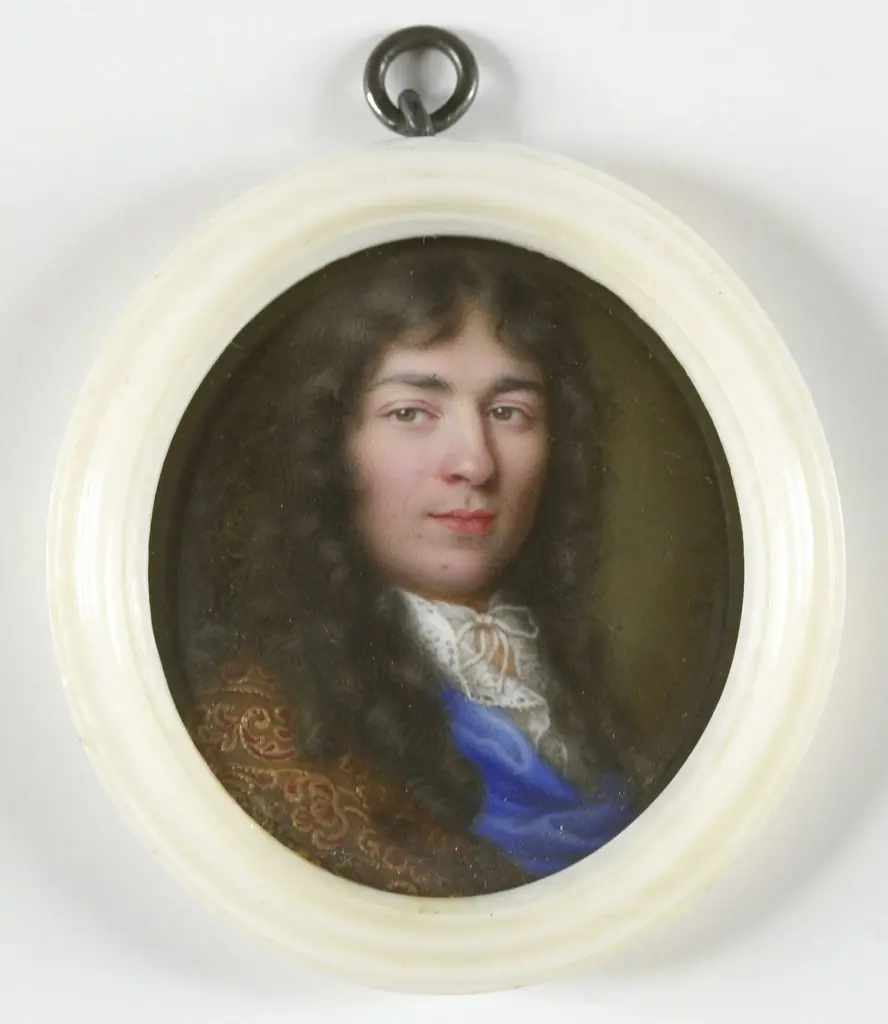
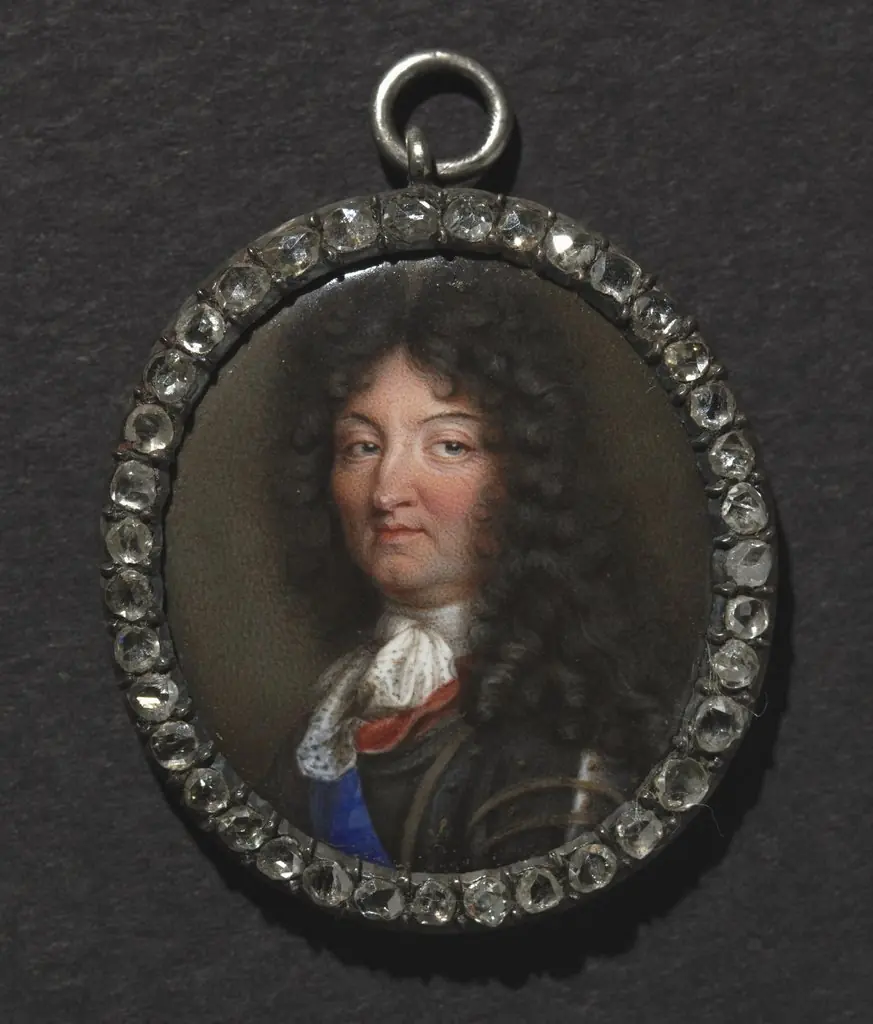
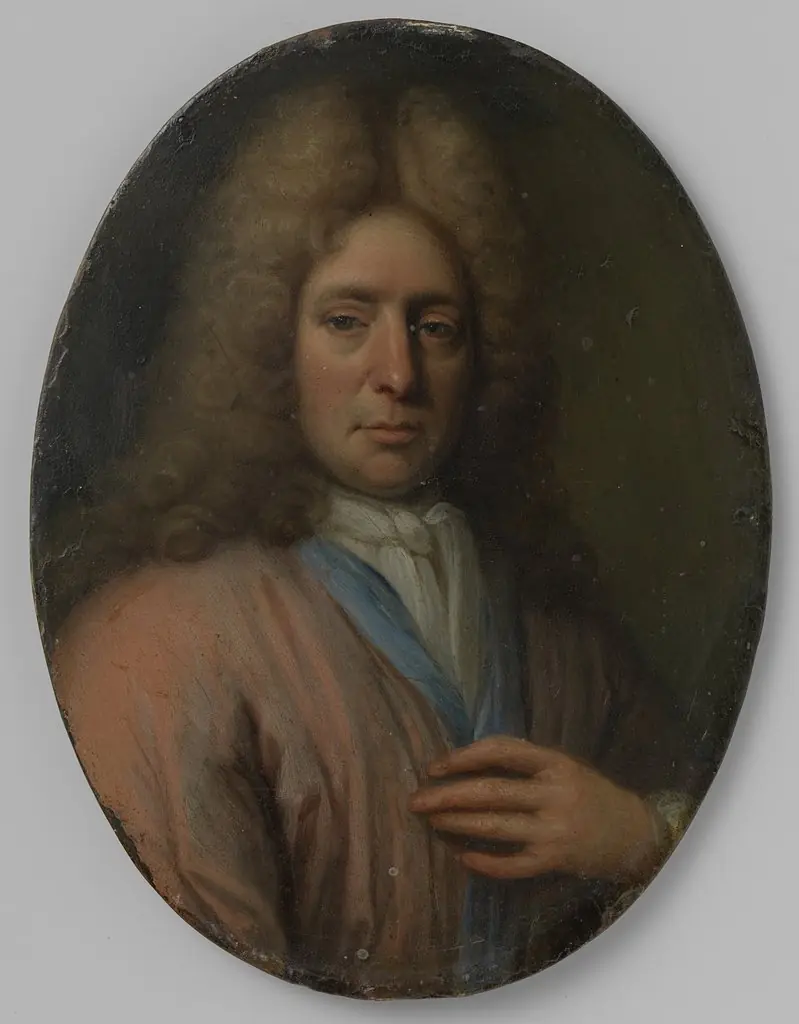
Portret van een man is a copper painting by the Early Baroque Italian artist Jean Petitot. It dates from 1650 and is held in the collection of the Rijksmuseum. Created circa 1650, this circular copper portrait depicts an unidentified gentleman.
About this work
Overview
Created circa 1650, this circular copper portrait depicts an unidentified gentleman. The figure is dressed in a blue coat with gold ornamentation, a white shirt and a red sash, set against a dark background that heightens the contrast of his attire. The work belongs to the Rijksmuseum’s collection.
Subject & Meaning
The sitter’s facial features are softened, yet his eyes remain distinct, suggesting a focus on presence rather than precise likeness. The attire—richly colored and embellished—indicates a person of status, while the subdued expression may reflect contemporary portrait conventions emphasizing dignity over individuality.
Technique & Style
Executed in enamel on copper, the painting showcases the fine, luminous quality characteristic of Jean Petitet’s work. The medium allows for vivid coloration and a smooth, reflective surface, while the Baroque sensibility of dramatic contrast between light and dark is evident in the composition.
History & Provenance
Jean Petitet, a Genevan enamelist who spent much of his career at the courts of France and England, produced this portrait during his early Baroque period. It later entered the Rijksmuseum’s holdings, where it remains on display as part of the museum’s European decorative arts collection.
Artist & collection
Artist
Jean Petitot (July 12, 1607 – April 3, 1691) was an enamel painter from the Republic of Geneva, who spent most of his career working for the courts of France and England.