Artwork
Anbetung der Könige
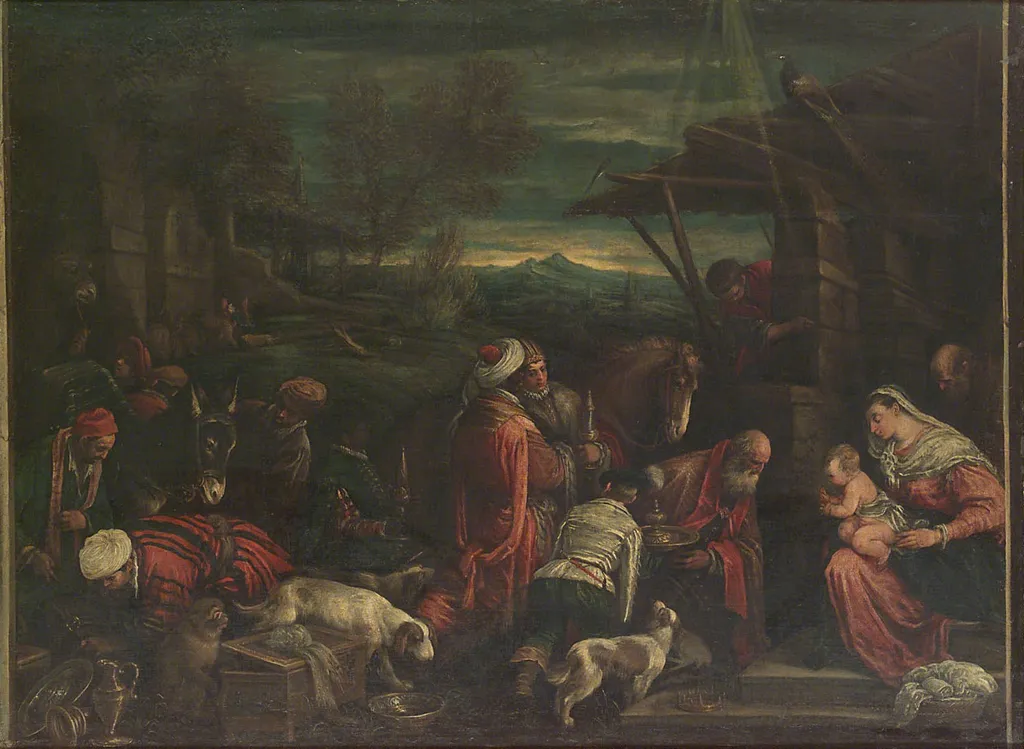
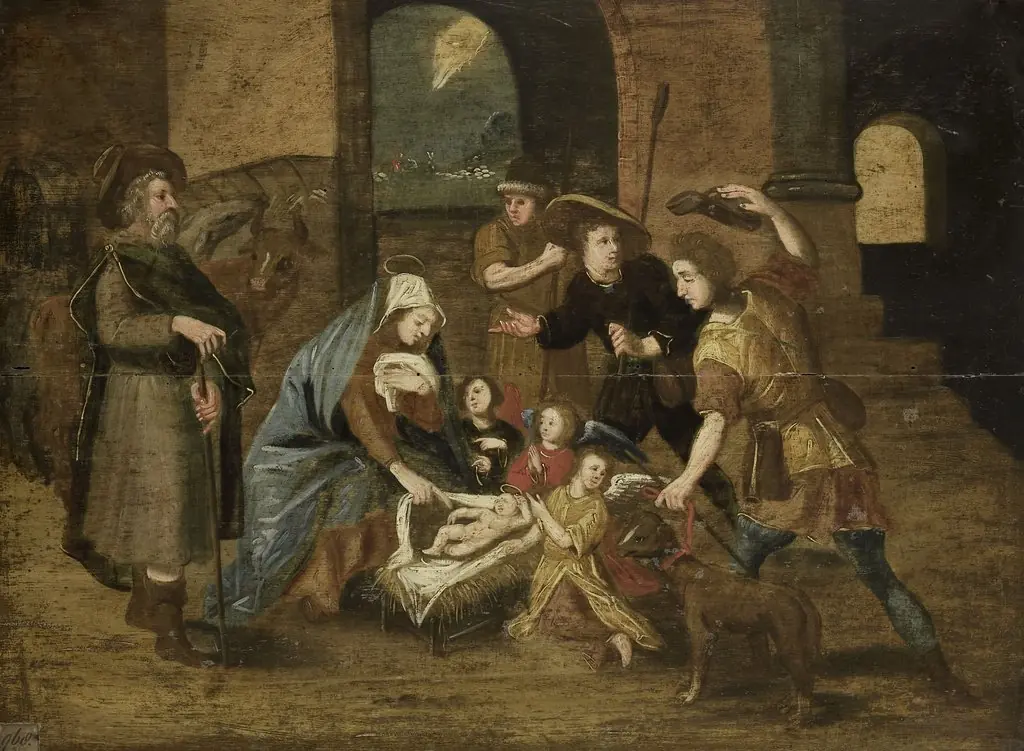
Anbetung der Könige is an unspecified painting by the Early Baroque Italian artist Unknown. It dates from 1596 and is held in the collection of the Kunsthistorisches Museum. This painting depicts the biblical scene of the Adoration of the Magi, where three visitors from the East pay homage to the infant Jesus.
About this work
Overview
This painting depicts the biblical scene of the Adoration of the Magi, where three visitors from the East pay homage to the infant Jesus.
This painting depicts the biblical scene of the Adoration of the Magi, where three visitors from the East pay homage to the infant Jesus. The composition centers on the Virgin Mary holding the child, surrounded by figures in elaborate attire, with animals nearby and a distant cross hinting at the child’s future. The interplay of light and shadow creates a solemn, contemplative atmosphere, drawing attention to the central figures while grounding the scene in physical space.
Subject & Meaning
The scene represents the recognition of Christ’s divine nature by foreign rulers, symbolizing the universal reach of his message. The Magi’s varied garments and gestures reflect their distant origins and reverence. The presence of the cross in the background subtly foreshadows Christ’s sacrifice, while the quiet intimacy between mother and child emphasizes humanity within the sacred narrative.
Technique & Style
The artist employs chiaroscuro to model forms with dramatic contrasts, enhancing the three-dimensionality of faces and fabrics. Textures of silk, fur, and stone are rendered with careful attention, while the dark, receding landscape isolates the figures in a hushed, sacred space. The dogs and donkey add naturalistic detail, anchoring the spiritual event in a tangible, earthly setting.
History & Provenance
Created in the late 15th or early 16th century, the work likely originated in a region influenced by Northern Renaissance traditions. It was probably commissioned for private devotion or a religious institution. Its survival through centuries suggests careful preservation, though its early ownership remains undocumented in public records.
Context
During this period, depictions of the Adoration were common in Christian art, often used to affirm faith and display wealth through richly detailed costumes. The inclusion of exotic elements like turbans and foreign gifts reflected contemporary European fascination with distant lands, while the spiritual focus remained central to the viewer’s contemplation.
Legacy
The painting contributes to a broader tradition of devotional imagery that balanced human emotion with theological symbolism. Its restrained composition and emphasis on quiet reverence influenced later artists seeking to convey sacred moments without theatricality, preserving a contemplative approach to religious narrative in art.
Artist & collection

 Domestic Scene
 Giacomo and Cardinal Marco, investing Andrea, Abbot of San Zeno, with his Benefice
 The Nymph of Fontainebleau
 Portrait of a Woman
 Madonna and Child with Saints in the Enclosed Garden
 Venus and Minerva
 Family Group of Four on Sofa
 Wall painting from Room H of the Villa of P. Fannius Synistor at Boscoreale
 Adoration of the Magi
 Adoration of the Magi
 Die Anbetung der Könige
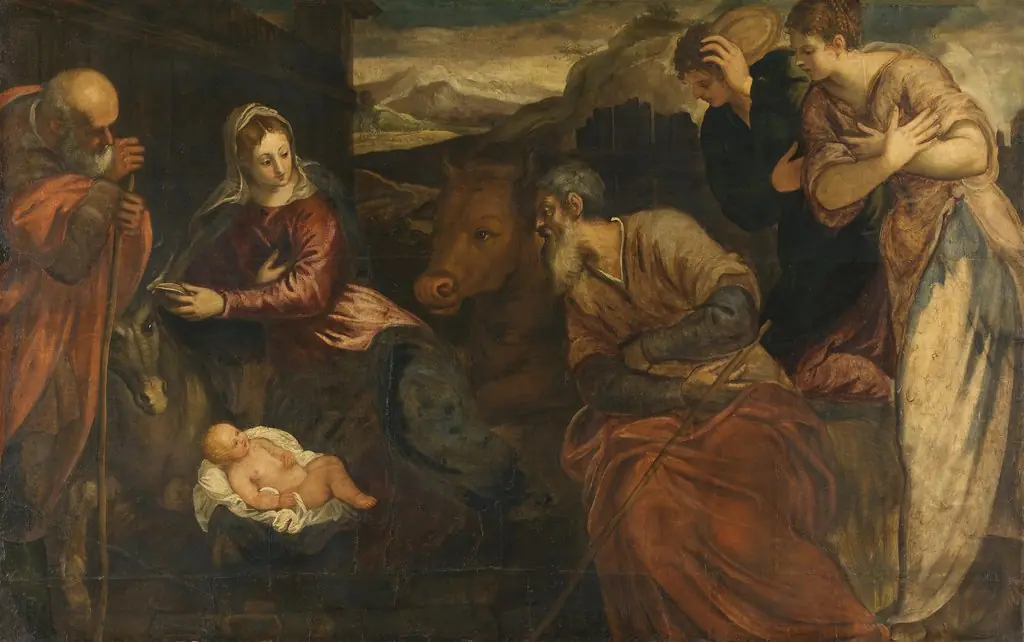 Adoration of the Shepherds
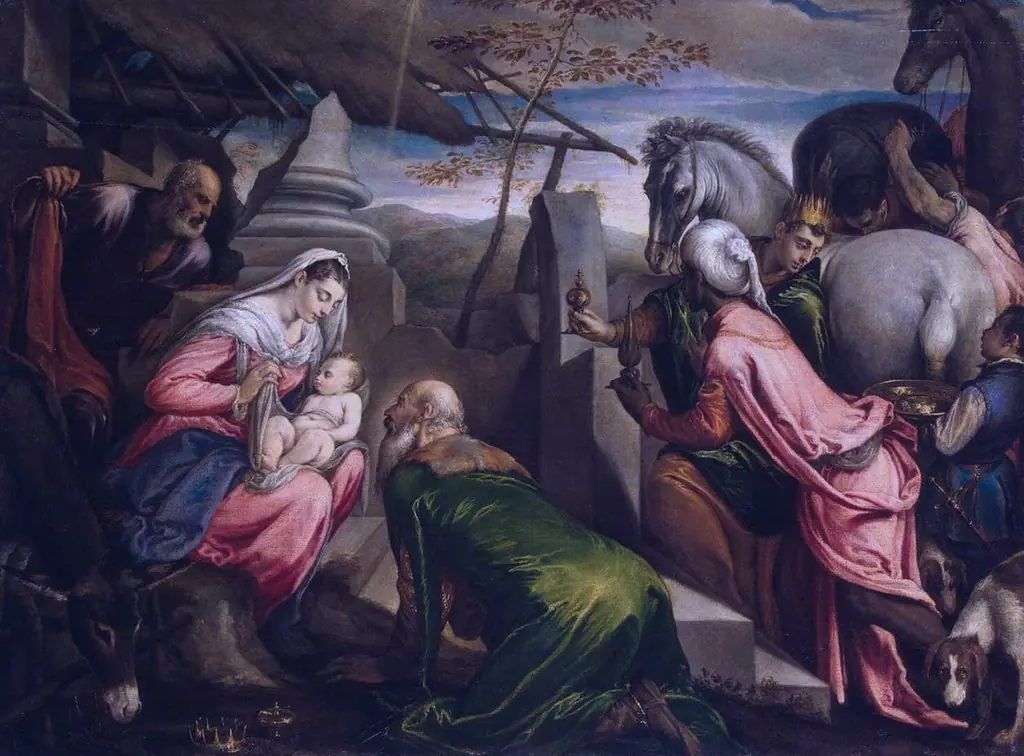 Adoration of the Magi
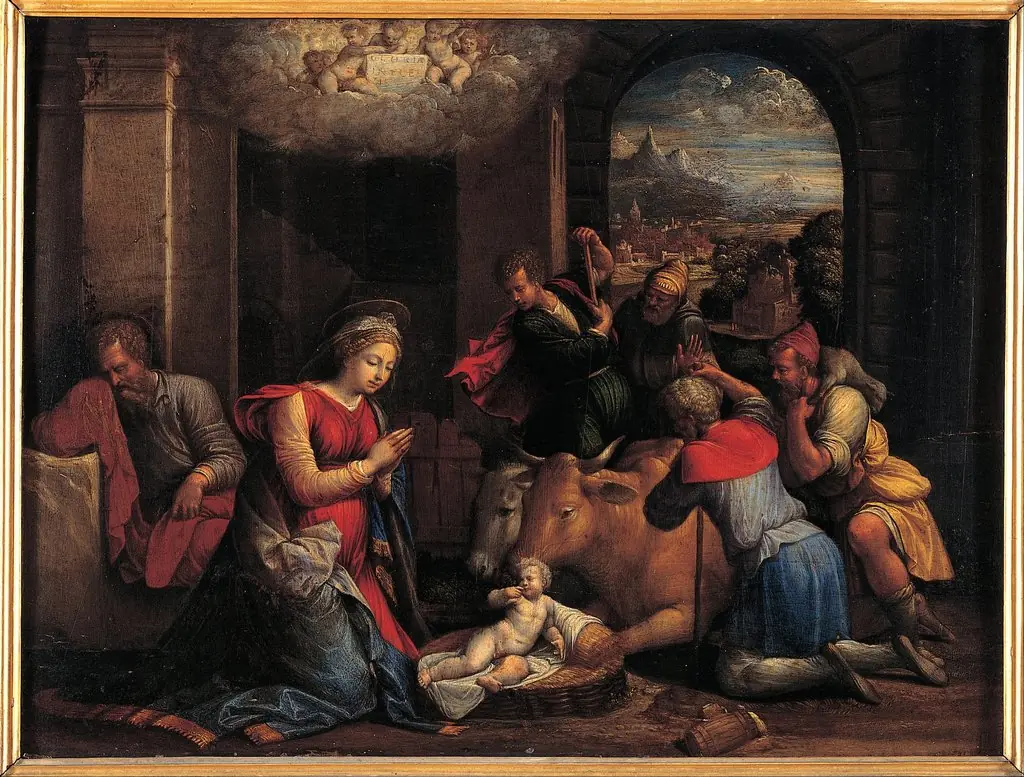 Adoration of the Shepherds
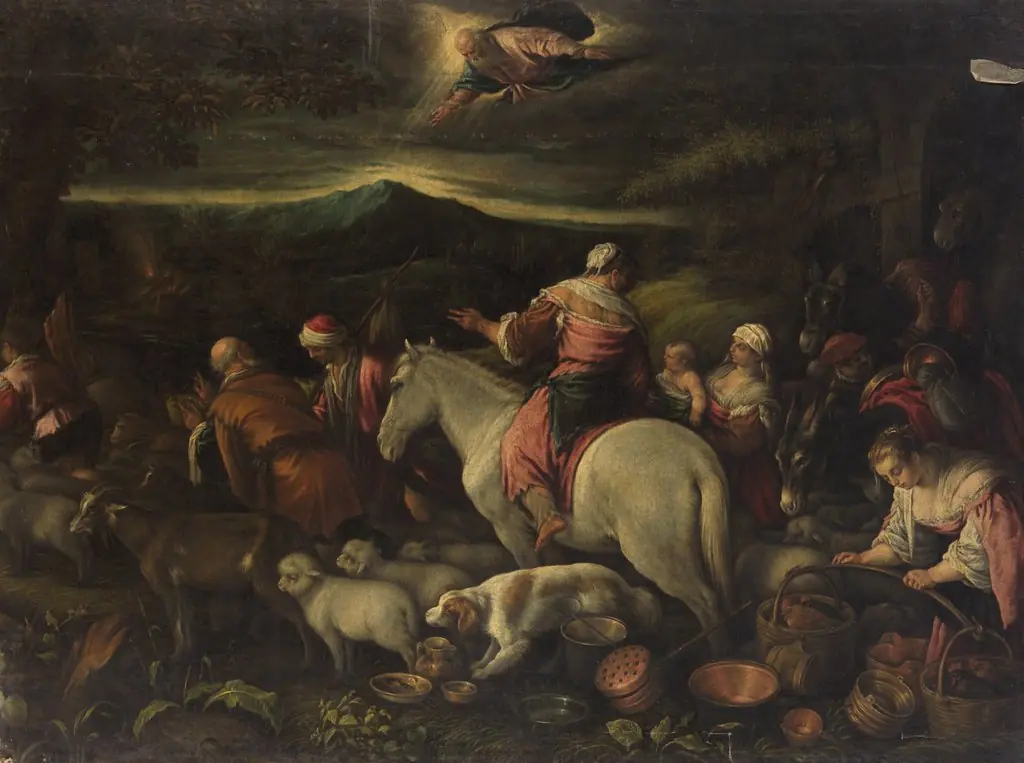 Aufbruch Abrahams ins gelobte Land
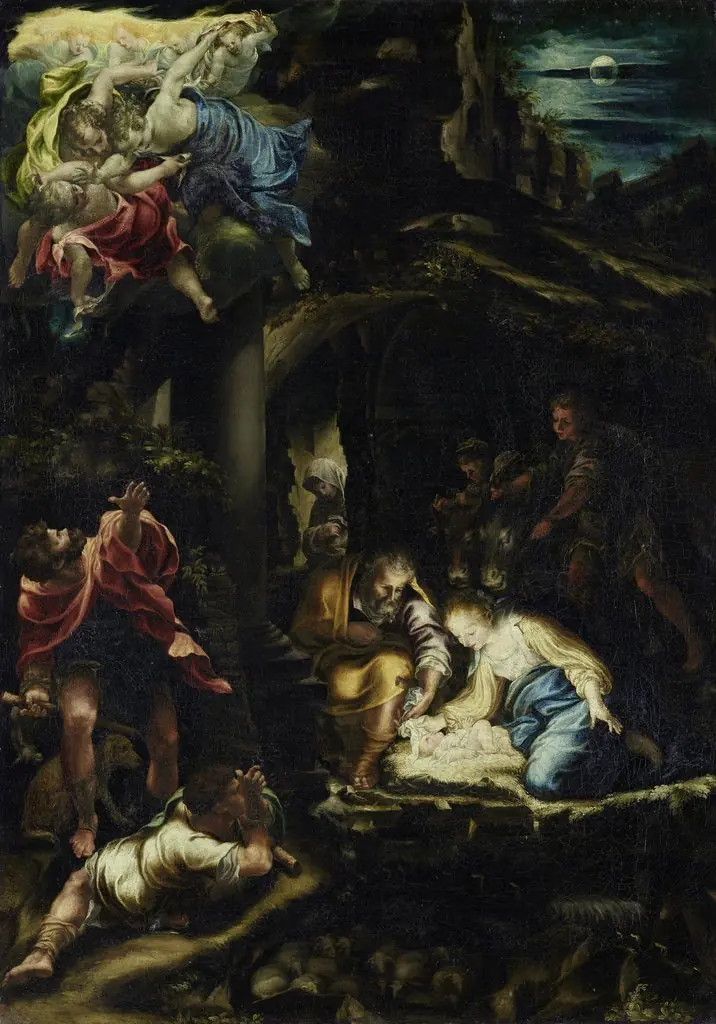 The Adoration of the Shepherds
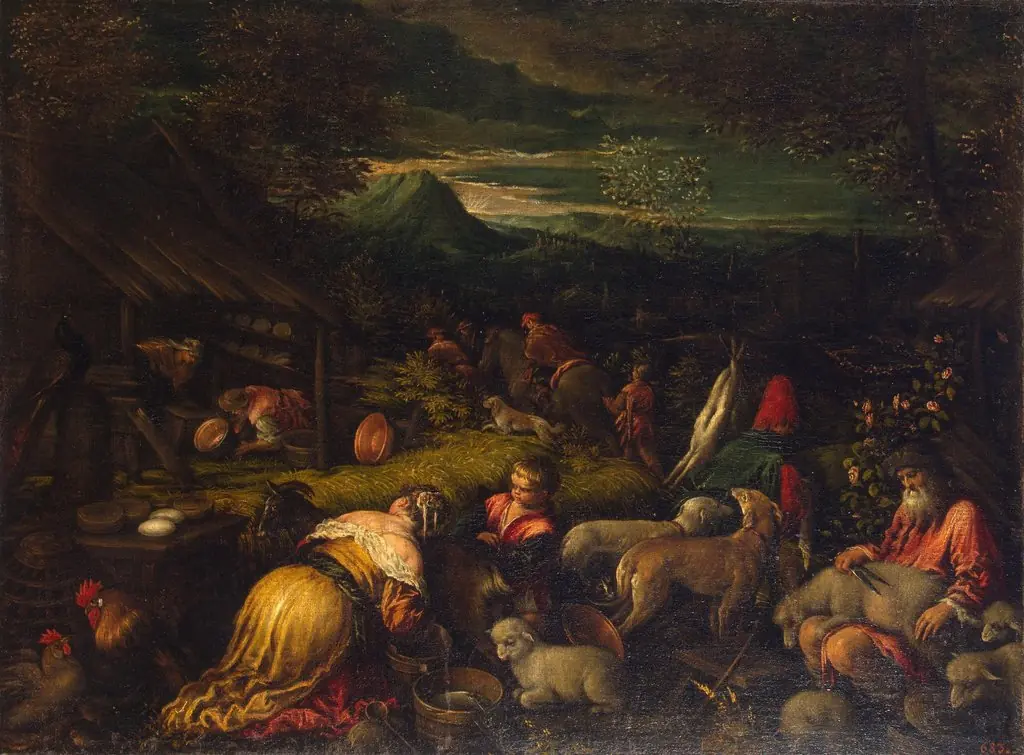 Autumn
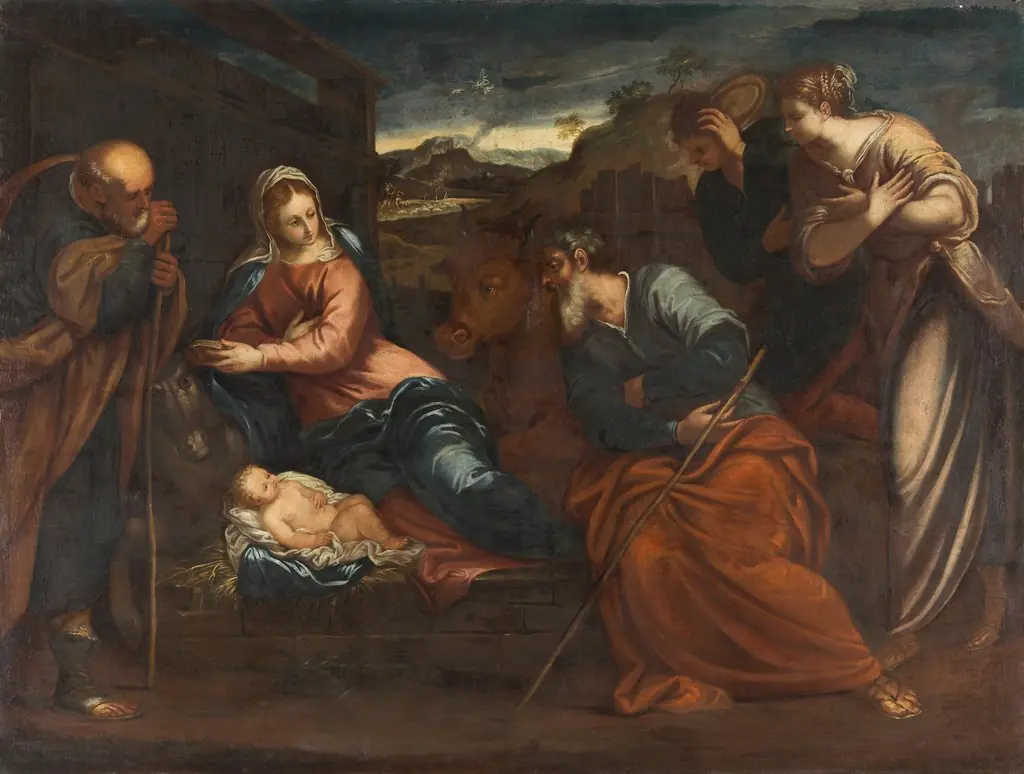 Anbetung durch die Hirten (Kopie nach)
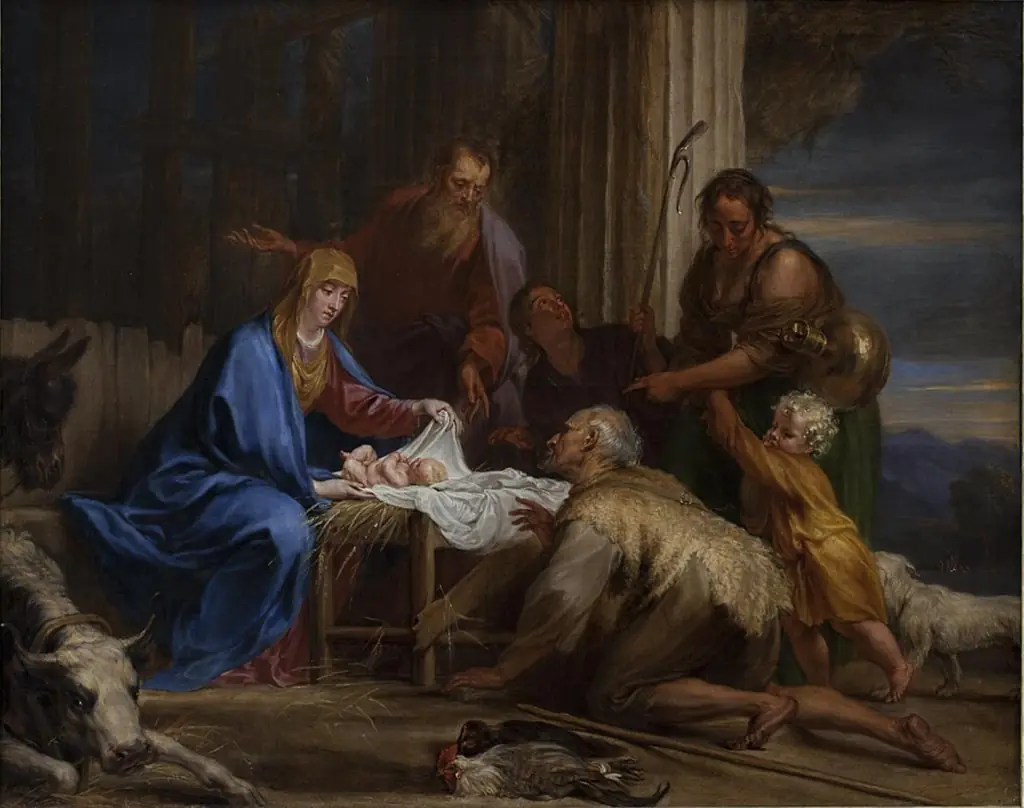 The Adoration of the Shepherds
 Adoration of the Shepherds