Artwork
Autumn
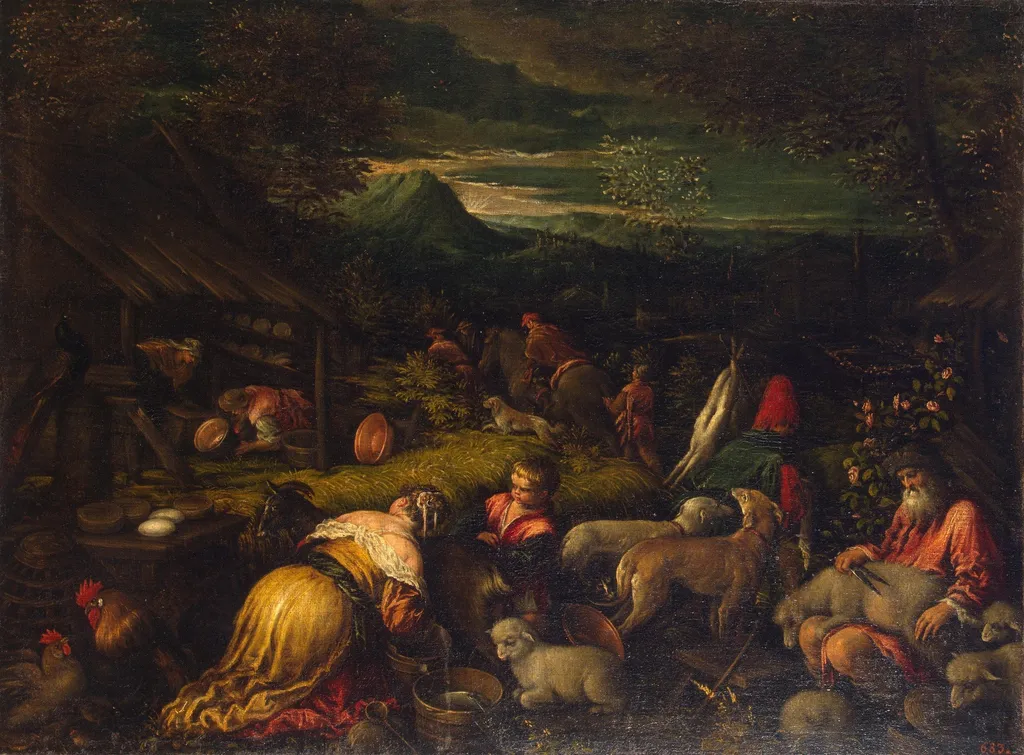
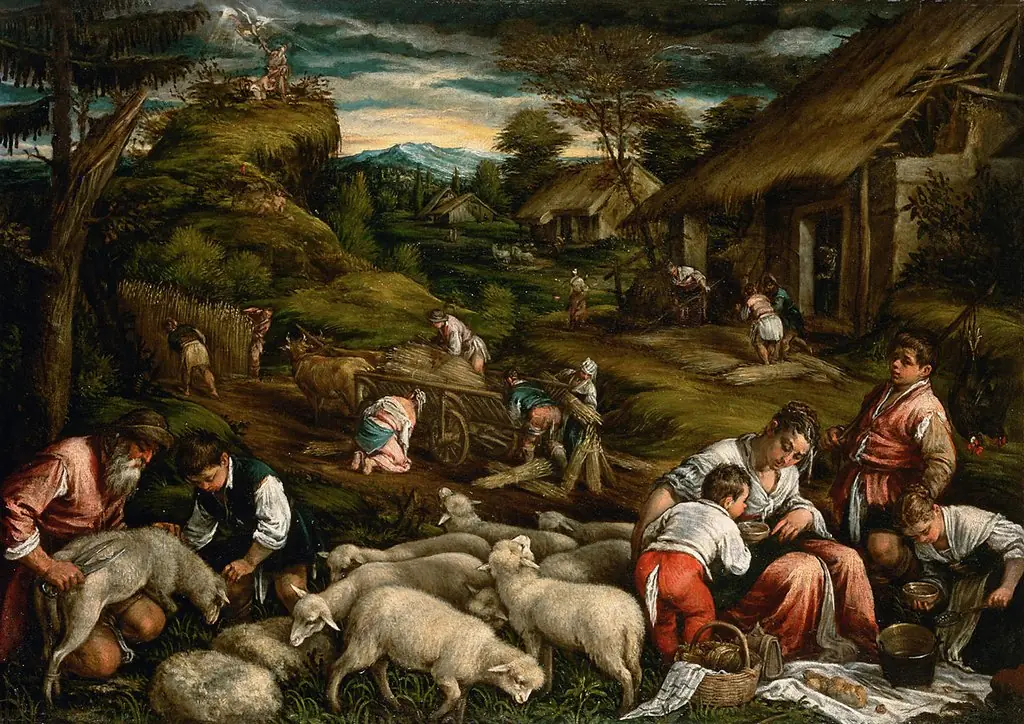
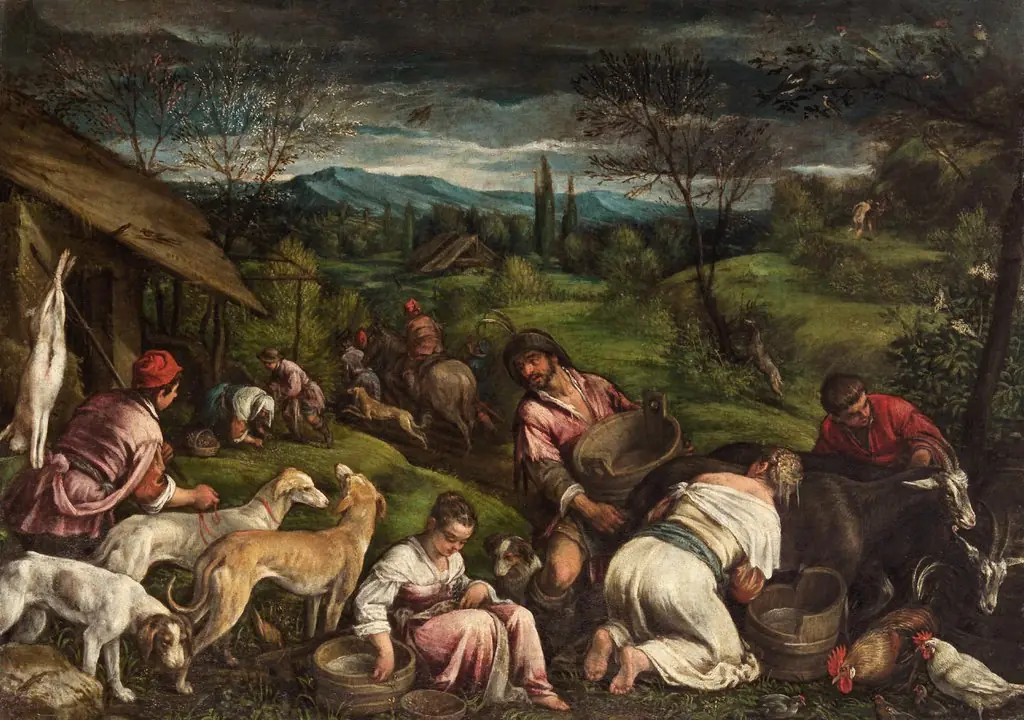
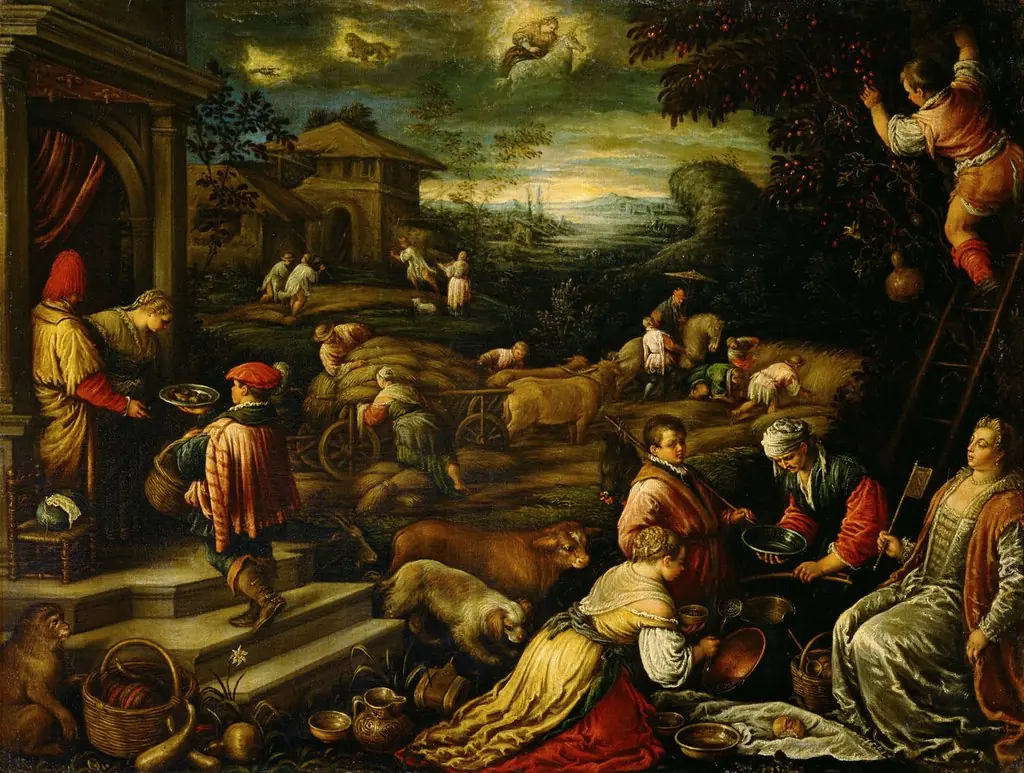
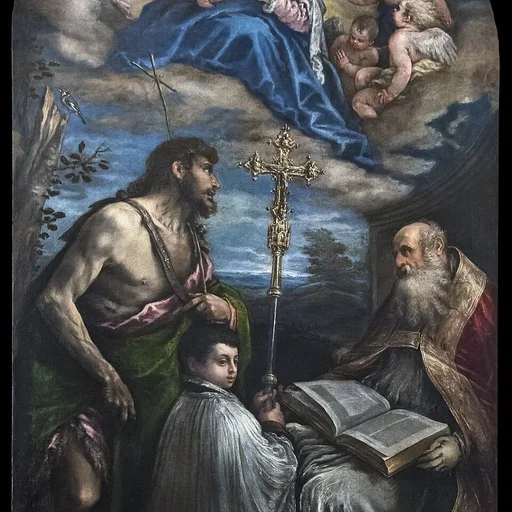
Autumn is an oil painting by the Early Baroque Italian artist Francesco Bassano the Younger. It dates from 1593 and is held in the collection of the Hermitage Museum.
About this work
Overview
As part of a series of seasonal allegories, it reflects the late Mannerist transition toward early Baroque sensibilities in northern Italy.
Francesco Bassano the Younger completed *Autumn* in 1593 using oil on panel. As part of a series of seasonal allegories, it reflects the late Mannerist transition toward early Baroque sensibilities in northern Italy. The work belongs to the State Hermitage Museum’s collection, where it remains one of several surviving pieces from the Bassano family workshop, known for their rural and biblical scenes rendered with close attention to natural detail.
Subject & Meaning
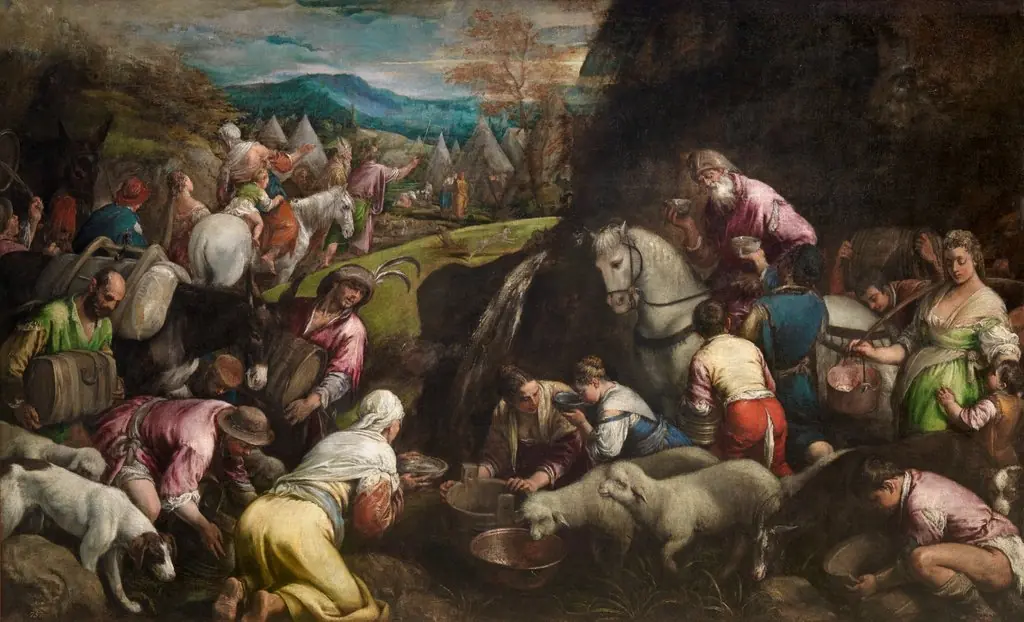
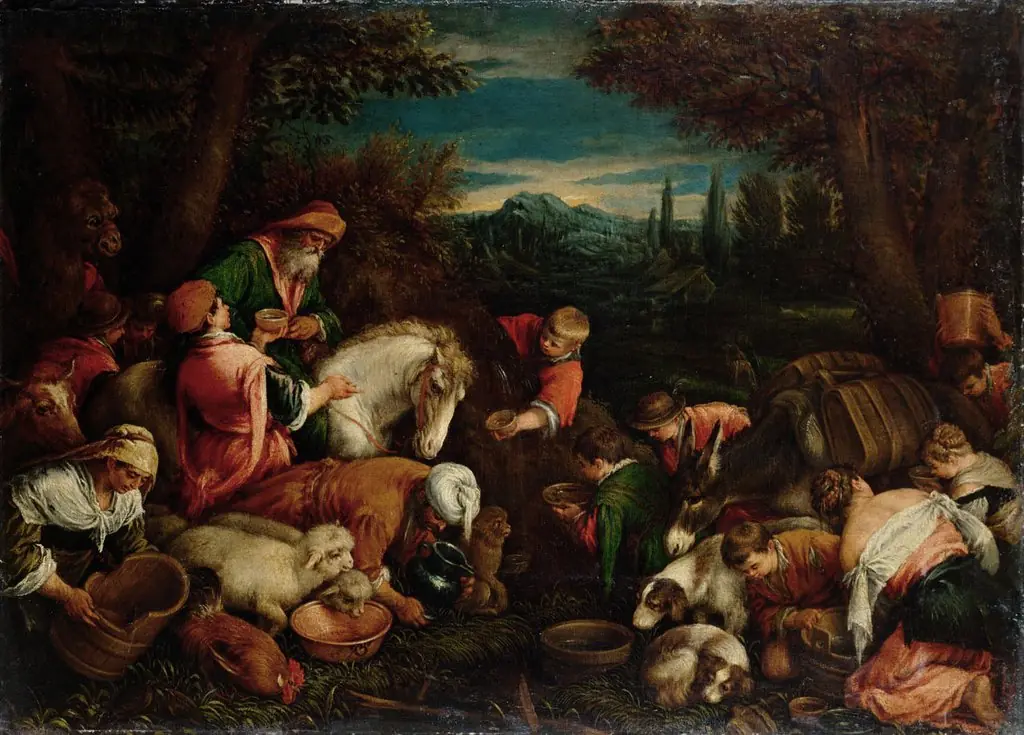
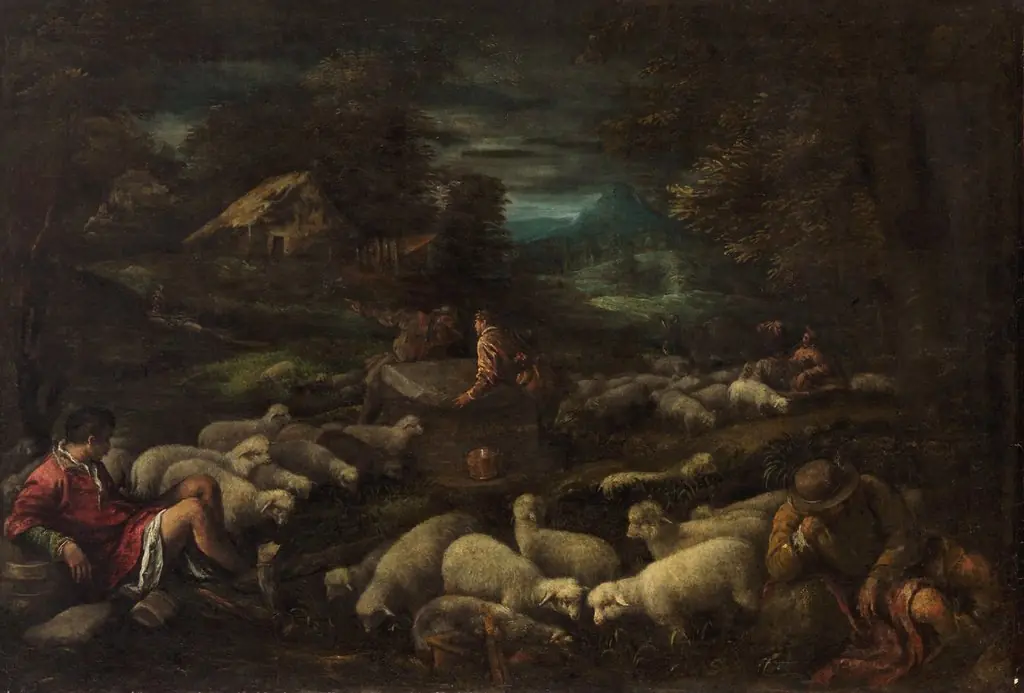
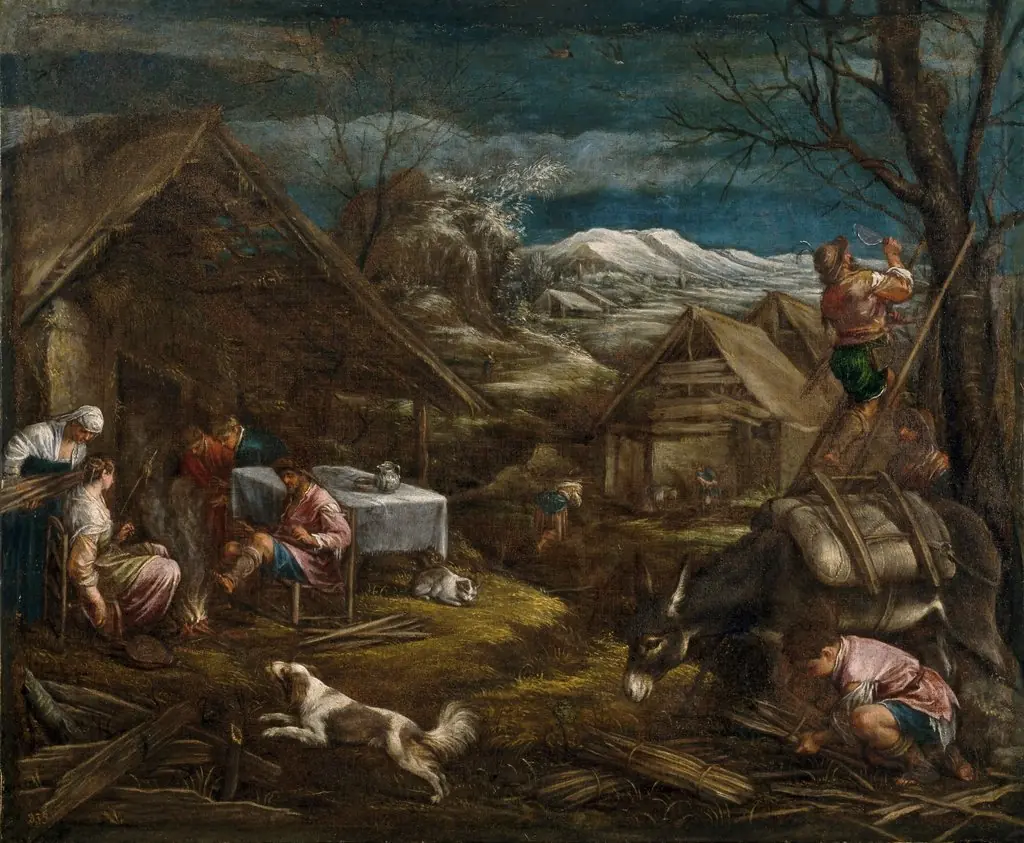
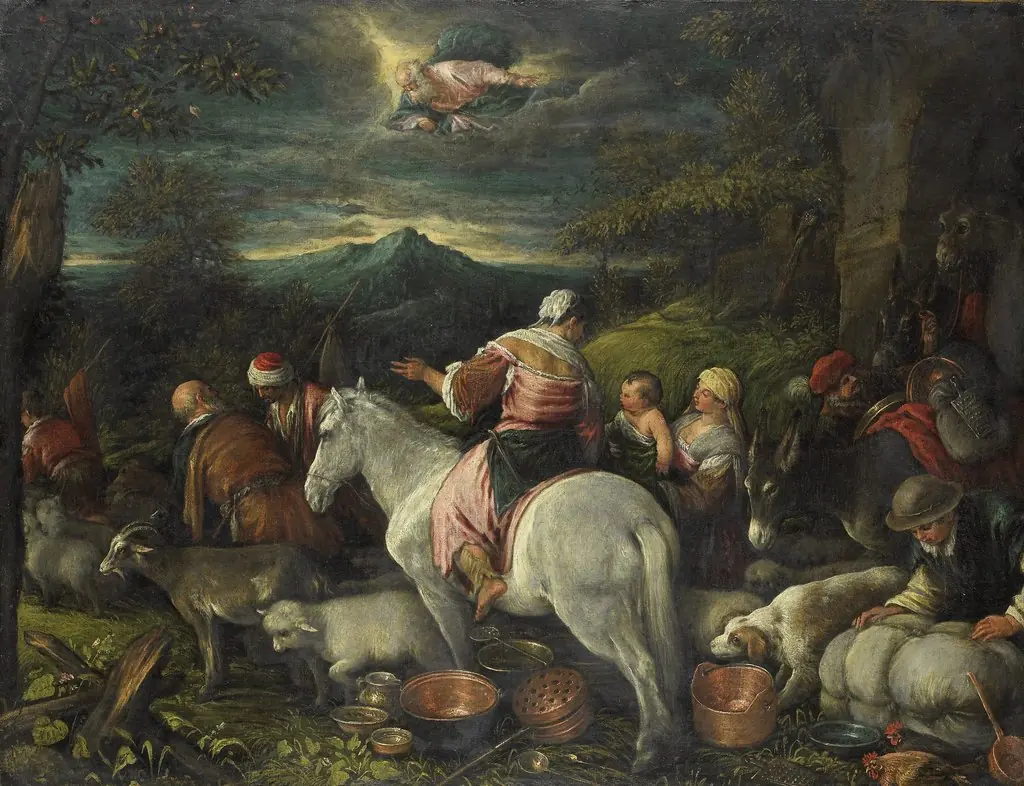
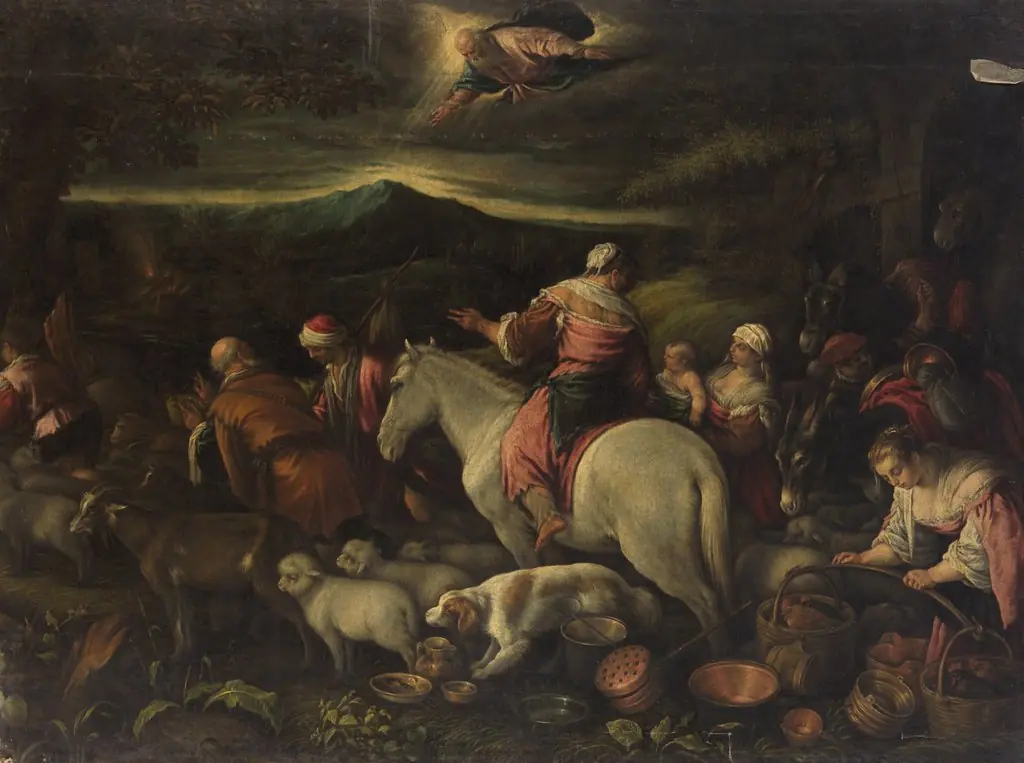
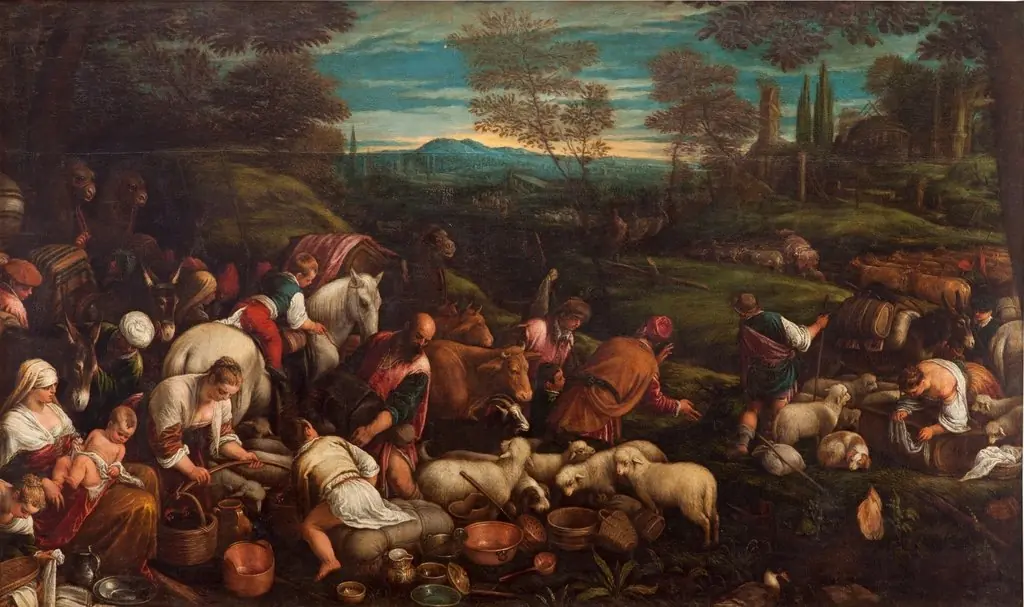
The painting depicts a group of figures in earth-toned garments, accompanied by sheep and goats, gathered in a hilly landscape under a muted sky. Their actions are ambiguous—perhaps resting, observing, or preparing for harvest—but no central narrative is clearly defined. The scene evokes seasonal labor and rural life, aligning with traditional allegories of autumn as a time of gathering and decline, without overt religious or mythological symbolism.
Technique & Style
Bassano employed thick impasto and layered glazes to render textures in wool, fabric, and foliage, creating a tactile surface. Chiaroscuro defines forms through subtle contrasts of shadow and dim light, enhancing the atmospheric depth of the landscape. Colors are restrained—dominated by ochres, olives, and browns—with occasional accents of red and gold in clothing, suggesting warmth without vibrancy. The brushwork is precise yet unpolished, favoring observational realism over idealization.
History & Provenance
Created in the Bassano family workshop in Bassano del Grappa, the painting reflects the collaborative environment of Francesco’s early career, where he worked alongside his brothers under his father Jacopo’s guidance. It entered the Hermitage collection in the 18th or early 19th century, likely through European royal or aristocratic acquisitions, though its exact path from Italy to St. Petersburg remains undocumented.
Context
In late 16th-century northern Italy, artists increasingly turned from Mannerist elegance toward naturalistic depictions of everyday life. Bassano’s work, rooted in his father’s legacy, contributed to this shift by emphasizing rural settings and unidealized figures. While contemporaries like Caravaggio pursued dramatic lighting, Bassano’s approach was quieter, grounded in the textures and rhythms of the Venetian countryside.
Legacy
Francesco Bassano the Younger’s *Autumn* exemplifies the persistence of family workshops in post-Renaissance Italy, where technical skill was passed through generations. Though less celebrated than his father’s work, his paintings offer insight into regional artistic practices and the gradual move toward Baroque naturalism. His focus on texture and subdued tone influenced lesser-known Venetian painters who prioritized observation over grand narrative.
Own this work as a print
Artist & collection
Artist
Francesco Bassano the Younger (Italian: Francesco Bassano il Giovane; 26 January 1549 – 4 July 1592), also called Francesco Giambattista da Ponte or Francesco da Ponte the Younger, was an Italian painter of the Renaissance period.