Artwork
Michel de Chamillart, ministre d'Etat (1652-1721)
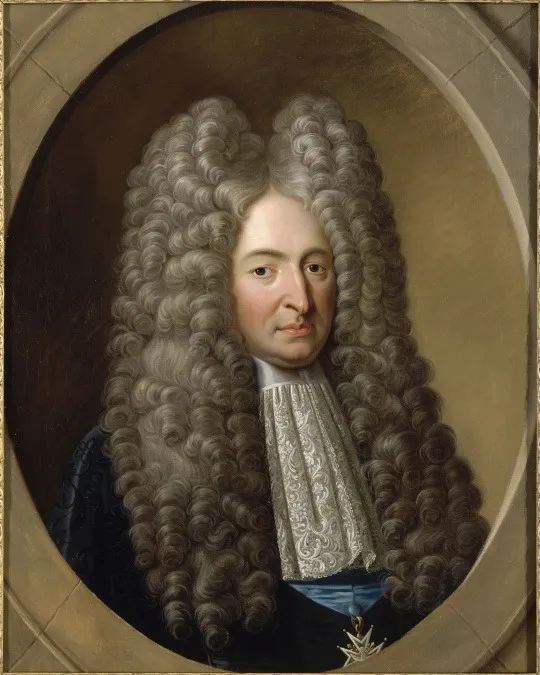
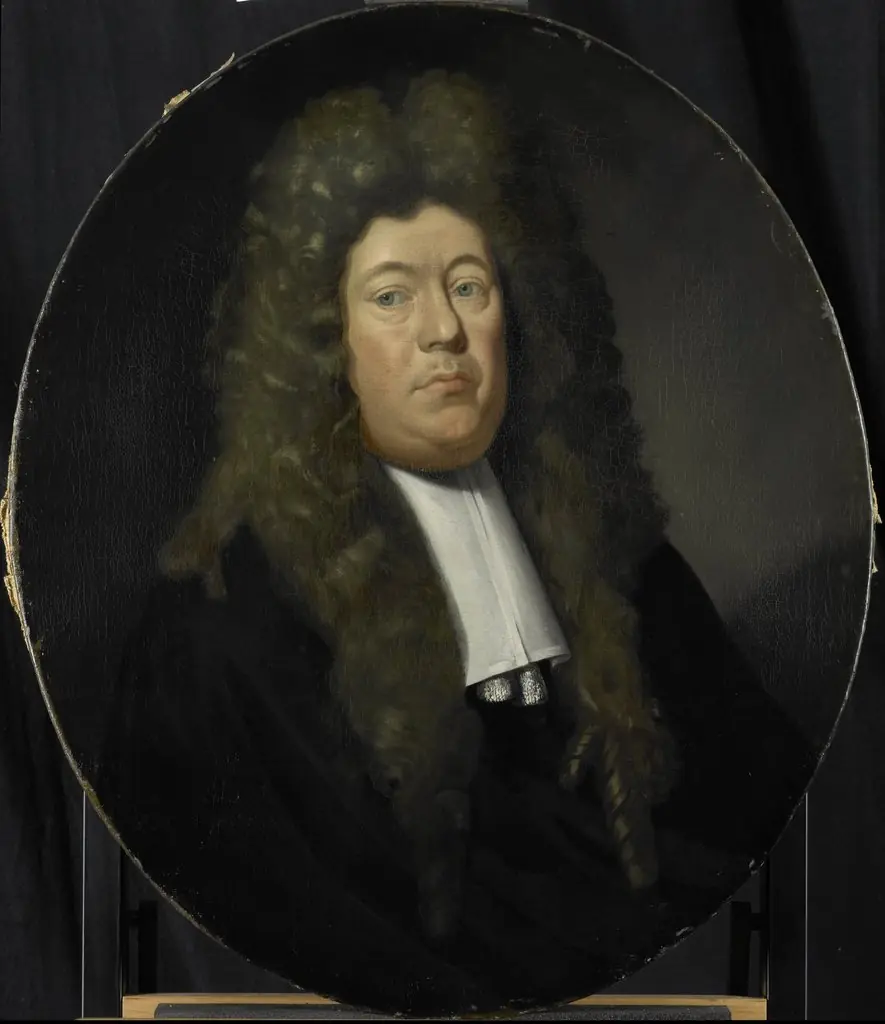
Michel de Chamillart, ministre d'Etat (1652-1721) is an oil painting by Unknown. It dates from 1800 and is held in the collection of the Museum of the History of France. The portrait depicts Michel de Chamillart, a French minister of state, rendered in oil on canvas around the year 1800.
About this work
This painting features a man with long, curly hair and a lace collar, wearing a dark jacket and a blue waistcoat.
This painting features a man with long, curly hair and a lace collar, wearing a dark jacket and a blue waistcoat. The background is a warm, beige color. The man's hair is styled in tight, spiral curls that frame his face. His lace collar is intricately patterned and adds a touch of elegance to his overall appearance. The painting is a portrait of Michel Chamillart, ministre d'Etat, created by an unknown artist in 1800.
Overview
The portrait depicts Michel de Chamillart, a French minister of state, rendered in oil on canvas around the year 1800. The subject is shown in a three‑quarter view against a warm, beige backdrop, his attire marked by a dark coat, a blue waistcoat and an ornate lace collar. The composition emphasizes his facial features, framed by tightly curled hair that spirals around his face.
Subject & Meaning
Chamillart, who lived from 1652 to 1721, served as a high‑ranking official in the French government. The portrait’s dignified pose and refined dress convey his status and the respect accorded to a senior minister, while the subtle lighting underscores his authority without overt symbolism.
Technique & Style
Executed in oil, the work employs a smooth brushwork that captures the texture of the lace collar and the sheen of the fabrics. The warm, muted background isolates the figure, allowing the artist to focus on fine details such as the curls of the hair and the subtle play of light on the clothing.
History & Provenance
The painting is attributed to an unknown artist and dates to the early nineteenth century, several decades after Chamillart’s death. Its creation likely reflects a period of renewed interest in the figures of the Ancien Régime, though the precise circumstances of its commission remain undocumented.
Artist & collection

 Domestic Scene
 Giacomo and Cardinal Marco, investing Andrea, Abbot of San Zeno, with his Benefice
 The Nymph of Fontainebleau
 Portrait of a Woman
 Madonna and Child with Saints in the Enclosed Garden
 Venus and Minerva
 Family Group of Four on Sofa
 Wall painting from Room H of the Villa of P. Fannius Synistor at Boscoreale
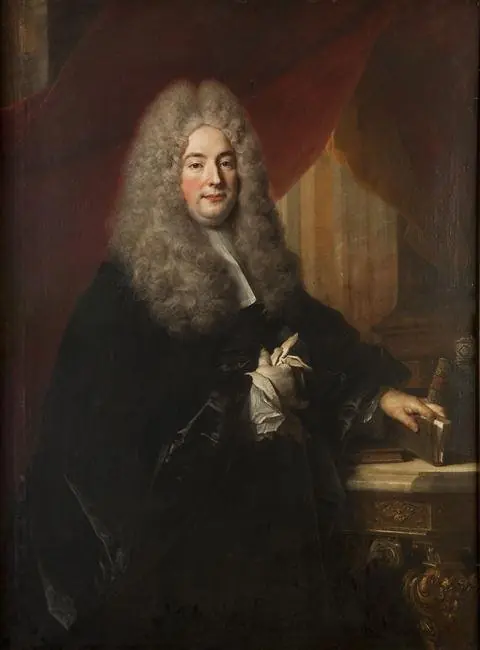 Thomas Morant, conseiller d'Etat
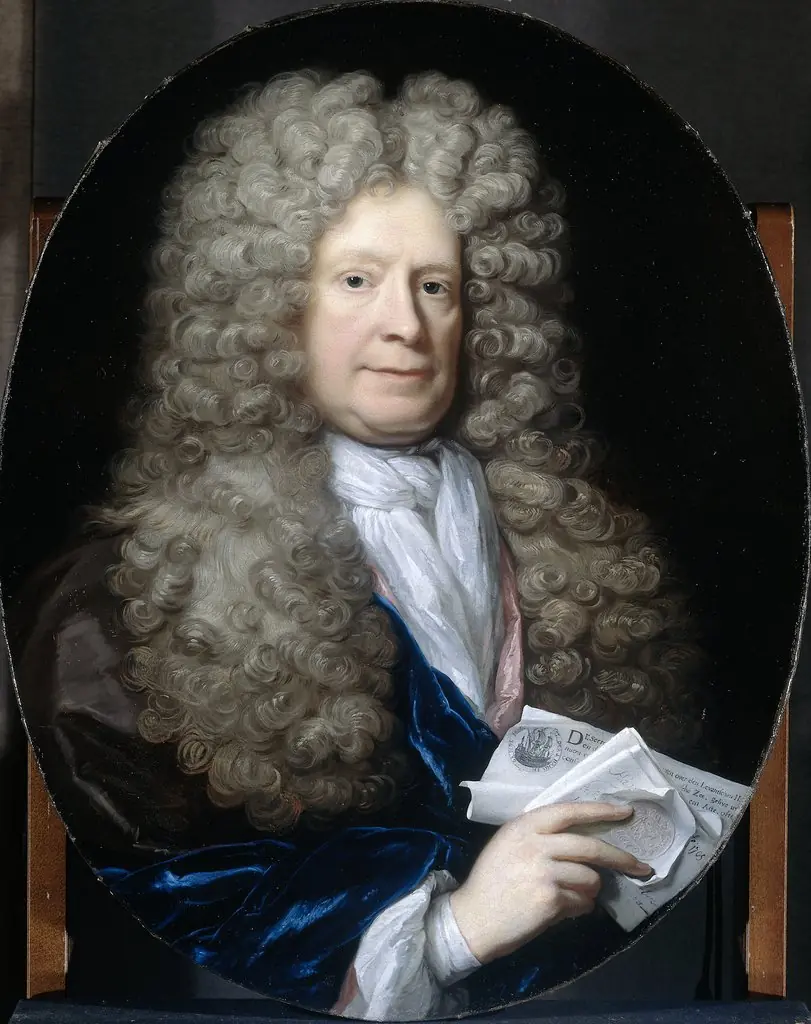 Portrait of Pieter van de Poel
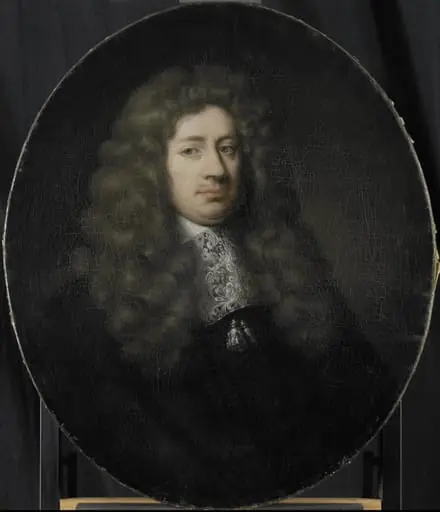 Portrait of Dominicus Rosmale, Director of the Rotterdam Chamber of the Dutch East India Company, elected 1677
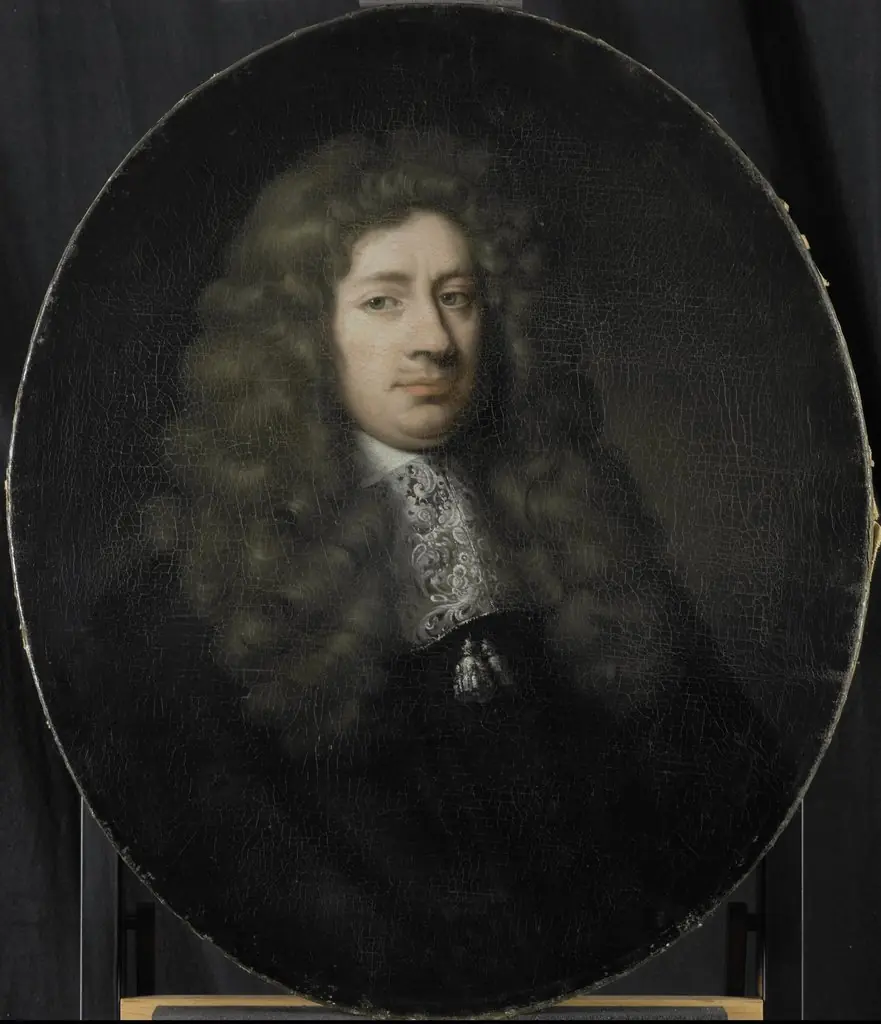 Portrait of Dominicus Rosmale, Director of the Rotterdam Chamber of the Dutch East India Company, elected 1677
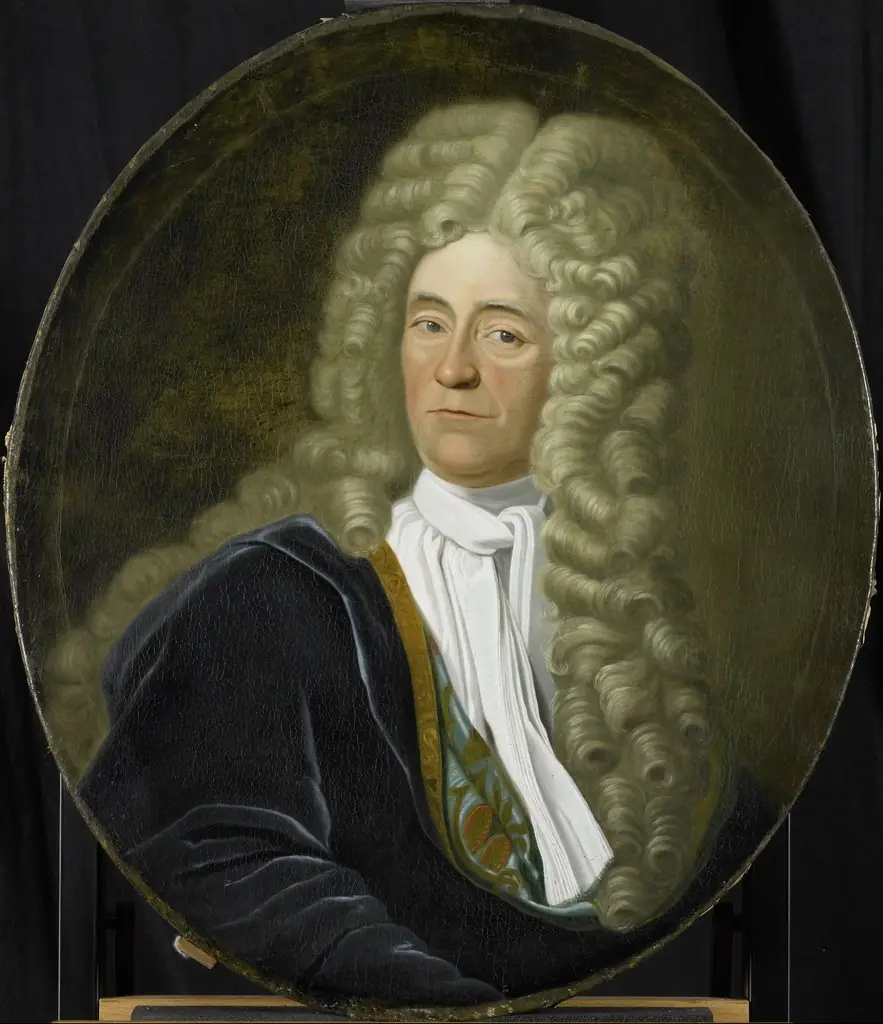 Portrait of Willem van Hogendorp, Director of the Rotterdam Chamber of the Dutch East India Company, elected 1692
 Untitled
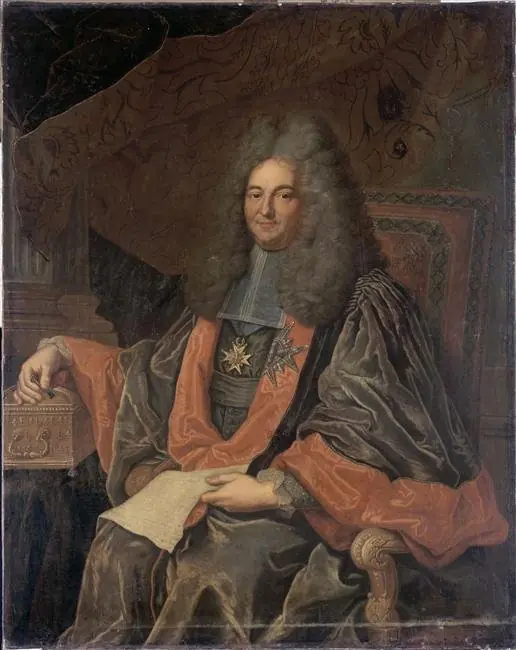 Portrait de Joseph Fleuriau d'Armenonville (1660-1728)
 Porträt des Claude Le Peletier (1631-1711)
 Portrait of a Man, probably Mathias Lambertus Singendonck (1678-1742), Burgomaster of Nijmegen
 Jules Hardouin-Mansart, count of Sagonne (1646-1708)
 Bărbat cu mantie albastră. Pandant: Bărbat cu mantie roșie
 Portrait of Adriaen Paets, Director of the Rotterdam Chamber of the Dutch East India Company, elected 1668