Artwork
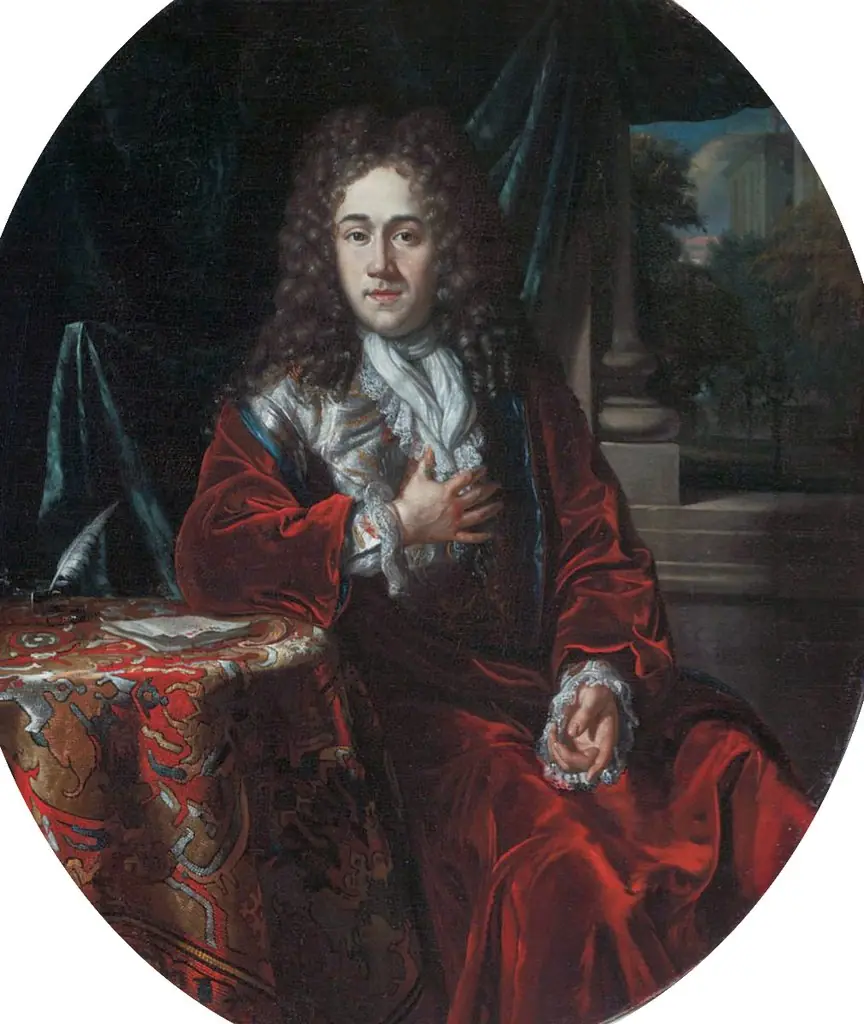
Portrait of a Man, probably Mathias Lambertus Singendonck (1678-1742), Burgomaster of Nijmegen
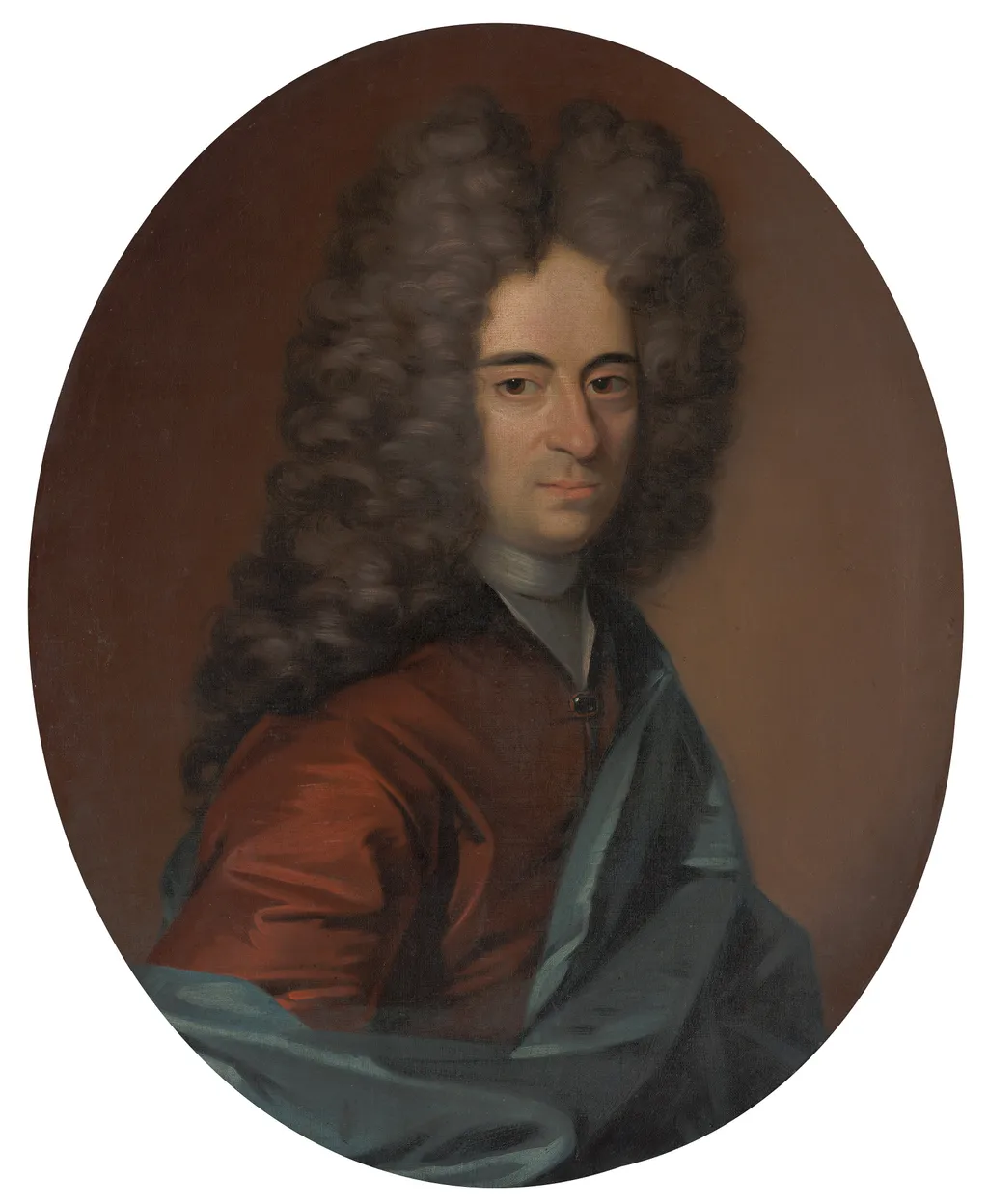
Portrait of a Man, probably Mathias Lambertus Singendonck (1678-1742), Burgomaster of Nijmegen is an oil painting by the Rococo painting artist Gerrit Alberts. It dates from 1710 and is held in the collection of the Mauritshuis.
About this work
The level of detail in the painting, particularly in the man's clothing and hair, indicates that the artist was skilled in capturing textures and fabrics.
The painting features a man with curly brown hair, wearing a red jacket and a blue cloak. He is depicted from the chest up, facing forward with a neutral expression. The background of the painting is a solid brown color.
The man's attire and hairstyle suggest that the painting is from the 18th century. The level of detail in the painting, particularly in the man's clothing and hair, indicates that the artist was skilled in capturing textures and fabrics.
This painting is reminiscent of the works of Gerrit Alberts, a Dutch painter known for his portraits.
Overview
Gerrit Alberts painted this oil portrait in 1710, presenting a gentleman from the chest upward against a plain brown backdrop. The sitter is shown in a forward‑facing pose, his expression composed and neutral, allowing the viewer to focus on the details of his attire and hair.
Subject & Meaning
The figure is identified as Mathias Lambertus Singendonck (1678‑1742), who served as burgomaster of Nijmegen. His clothing—a red jacket beneath a blue cloak—signals his civic status, while the restrained demeanor reflects the dignified bearing expected of a municipal leader in early‑18th‑century Dutch society.
Technique & Style
Alberts renders the textures of fabric and hair with meticulous brushwork, achieving a tactile sense of the velvet jacket and the curls of the sitter’s brown hair. The limited palette and smooth, unadorned background focus attention on the subject, a hallmark of Dutch portraiture that emphasizes realism over decorative excess.
History & Provenance
Since its creation, the portrait has remained in the Netherlands and is now part of the Mauritshuis collection. Its attribution to Alberts rests on stylistic parallels with his other known works, confirming its place within the artist’s early 18th‑century output.
Artist & collection

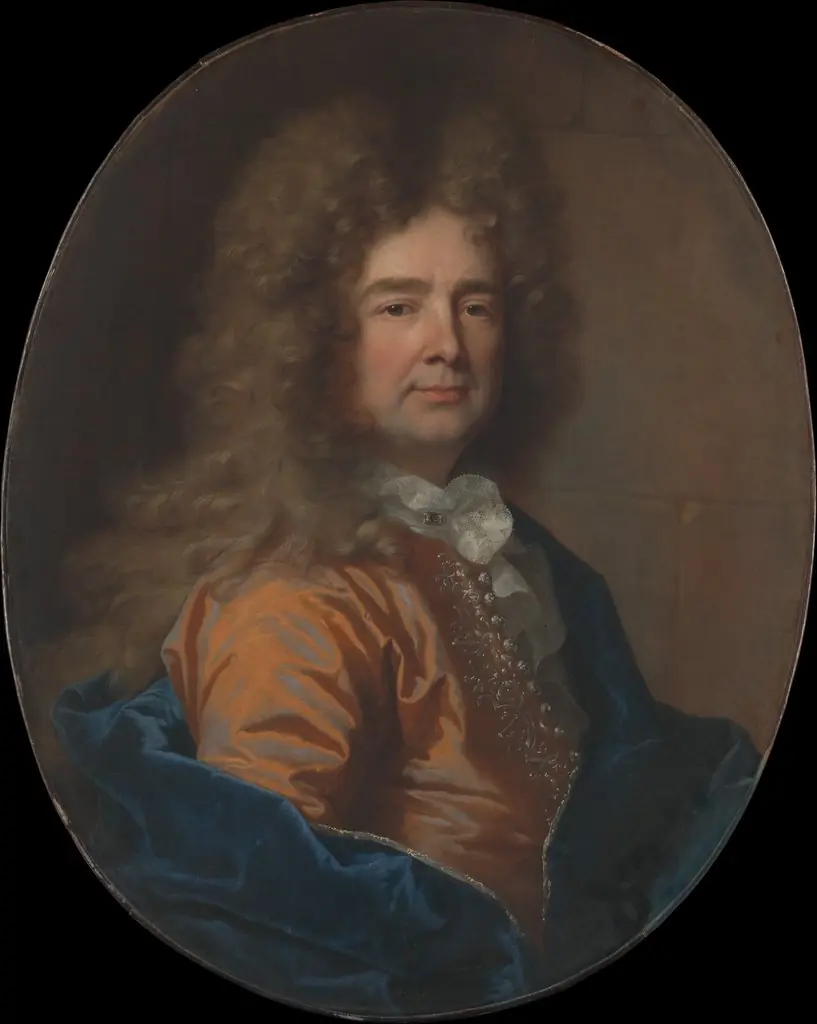 Portrait of a Man
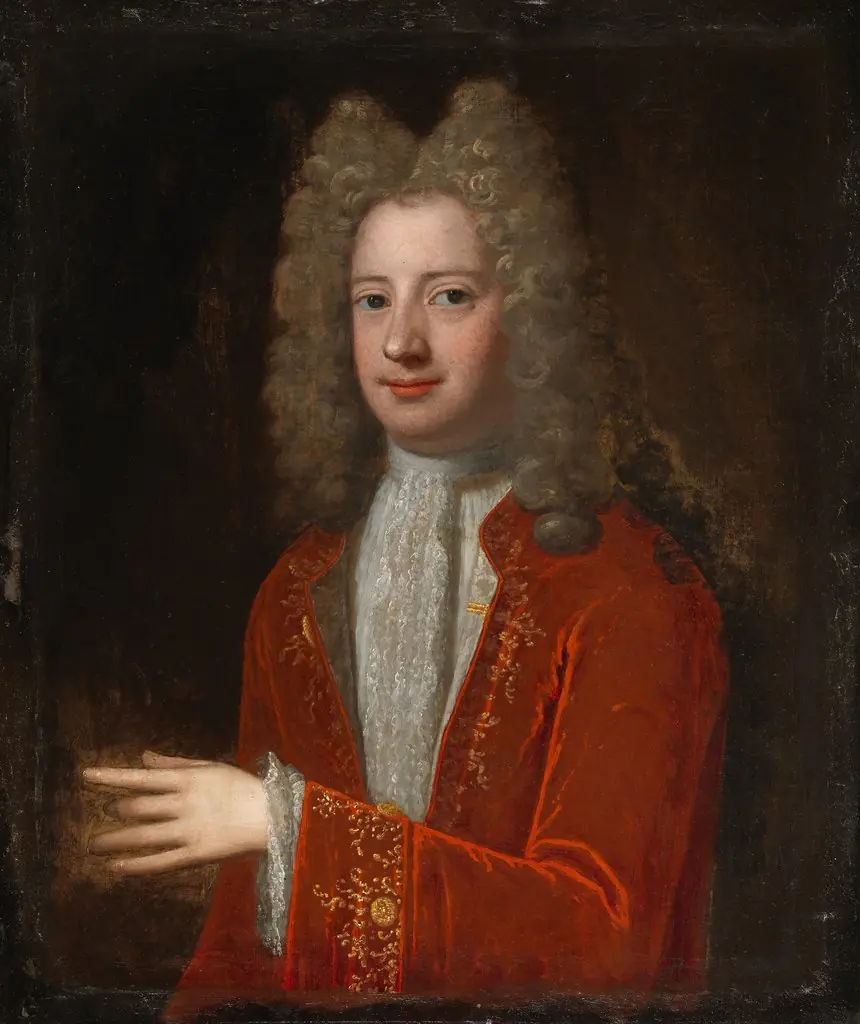 Portrait of a Gentleman
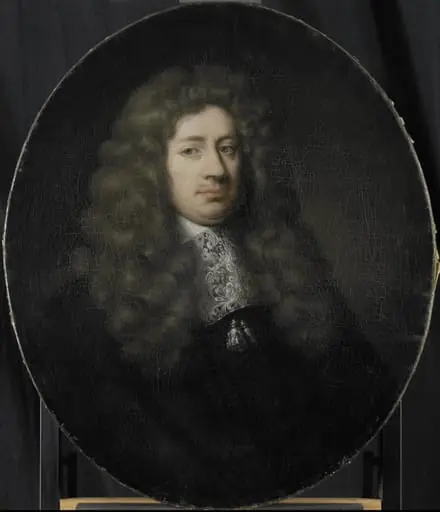 Portrait of Dominicus Rosmale, Director of the Rotterdam Chamber of the Dutch East India Company, elected 1677
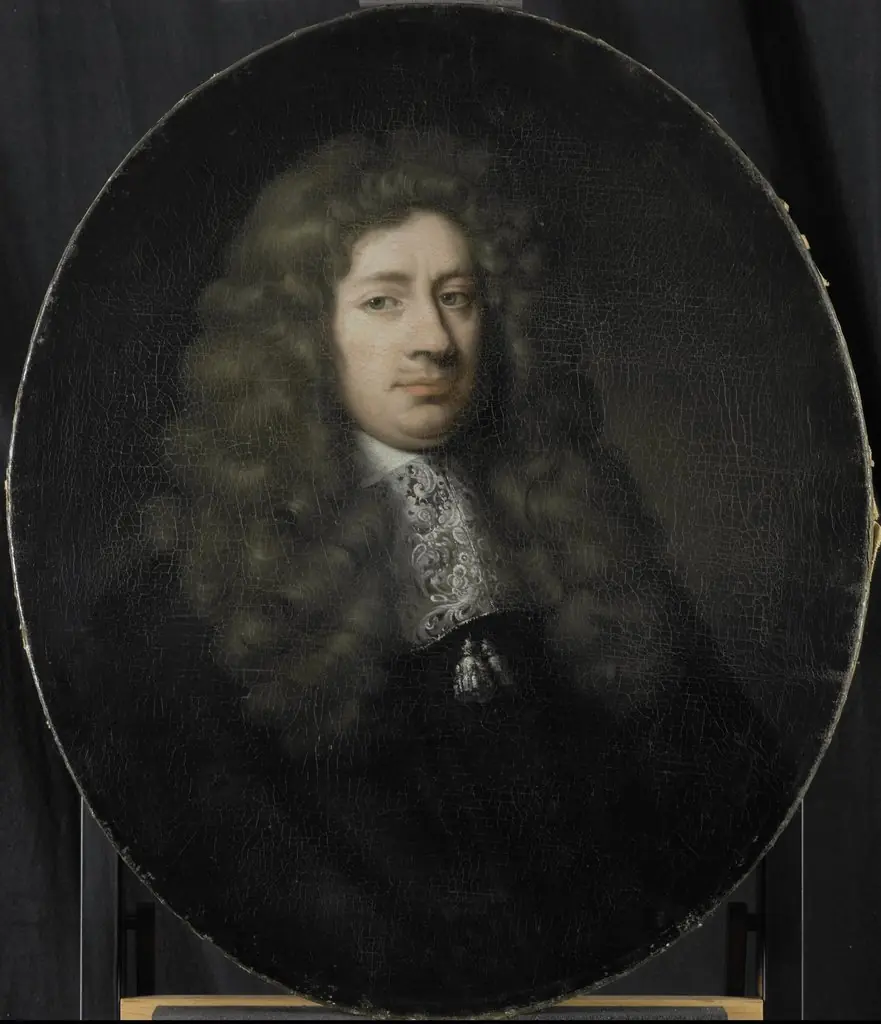 Portrait of Dominicus Rosmale, Director of the Rotterdam Chamber of the Dutch East India Company, elected 1677
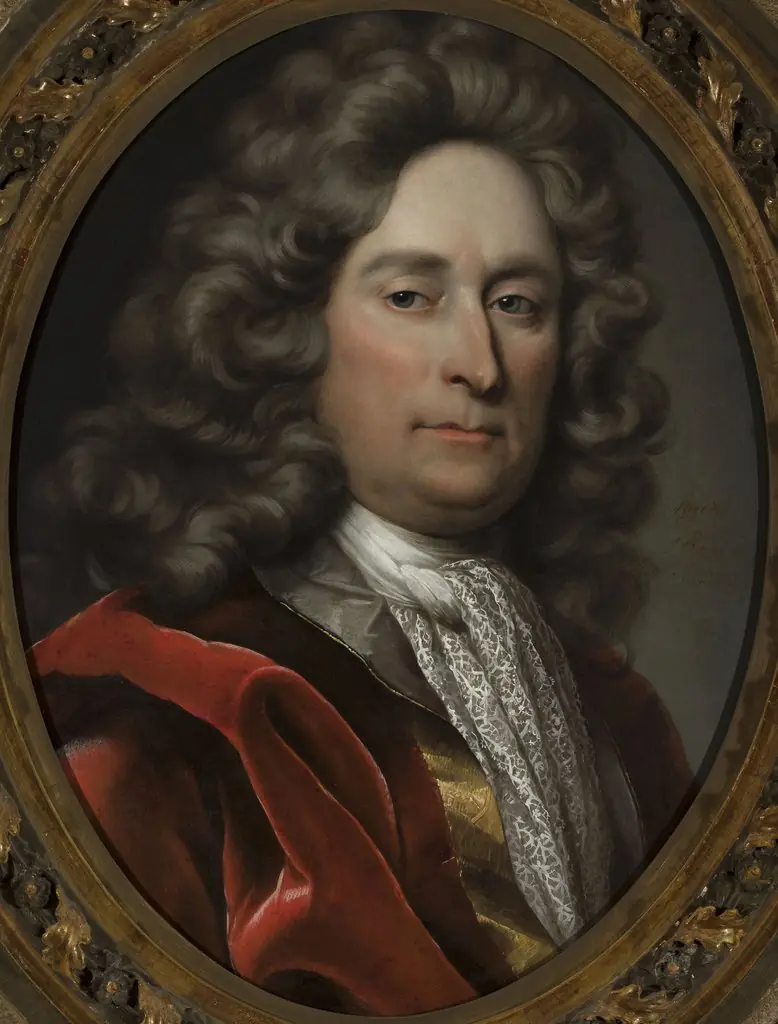 Portrait of a man in a grey wig
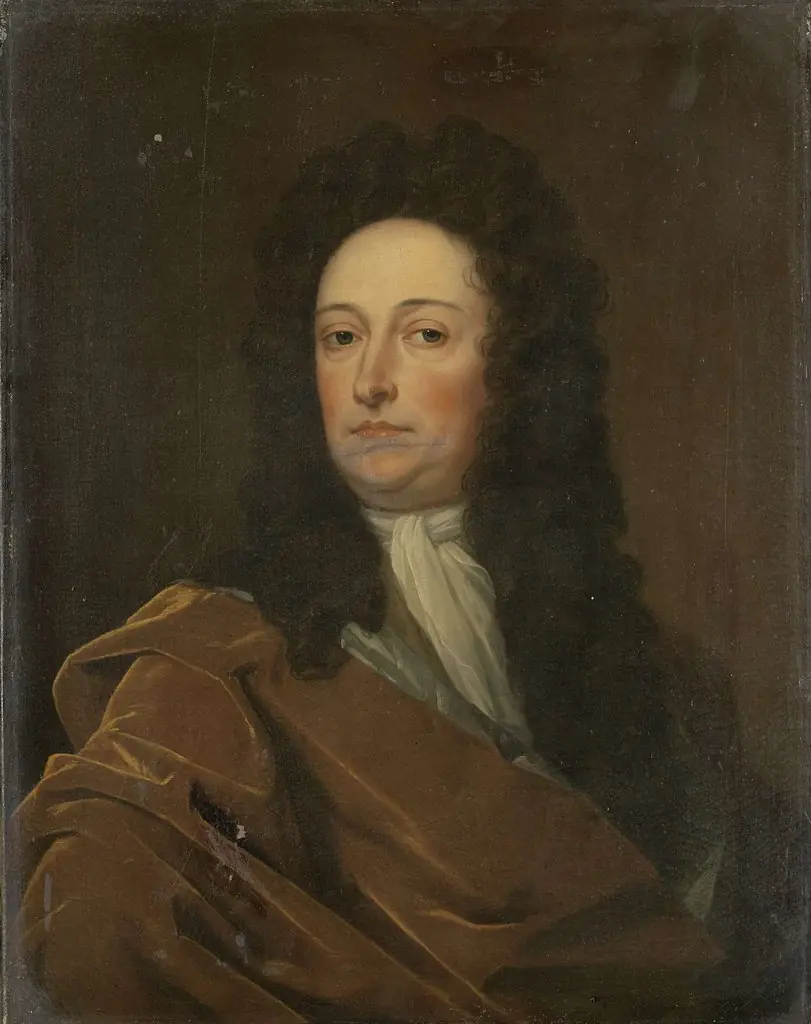 Aernout van Citters (1633-96), Ambassador of the Dutch Republic in London
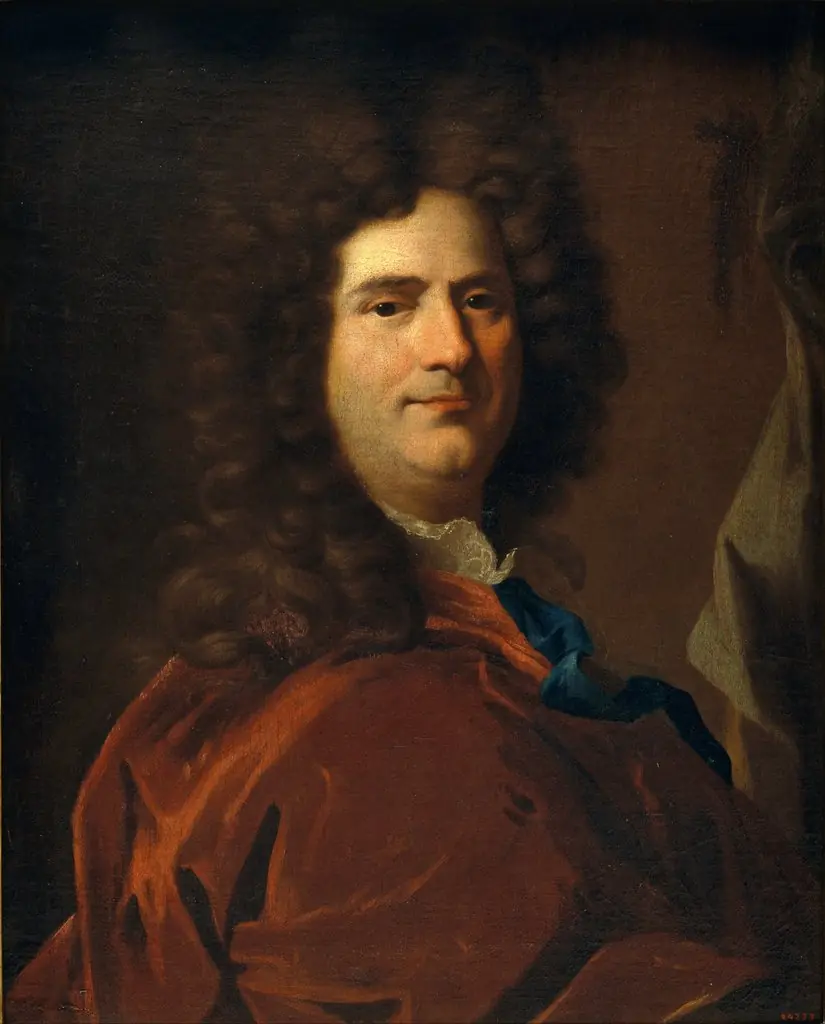 Self-portrait (?)
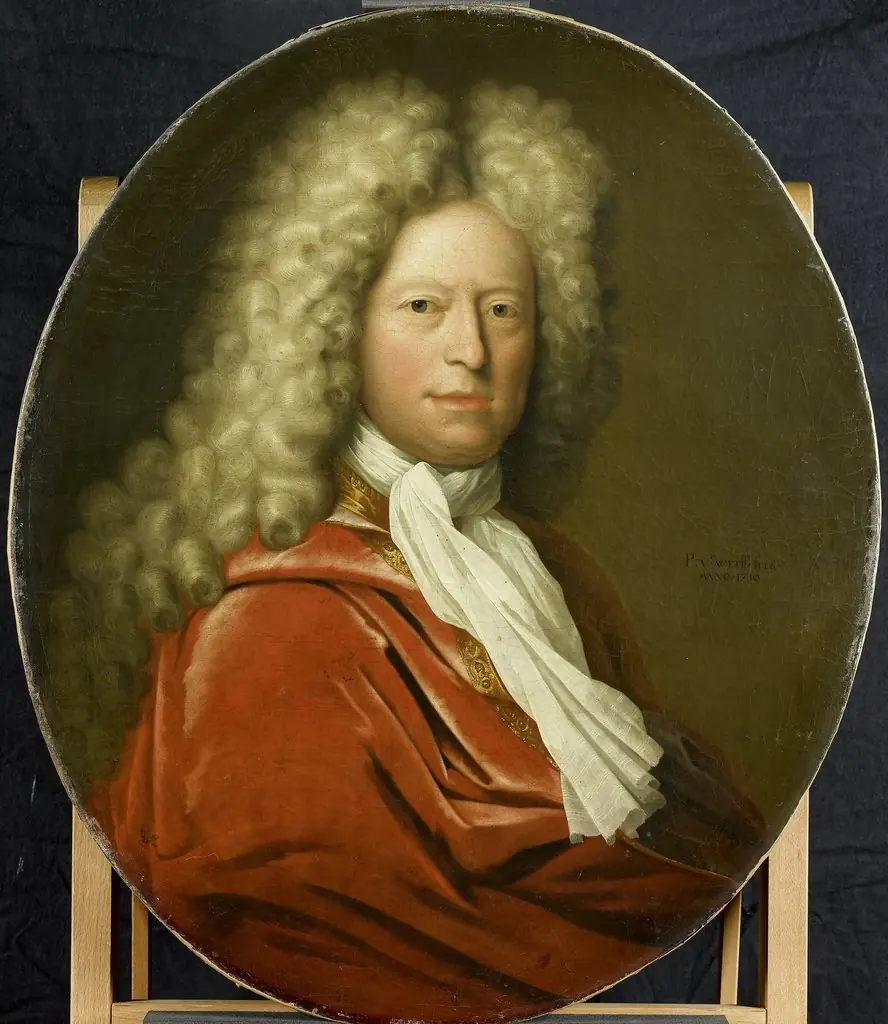 Portrait of Mr. Brust
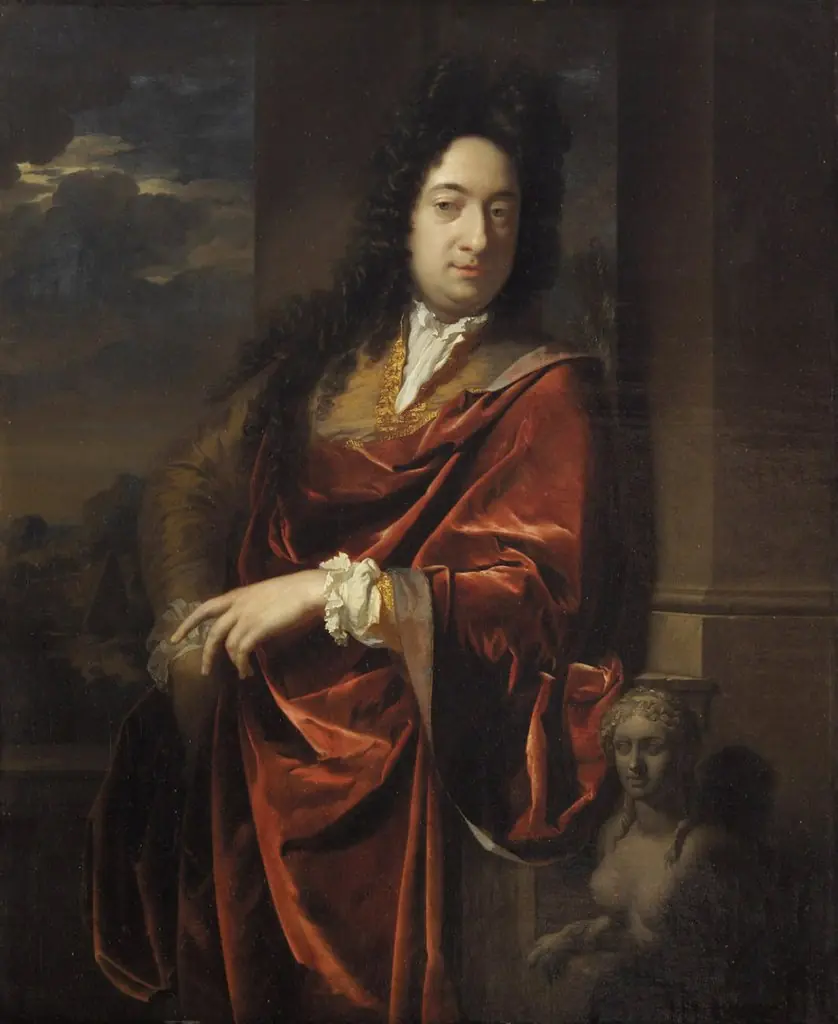 Bildnis eines Herren
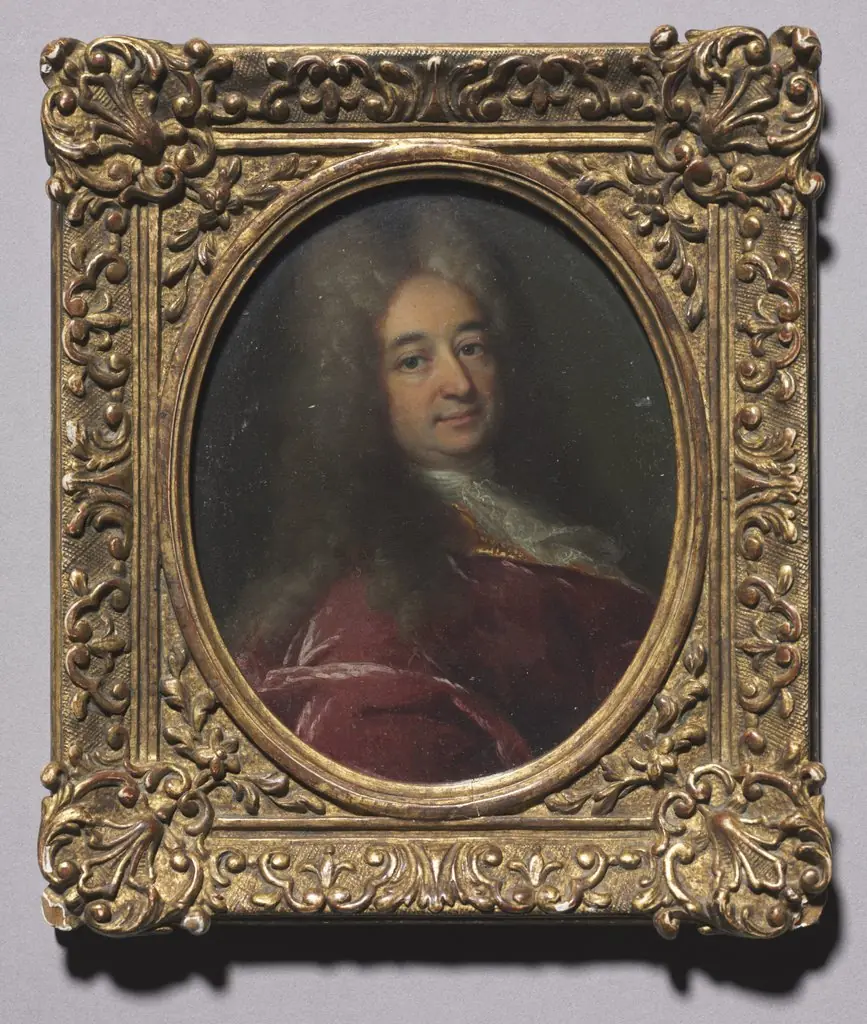 Portrait of Robert Levrac-Tournières
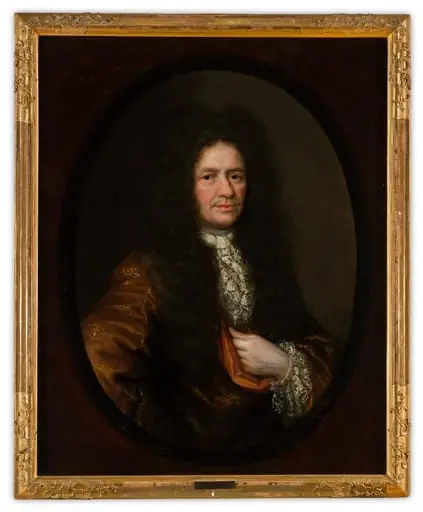 Hovioikeuden varapresidentti Henrik Georg Falkenberg af Bålby
 Arent van der Houven