Artwork
J.M.W. Turner, R.A.
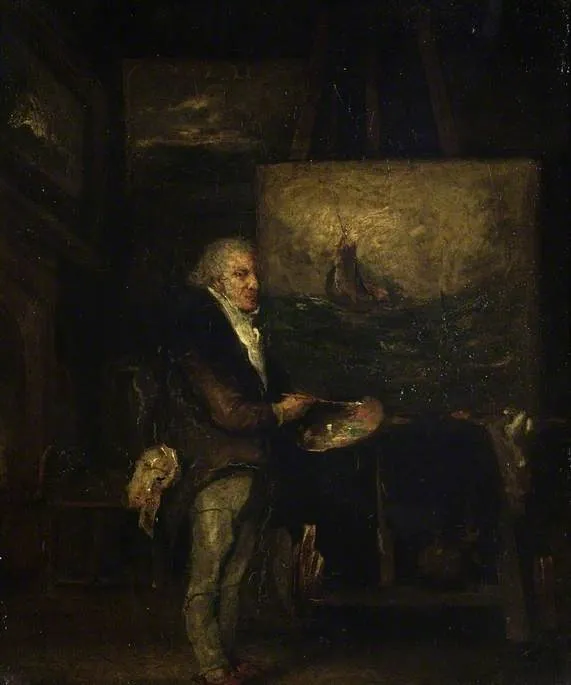
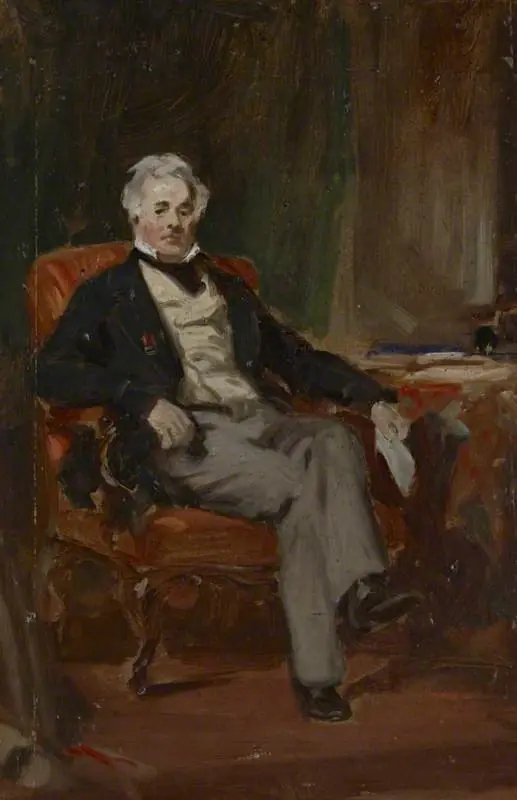
J.M.W. Turner, R.A. is an oil painting by Unknown. It dates from 1852 and is held in the collection of the Fitzwilliam Museum. This oil painting portrays a solitary figure, likely the artist himself, engaged in the act of painting.
About this work
Overview
This oil painting portrays a solitary figure, likely the artist himself, engaged in the act of painting. Dressed in dark, modest clothing, the figure stands before an unseen canvas, palette in left hand and brush in right. The composition isolates the subject against a deep, indistinct background, drawing attention to the quiet intensity of the moment and the physicality of artistic labor.
Subject & Meaning
The figure’s white hair and focused demeanor suggest an older, experienced artist at work. The absence of a visible canvas shifts emphasis from the finished work to the act of creation itself. The intimate framing and restrained palette imply a meditation on artistic identity, where the painter becomes both subject and instrument of his own craft.
Technique & Style
Turner employs thick, textured brushwork in the figure’s clothing and hands, contrasting with the soft, blurred background. Dark tones dominate, with subtle highlights on the face and fingers to guide the viewer’s gaze. The loose rendering of the environment enhances the sense of concentration, as if the world beyond the studio has receded into shadow.
History & Provenance
The painting is attributed to J.M.W. Turner, though its exact date and early ownership remain uncertain. It was likely produced in the later years of his career, possibly as a private reflection rather than a commissioned portrait. Its survival suggests it was retained within Turner’s circle, possibly among personal effects.
Context
In the early 19th century, artists rarely depicted themselves at work in such unadorned terms. Turner’s choice to focus on gesture and atmosphere—rather than status or setting—aligns with a growing interest in the inner life of the creator, distinct from the grand narratives favored by academic traditions.
Legacy
The painting contributes to a quieter strand of artistic self-representation, emphasizing process over prestige. Its understated power influenced later artists who sought to portray creativity as a solitary, physical act, not a public spectacle. It remains a quiet testament to the artist’s lifelong engagement with his medium.
Artist & collection

 Domestic Scene
 Giacomo and Cardinal Marco, investing Andrea, Abbot of San Zeno, with his Benefice
 The Nymph of Fontainebleau
 Portrait of a Woman
 Madonna and Child with Saints in the Enclosed Garden
 Venus and Minerva
 Family Group of Four on Sofa
 Wall painting from Room H of the Villa of P. Fannius Synistor at Boscoreale
 Self-Portrait
 Portrait of a Painter, probably the Artist himself
 Artist at an Easel
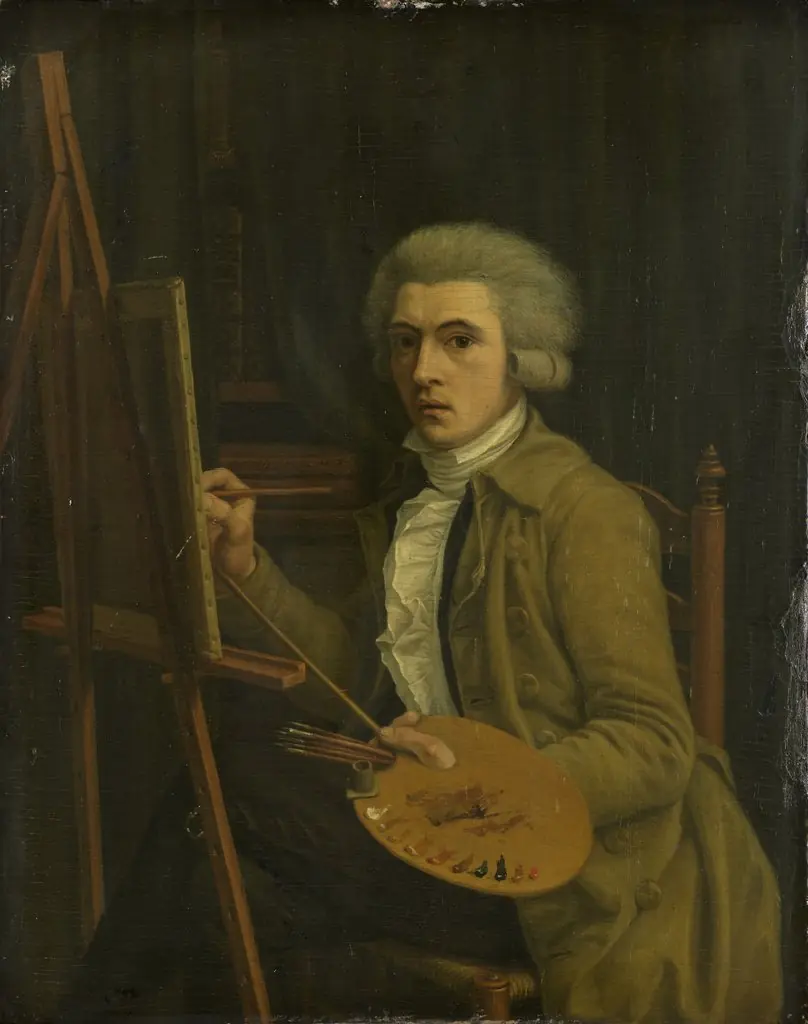 Portrait of a Painter, probably the Artist himself
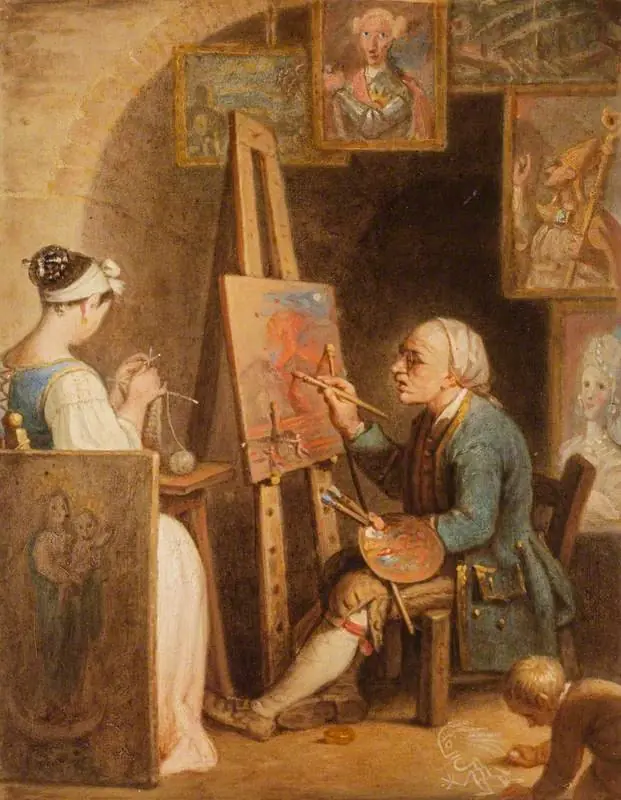 The Uncultivated Genius
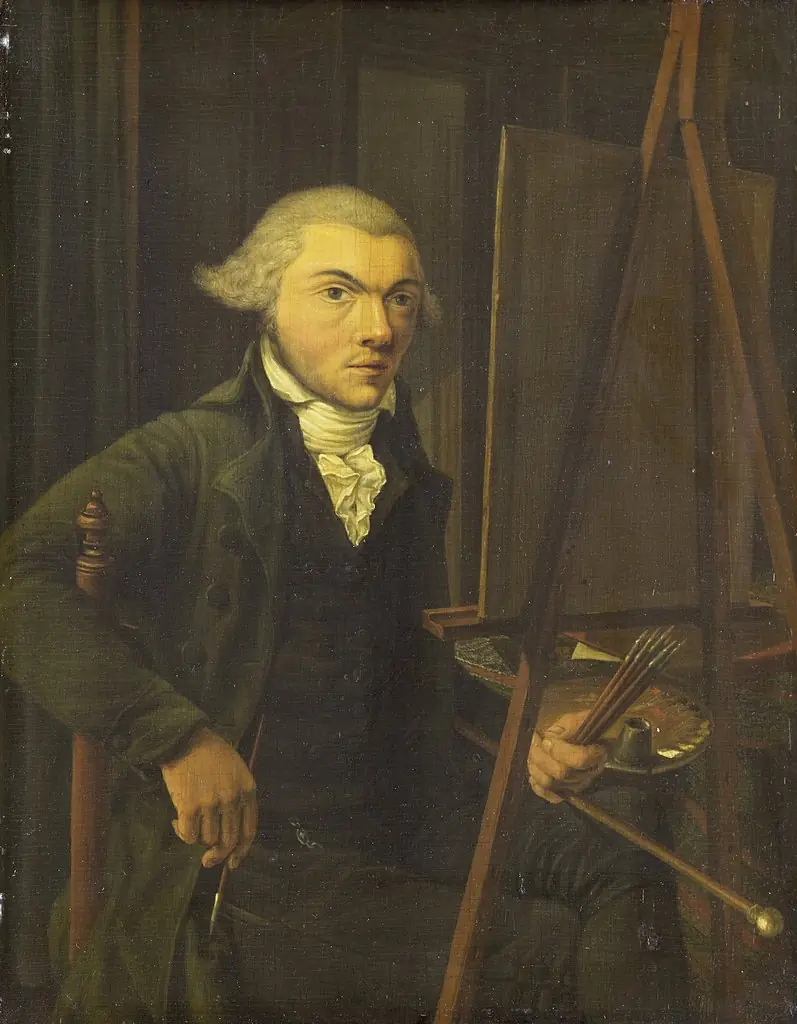 Portrait of a Painter, probably Harmanus Uppink
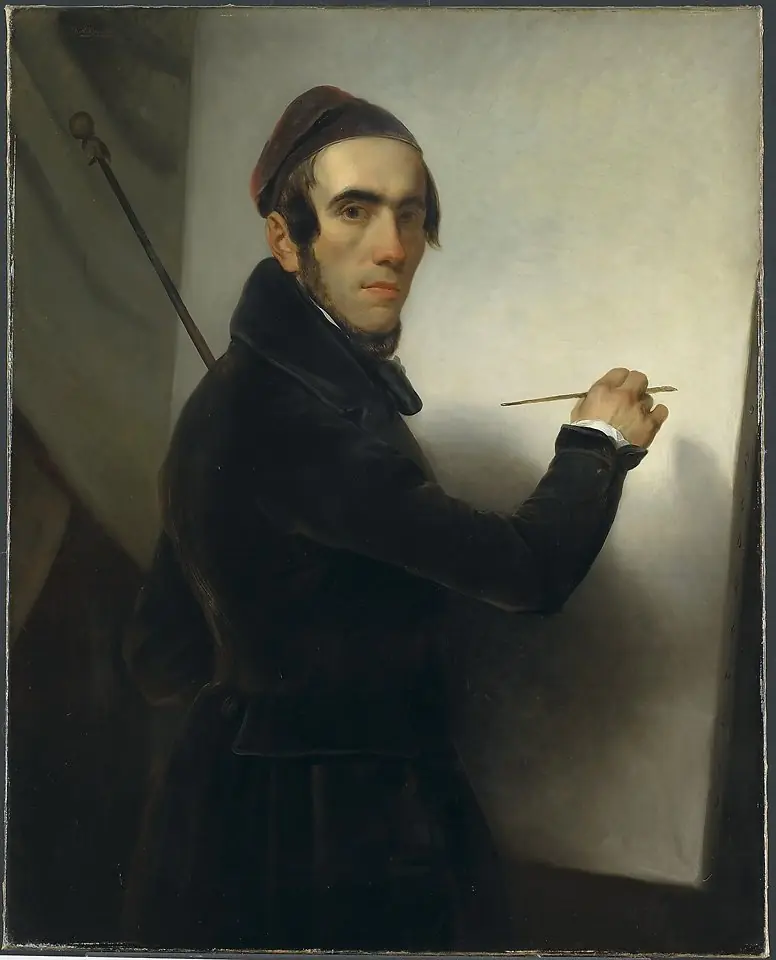 Self-Portrait
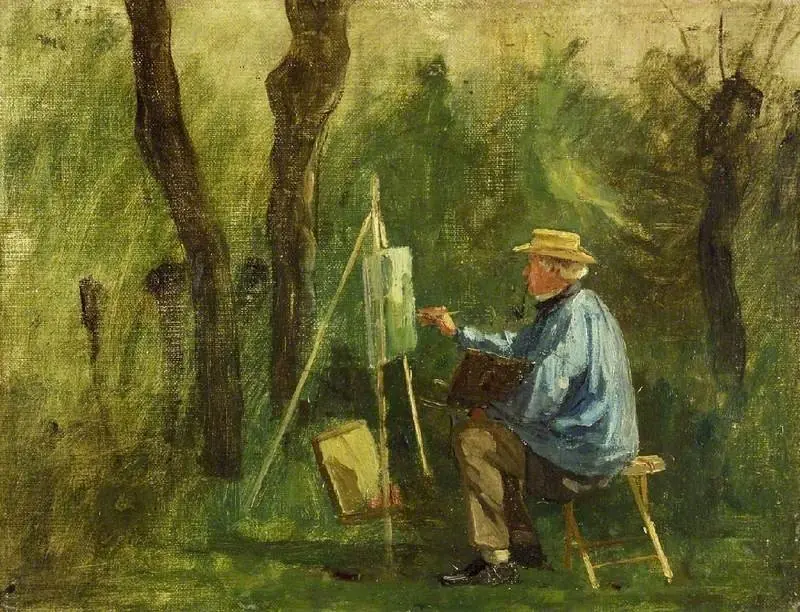 Corot à son chevalet, Crècy-en-Brie
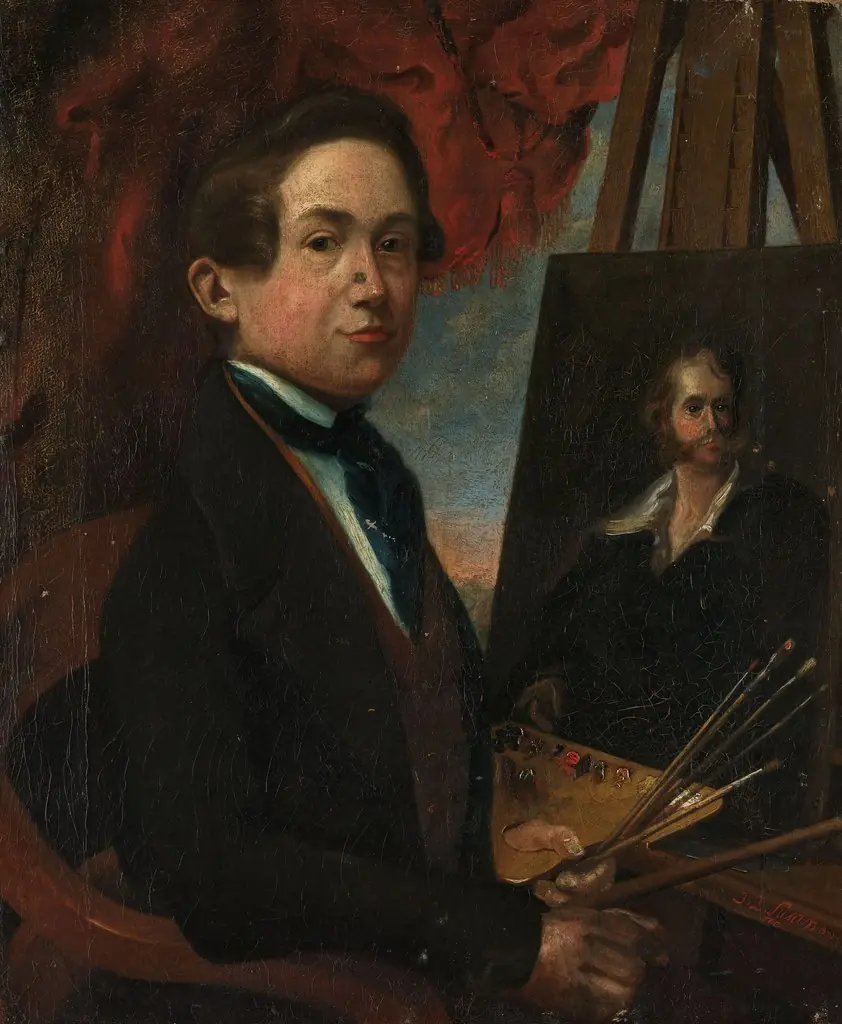 Self-Portrait
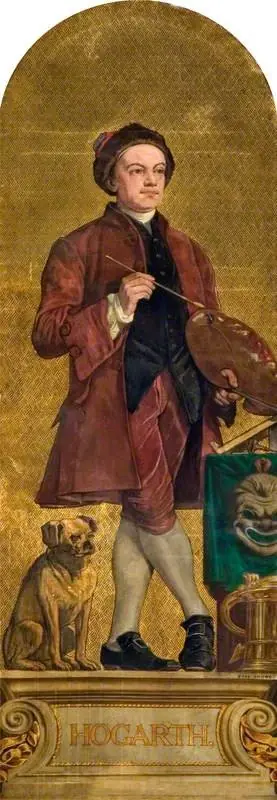 William Hogarth (1697–1764) (design for a mosaic in the Victoria and Albert Museum)
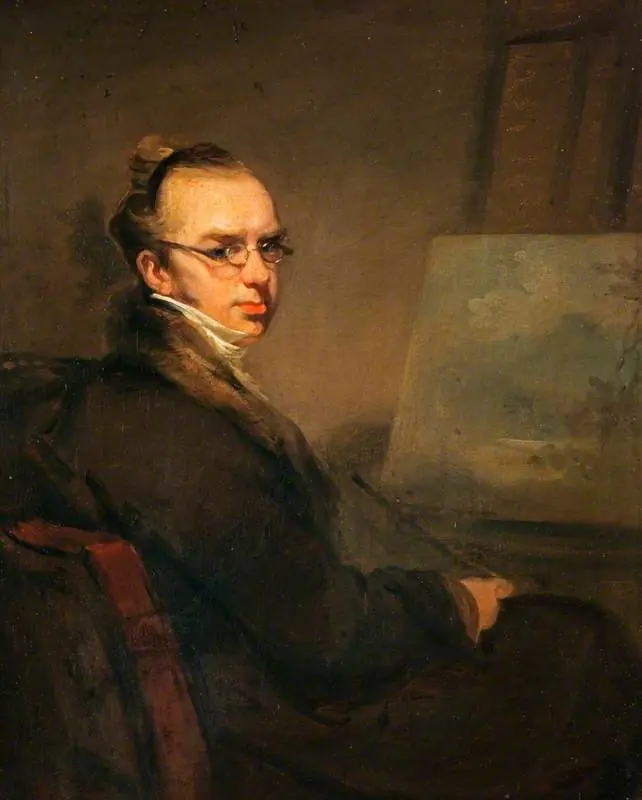 Self-portrait
 A Portrait Study of a Gentleman Seated in an Interior