Artwork
Saint Nicholas of Tolentino Restoring Two Partridges to Life
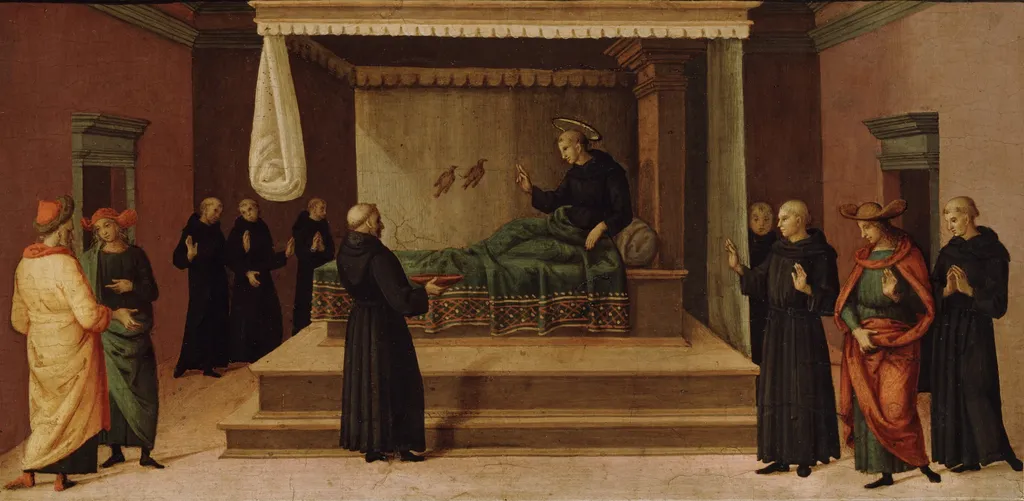
Saint Nicholas of Tolentino Restoring Two Partridges to Life is an unspecified painting by the High Renaissance artist Unknown. It dates from 1500 and is held in the collection of the Detroit Institute of Arts. The canvas presents a solemn interior where a group of onlookers surrounds a bedridden figure in a blue habit, his head encircled by a halo.
About this work
Overview
The canvas presents a solemn interior where a group of onlookers surrounds a bedridden figure in a blue habit, his head encircled by a halo. Above the scene two small birds hover, suggesting a miraculous act. A black‑clad monk at the foot of the bed holds a dish, while others watch with clasped or raised hands, all set against warm red walls, a draped window and a modest altar.
Subject & Meaning
The central figure is Saint Nicholas of Tolentino, a 13th‑century Italian hermit renowned for interceding in matters of the dead and for reviving the dead. The hovering partridges symbolize the saint’s legendary power to restore life, reinforcing his role as a compassionate intercessor who mediates between the earthly and the divine.
Technique & Style
Rendered in oil on canvas, the work employs a restrained palette of deep reds, muted blues and earthy tones, creating a contemplative atmosphere. The artist uses chiaroscuro to model the figures, while the delicate rendering of the birds conveys a sense of ethereal motion. The composition balances narrative clarity with a calm, devotional tone.
History & Provenance
The painting dates to the early 17th century, a period when depictions of Nicholas’s miracles were popular in Italian devotional art. It entered a private collection in the Veneto region before being acquired by a regional museum in the mid‑20th century, where it remains on display as part of the religious art holdings.
Context
Nicholas of Toluzzo was venerated especially in the Marche and surrounding areas, where his shrine attracted pilgrims seeking aid for the sick and the dead. The motif of resurrected birds appears in hagiographic texts describing his miracles, making the scene a visual echo of contemporary devotional literature.
Legacy
The painting exemplifies the Counter‑Reformation emphasis on clear, didactic imagery that reinforced saintly intercession. Its straightforward narrative and restrained aesthetic influenced later regional works that sought to depict miracles without excessive theatricality, contributing to a tradition of sober, devotional painting in northern Italy.
Artist & collection

 Domestic Scene
 Giacomo and Cardinal Marco, investing Andrea, Abbot of San Zeno, with his Benefice
 The Nymph of Fontainebleau
 Portrait of a Woman
 Madonna and Child with Saints in the Enclosed Garden
 Venus and Minerva
 Family Group of Four on Sofa
 Wall painting from Room H of the Villa of P. Fannius Synistor at Boscoreale
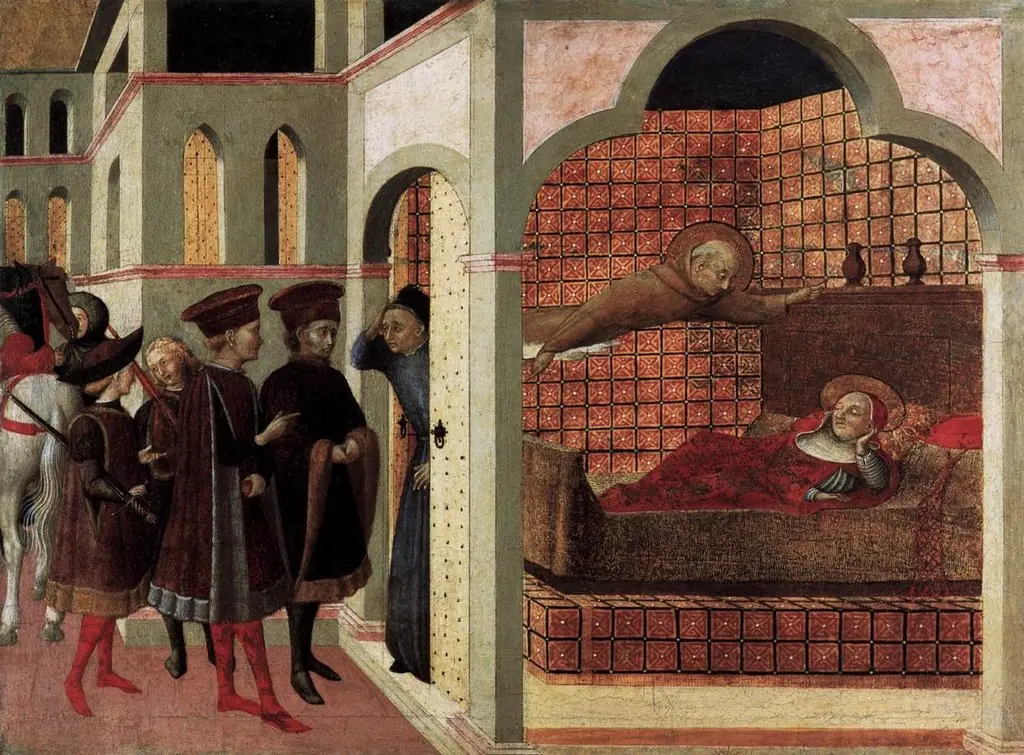 Der selige Ranieri von Borgo San Sepolcro erscheint einem römischen Kardinal im Schlaf
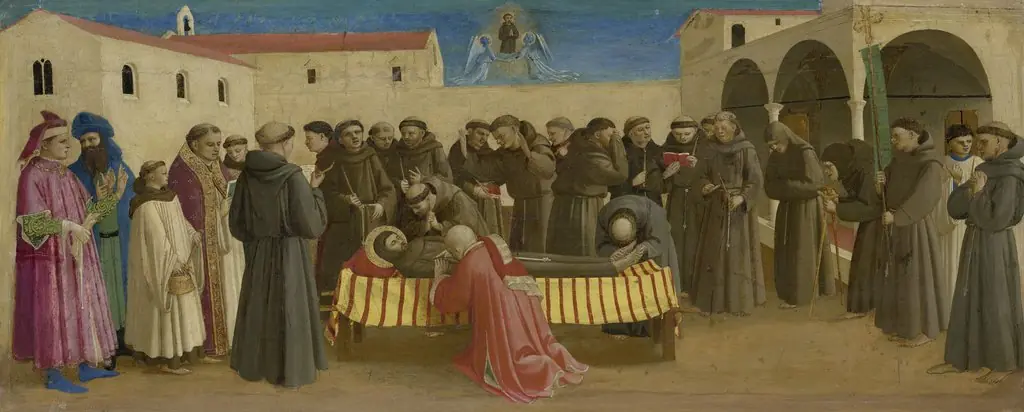 The Lamentation over St Francis
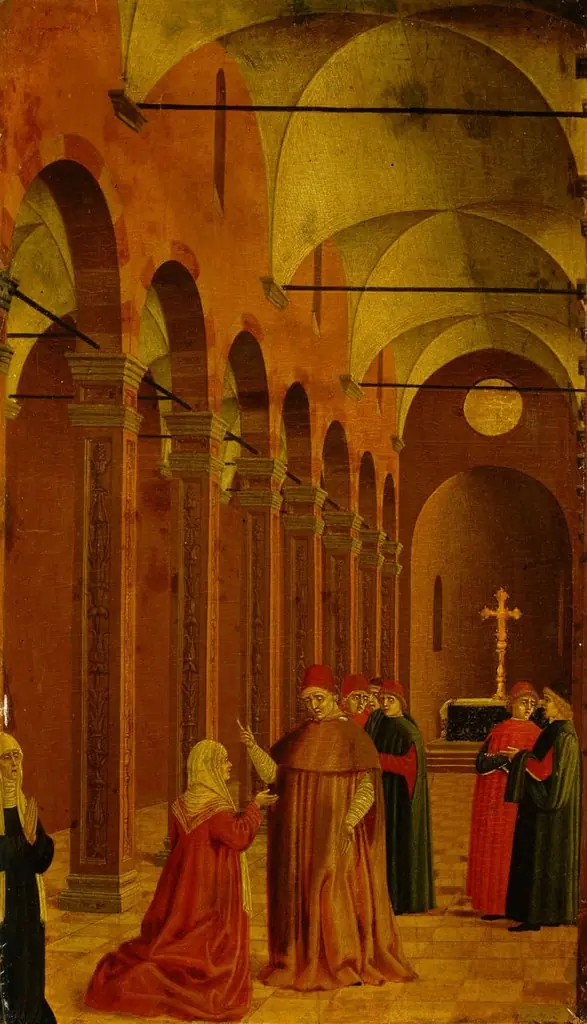 Szene aus dem Leben des Hl. Vinzenz Ferrer: Die Mutter des Heiligen fragt den Bischof von Valencia nach dem Sinn der wunderbaren Zeichen, die die Geburt ihres Kindes ankündigen
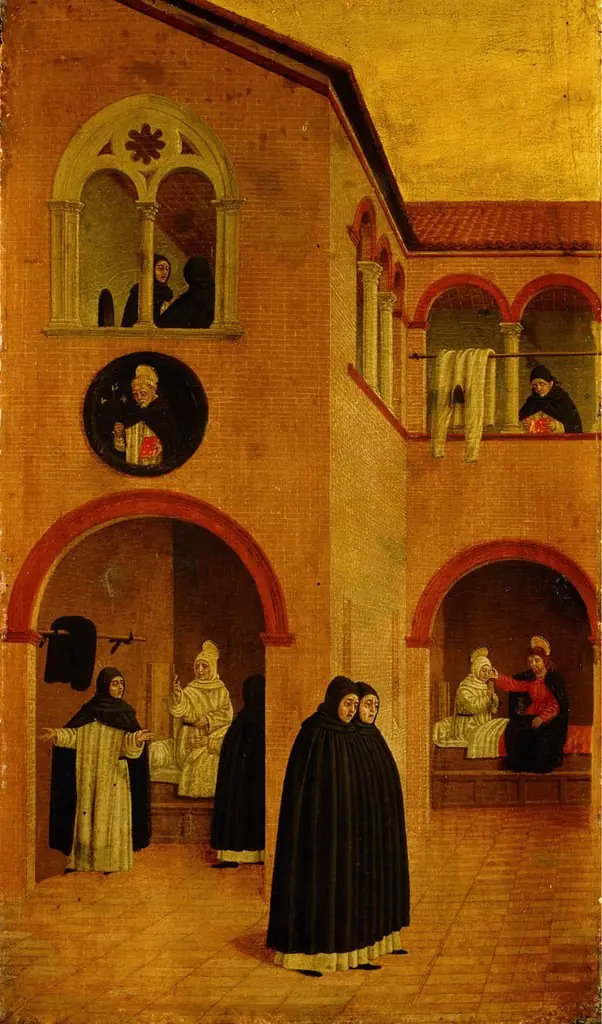 Szene aus dem Leben des Hl. Vinzenz Ferrer: Durch Aufregungen infolge des Schismas erkrankt der Heilige; er wird am Krankenbett vom Heiligen Dominikus besucht und von Christus geheilt
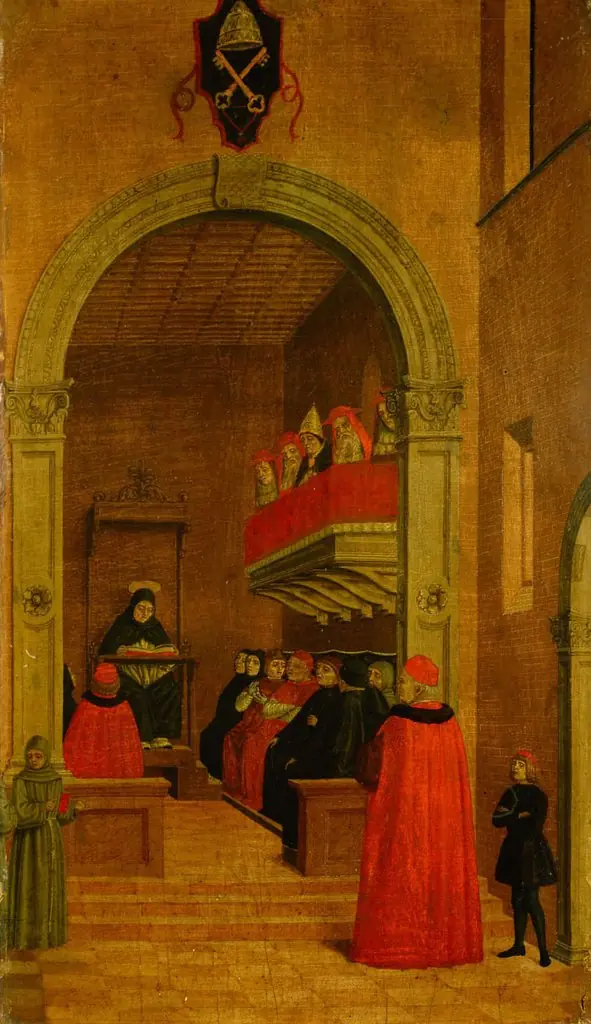 Szene aus dem Leben des Hl. Vinzenz Ferrer: Der Heilige legt in Avignon in Gegenwart des Papstes und der Kardinäle das Wort aus
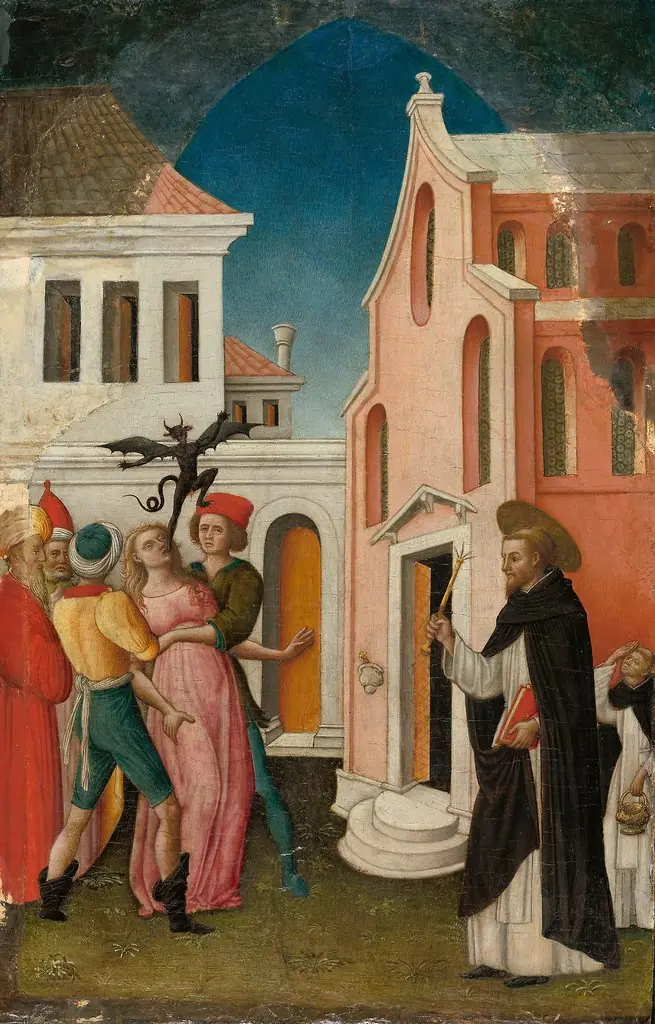 Saint Peter Martyr Exorcizing a Woman Possessed by a Devil
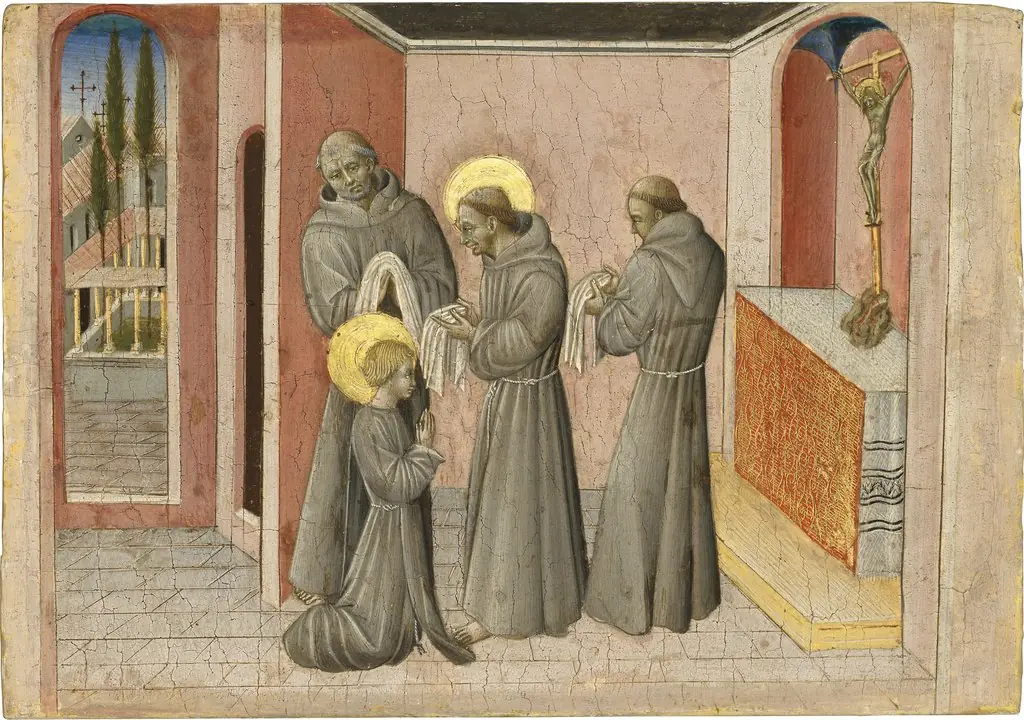 The Investiture of Saint Clare: the Saint receiving the clothes of her Order from Saint Francis
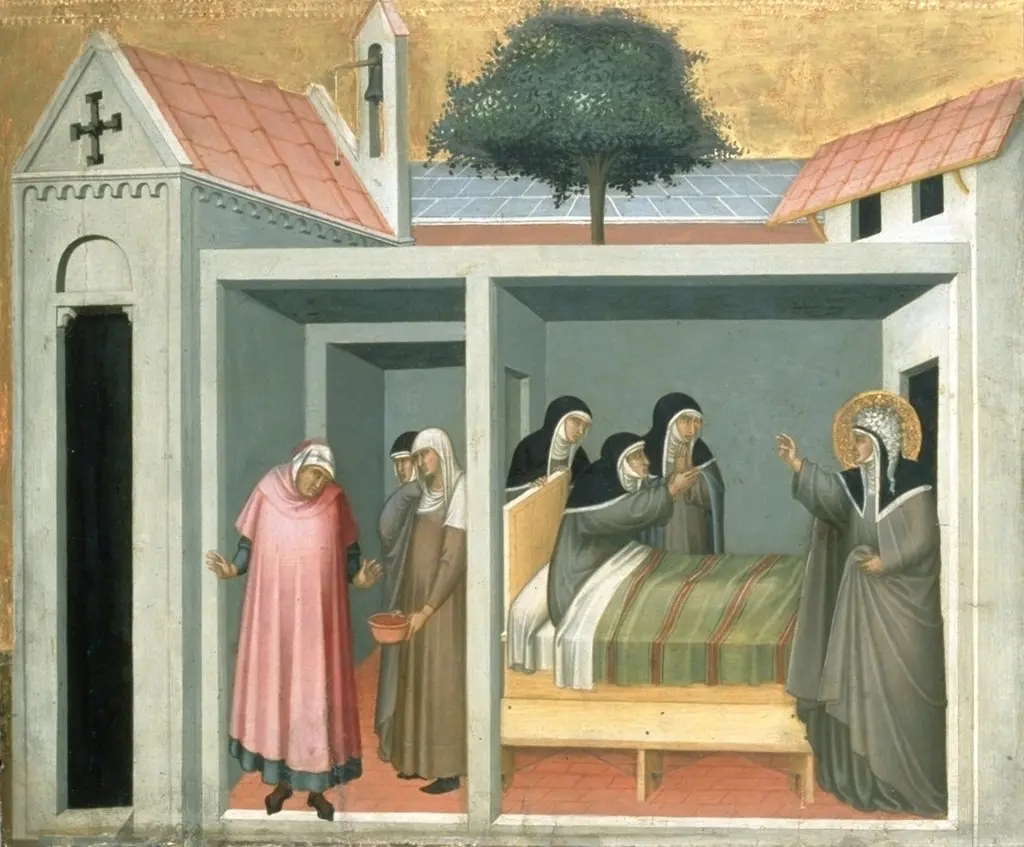 St. Humility heals a sick Nun
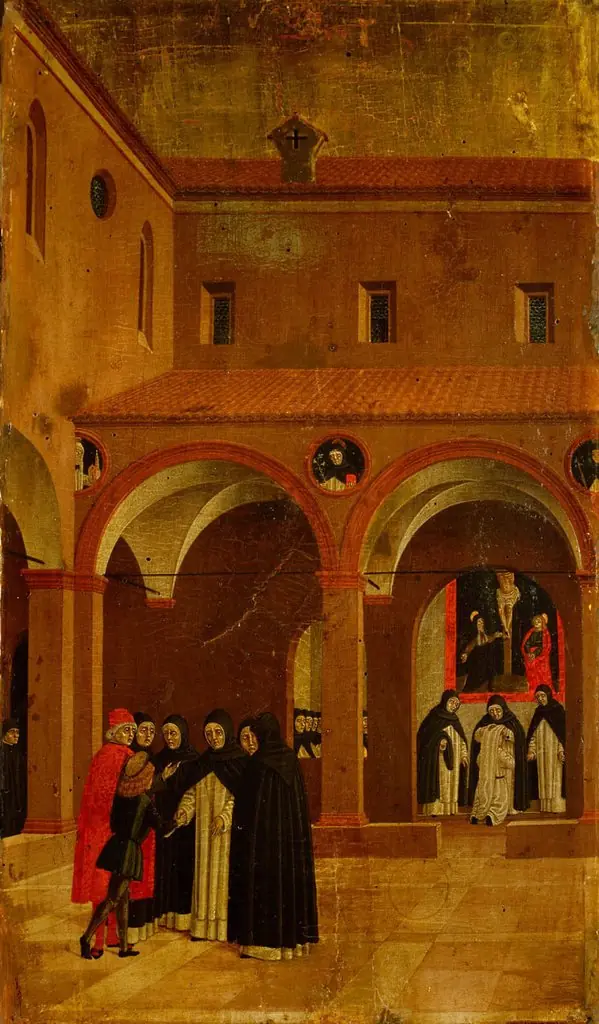 Szene aus dem Leben des Hl. Vinzenz Ferrer: Der Vater führt den Knaben Vinzenz zu den Dominikaners, von denen er drei Tage später eingekleidet wird
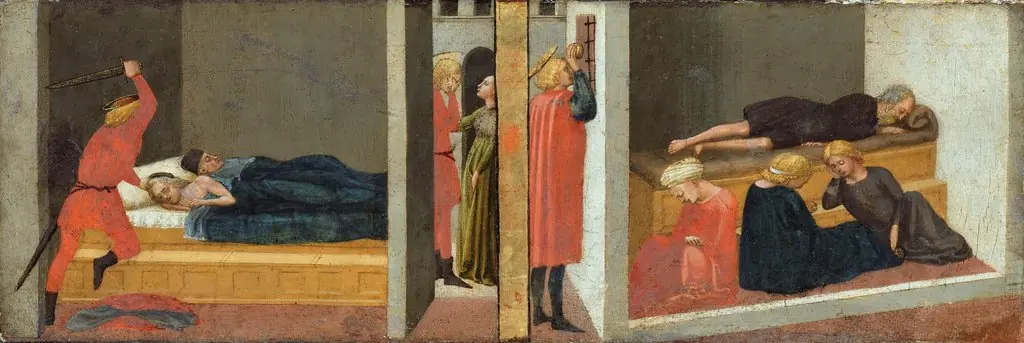 Altar predella; Right panel: The parricide of St. Julian - The miracle of St. Nicholas of Bari