Artwork
St. Humility heals a sick Nun
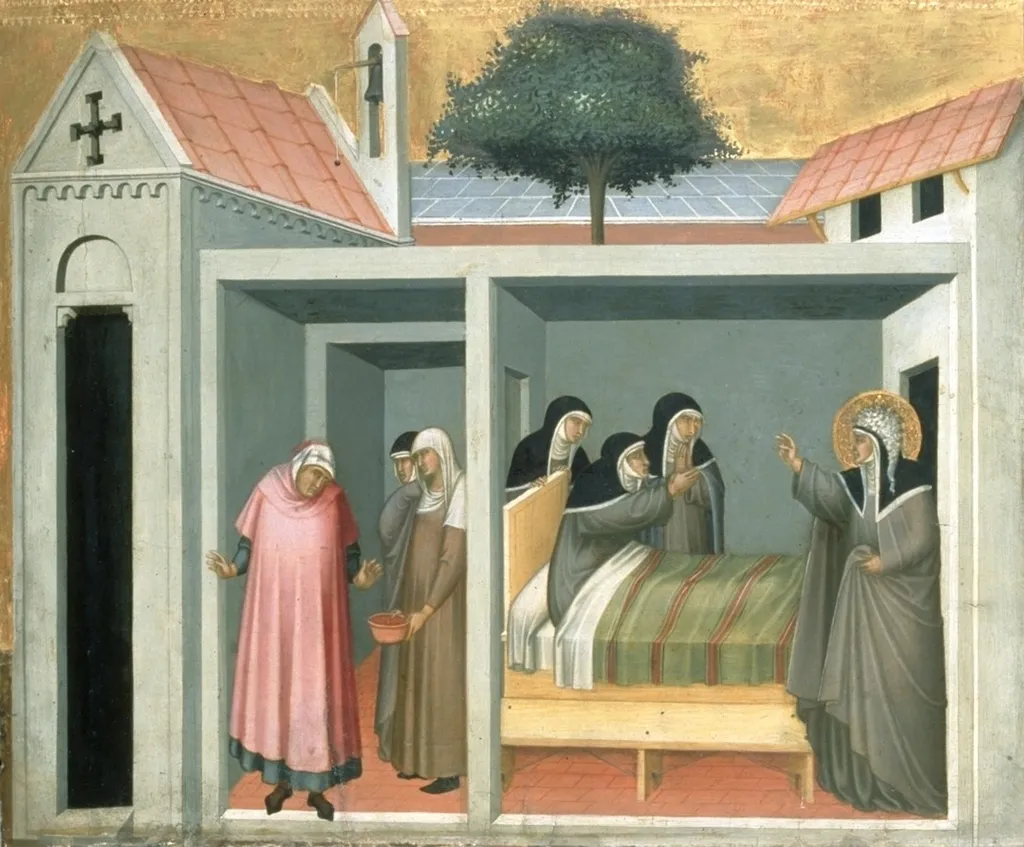
St. Humility heals a sick Nun is a paint painting by the Byzantine icon painting artist Pietro Lorenzetti. It dates from 1332 and is held in the collection of the Gemäldegalerie Berlin.
About this work
Overview
Painted in 1332 by Pietro Lorenzetti, this tempera-on-panel work depicts a moment of divine intervention within a Sienese convent.
Painted in 1332 by Pietro Lorenzetti, this tempera-on-panel work depicts a moment of divine intervention within a Sienese convent. It belongs to a series of devotional images commissioned for religious contemplation. The composition follows Byzantine traditions in its frontal arrangement and symbolic focus, yet subtly incorporates emerging naturalistic elements characteristic of early 14th-century Sienese painting.
Subject & Meaning
The scene illustrates Saint Humility, a lesser-known Franciscan saint, performing a miracle by restoring health to a bedridden nun. The act underscores the virtue of humility as a conduit for divine grace. Surrounding nuns observe in quiet reverence, their gestures and postures reinforcing the sacredness of the moment. The painting serves both as a narrative record and a devotional aid, encouraging viewers to emulate spiritual modesty.
Technique & Style
Lorenzetti employed tempera on a wooden panel, a standard medium for altarpieces of the period. Colors are restrained—muted greens, grays, and soft reds—creating a tranquil atmosphere. Forms are rendered with gentle modeling, and spatial depth is suggested through overlapping figures and a rudimentary architectural backdrop. While still bound by iconographic conventions, the treatment of faces and drapery hints at a move toward humanized expression.
History & Provenance
The painting was created for a religious context in Siena, likely for a convent or chapel dedicated to Saint Humility. It entered the collection of the Gemäldegalerie in Berlin in the 19th century, following the dispersal of ecclesiastical holdings after secularization. Its survival through centuries of political and religious change reflects its enduring value as a work of devotional art rather than mere ornament.
Context
In early 14th-century Siena, religious imagery emphasized emotional resonance and moral instruction. Lorenzetti, alongside his brother Ambrogio, contributed to a regional shift away from rigid Byzantine forms toward more lifelike settings and psychological nuance. This painting reflects that transition, balancing sacred symbolism with subtle observations of daily monastic life, aligning with broader trends in Italian devotional art.
Legacy
Though not widely known outside scholarly circles, the painting exemplifies the quiet evolution of Italian painting before the full emergence of the Renaissance. Its restrained palette and intimate composition influenced later Sienese artists seeking to merge spiritual gravity with human presence. It remains a key reference for understanding how religious narratives were rendered with increasing emotional and spatial realism in the decades before Giotto’s legacy fully took hold.
Artist & collection
Artist
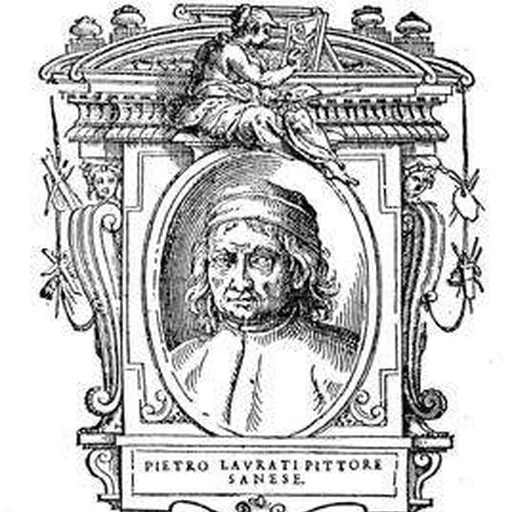
Pietro Lorenzetti (Italian: ; c. 1280 – 1348) or Pietro Laurati was an Italian painter, active between c. 1306 and 1345. Together with his younger brother Ambrogio, he introduced naturalism into Sienese art. In their…

![Saint Catherine of Alexandria, with an Angel [right panel], by Pietro Lorenzetti](https://artifactworldgallery.com/img/pietro-lorenzetti--saint-catherine-of-alexandria-with-an-angel-right-panel--8acb359f1d360041-w320.webp) Saint Catherine of Alexandria, with an Angel [right panel]
Saint Catherine of Alexandria, with an Angel [right panel]![Saint Mary Magdalene, with an Angel [left panel], by Pietro Lorenzetti](https://artifactworldgallery.com/img/pietro-lorenzetti--saint-mary-magdalene-with-an-angel-left-panel--c015f106a0790d0d-w320.webp) Saint Mary Magdalene, with an Angel [left panel]
Saint Mary Magdalene, with an Angel [left panel]![Madonna and Child, with the Blessing Christ [middle panel], by Pietro Lorenzetti](https://artifactworldgallery.com/img/pietro-lorenzetti--madonna-and-child-with-the-blessing-christ-middle-panel--02357aa6ff04175b-w320.webp) Madonna and Child, with the Blessing Christ [middle panel]
Madonna and Child, with the Blessing Christ [middle panel]![Madonna and Child with the Blessing Christ, and Saints Mary Magdalene and Catherine of Alexandria with Angels [entire triptych], by Pietro Lorenzetti](https://artifactworldgallery.com/img/pietro-lorenzetti--madonna-and-child-with-the-blessing-christ-and-saints-mary-m--f78e415f61769b64-w320.webp) Madonna and Child with the Blessing Christ, and Saints Mary Magdalene and Catherine of Alexandria with Angels [entire triptych]
Madonna and Child with the Blessing Christ, and Saints Mary Magdalene and Catherine of Alexandria with Angels [entire triptych] Virgin and Child Enthroned and Donor, Angels
 The Miracle of the Ice
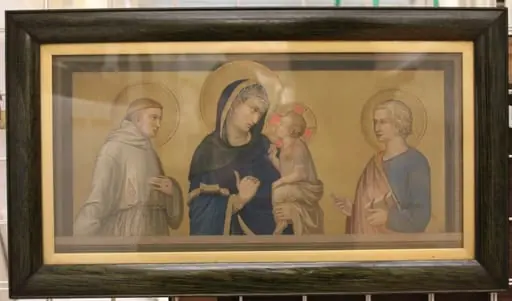 Virgin and Child with St John and St Francis
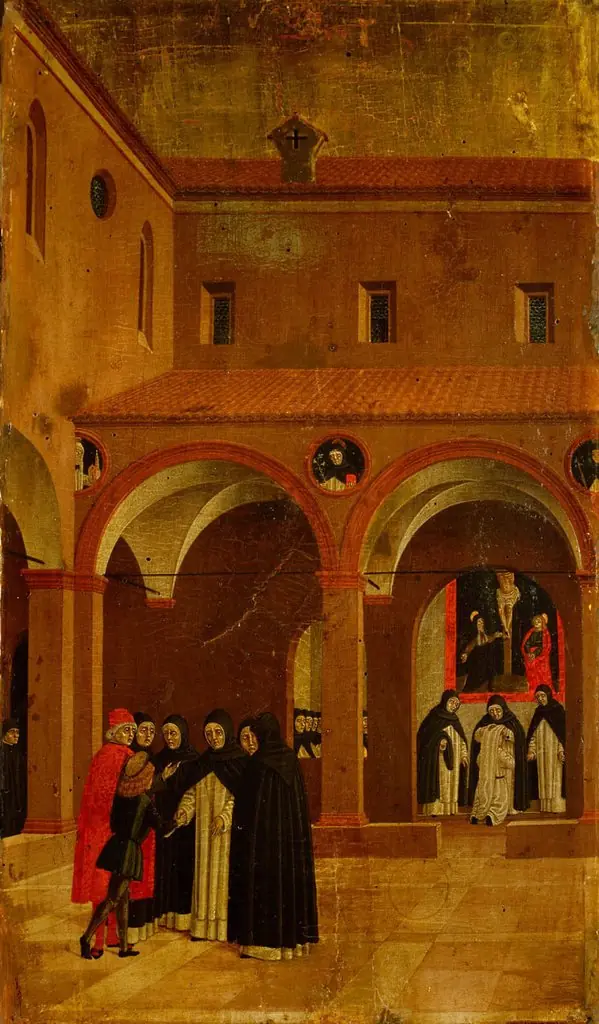 Szene aus dem Leben des Hl. Vinzenz Ferrer: Der Vater führt den Knaben Vinzenz zu den Dominikaners, von denen er drei Tage später eingekleidet wird
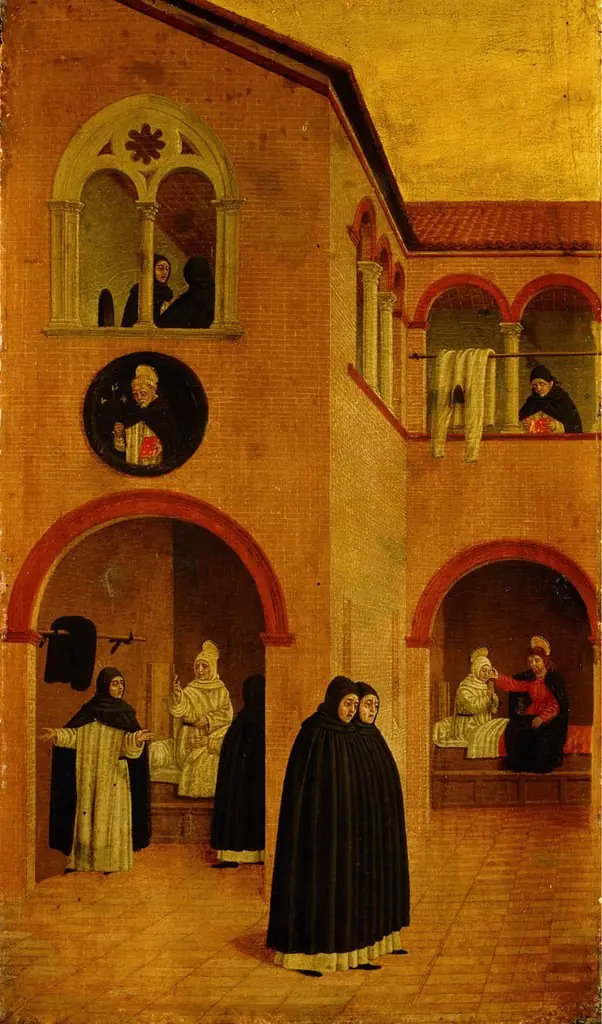 Szene aus dem Leben des Hl. Vinzenz Ferrer: Durch Aufregungen infolge des Schismas erkrankt der Heilige; er wird am Krankenbett vom Heiligen Dominikus besucht und von Christus geheilt
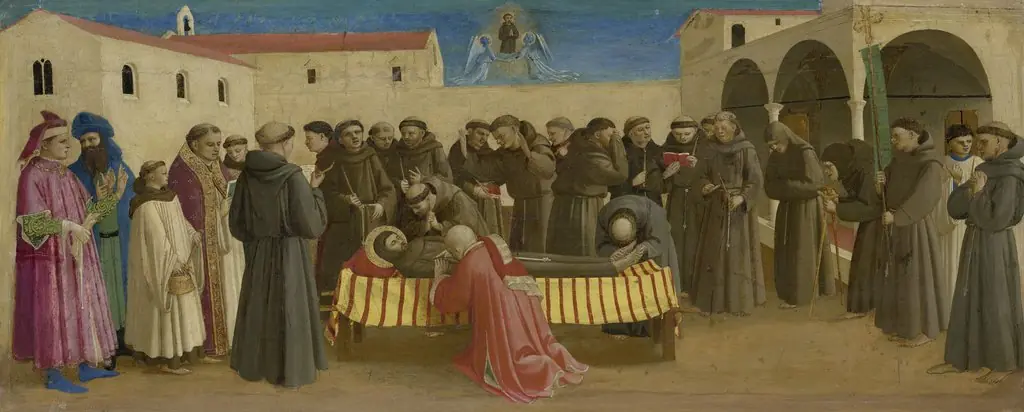 The Lamentation over St Francis
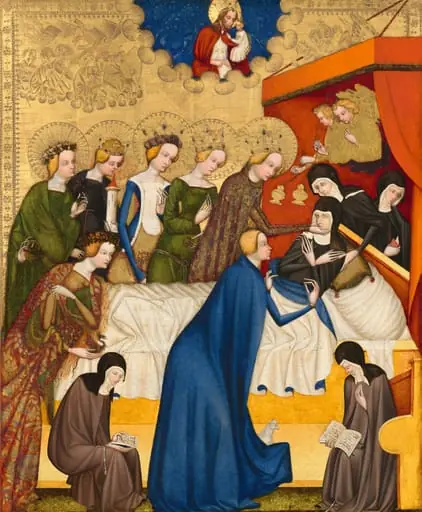 The Death of Saint Clare
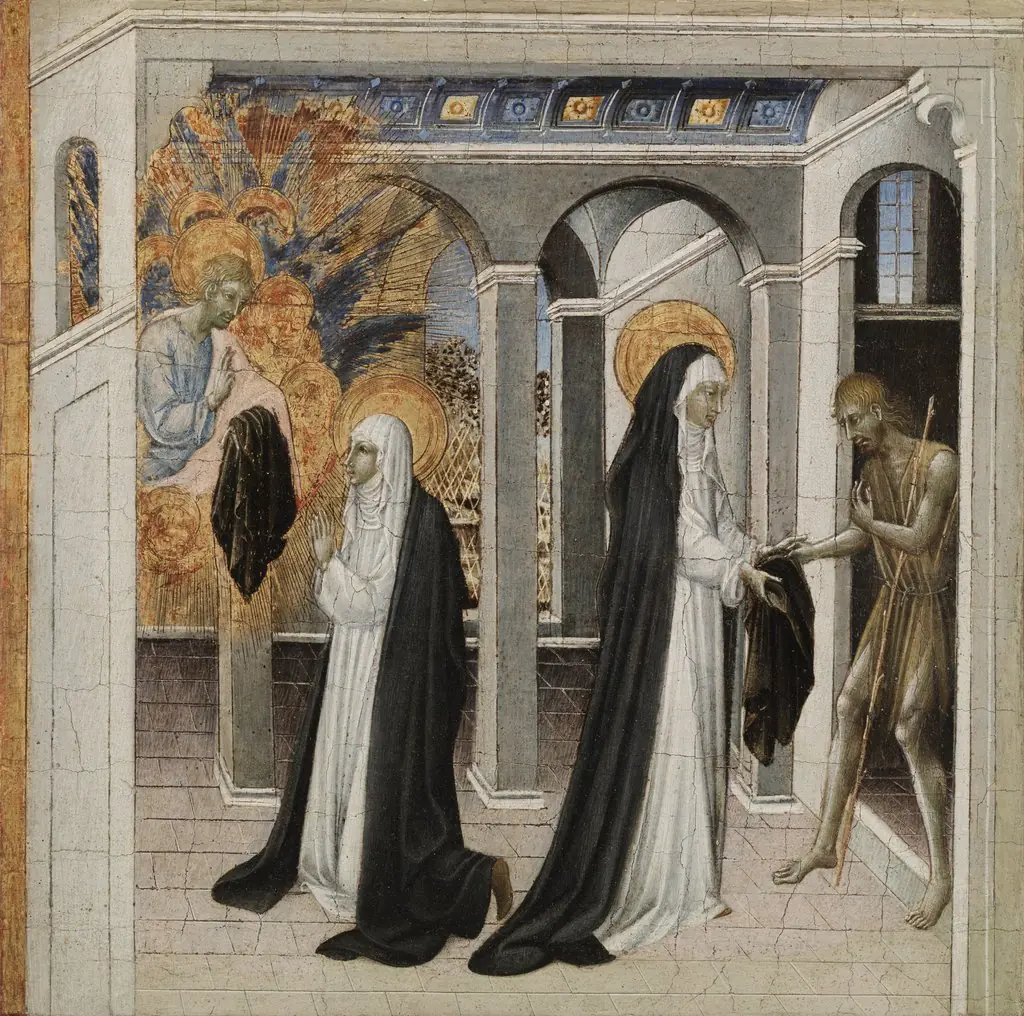 St. Catherine of Siena and the Beggar
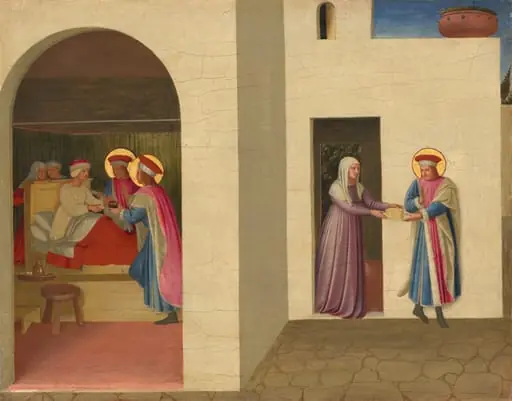 The Healing of Palladia by Saint Cosmas and Saint Damian
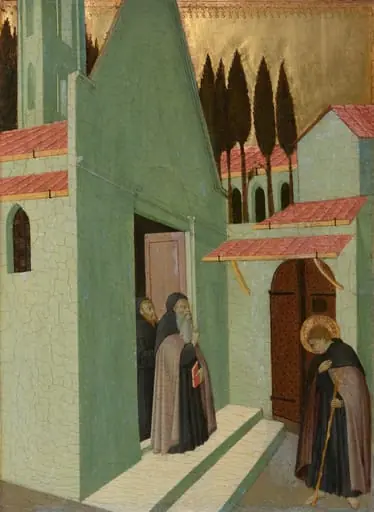 Saint Anthony Leaving His Monastery
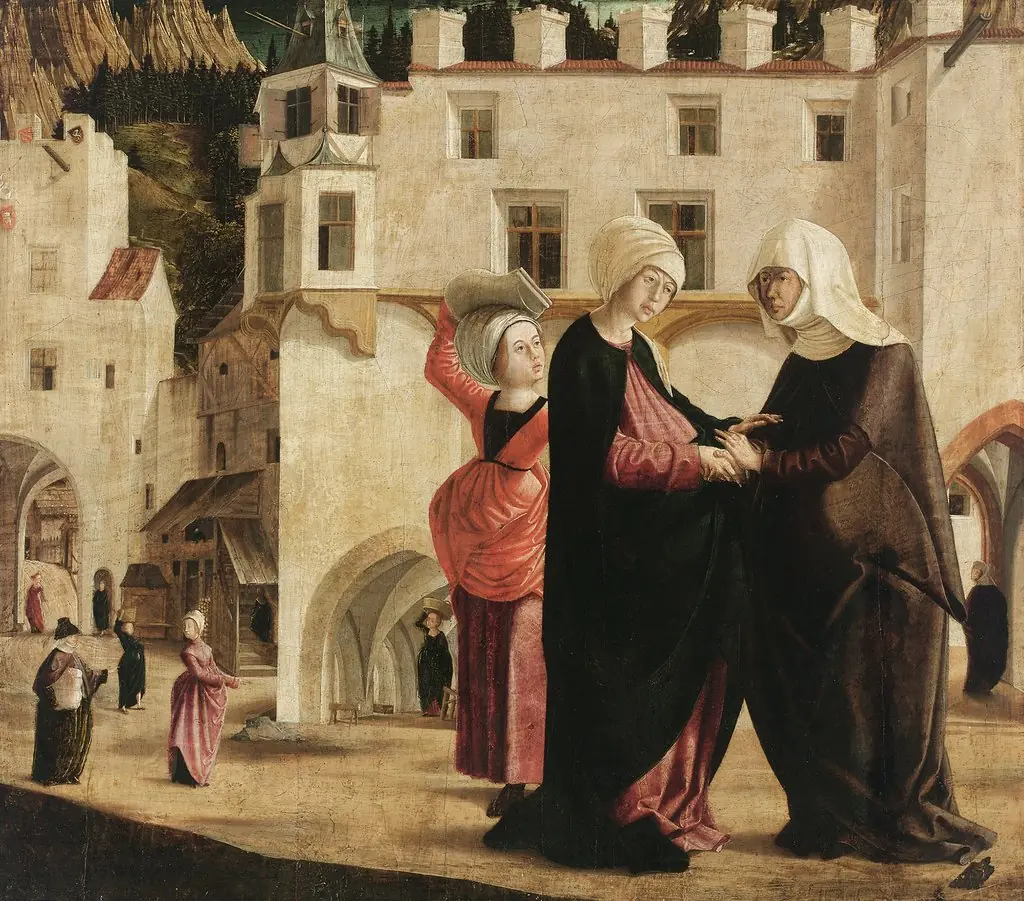 The visitation
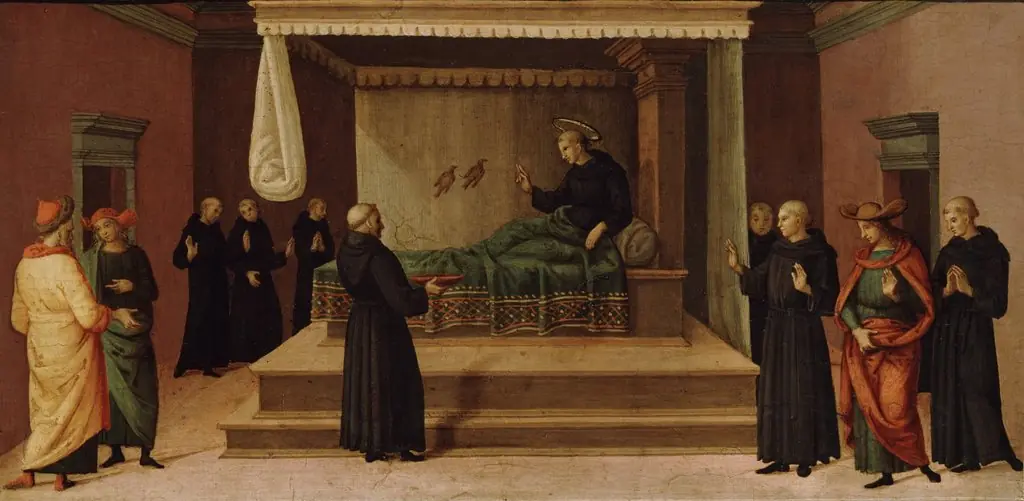 Saint Nicholas of Tolentino Restoring Two Partridges to Life
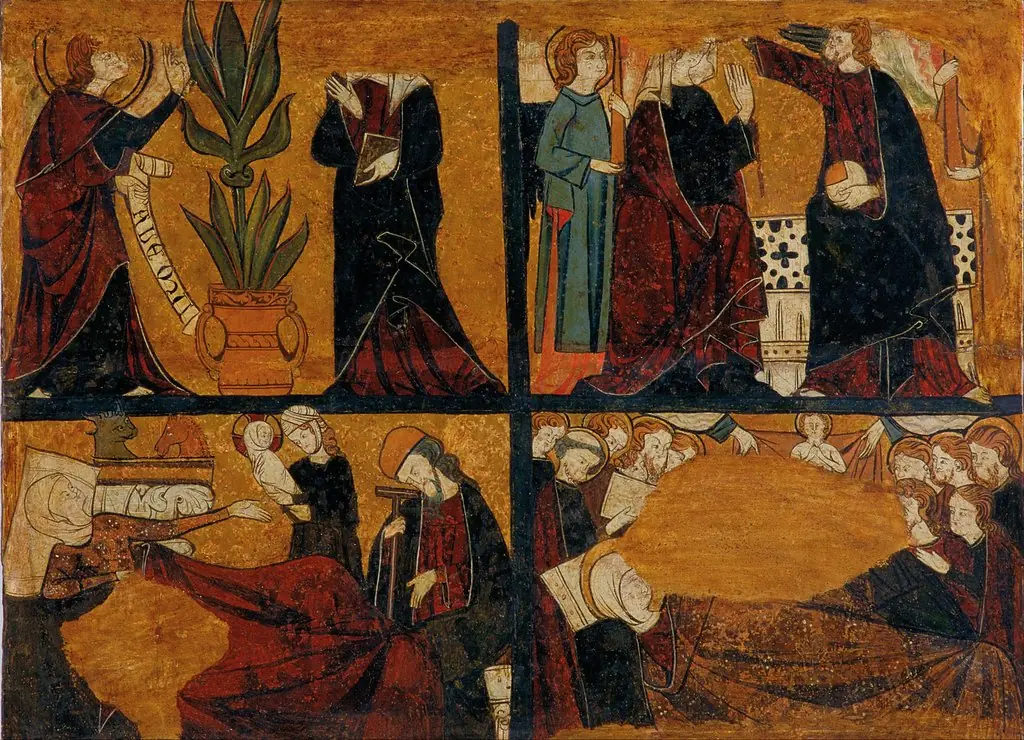 Annunciation, Nativity, Dormition and Coronation of the Virgin
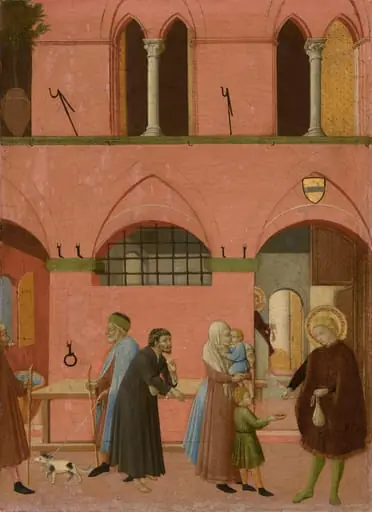 Saint Anthony Distributing His Wealth to the Poor