Artwork
Sundareshvara feeding sugarcane to the elephant
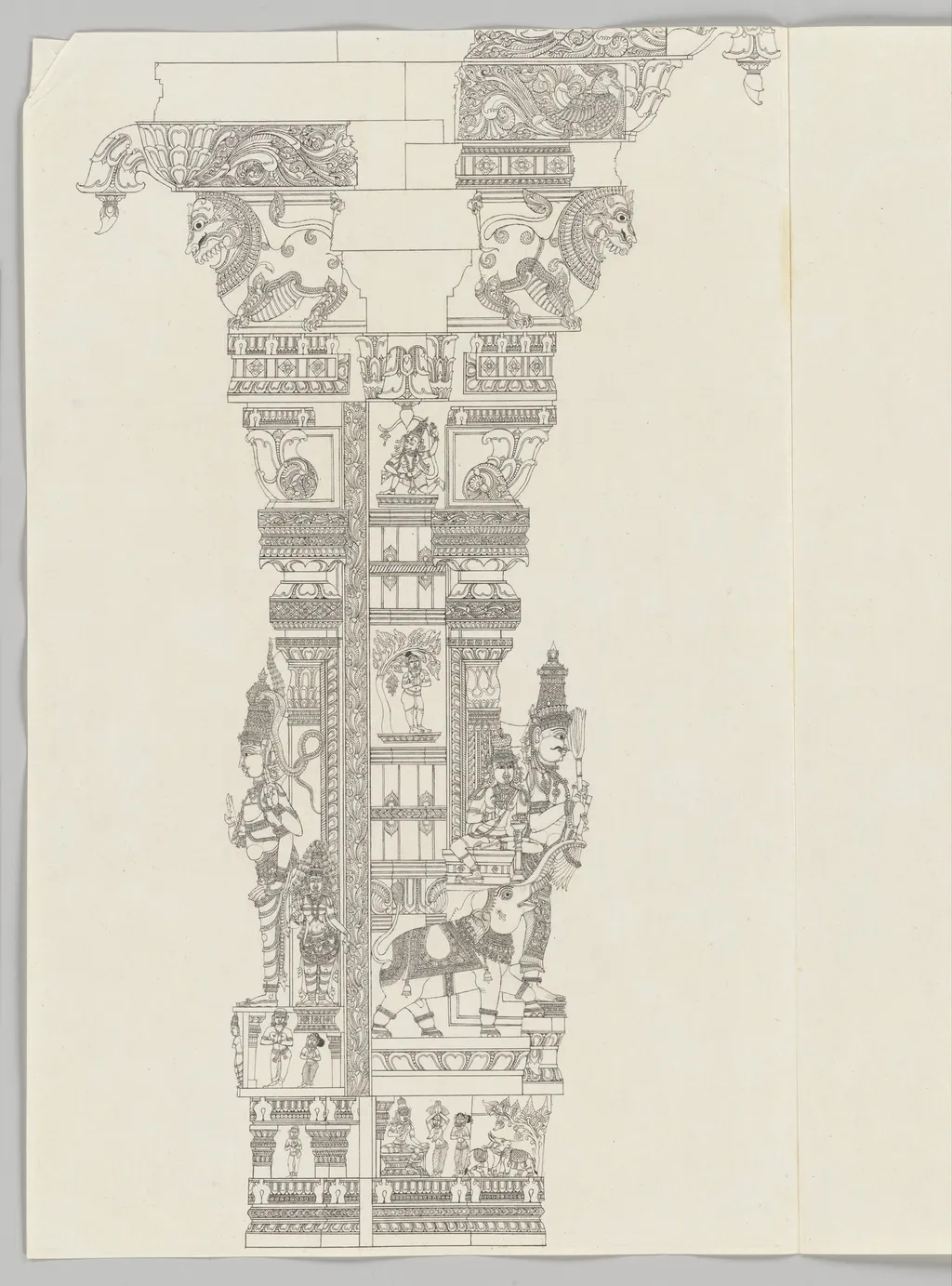
Sundareshvara feeding sugarcane to the elephant is an unspecified painting by Unknown. It dates from 1800 and is held in the collection of the Metropolitan Museum of Art.
About this work
Overview
Sundareshvara feeding sugarcane to the elephant is a 19th-century Indian painting featuring a densely composed temple wall with multiple vignettes of humans, animals, and deities. Notable for its intricate carvings and ornate details, the work stands out for its serene depiction of a man feeding an elephant sugarcane amidst the bustling scene.
Subject & Meaning
The painting's central subject, a man (likely Sundareshvara) calmly feeding sugarcane to an elephant, contrasts with the surrounding busy scenes, possibly symbolizing harmony or tranquility amidst chaos. The elephant's calm demeanor further emphasizes this theme.
Technique & Style
Characterized by stacked carvings, small boxed scenes, and intricate designs (including swirly patterns with lion faces and vines), the painting showcases traditional Indian artistic techniques of the time, emphasizing detail and narrative density.
History & Provenance
Created over 200 years ago in India, the painting's specific historical context or artist remains unspecified. It is now part of The Metropolitan Museum of Art's collection.
Context
Reflecting 19th-century Indian artistic traditions, the work combines religious and everyday life scenes, typical of the period's narrative painting styles that often adorned temple walls or religious texts.
Legacy
As part of a prominent museum collection, the painting contributes to the understanding and appreciation of early 19th-century Indian art, offering insights into the region's cultural and artistic practices of the time.
Artist & collection

 Domestic Scene
 Giacomo and Cardinal Marco, investing Andrea, Abbot of San Zeno, with his Benefice
 The Nymph of Fontainebleau
 Portrait of a Woman
 Madonna and Child with Saints in the Enclosed Garden
 Venus and Minerva
 Family Group of Four on Sofa
 Wall painting from Room H of the Villa of P. Fannius Synistor at Boscoreale
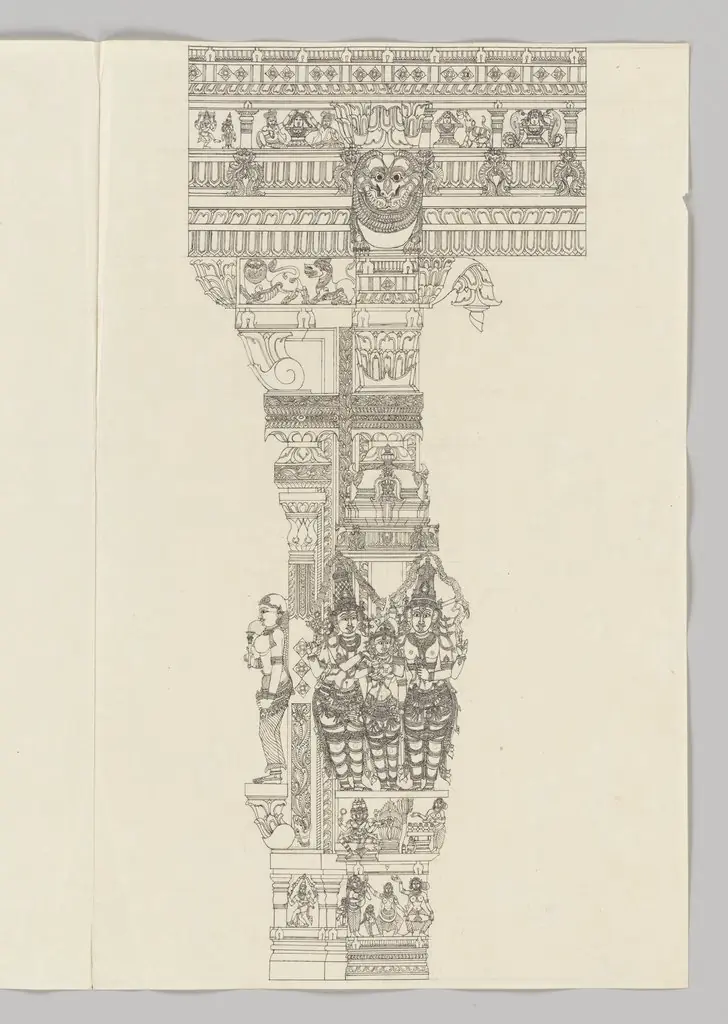 Marriage of Minakshi and Sundarehsvara, attended by Vishnu
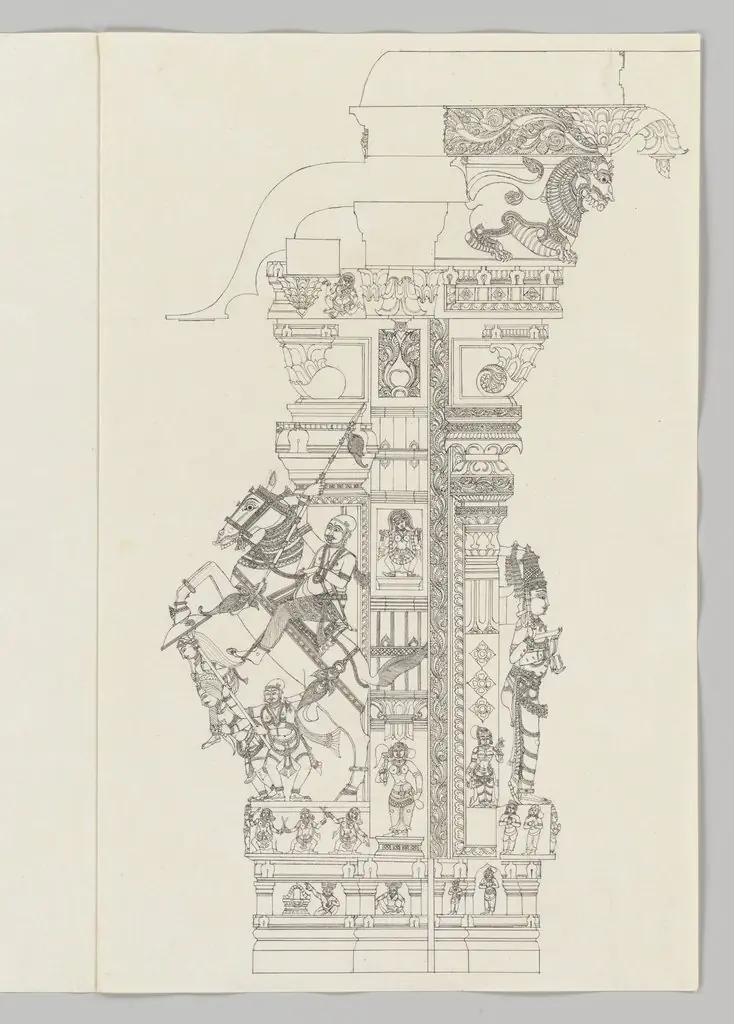 Subramanya: equestrian warrior with raised spear
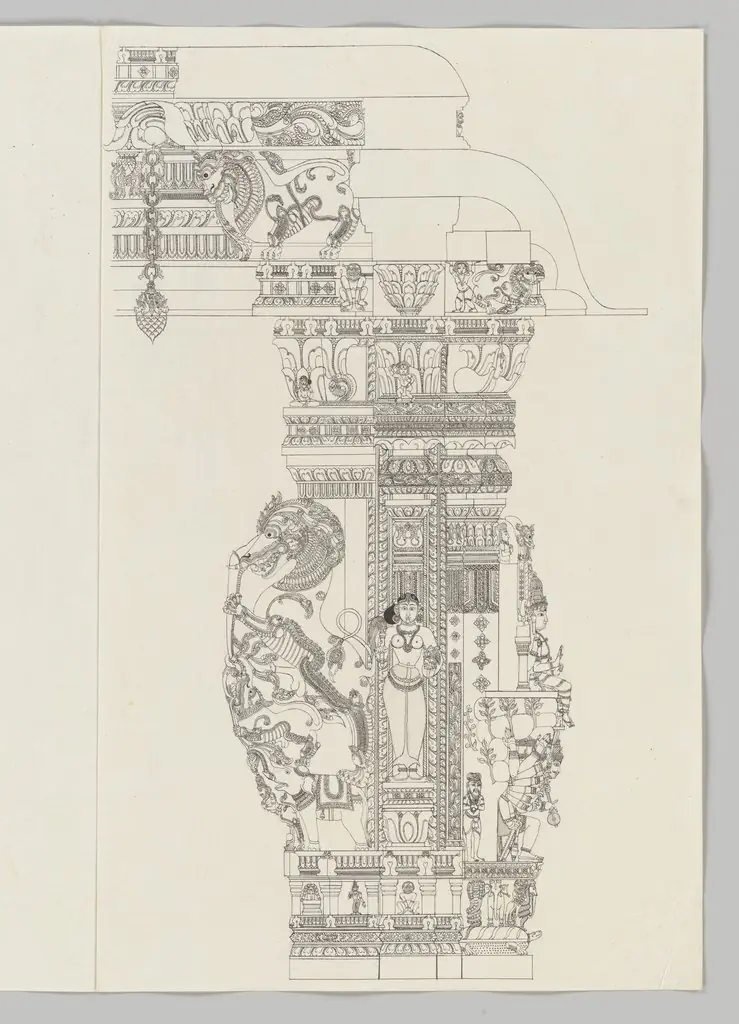 Shiva Ravananugrahamurti; woman holding a flywhisk; rearing yali
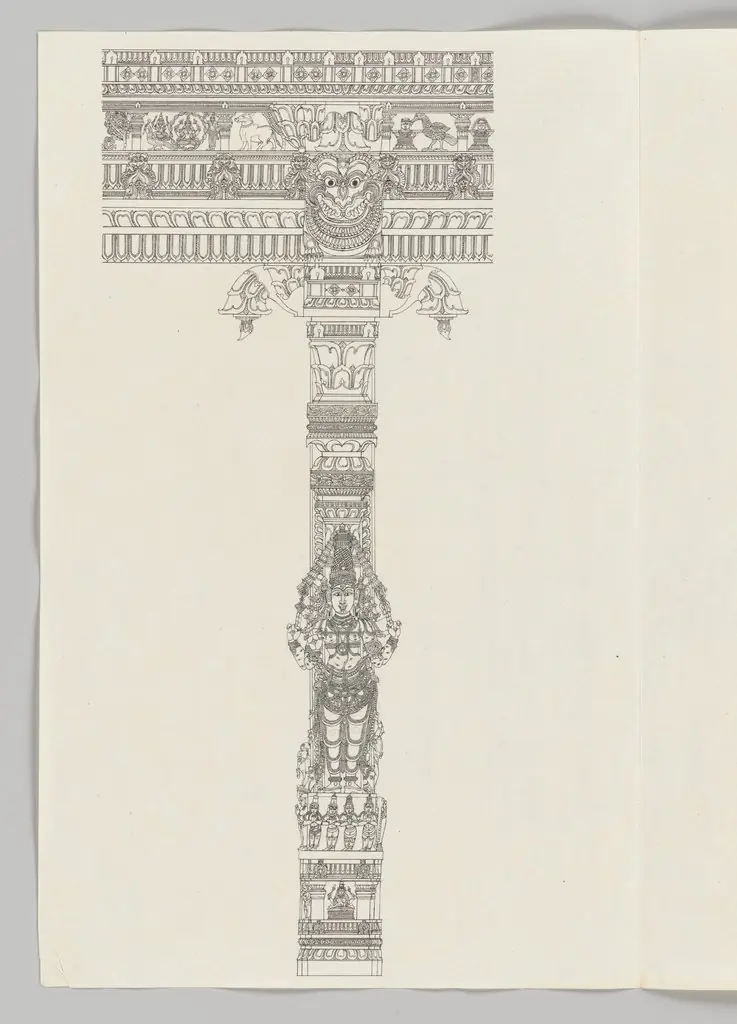 Subramanya
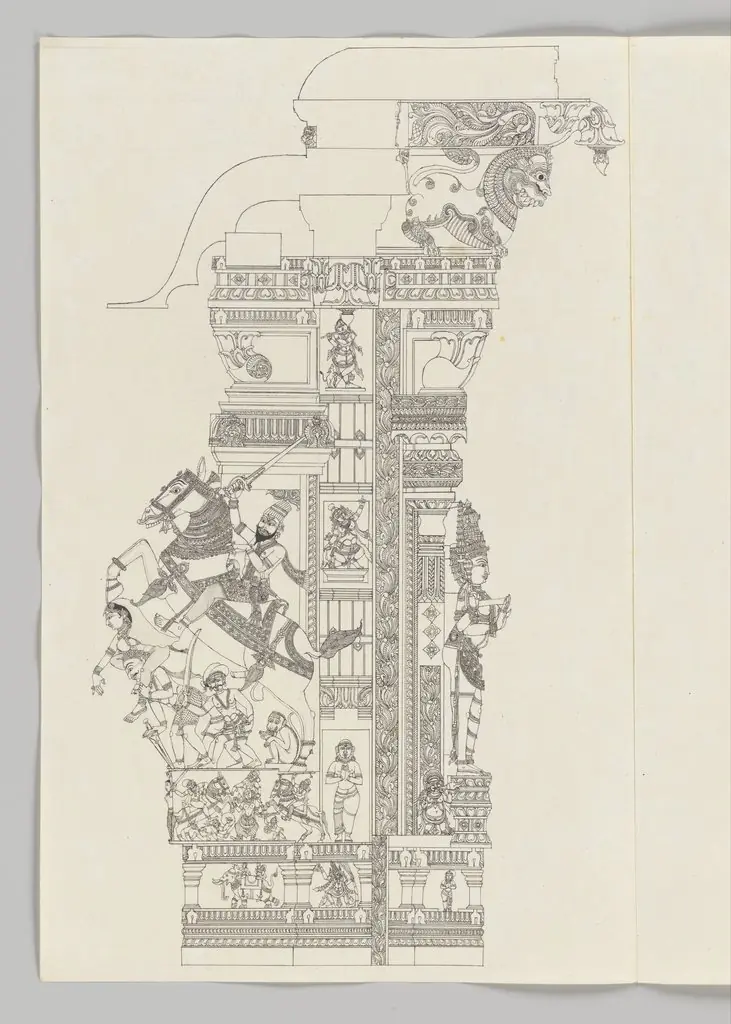 Ardanarishvara; equestrian warrior with raised sword
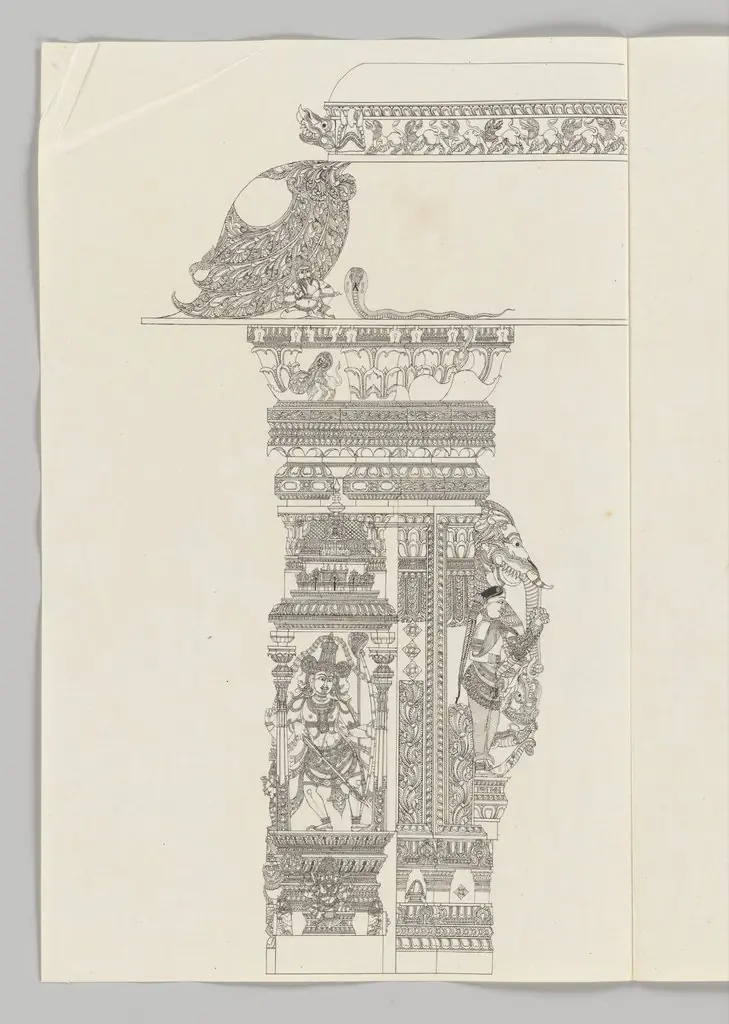 Shiva as Tripsurasamhara; woman holding a flywhisk; rearing yali
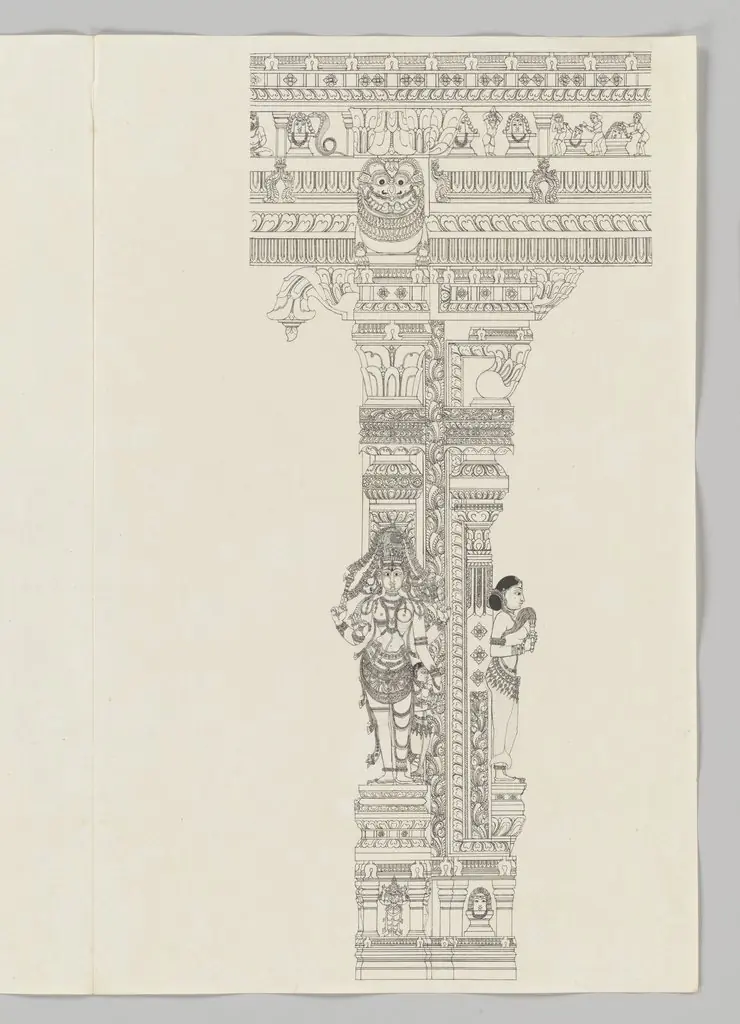 Ardanarishvara; woman holding a flywhisk.
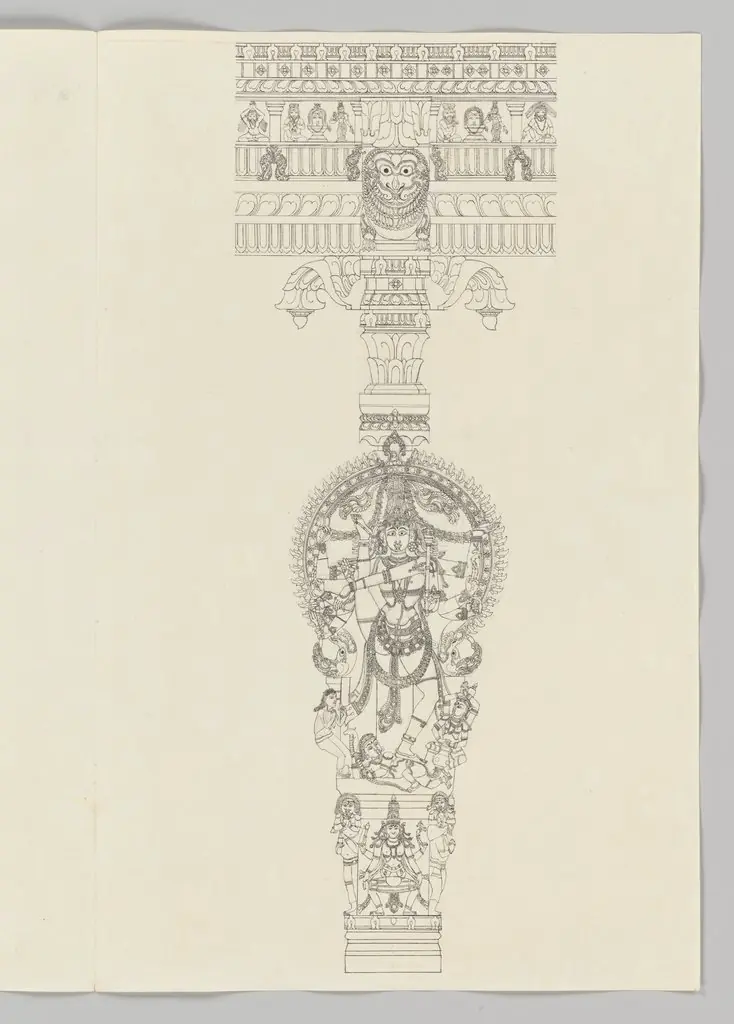 Shiva Urdhvatandava