Artwork
Temperance
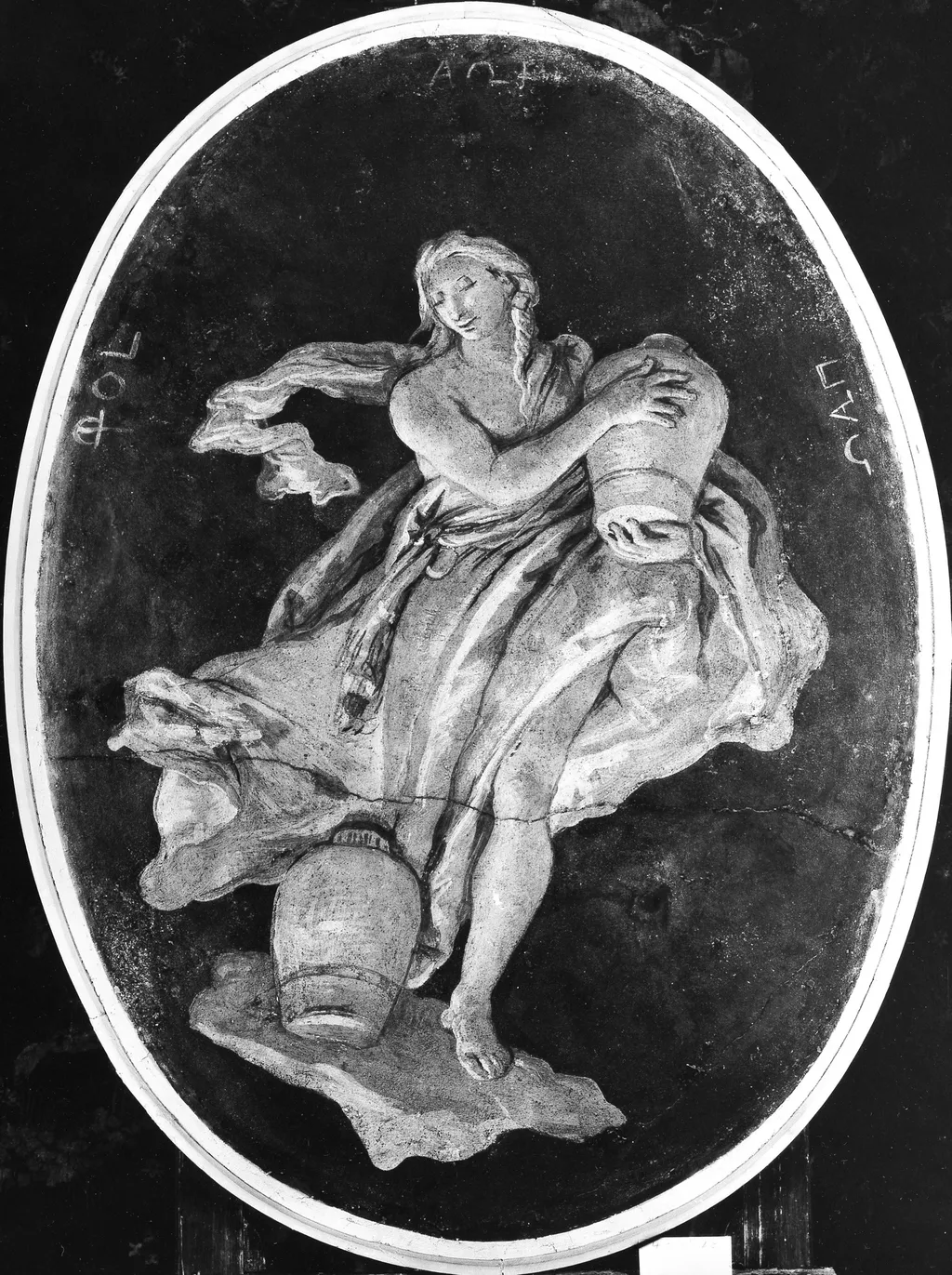
Temperance is an unspecified painting. It dates from 1760 and is held in the collection of the Metropolitan Museum of Art.
About this work
Overview
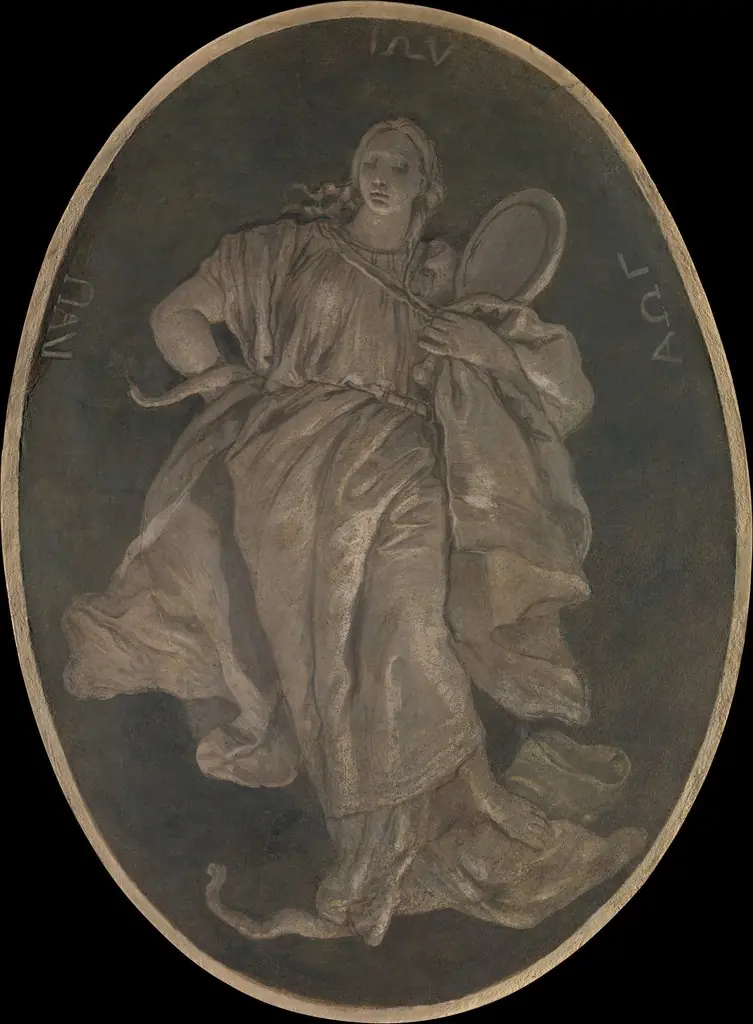
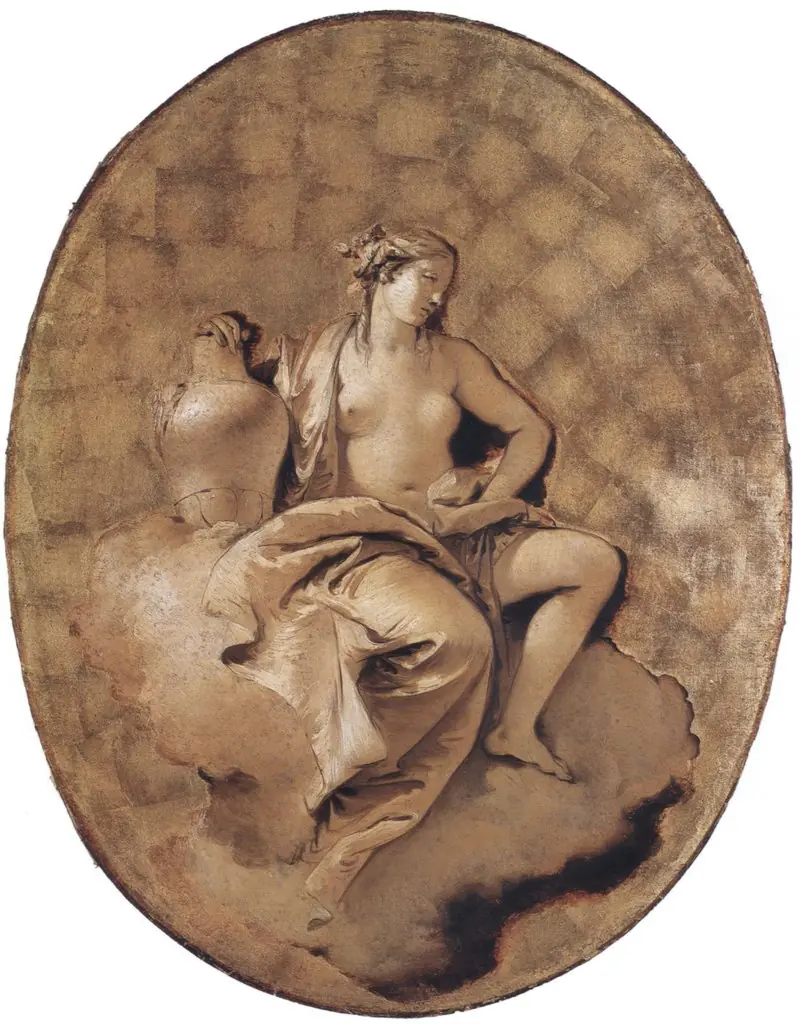
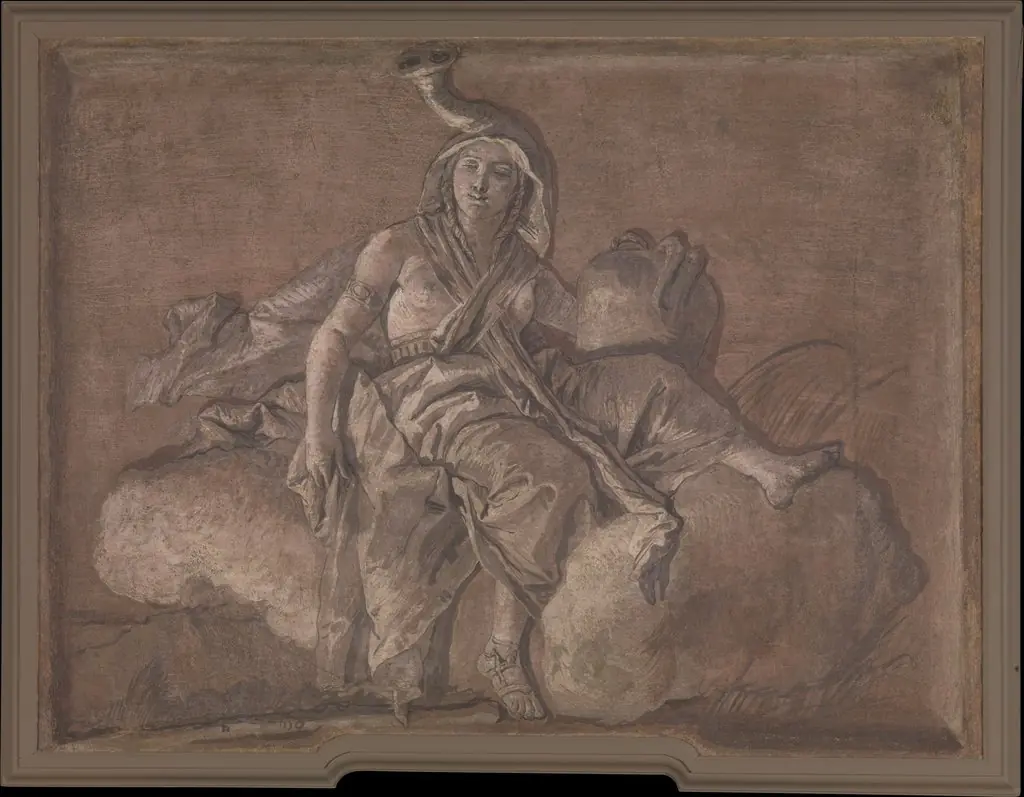
Temperance depicts a solitary female figure seated upon a stone ledge, her gaze directed toward a substantial vase that rests in her hands. She is dressed in a flowing robe that drapes loosely around her form, while a folded cloth is held in her left hand. The composition is set against a deep, shadowed backdrop that isolates the figure and emphasizes the tactile qualities of the objects.
Subject & Meaning
The work illustrates the allegorical virtue of temperance, traditionally represented by a woman holding a vessel that symbolizes moderation and self‑control. The careful handling of the vase and the contemplative expression suggest a moment of introspection, reinforcing the moral theme of measured restraint.
Technique & Style
Executed with a high degree of naturalism, the painting showcases Tiepolo’s skill in rendering flesh, fabric, and stone with meticulous detail. Subtle chiaroscuro models the figure against the dark background, while delicate brushwork conveys the texture of the robe and the sheen of the vase, creating a convincing three‑dimensional presence.
History & Provenance
Attributed to the 18th‑century Venetian painter Giovanni Battista Tiepolo, the piece reflects his mature period when he frequently explored allegorical subjects. Its provenance traces through private collections before entering a public institution, though specific ownership records remain limited.
Context
Created during the Rococo era, the painting aligns with Tiepolo’s broader oeuvre that combined decorative elegance with narrative clarity. While many of his large frescoes adorn palaces and churches, this smaller, intimate work demonstrates his ability to translate grand allegorical themes onto a more personal scale.
Legacy
Temperance stands as a representative example of Tiepolo’s capacity to blend allegorical content with a lifelike visual language. The painting continues to inform studies of 18th‑century Venetian art, illustrating how moral subjects were rendered with both technical virtuosity and approachable realism.
Artist & collection