Artwork
Portrait of a Man
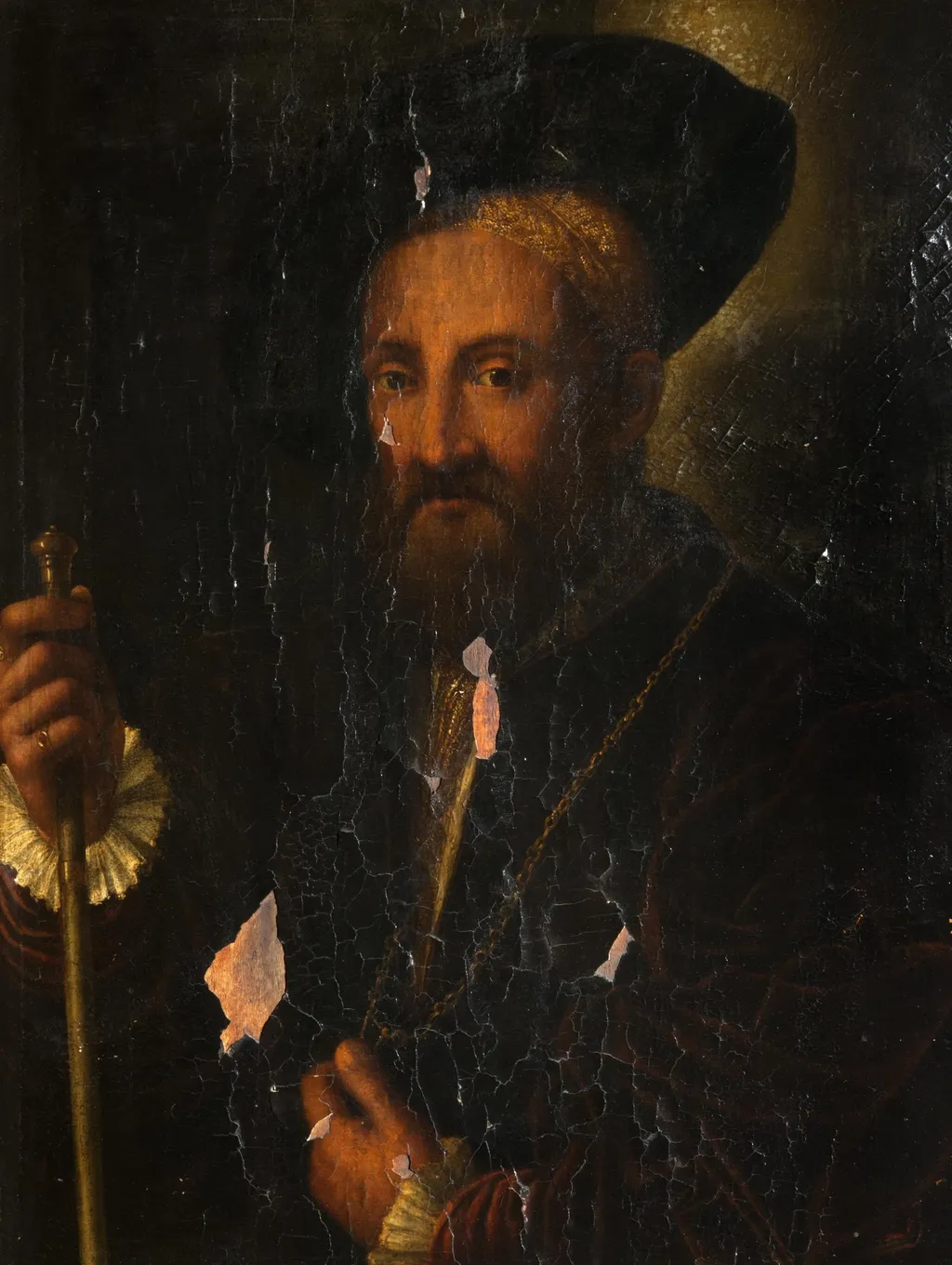
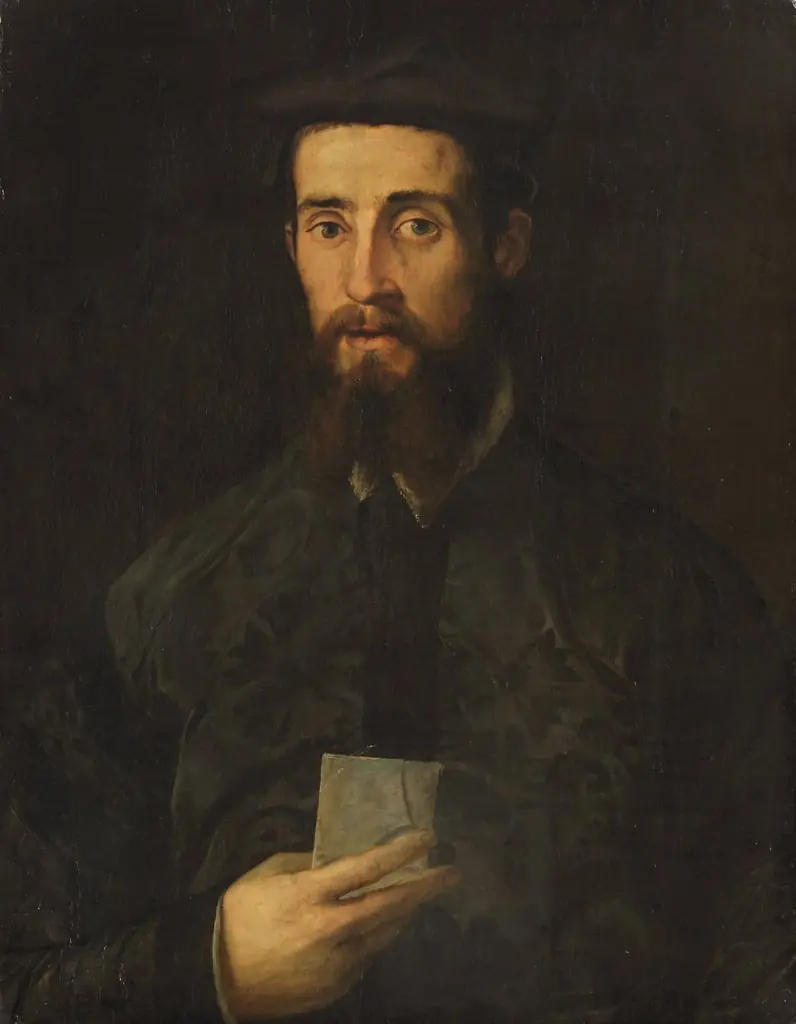
Portrait of a Man is an oil painting by the Rococo painting artist Unknown. It dates from 1700 and is held in the collection of the National Galleries Scotland. This oil painting depicts a man in formal attire, rendered with a focus on quiet dignity.
About this work
Overview
His dark clothing and somber expression contrast with the illuminated areas of his face, drawing attention to his features.
This oil painting depicts a man in formal attire, rendered with a focus on quiet dignity. His dark clothing and somber expression contrast with the illuminated areas of his face, drawing attention to his features. The composition is tightly framed, eliminating extraneous detail to emphasize presence. The thick application of paint on his beard and hat suggests a tactile, almost sculptural treatment of texture.
Subject & Meaning
The figure holds a golden staff and a folded document, indicators of authority or professional status, possibly civic or ecclesiastical. His direct gaze and restrained posture convey solemnity rather than emotion. The absence of identifying symbols or setting leaves his exact role ambiguous, but the objects suggest a man of responsibility, engaged in matters of record or governance.
Technique & Style
The artist employs chiaroscuro to model the face with strong contrasts between light and shadow, enhancing three-dimensionality. Brushwork varies: fine strokes define facial features, while thicker impasto builds texture in the beard and hat. The dark, unmodeled background isolates the figure, focusing attention on his form and the play of light across his features.
History & Provenance
The painting’s origins are undocumented in public records, with no known commission or owner prior to its inclusion in institutional collections. Its style aligns with Northern European portraiture of the late 16th or early 17th century, though the artist remains unidentified. Conservation records indicate stable condition, with no evidence of significant alteration.
Context
During the period when this portrait was likely made, secular portraiture flourished among urban elites and officials in Northern Europe. Artists increasingly emphasized individual character over idealization. The use of dark backgrounds and focused lighting reflects a broader trend toward psychological depth and restrained elegance in non-noble portraiture.
Legacy
Though unsigned and unattributed, the painting exemplifies the quiet intensity of early modern portraiture. Its emphasis on psychological presence over narrative context influenced later artists who sought to capture inner life through light and gesture. It remains a representative example of how everyday authority was visually articulated in pre-modern Europe.
Artist & collection

 Domestic Scene
 Giacomo and Cardinal Marco, investing Andrea, Abbot of San Zeno, with his Benefice
 The Nymph of Fontainebleau
 Portrait of a Woman
 Madonna and Child with Saints in the Enclosed Garden
 Venus and Minerva
 Family Group of Four on Sofa
 Wall painting from Room H of the Villa of P. Fannius Synistor at Boscoreale
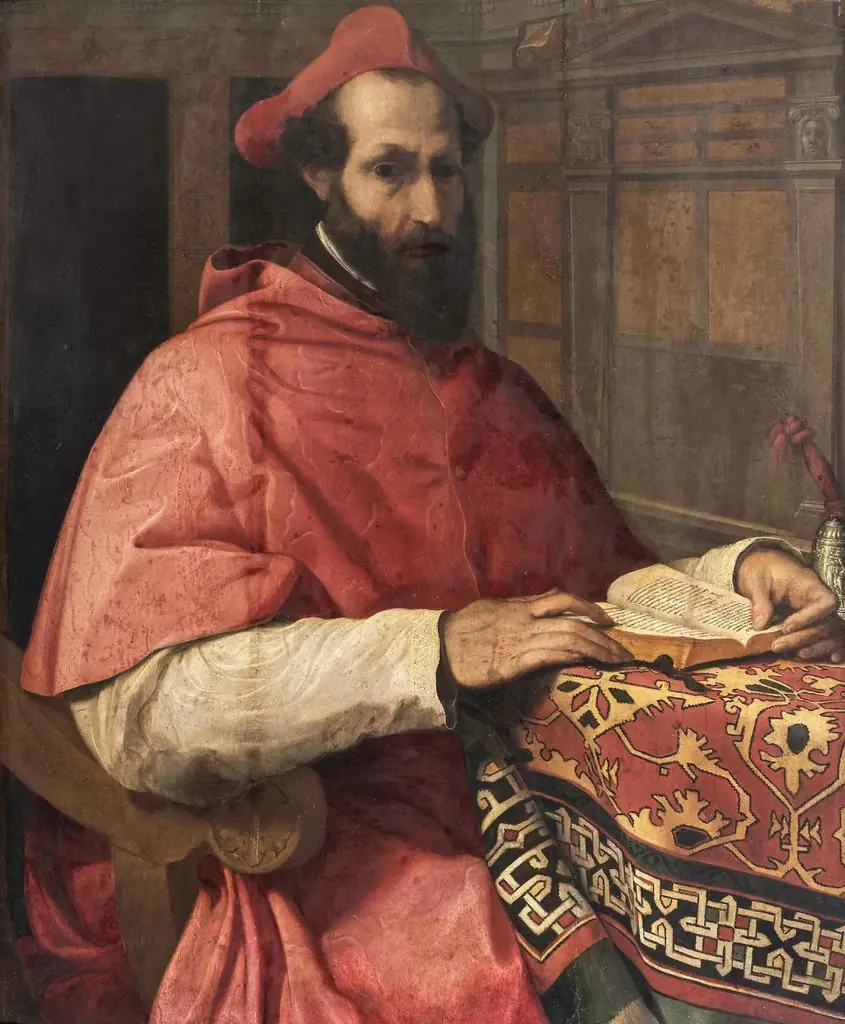 Portrait of Cardinal Marcello Cervini degli Spannocchi
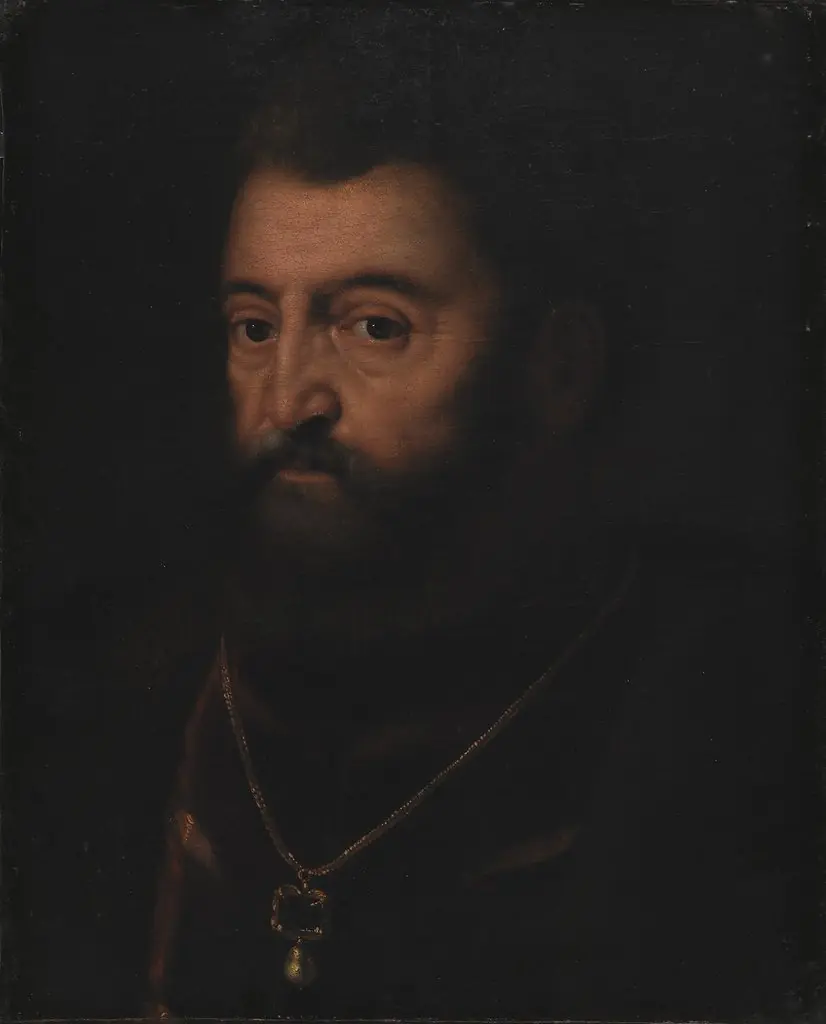 Portrait of Alfonso d'Este, Duke of Ferrara
 Portrait of Alfonso d'Este Duke of Ferrara
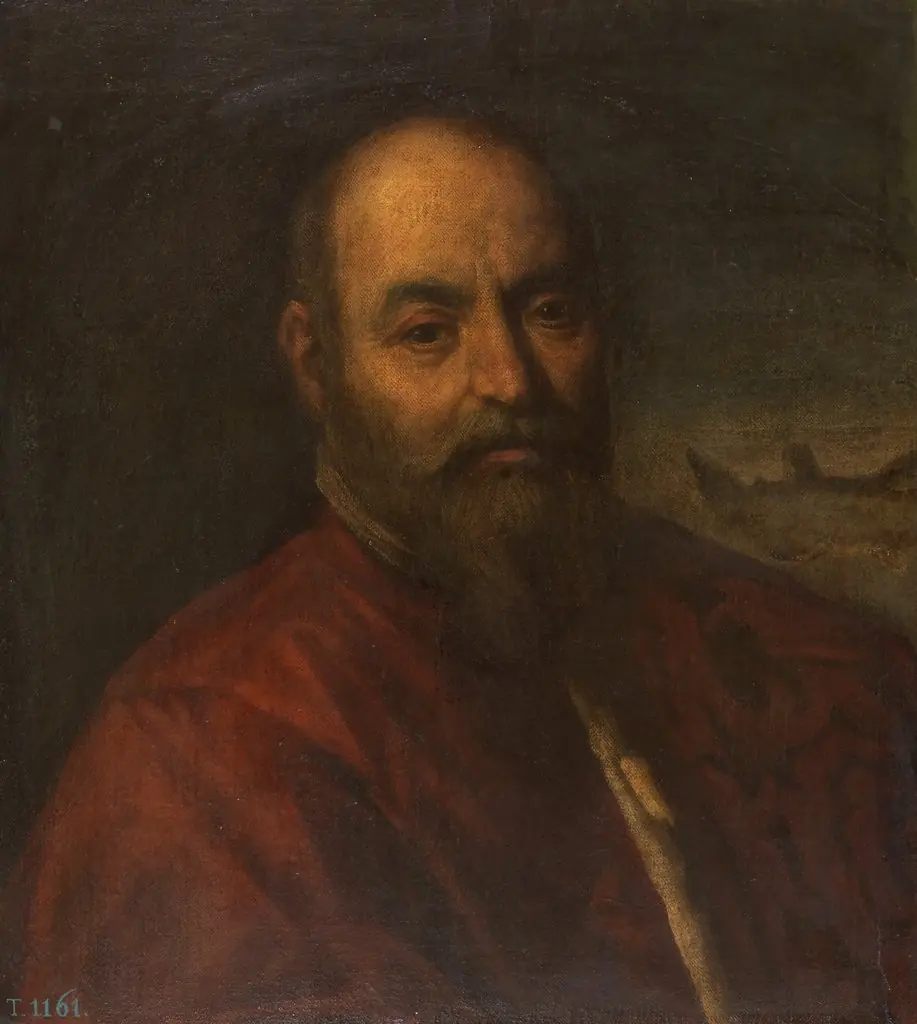 A Venetian Senator
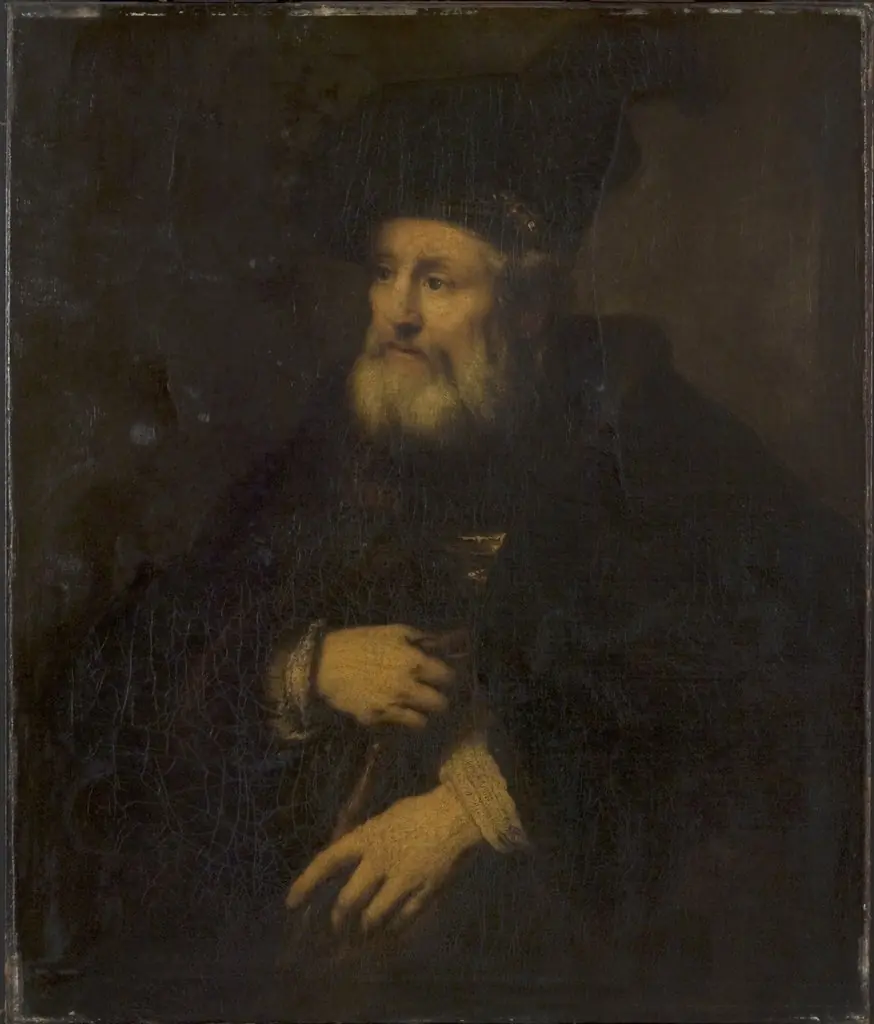 Old Man in Fanciful Costume Holding a Stick
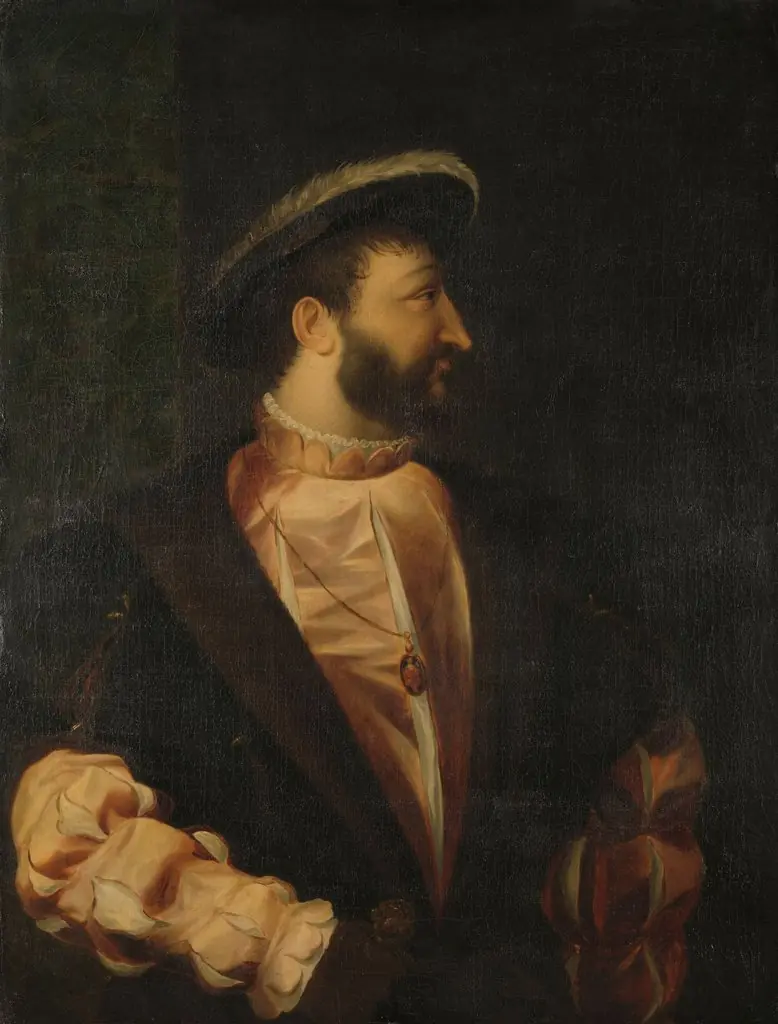 Portrait of Francis I, King of France
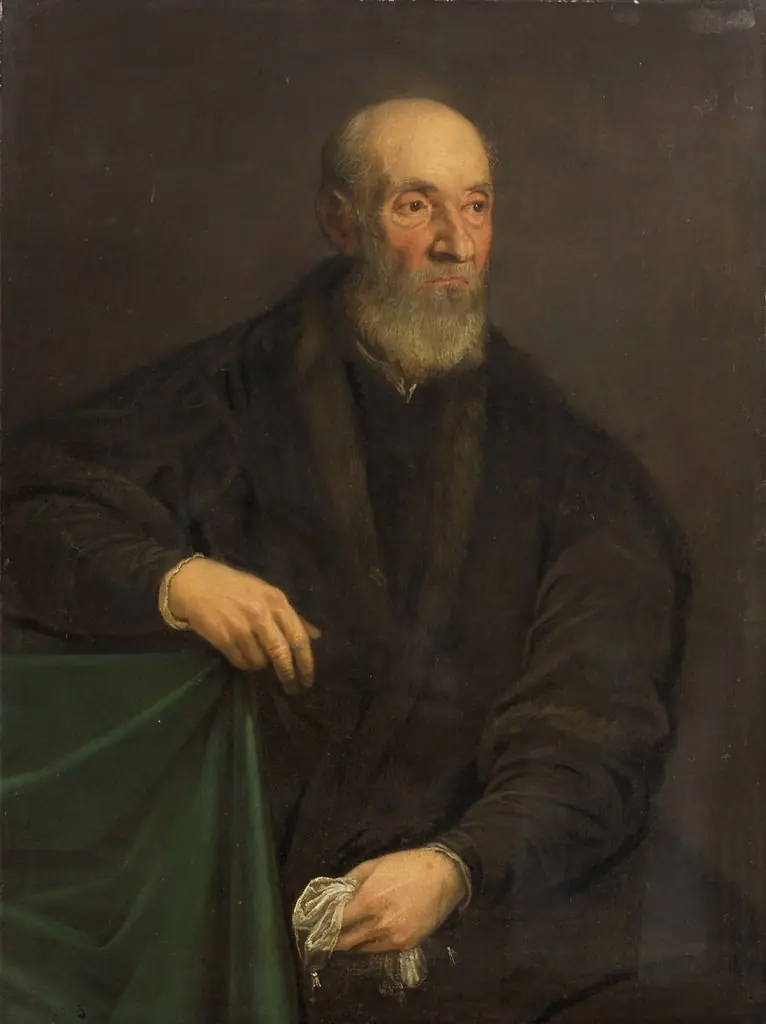 Bildnis eines alten Mannes, an einem Tisch sitzend
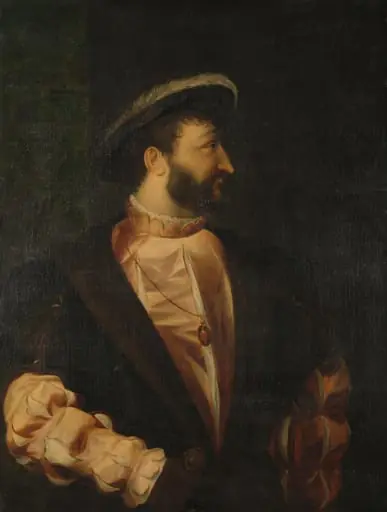 Francis I (1494-1547), King of France
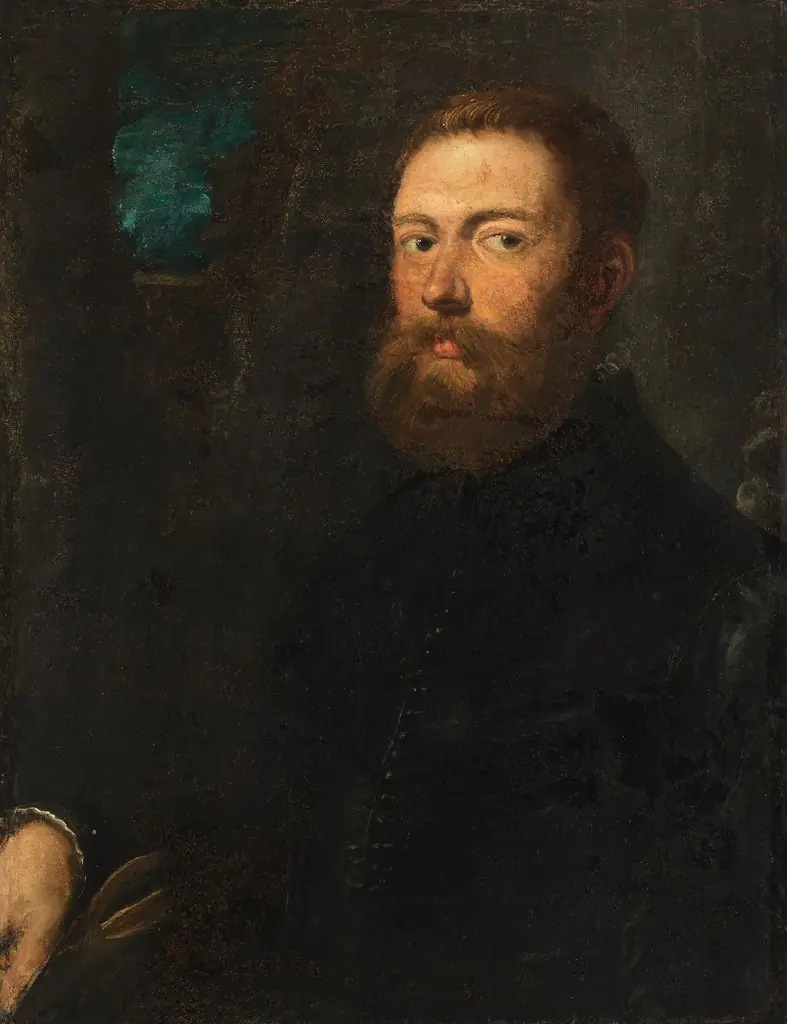 Bildnis eines Mannes
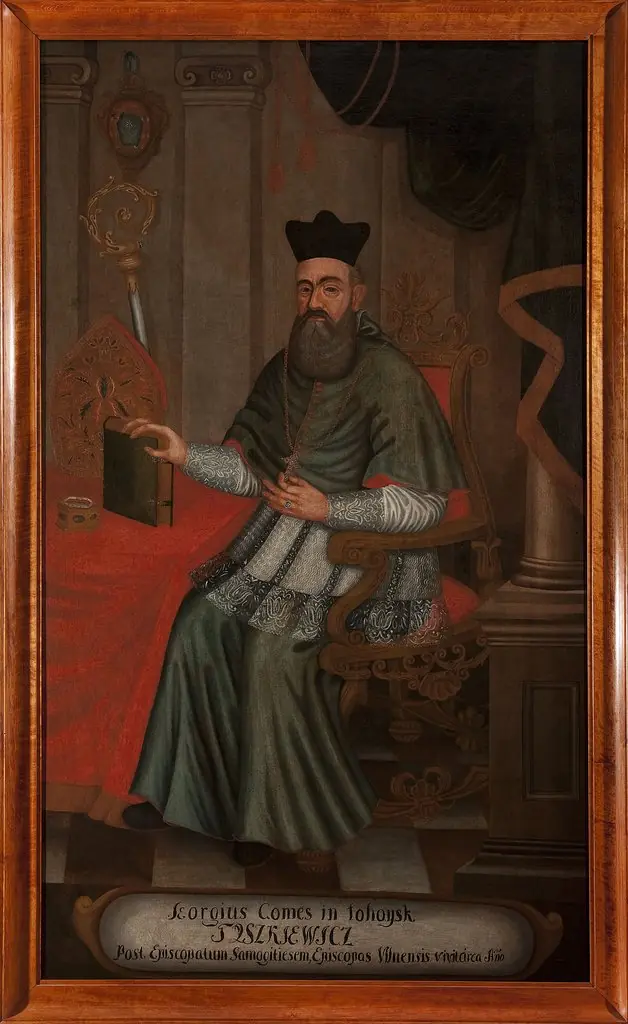 Portrait of Jerzy Tyszkiewicz (1596–1656), Leliwa coat of arms, bishop of Vilnius
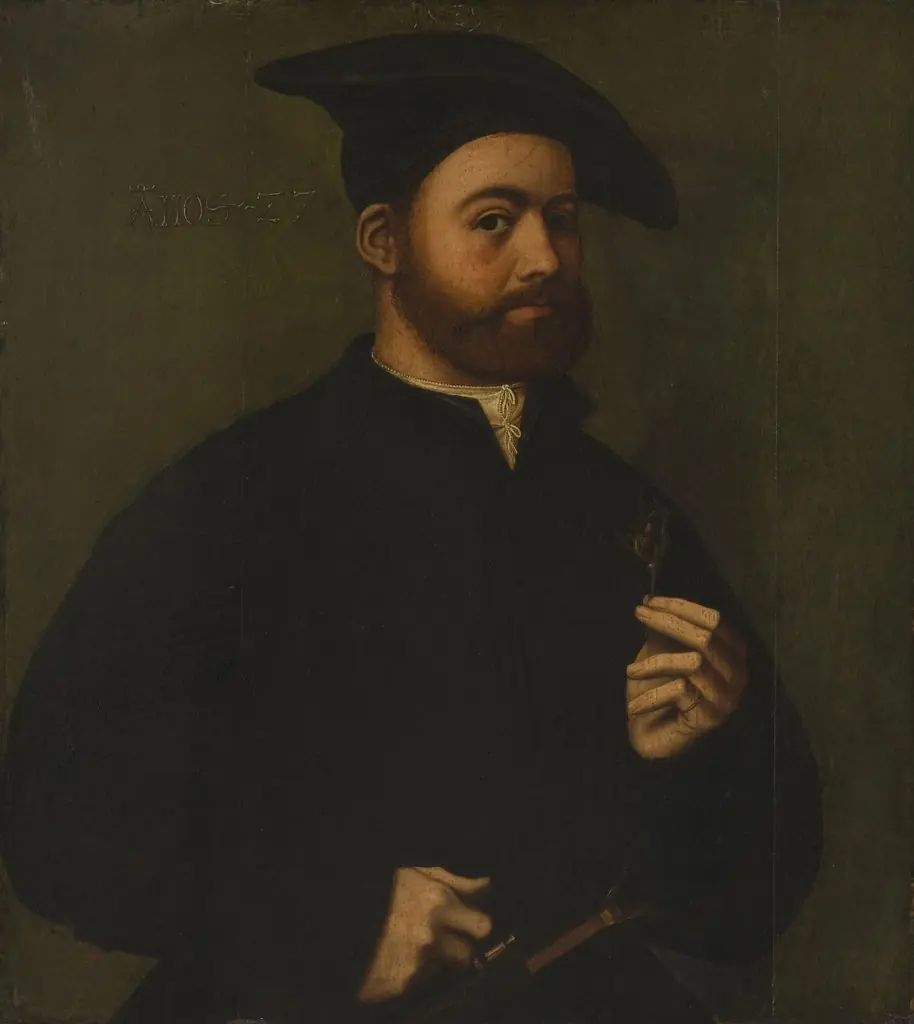 Portrait of a Man Holding a Rose
 Giovanni della Casa (1503-1556)