Artwork
Francis I (1494-1547), King of France
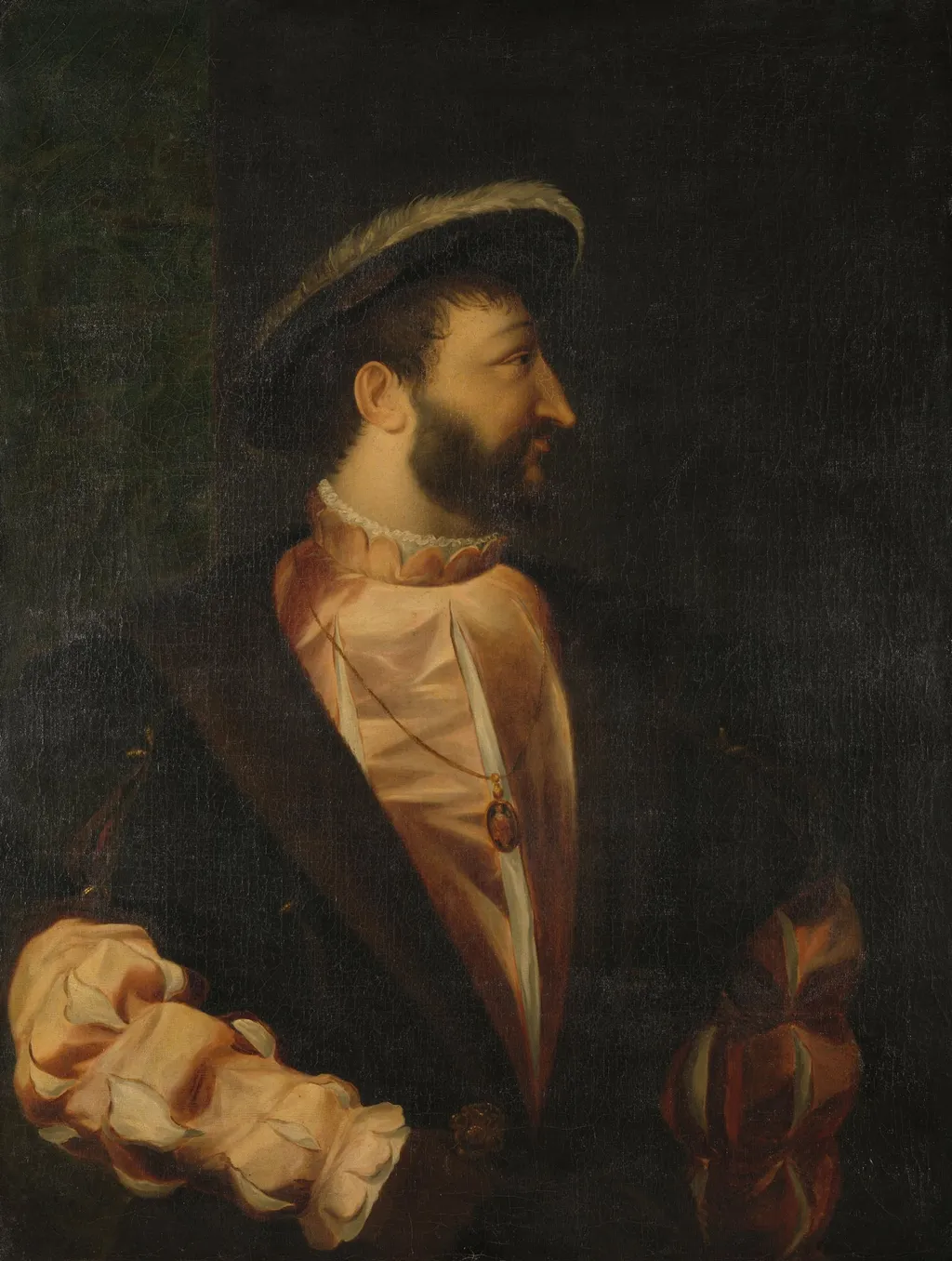
Francis I (1494-1547), King of France is an unspecified painting by the Neoclassicist artist Unknown. It dates from 1809 and is held in the collection of the Rijksmuseum. This is a 19th-century copy of a 16th-century portrait of Francis I, King of France.
About this work
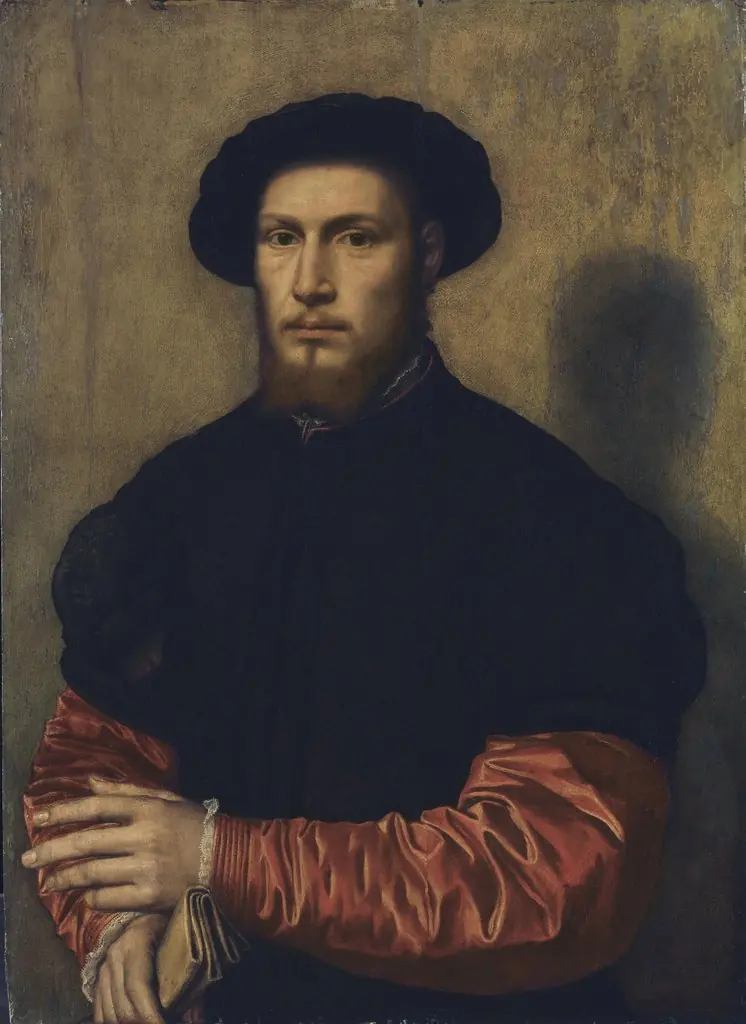
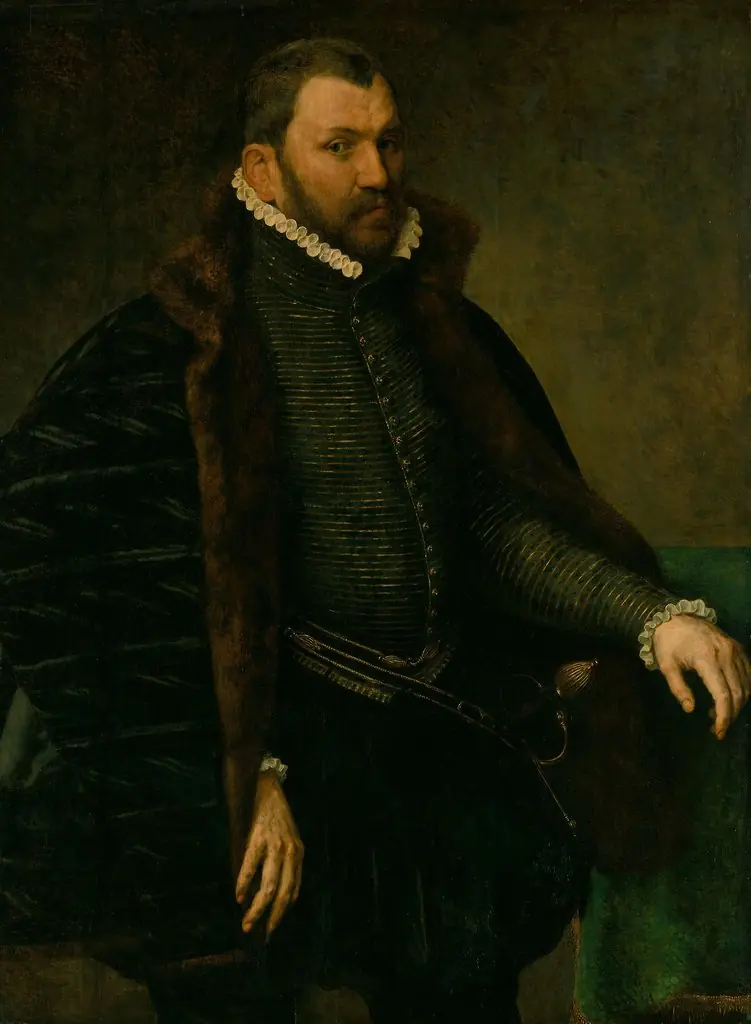
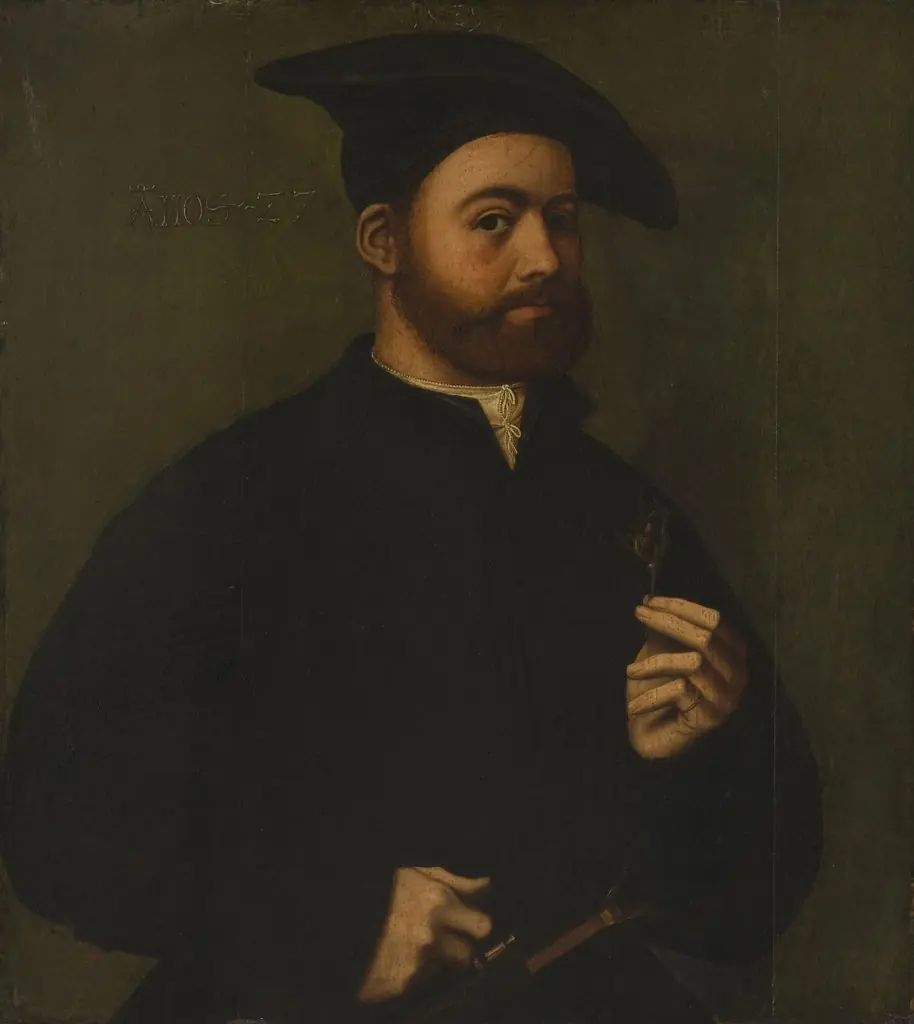
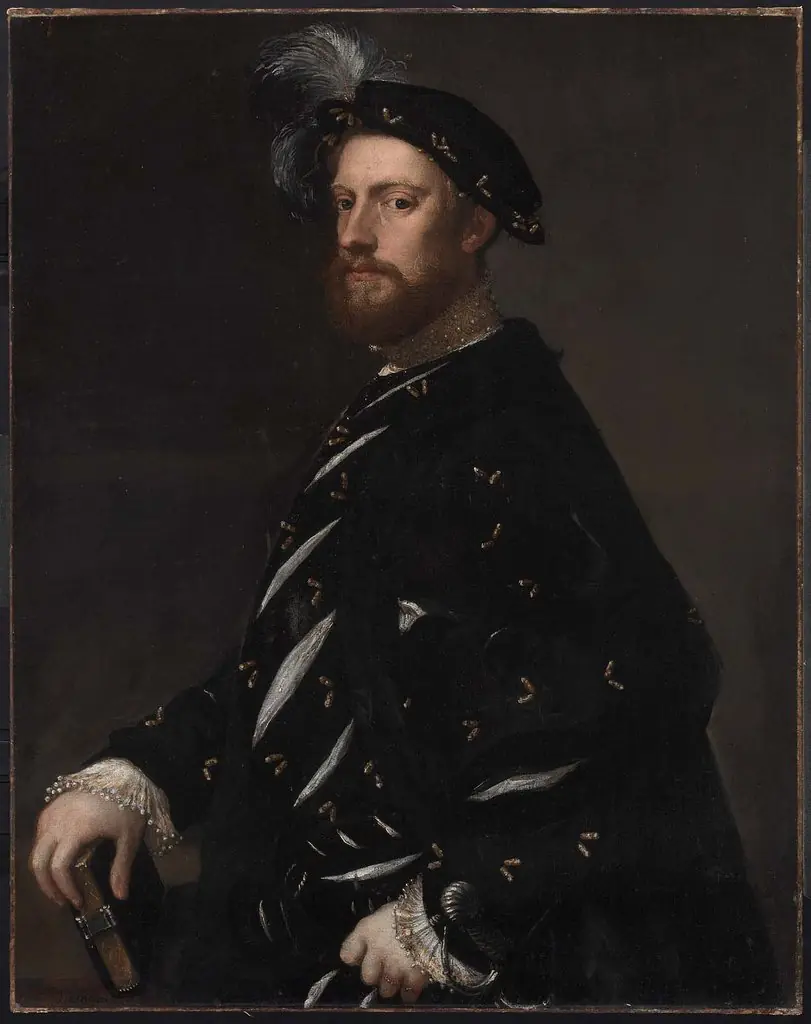
This is a side-view portrait of a man in fancy 16th-century clothes—puffed sleeves, gold chains, a black cap.
This is a side-view portrait of a man in fancy 16th-century clothes—puffed sleeves, gold chains, a black cap. His face is sharp, with a long nose and a small beard.
It’s not a painting of the real Francis I. The king died in 1547, but this copy was made in 1809, over 250 years later. Someone in the 1800s looked at an older portrait in the Louvre and painted this version. We don’t know who did it or why.
If you like old royal portraits, spend time in the Rijksmuseum—they have rooms full of them.
Overview
This is a 19th-century copy of a 16th-century portrait of Francis I, King of France. Executed in 1809, it depicts the monarch in profile to the right, dressed in elaborate court attire typical of his era. The original, now in the Louvre, was likely painted during Francis’s lifetime; this version is a later reinterpretation, made more than two centuries after his death, without documented attribution to the artist.
Subject & Meaning
The portrait presents Francis I as a sovereign figure, emphasizing status through ornate clothing: gold chains, padded sleeves, and a black cap. The profile view follows Renaissance conventions of royal representation, aiming to convey dignity and authority rather than psychological depth. The image functions as a symbolic assertion of monarchy, not a personal likeness, reflecting how royal identity was visually maintained long after the subject’s death.
Technique & Style
The painting employs smooth brushwork and muted tones to replicate the formal aesthetic of early 16th-century portraiture. Details such as fabric texture and chain links are rendered with precision, suggesting the copyist sought fidelity to the Louvre original. Yet subtle differences in facial structure and lighting reveal the hand of a later artist working from a distant model, not direct observation.
History & Provenance
The original portrait of Francis I was created during his reign, likely by a French or Italian artist in the 1520s–1530s. This version, dated 1809, was produced in the Netherlands, possibly for a private collector or institutional collection. No records identify the copyist, nor the motive behind its creation, though it aligns with early 19th-century European interest in historical royal imagery.
Context
In the early 1800s, European museums and aristocrats increasingly collected and reproduced portraits of historical monarchs as symbols of lineage and cultural heritage. This copy reflects a broader trend of reviving Renaissance imagery during a period of political upheaval, where visual continuity with the past offered stability. The Rijksmuseum’s holdings of such works underscore the Netherlands’ role in preserving and reinterpreting Northern European royal iconography.
Legacy
Though not an original work of the Renaissance, this painting contributes to the layered history of Francis I’s visual representation. It demonstrates how royal images were transmitted across centuries, adapted by later generations with varying degrees of accuracy. Its existence in a major museum collection highlights the enduring function of portraiture as a tool of historical memory, regardless of temporal distance from the subject.
Artist & collection

 Domestic Scene
 Giacomo and Cardinal Marco, investing Andrea, Abbot of San Zeno, with his Benefice
 The Nymph of Fontainebleau
 Portrait of a Woman
 Madonna and Child with Saints in the Enclosed Garden
 Venus and Minerva
 Family Group of Four on Sofa
 Wall painting from Room H of the Villa of P. Fannius Synistor at Boscoreale