Artwork
The Life of Saint Genevieve
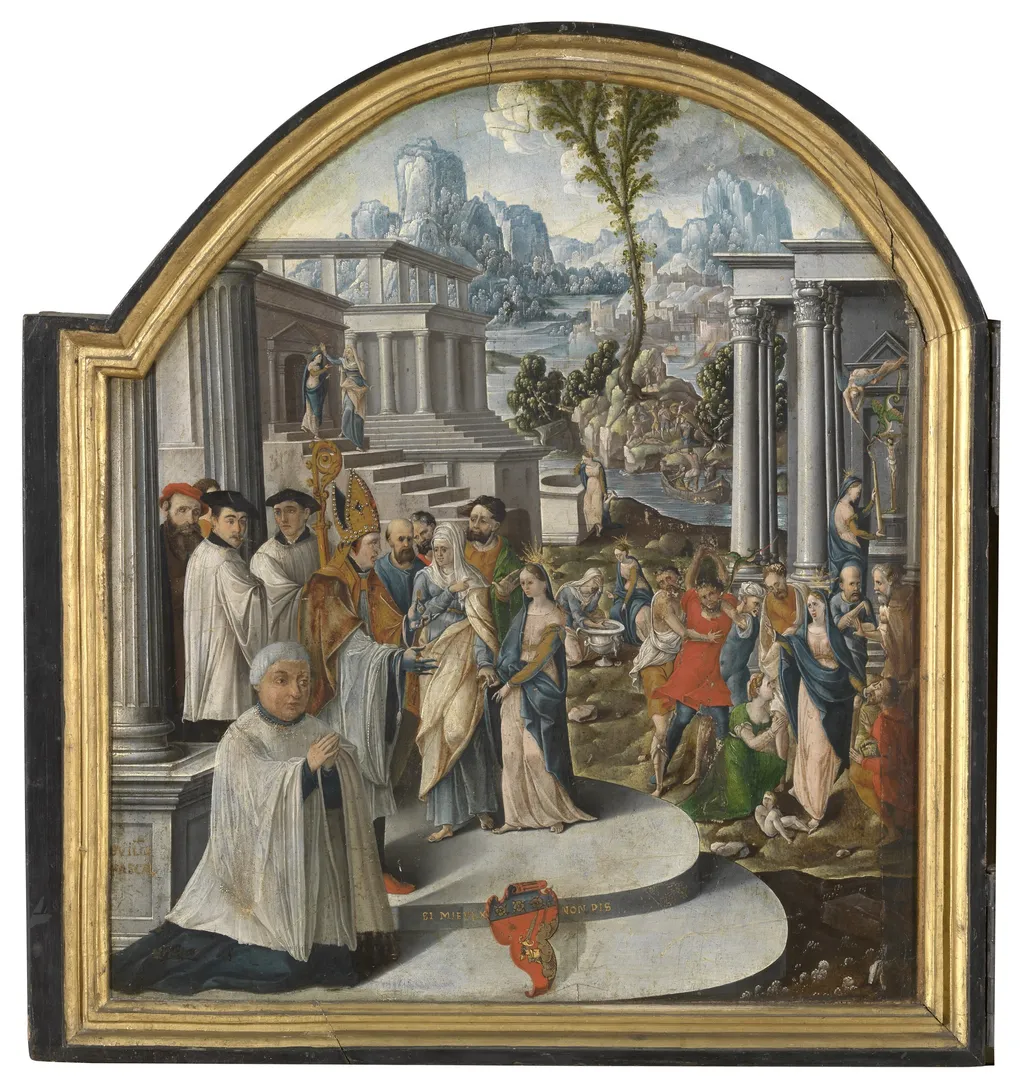
The Life of Saint Genevieve is an oil painting by the Early Baroque Italian artist Unknown. It dates from 1544 and is held in the collection of the Royal Museum of Fine Arts Antwerp.
About this work
Overview
The landscape behind includes a river and distant mountains, anchoring the scene in a natural setting while the gold arch elevates its spiritual tone.
This oil painting depicts a scene from the life of Saint Genevieve, the patron saint of Paris. The central figure, dressed in a white robe, stands on a raised platform beneath a gold-arched frame. Surrounding her are figures in varied attire, suggesting a gathering of followers or townspeople. The landscape behind includes a river and distant mountains, anchoring the scene in a natural setting while the gold arch elevates its spiritual tone.
Subject & Meaning
The painting illustrates Saint Genevieve’s role as a spiritual leader and protector. Her central placement and luminous robe signify her sanctity, while the attentive crowd around her reflects her influence over the community. The river and mountains may allude to her legendary miracles involving water and guidance through nature, reinforcing her connection to divine intervention in daily life.
Technique & Style
The artist employs oil paint to create soft transitions in light and fabric, emphasizing the saint’s serene presence. The gold arch frames the scene like a reliquary, directing focus to the central figure. Color contrast—white against muted tones in the crowd—enhances her prominence. The composition is symmetrical and hierarchical, typical of devotional imagery, where spatial arrangement conveys spiritual order.
History & Provenance
The painting likely originated in a religious context, possibly commissioned for a church or private chapel dedicated to Saint Genevieve. Its format and iconography suggest it was created during the late medieval or early Renaissance period, when hagiographic imagery was common in Western Europe. Exact origins remain undocumented, but its style aligns with devotional works from northern France or the Low Countries.
Context
Saint Genevieve was venerated in Paris from the fifth century onward for her role in protecting the city during sieges and her ascetic piety. Paintings like this served to reinforce her cult, especially during times of crisis. The inclusion of a river and mountains reflects local geography and legends tied to her miracles, blending sacred narrative with recognizable landscape to deepen communal devotion.
Legacy
This work contributes to a broader tradition of saintly portraiture that emphasized moral authority through visual hierarchy. Though not widely known today, such images played a key role in shaping public devotion in pre-modern Europe. Its preservation offers insight into how religious identity was visually constructed, with saints serving as both spiritual models and civic symbols.
Artist & collection

 Domestic Scene
 Giacomo and Cardinal Marco, investing Andrea, Abbot of San Zeno, with his Benefice
 The Nymph of Fontainebleau
 Portrait of a Woman
 Madonna and Child with Saints in the Enclosed Garden
 Venus and Minerva
 Family Group of Four on Sofa
 Wall painting from Room H of the Villa of P. Fannius Synistor at Boscoreale
 De roeping van Sint-Antonius
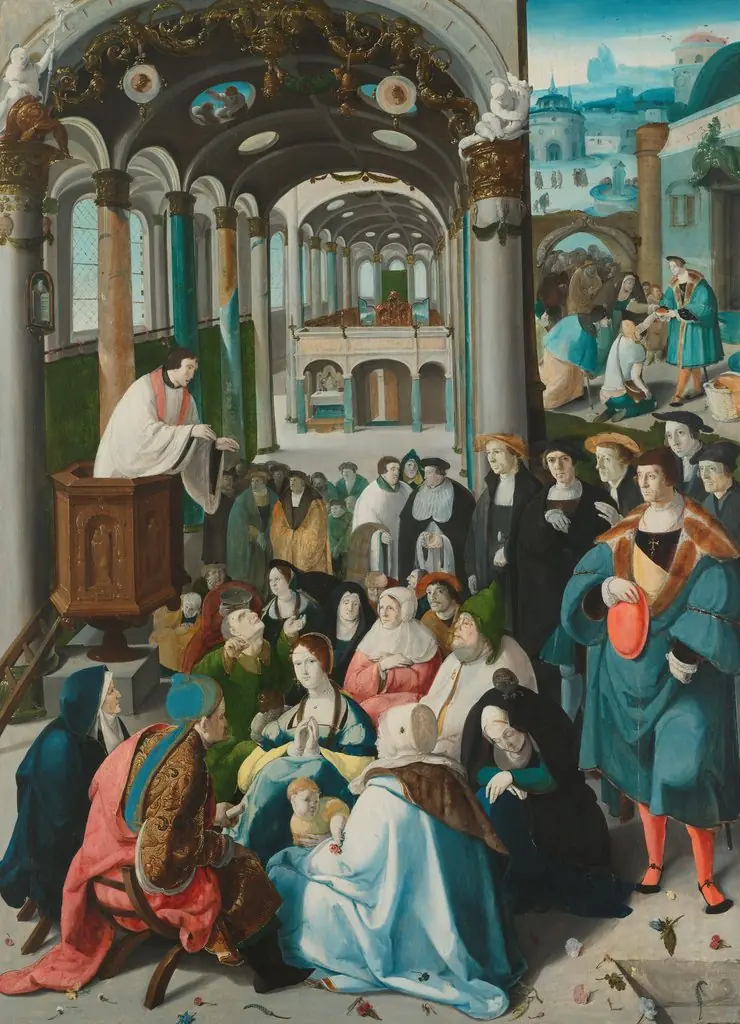 The Calling of Saint Anthony
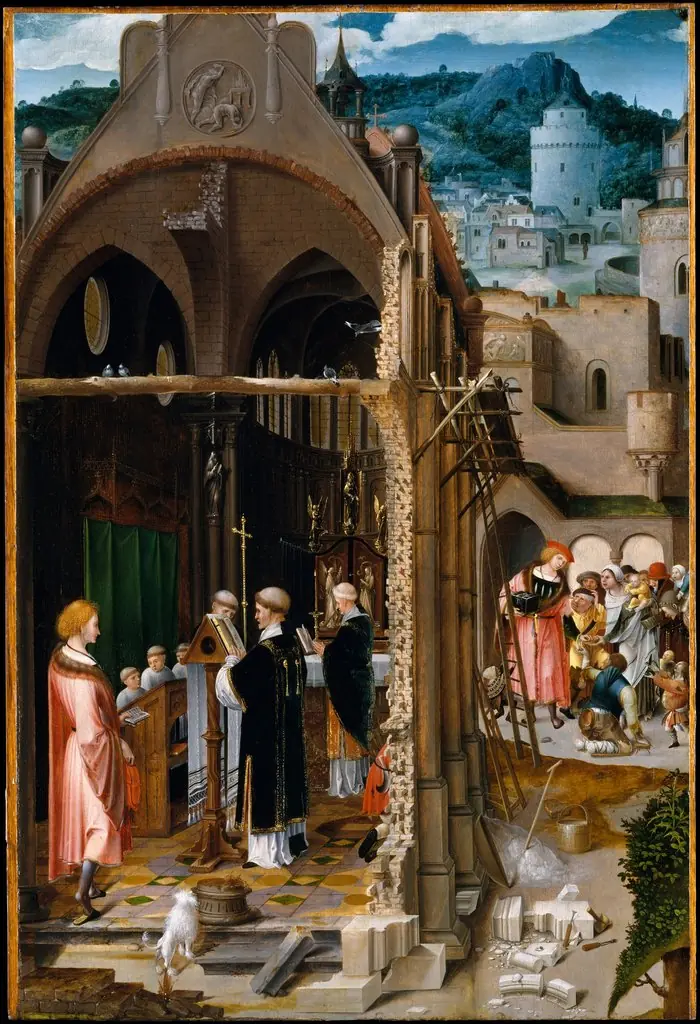 A Sermon on Charity (possibly the Conversion of Saint Anthony)
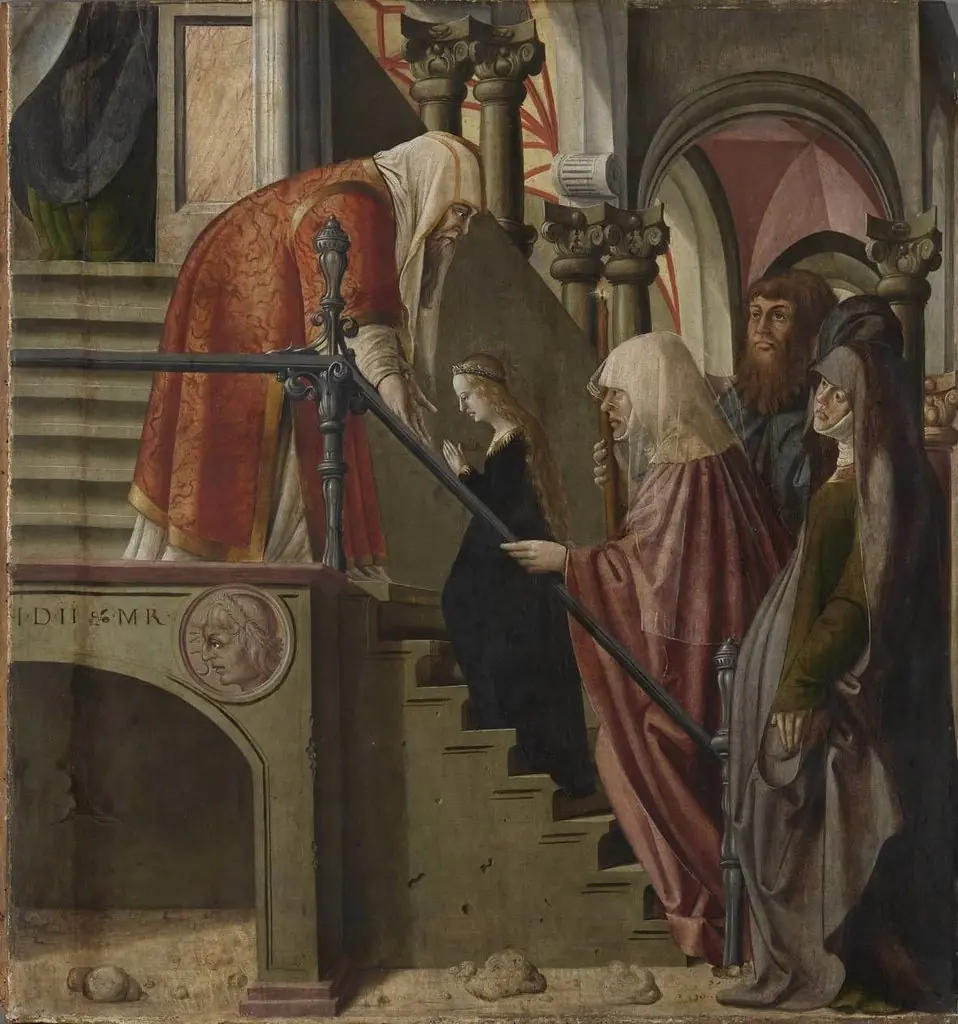 Marienaltar: Tempelgang Mariae
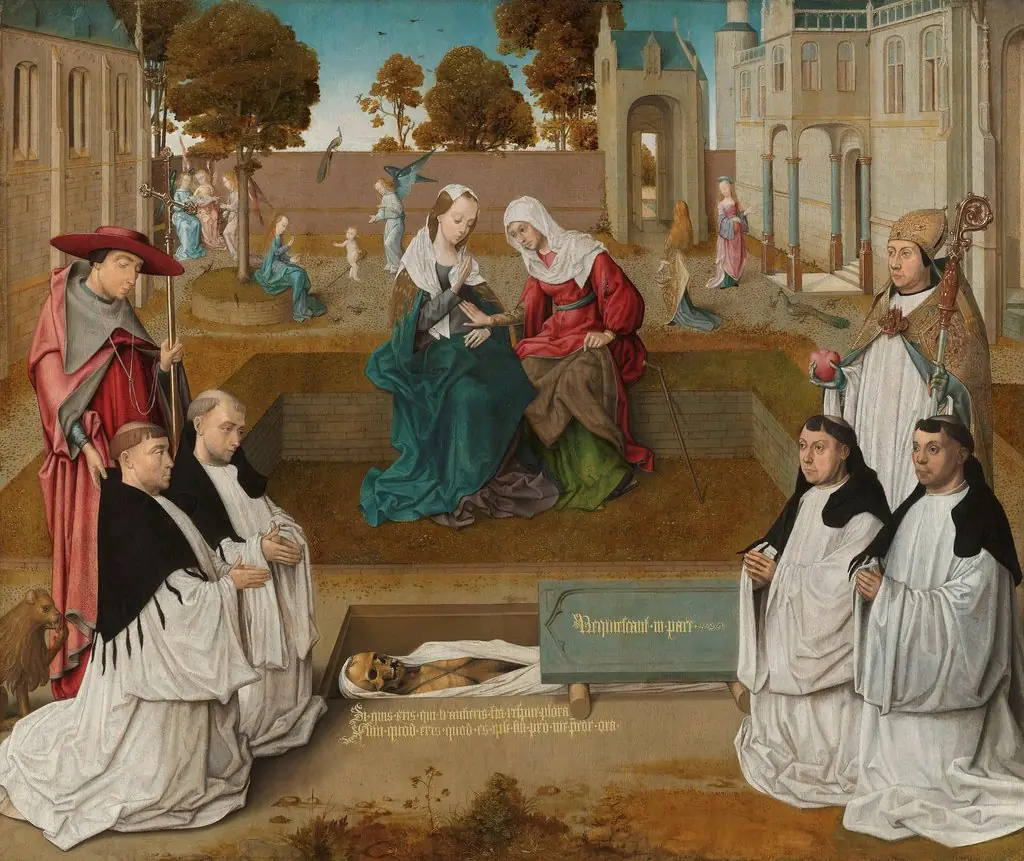 Four canons with Sts Augustine and Jerome by an open grave, with the Visitation
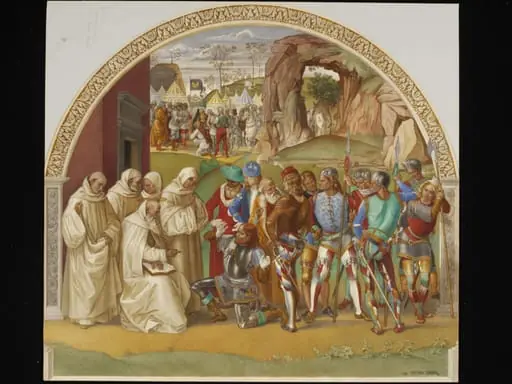 St Benedict and the False King Totila
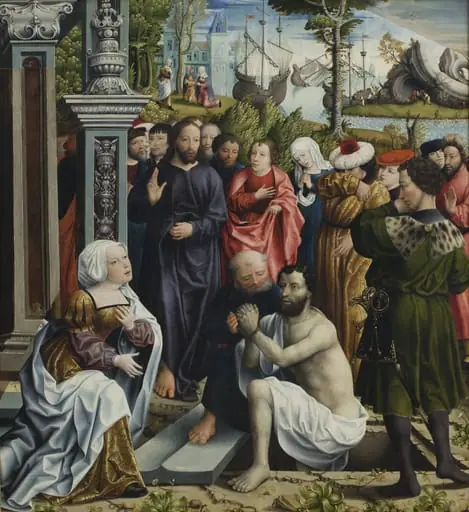 The Raising of Lazarus
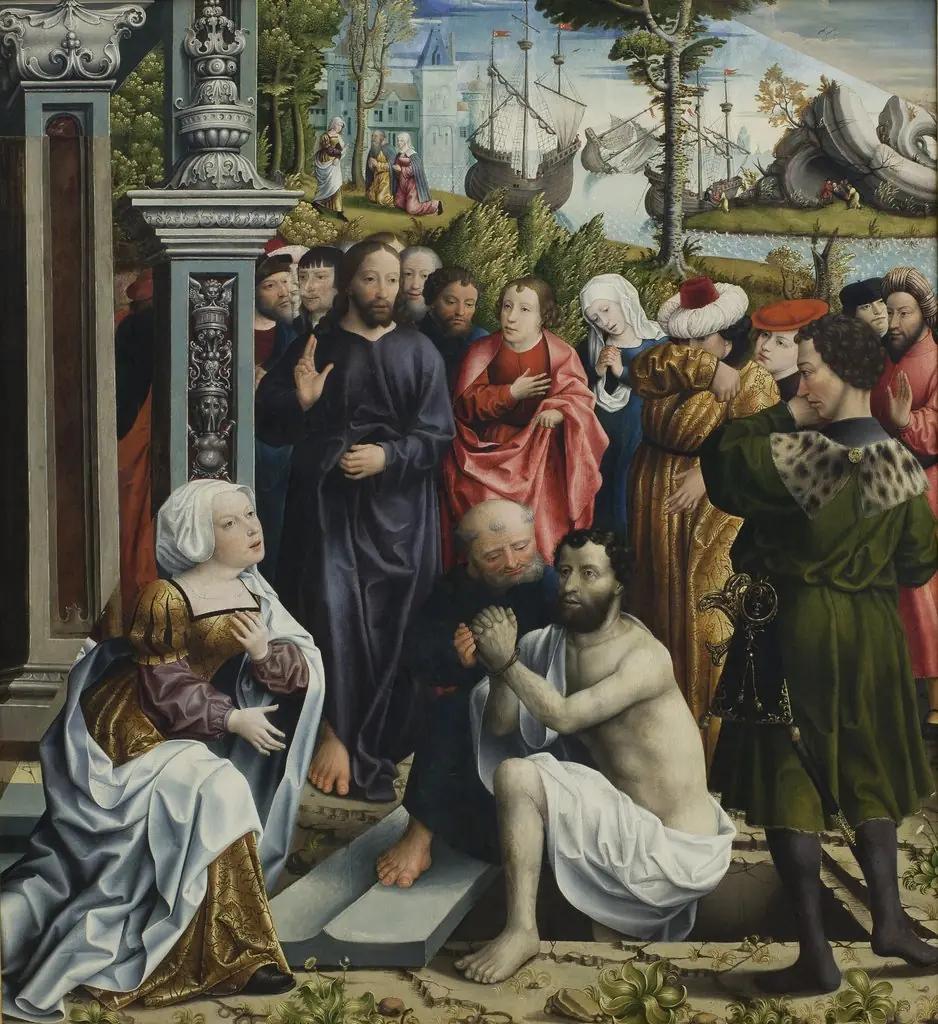 The Raising of Lazarus
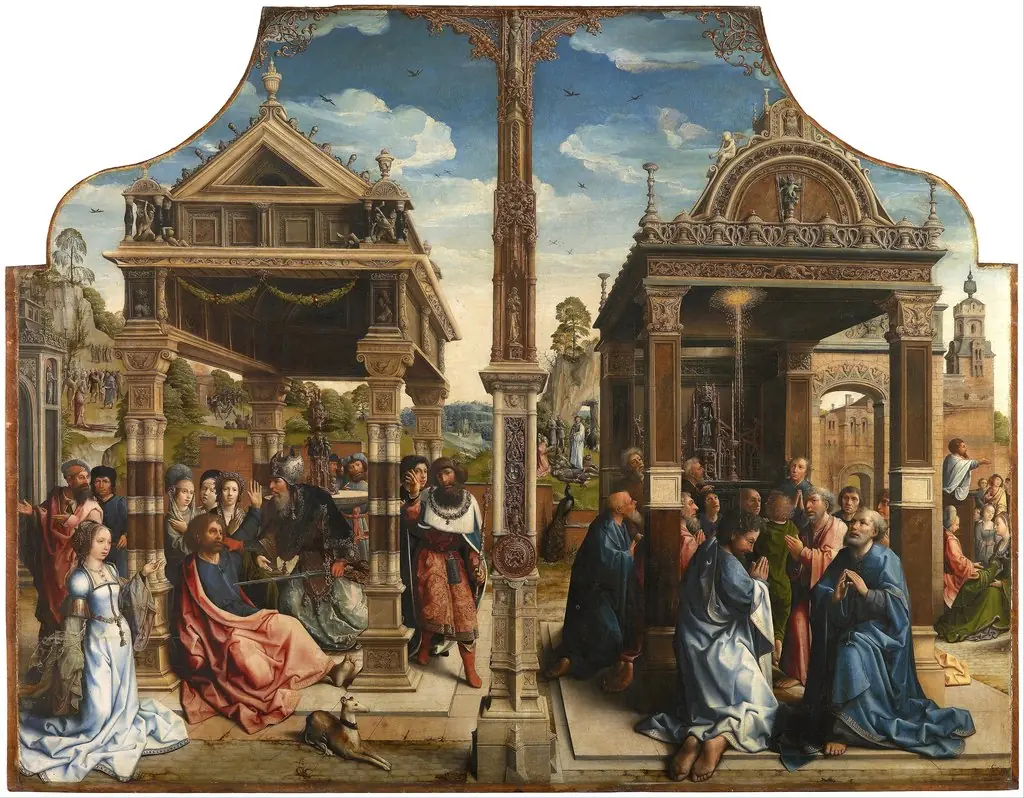 Altarpiece of Saints Thomas and Matthias
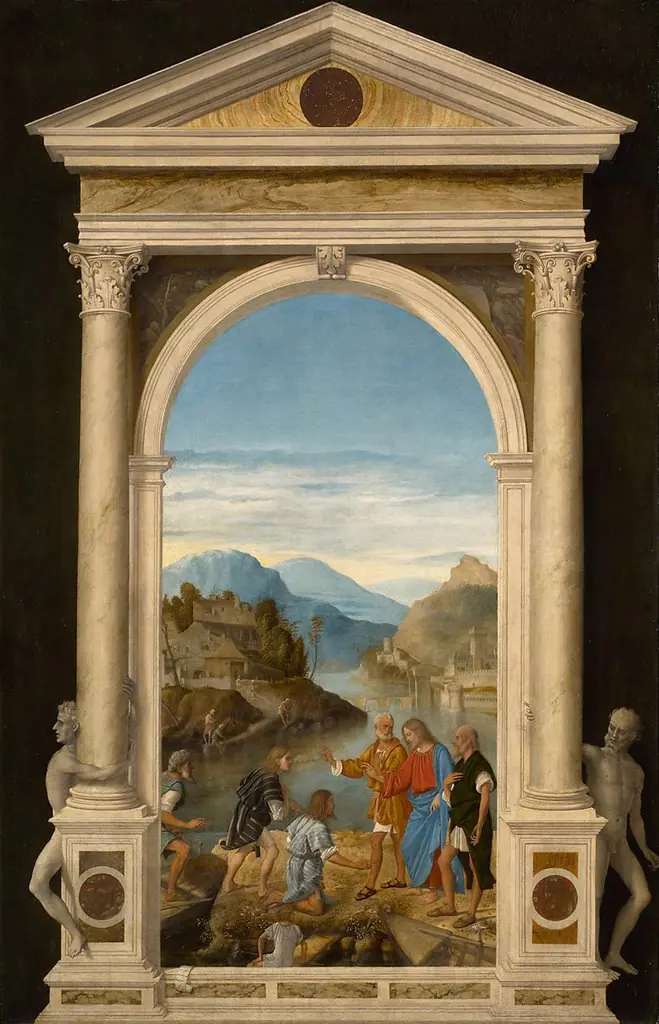 Calling of the sons of Zebedee