Artwork
Marienaltar: Tempelgang Mariae
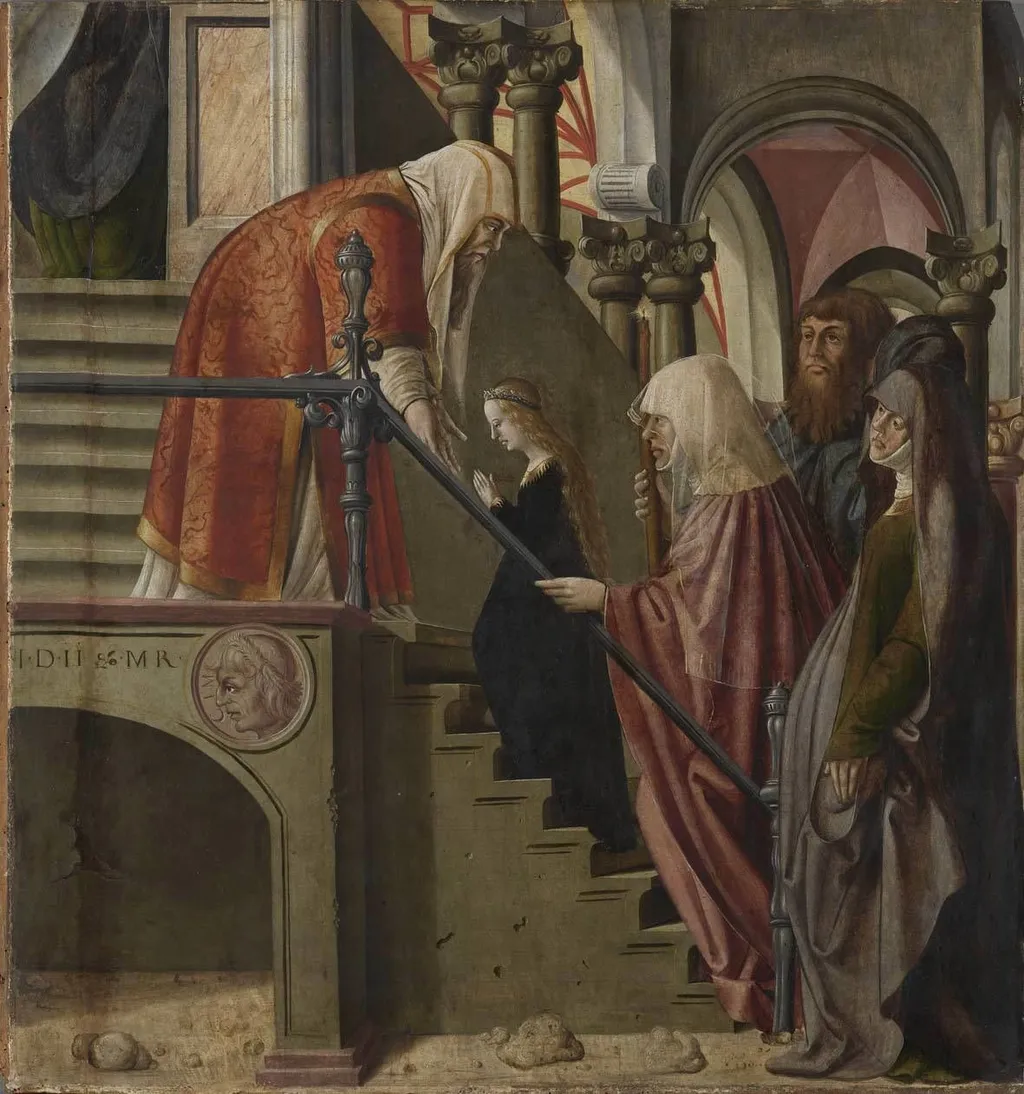
Marienaltar: Tempelgang Mariae is an unspecified painting by the Northern Renaissance artist Marx Reichlich. It dates from 1511 and is held in the collection of the Bavarian State Painting Collections.
About this work
Overview
Marienaltar: Tempelgang Mariae is a 1511 painting by Austrian Northern Renaissance artist Marx Reichlich, depicting a religious scene in a solemn, indoor setting, characterized by muted colors with accents of red and brown.
Subject & Meaning
The painting illustrates the Presentation of Mary at the Temple, a traditional religious subject. A young woman, possibly indicated as royalty or important figure by her crown, receives an item from a robed figure on a raised platform, observed by onlookers, including an older man in a red cloak.
Technique & Style
Reichlich employs muted tones with prominent reds and browns, set against darker backgrounds, suggesting an early use of chiaroscuro principles. Architectural details like columns, steps, and a faded coat of arms add depth and context to the scene.
History & Provenance
Created in 1511 for a church commission, the painting is now part of the Alte Pinakothek collection, reflecting Reichlich's common practice of producing religious works for ecclesiastical patrons.
Context
Part of the Northern Renaissance, this work aligns with Reichlich's oeuvre of traditional religious themes, such as *Adoration of the Magi* and *The Last Judgement*, tailored for church audiences.
Legacy
While specific lasting impacts of *Marienaltar: Tempelgang Mariae* on subsequent art are not prominently documented, it contributes to the broader legacy of Northern Renaissance religious art and the evolution of chiaroscuro techniques in the period.
Artist & collection
Artist
Marx Reichlich (1460–1520) was an Austrian painter. Reichlich was a painter of primarily religious works. He painted a number of traditional scenes as commissions for churches, including "Adoration of the Magi", and…

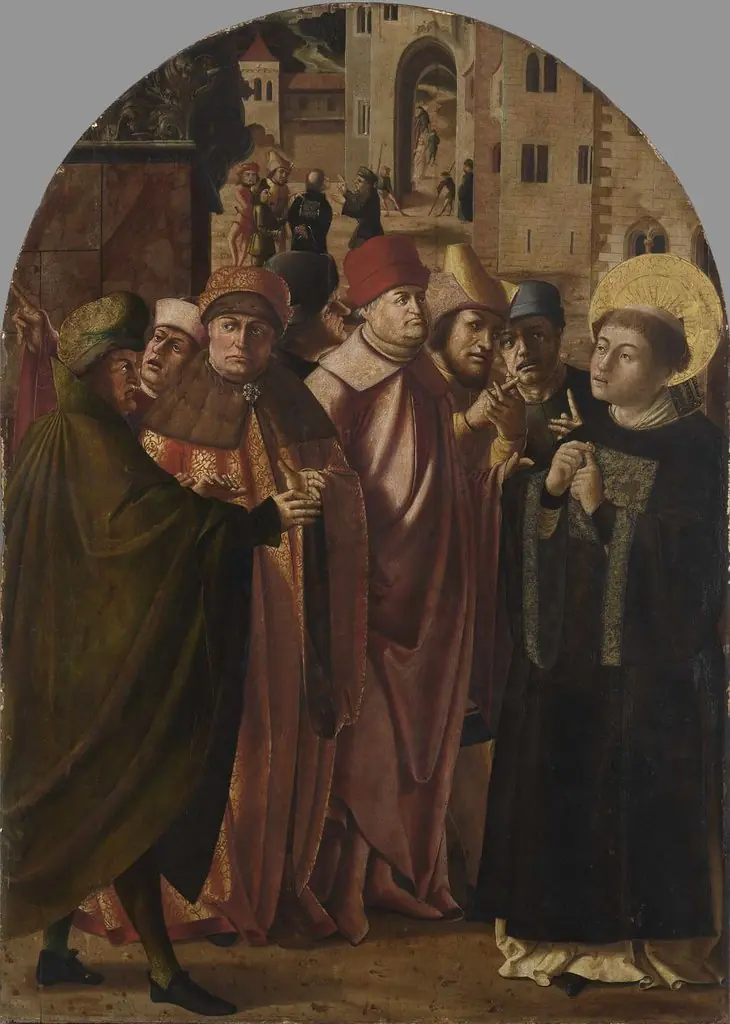 Jakobus-Stephanus-Altar: Disputation des hl. Stephanus
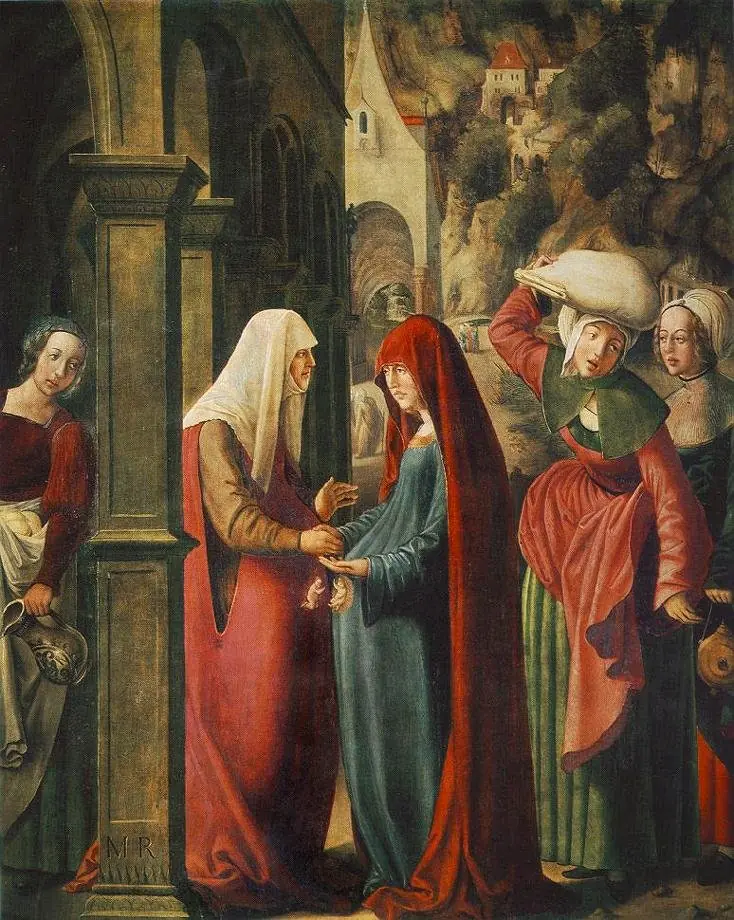 Meeting of Mary and Elisabeth
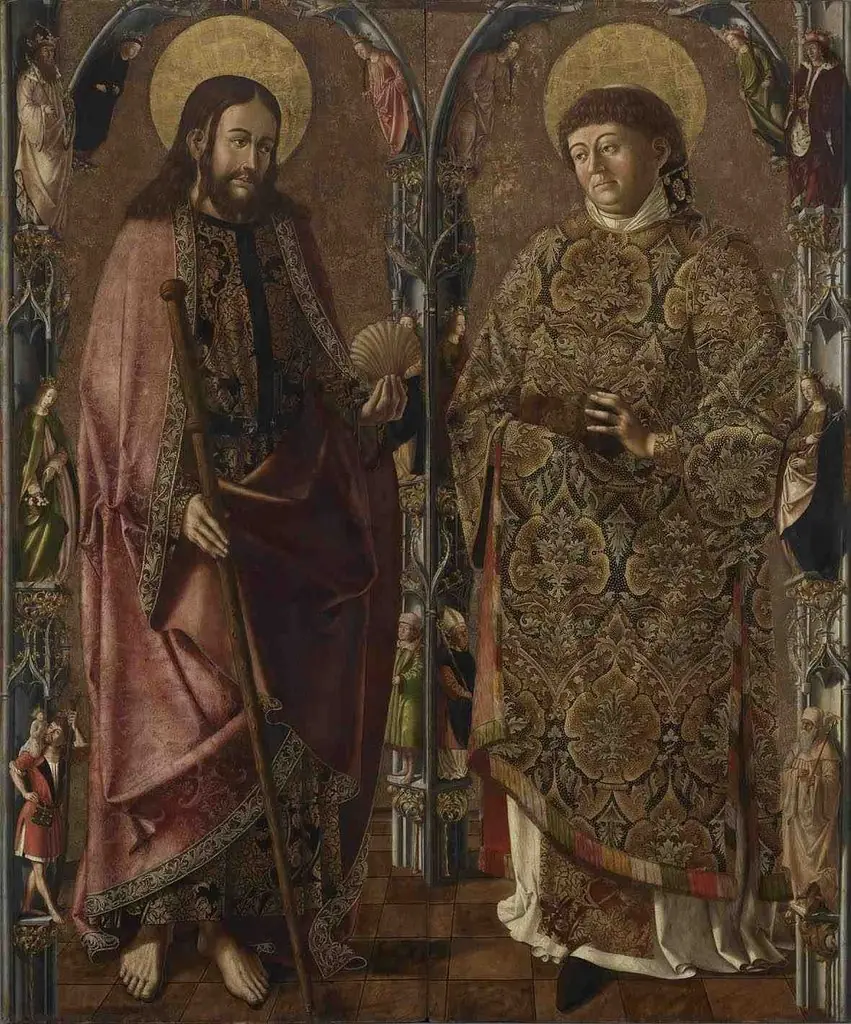 Jakobus-Stephanus-Altar: Die hll. Jakobus und Stephanus
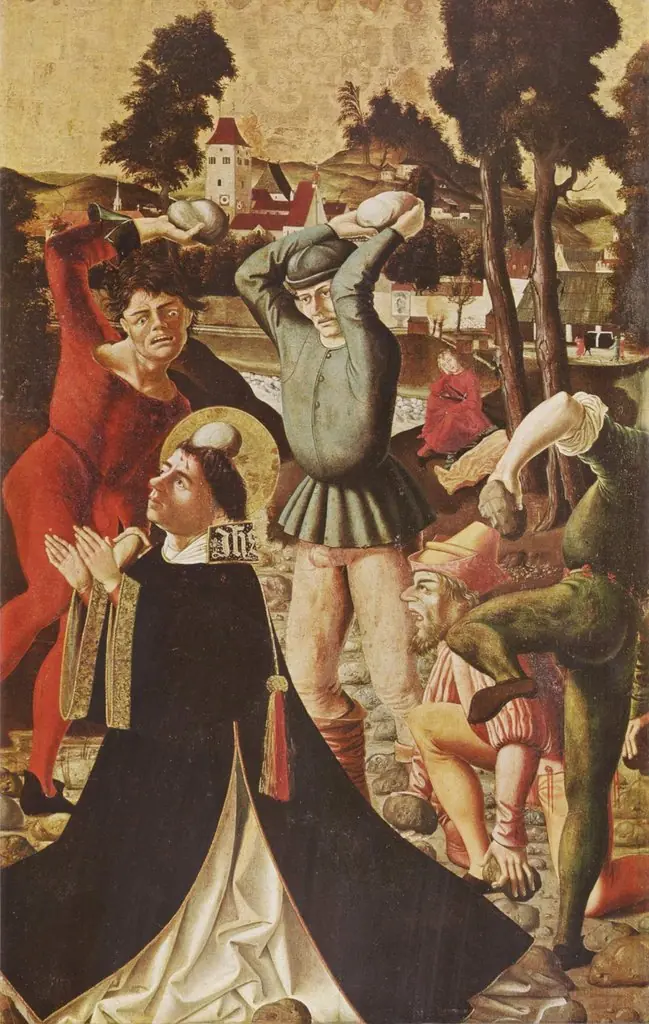 Jakobus-Stephanus-Altar: Steinigung des hl. Stephanus
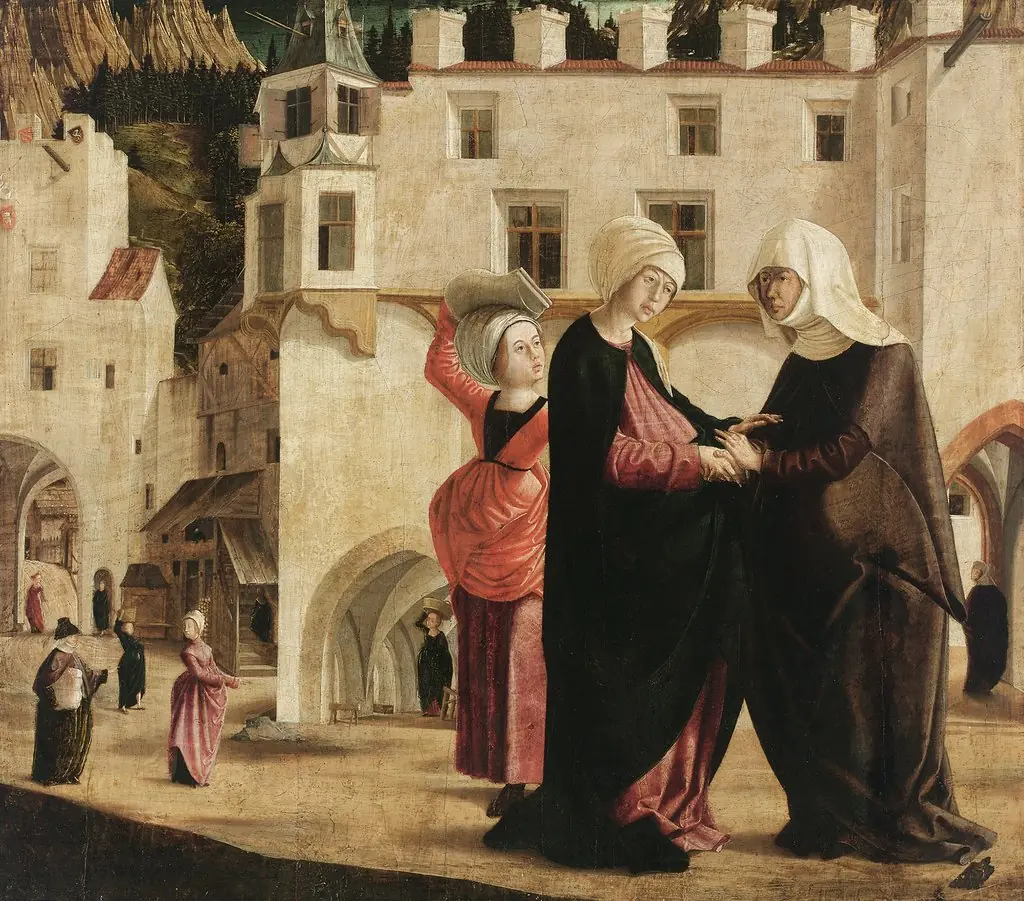 The visitation
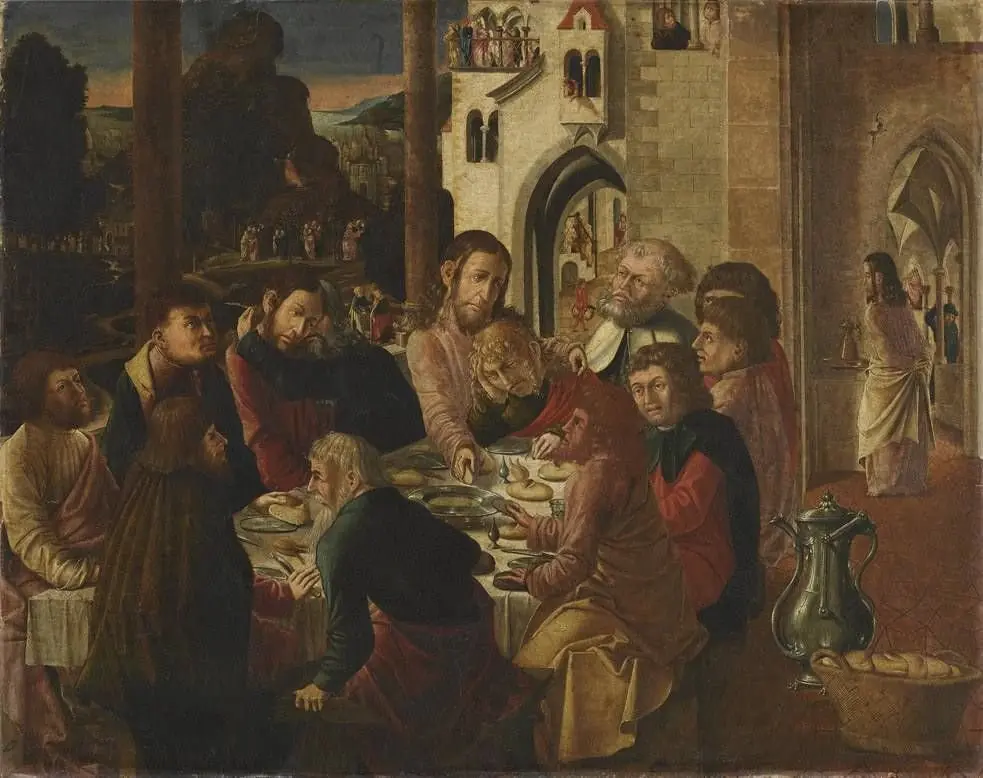 Jacob-Stephen (?): the Last Supper
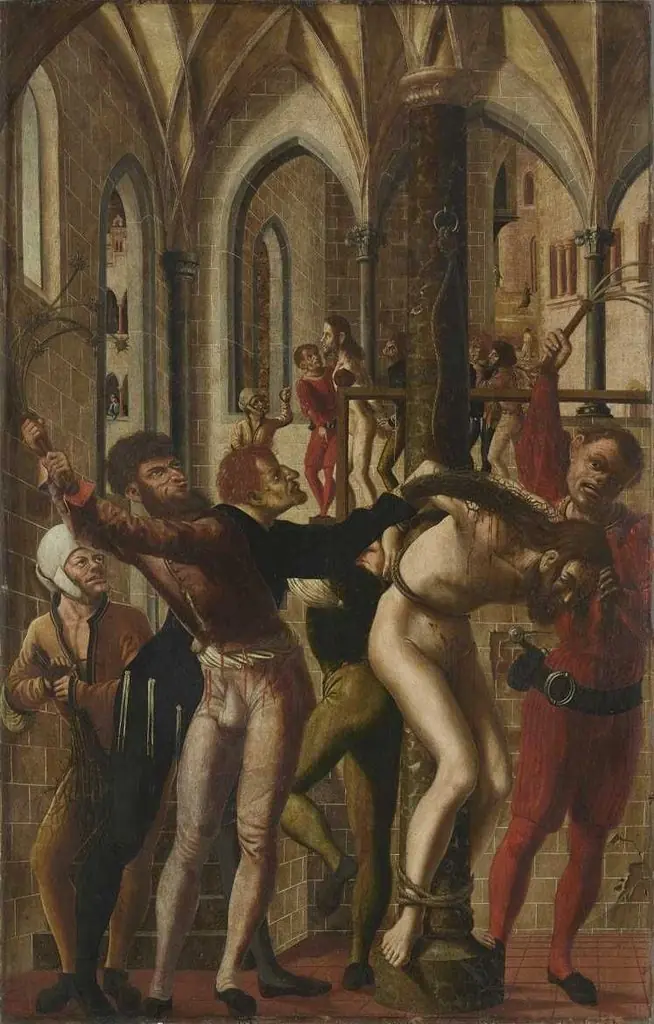 Jakobus-Stephanus-Altar: Geißelung Christi
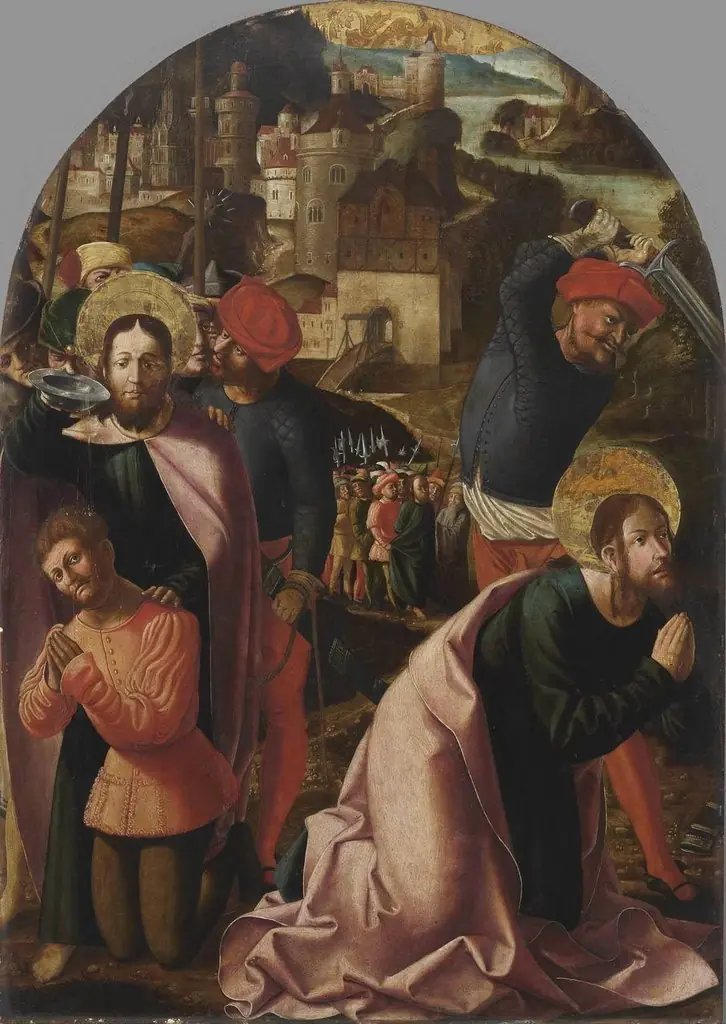 Jakobus-Stephanus-Altar: Der hl. Jakobus tauft Josias und Hinrichtung des Jakobus
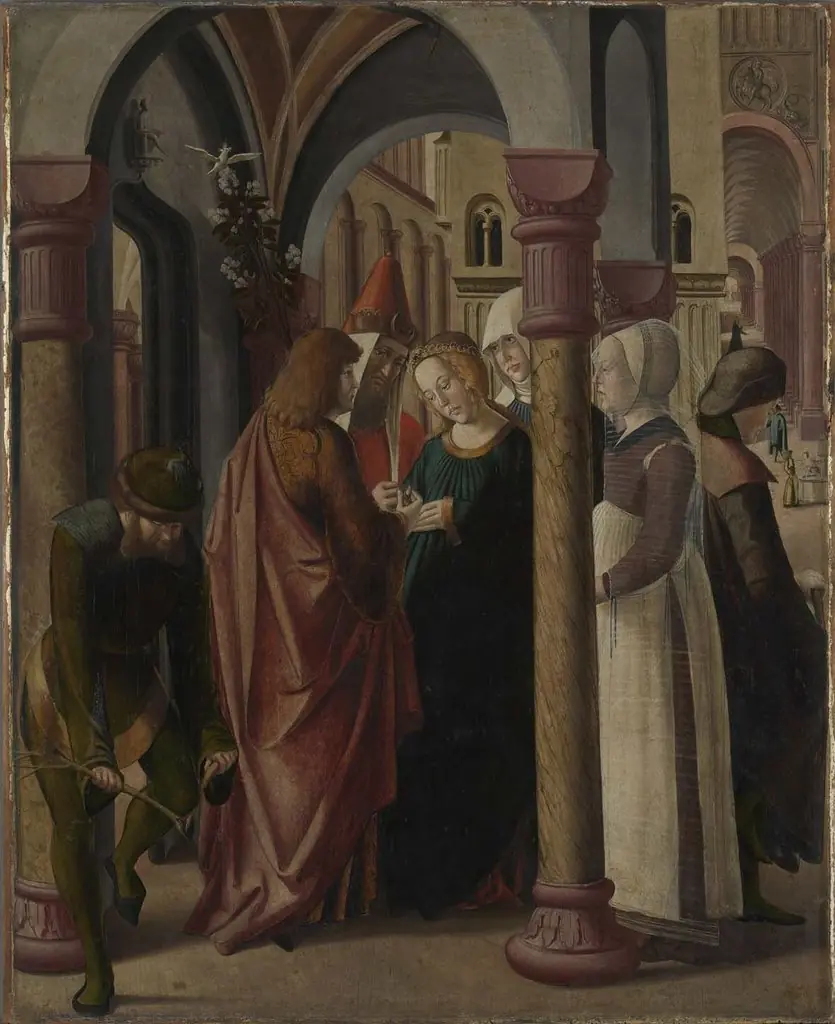 Marienaltar: Vermählung Mariae
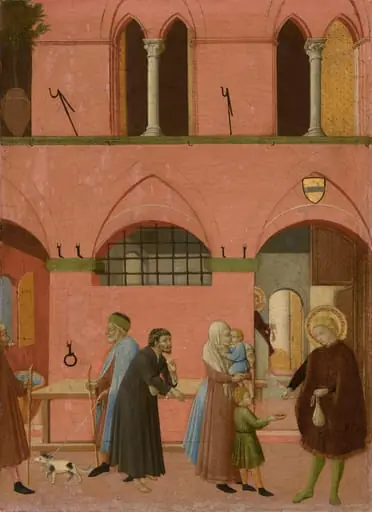 Saint Anthony Distributing His Wealth to the Poor
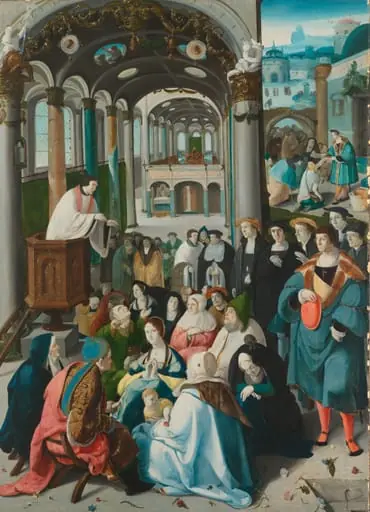 De roeping van Sint-Antonius
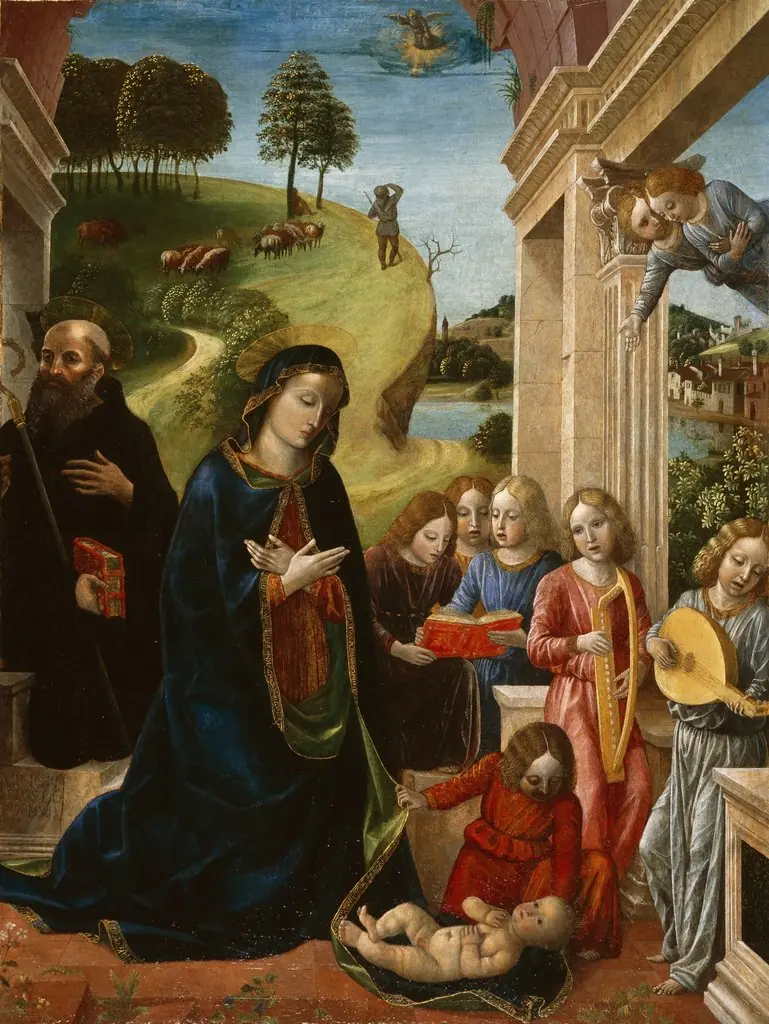 Adoration of the Child with St. Benedict and Angels
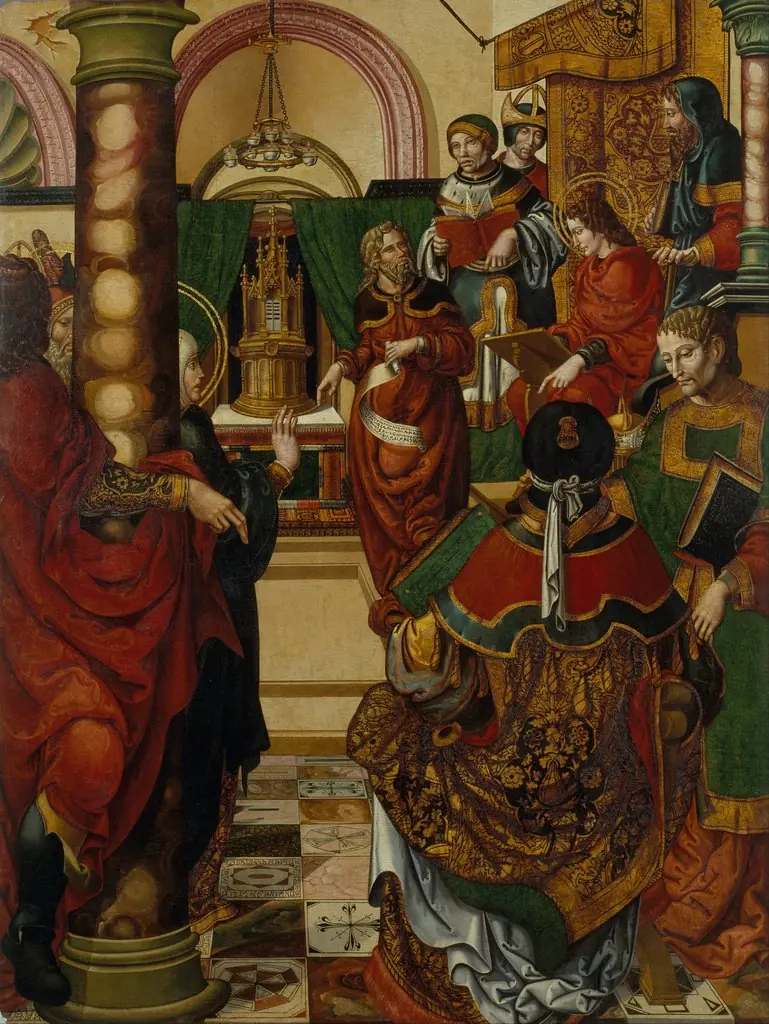 Jesus amongst the Doctors of the Law
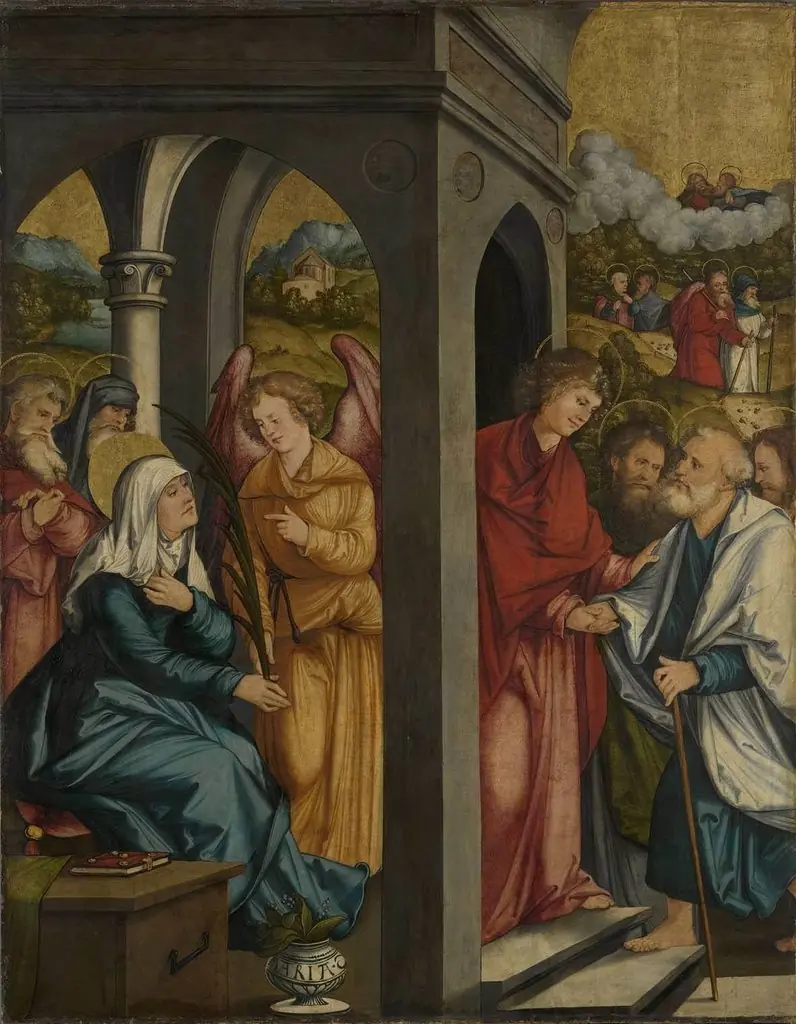 Christgartner Altar: Ein Engel reicht Maria die Palme
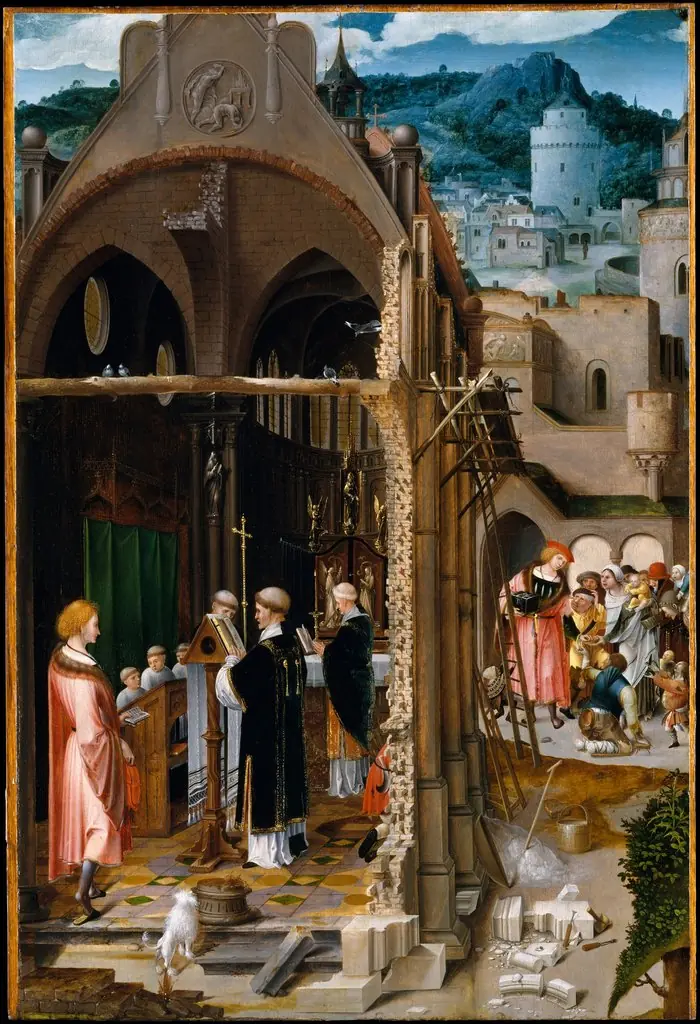 A Sermon on Charity (possibly the Conversion of Saint Anthony)
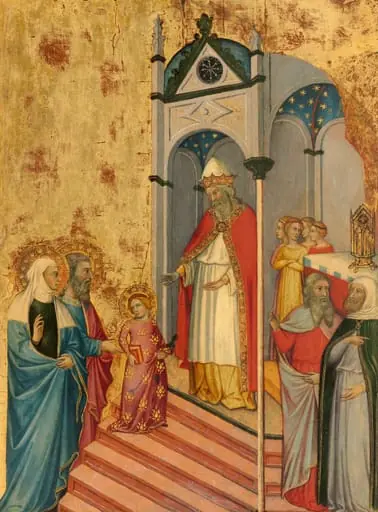 The Presentation of the Virgin in the Temple
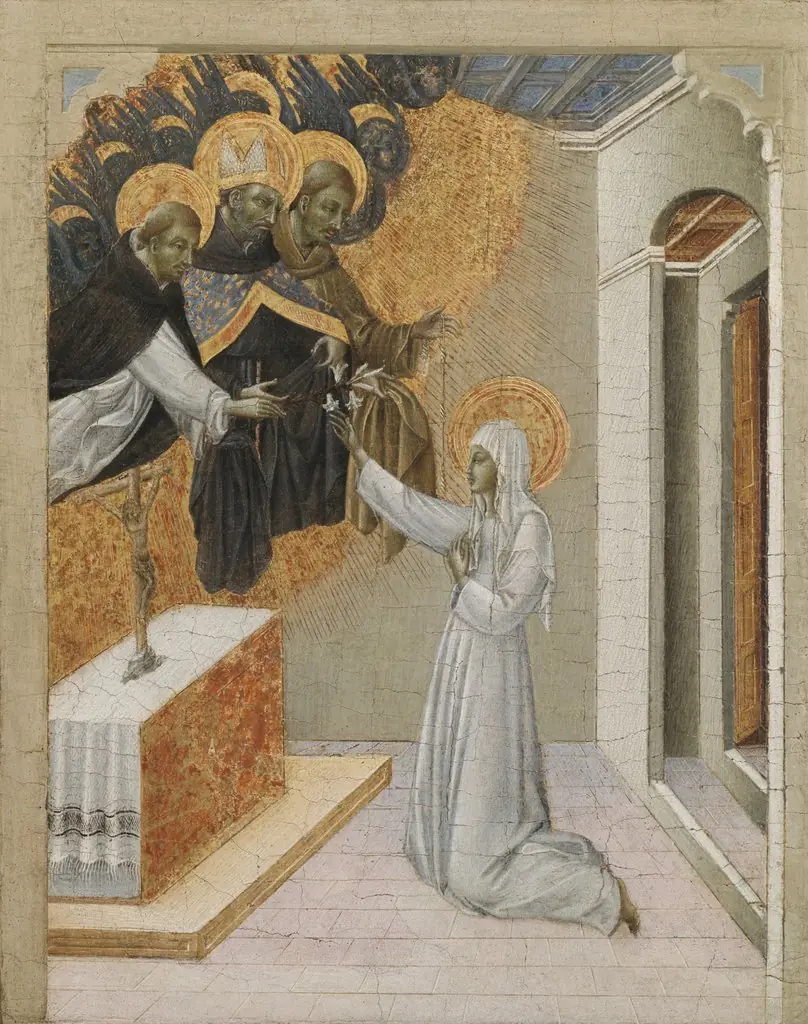 Predella Panel from an Altarpiece: St. Catherine of Siena Invested with the Dominican Habit
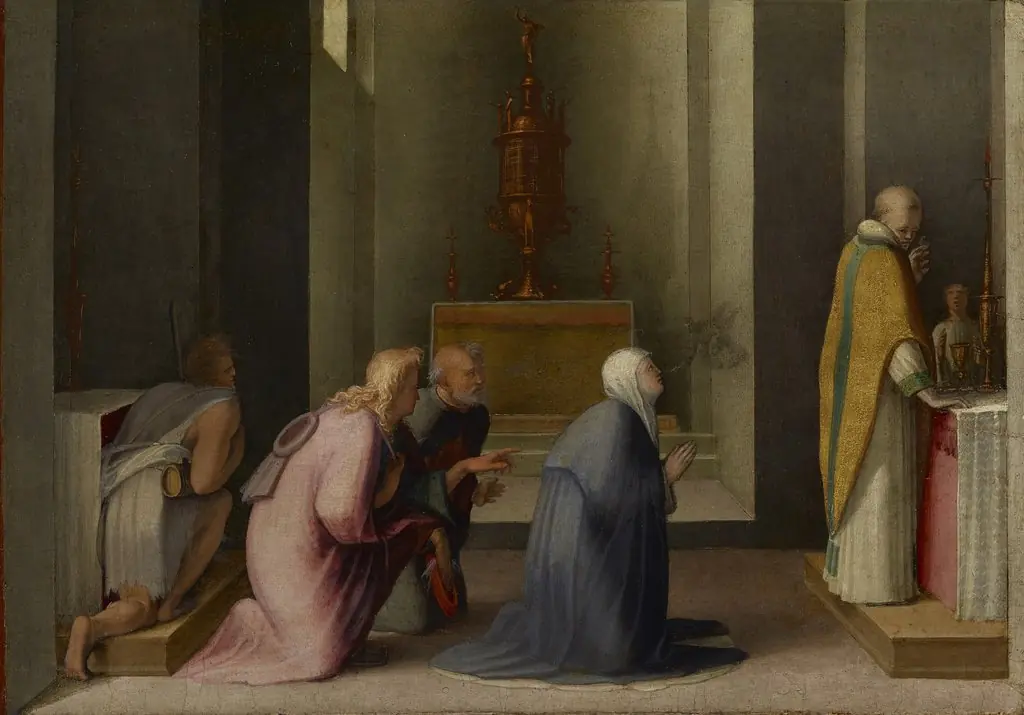 The Miraculous Communion of Saint Catherine of Siena