Artwork
Virgin and Child
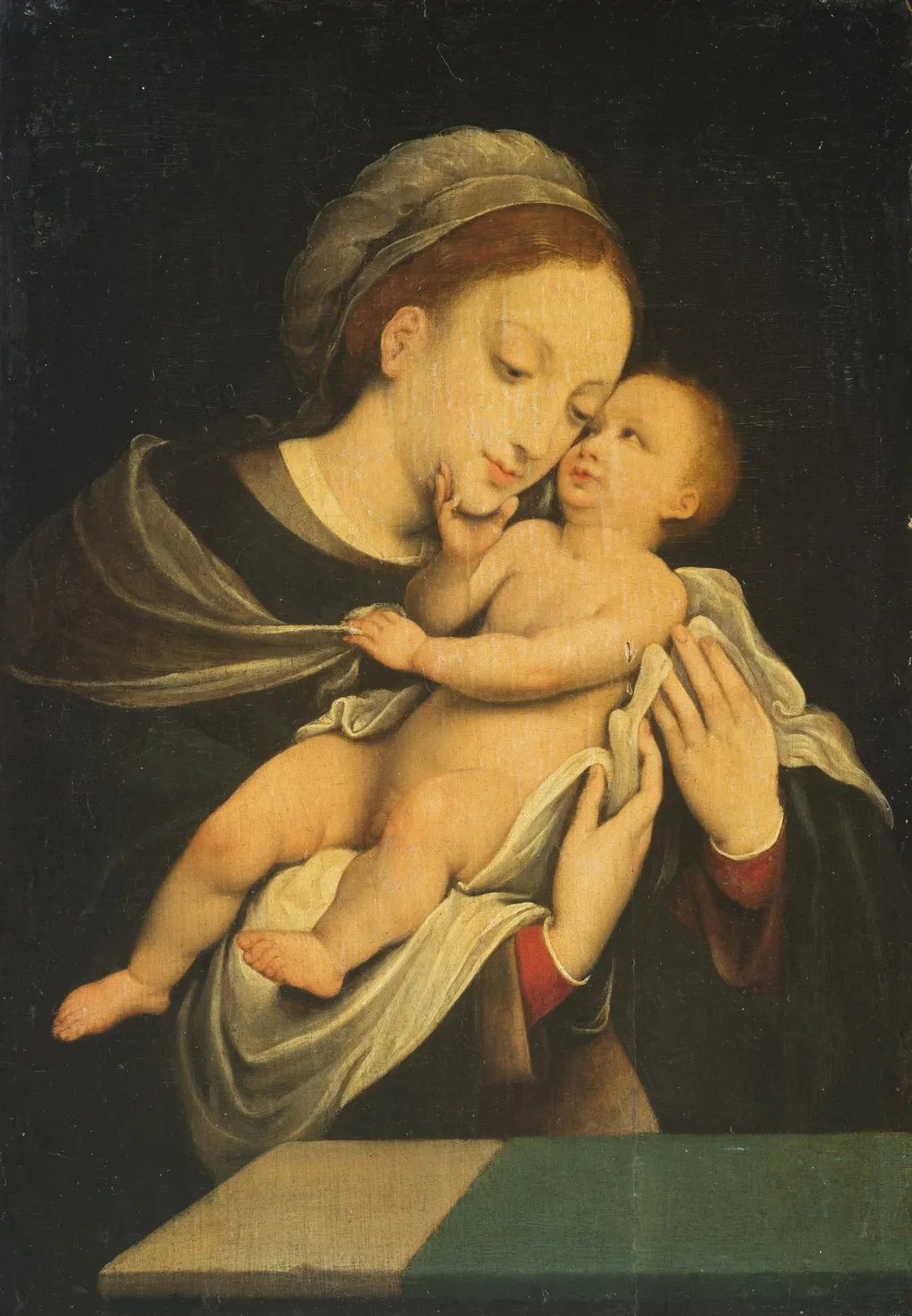
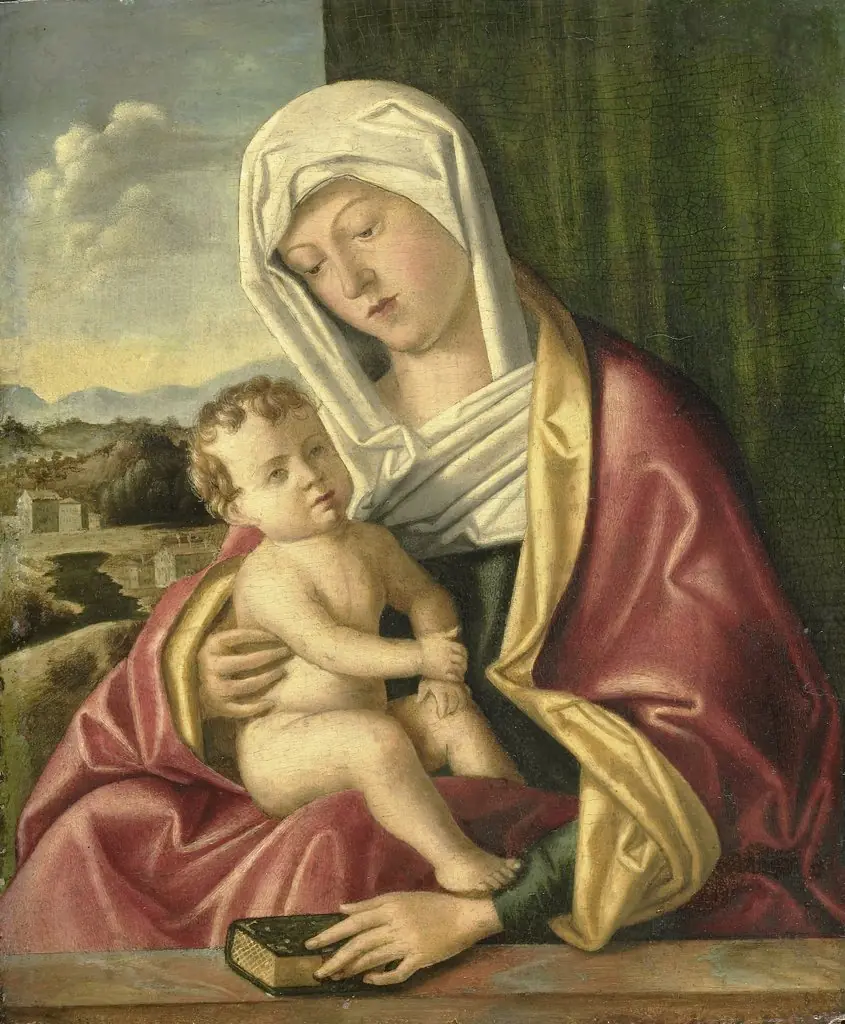
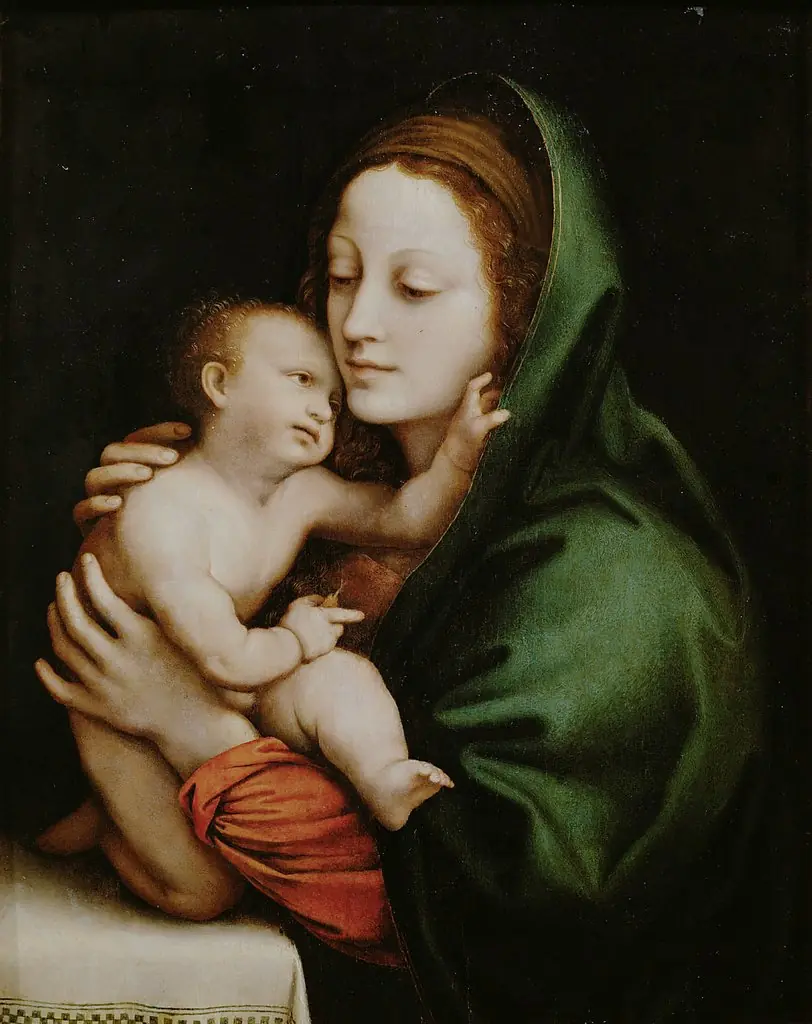
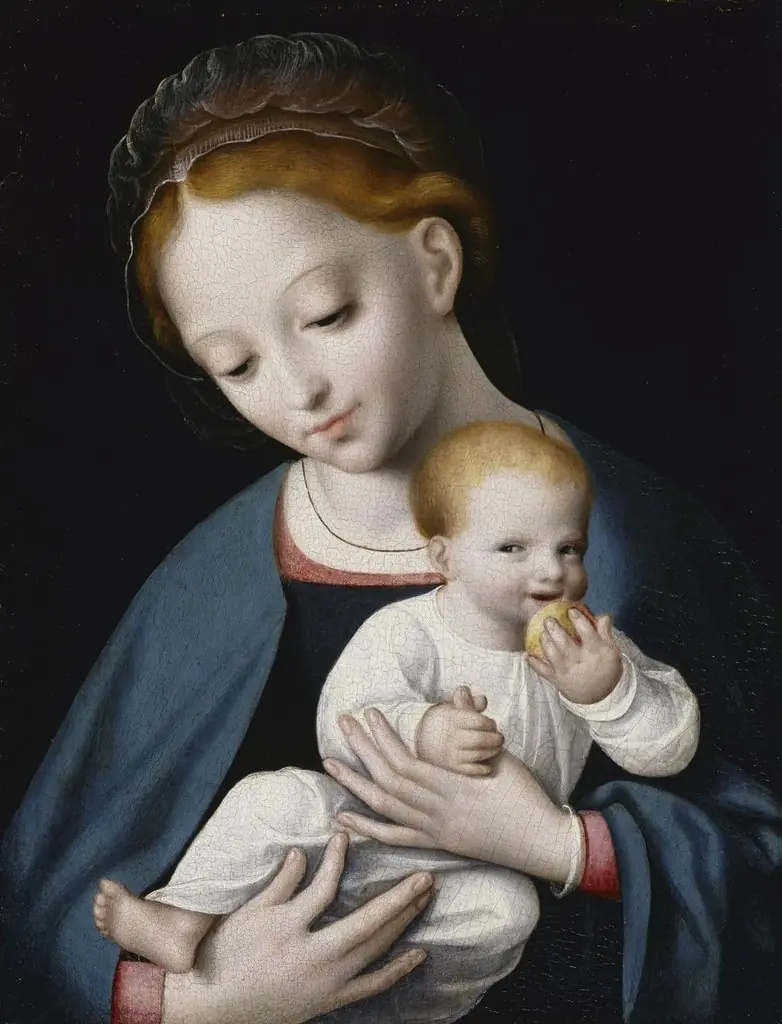
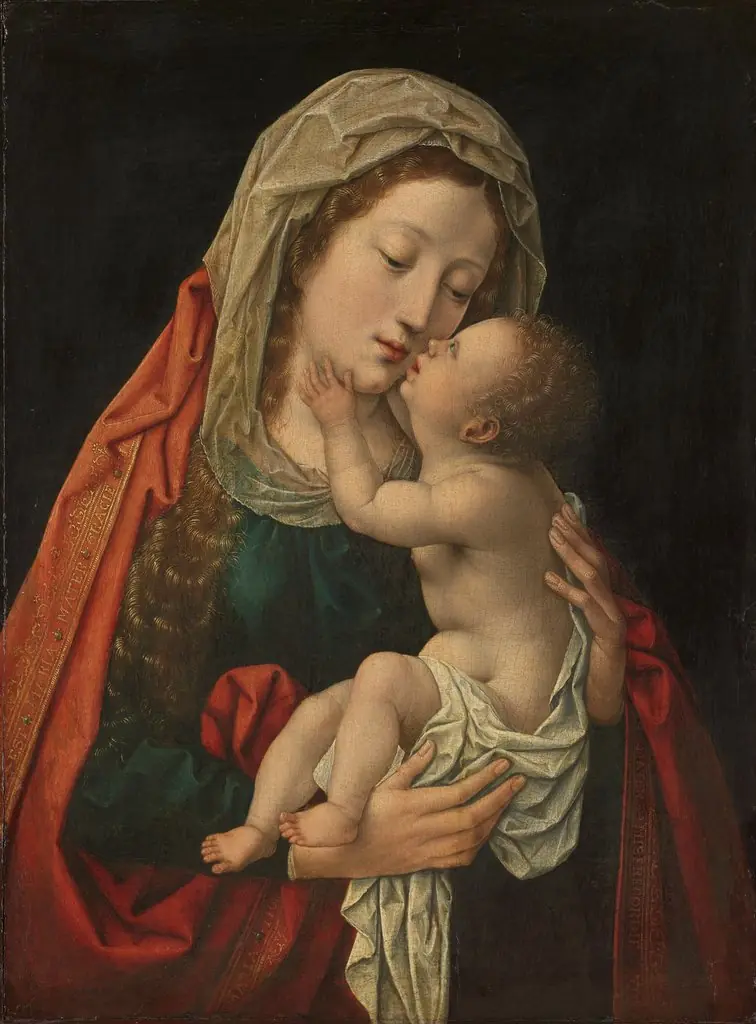
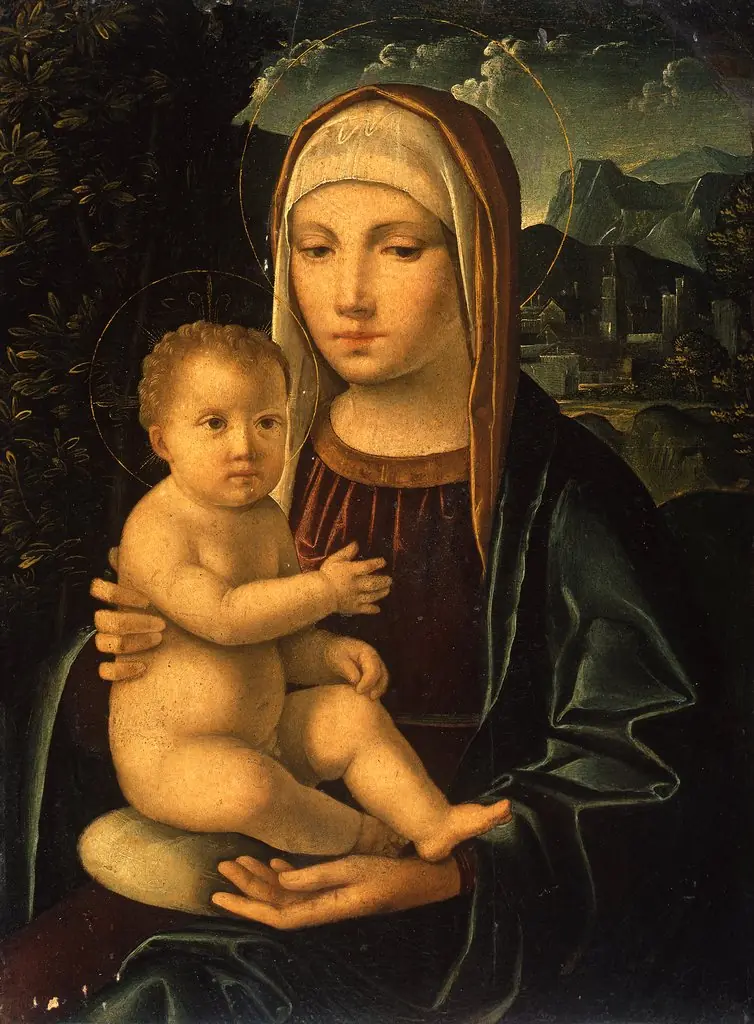
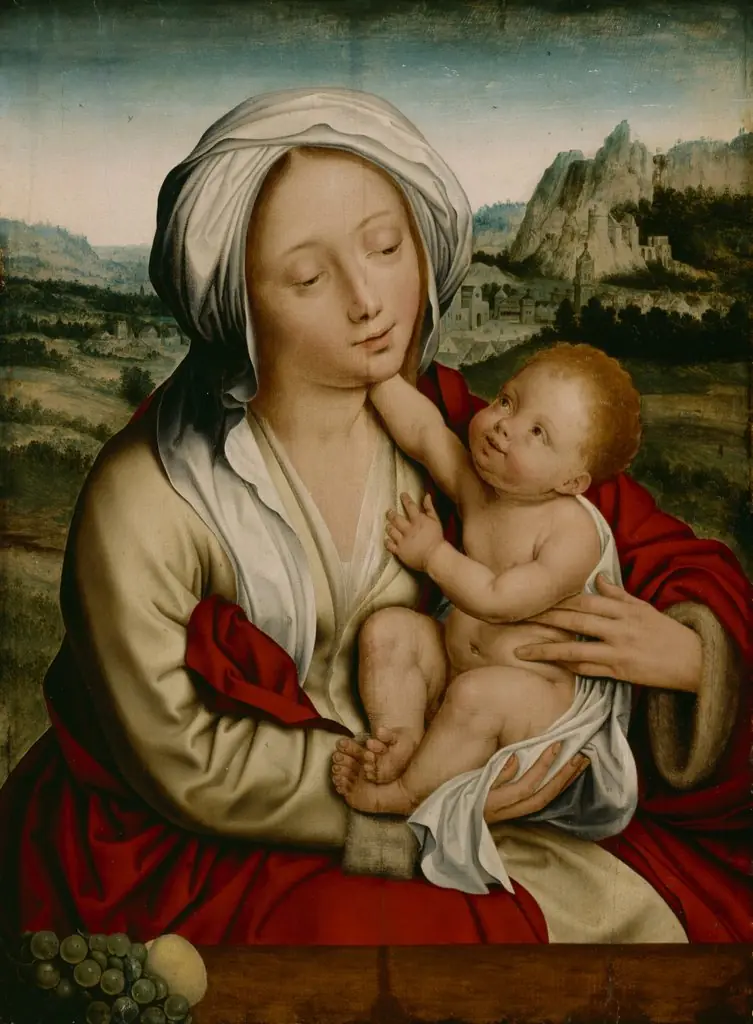
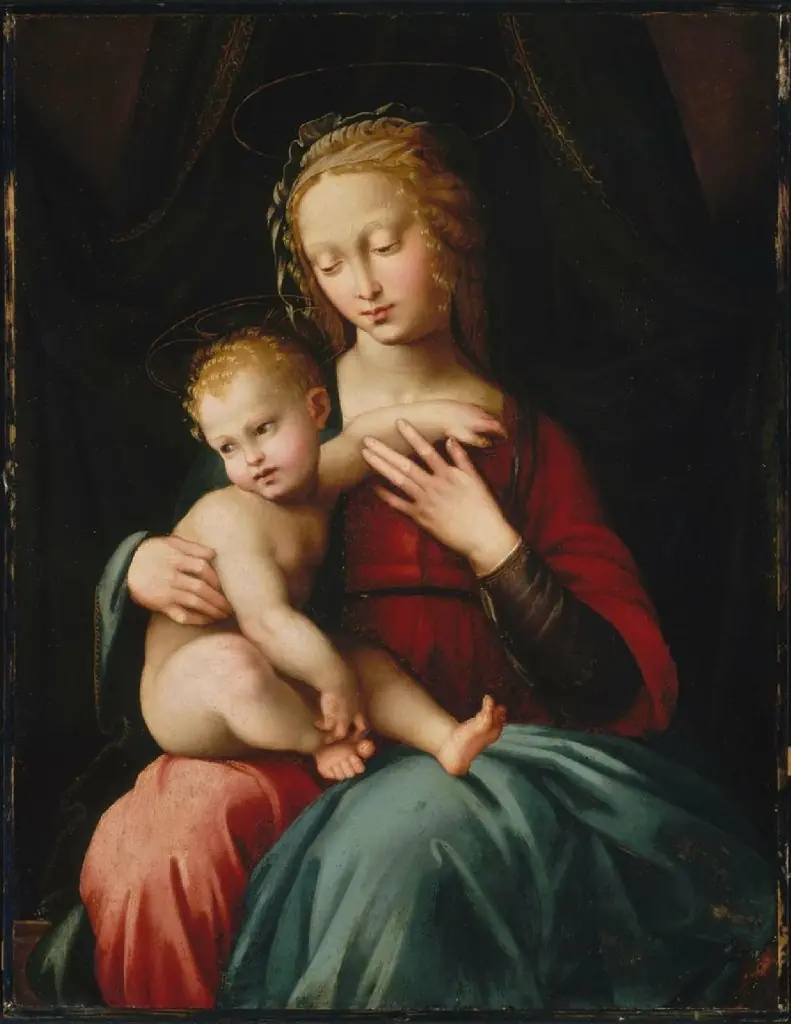
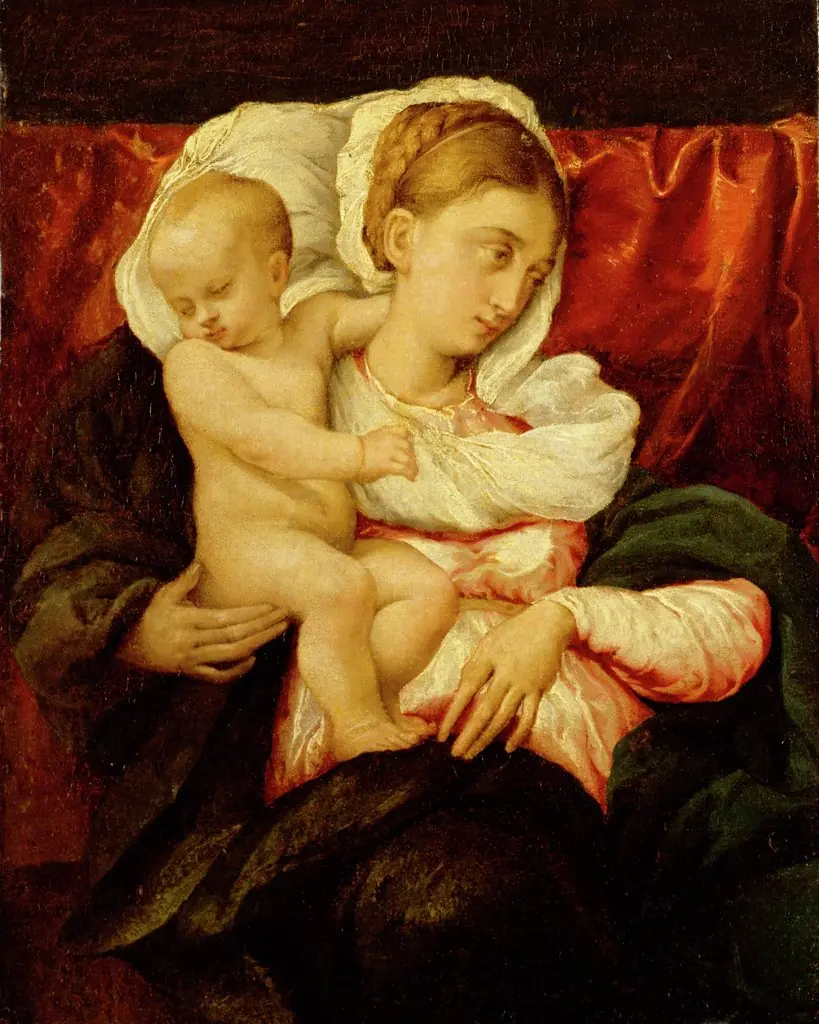
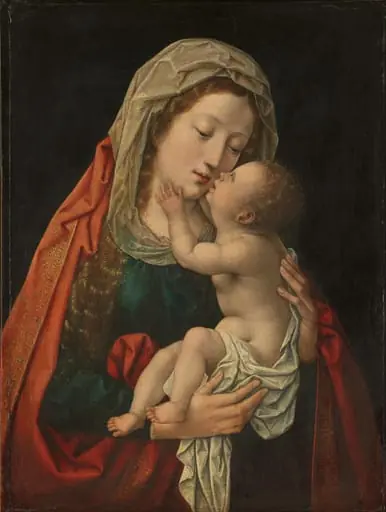
Virgin and Child is an oil painting by the Mannerist artist Unknown. It dates from 1550 and is held in the collection of the Philadelphia Museum of Art. This oil painting depicts the Virgin Mary with the infant Jesus in a quiet, intimate moment.
About this work
Overview
The figures occupy a shallow space against a deep, unmodulated background, drawing focus to their gestures and expressions.
This oil painting depicts the Virgin Mary with the infant Jesus in a quiet, intimate moment. Rendered in oil on panel, the work emphasizes tactile richness through layered pigments and subtle transitions of light. The figures occupy a shallow space against a deep, unmodulated background, drawing focus to their gestures and expressions. The composition is restrained, avoiding ornamentation in favor of emotional immediacy.
Subject & Meaning
The Virgin, dressed in somber garments and a draped veil, holds her naked child, who reaches toward her face with tentative curiosity. Her calm gaze downward suggests contemplative devotion, while the child’s movement introduces a note of human vulnerability. The white cloths binding both figures symbolize purity and protection, reinforcing traditional iconography of maternal tenderness and divine incarnation within a domesticated spiritual frame.
Technique & Style
Oil paint is applied with careful modulation to create soft gradations of light across skin and fabric. The dark background enhances the luminosity of the figures, a technique common in early Netherlandish devotional works. Textures are rendered with precision—the weave of the veil, the smoothness of skin, the folds of cloth—without theatricality. The style favors quiet realism over idealization, aligning with devotional practices centered on personal, inward reflection.
History & Provenance
The painting’s origin is not definitively recorded, but its style and materials suggest it was produced in the late 15th or early 16th century, likely in the Low Countries. It remained in private collections for centuries before entering a public collection. No documented commissions or patrons are known, indicating it may have been made for private devotion rather than institutional use.
Context
During the late medieval and early Renaissance periods, images of the Virgin and Child were common in domestic settings, serving as aids to personal prayer. This work reflects the growing emphasis on emotional connection with sacred figures, particularly among lay devotees. Its modest scale and intimate focus align with a broader trend of devotional art designed for private contemplation rather than public display.
Legacy
Though not widely reproduced or celebrated in major art historical narratives, this painting exemplifies the quiet power of vernacular religious imagery. Its enduring presence in collections underscores the value placed on understated, emotionally resonant depictions of sacred intimacy. It continues to inform scholarly understanding of how ordinary believers engaged with religious imagery beyond grand altarpieces.
Artist & collection

 Domestic Scene
 Giacomo and Cardinal Marco, investing Andrea, Abbot of San Zeno, with his Benefice
 The Nymph of Fontainebleau
 Portrait of a Woman
 Madonna and Child with Saints in the Enclosed Garden
 Venus and Minerva
 Family Group of Four on Sofa
 Wall painting from Room H of the Villa of P. Fannius Synistor at Boscoreale