Artwork
Madonna and Child
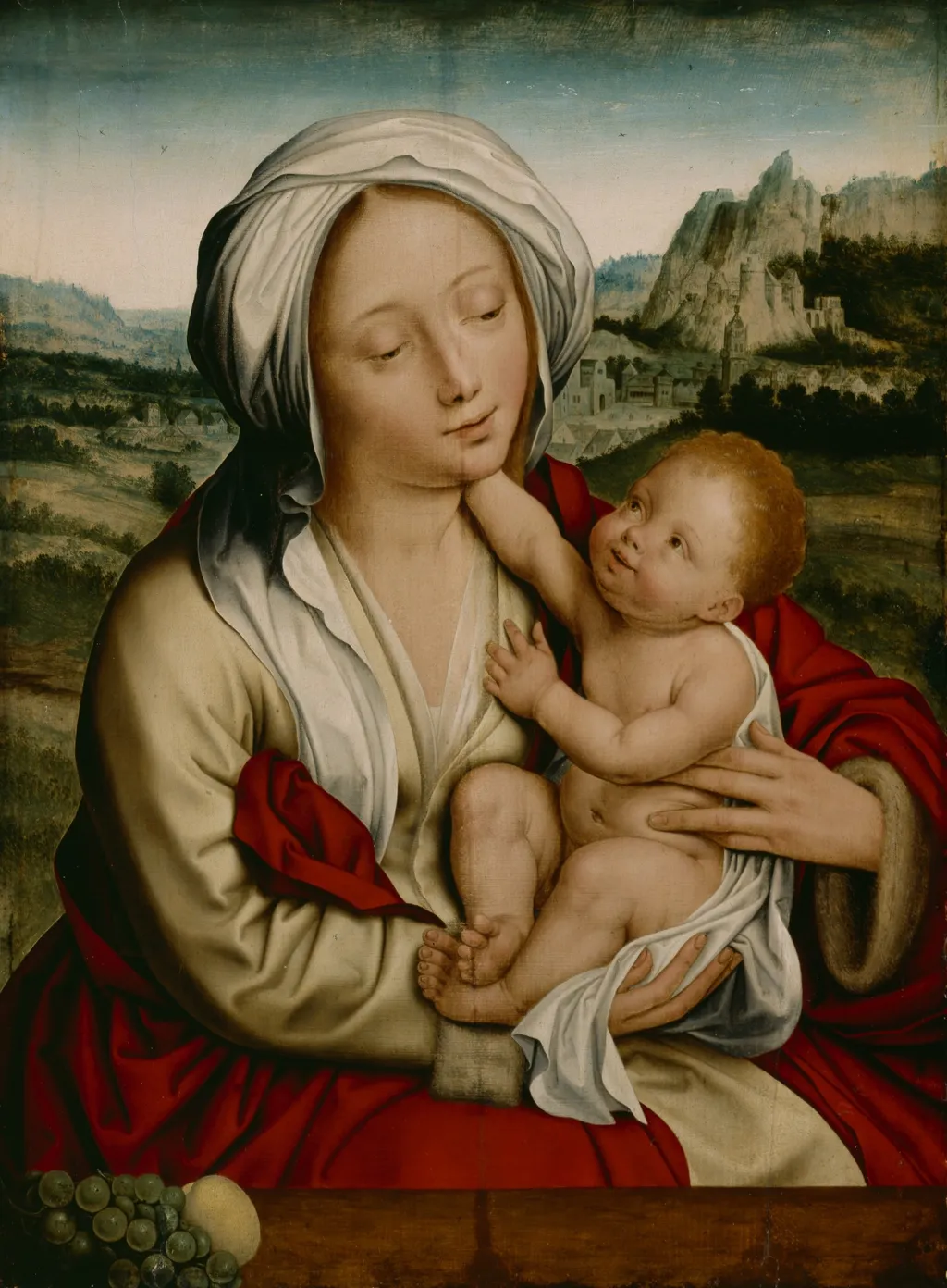
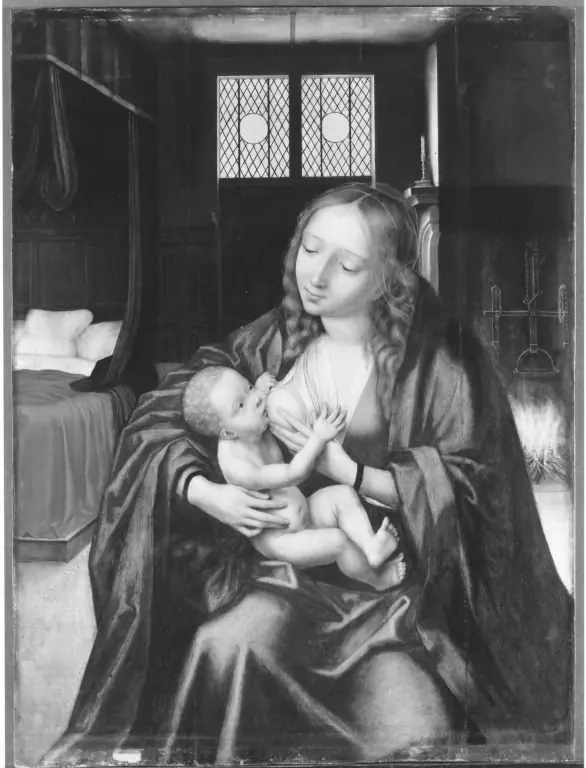
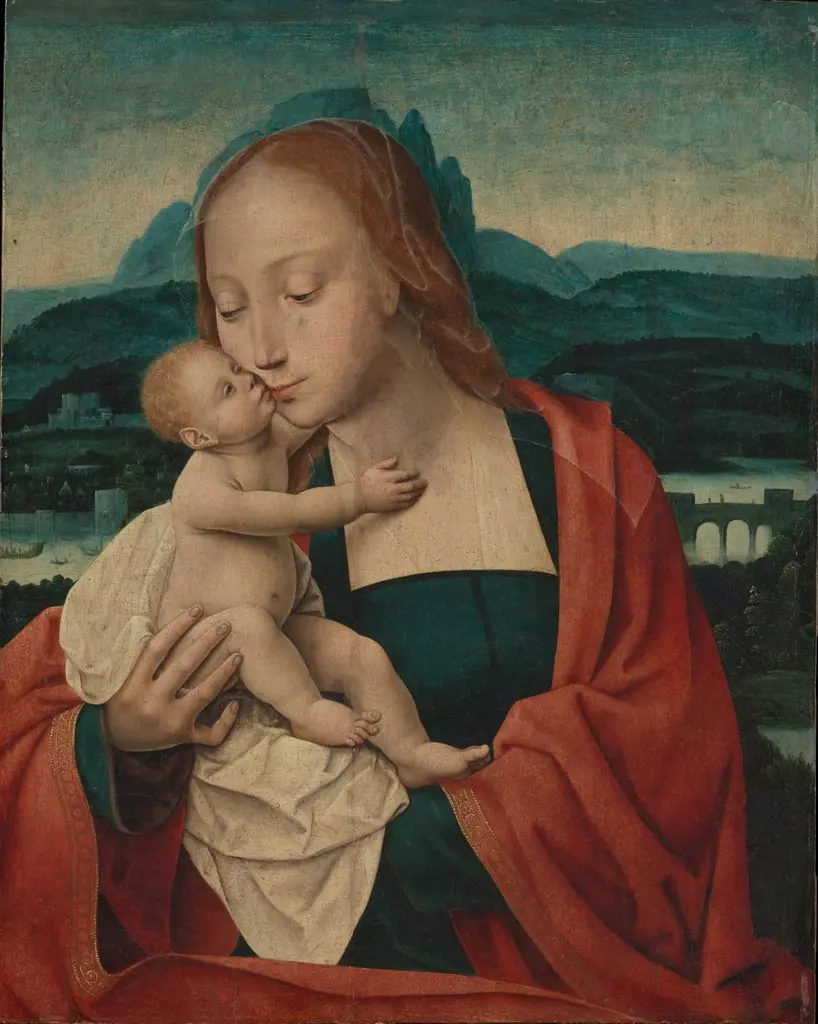
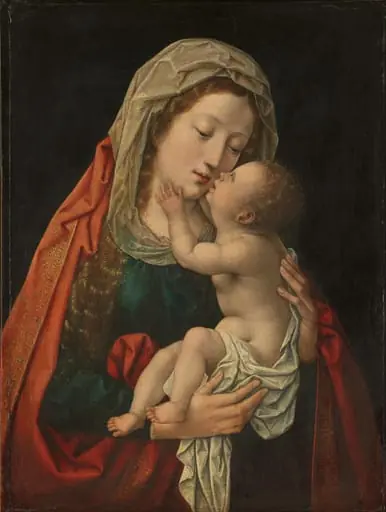
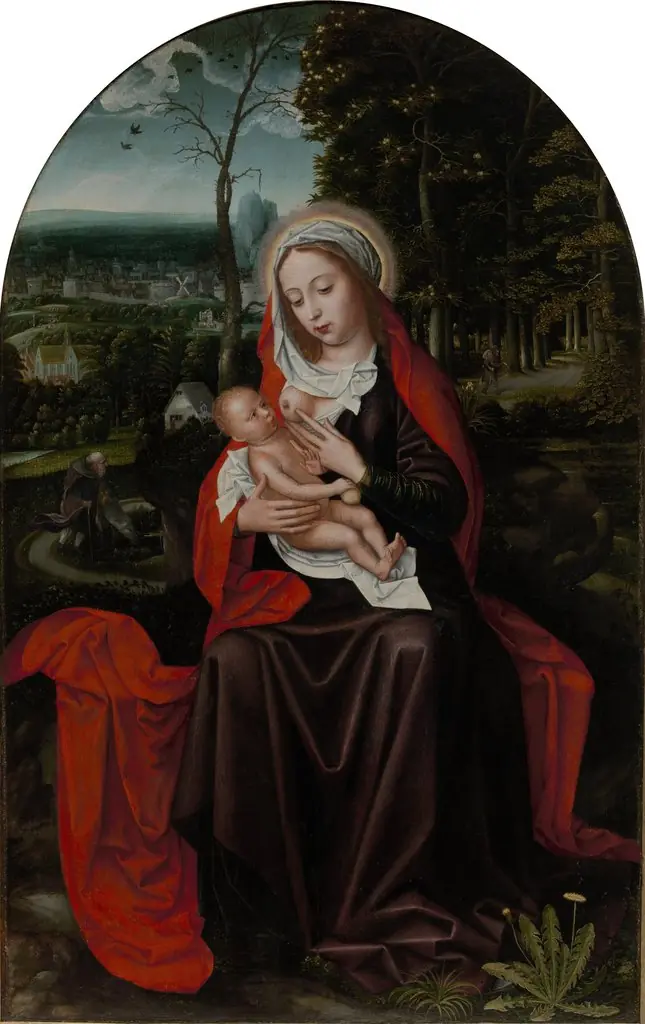
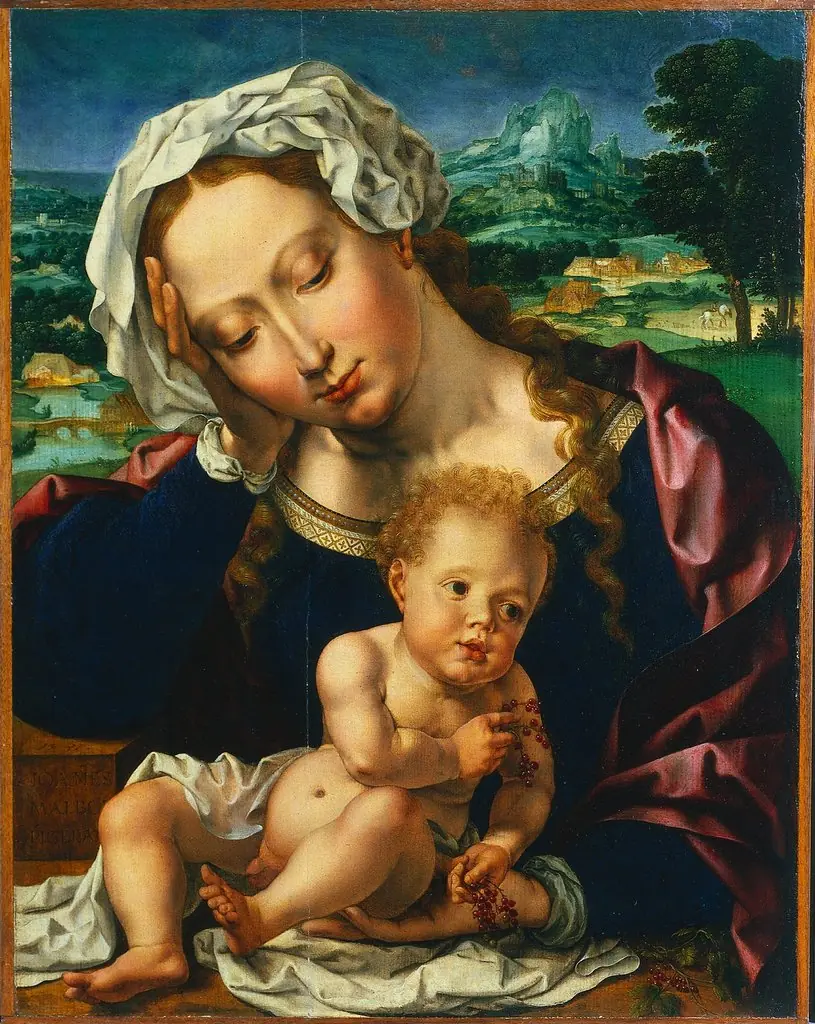
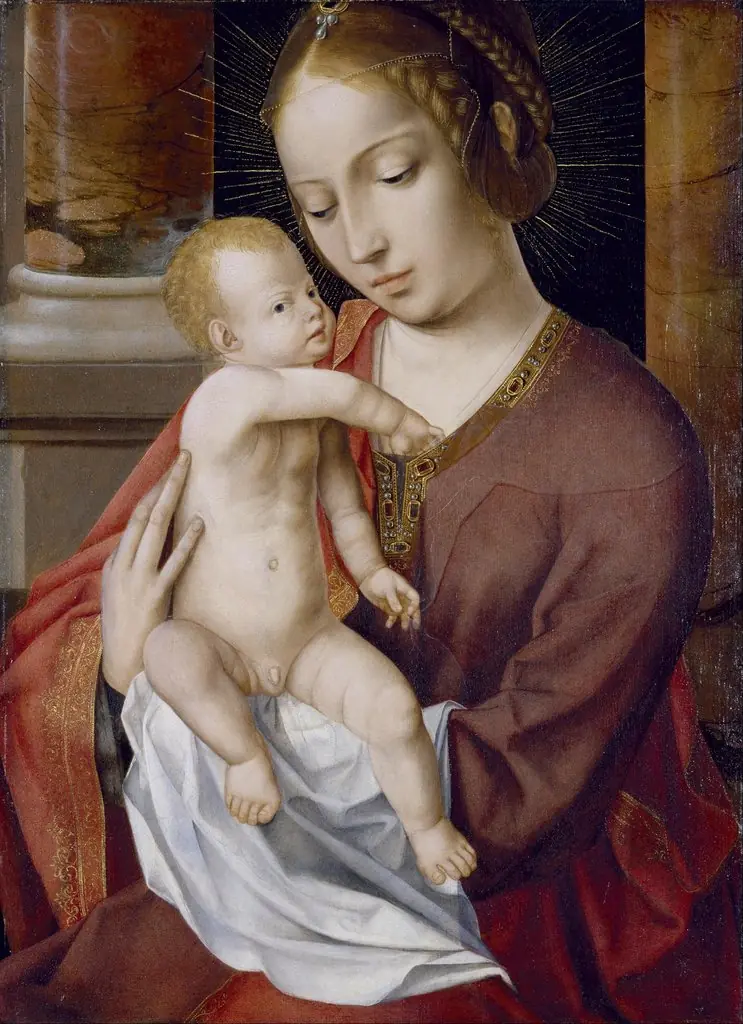
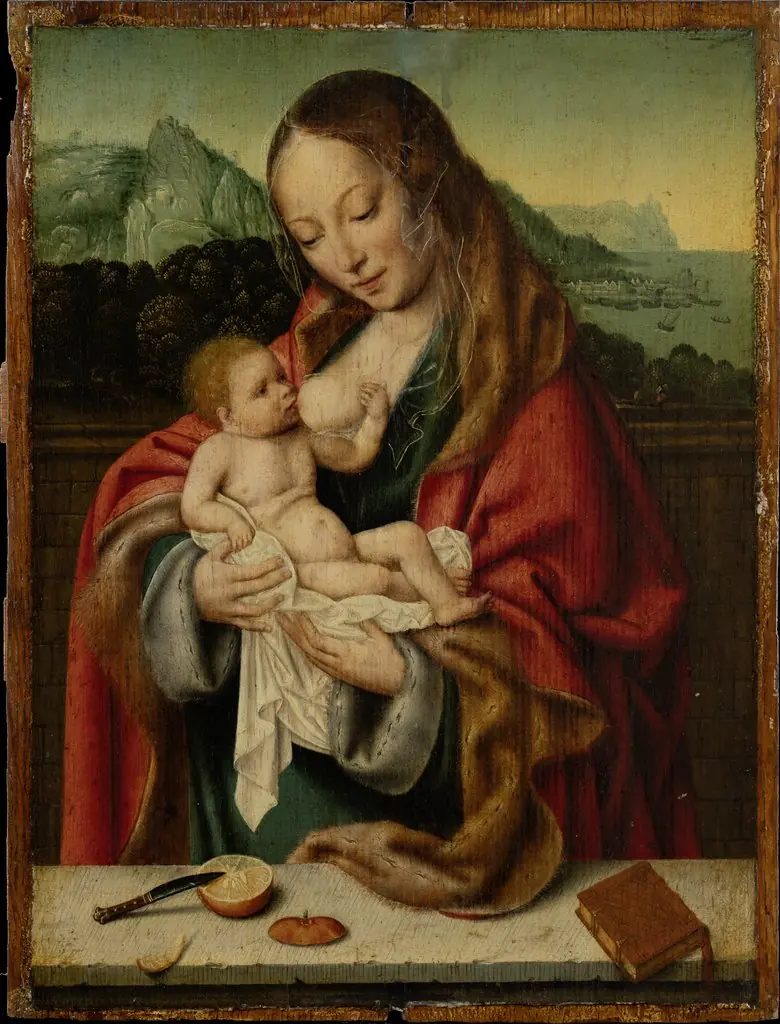
Madonna and Child is an oil painting by the Northern Renaissance artist Quinten Metsys. It dates from 1520 and is held in the collection of the Detroit Institute of Arts.
About this work
Overview
Madonna and Child is a 1520 oil painting by Quinten Metsys, a Flemish artist initially trained as an ironsmith. The work exemplifies the Northern Renaissance's religious focus, blending traditional themes with emerging techniques characteristic of the Antwerp school of painting, which Metsys helped establish.
Subject & Meaning
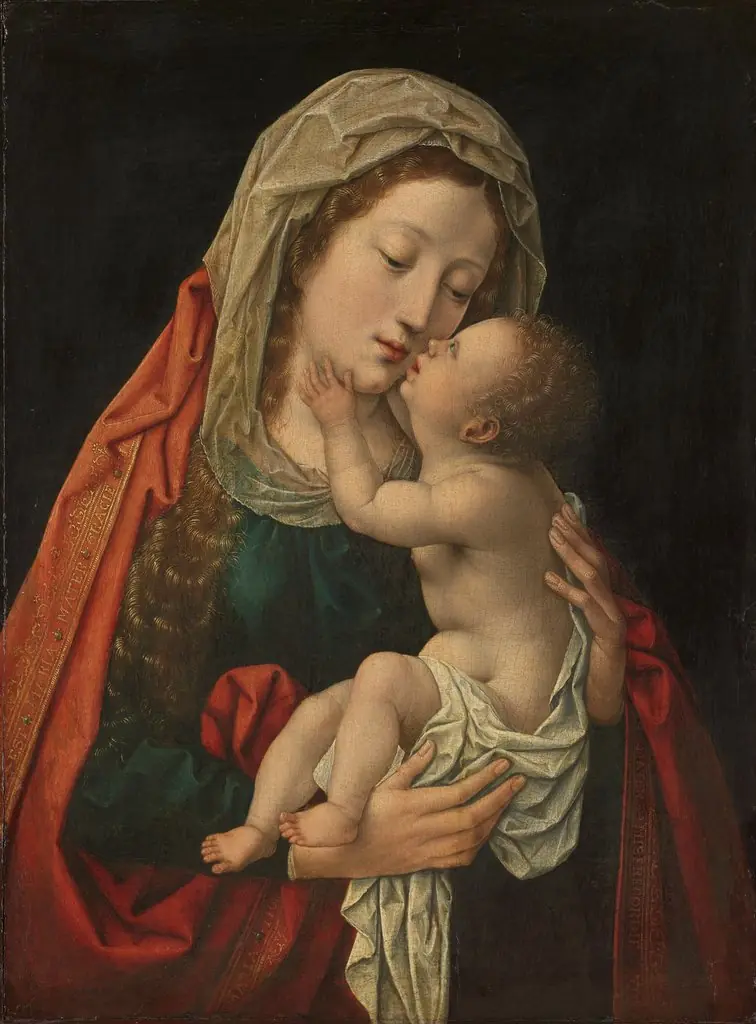
The painting depicts the Virgin Mary and the Christ Child in a devotional context, highlighting the period’s emphasis on religious imagery. Mary is portrayed in humble attire, while the Christ Child’s gesture and upward gaze convey innocence and divine promise.
Technique & Style
Metsys employed oil paint to achieve a soft, gentle glow on the subjects’ skin through layered brushwork. The use of chiaroscuro is evident in the subtle play of light on their faces, set against a detailed, serene landscape background.
History & Provenance
Created in 1520, the painting is now part of the Detroit Institute of Arts collection, though its historical ownership trajectory prior to this is not detailed here.
Context
Active in Antwerp, Metsys’ work reflects the city’s influence as a hub for the Northern Renaissance. His blending of traditional religious subjects with innovative techniques contributed to the distinct character of the Antwerp school.
Legacy
As a foundational figure of the Antwerp school, Metsys’ contributions, including works like *Madonna and Child*, influenced subsequent generations of Flemish painters in their approach to religious themes and artistic technique.
Artist & collection
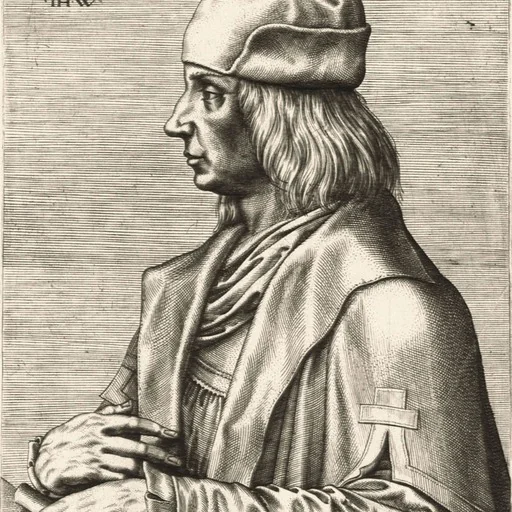
Artist
Quentin Matsys (UK: MAT-sysse, US: MAHT-sysse; also Massys or Metsys; Flemish: Quinten Matsijs ; 1466–1530) was a Flemish painter in the Early Netherlandish tradition.