Artwork
Half-Length Portrait of a Man
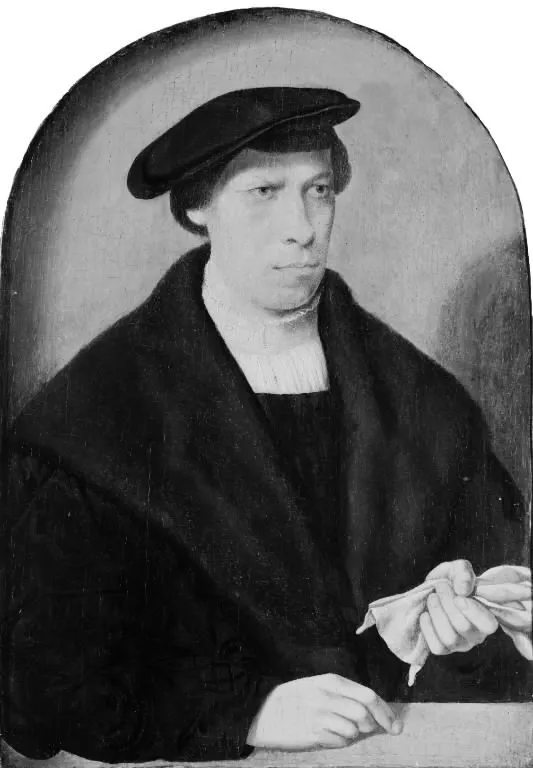
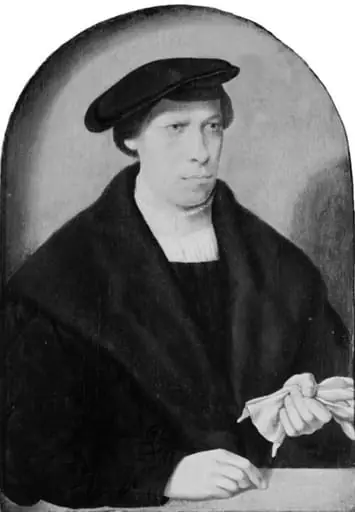
Half-Length Portrait of a Man is an unspecified painting by the Mannerist artist Unknown. It dates from 1525 and is held in the collection of the Statens Museum for Kunst. This half-length portrait depicts a man seated against a pale, unadorned background.
About this work
Overview
His gaze is directed to the right, and his expression remains neutral, contributing to a quiet, contemplative presence.
This half-length portrait depicts a man seated against a pale, unadorned background. He wears a dark jacket and a white turtleneck, with a dark hat resting on his head. His hands are folded neatly before him, clasping a white cloth. His gaze is directed to the right, and his expression remains neutral, contributing to a quiet, contemplative presence. The composition emphasizes stillness and restraint.
Subject & Meaning
The identity of the sitter is unknown, but his attire and posture suggest a person of modest means or clerical status. The white cloth may indicate ritual use or personal devotion, while the folded hands imply introspection or prayer. The absence of symbolic objects or elaborate settings shifts focus to the individual’s demeanor, inviting quiet contemplation rather than narrative interpretation.
Technique & Style
The painting employs soft modeling of form with subtle gradations of light and shadow, characteristic of Renaissance portraiture. The fabric of the jacket and turtleneck is rendered with attention to texture, while the pale background enhances the figure’s presence without distraction. Brushwork is restrained, avoiding dramatic contrasts in favor of calm, even illumination.
History & Provenance
The painting’s origin and early ownership are undocumented, though its stylistic features align with Northern European works from the late 15th or early 16th century. It is currently held in the collection of the Statens Museum for Kunst, where it has been studied as an example of intimate, non-noble portraiture from the Renaissance era.
Context
During the Renaissance, portraits of non-elite individuals became more common, especially in regions with strong merchant and religious communities. This work reflects a growing interest in individual character over social status. Similar portraits appear in Dutch and Flemish art, where quiet dignity replaced overt displays of wealth or power.
Legacy
Though not attributed to a known master, the portrait contributes to the understanding of everyday representation in Renaissance art. Its understated realism and emotional reserve influenced later traditions of psychological portraiture. It remains a quiet example of how ordinary individuals were rendered with dignity during a period increasingly focused on human experience.
Artist & collection

 Domestic Scene
 Giacomo and Cardinal Marco, investing Andrea, Abbot of San Zeno, with his Benefice
 The Nymph of Fontainebleau
 Portrait of a Woman
 Madonna and Child with Saints in the Enclosed Garden
 Venus and Minerva
 Family Group of Four on Sofa
 Wall painting from Room H of the Villa of P. Fannius Synistor at Boscoreale
 Pfalzgraf Philipp, Bischof von Freising
 Male portrait
 Portrait of a Man Holding a Rosary
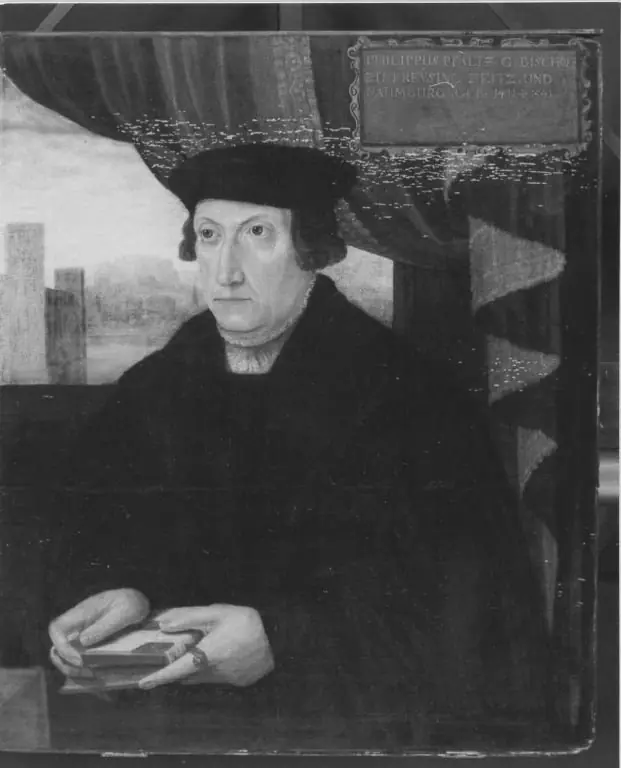 Portrait of Count Palatine Philip, Bishop of Freising
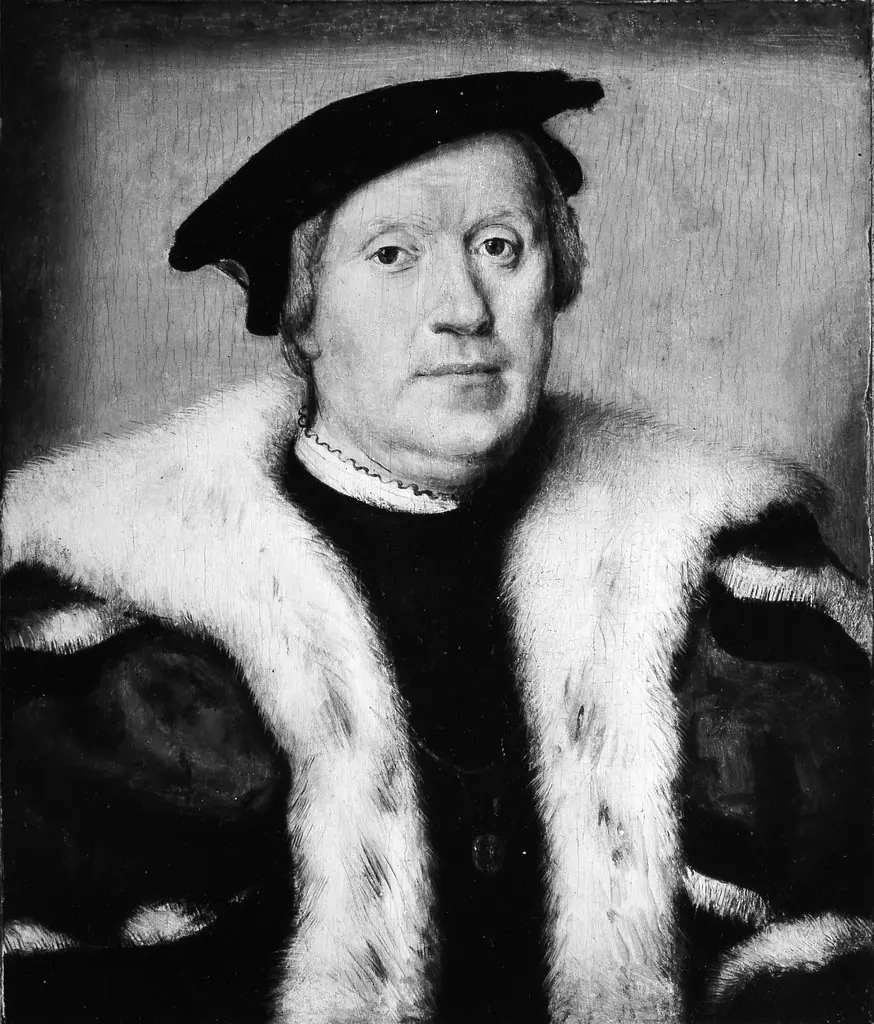 Jean d'Albon de Saint-André (1472–1549)
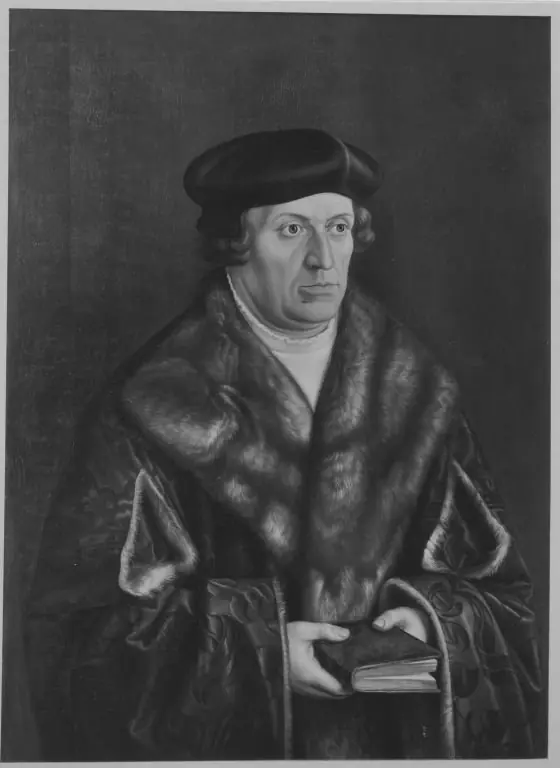 Pfalzgrafen Philipp, Bischof von Freising
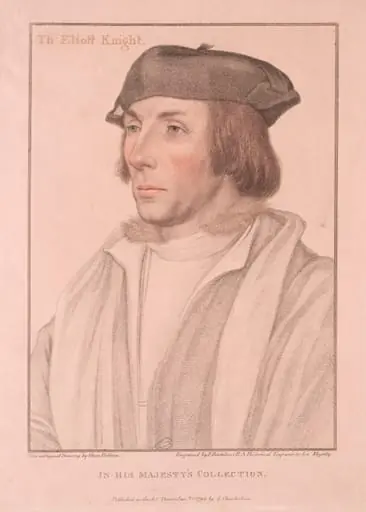 Sir Thomas Eliott
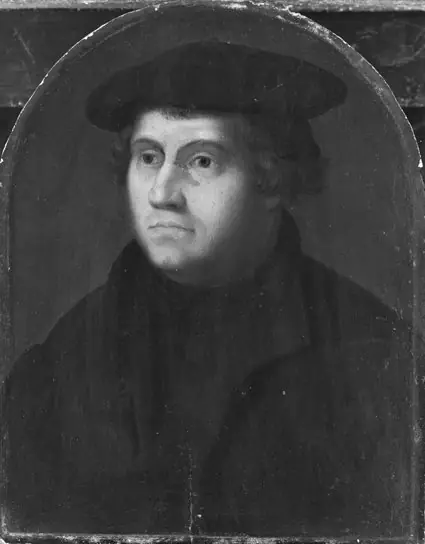 Portrait of Luther
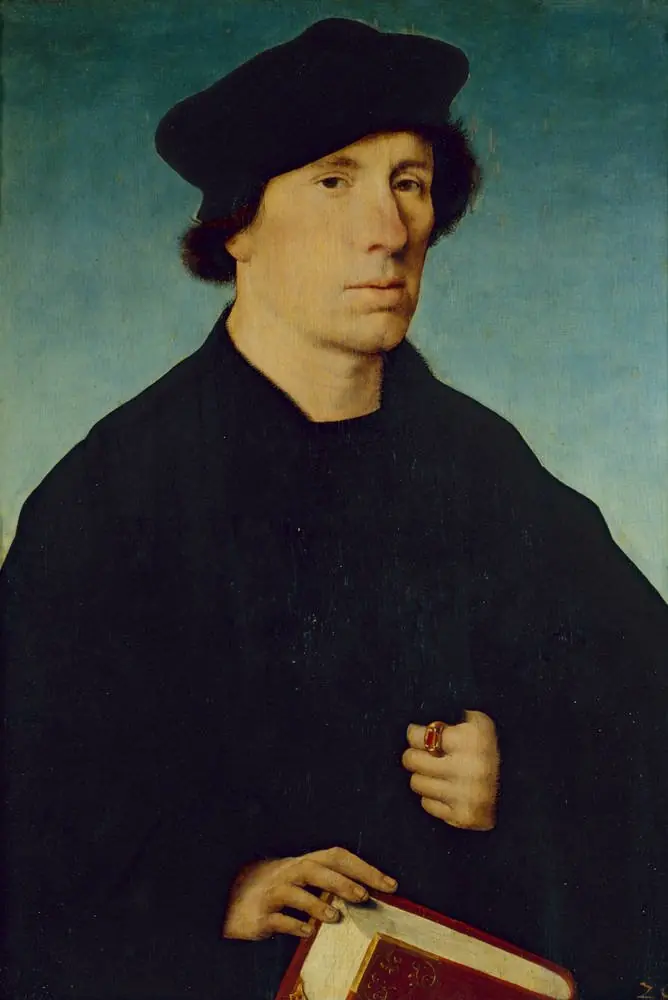 Portrait of a Beardless Man
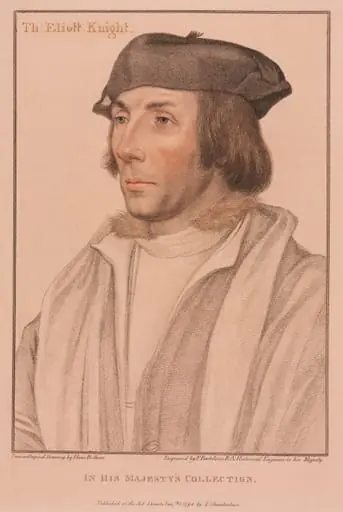 Sir Thomas Elyot
 Portrait of Luther
 Half-Length Portrait of a Man