Artwork
The Adoration of the Lamb
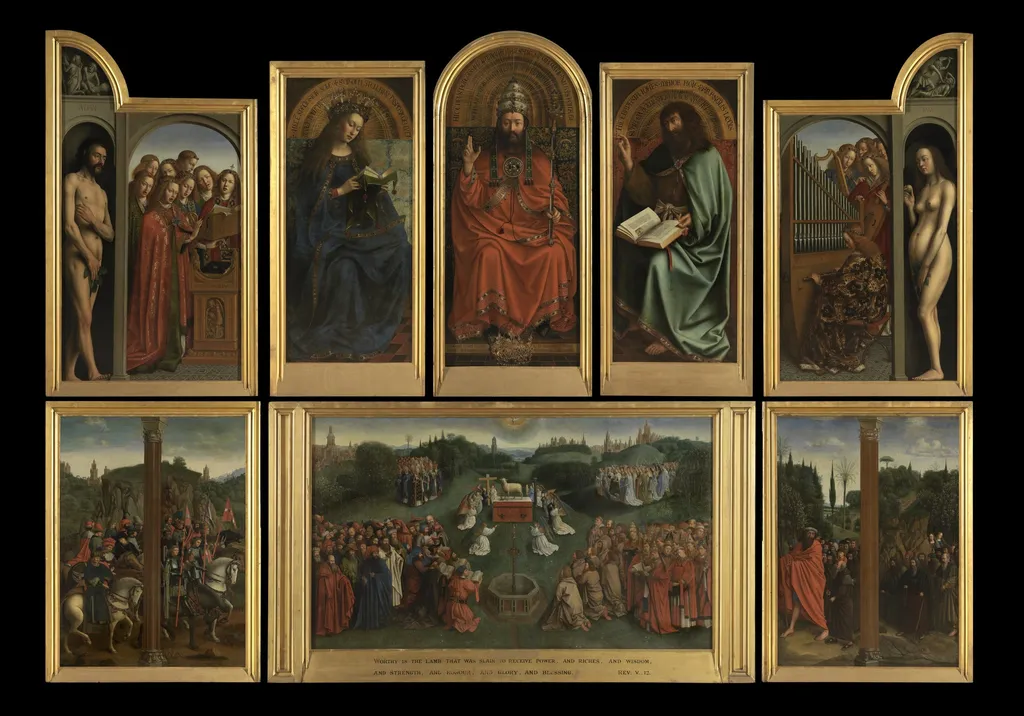
The Adoration of the Lamb is an oil painting by the Northern Renaissance artist Unknown. It dates from 1625 and is held in the collection of the Royal Museum of Fine Arts Antwerp. The work is an oil-painted triptych composed of three adjoining panels.
About this work
Overview
Flanking this scene, the left panel gathers several individuals around a pedestal, while the right panel shows another book‑holding figure looking upward.
The work is an oil-painted triptych composed of three adjoining panels. Its central image presents a robed figure seated on a throne, haloed and holding a book, with a raised hand that suggests a blessing. Flanking this scene, the left panel gathers several individuals around a pedestal, while the right panel shows another book‑holding figure looking upward. A deep brown backdrop unifies the composition, heightening the vivid hues of the participants.
Subject & Meaning
The central seated figure, clad in red, is portrayed as an authority, likely a religious or symbolic leader, indicated by the halo and the act of blessing. The surrounding characters—one woman in blue and a man in green—appear as worshippers or witnesses, their gestures directed toward the central presence, reinforcing themes of reverence and divine instruction.
Technique & Style
Executed in oil on canvas, the triptych employs a rich, saturated palette that contrasts the dark brown background with bright reds, blues, and greens. The figures are rendered with clear outlines and a smooth modeling of flesh, while the halo and raised hand are highlighted to convey luminosity. The composition balances symmetry across the three panels, creating a cohesive visual narrative.
History & Provenance
The painting’s format as a triptych suggests it was intended for a devotional setting, possibly an altar or private chapel. While specific dates and ownership are not recorded in the available notes, the use of oil and the stylistic conventions align with late medieval to early Renaissance practices in European religious art.
Context
Triptychs of this kind were common in ecclesiastical contexts, serving both liturgical and didactic functions. The central figure’s blessing gesture and the inclusion of scriptural books reflect the period’s emphasis on visualizing theological authority and the transmission of sacred knowledge to congregants.
Artist & collection

 Domestic Scene
 Giacomo and Cardinal Marco, investing Andrea, Abbot of San Zeno, with his Benefice
 The Nymph of Fontainebleau
 Portrait of a Woman
 Madonna and Child with Saints in the Enclosed Garden
 Venus and Minerva
 Family Group of Four on Sofa
 Wall painting from Room H of the Villa of P. Fannius Synistor at Boscoreale
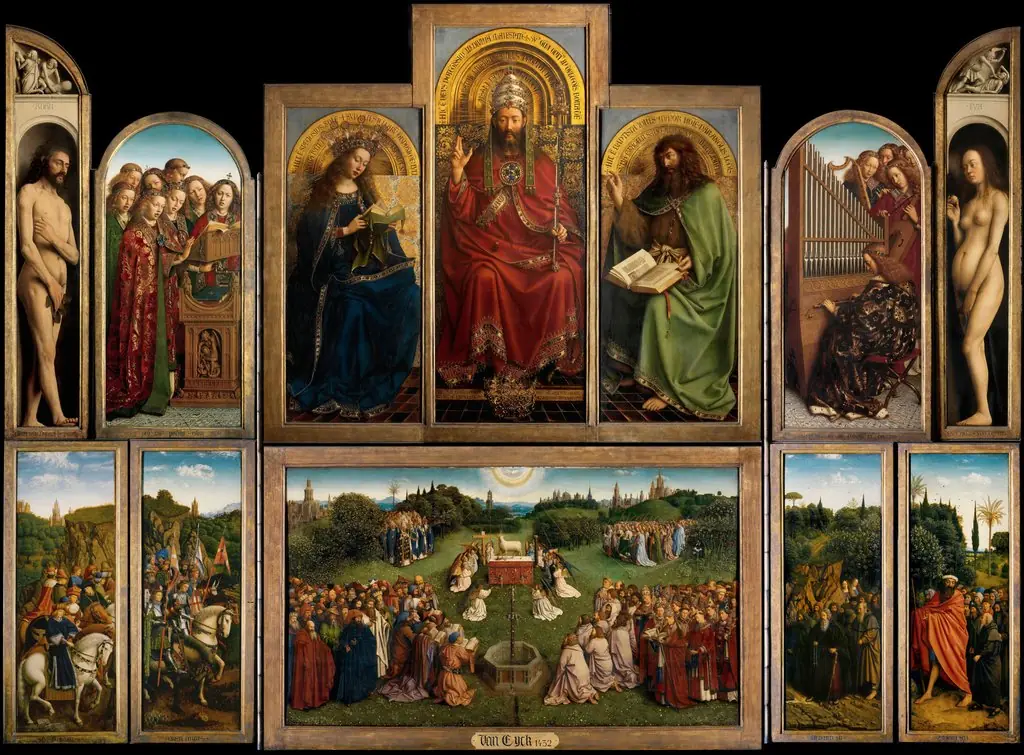 Ghent Altarpiece
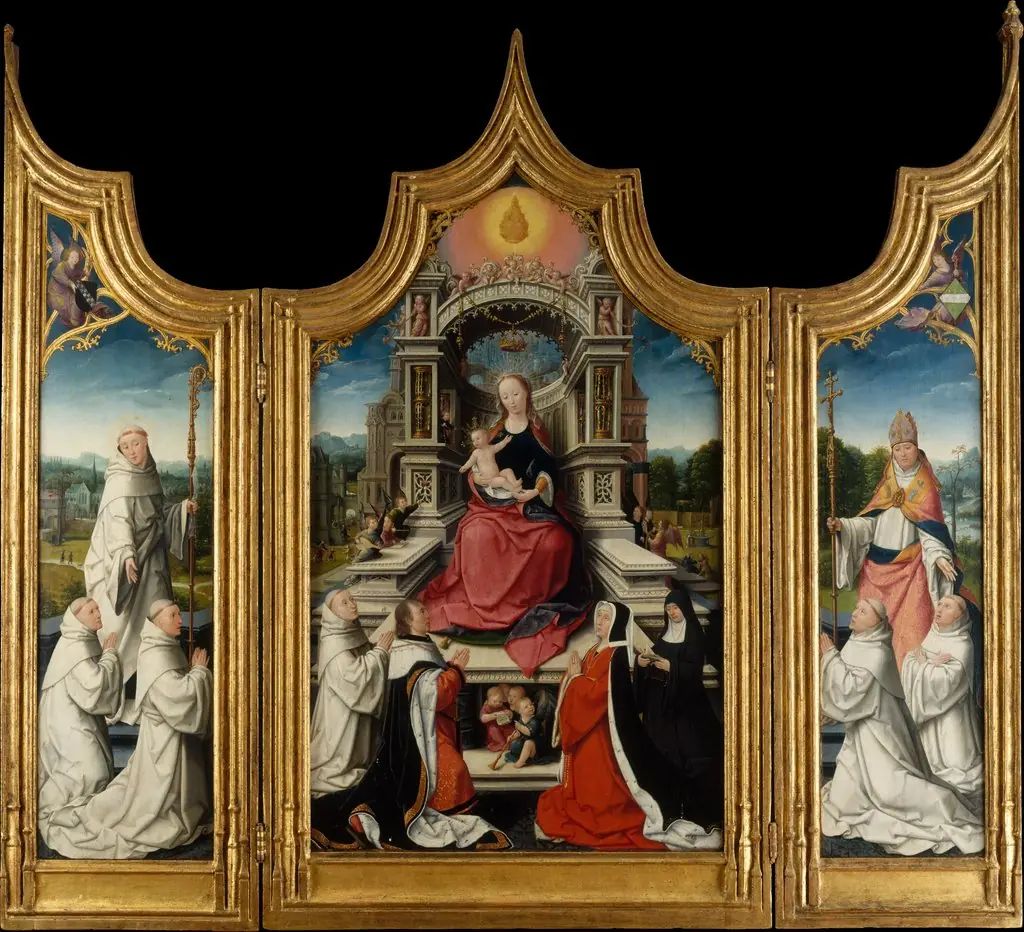 The Le Cellier Altarpiece
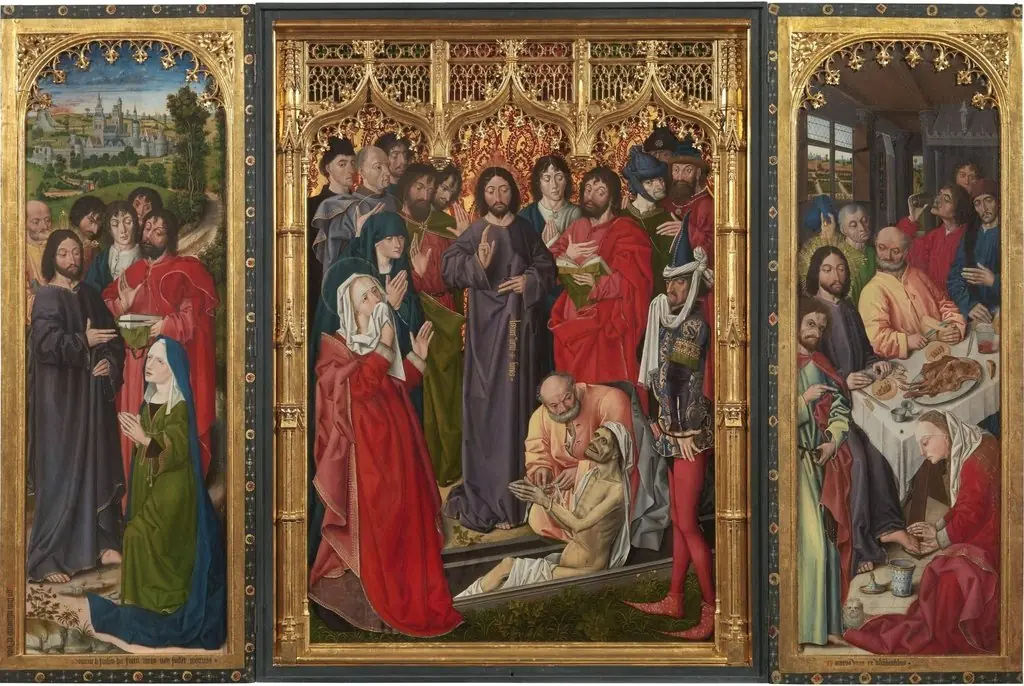 Resurrection of Lazarus
![Altarpiece showing scenes from the Infancy of Christ: The Adoration of the Magi [center]; The Annunciation; The Presentation of Christ in the Temple; The Flight into Egypt; The Nativity [clockwise from upper left], by Master of Hoogstraeten](https://artifactworldgallery.com/img/master-of-hoogstraeten--altarpiece-showing-scenes-from-the-infancy-of-christ-the-ado--6a236bfea3373486-w320.webp) Altarpiece showing scenes from the Infancy of Christ: The Adoration of the Magi [center]; The Annunciation; The Presentation of Christ in the Temple; The Flight into Egypt; The Nativity [clockwise from upper left]
Altarpiece showing scenes from the Infancy of Christ: The Adoration of the Magi [center]; The Annunciation; The Presentation of Christ in the Temple; The Flight into Egypt; The Nativity [clockwise from upper left]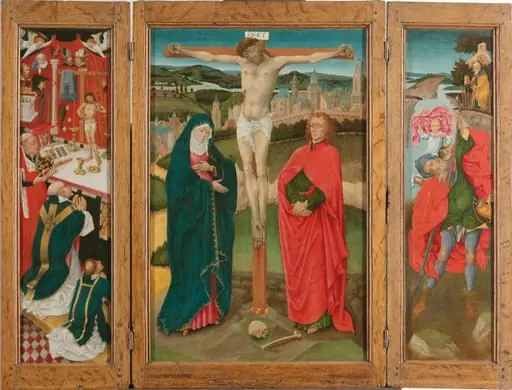 Drieluik met de kruisiging
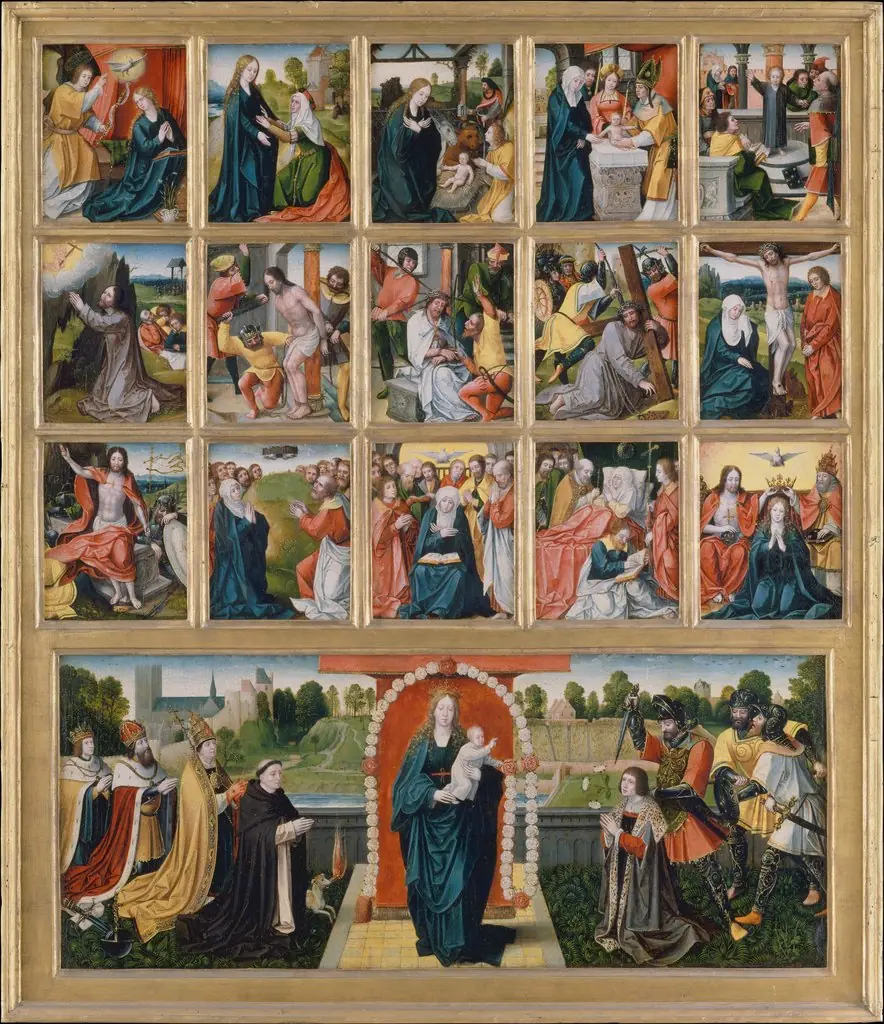 The Fifteen Mysteries and the Virgin of the Rosary
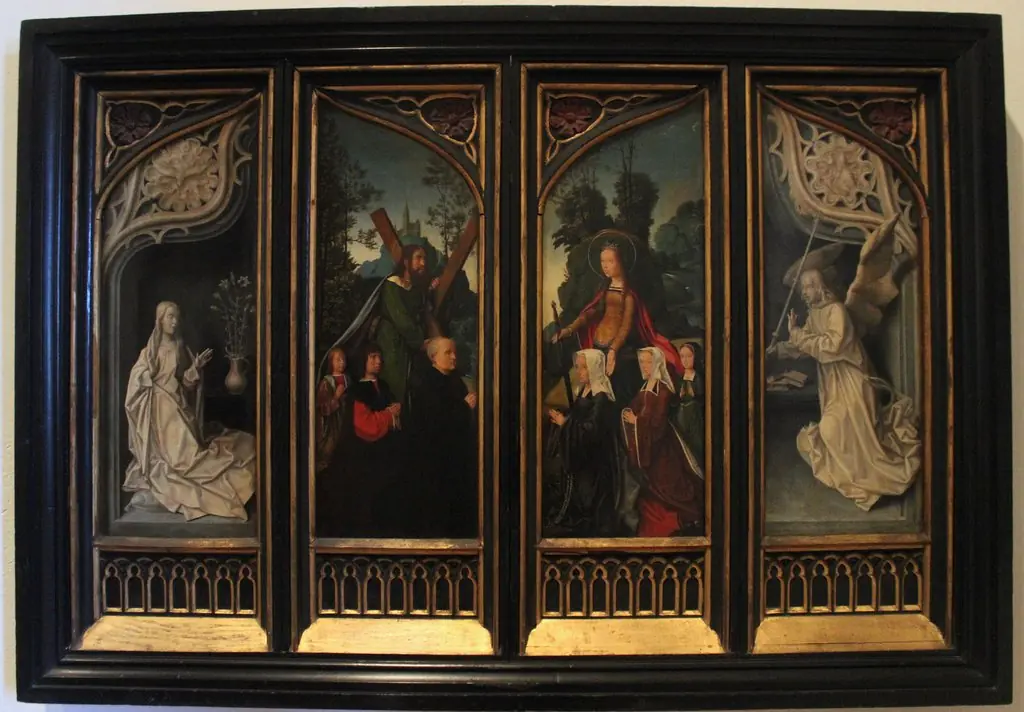 The Annunciate Virgin, Saint Andrew with a Donor and His Sons, Saint Catherine of Alexandria with a Donor and Her Daughters, and the Annunciate Angel
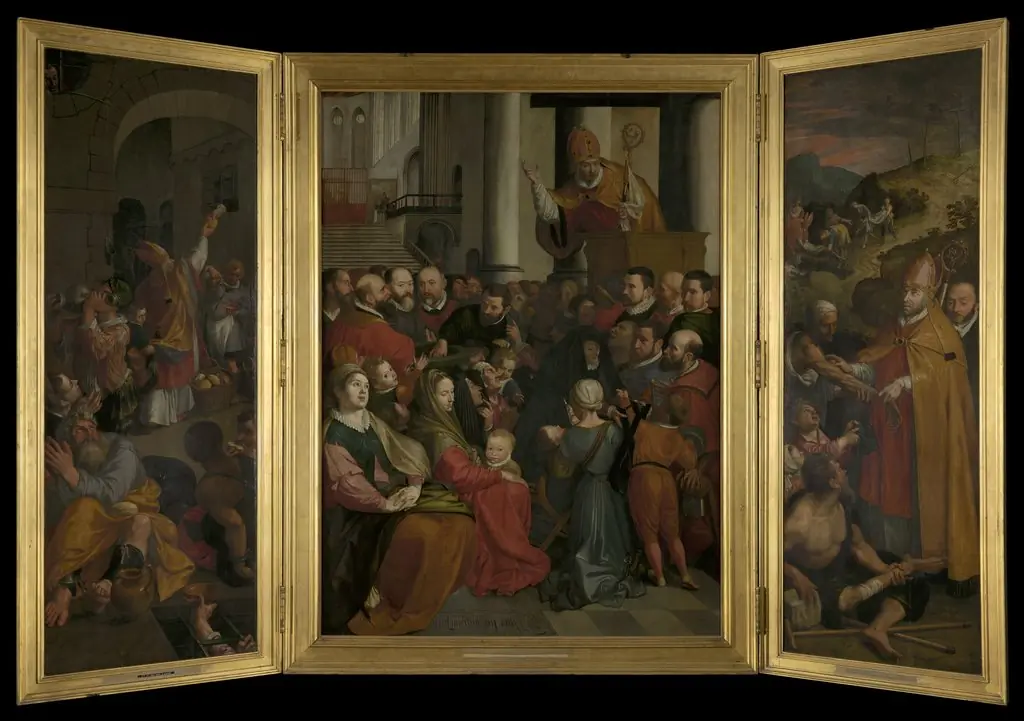 Altarpiece of the Guild of the Smiths
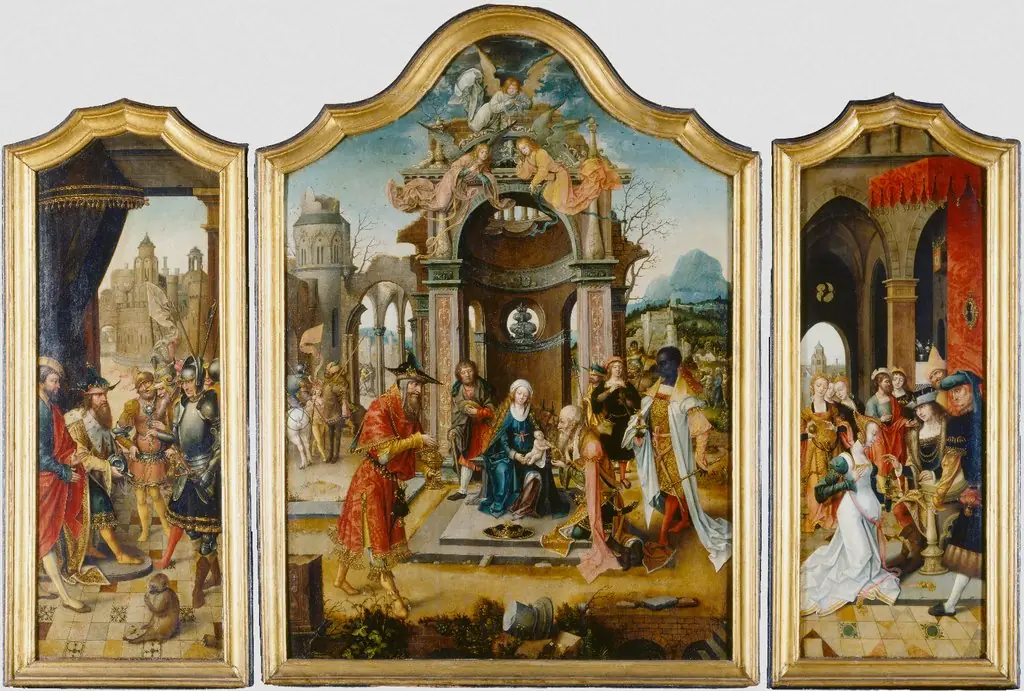 Triptych of the Adoration of the Magi
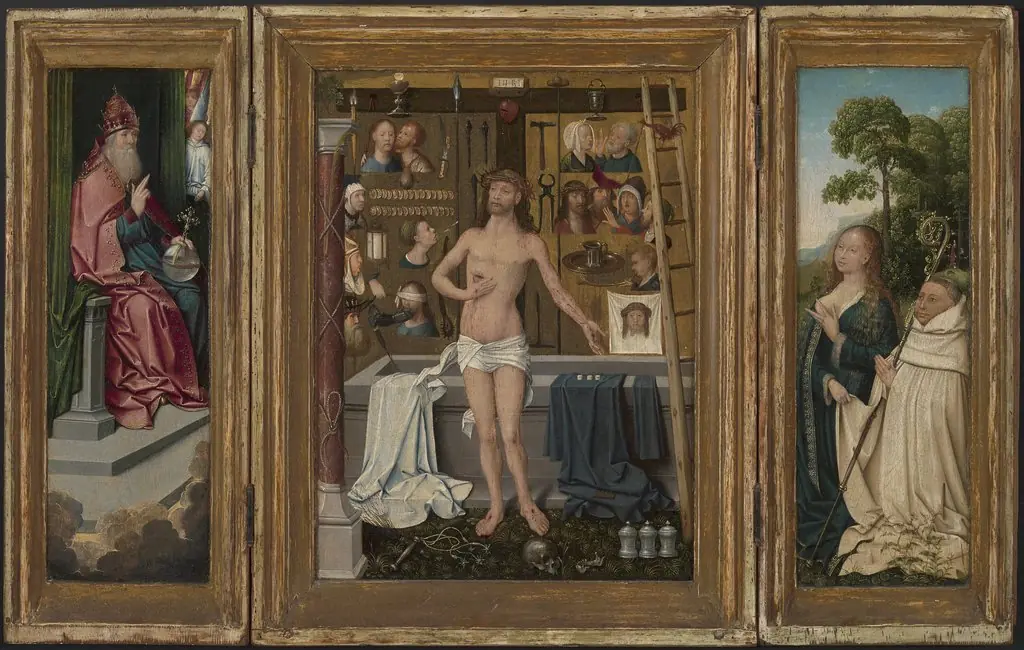 Triptych of Antonius Tsgrooten
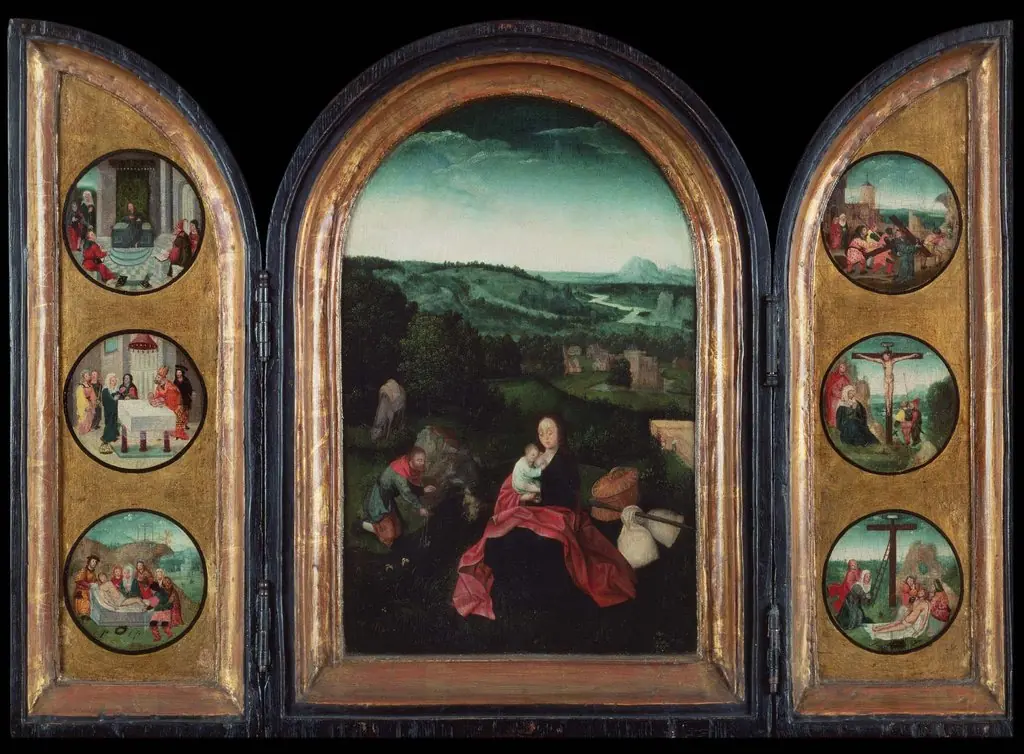 Triptych: Rest on the Flight into Egypt
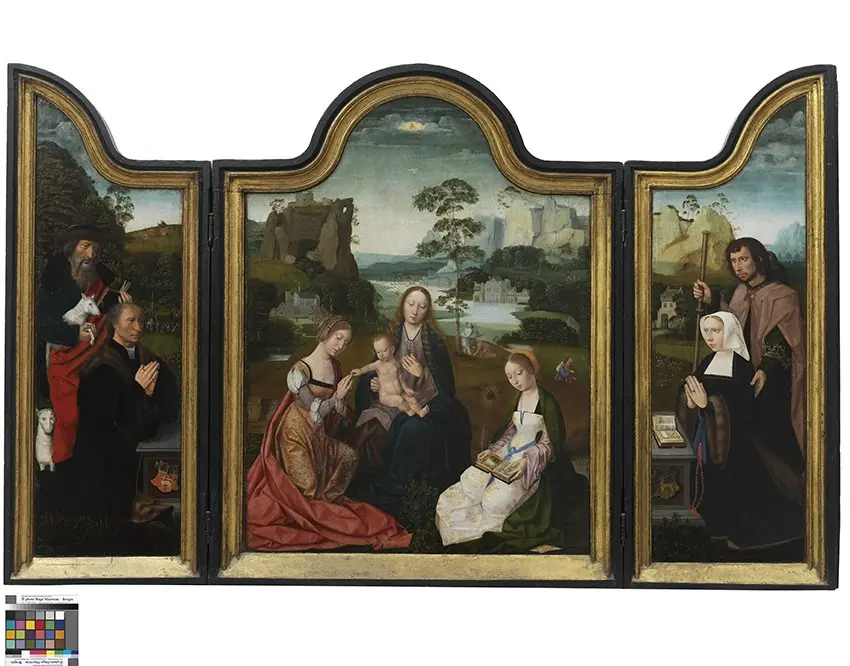 Madonna with the Saints Catherine and Barbara