Artwork
Ghent Altarpiece
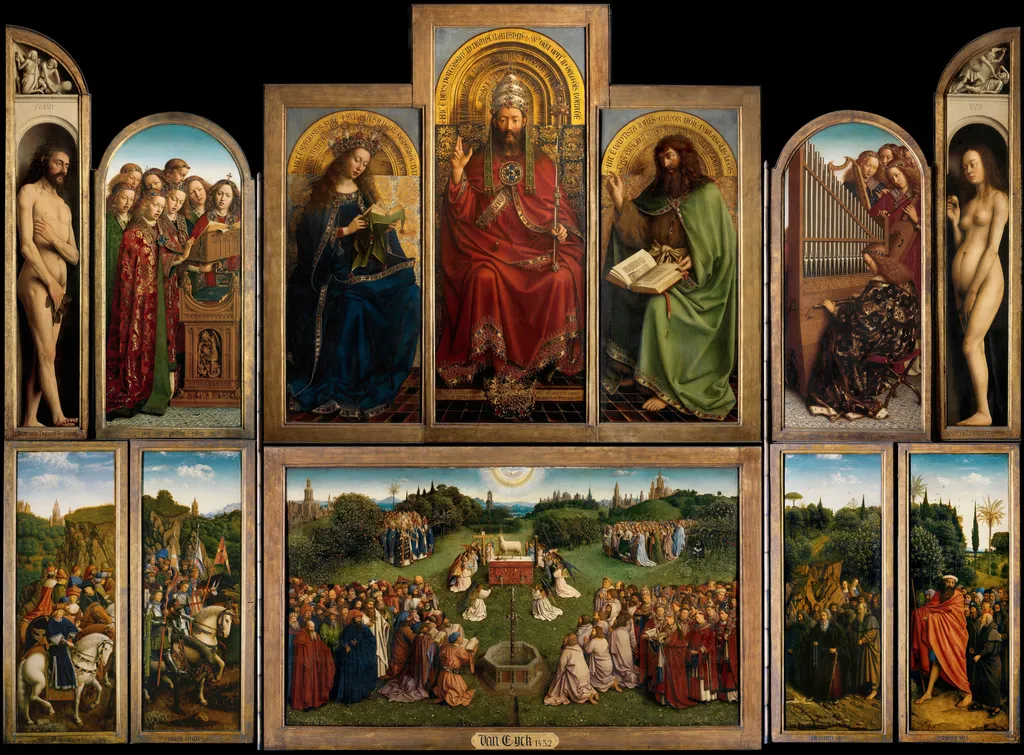
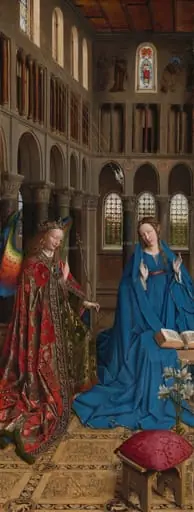
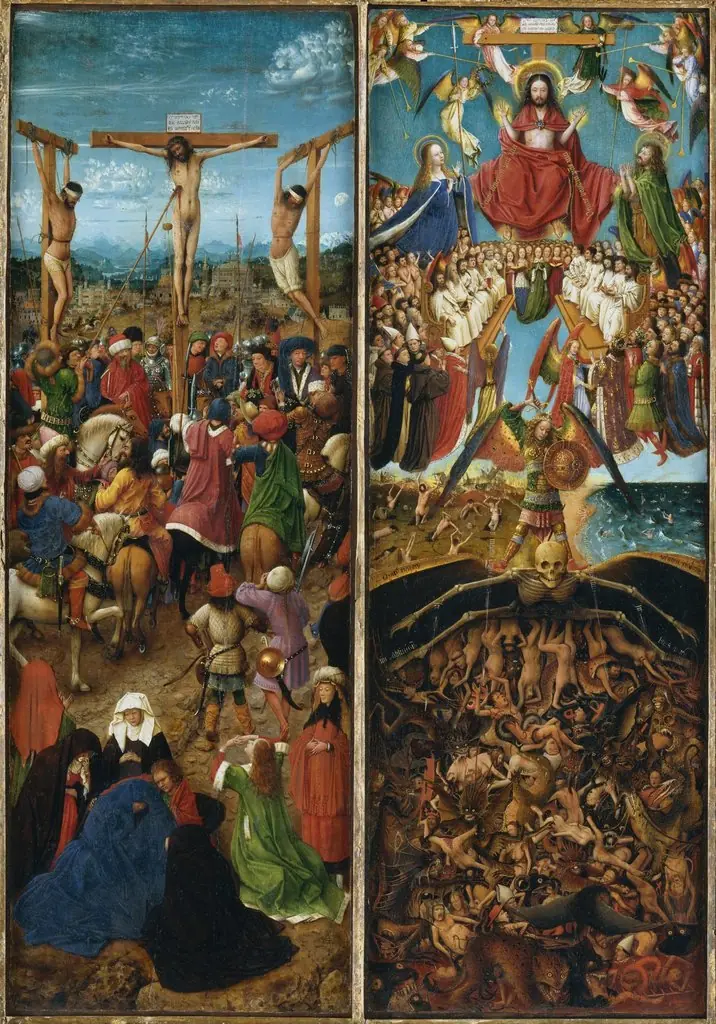
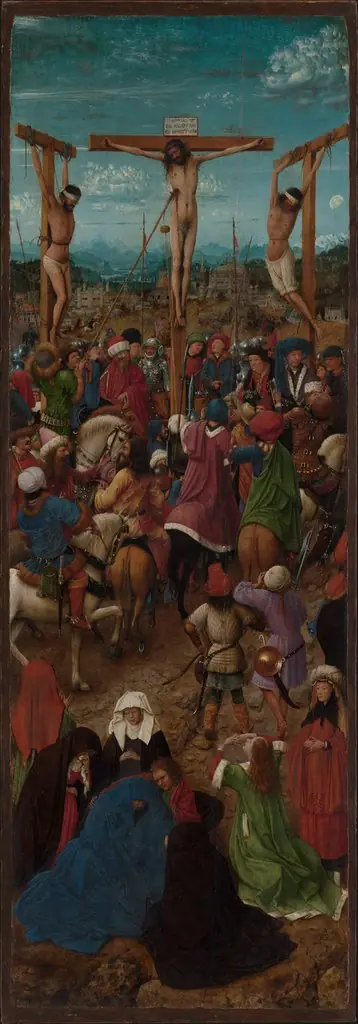
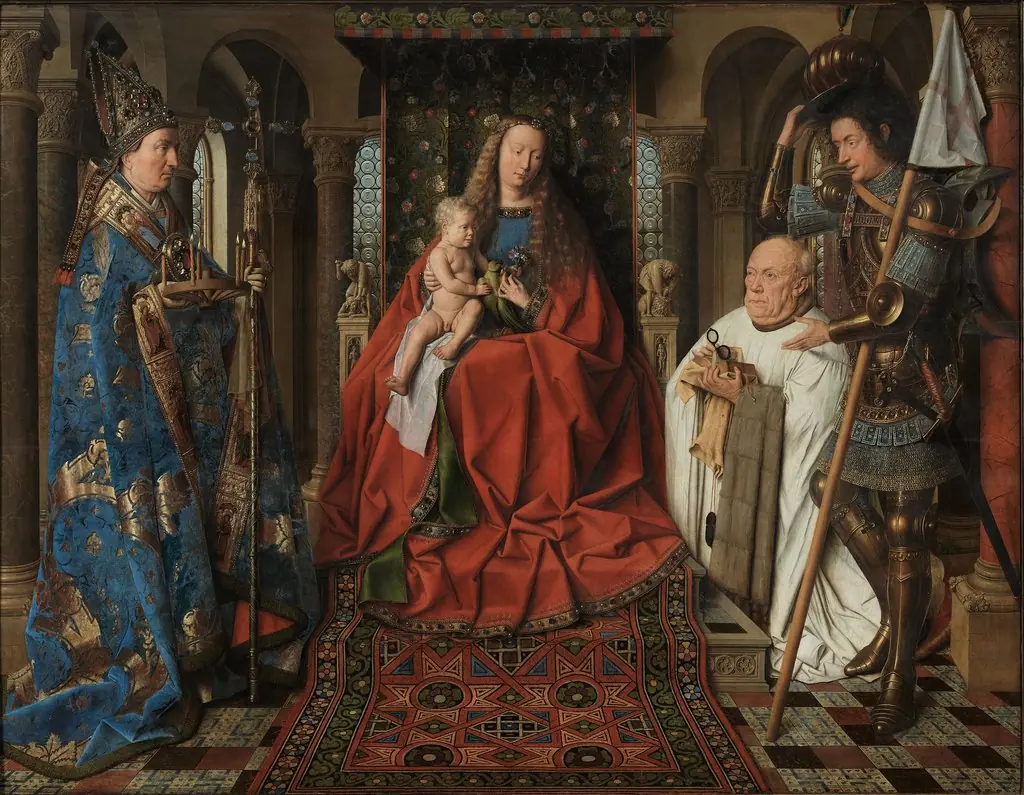
Ghent Altarpiece is an oil painting by the Northern Renaissance artist Jan van Eyck. It dates from 1432 and is held in the collection of the Solly Collection.
About this work
Overview
Executed in oil on panels, it was begun in the mid‑1420s and finished by 1432 under the direction of the van Eyck brothers, Hubert and Jan.
The Ghent Altarpiece, also known as the Adoration of the Mystic Lamb, is a monumental polyptych that dominates the high altar of St Bavo’s Cathedral in Ghent, Belgium. Executed in oil on panels, it was begun in the mid‑1420s and finished by 1432 under the direction of the van Eyck brothers, Hubert and Jan. The work comprises a complex arrangement of hinged wings that open to reveal a richly populated religious narrative.
Subject & Meaning
When opened, the central upper panel presents a Deësis scene with a divine figure—interpreted as either Christ or God the Father—flanked by the Virgin Mary and John the Baptist, while attendant angels play music. Below, a crowd of saints, clergy, and laypeople gather around a lamb, symbolising the sacrifice of Christ, overseen by the dove of the Holy Spirit. The outermost panels depict Adam and Eve, linking the story of redemption to the fall of humanity.
Technique & Style
The altarpiece is celebrated for its pioneering use of oil paint, allowing for subtle gradations of light, texture, and colour that create a luminous, three‑dimensional effect. The figures are rendered with meticulous detail, from the intricate fabrics to the reflective surfaces of metal and glass, exemplifying the Early Netherlandish shift toward naturalism and spatial depth.
History & Provenance
Commissioned by the wealthy Ghent merchant Joost Vijdt and his wife, the altarpiece remained in its original setting for centuries, surviving iconoclasm, war, and theft. Its panels have been repeatedly removed, repaired, and restored, yet the work has remained integral to the liturgical function of the cathedral.
Context
Created at the cusp of the late Middle Ages and the Renaissance, the Ghent Altarpiece embodies the transition from medieval iconography to a more humanist visual language. Its theological program reflects contemporary devotional practices, while its technical innovations influenced subsequent generations of Northern European painters.
Artist & collection
Artist
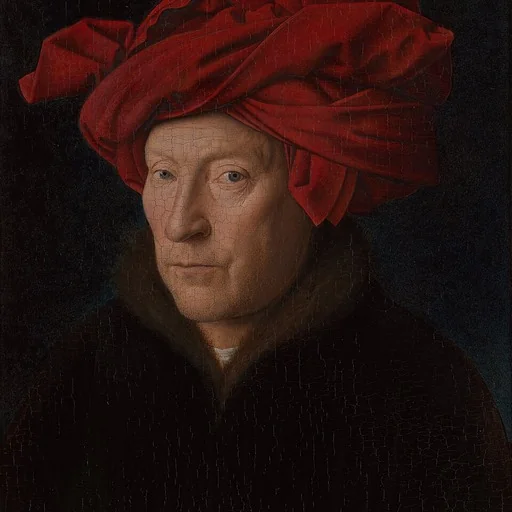
Jan van Eyck was a sharp-eyed observer who spent his life in the Low Countries, painting what he saw with almost eerie precision.