Artwork
Tantric Manuscript "Sangrahani Sutra"
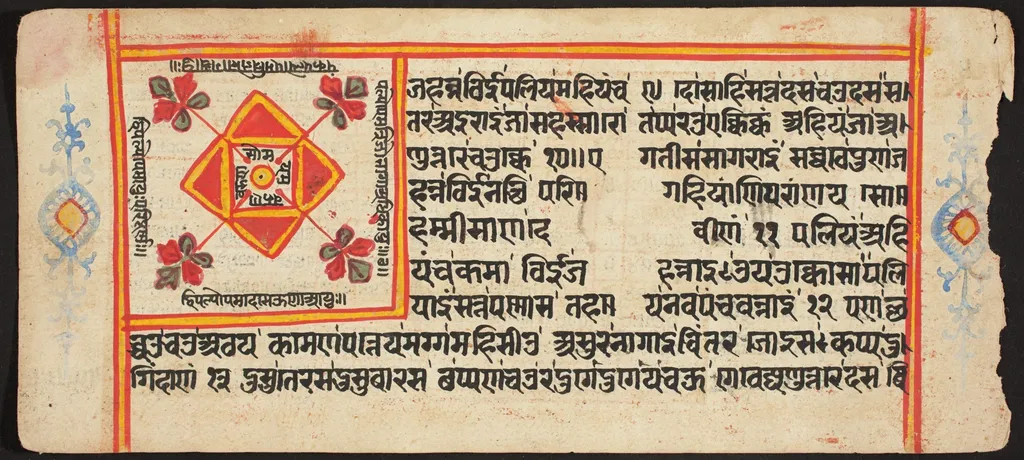
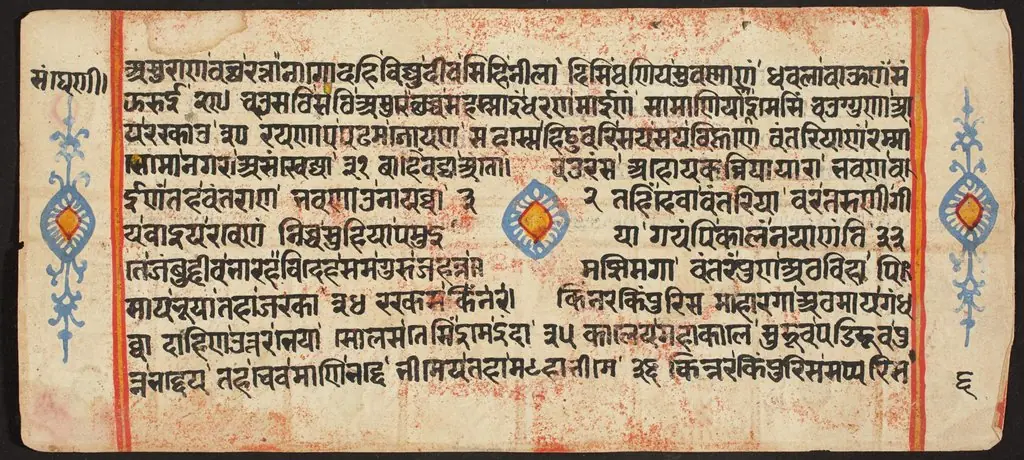
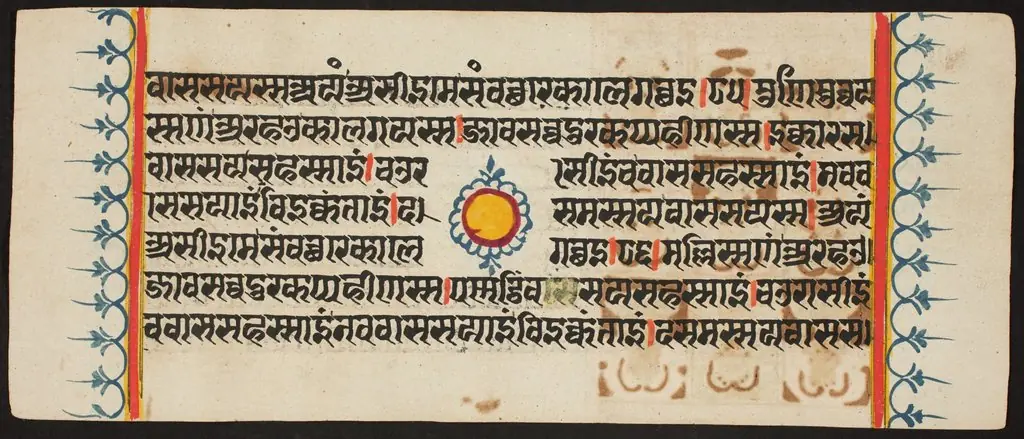
Tantric Manuscript "Sangrahani Sutra" is an unspecified painting by Unknown. It is held in the collection of the Detroit Institute of Arts. This page originates from a Tantric Buddhist manuscript known as the Sangrahani Sutra, produced in medieval South Asia.
About this work
Overview
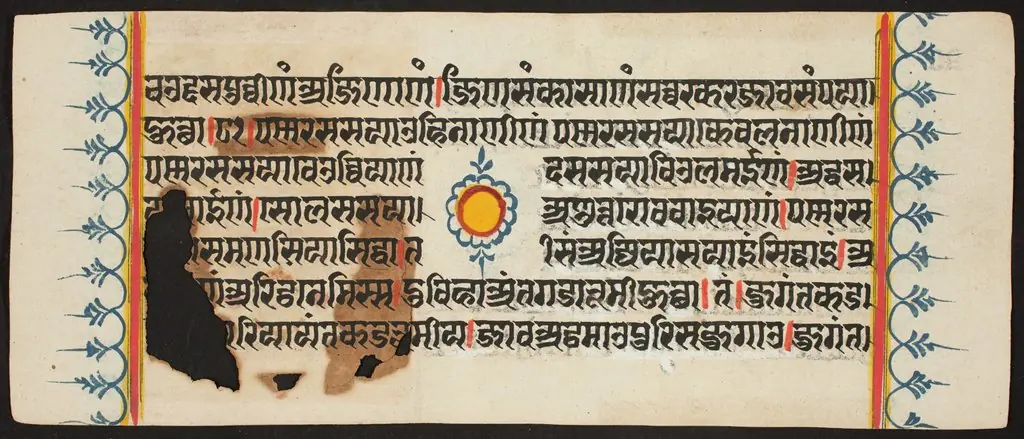
Signs of age—tears, fading, and staining—reflect its use and passage through time, preserving its material history without embellishment.
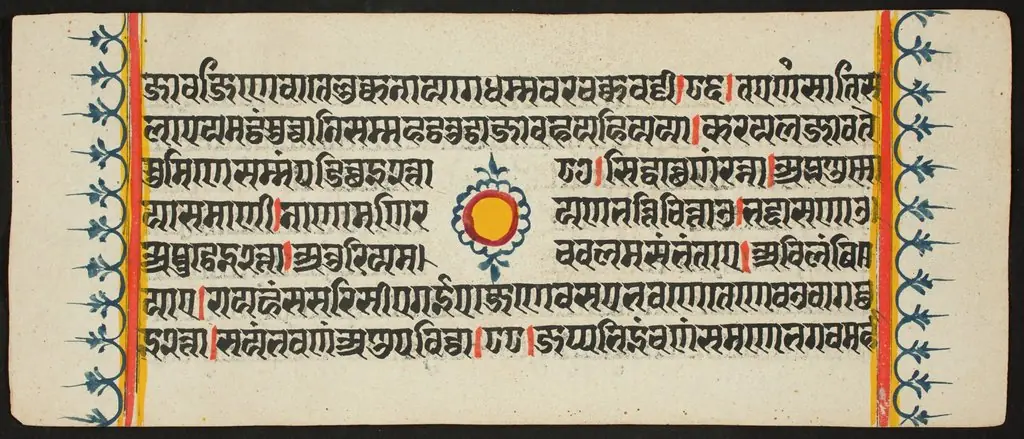
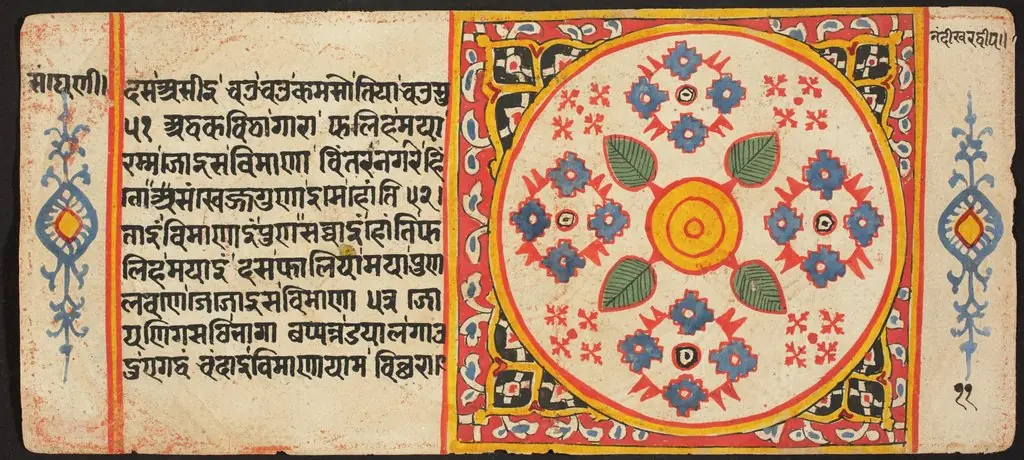
This page originates from a Tantric Buddhist manuscript known as the Sangrahani Sutra, produced in medieval South Asia. The surface bears dense script in an archaic script, rendered in black ink with selective red accents. Decorative motifs frame the text, featuring geometric patterns and stylized floral forms. Signs of age—tears, fading, and staining—reflect its use and passage through time, preserving its material history without embellishment.
Subject & Meaning
The Sangrahani Sutra is a doctrinal text central to certain Tantric Buddhist traditions, used for ritual recitation and meditative study. Its visual presentation, including red highlights and symbolic motifs, aligns with esoteric practices that associate color and form with spiritual potency. The geometric center and floral elements may represent cosmic diagrams or sacred symbols, reinforcing the text’s ritual function beyond mere transcription.
Technique & Style
The script is executed in a fluid, hand-written style typical of South Asian manuscript traditions, with ink applied using a reed or bamboo stylus. Red accents were likely added with natural pigments to emphasize key passages. Decorative borders employ mineral-based pigments in red and yellow, applied with precision. The absence of shading or perspective reflects a symbolic, rather than naturalistic, aesthetic common in religious manuscripts of the period.
History & Provenance
The manuscript likely originated in a monastic center in eastern India or Nepal between the 10th and 14th centuries. Its physical condition—worn edges, discoloration, and minor tears—suggests repeated handling during liturgical use. It may have been preserved in a temple or private collection before entering modern institutional care, though its exact provenance prior to the 20th century remains undocumented.
Context
This page belongs to a broader tradition of illuminated Buddhist manuscripts produced in monastic communities across the Indian subcontinent. Such texts were not merely literary but ritual objects, often stored in cloth wrappings and consulted during ceremonies. The integration of visual symbols with sacred text reflects a worldview in which spiritual knowledge was conveyed through both word and image, reinforcing doctrinal teachings through sensory engagement.
Legacy
Though the script and specific iconography remain incompletely understood, the manuscript stands as a testament to the continuity of Tantric Buddhist scholarship and artistic practice. It contributes to scholarly efforts to decode regional writing systems and illuminate the material culture of pre-modern religious communities. Its preservation allows ongoing study of how sacred knowledge was transmitted through both textual and visual means.
Artist & collection

 Domestic Scene
 Giacomo and Cardinal Marco, investing Andrea, Abbot of San Zeno, with his Benefice
 The Nymph of Fontainebleau
 Portrait of a Woman
 Madonna and Child with Saints in the Enclosed Garden
 Venus and Minerva
 Family Group of Four on Sofa
 Wall painting from Room H of the Villa of P. Fannius Synistor at Boscoreale
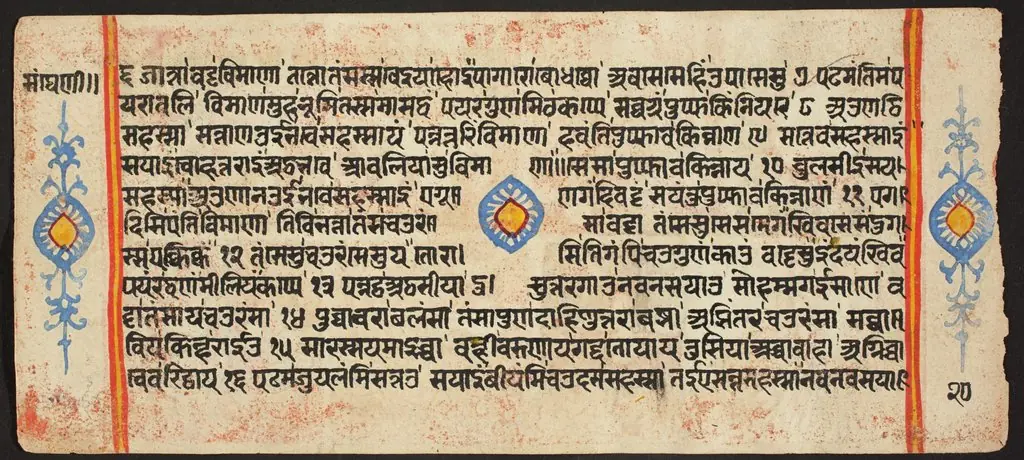 Tantric Manuscript "Sangrahani Sutra"
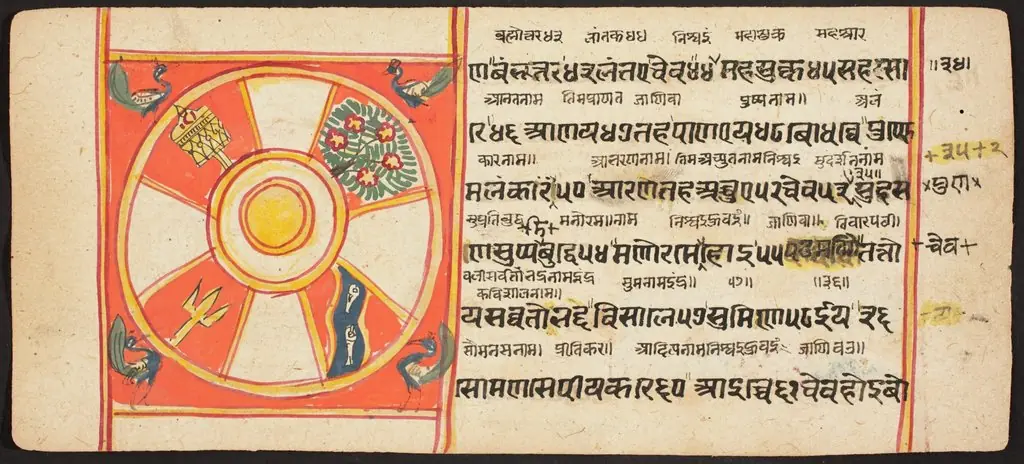 Tantric Manuscript "Sangrahani Sutra"
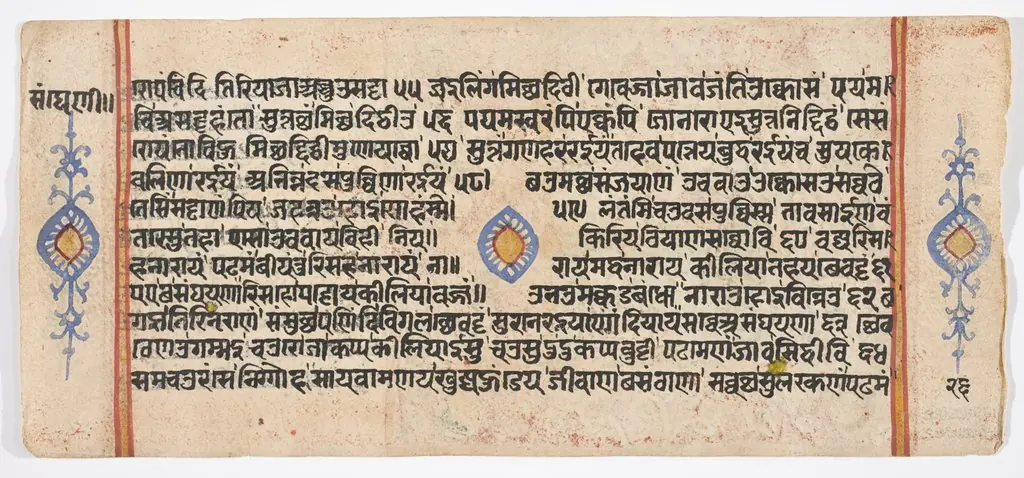 Tantric Manuscript "Sangrahani Sutra"
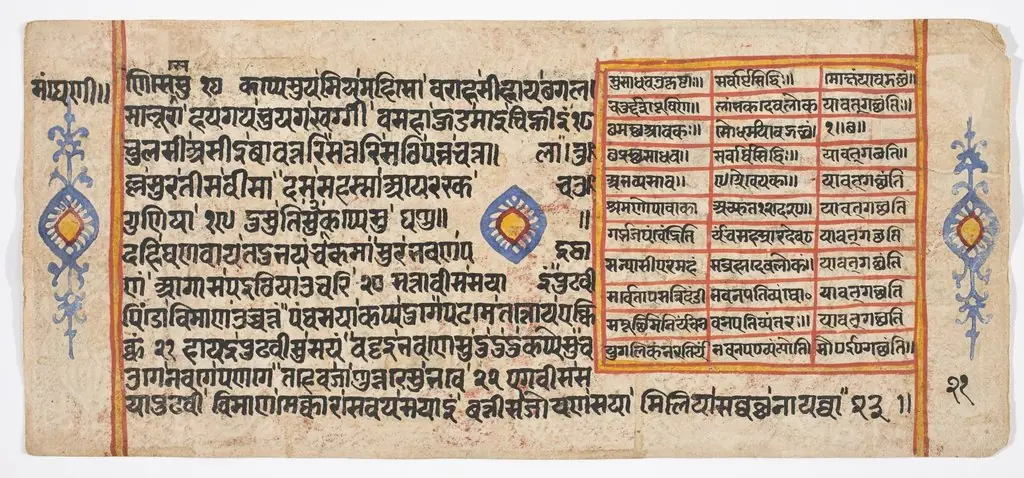 Tantric Manuscript "Sangrahani Sutra"
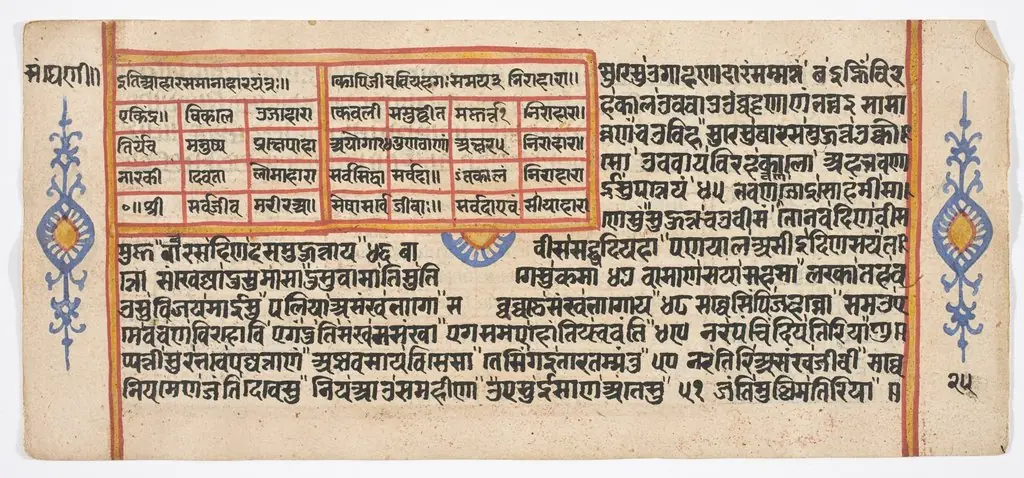 Tantric Manuscript "Sangrahani Sutra"
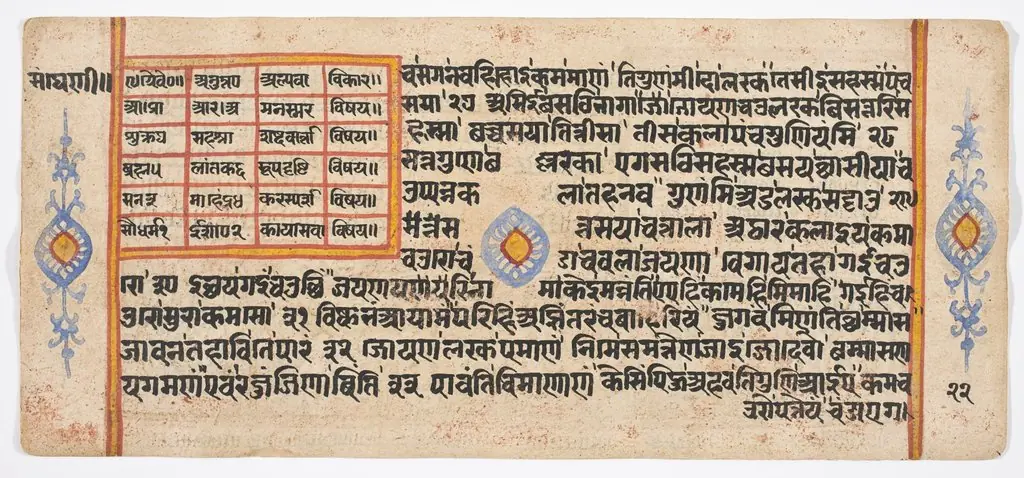 Tantric Manuscript "Sangrahani Sutra"
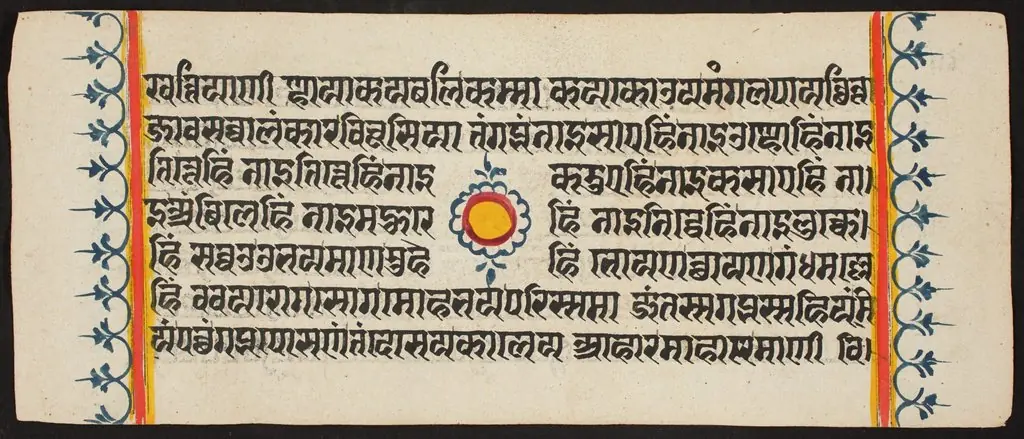 Kalpa Sutra
 Tantric Manuscript "Sangrahani Sutra"
 Kalpa Sutra
 Kalpa Sutra
 Tantric Manuscript "Sangrahani Sutra"
 Kalpa Sutra