Artwork
A Scholarly Outing
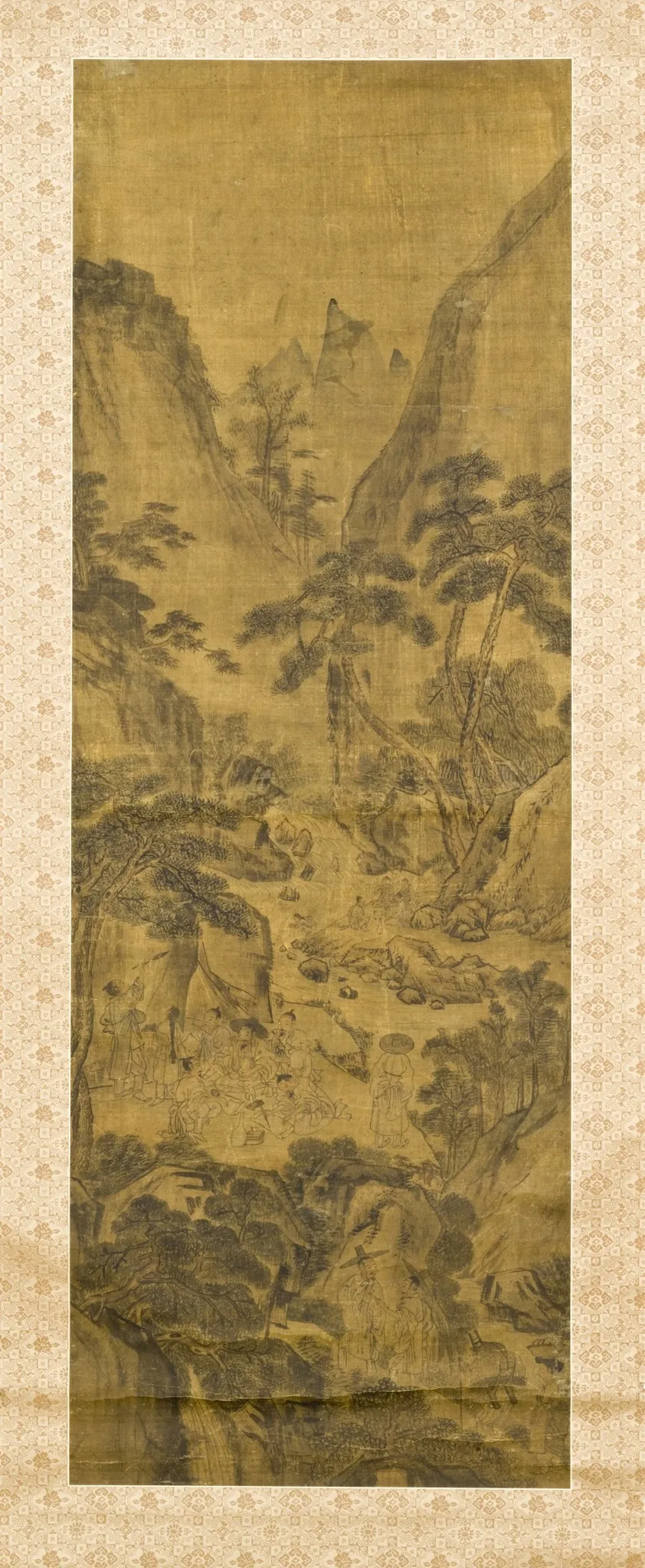
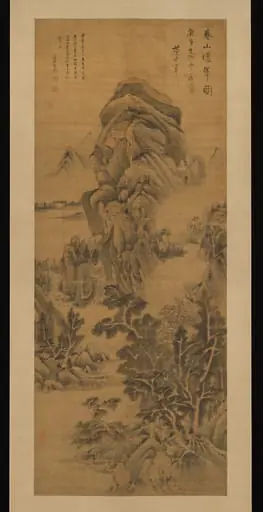
A Scholarly Outing is an unspecified painting by the Rococo painting artist Unknown. It dates from 1750 and is held in the collection of the Los Angeles County Museum of Art. This painting depicts a group of scholars engaged in an outdoor excursion, likely during the Ming or Qing dynasty.
About this work
Overview
This painting depicts a group of scholars engaged in an outdoor excursion, likely during the Ming or Qing dynasty.
This painting depicts a group of scholars engaged in an outdoor excursion, likely during the Ming or Qing dynasty. The scene captures a moment of intellectual leisure, where learning and nature intersect. Figures are arranged in a balanced composition, suggesting harmony between human thought and the natural world. The work belongs to a tradition of literati art that valued quiet contemplation over grand spectacle.
Subject & Meaning
The scholars are shown walking, discussing texts, and observing the landscape, reflecting the Confucian ideal of the cultivated gentleman who finds wisdom in nature. Their attire and posture convey restraint and refinement. No overt narrative is present; instead, the painting emphasizes the quiet dignity of scholarly life. The inclusion of distant mountains and sparse vegetation reinforces themes of solitude and moral clarity.
Technique & Style
Executed in ink and light color on silk, the brushwork is delicate yet precise, with fine lines defining figures and subtle washes suggesting depth in the landscape. The composition follows traditional Chinese spatial conventions, with elements layered to imply distance rather than perspective. Figures are small relative to the environment, underscoring their place within a larger cosmic order.
History & Provenance
The painting was likely commissioned by a scholar-official or collected by a member of the literati class. It remained in private hands for centuries, passed through familial or scholarly networks. Its earliest documented ownership traces to the late 17th century, though stylistic analysis suggests an earlier origin, possibly the mid-16th century. No public record of exhibition exists prior to the 20th century.
Context
During the Ming and Qing dynasties, scholarly outings were a common literary and artistic theme, symbolizing retreat from court politics and devotion to personal cultivation. Paintings like this were often accompanied by poetry, creating a multisensory experience of contemplation. The genre contrasted with official court art, favoring understated expression over ornamentation.
Legacy
This work exemplifies the enduring influence of literati aesthetics in East Asian art. Later collectors valued it not for its novelty but for its embodiment of classical ideals. Though not widely known outside scholarly circles, it continues to inform modern interpretations of traditional Chinese painting as a vehicle for ethical and philosophical reflection.
Artist & collection

 Domestic Scene
 Giacomo and Cardinal Marco, investing Andrea, Abbot of San Zeno, with his Benefice
 The Nymph of Fontainebleau
 Portrait of a Woman
 Madonna and Child with Saints in the Enclosed Garden
 Venus and Minerva
 Family Group of Four on Sofa
 Wall painting from Room H of the Villa of P. Fannius Synistor at Boscoreale
 Landscape for Old Man Yu on His Birthday
 Pulling Oars under Clearing Autumn Skies (Distant Mountains)
 Przeprawa przez górski potok - pejzaż w stylu niebiesko-zielonym
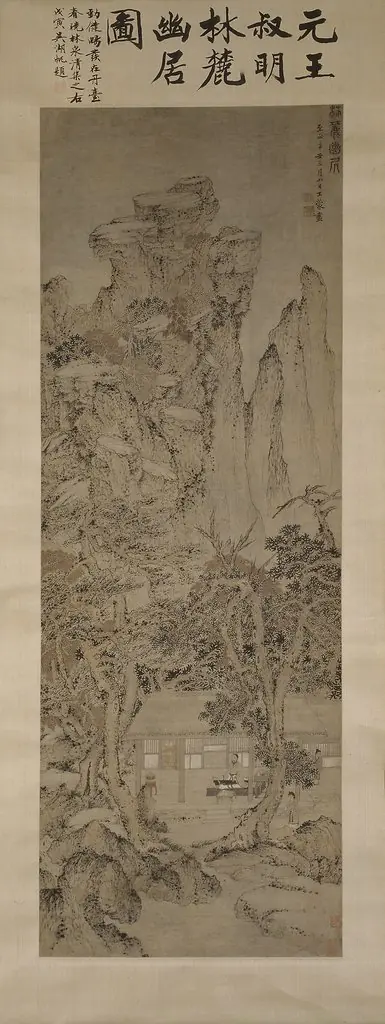 Quiet Life in a Wooded Glen
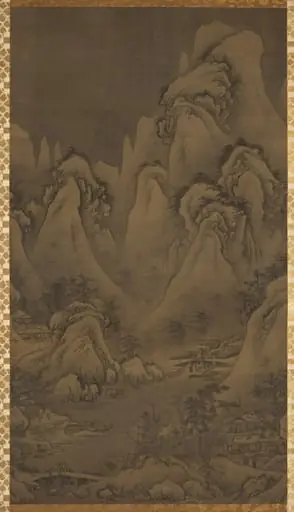 Winter Landscape
 Untitled
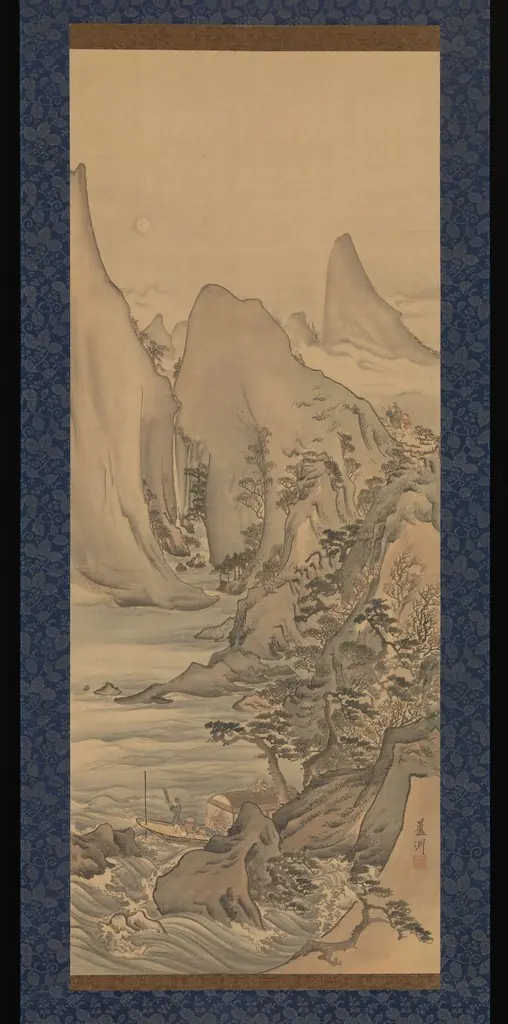 Boat under the Moon
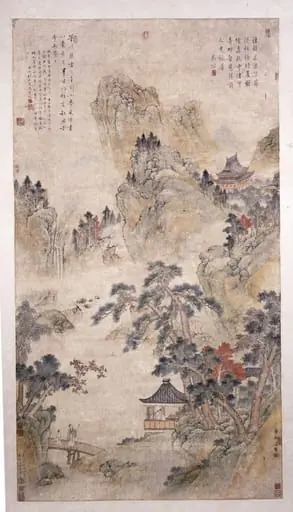 Visiting a friend in the mountains
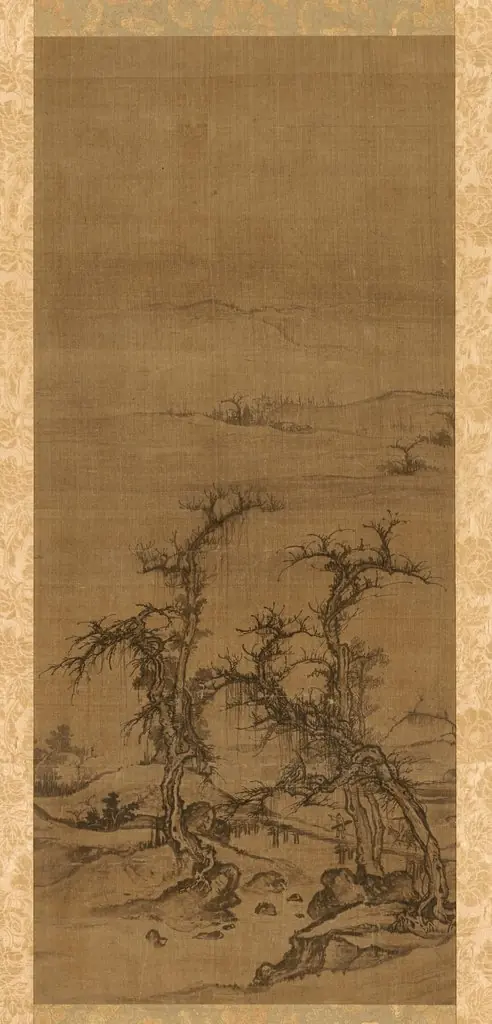 Carrying a Qin on a Visit
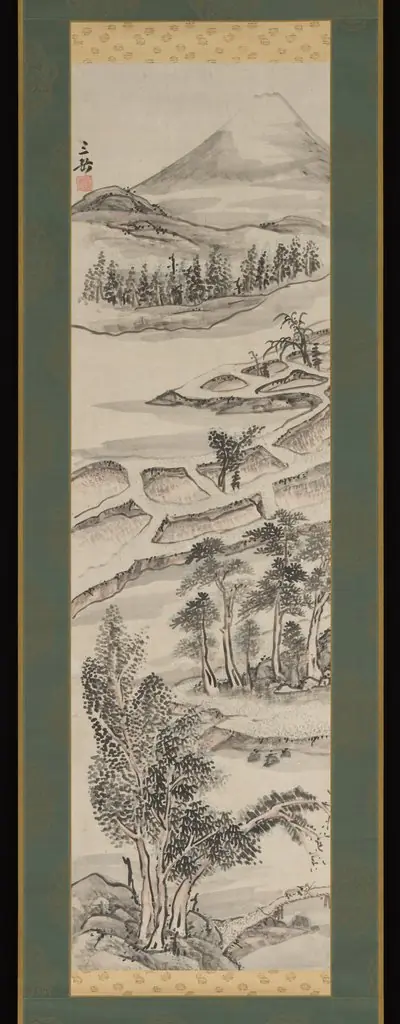 Mount Fuji
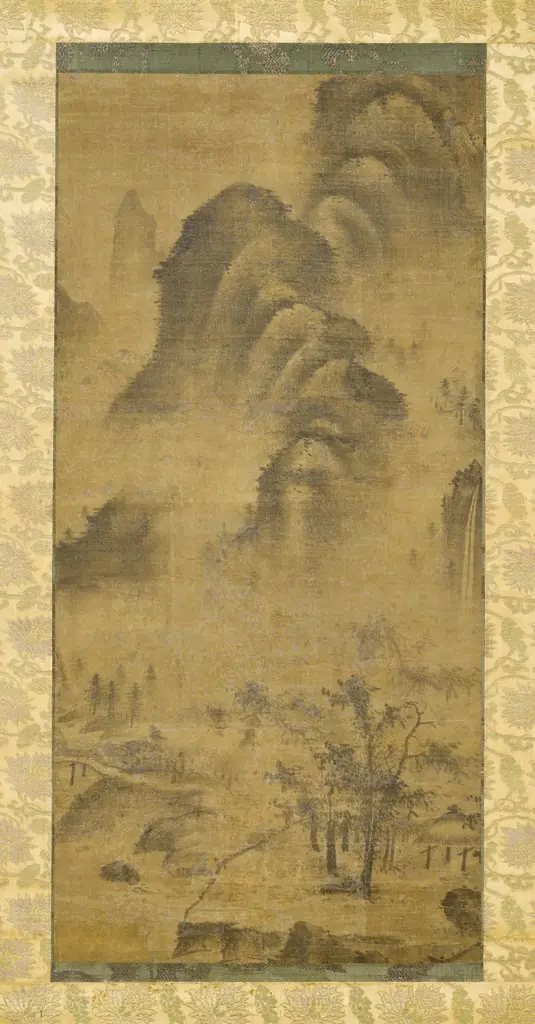 Landscape
 明 董其昌 春山暖翠圖 軸|Spring Mountains over Warm Greenery