Artwork
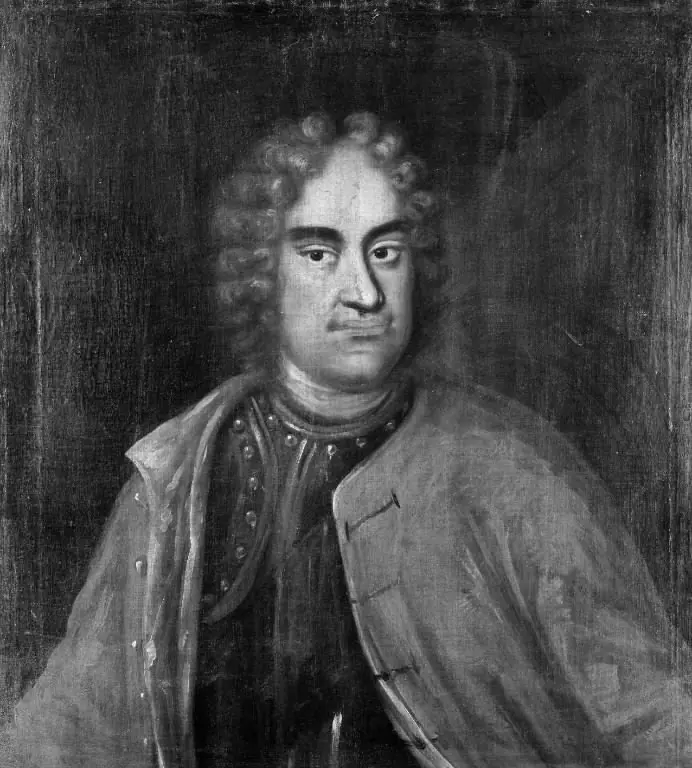
Portræt af hvidhåret mand i rustning
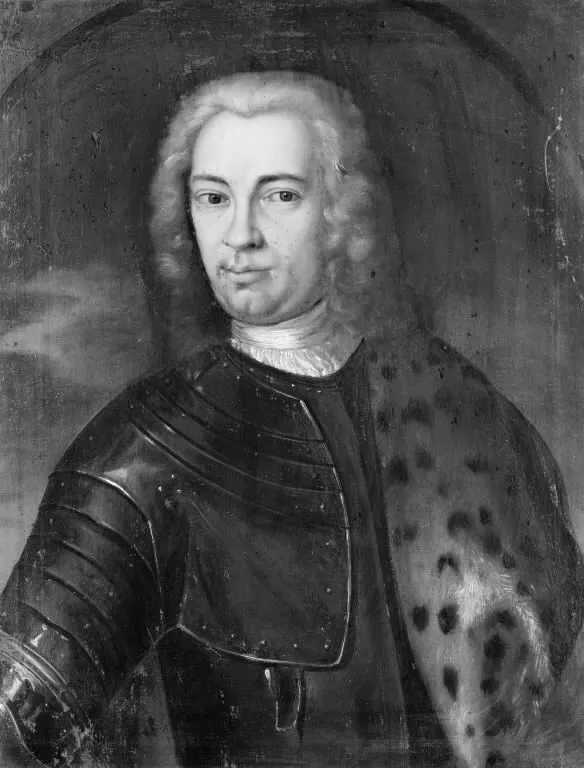
Portræt af hvidhåret mand i rustning is an unspecified painting by the Post-Impressionist artist Unknown. It dates from 1890 and is held in the collection of the Statens Museum for Kunst. The work is a portrait of an elderly man with white hair, rendered in a restrained palette that emphasizes tonal contrast.
About this work
Overview
The work is a portrait of an elderly man with white hair, rendered in a restrained palette that emphasizes tonal contrast. He is dressed in a dark, padded jacket over a white shirt, with a fur‑trimmed cloak draped over one arm, and his left hand rests on the hilt of a sword. The background is uniformly dark, focusing attention on the sitter’s solemn expression.
Subject & Meaning
The figure appears to be a seasoned warrior or nobleman, suggested by the armor, sword, and fur‑lined mantle. The serious, almost austere facial expression, combined with the white hair, conveys age, experience, and perhaps a contemplative or mournful mood. The portrait may have been intended to underscore the sitter’s status, martial role, or personal virtues such as steadfastness.
Technique & Style
The artist employs a chiaroscuro approach, using stark light and deep shadow to model the face and clothing. The limited tonal range creates a three‑dimensional effect, while the smooth handling of the skin contrasts with the textured depiction of the fur and fabric. The overall composition is simple, avoiding elaborate backgrounds in favor of a focused, dramatic illumination.
History & Provenance
The painting’s origin, date, and creator are not documented in the supplied information, and its provenance remains unclear. It is catalogued under the title “Portrait of a White‑haired Man in Armor,” suggesting a later archival identification rather than an original title. Further research into collection records may clarify its ownership history.
Context
Portraits of armored figures were common in European art from the late medieval period through the Baroque, often serving to commemorate military service or noble lineage. The stark chiaroscuro treatment aligns with techniques popularized by artists such as Caravaggio and Rembrandt, indicating the work may belong to a tradition that valued dramatic lighting to convey psychological depth.
Artist & collection

 Domestic Scene
 Giacomo and Cardinal Marco, investing Andrea, Abbot of San Zeno, with his Benefice
 The Nymph of Fontainebleau
 Portrait of a Woman
 Madonna and Child with Saints in the Enclosed Garden
 Venus and Minerva
 Family Group of Four on Sofa
 Wall painting from Room H of the Villa of P. Fannius Synistor at Boscoreale
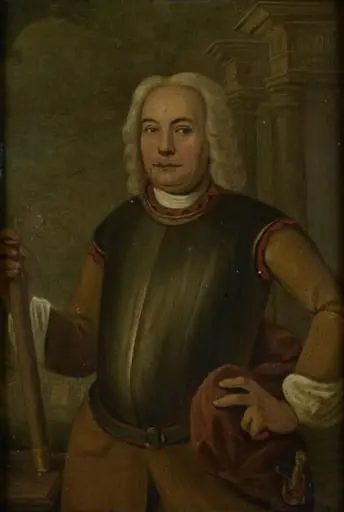 Portrait of Johannes Thedens, Governor-General of the Dutch East India Company
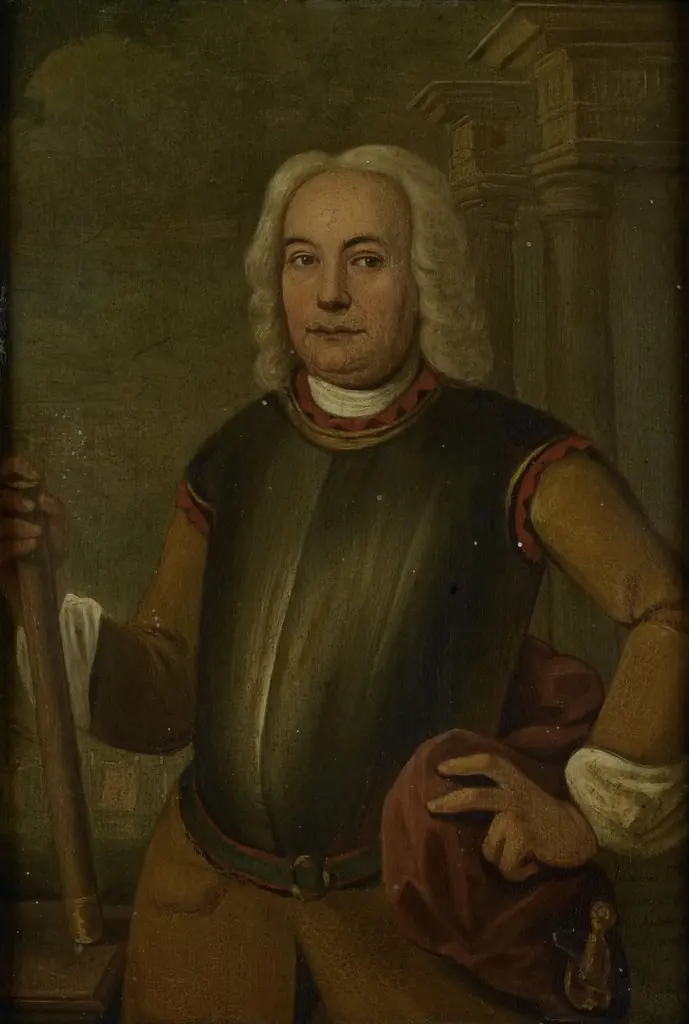 Portrait of Johannes Thedens (1680-1748). Gouverneur-generaal (1741-43)
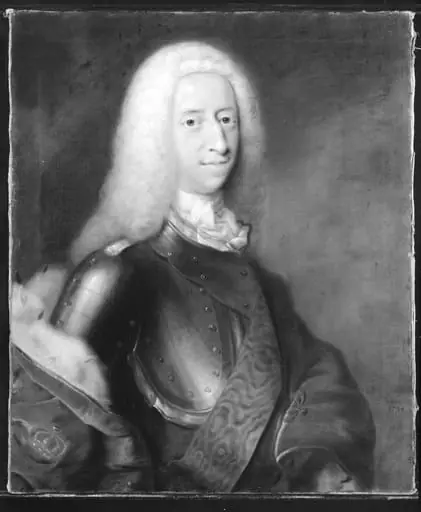 King Christian VI
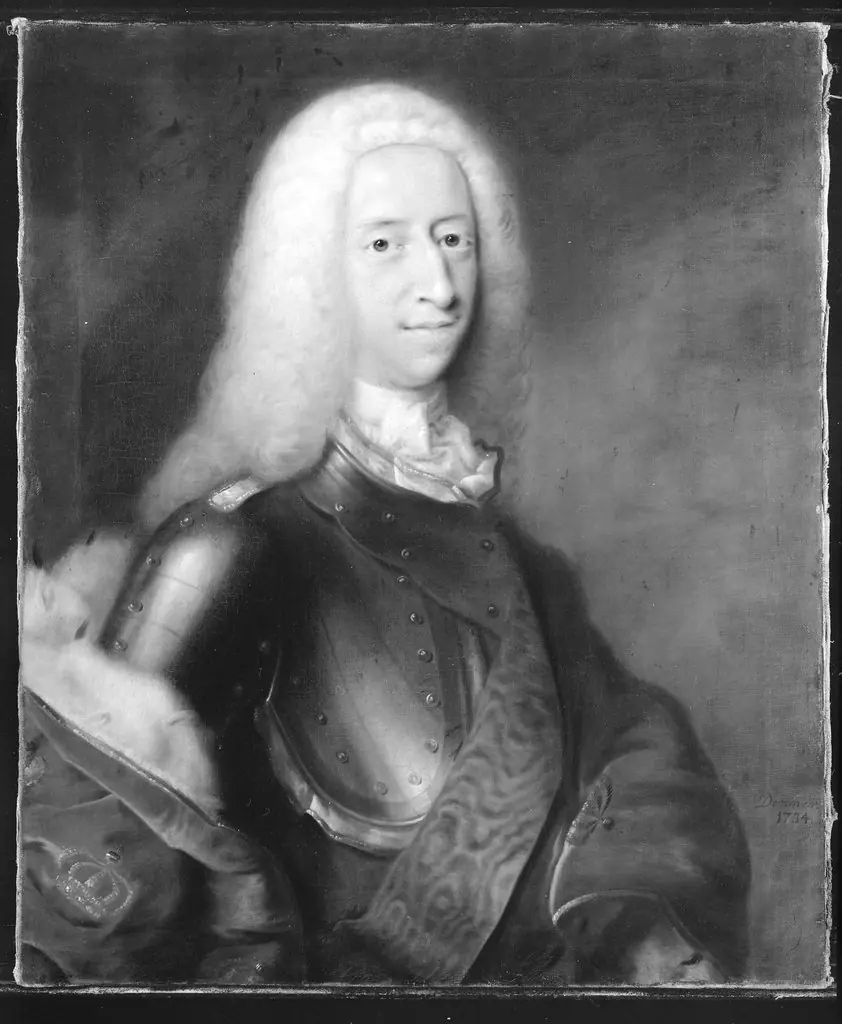 King Christian VI
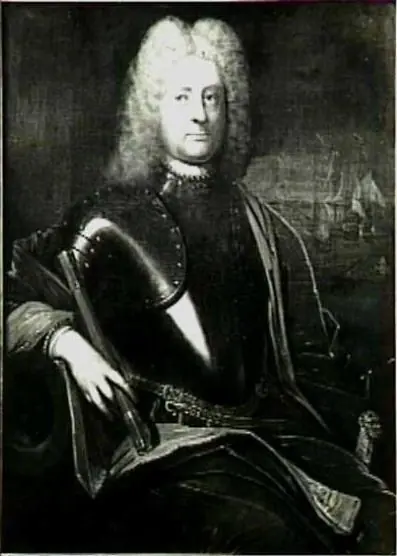 Gerard Callenburgh (1642-1722). Luitenant-admiraal van Holland en West-Friesland
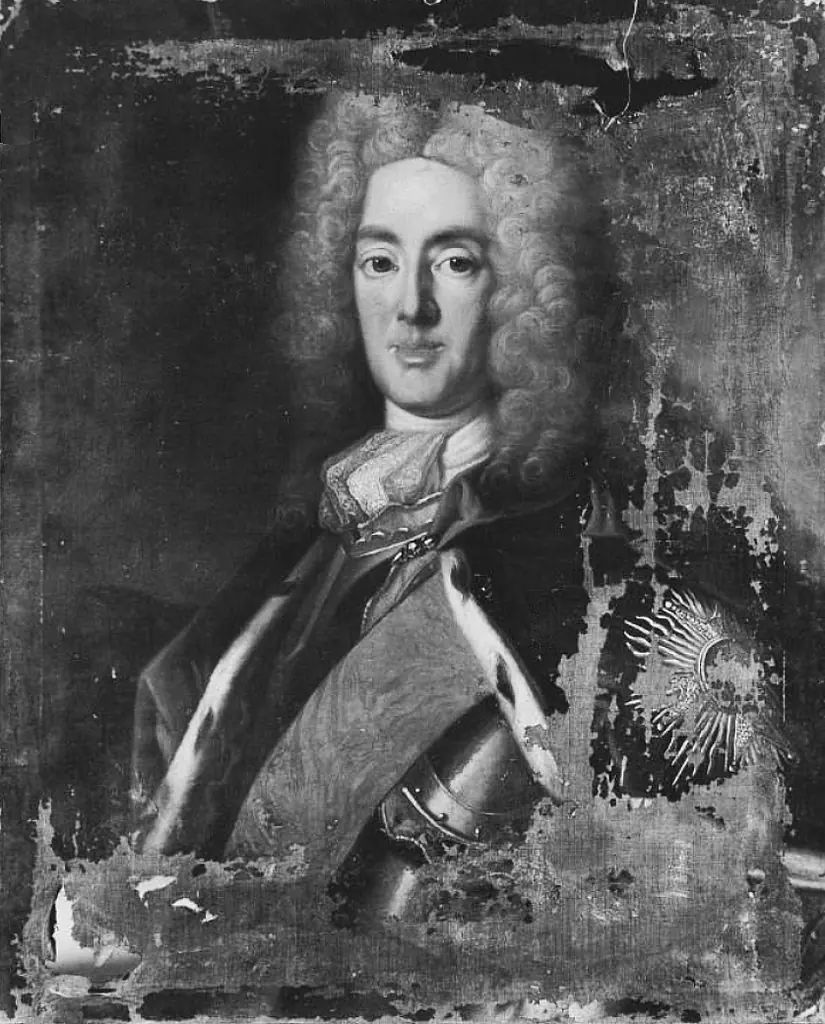 Count Palatine Gustav Samuel
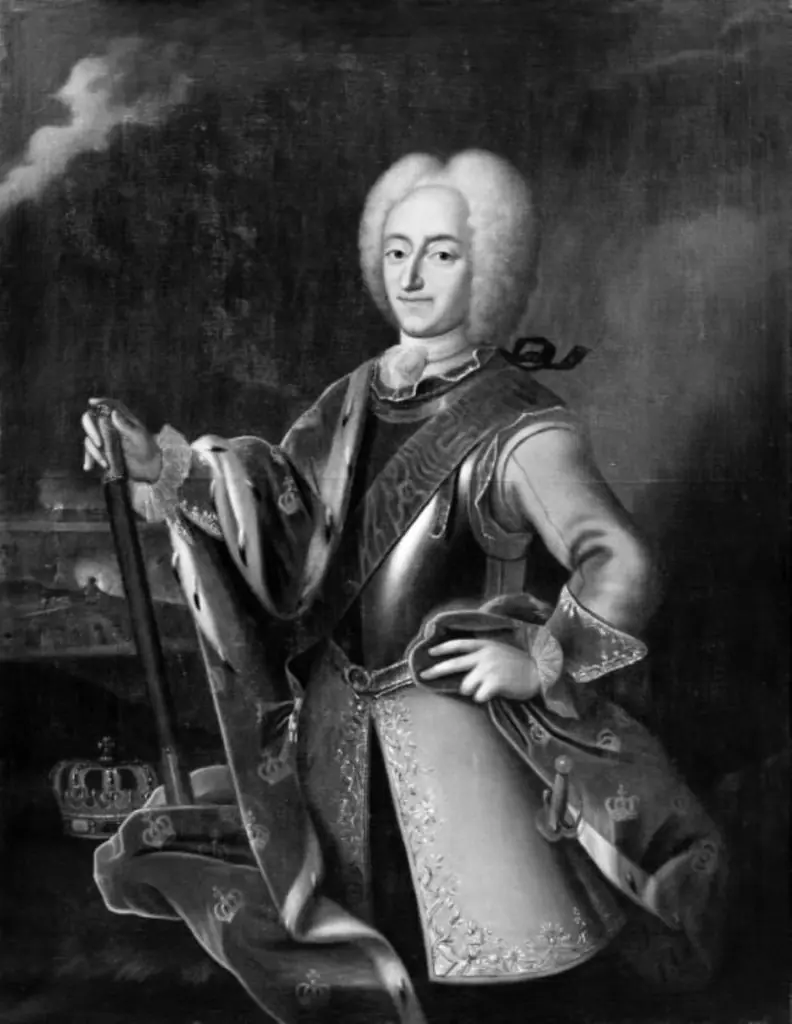 Kong Frederik IV
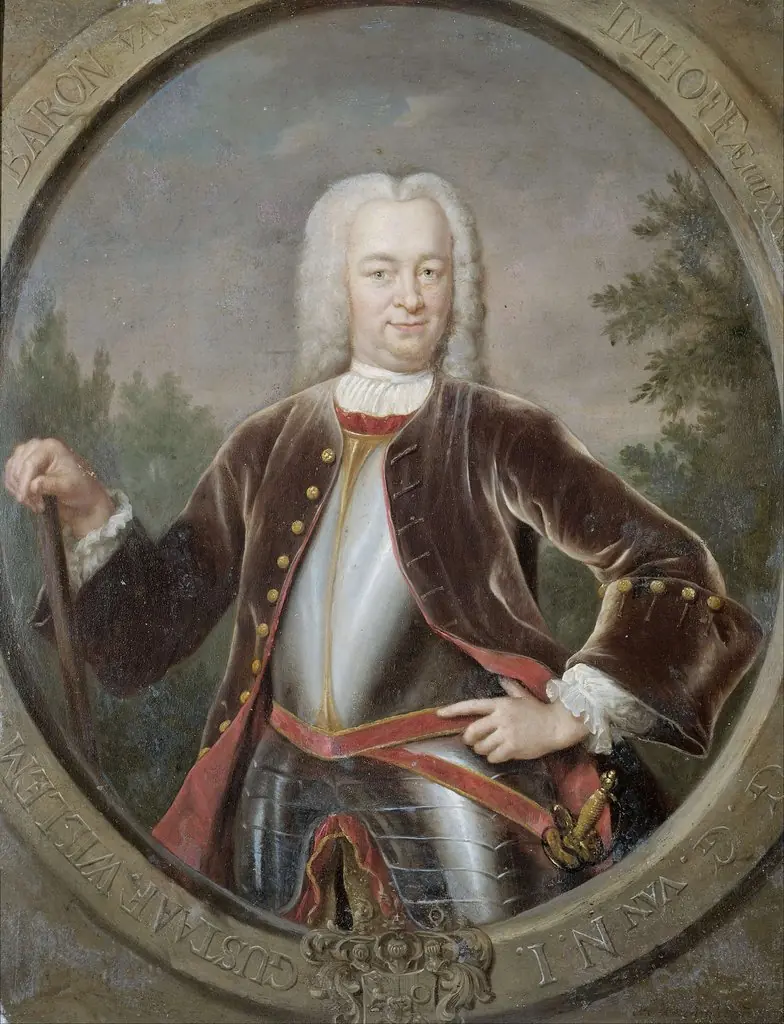 Portrait of Gustaaf Willem, Baron van Imhoff, Governor-General of the Dutch East India Company
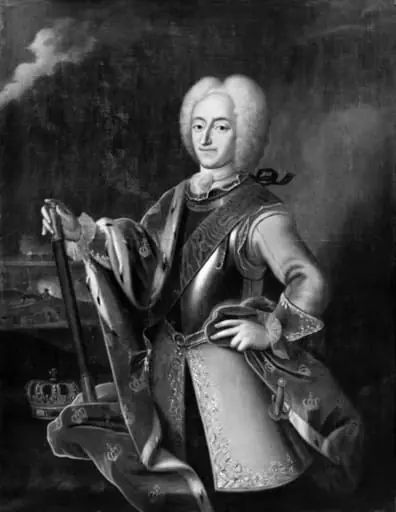 Kong Frederik IV
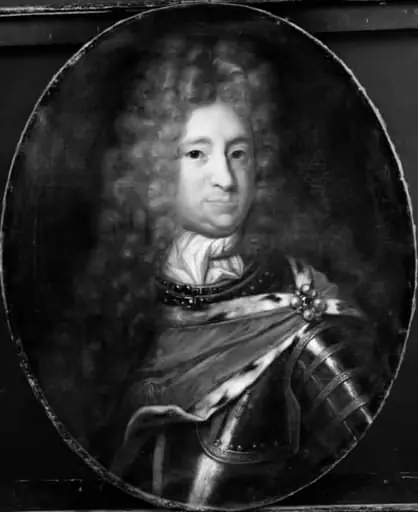 Hertug Gustaf Adolf til Mechlenborg
 Clemens Franz de Paula, Sohn des Prinzen Ferdinand Maria Innocenz
 Mandsportræt i rustning med det blå bånd