Artwork
Ursula Weichs
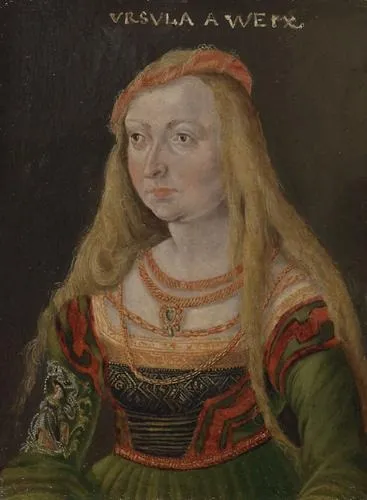
Ursula Weichs is an unspecified painting by Unknown. It dates from 1550 and is held in the collection of the Kunsthistorisches Museum.
About this work
Overview
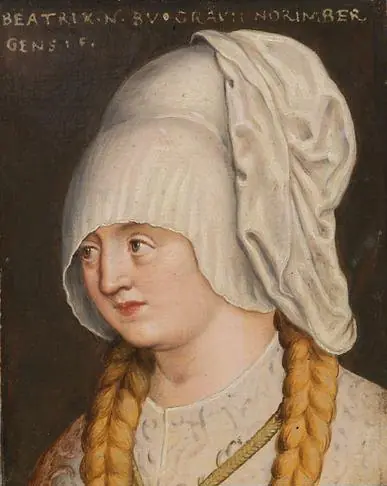
The composition emphasizes stillness and presence, with careful attention to the texture of her clothing and the subtlety of her facial features.
This portrait depicts a woman named Ursula Weichs, rendered in oil on panel. She is shown in three-quarter view against a deep, unmodulated background that isolates her figure. The composition emphasizes stillness and presence, with careful attention to the texture of her clothing and the subtlety of her facial features. The work is part of the collection at the Kunsthistorisches Museum in Vienna.
Subject & Meaning
Ursula Weichs was likely a member of the urban elite in 16th-century Austria. Her dignified posture and refined attire suggest social standing, though the painting avoids overt symbolism. Her neutral gaze and calm expression convey quiet composure rather than narrative or emotional intensity, reflecting a shift toward individual portraiture in the period.
Technique & Style
The artist employed fine brushwork to render the silk and velvet of her garments, using layered pigments to achieve luminous depth in the green dress and rich contrast in the bodice. The gold necklace catches light with subtle highlights, while the skin tones are softened with delicate glazes. The dark background enhances the three-dimensionality of the figure without distraction.
History & Provenance
The painting entered the Kunsthistorisches Museum’s collection in the 19th century, likely through imperial Austrian acquisitions. Its early history before that is undocumented, but its style aligns with regional portraiture from the mid-1500s. It has remained in public ownership since its museum accession, with no record of significant restoration.
Context
Created during the Northern Renaissance, the portrait reflects the growing interest in individual identity among the merchant and noble classes. Unlike religious or allegorical works, this piece focuses on personal presence. Similar portraits from Austria and southern Germany of the era share this restrained elegance and attention to textile detail.
Legacy
The portrait stands as a representative example of secular portraiture in Central Europe during the Reformation era. It contributes to the understanding of how non-royal individuals were visually represented in a time of shifting social and religious norms. Its preservation allows ongoing study of regional techniques and identity expression in 16th-century art.
Artist & collection

 Domestic Scene
 Giacomo and Cardinal Marco, investing Andrea, Abbot of San Zeno, with his Benefice
 The Nymph of Fontainebleau
 Portrait of a Woman
 Madonna and Child with Saints in the Enclosed Garden
 Venus and Minerva
 Family Group of Four on Sofa
 Wall painting from Room H of the Villa of P. Fannius Synistor at Boscoreale
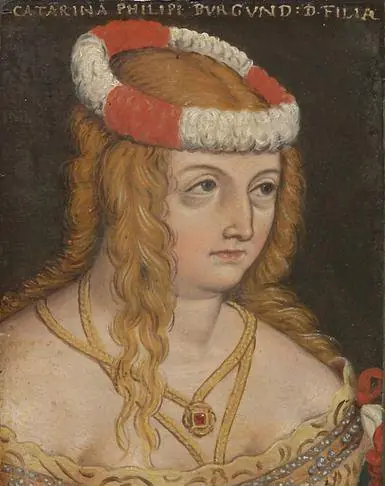 Catherine of Burgundy
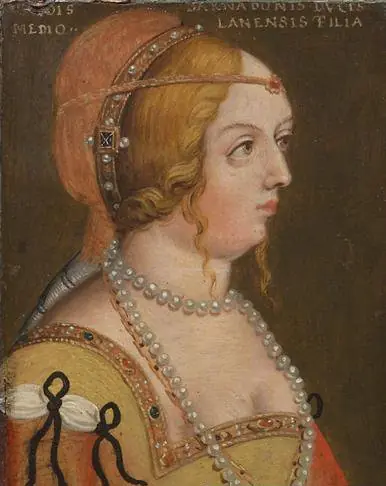 Portrait of Viridis Visconti (1352–1414)
 Portrait of Marie of Baden
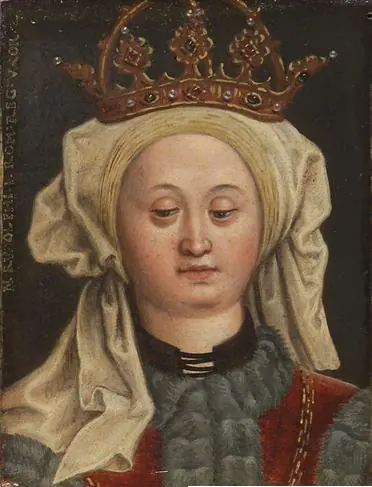 Agnes (Elisabeth) of Burgundy, 2nd wife of Rudolph I
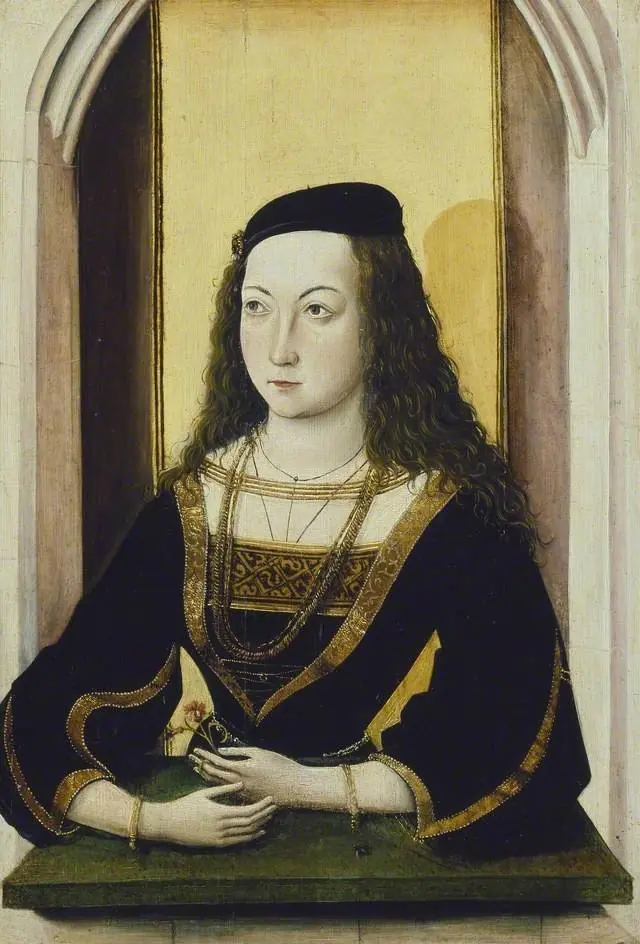 Portrait of a young Woman holding a Flower
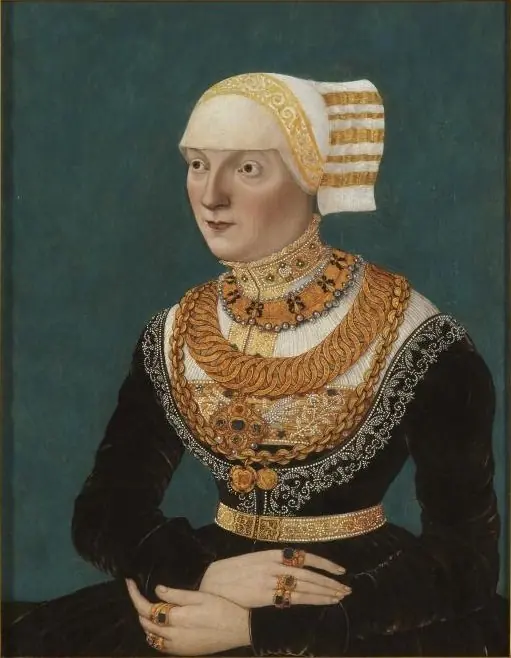 Portrait of a Lady
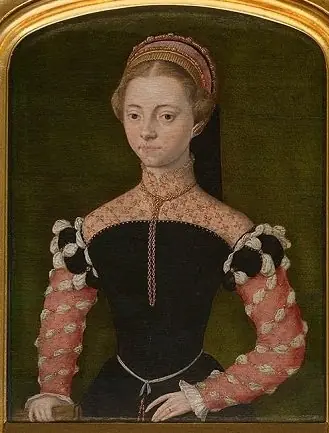 Portrait of a young woman
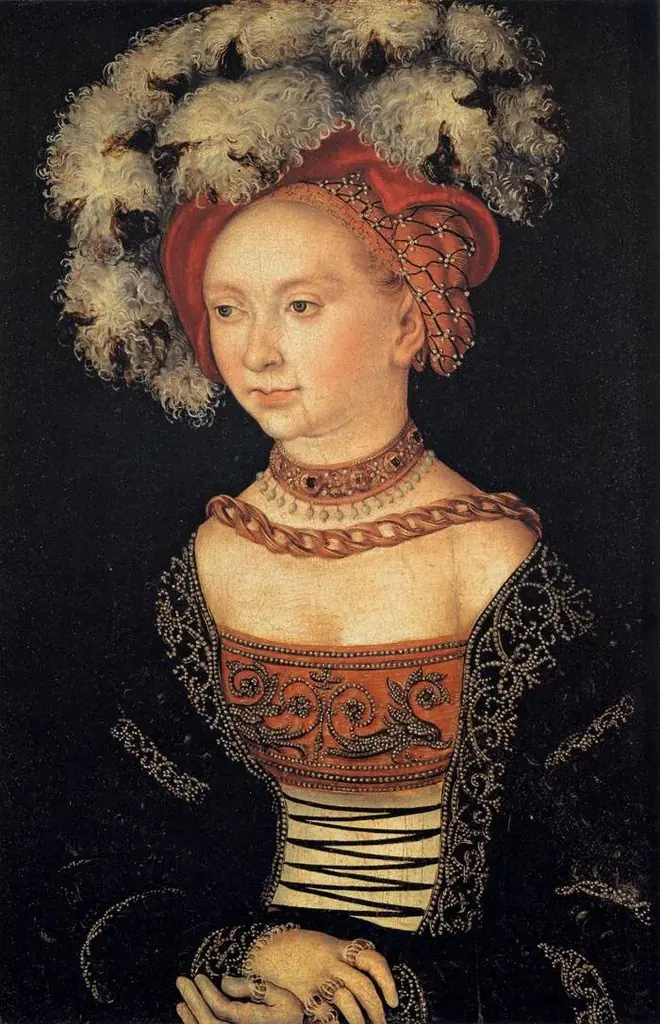 Female Portrait
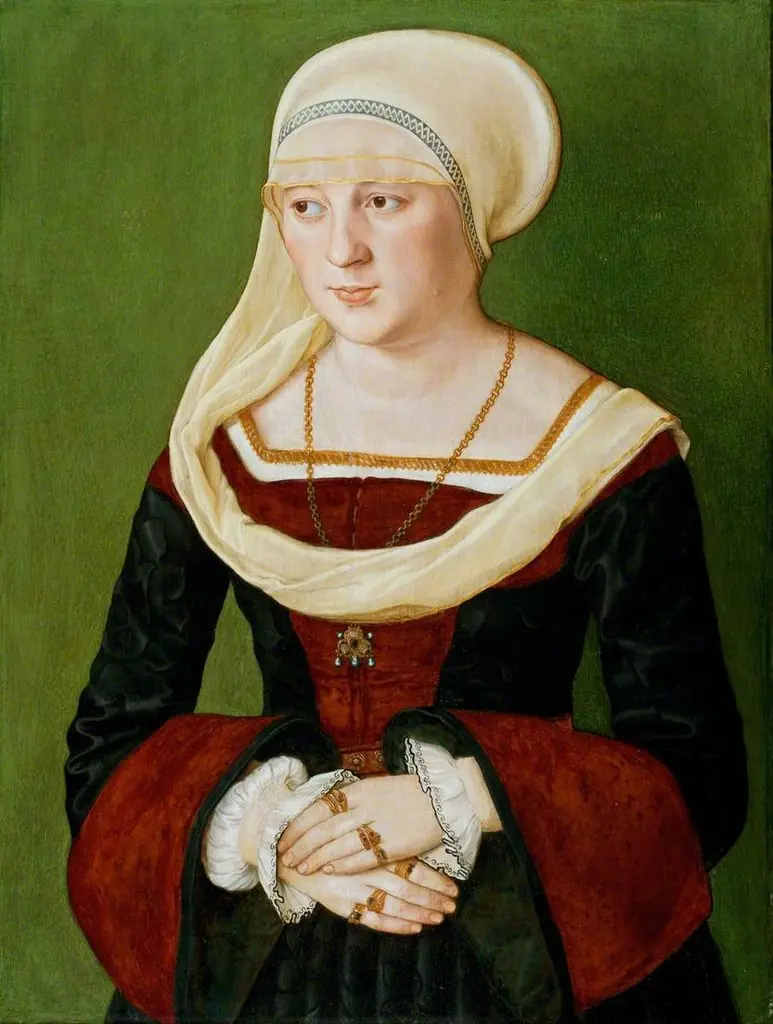 Portrait of Anna Scheit, née Mem(m)inger
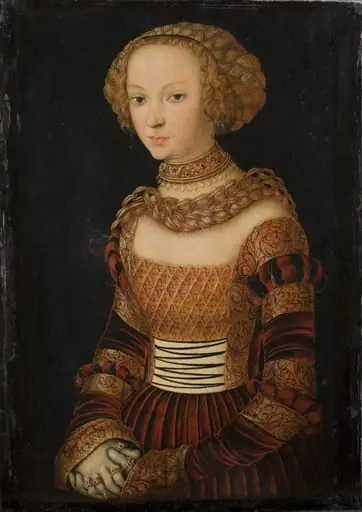 Portrait of a Young Woman. Princess Emily of Saxony?
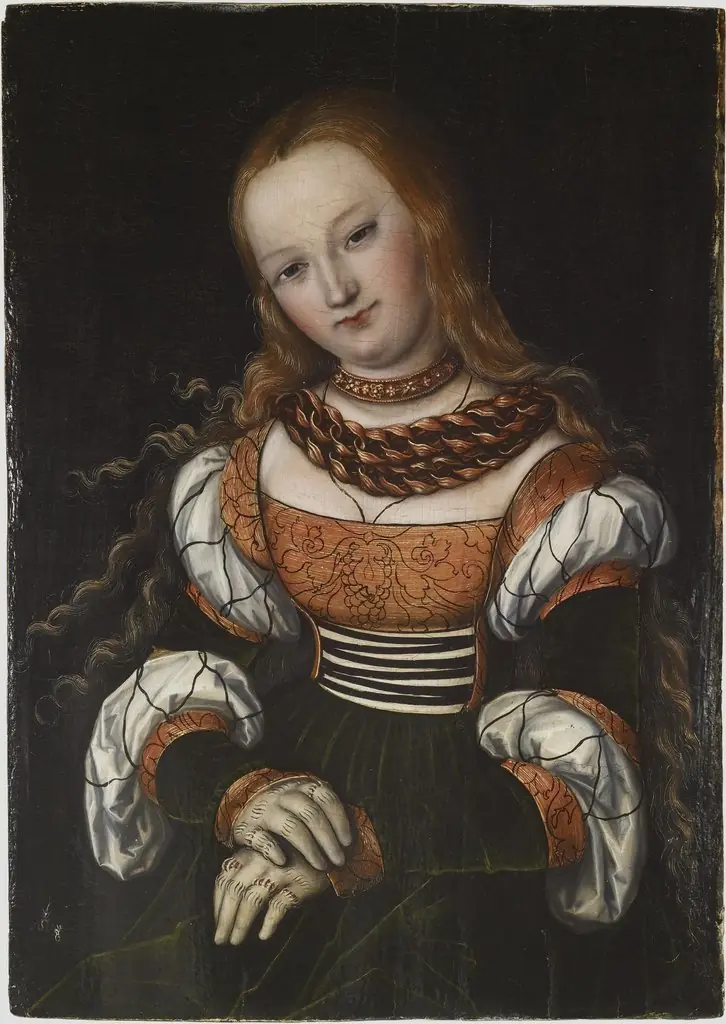 Portrait of a young woman
 Beatrice of Nuremberg, duchess of austria