Artwork
Portrait of a young woman
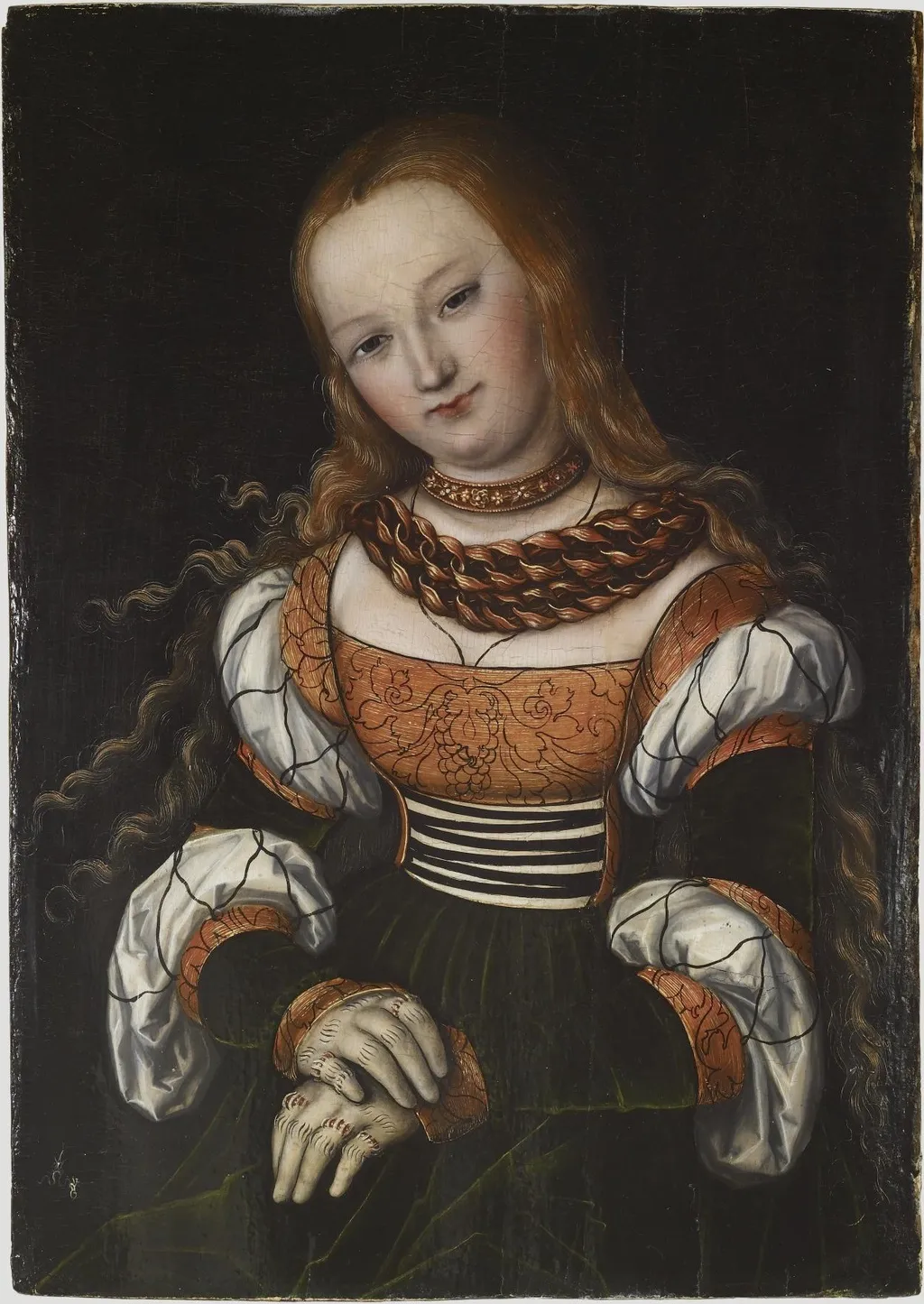
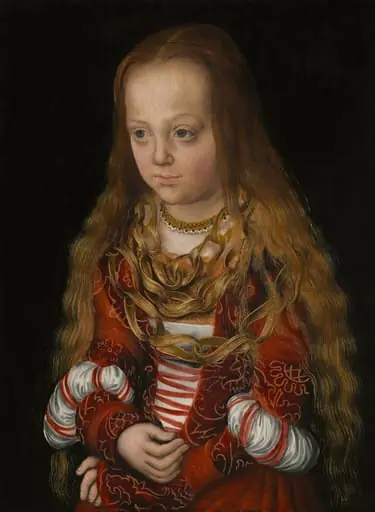
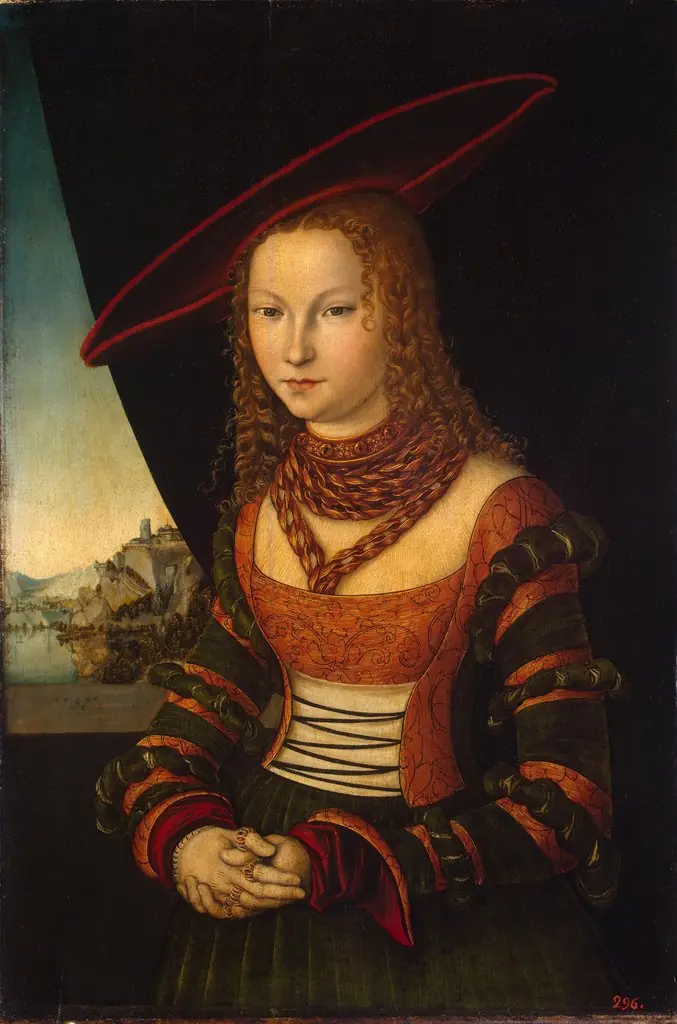
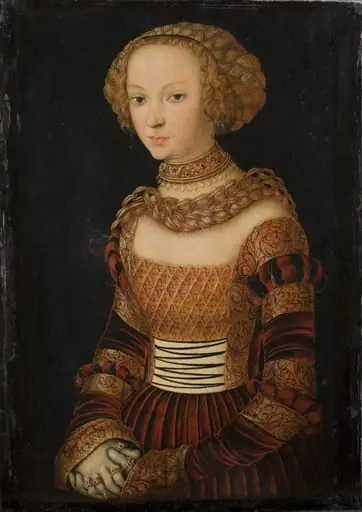
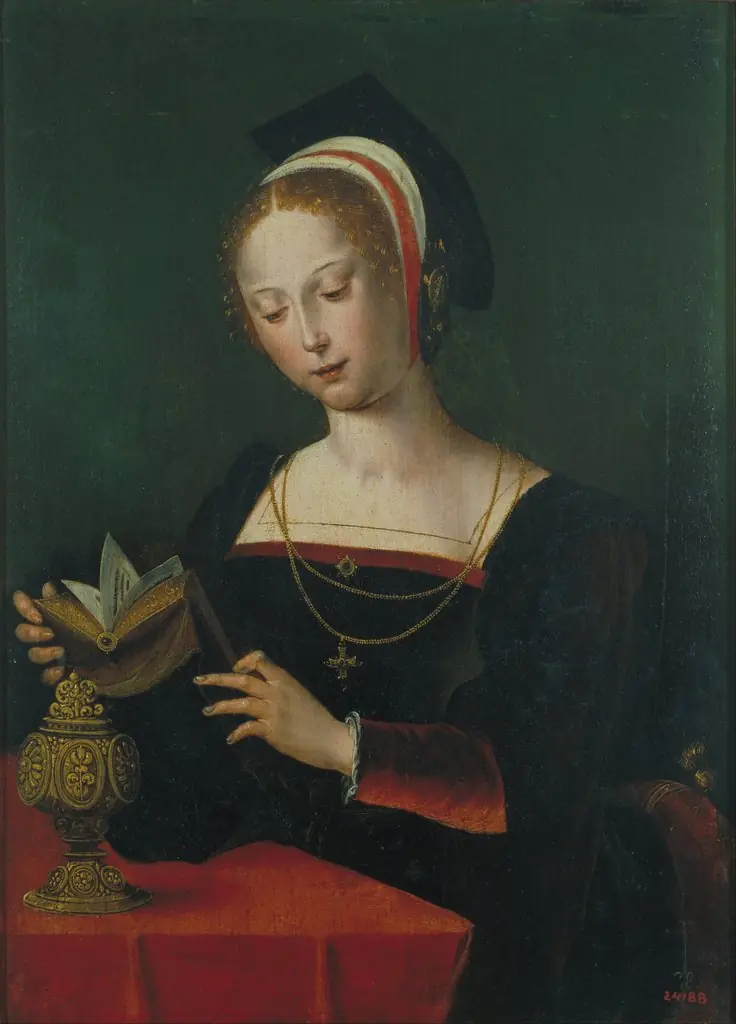
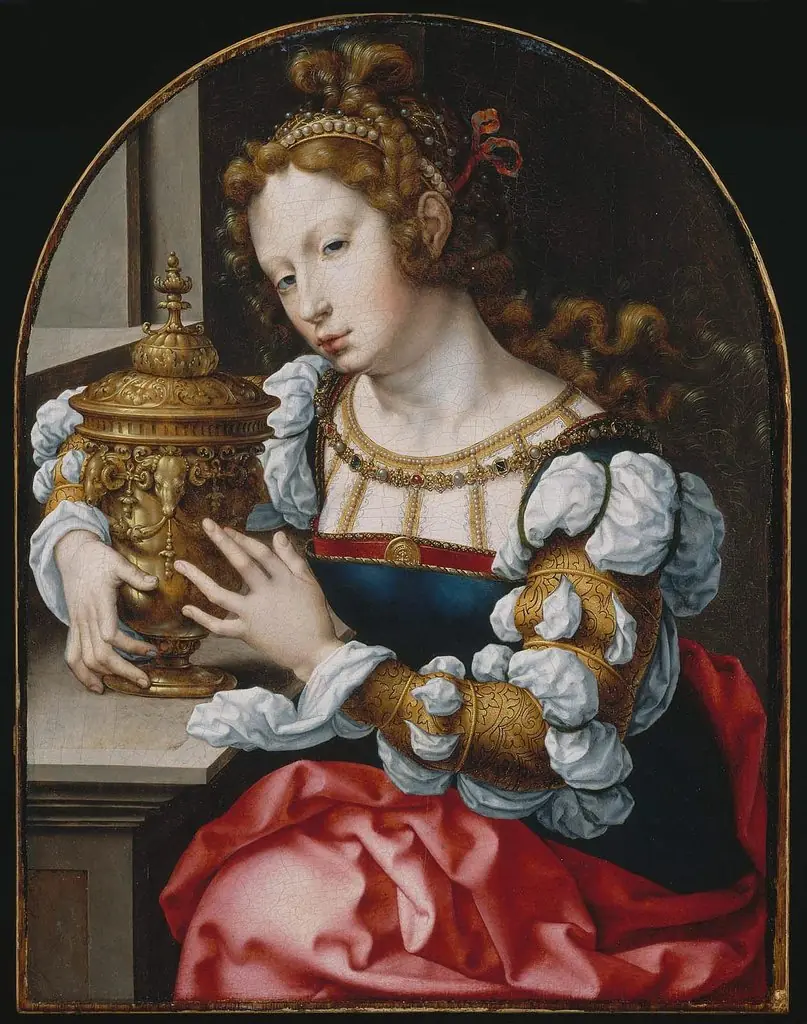
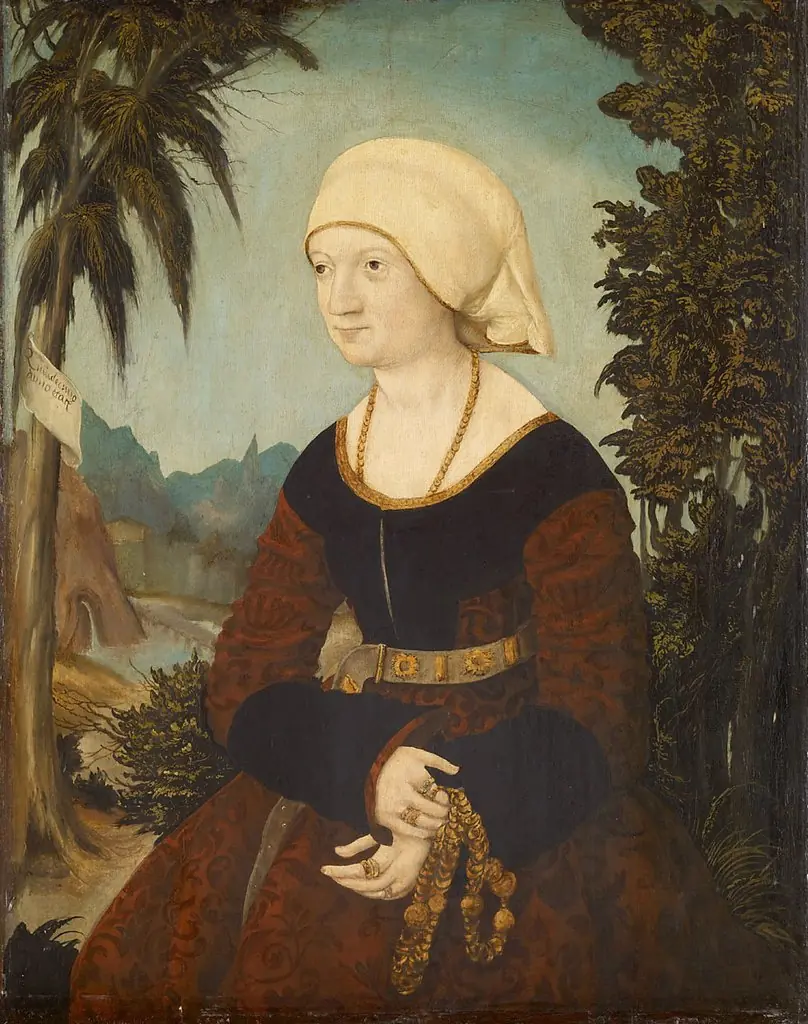
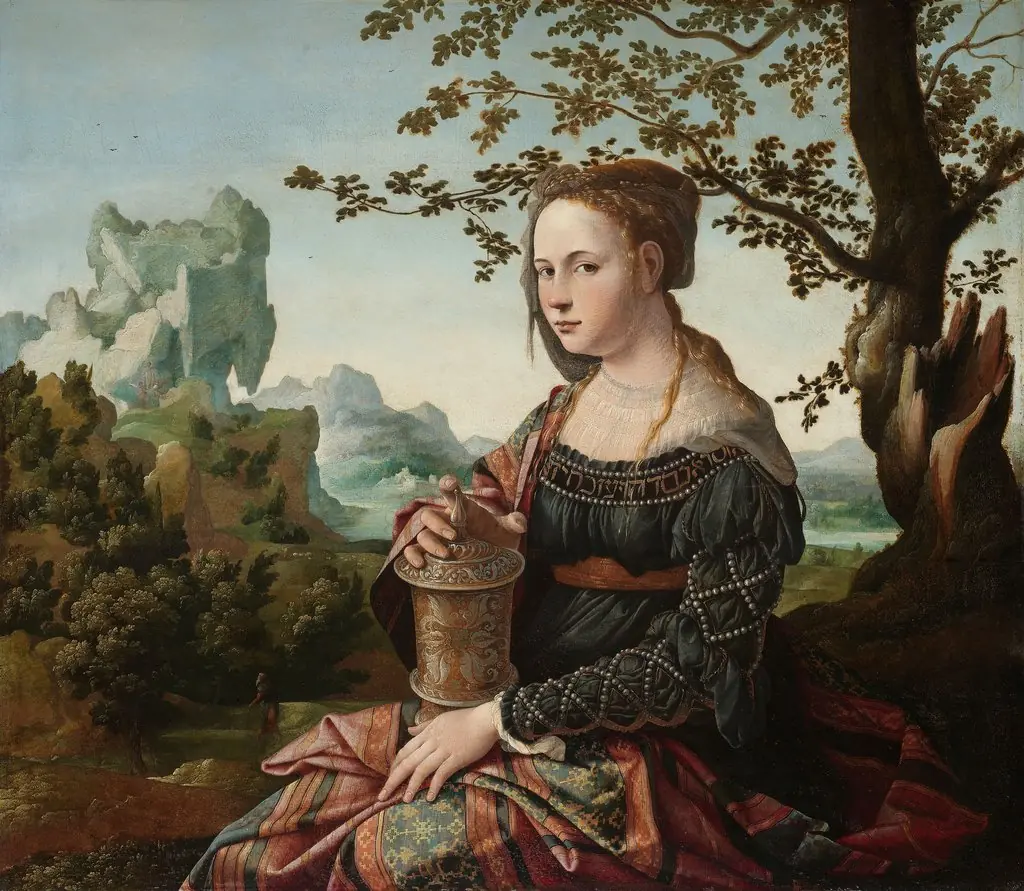
Portrait of a young woman is a paint painting by the Northern Renaissance artist Lucas Cranach the Elder. It dates from 1525 and is held in the collection of the Walters Art Museum.
About this work
Overview
The work resides in the Walters Art Museum and exemplifies Cranach’s distinctive approach to portraiture during the early Reformation period in Germany.
Painted in 1525 by Lucas Cranach the Elder, this oil-on-panel portrait presents a young woman identified as Mary Magdalene. The work resides in the Walters Art Museum and exemplifies Cranach’s distinctive approach to portraiture during the early Reformation period in Germany. Its restrained elegance and precise detailing reflect the artist’s mastery in capturing individual presence within a devotional context.
Subject & Meaning
Though rendered with the realism typical of Cranach’s secular portraits, the figure is conventionally understood as Mary Magdalene, a biblical figure often depicted in penitent or contemplative poses. Her direct gaze and modest attire align with contemporary ideals of female virtue, while the rich textiles and jewelry subtly suggest spiritual wealth rather than worldly excess, reinforcing her role as a model of repentance and devotion.
Technique & Style
Cranach employs fine brushwork to render the textures of fabric, hair, and jewelry with meticulous care. The dark green gown contrasts with the patterned bodice, whose intricate design adds visual rhythm. The red hair, rendered in layered glazes, draws attention without dominating the composition. Hands clasped gently before the body and the frontal gaze create a composed, intimate presence, characteristic of Cranach’s psychological portraiture.
History & Provenance
The painting entered the Walters Art Museum’s collection in the early 20th century, having passed through private European collections since its creation. Its attribution to Cranach the Elder has been consistently supported by stylistic analysis and technical examination. No significant alterations or restorations are documented, preserving its original surface and tonal harmony.
Context
Created during the rise of Protestant reform in Germany, the portrait reflects a cultural shift in religious imagery: biblical figures were increasingly portrayed with contemporary dress and naturalistic features. Cranach, a close associate of Martin Luther, helped redefine sacred subjects through accessible, humanized depictions, blending devotional intent with the emerging taste for individualized portraiture.
Legacy
This work exemplifies Cranach’s enduring influence on Northern Renaissance portraiture, particularly in the depiction of women as both spiritual and individual subjects. Its quiet dignity and refined technique set a precedent for later artists navigating the intersection of religious symbolism and secular realism. The painting remains a key reference in studies of 16th-century German artistic identity.
Artist & collection
Artist
Lucas Cranach the Elder was a German Renaissance painter and printmaker in woodcut and engraving.