Artwork
The temptation of St. Antony
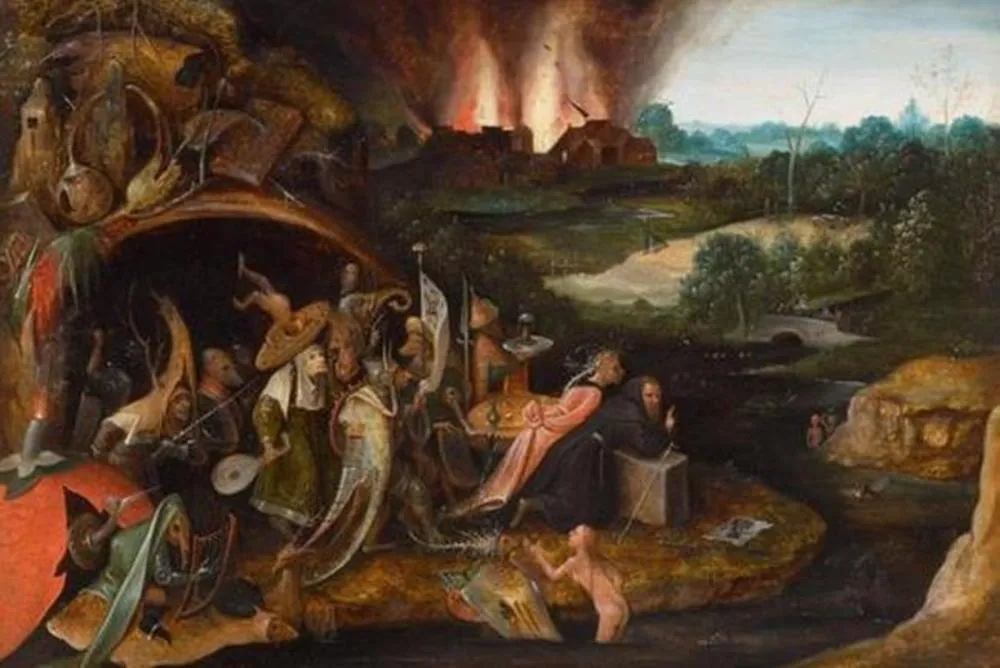
The temptation of St. Antony is an oil painting by the Mannerist artist Unknown. It dates from 1549 and is held in the collection of the Kunsthistorisches Museum. This oil painting depicts a tumultuous vision of spiritual torment.
About this work
Overview
A solitary male figure, identifiable as Saint Antony, is besieged by grotesque, hybrid creatures within a desolate landscape.
This oil painting depicts a tumultuous vision of spiritual torment. A solitary male figure, identifiable as Saint Antony, is besieged by grotesque, hybrid creatures within a desolate landscape. The composition is dominated by a fiery backdrop and a sky choked with smoke, amplifying the scene’s apocalyptic intensity. Dramatic illumination isolates the saint, heightening the contrast between his vulnerable humanity and the surrounding chaos.
Subject & Meaning
The work portrays Saint Antony’s legendary trials, a recurrent theme in Christian hagiography. The saint’s isolation amid monstrous assailants symbolizes the internal and external struggles against temptation and demonic forces. The violent, surreal imagery reflects the artist’s interpretation of spiritual conflict, where faith is tested through physical and psychological duress. The scene’s symbolic weight lies in its depiction of resilience against overwhelming malevolence.
Technique & Style
Executed in oil, the painting employs stark chiaroscuro to emphasize the central figure while plunging peripheral elements into shadow. The brushwork ranges from meticulous detail in the saint’s expression to loose, expressive strokes in the background’s flames and smoke. The figures’ exaggerated, almost caricatured forms contribute to a sense of grotesque distortion, reinforcing the scene’s nightmarish quality. This stylistic approach aligns with traditions of dramatic, emotionally charged religious art.
History & Provenance
Details of the painting’s creation and early ownership remain sparse. Its thematic focus on Saint Antony’s trials suggests a possible commission for private devotion or a monastic setting, where such imagery served as moral allegory. The work’s survival through subsequent centuries indicates its perceived significance, though specific records of its transfer between collections are limited. Its current attribution and dating rely on stylistic comparisons with known works of the period.
Context
The painting emerges from a broader artistic tradition exploring the trials of saints, particularly during the Counter-Reformation, when such narratives were used to reinforce faith. The exaggerated, almost hallucinatory quality of the tormentors reflects contemporary anxieties about heresy, sin, and the supernatural. The work’s dramatic use of light and shadow also aligns with Baroque tendencies to evoke emotional responses through visual intensity, appealing to viewers’ sense of devotion and awe.
Legacy
While not universally recognized among the most celebrated works of its genre, this painting exemplifies the enduring fascination with Saint Antony’s trials in European art. Its vivid portrayal of spiritual conflict influenced later depictions of temptation and martyrdom, particularly in works emphasizing psychological and visual extremes. The use of chiaroscuro and grotesque figuration also anticipates later artistic movements that prioritize emotional impact over idealized representation.
Artist & collection

 Domestic Scene
 Giacomo and Cardinal Marco, investing Andrea, Abbot of San Zeno, with his Benefice
 The Nymph of Fontainebleau
 Portrait of a Woman
 Madonna and Child with Saints in the Enclosed Garden
 Venus and Minerva
 Family Group of Four on Sofa
 Wall painting from Room H of the Villa of P. Fannius Synistor at Boscoreale
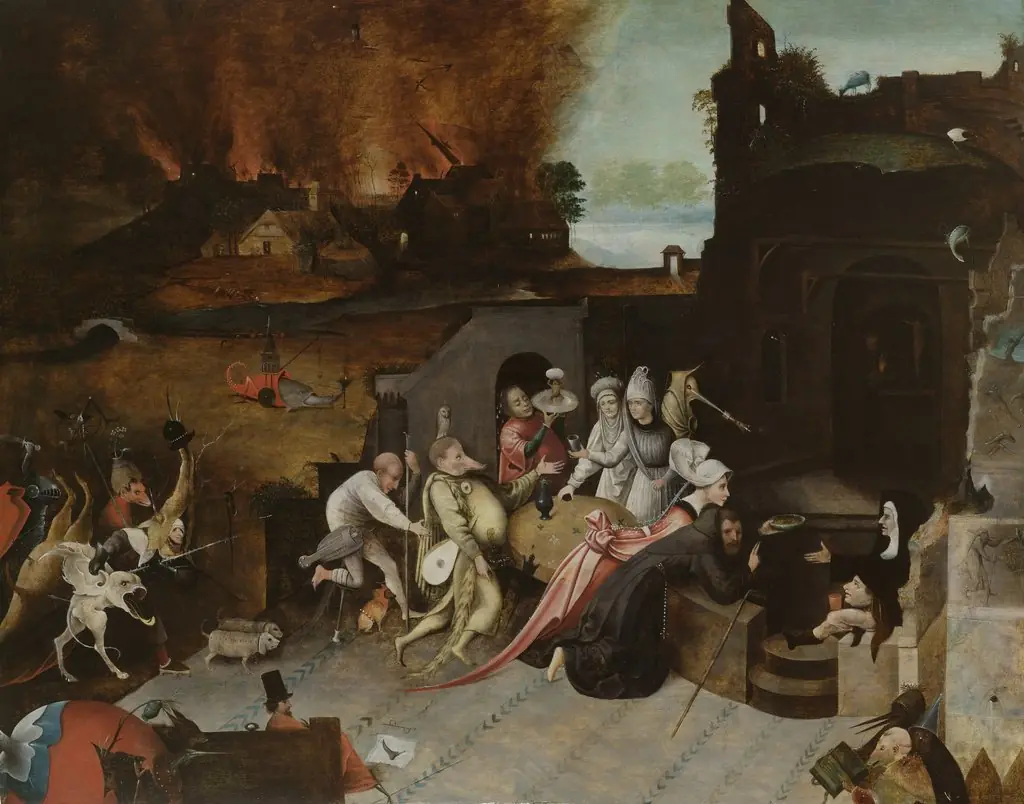 The temptation of St Antony
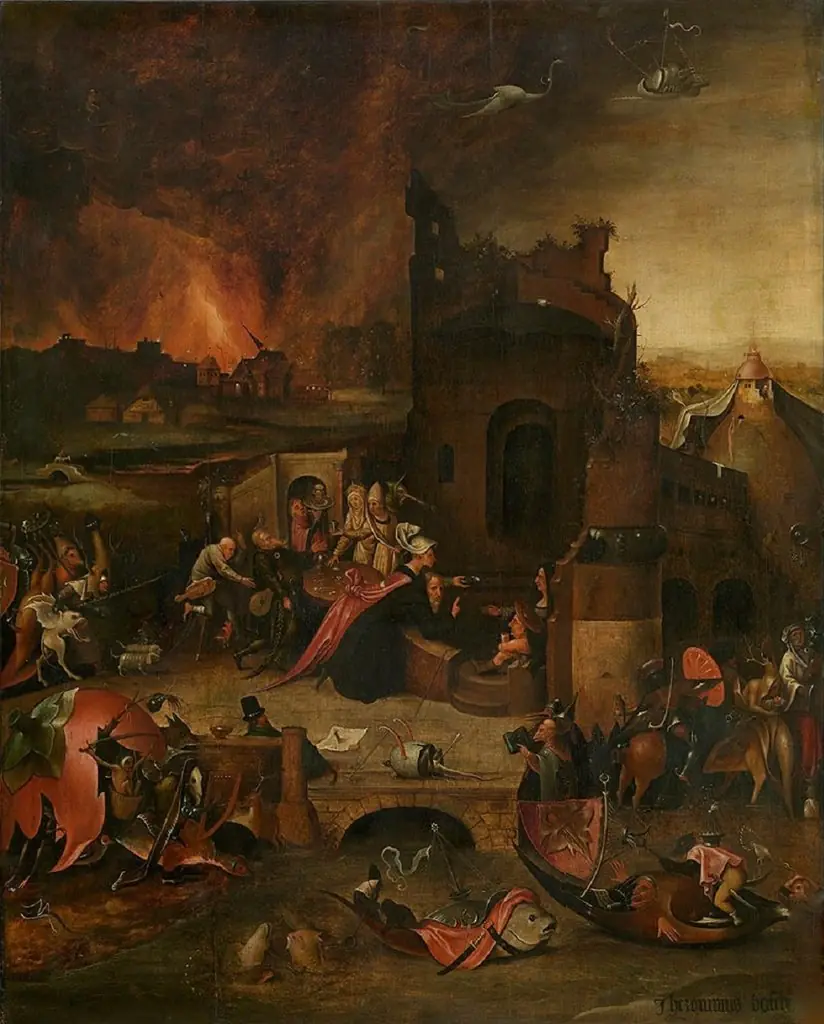 The Temptation of Antony Abbot of Egypt
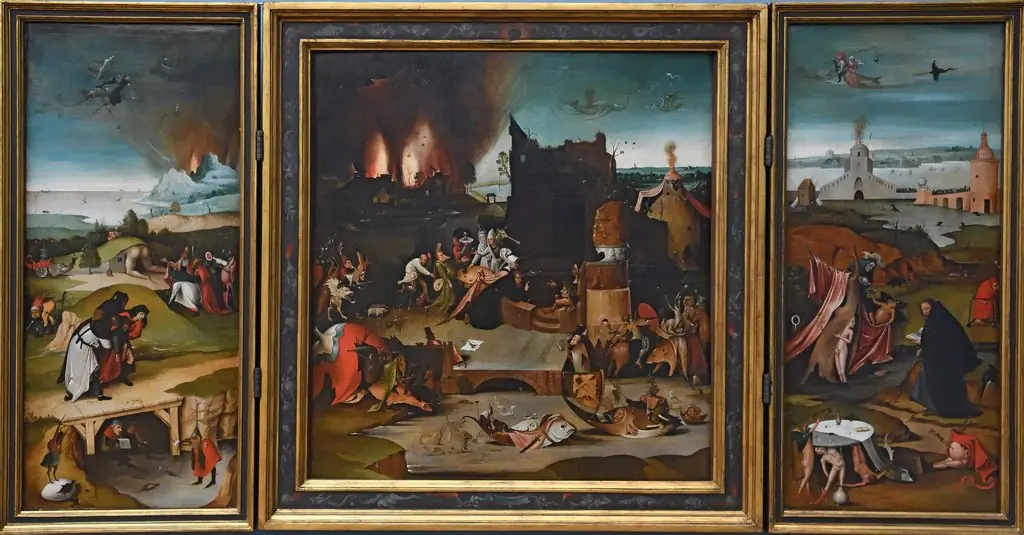 The Temptation of St. Anthony
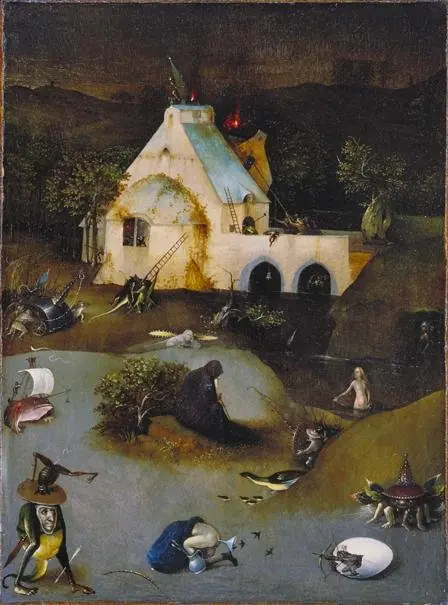 The Temptation of Saint Anthony
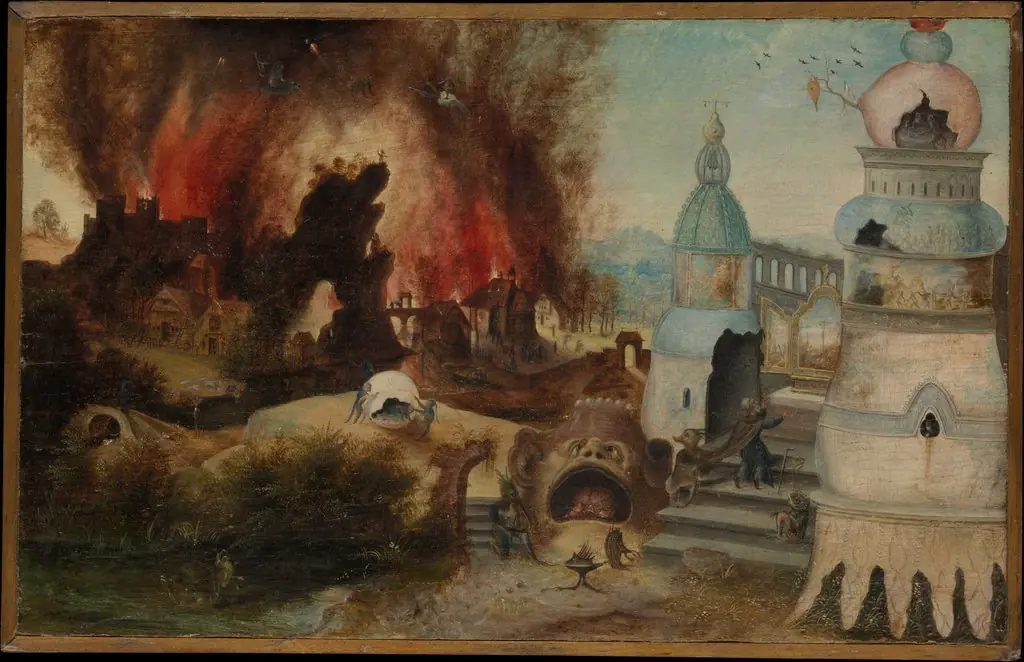 The Temptation of Saint Anthony
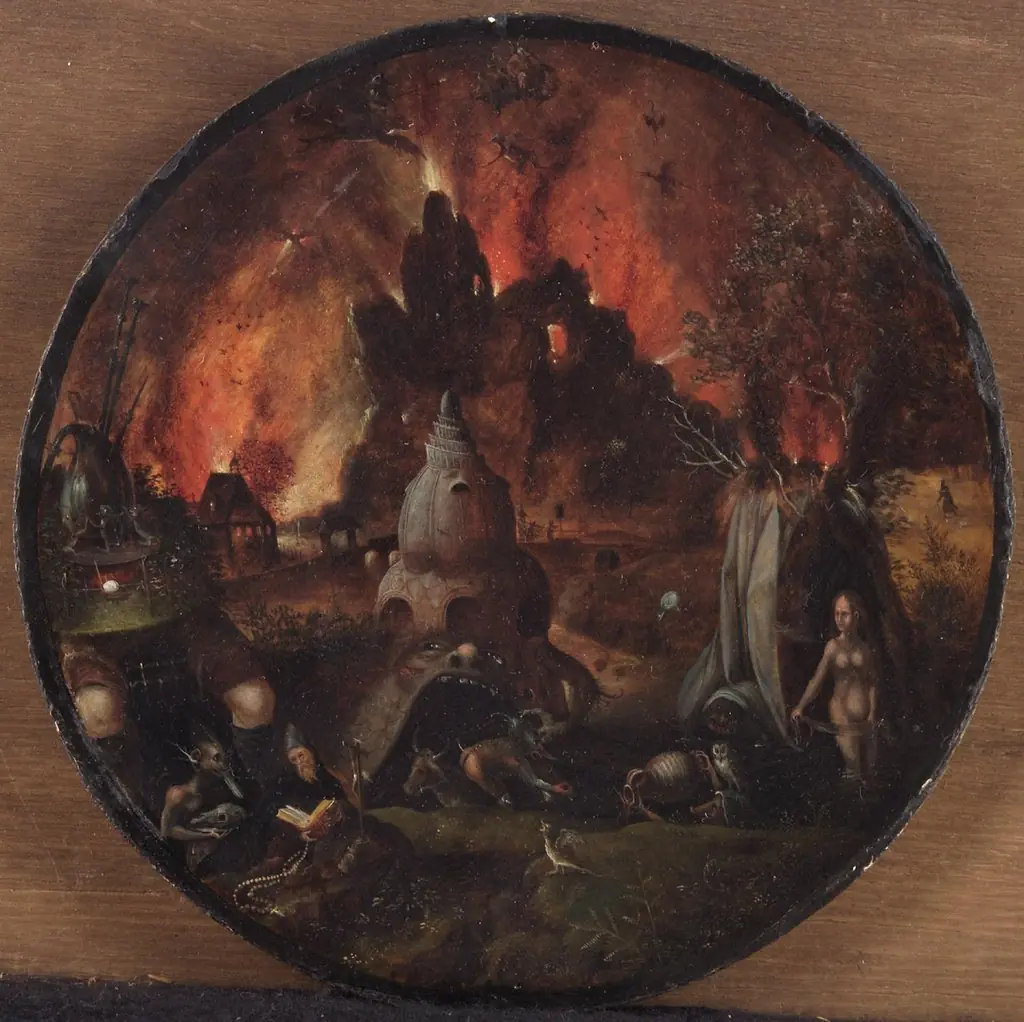 Temptation of Saint Anthony
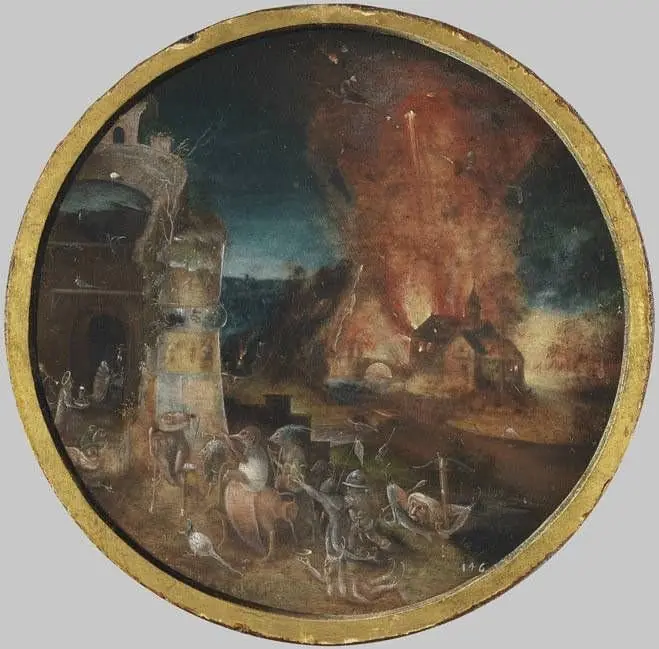 The temptation of St. Antony Abbot
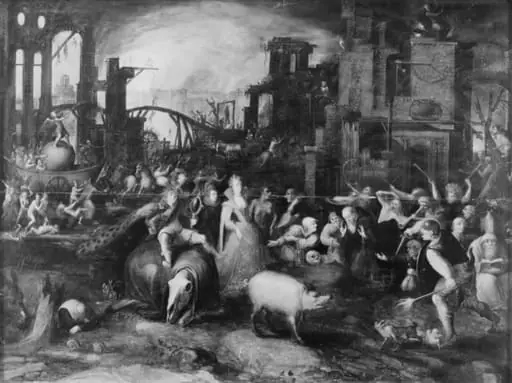 The Temptation of St Anthony
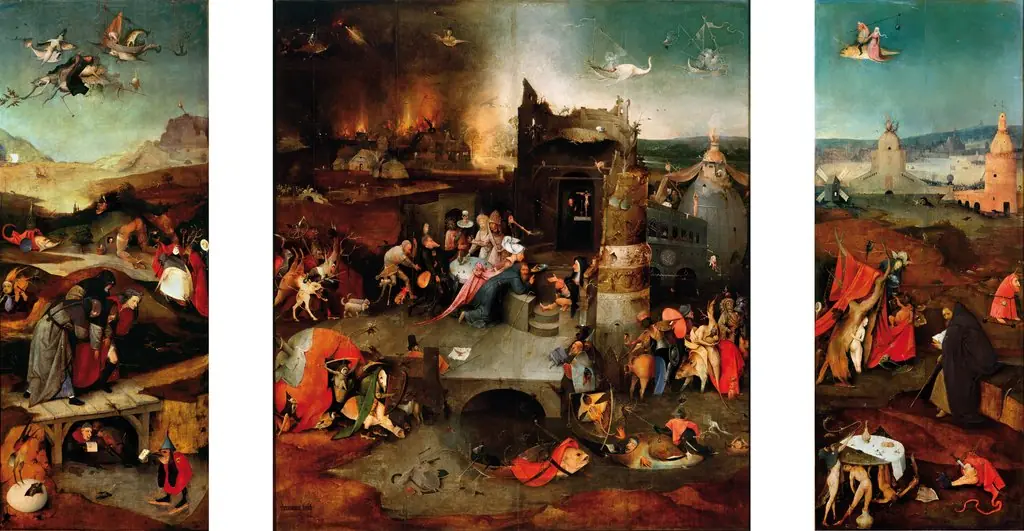 Temptation of Saint Anthony
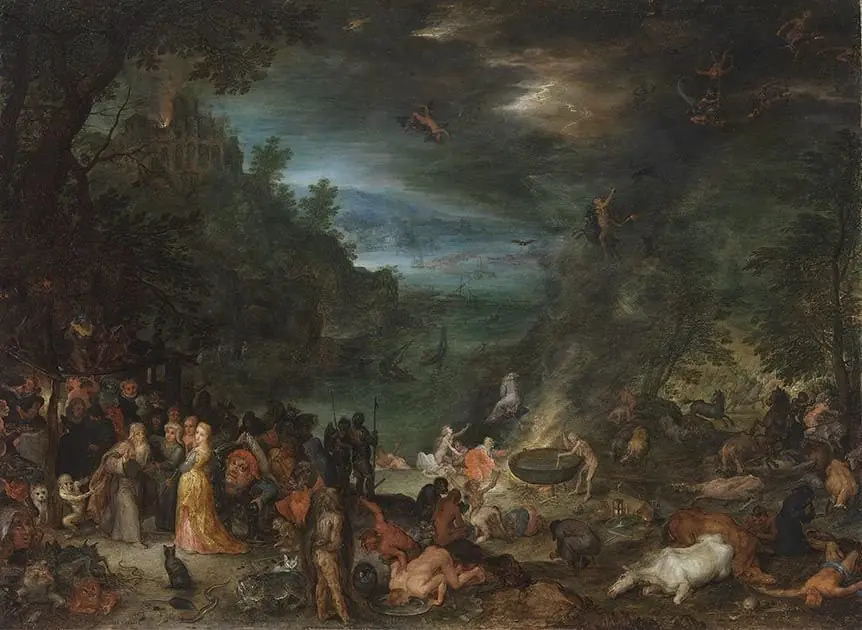 Temptation of saint Anthony
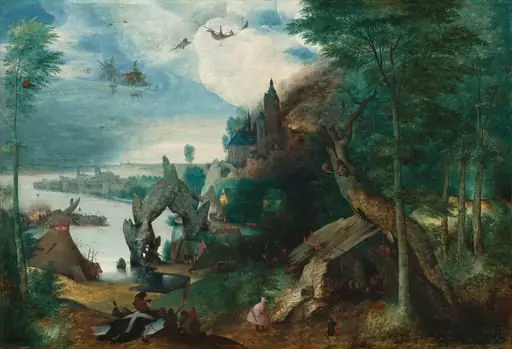 The Temptation of Saint Anthony