Artwork
The Temptation of St Anthony
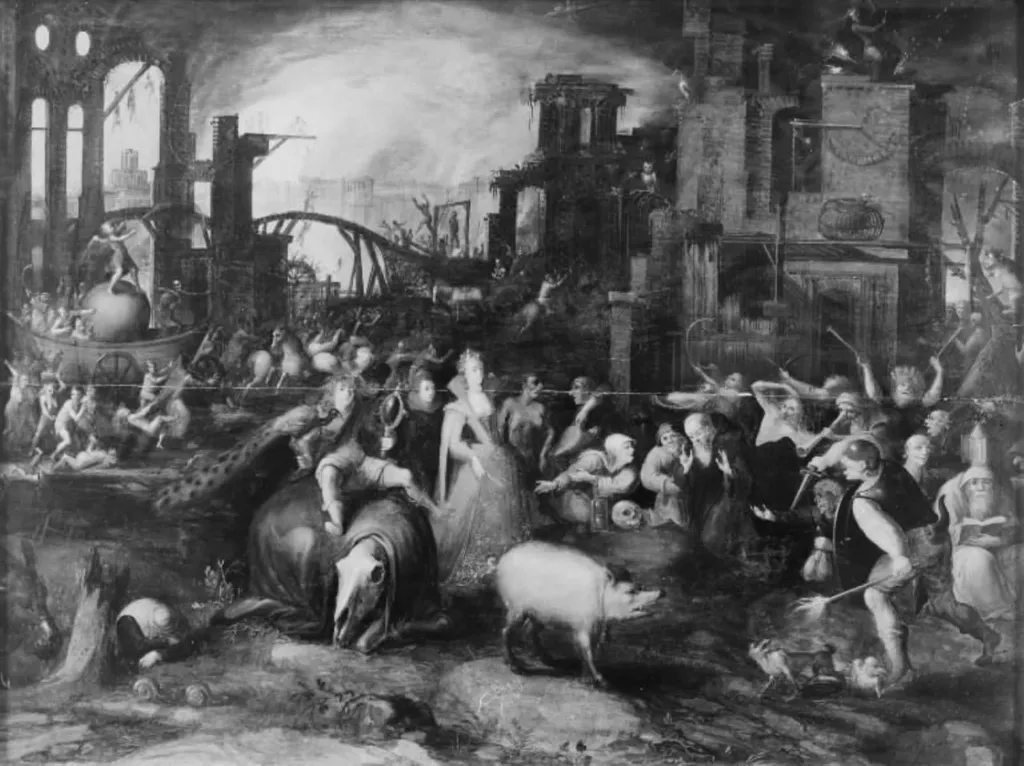
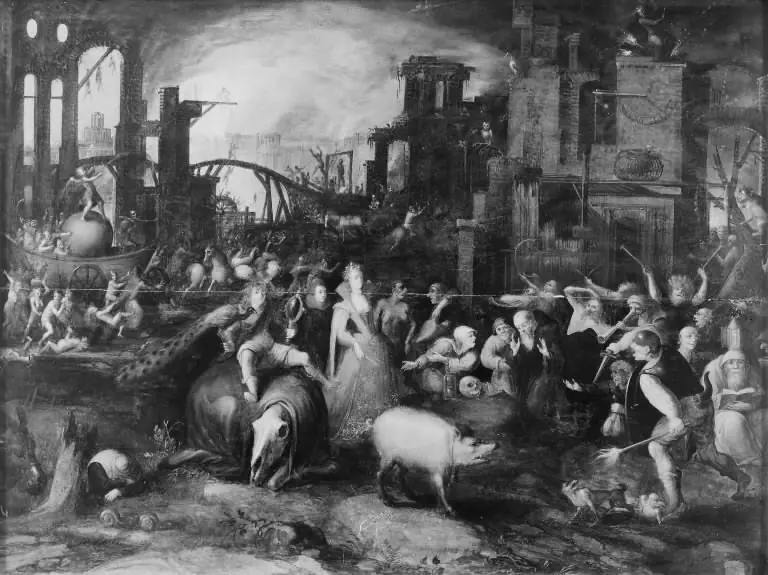
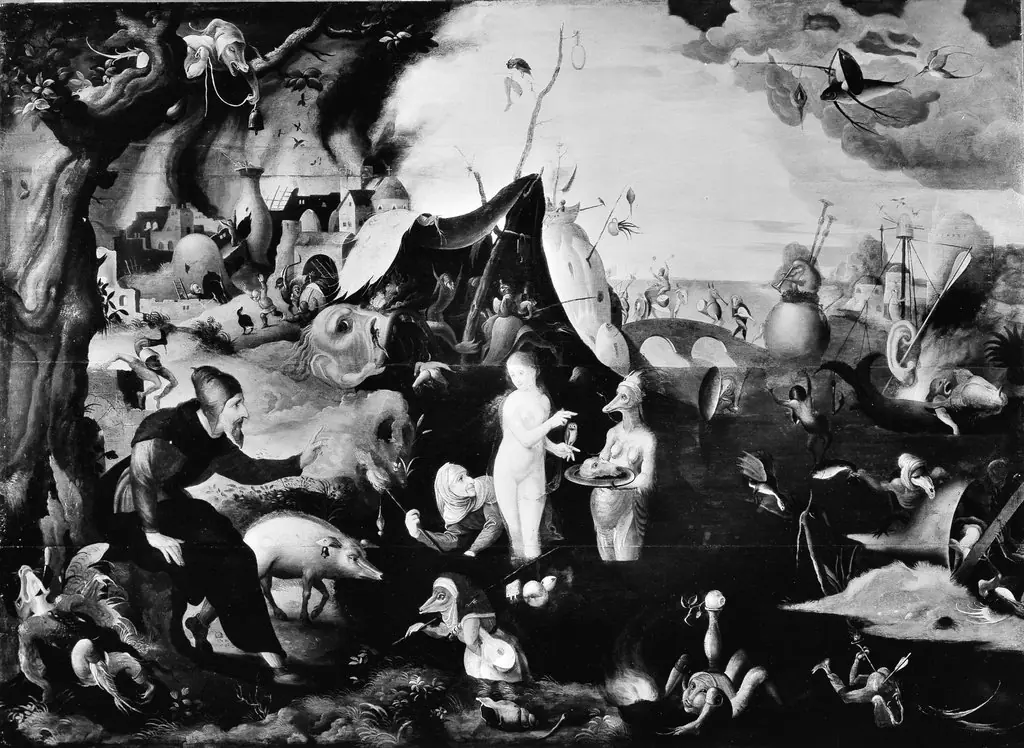
The Temptation of St Anthony is a photography by Unknown. It dates from 1750 and is held in the collection of the Statens Museum for Kunst. Created around 1750, this black-and-white image depicts a surreal confrontation centered on St.
About this work
Overview
The scene is densely populated with hybrid figures, animals, and human forms engaged in chaotic activity.
Created around 1750, this black-and-white image depicts a surreal confrontation centered on St. Anthony. The scene is densely populated with hybrid figures, animals, and human forms engaged in chaotic activity. A central figure on horseback wields a staff, surrounded by musicians and armed individuals. The composition lacks conventional perspective, emphasizing emotional intensity over spatial realism. The work is held in the Museum of Ethnography, though its origin and artist remain unidentified.
Subject & Meaning
The image illustrates the spiritual trials of St. Anthony, a Christian hermit traditionally tormented by demonic visions. The chaotic assembly of grotesque beings, dead livestock, and crumbling architecture symbolizes moral decay and supernatural assault. The dead pig in the foreground may represent base desires or sacrilege. The scene rejects earthly order, reflecting the saint’s inner struggle against temptation through visual disorder and symbolic violence.
Technique & Style
The image employs stark contrasts between light and shadow, creating a dramatic, almost theatrical atmosphere. Textures are rendered roughly, with loose lines and uneven shading that enhance the sense of unease. Figures emerge from darkness with little definition, blending into the background, while others are sharply illuminated. This use of chiaroscuro, though not refined, intensifies the dreamlike and unsettling tone, distancing the scene from naturalistic representation.
History & Provenance
The work’s origin is undocumented; no records confirm its creator, commission, or early ownership. It entered the Museum of Ethnography’s collection in the late 19th century, likely acquired as part of a broader ethnographic or religious artifact grouping. Its style suggests possible influence from popular devotional prints or folk traditions rather than academic art circles. The lack of signatures or inscriptions has hindered precise dating or attribution.
Context
In the mid-18th century, depictions of St. Anthony’s temptations were common in European religious art, often used to reinforce moral discipline. This version diverges from classical treatments by embracing grotesque fantasy over doctrinal clarity. Its rough execution and folkloric elements suggest it may have been produced outside elite artistic centers, possibly by itinerant artists or regional workshops catering to devotional audiences seeking visceral spiritual imagery.
Legacy
Though not widely exhibited or studied, the image contributes to a lesser-known tradition of vernacular religious art that prioritized emotional impact over technical polish. Its haunting atmosphere and symbolic density have influenced later interpretations of spiritual struggle in outsider and surrealist art. It remains a rare example of how popular piety translated theological themes into unsettling, non-academic visual forms.
Artist & collection

 Domestic Scene
 Giacomo and Cardinal Marco, investing Andrea, Abbot of San Zeno, with his Benefice
 The Nymph of Fontainebleau
 Portrait of a Woman
 Madonna and Child with Saints in the Enclosed Garden
 Venus and Minerva
 Family Group of Four on Sofa
 Wall painting from Room H of the Villa of P. Fannius Synistor at Boscoreale