Artwork
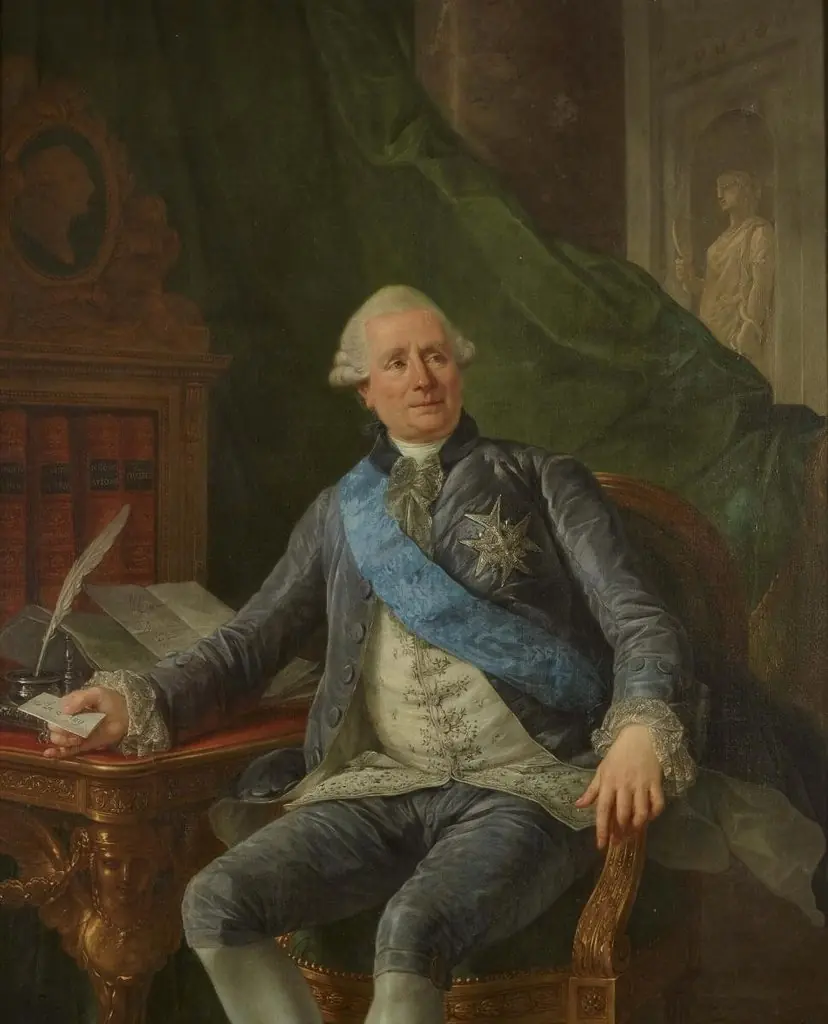
Portrait of Infante António Francisco of Portugal (1695-1757)
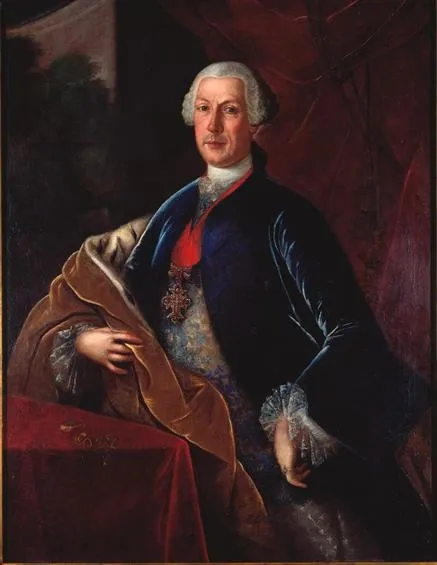
Portrait of Infante António Francisco of Portugal (1695-1757) is an oil painting by the Rococo painting artist Unknown. It dates from 1740 and is held in the collection of the National Museum of Ancient Art.
About this work
Overview
This oil painting portrays Infante António Francisco of Portugal, a member of the Portuguese royal family, rendered in a formal, dignified pose.
This oil painting portrays Infante António Francisco of Portugal, a member of the Portuguese royal family, rendered in a formal, dignified pose. Dressed in rich textiles and adorned with a prominent cross, he is set against a deep, atmospheric background that enhances the three-dimensionality of his figure. The composition emphasizes his noble status through careful attention to texture and light.
Subject & Meaning
Infante António Francisco, born into the Braganza dynasty, is depicted with symbols of both royal lineage and religious devotion. The large cross suspended from a red ribbon signifies his affiliation with a military or religious order, common among Portuguese nobility. His posture and attire convey authority without ostentation, reflecting the restrained elegance favored in early 18th-century court portraiture.
Technique & Style
The artist employs chiaroscuro to model the figure with subtle gradations of light and shadow, lending volume to the velvet coat and ruffled shirt. The dark background isolates the subject, focusing attention on fabric textures and the contrast between blue, red, and white. Brushwork is precise yet fluid, particularly in the rendering of lace and the soft fall of the cloak.
History & Provenance
Painted during the early years of António Francisco’s life, the portrait likely served as an official representation for the royal court. It remained within Portuguese royal collections until the 19th century, after which it entered a private collection before being acquired by its current institution. Documentation links it to court painters active in Lisbon during the 1710s.
Context
In early 18th-century Portugal, portraiture was a tool of dynastic continuity and political identity. Nobles were often depicted with regalia that signaled their roles in state or church institutions. This portrait aligns with broader European trends of using costume and lighting to communicate status, while retaining a distinctly Iberian formality in its restraint and solemnity.
Legacy
The portrait stands as a representative example of Portuguese court painting from the Baroque period, illustrating how royal imagery balanced European influences with local traditions. Though not widely reproduced, it contributes to the understanding of how the Portuguese monarchy visually asserted its authority through controlled, symbolic representation.
Artist & collection

 Domestic Scene
 Giacomo and Cardinal Marco, investing Andrea, Abbot of San Zeno, with his Benefice
 The Nymph of Fontainebleau
 Portrait of a Woman
 Madonna and Child with Saints in the Enclosed Garden
 Venus and Minerva
 Family Group of Four on Sofa
 Wall painting from Room H of the Villa of P. Fannius Synistor at Boscoreale
 Portrait of Ivan N. Tutchev
 Portrait of Pieter Parker, Alderman, Burgomaster and Councilor of Goes
 Portrait of Charles François Paul Le Normant de Tournehem (1684-1751)
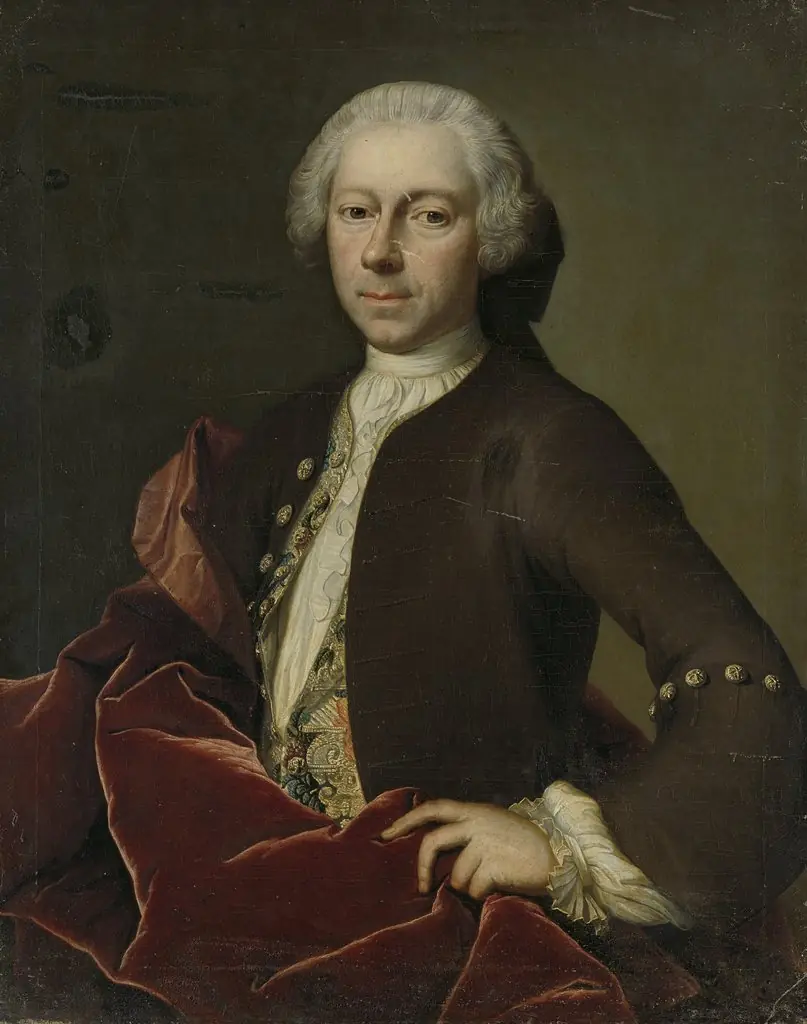 Portrait of Pieter Parker, Alderman, Burgomaster and Councilor of Goes
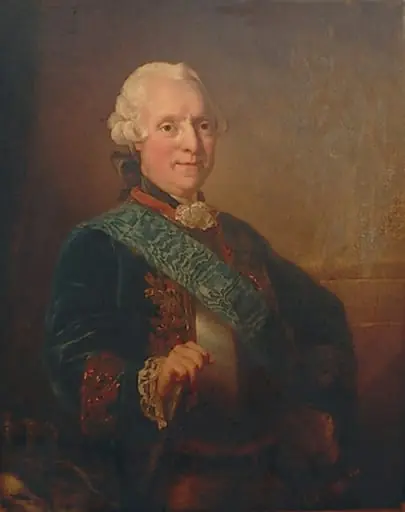 Kuningas Adolf Fredrik
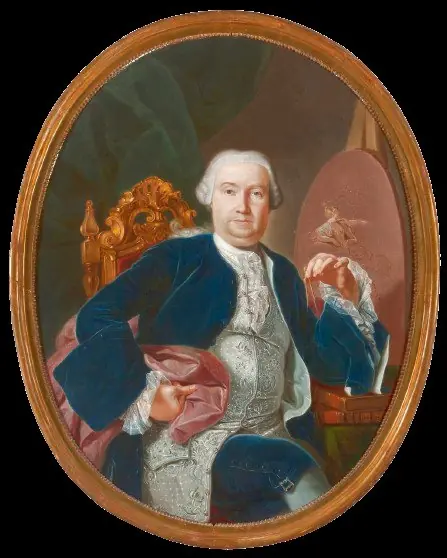 Portrait of the architect Luigi Vanvitelli (1700-1773)
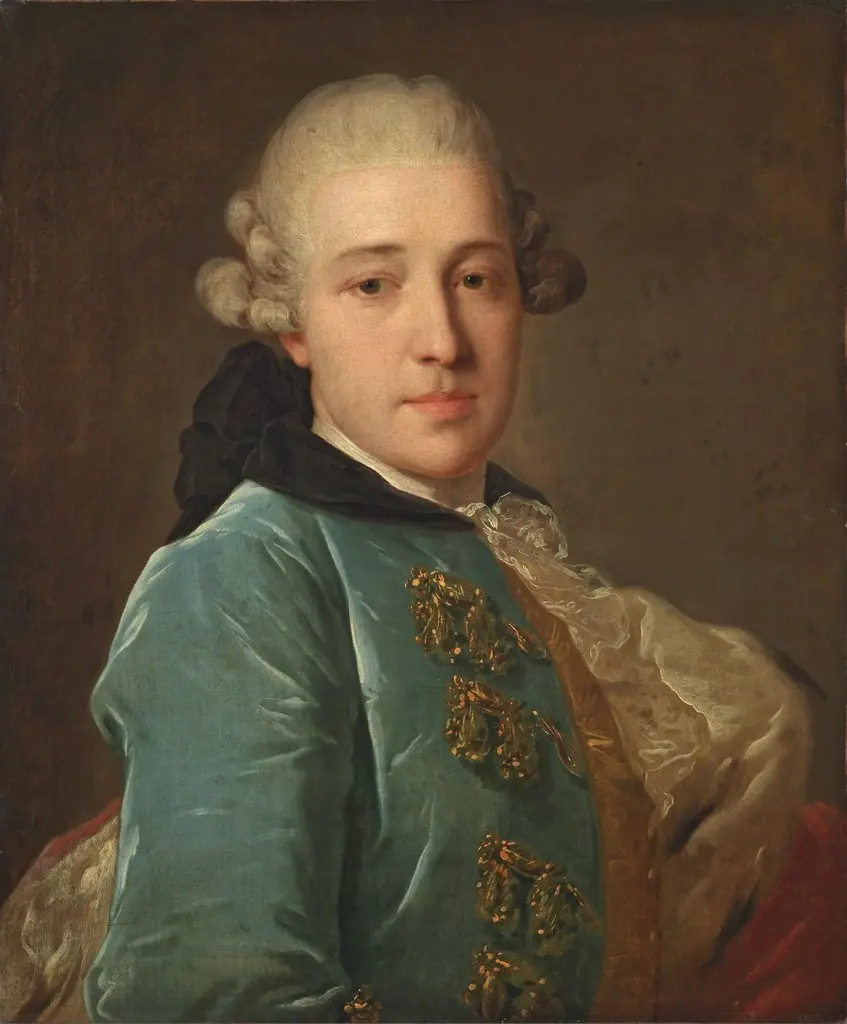 Portrait of Prince Dmitry Mikhailovich Golitsyn
 Mareșalul englez Robert Clive
 Christoffer Bogislaus Zibet
 Portrait of count Gaspar Paris Anton
 Portrait of Jacques Necker (1732-1804)
 Portrait of the Comte de Vergennes