Art Museum
National Museum of Ancient Art

Image: Wikimedia Commons.
National Museum of Ancient Art is an art museum in Estrela, Portugal. 1 work from its collection is in this catalog, including Gustave Courbet and Jean Honoré Fragonard.
About National Museum of Ancient Art
Overview & Identity
The National Museum of Ancient Art (Museu Nacional de Arte Antiga) is a prominent cultural institution located in Lisbon, Portugal. It was formally founded on May 11, 1884, originally established as the 'Museu Nacional de Belas-Artes e Arqueologia' (National Museum of Fine Arts and Archaeology). The museum was created to house the 'Museus Centrais' of the State and was initially placed under the management of the Academia Real. Its primary mission was to display the extensive collections of art and artifacts that had entered the public sphere following historical events in Portugal.
History & Founding
The museum's origins are deeply rooted in the political and religious changes of the 19th century. Specifically, the abolition of religious orders and the subsequent confiscation of monasteries in Portugal in 1833 brought a vast trove of religious art and ornaments into the public domain. In the aftermath of the Portuguese political chaos, the initiative to create a central museum was taken by Francisco de Sousa Holstein. In 1881, the educational division of the Academia was split off, and Delfim Guedes rented the 17th-century Palace of Janelas Verdes to house the collections before the government formally purchased the palace in June 1884.
Building & Architecture
The museum is housed in the 17th-century Palace of Janelas Verdes ('Green Windows'), which served as the former Lisbon residence of the Dukes of Cadaval. The government purchased this historic palace in 1884 to serve as the museum's main location. In 1940, the museum expanded its facilities by acquiring the neighboring old convent of Santo Alberto, which was converted into an annex connected to the main building by a footbridge. The chapel of this convent is noted as a fine example of 18th-century Portuguese architecture.
Collection Highlights & Notable Holdings
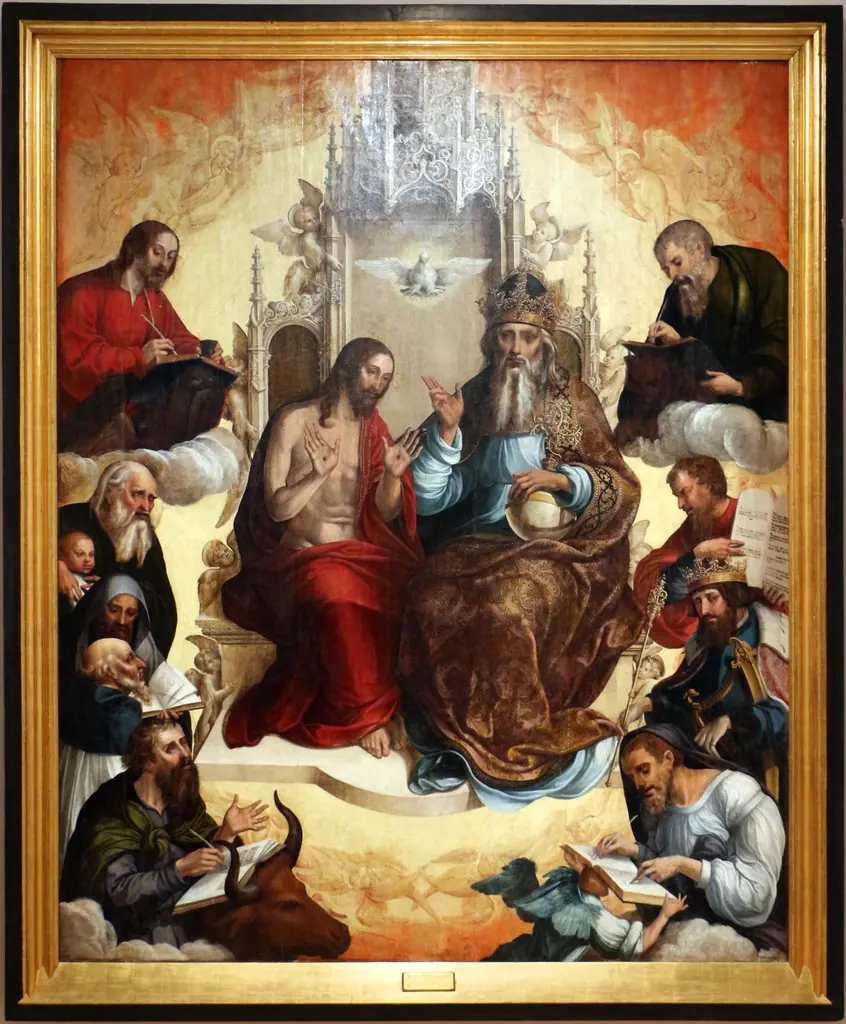
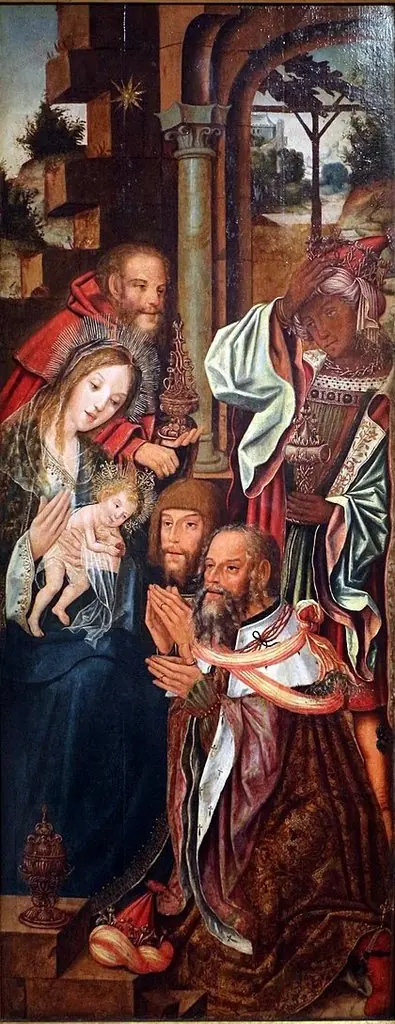
The museum's collection is renowned for its European painting section, which is considered significant. The most famous work in the museum is the 'Adoration of Saint Vincent' panels. The collection also features important works by early 16th-century painters active in Portugal. Additionally, the museum holds a diverse array of artifacts, including a sculpture collection spanning millennia with statues and figurines from various origins, a textile collection, and a furniture collection spanning several centuries, primarily originating from specific regions.
Significance & Leadership
The museum's early development was significantly influenced by its first director, José de Figueiredo. Described as energetic, Figueiredo promptly began reforming the museum based on the latest planning and exhibition principles. He played a crucial role in re-orienting the institution decisively towards painting. Furthermore, Figueiredo was the first to study and identify the authorship and significance of many works within the collection, establishing a scholarly foundation for the museum's future curatorial work and its status as a center for art historical research.
What to see at National Museum of Ancient Art
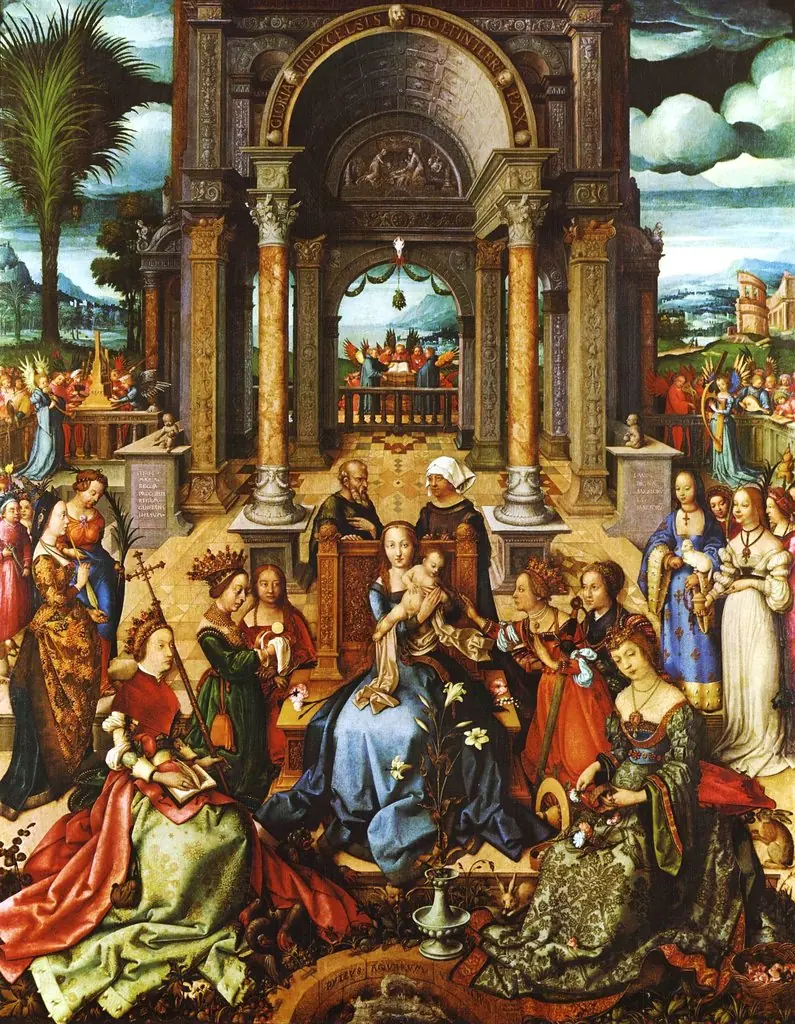
Start with Virgin with Child by Hans Holbein the Elder, Museu Nacional de Arte Antiga by Hans Holbein the Elder.
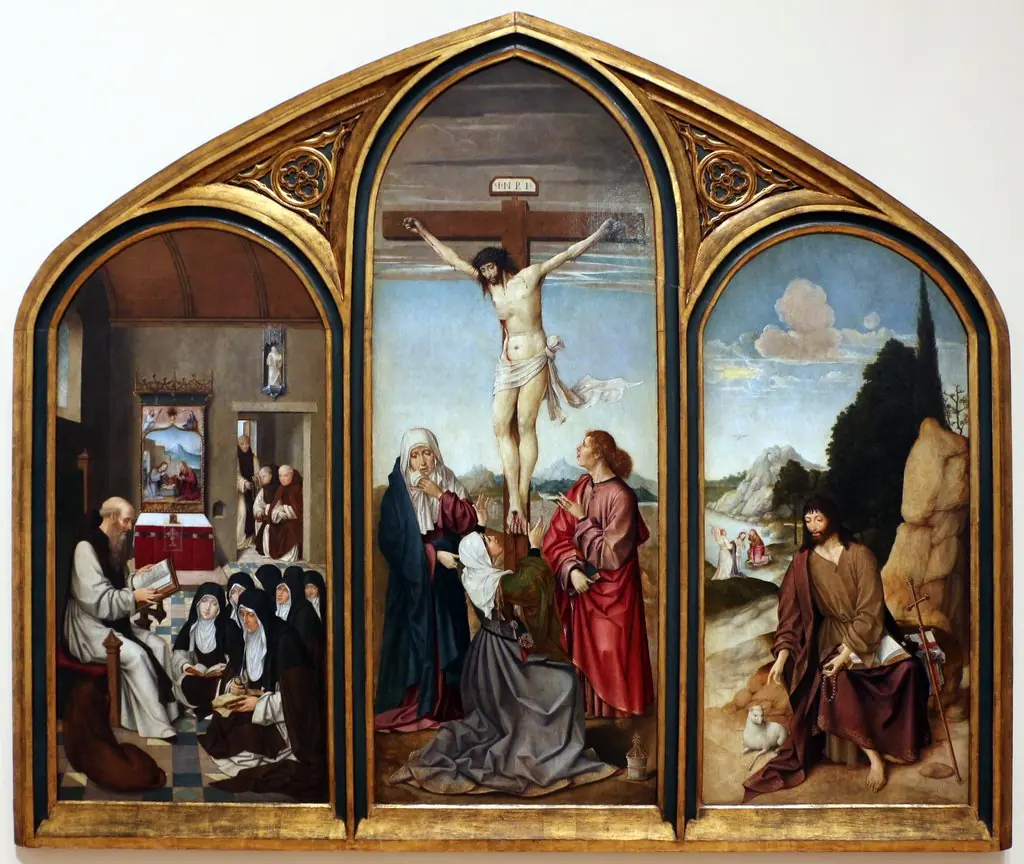
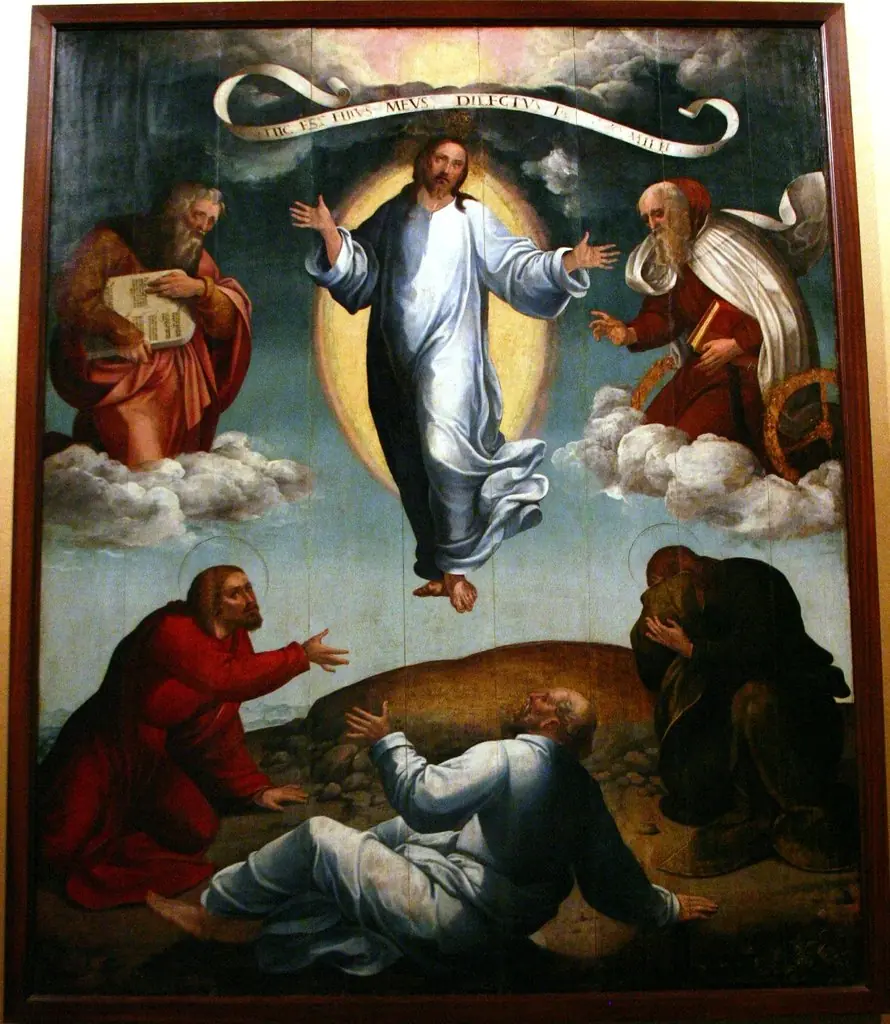
Works from National Museum of Ancient Art
Plan your visit
National Museum of Ancient Art
- Website
- www.museudearteantiga.pt