Artwork
King Philip IV of Spain (1605 - 1665)
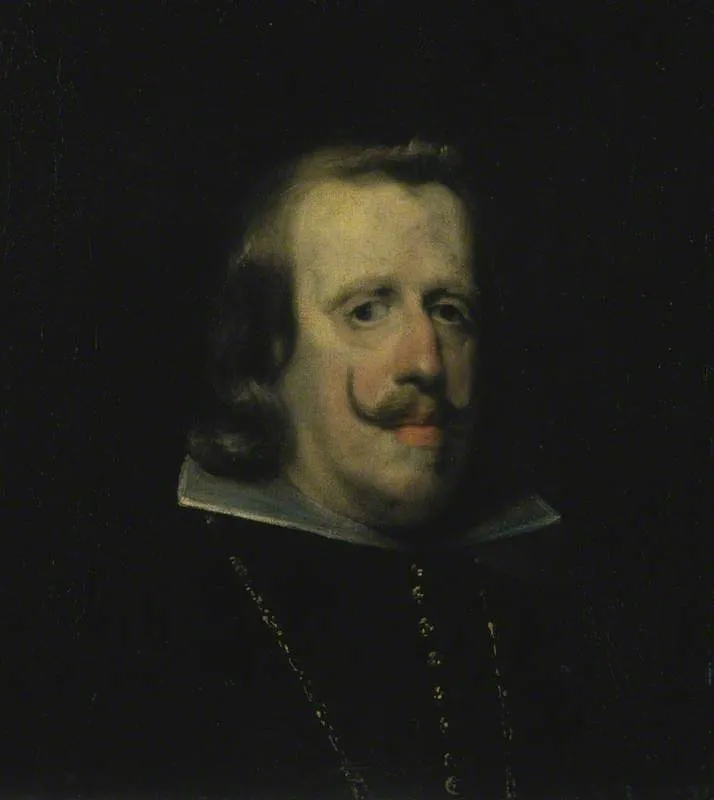
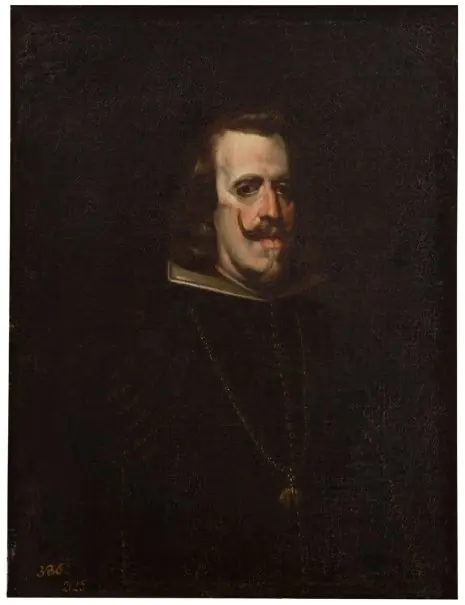
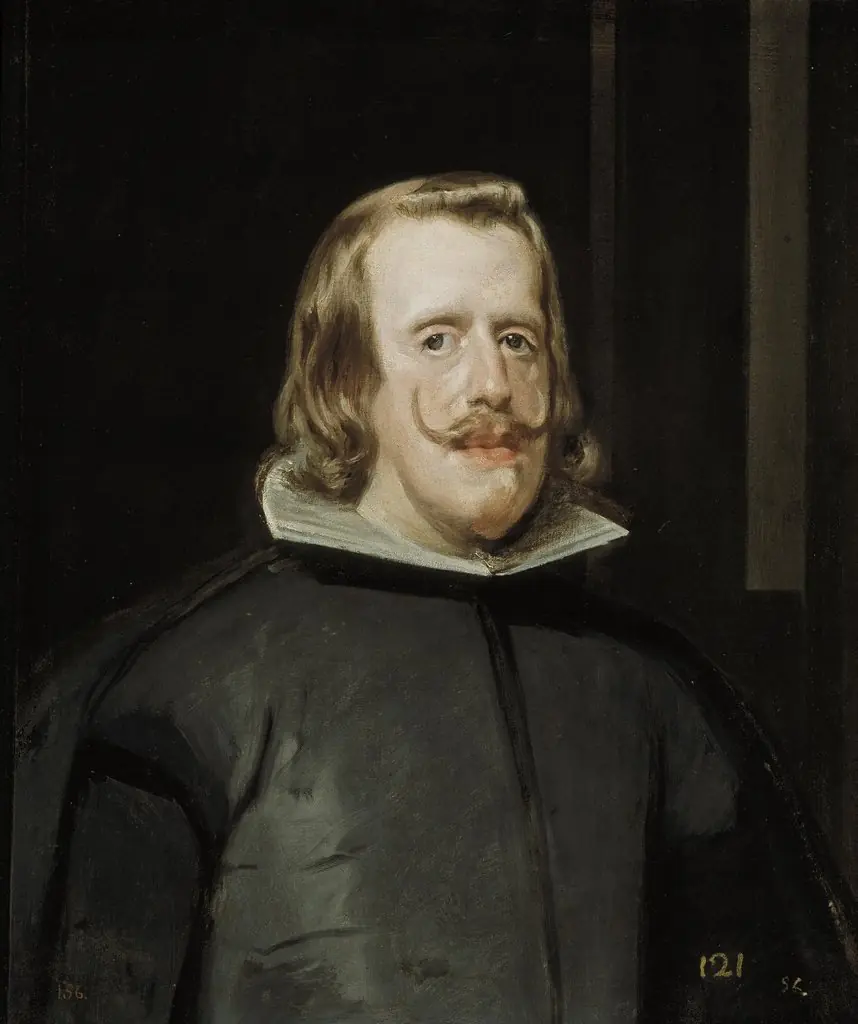
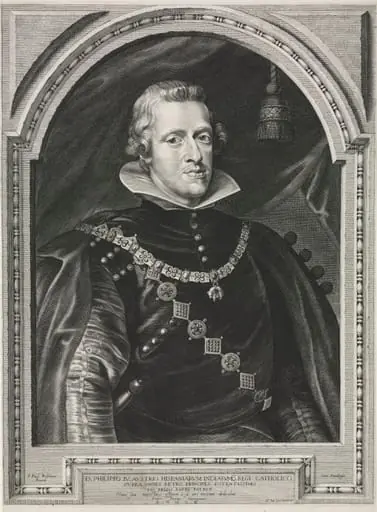
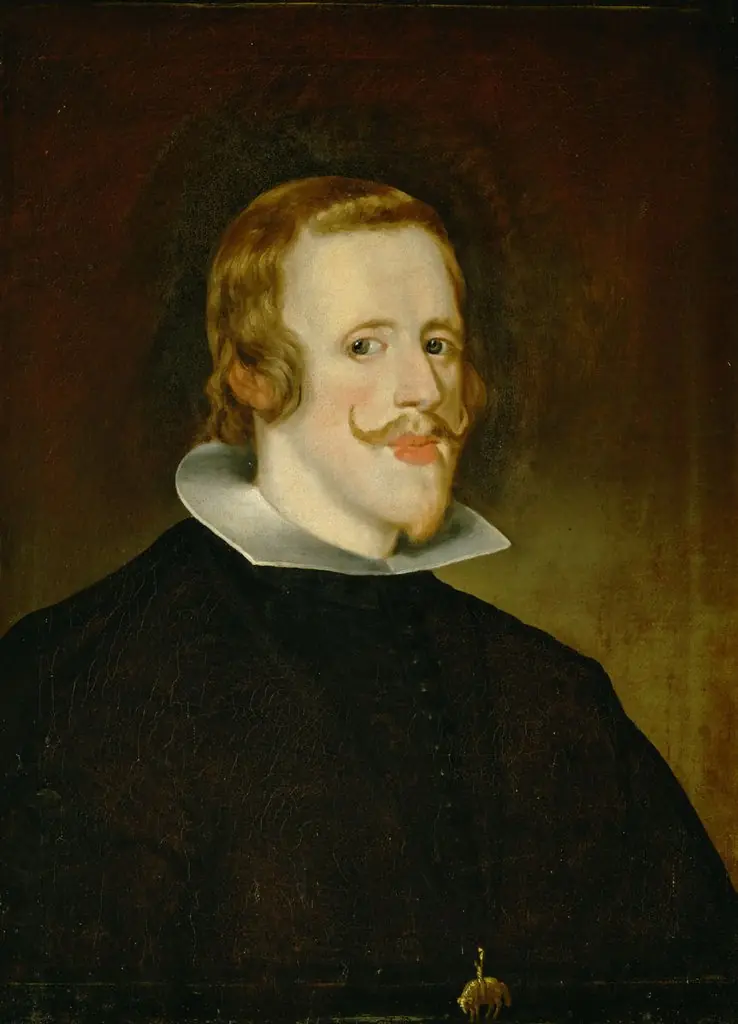
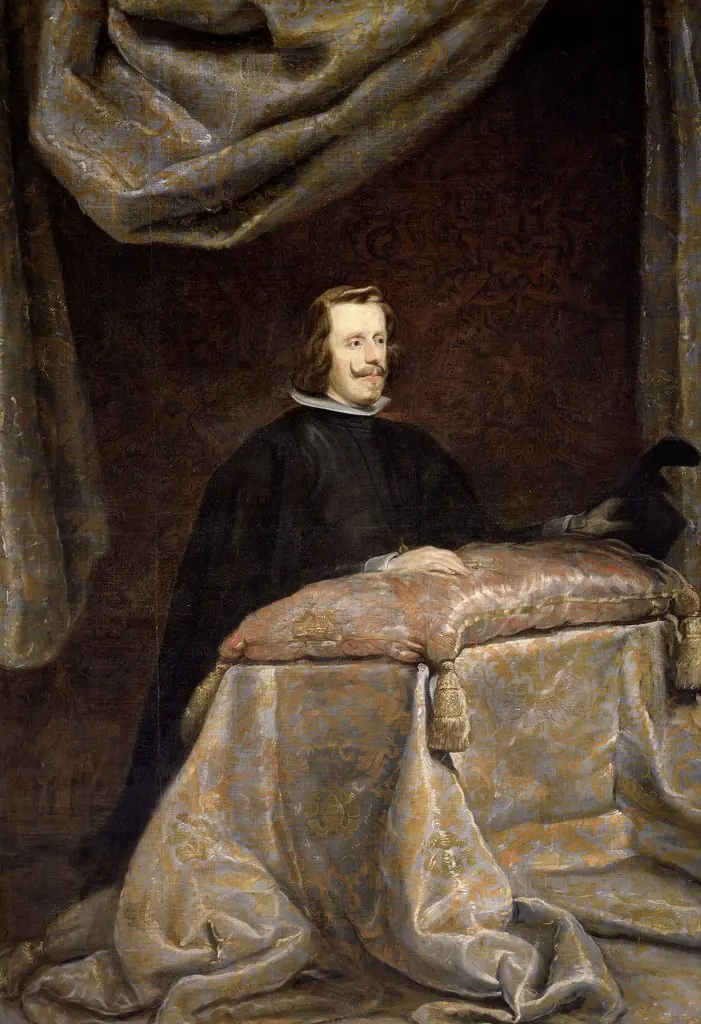
King Philip IV of Spain (1605 - 1665) is an oil painting by the Early Baroque Italian artist Unknown. It dates from 1660 and is held in the collection of the National Galleries Scotland.
About this work
Overview
Rendered with precise realism, the composition isolates the figure against a dark, unbroken background, focusing attention on his face and attire.
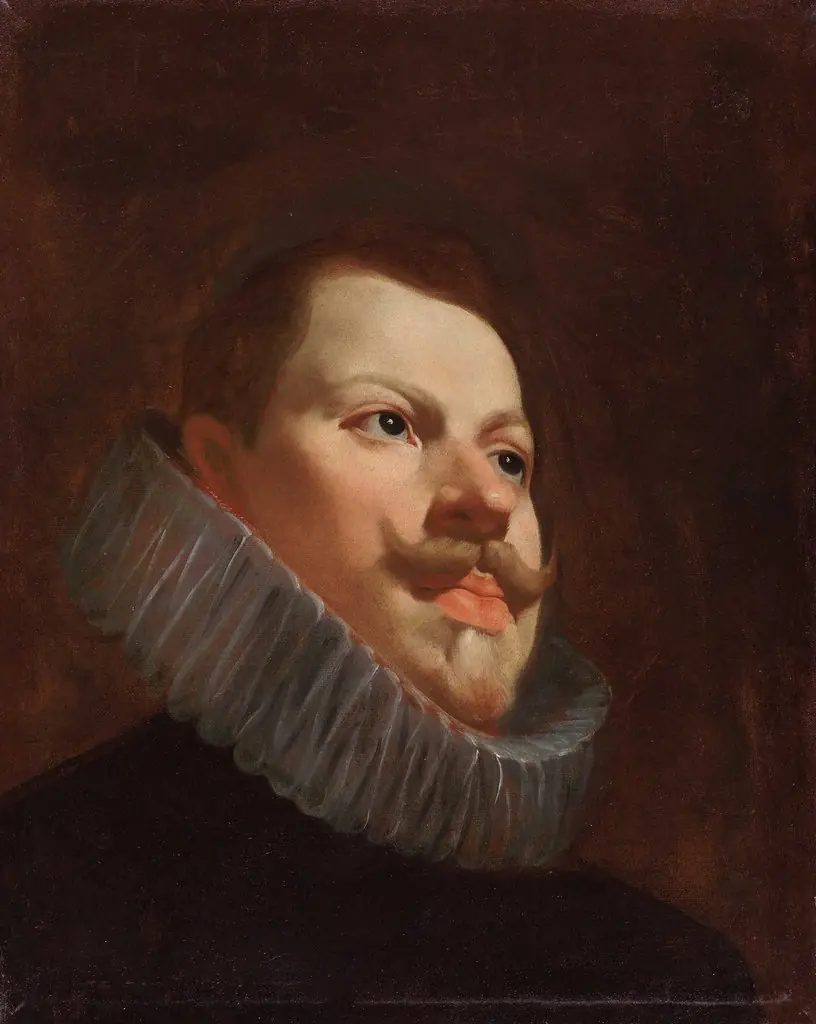
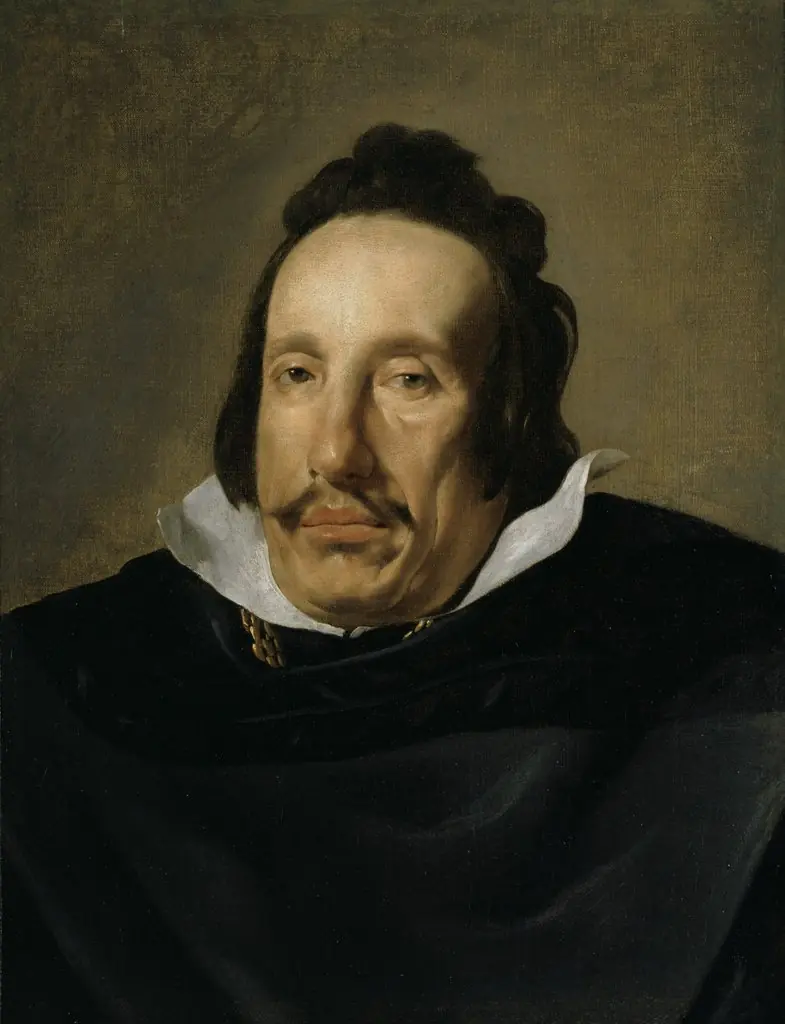
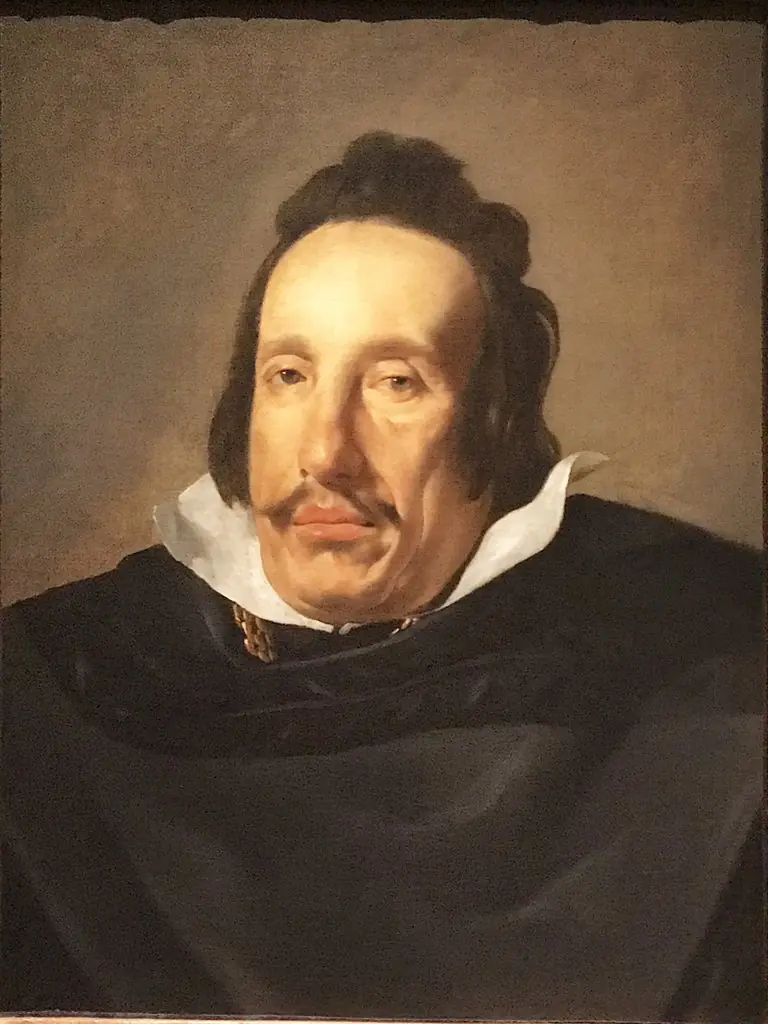
This oil painting depicts King Philip IV of Spain, ruler during the mid-17th century, in a formal portrait that emphasizes his royal presence. Rendered with precise realism, the composition isolates the figure against a dark, unbroken background, focusing attention on his face and attire. The lighting highlights the texture of fabric and the subtleties of his expression, reinforcing a sense of authority and solemnity.
Subject & Meaning
Philip IV is portrayed not as a dynamic ruler but as a figure of quiet gravitas. His direct gaze and restrained posture convey dignity rather than grandeur. The gold chain, likely the Order of the Golden Fleece, signals his membership in a prestigious chivalric order, while the white collar and dark garments reflect the somber elegance favored at the Spanish court. The image serves as a visual assertion of monarchical stability.
Technique & Style
The artist employs a controlled, naturalistic approach, with careful modeling of light to define the contours of the face and the sheen of silk and lace. Brushwork is refined but not ornate, prioritizing clarity over flourish. The dark background enhances the three-dimensionality of the figure, a hallmark of Spanish portraiture of the period, where psychological presence outweighs decorative elements.
History & Provenance
Painted during Philip IV’s reign, this portrait was likely produced in the Spanish royal court, possibly by Diego Velázquez or a close associate. Such images were distributed to diplomatic allies and family members to reinforce the king’s image across Europe. The painting’s survival suggests it remained in royal or noble collections, preserved as a record of Habsburg authority.
Context
In mid-17th century Spain, portraiture functioned as political tool as much as personal representation. The court favored restrained, dignified likenesses over theatrical displays, reflecting both religious austerity and the declining power of the monarchy. Philip’s image was carefully managed to project continuity amid economic strain and territorial losses.
Legacy
This portrait exemplifies the Spanish court’s preference for understated realism in royal imagery. Its influence extended to later European portraiture, where psychological depth and restrained composition replaced Baroque flamboyance. Though not widely exhibited today, it remains a key reference for understanding how power was visually articulated in Habsburg Spain.
Artist & collection

 Domestic Scene
 Giacomo and Cardinal Marco, investing Andrea, Abbot of San Zeno, with his Benefice
 The Nymph of Fontainebleau
 Portrait of a Woman
 Madonna and Child with Saints in the Enclosed Garden
 Venus and Minerva
 Family Group of Four on Sofa
 Wall painting from Room H of the Villa of P. Fannius Synistor at Boscoreale