Artwork
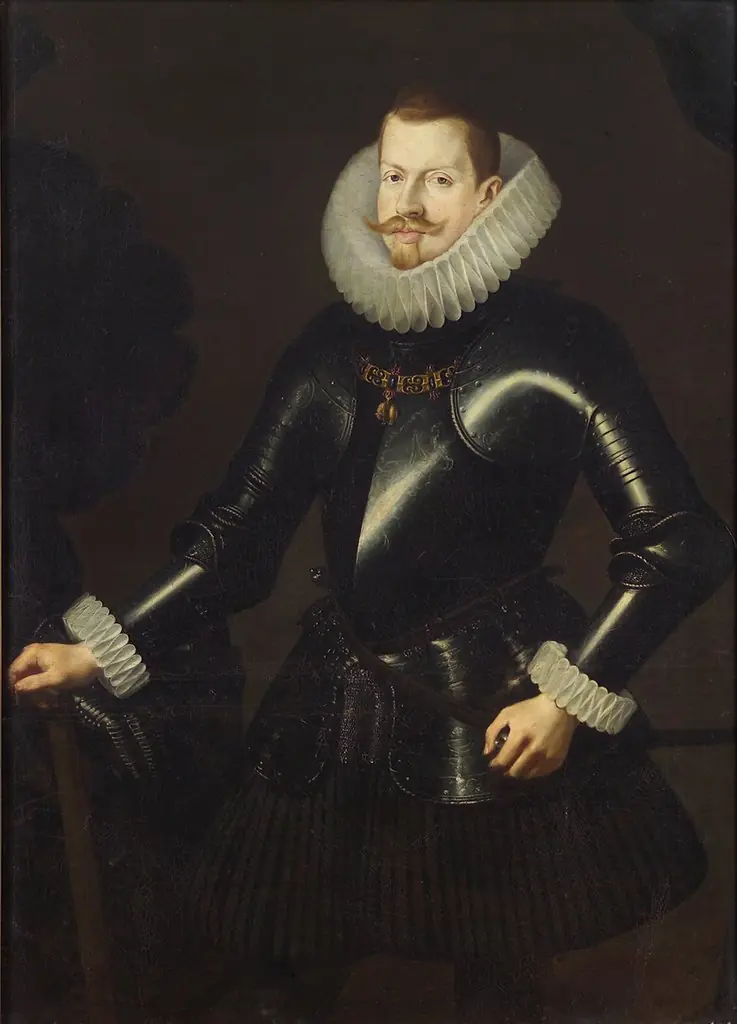
König Philipp IV. von Spanien (1605-1665) in schwarzem Kleid, Brustbild
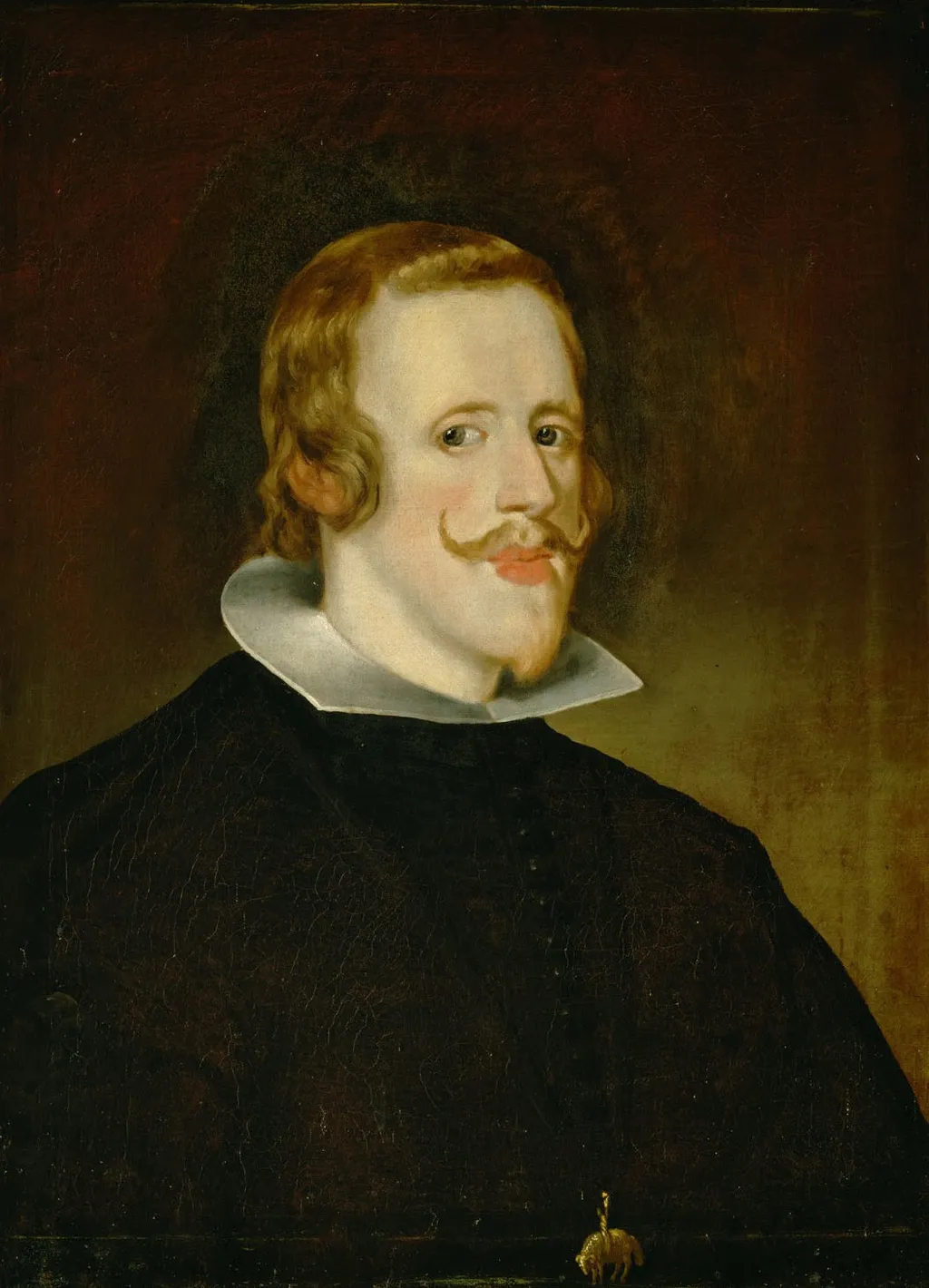
König Philipp IV. von Spanien (1605-1665) in schwarzem Kleid, Brustbild is an oil painting by the Flemish Baroque painting artist Unknown. It dates from 1630 and is held in the collection of the Kunsthistorisches Museum.
About this work
Overview
This oil painting presents a half-length portrait of Philip IV of Spain, dressed in a black garment with a white collar and a gold emblem on the chest.
This oil painting presents a half-length portrait of Philip IV of Spain, dressed in a black garment with a white collar and a gold emblem on the chest. The figure faces slightly to the right, his gaze steady and composed. Against a dark, undefined background, the contrast of light and shadow emphasizes his features and attire, conveying a restrained formality. The palette is subdued, dominated by black and white, with subtle highlights drawing attention to the face and insignia.
Subject & Meaning
Philip IV, ruler of Spain during a period of imperial strain, is depicted without regalia or symbols of power beyond a modest gold emblem. His neutral expression and slight smile suggest composure rather than authority. The somber attire reflects court mourning customs or a deliberate choice to project humility and piety. The portrait avoids grandeur, instead emphasizing personal presence and inner resolve, aligning with the Habsburg tradition of dignified restraint.
Technique & Style
The artist employs chiaroscuro to model the face and fabric with soft gradations of light, enhancing three-dimensionality without theatricality. Brushwork is precise yet unobtrusive, particularly in rendering the fine texture of the lace collar and the sheen of the gold emblem. The background remains deliberately muted, isolating the figure and focusing attention on his demeanor. Skin tones are rendered with delicate warmth, contrasting the cool black of the robe and the stark white of the collar.
History & Provenance
Painted during Philip IV’s reign, this portrait likely originated in the Spanish court, possibly as part of a series commissioned for royal residences or diplomatic gifts. It reflects the artistic practices of the Madrid court under Velázquez’s influence, though the hand may belong to a studio assistant or lesser-known court painter. The work remained in Spanish royal collections before entering a public or private collection in the 19th century.
Context
In mid-17th century Spain, portraiture served political and dynastic functions, yet Philip IV’s reign saw a shift toward more intimate, less ceremonial depictions. This image aligns with a broader trend among Habsburg rulers to project moral seriousness amid declining imperial fortunes. The preference for dark clothing and minimal ornamentation mirrored both religious austerity and the economic pressures facing the monarchy after decades of war.
Legacy
This portrait contributes to a visual record of Spanish monarchy that prioritizes psychological presence over spectacle. While not as widely recognized as Velázquez’s royal portraits, it exemplifies the quiet, disciplined aesthetic favored in later Habsburg court art. Its restrained composition influenced later generations of European portraitists seeking to convey authority through subtlety rather than display.
Artist & collection

 Domestic Scene
 Giacomo and Cardinal Marco, investing Andrea, Abbot of San Zeno, with his Benefice
 The Nymph of Fontainebleau
 Portrait of a Woman
 Madonna and Child with Saints in the Enclosed Garden
 Venus and Minerva
 Family Group of Four on Sofa
 Wall painting from Room H of the Villa of P. Fannius Synistor at Boscoreale
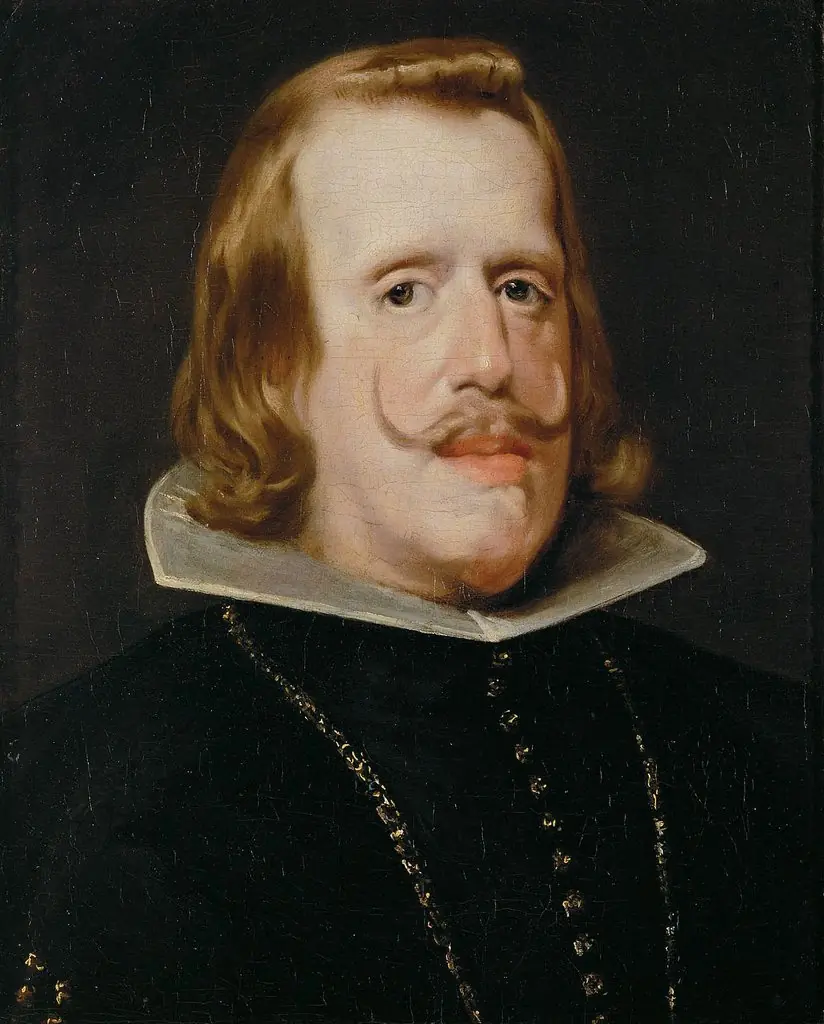 Portrait of King Philip IV of Spain
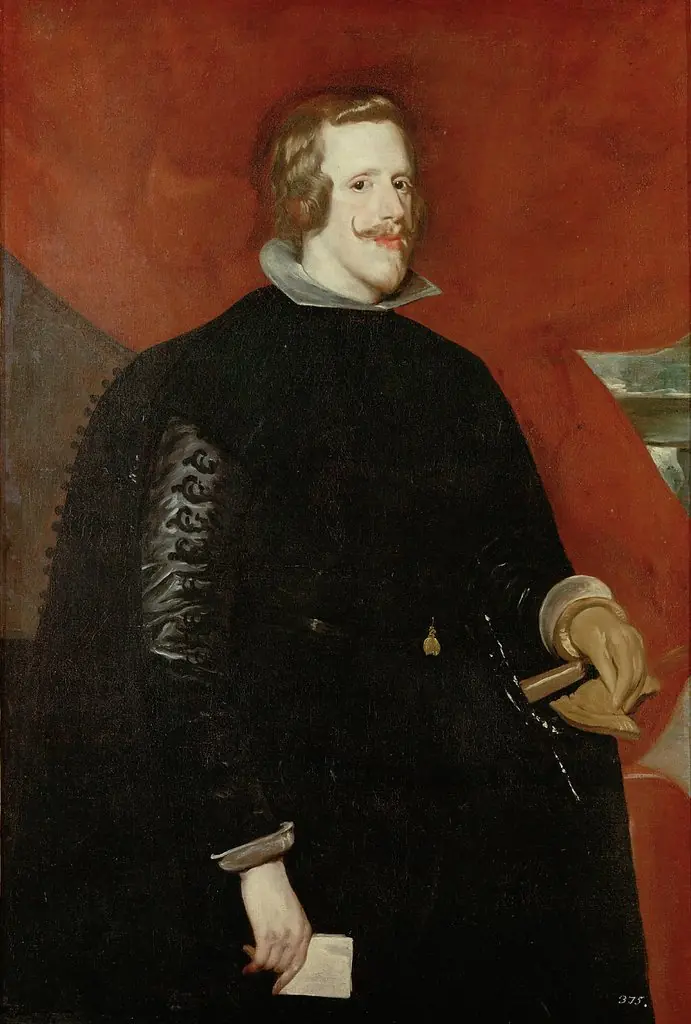 Portrait of Phillip IV of Spain, at three-quarter length
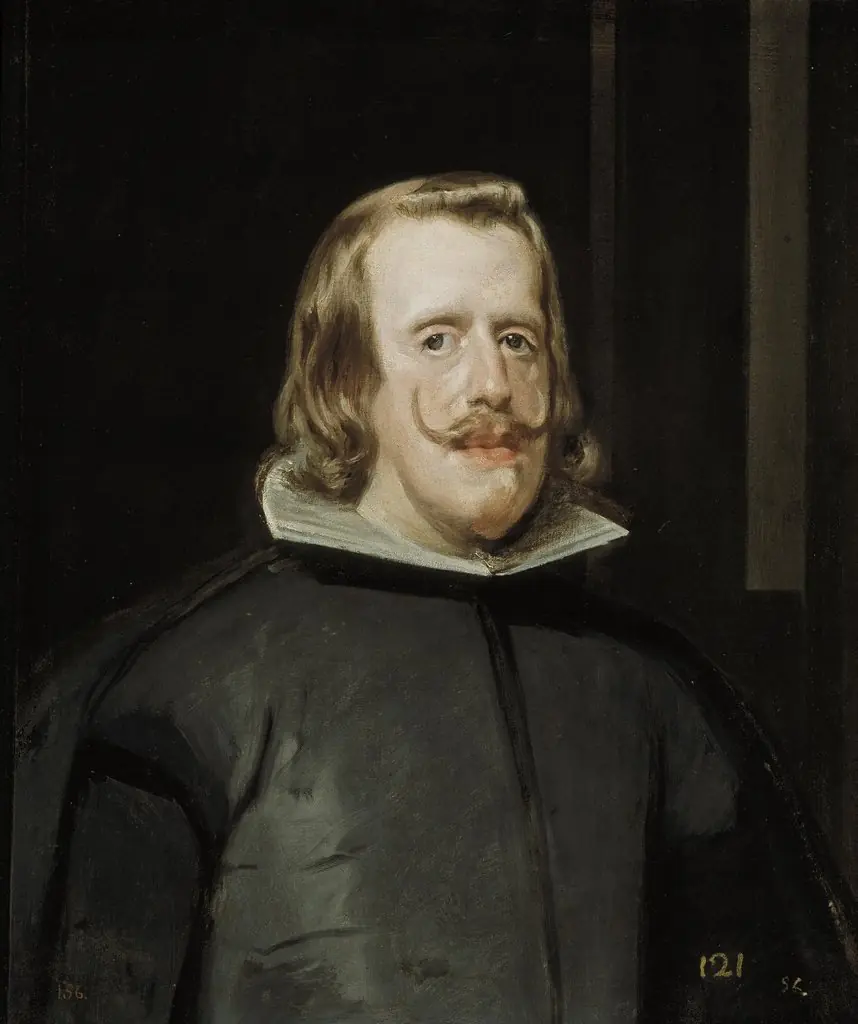 Philip IV in old age
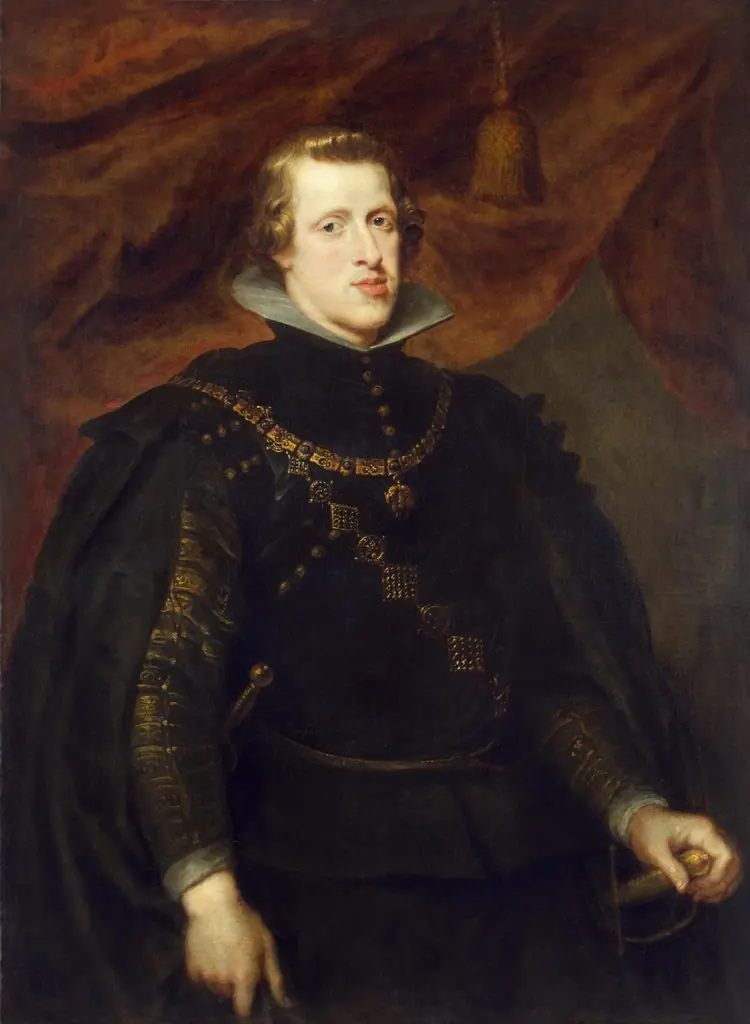 Portrait of Philip IV, King of Spain
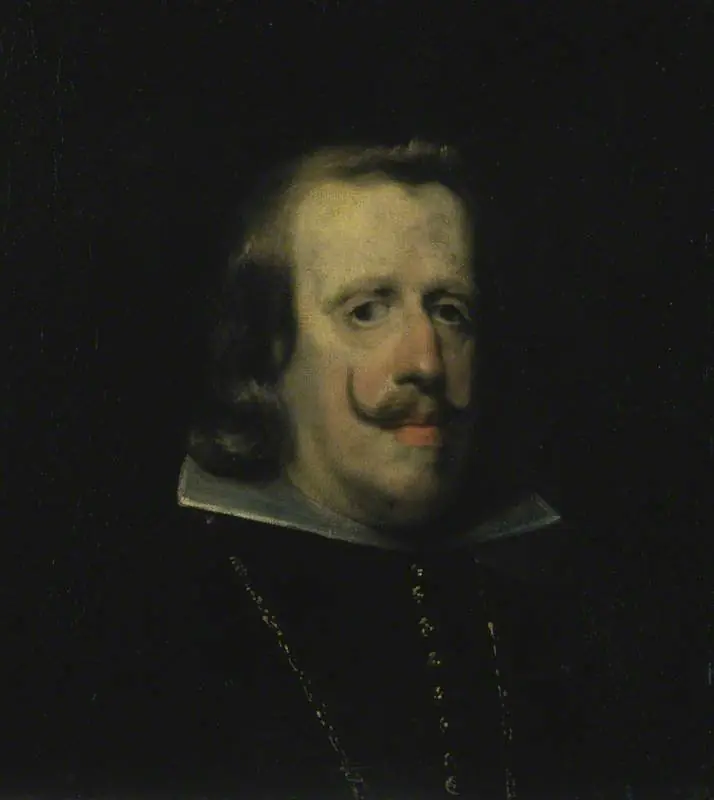 King Philip IV of Spain (1605 - 1665)
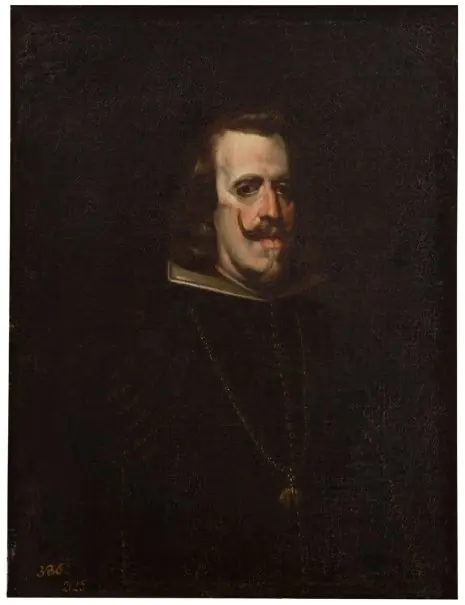 King Philip IV at half-length
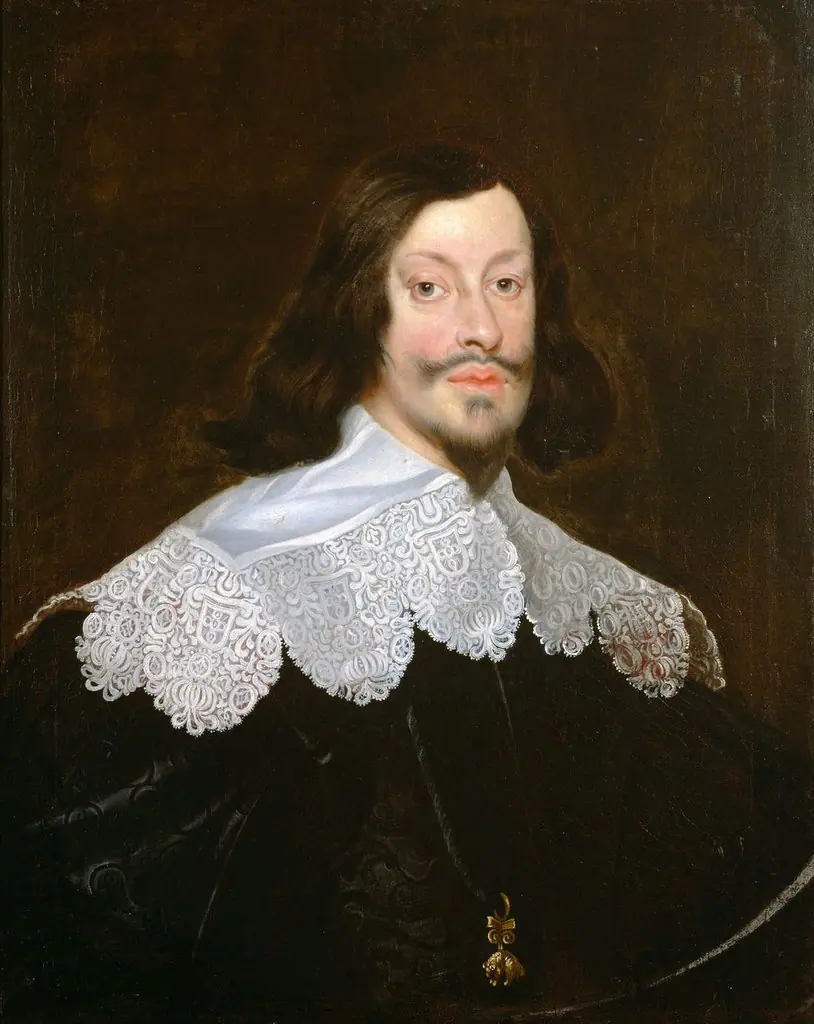 Kaiser Ferdinand III. (1608-1657), Brustbild
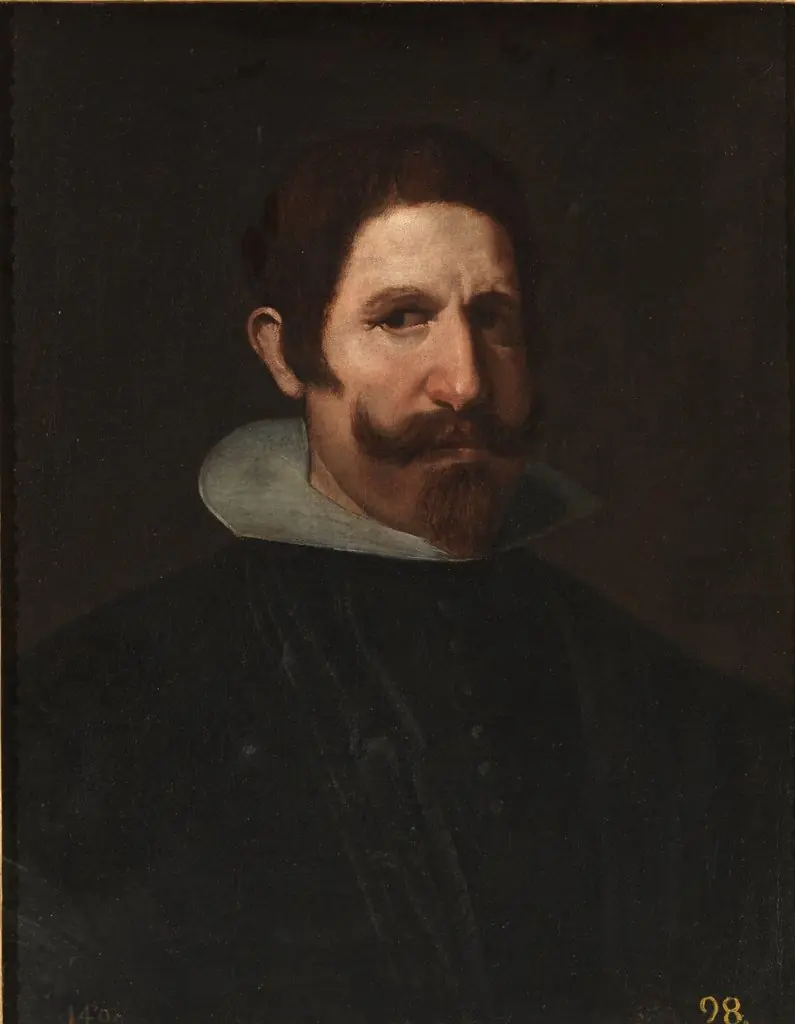 Alonso Martínez de Espinar (¿?)
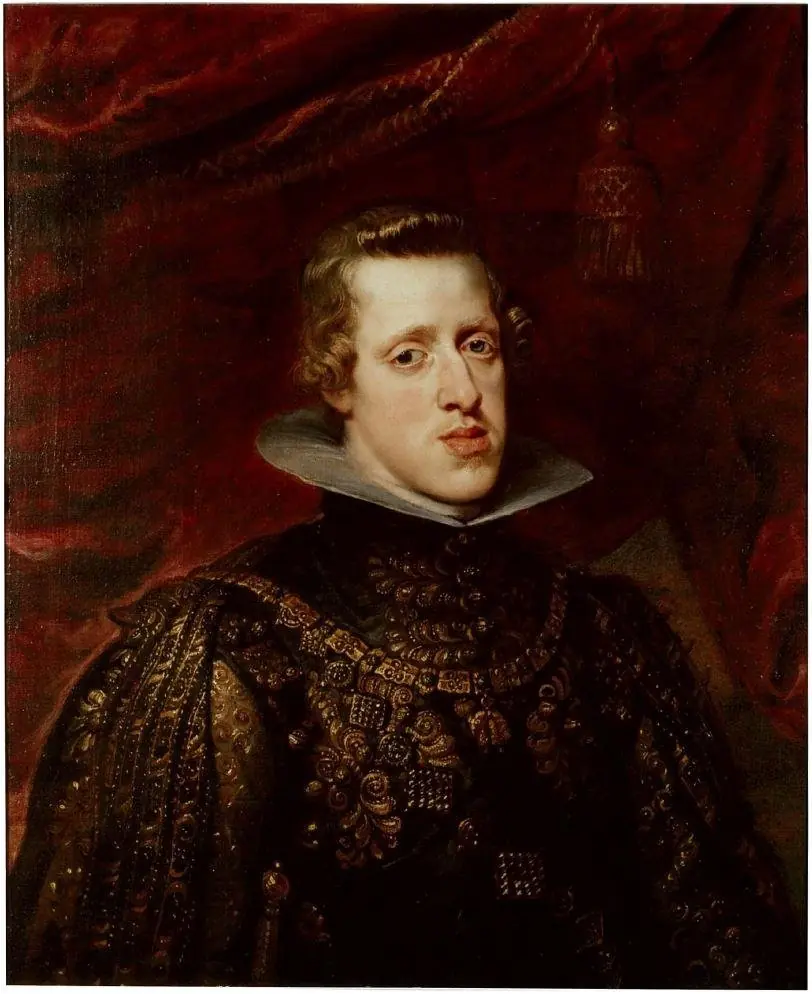 Portrait of Philip IV (1605-1665), King of Spain
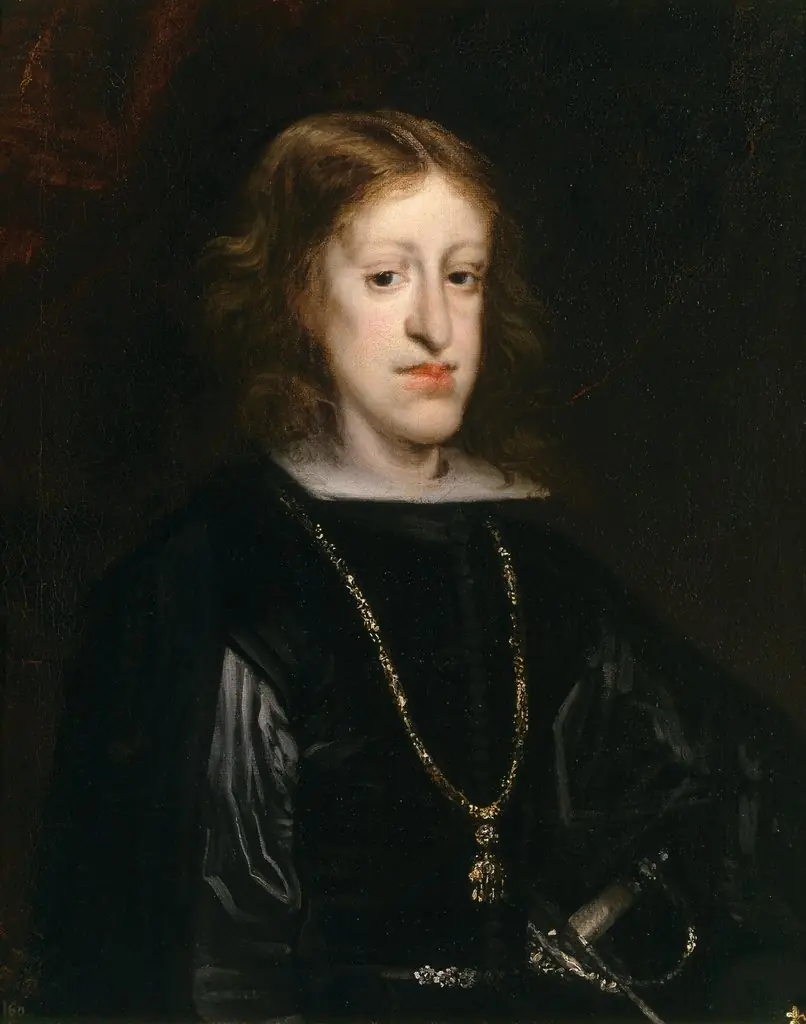 Charles II of Spain
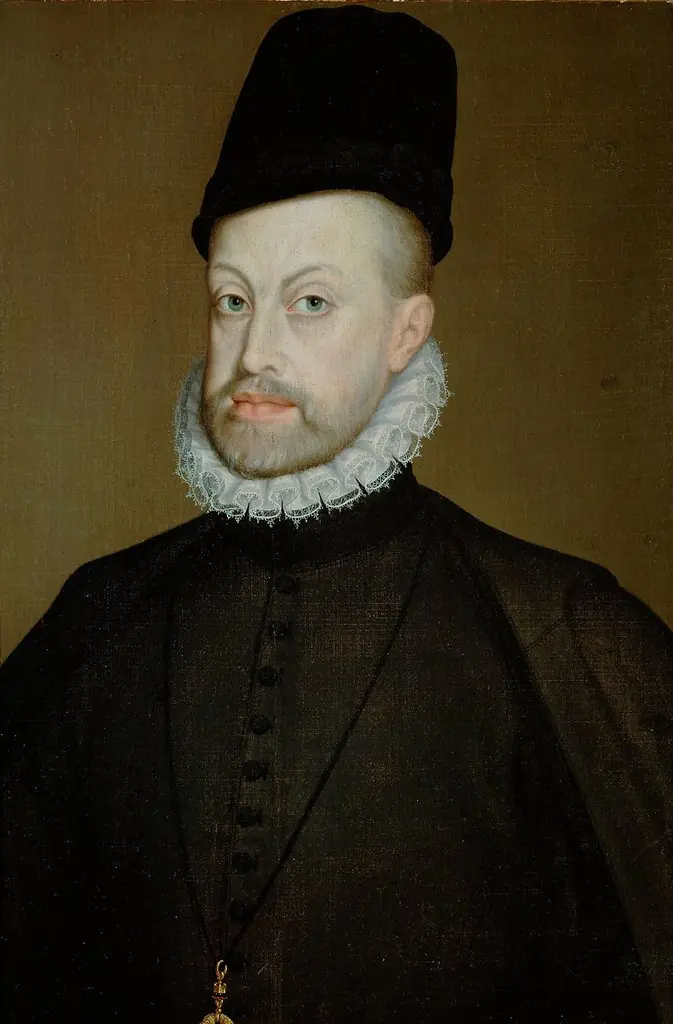 Portrait of Philip II of Spain
 König Philipp III. von Spanien (1578-1621), Bildnis im Harnisch