Artwork
The Healing of a Woman with an Issue of Blood
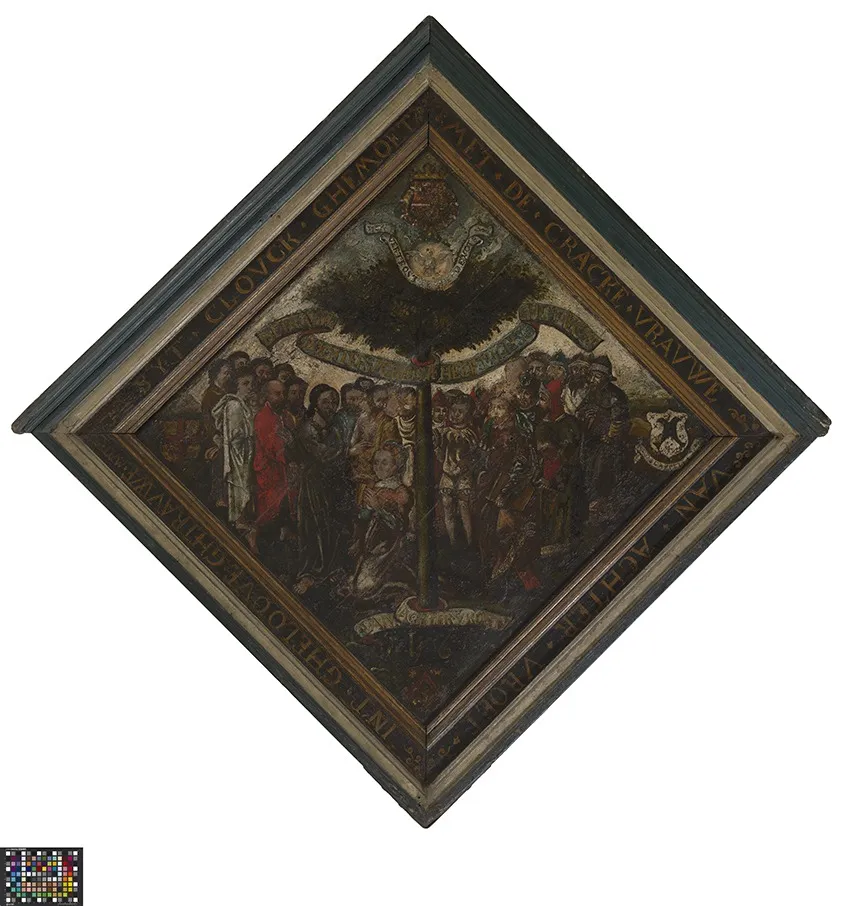
The Healing of a Woman with an Issue of Blood is an oil painting by the Mannerist artist Unknown. It dates from 1561 and is held in the collection of the Groeningemuseum.
About this work
Overview
This oil painting depicts a biblical moment from the Gospels, where a woman afflicted by chronic bleeding touches the hem of Jesus’ garment and is healed.
This oil painting depicts a biblical moment from the Gospels, where a woman afflicted by chronic bleeding touches the hem of Jesus’ garment and is healed. The composition centers Jesus amid a dense crowd, rendered in somber tones with selective use of red and gold to draw attention to key figures. A vertical tree divides the space, while heraldic emblems appear in the upper corners, hinting at ecclesiastical or noble patronage. The frame bears faded lettering and worn edges, indicating considerable age and repeated handling.
Subject & Meaning
The scene illustrates the moment described in Mark 5:25–34, where faith alone brings healing. The woman, partially obscured among the crowd, reaches toward Jesus, who remains calm and aware. Surrounding figures express varied reactions—awe, curiosity, or indifference—emphasizing the quiet power of the miracle. The tree’s central placement may symbolize life or the divide between the sacred and the mundane, reinforcing the spiritual significance of the act.
Technique & Style
The artist employs chiaroscuro to model forms through strong contrasts of light and shadow, lending volume and emotional weight to the figures. Drapery is rendered with subtle gradations, and the palette favors muted earth tones, with red and gold used sparingly to highlight spiritual focus. The brushwork is precise yet restrained, typical of late medieval or early Renaissance devotional painting, prioritizing narrative clarity over naturalistic detail.
History & Provenance
The painting’s worn condition and faded gilded lettering suggest it was once part of a religious altarpiece or private devotional panel, possibly commissioned by a church or noble family. Its survival through centuries implies careful preservation, though its original context—location, patron, or artist—remains undocumented. The presence of heraldic symbols may link it to a specific regional or familial lineage, though no definitive records have been traced.
Context
Created during a period when religious imagery served as both instruction and devotion, the painting reflects the medieval emphasis on visual storytelling for largely illiterate congregations. Similar scenes were common in European churches, often paired with other miracles of Christ. The inclusion of coats of arms indicates the work’s connection to elite patrons who sought to align themselves with divine favor through artistic commission.
Legacy
Though unsigned and unattributed, the painting stands as an example of pre-modern devotional art that prioritized spiritual resonance over individual expression. Its survival offers insight into how biblical narratives were visually codified and transmitted across generations. The work’s modest scale and intimate focus contrast with later grandiose treatments of the same subject, preserving a quieter, more personal interpretation of faith.
Artist & collection

 Domestic Scene
 Giacomo and Cardinal Marco, investing Andrea, Abbot of San Zeno, with his Benefice
 The Nymph of Fontainebleau
 Portrait of a Woman
 Madonna and Child with Saints in the Enclosed Garden
 Venus and Minerva
 Family Group of Four on Sofa
 Wall painting from Room H of the Villa of P. Fannius Synistor at Boscoreale
 Wapenbord van de rederijkerskamer Kunst en Eendracht
 Panel of a Brotherhood
 Memorietafel van de familie Dot-Ramaule
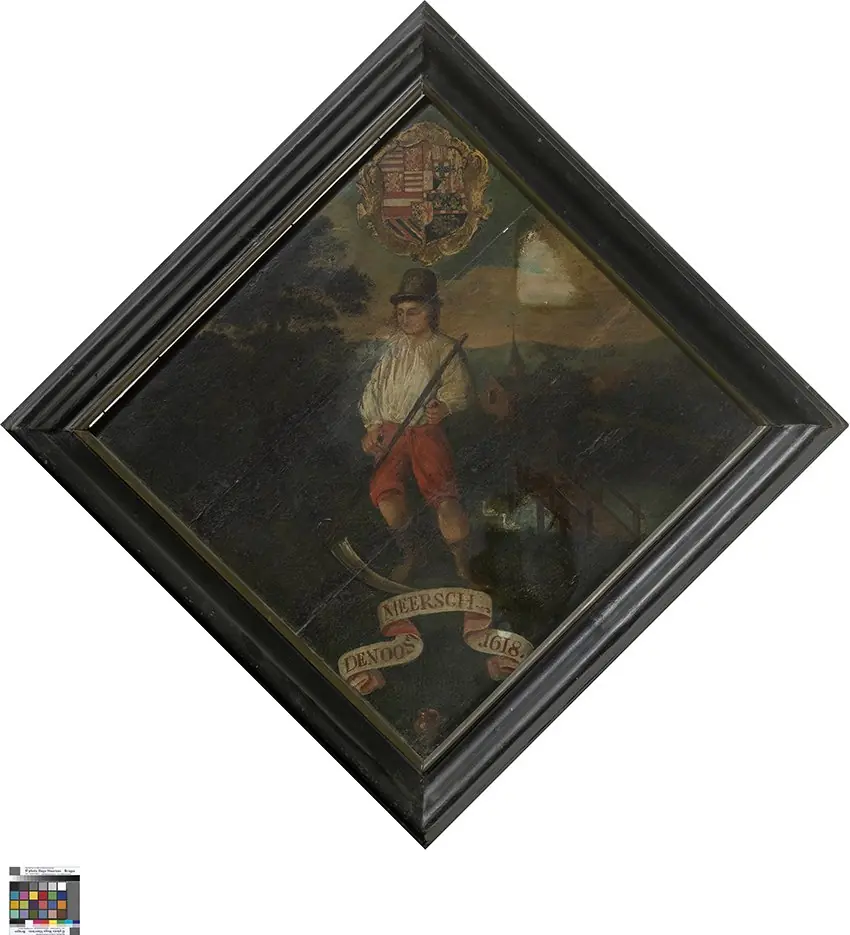 Boer in een landschap
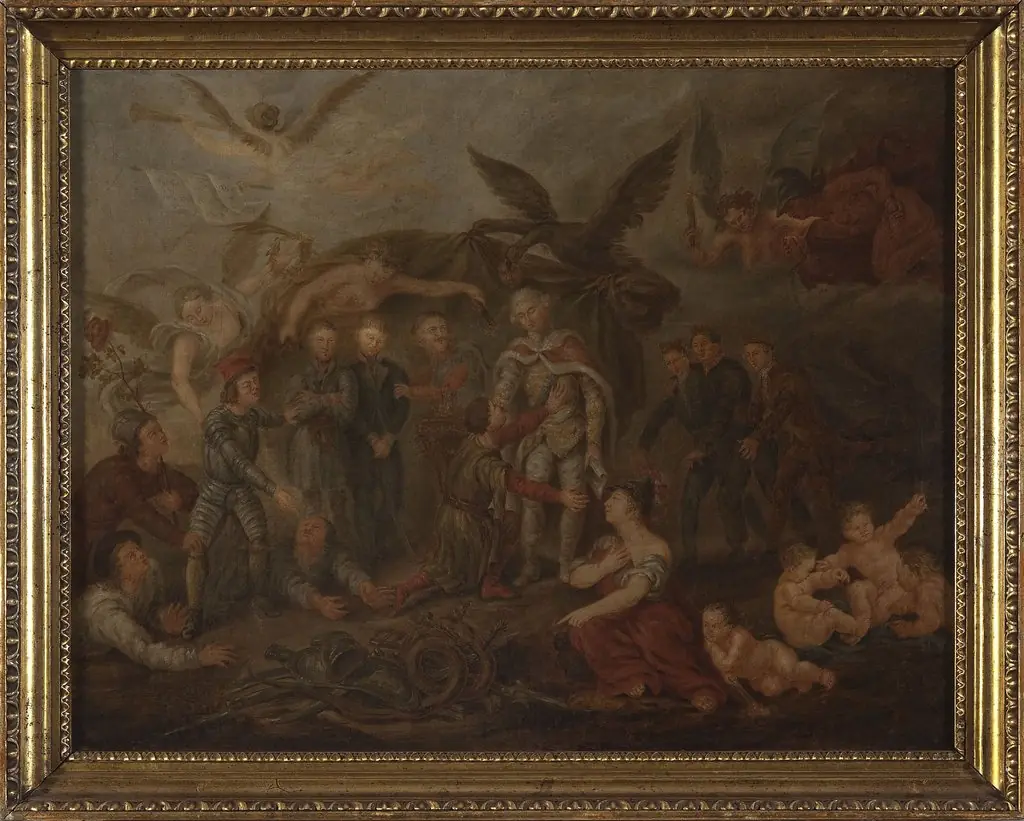 Allegory of the fall of Poland
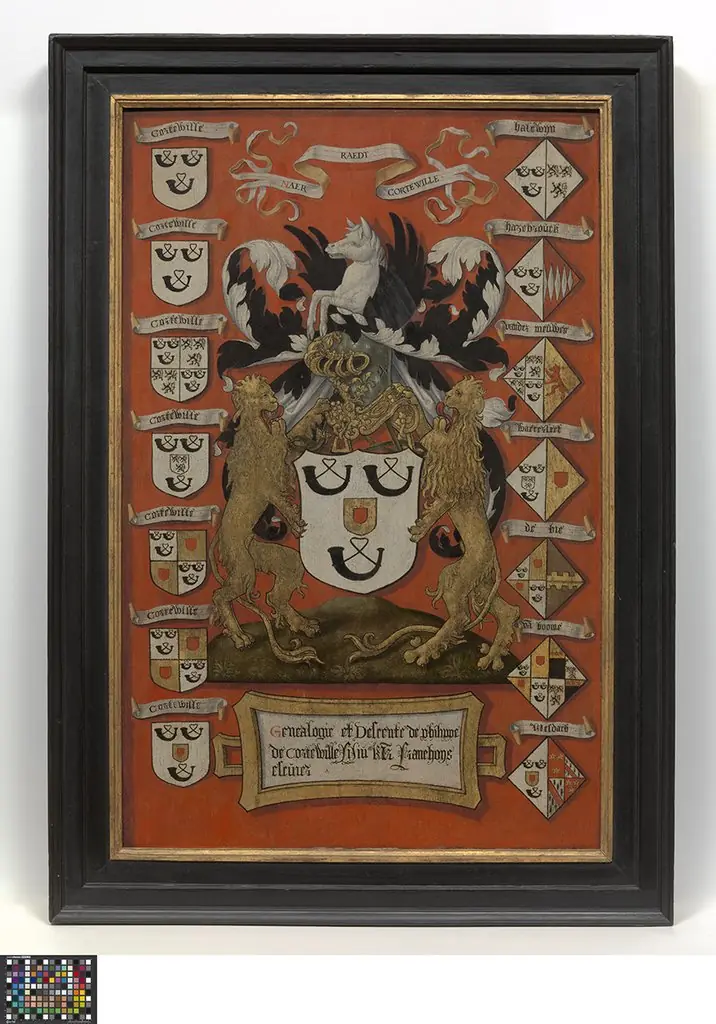 Pedigree of Filips de Cortewille
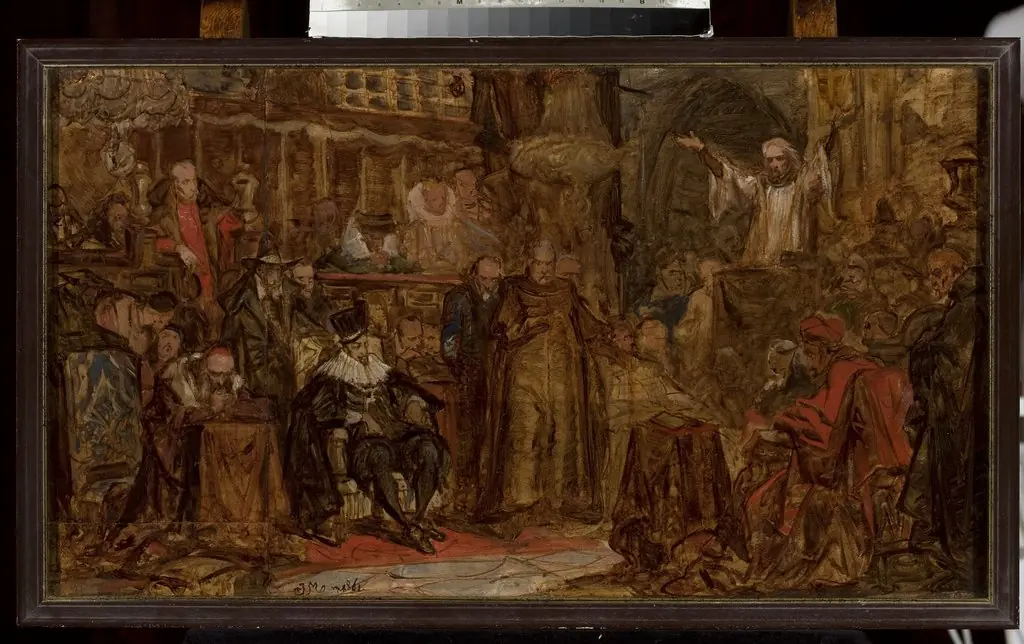 Sketch for “Skarga's Sermon”
 Good Government in the Palazzo Pubblico in Siena
 Blazon of the Diest Chamber of Rhetoric "De Christus-ooghen"
 Studie voor "Les trentaines de Berthal de Hazé"
 Last Judgement
 Mucius Scaevola