Artwork
Fujiwara no Muchimaro
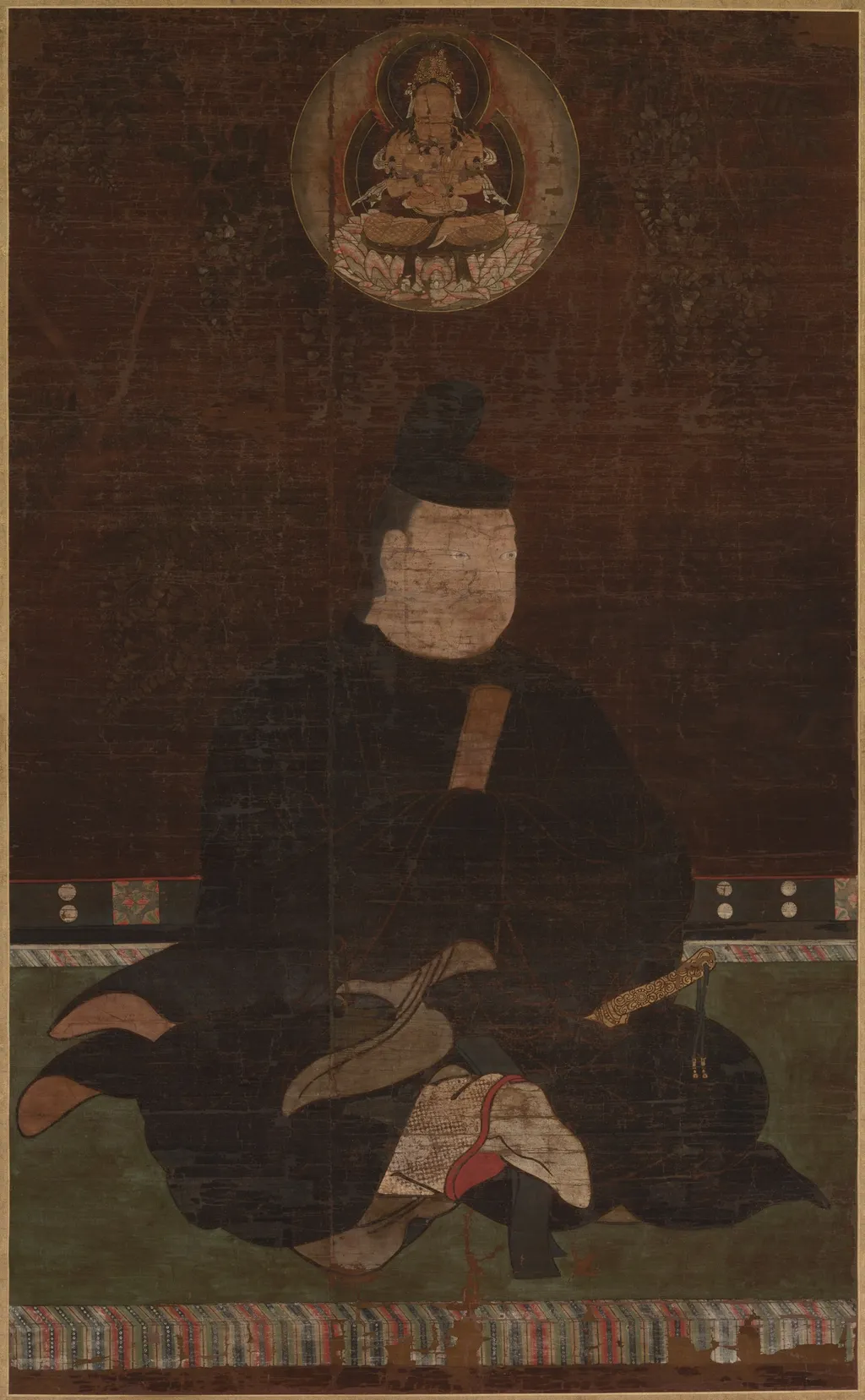
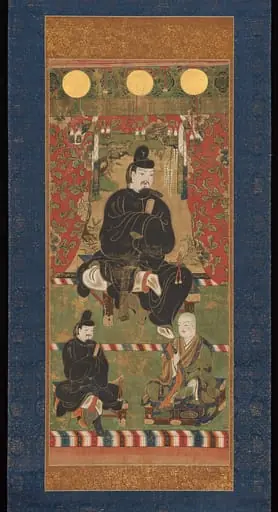
Fujiwara no Muchimaro is an unspecified painting. It dates from 1266 and is held in the collection of the Cleveland Museum of Art. The work portrays a seated figure dressed in traditional Japanese garb, his legs crossed in a meditative pose.
About this work
Overview
The work portrays a seated figure dressed in traditional Japanese garb, his legs crossed in a meditative pose. He is clad in a black robe and hat, and grips a sword in his right hand. A dark brown backdrop frames the scene, topped by a circular depiction of a deity. The composition conveys a calm, contemplative atmosphere.
Subject & Meaning
The central figure is likely a historical or mythological Japanese personage, suggested by the formal attire and sword, symbols of status and martial virtue. The presence of the deity above may indicate a connection to spiritual protection or divine endorsement, reinforcing themes of contemplation and inner resolve.
Technique & Style
Rendered with muted tones, the painting employs a limited palette of blacks and browns, creating a subdued visual field. The figure’s facial features are intentionally blurred, emphasizing anonymity or the universal nature of the subject. The circular deity motif follows traditional Japanese iconography, integrating symbolic imagery within a restrained compositional framework.
History & Provenance
Specific details regarding the artwork’s creation date, artist, or ownership lineage are not provided. The title references Fujiwara no Muchimaro, a member of the influential Fujiwara clan, suggesting a possible historical association or later attribution.
Context
If linked to Fujiwara no Muchimaro, the painting situates itself within the Heian period’s aristocratic culture, where courtly officials often engaged in artistic patronage and cultivated a refined aesthetic. The serene pose and martial element reflect the era’s blend of cultivated elegance and the warrior ethos.
Artist & collection