Artwork
A High-ranking Noble in Priest's Robe
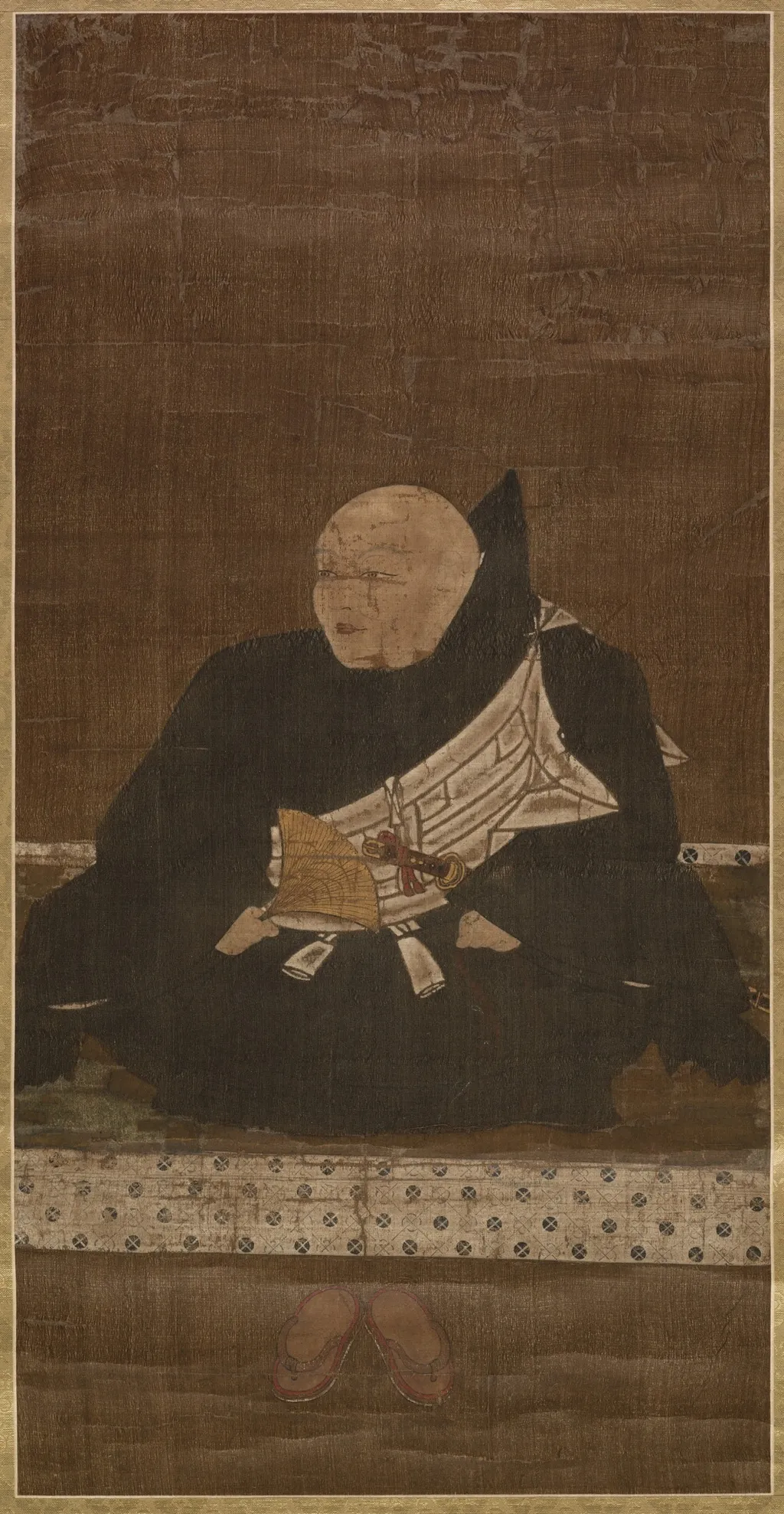
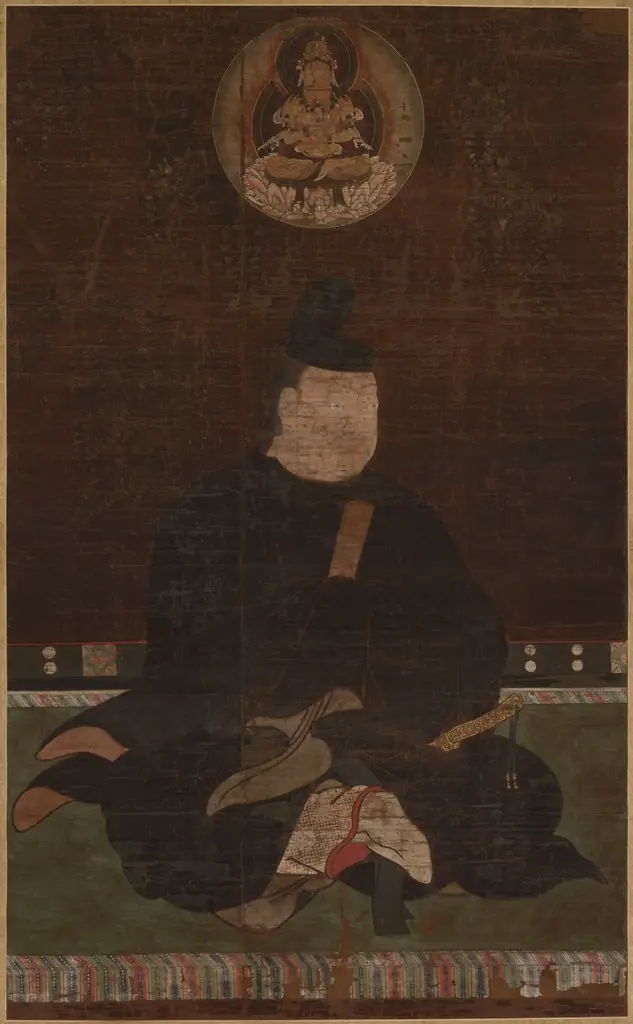
A High-ranking Noble in Priest's Robe is an unspecified painting. It dates from 1492 and is held in the collection of the Cleveland Museum of Art. The work depicts a solitary figure seated on a low platform, clothed in black garments with a white cloth draped over the shoulder.
About this work
Overview
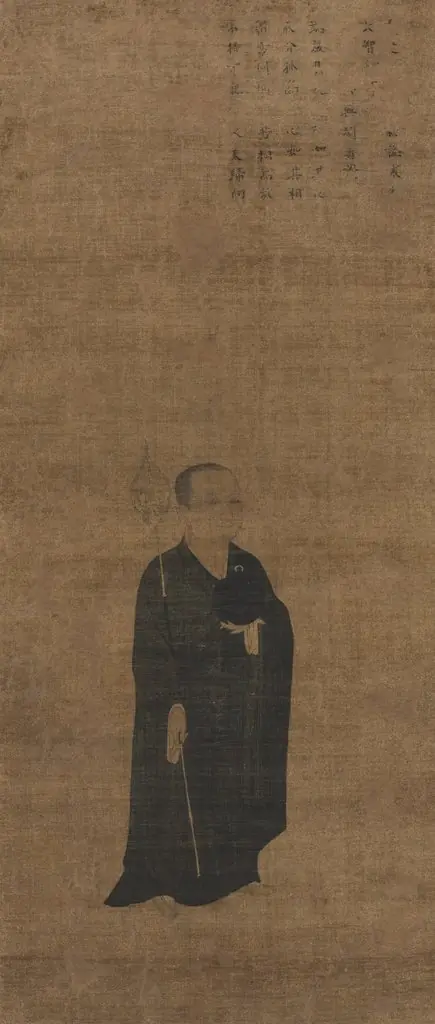
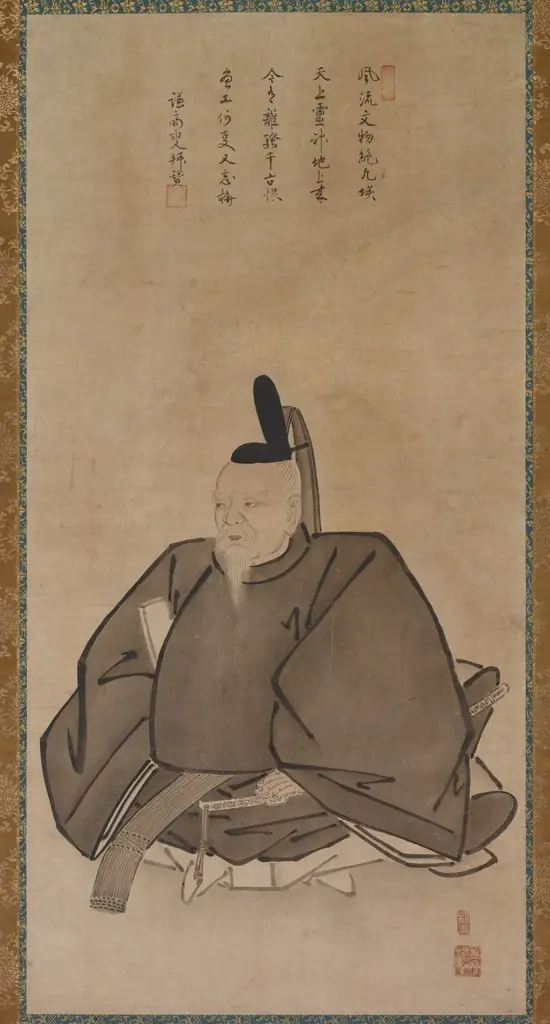
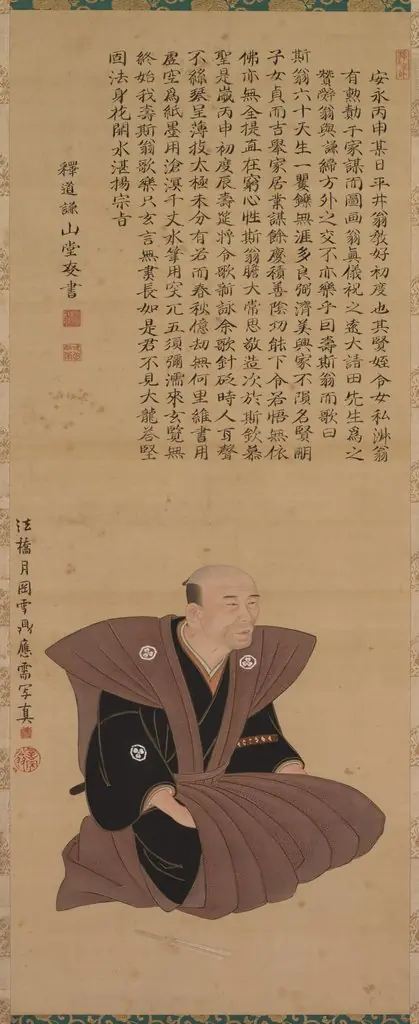
The work depicts a solitary figure seated on a low platform, clothed in black garments with a white cloth draped over the shoulder. The individual holds a small object topped with a red tassel, while their bare feet touch the floor. A dark, textured wall forms the backdrop, and a patterned mat lies at the figure’s feet.
Subject & Meaning
The attire suggests a high‑ranking noble serving in a priestly capacity, indicated by the black robes and the white mantle. The red‑tasselled object may represent a ceremonial implement, reinforcing the religious or ceremonial role of the sitter.
Technique & Style
The painting relies on stark contrasts between illuminated areas and deep shadows, creating a chiaroscuro effect that emphasizes form and volume. The blurred facial features and simplified background focus attention on the clothing and the held object, while the textured wall adds depth without distracting detail.
History & Provenance
No specific documentation accompanies the piece, and its origins remain unclear. The lack of identifiable symbols or inscriptions makes precise dating and attribution difficult, leaving its provenance largely speculative.
Context
Works that feature solitary, cloaked figures against dark backgrounds were common in the late Renaissance and Baroque periods, where artists explored the interplay of light and shadow to convey spiritual gravitas.
Artist & collection