Artwork
Inspection
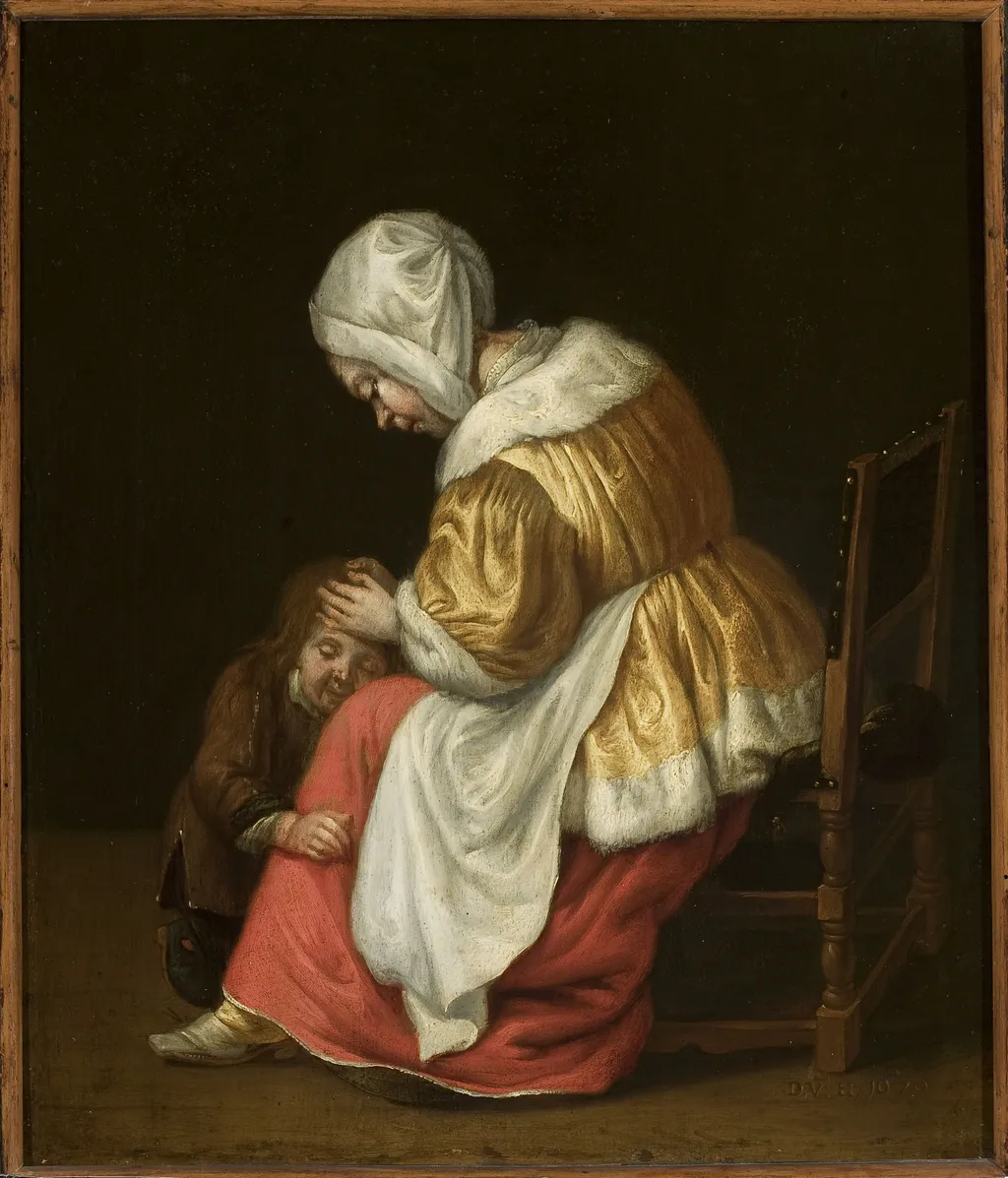
Inspection is an oil painting by the Flemish Baroque painting artist Unknown. It dates from 1690 and is held in the collection of the National Museum in Warsaw. This oil painting portrays a quiet moment between two figures: a woman seated on a wooden chair and a young girl kneeling before her.
About this work
Overview
The lighting, carefully modulated through chiaroscuro, enhances the three-dimensionality of their forms and the intimacy of the scene.
This oil painting portrays a quiet moment between two figures: a woman seated on a wooden chair and a young girl kneeling before her. The composition centers on their physical connection, with the woman’s hand resting gently on the girl’s head. A dark background isolates the pair, focusing attention on their interaction. The lighting, carefully modulated through chiaroscuro, enhances the three-dimensionality of their forms and the intimacy of the scene.
Subject & Meaning
The figures suggest a domestic or nurturing relationship, possibly maternal or pedagogical. The woman’s attentive posture and the girl’s subdued expression imply a moment of instruction, comfort, or reflection. No overt narrative clues are present, but the tenderness of the gesture invites interpretation as an everyday act of care, emphasizing emotional presence over dramatic event.
Technique & Style
The artist employs chiaroscuro to model the figures with subtle gradations of light and shadow, lending volume and realism. The white headscarf and apron catch the light, contrasting with the deep tones behind them. The yellow dress and pink garment of the girl introduce restrained color accents, harmonizing without distracting. Brushwork is controlled, favoring smooth transitions over visible texture, reinforcing the scene’s stillness.
History & Provenance
The painting’s origin and early ownership are undocumented in available records. It has not been linked to any major public collection prior to its current attribution. No signatures, inscriptions, or archival references have been confirmed, leaving its creation date and artist uncertain, though stylistic elements suggest a late 17th- to early 18th-century Northern European context.
Context
The scene reflects a common theme in Dutch and Flemish genre painting: intimate domestic moments elevated through quiet realism. Such works often depicted women in domestic roles, emphasizing moral virtue and familial bonds. The absence of elaborate interiors or symbolic objects aligns it with modest, unadorned portrayals of daily life, typical of regional traditions focused on sincerity over spectacle.
Legacy
Though not widely exhibited or reproduced, the painting contributes to the broader corpus of genre scenes that valorized quiet human connection. Its restrained composition and emotional subtlety resonate with similar works from the period, offering a quiet counterpoint to more theatrical narratives. It remains a modest but resonant example of observational realism in early modern European painting.
Artist & collection

 Domestic Scene
 Giacomo and Cardinal Marco, investing Andrea, Abbot of San Zeno, with his Benefice
 The Nymph of Fontainebleau
 Portrait of a Woman
 Madonna and Child with Saints in the Enclosed Garden
 Venus and Minerva
 Family Group of Four on Sofa
 Wall painting from Room H of the Villa of P. Fannius Synistor at Boscoreale
 Virgin and Child with St Anne
 The Sick Child
 Untitled
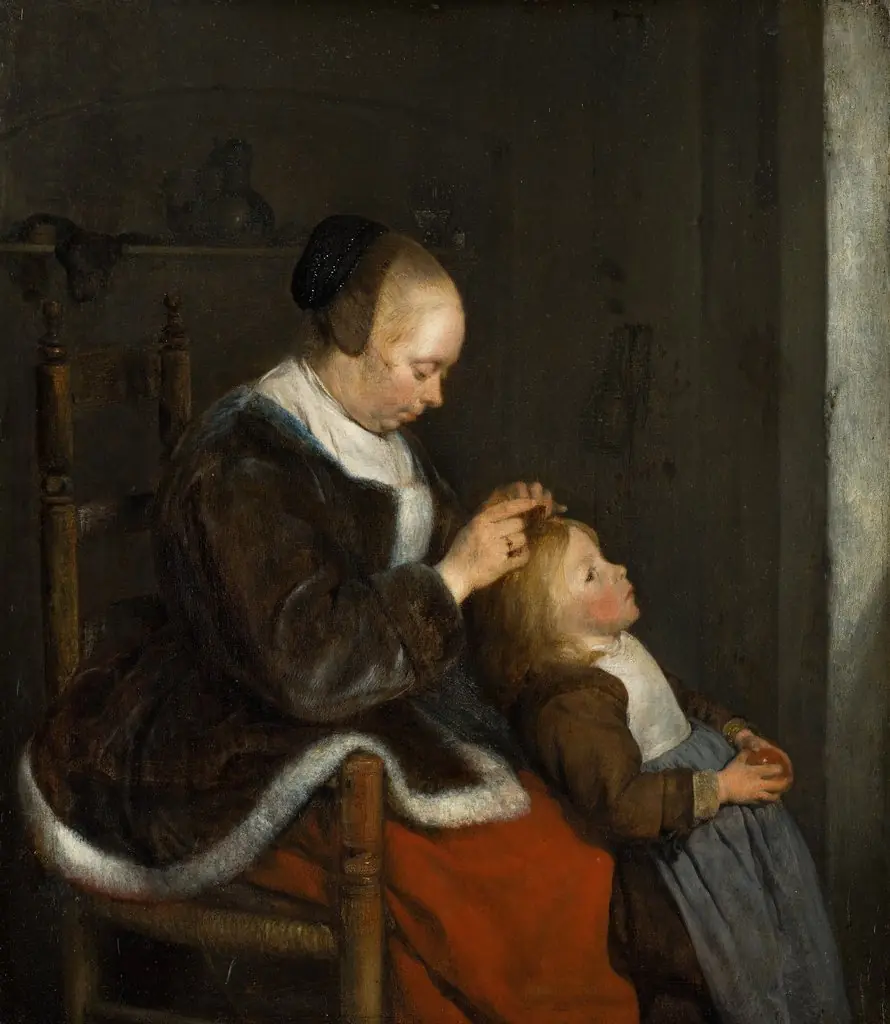 Mother Delousing her Child’s Hair
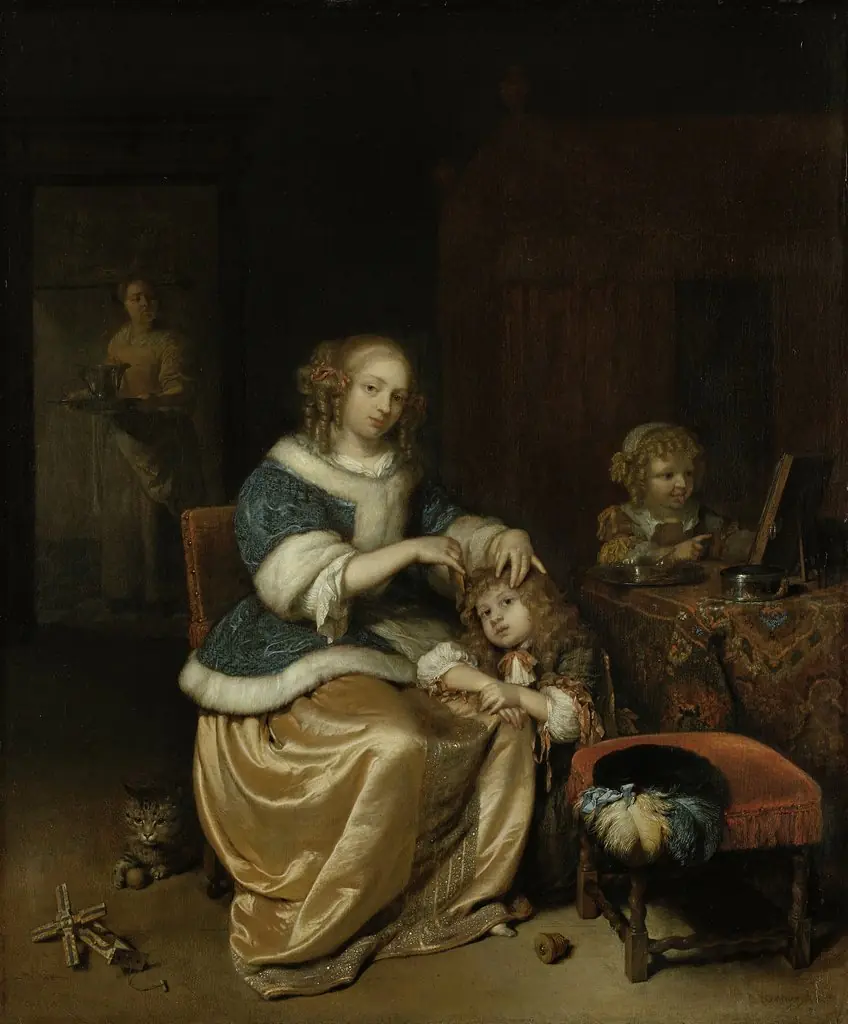 Interior with a Mother Combing her Child’s Hair, Known as ‘Maternal Care’
 Het zieke kind
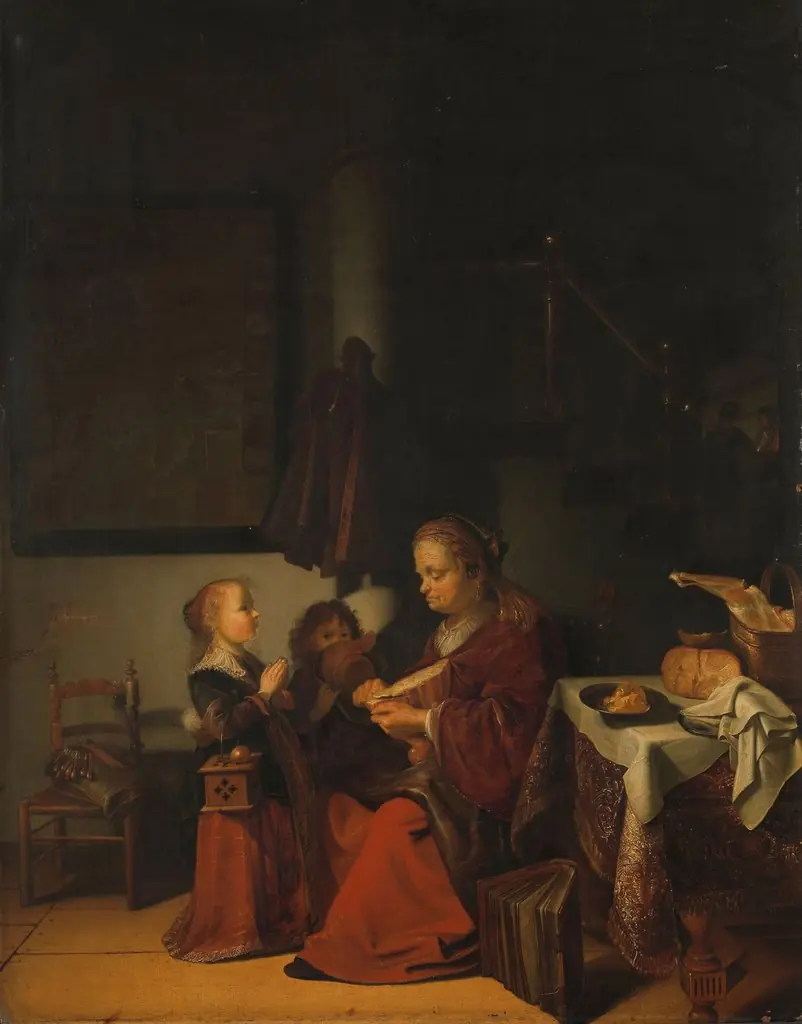 Breakfast
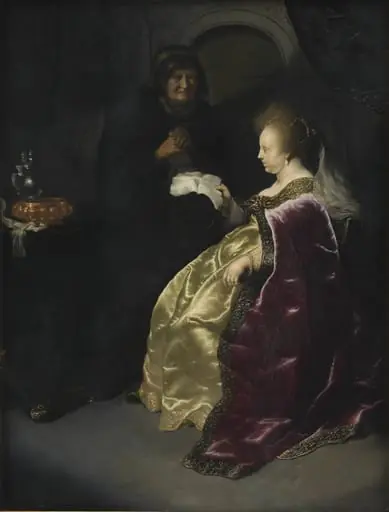 Esther reading Haman's Decree of the Extermination of the Jews
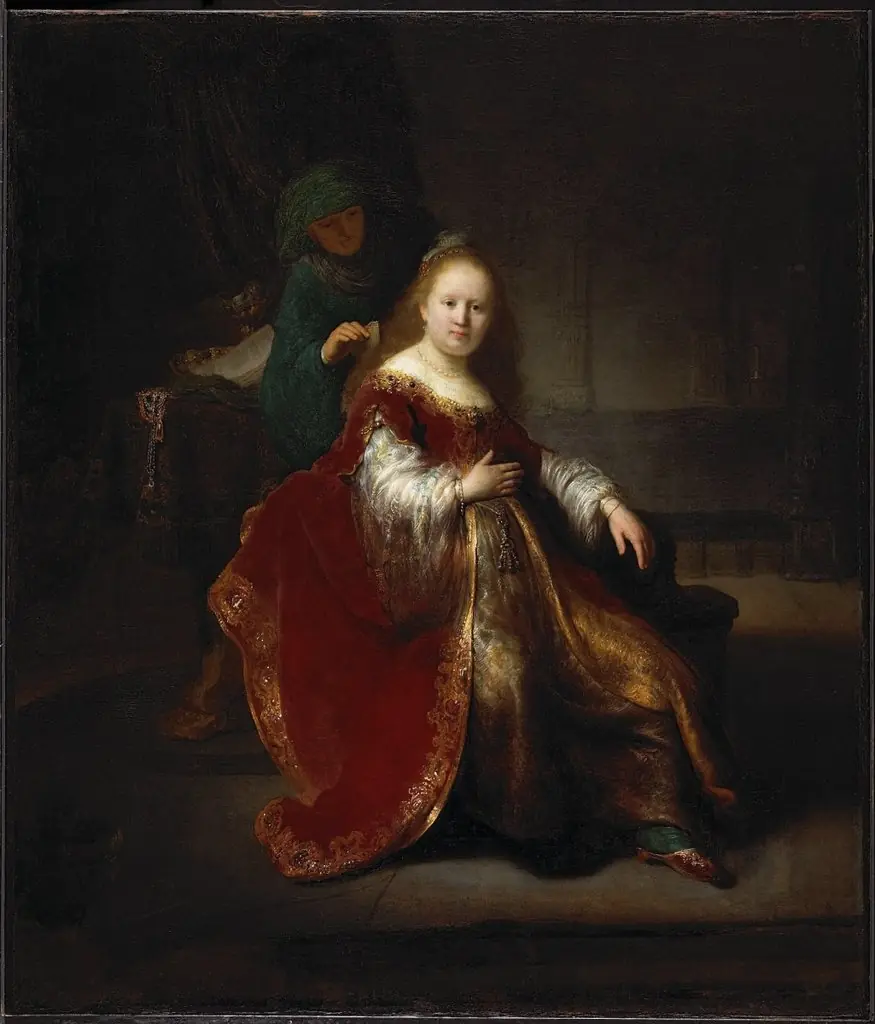 Heroine from the Old Testament
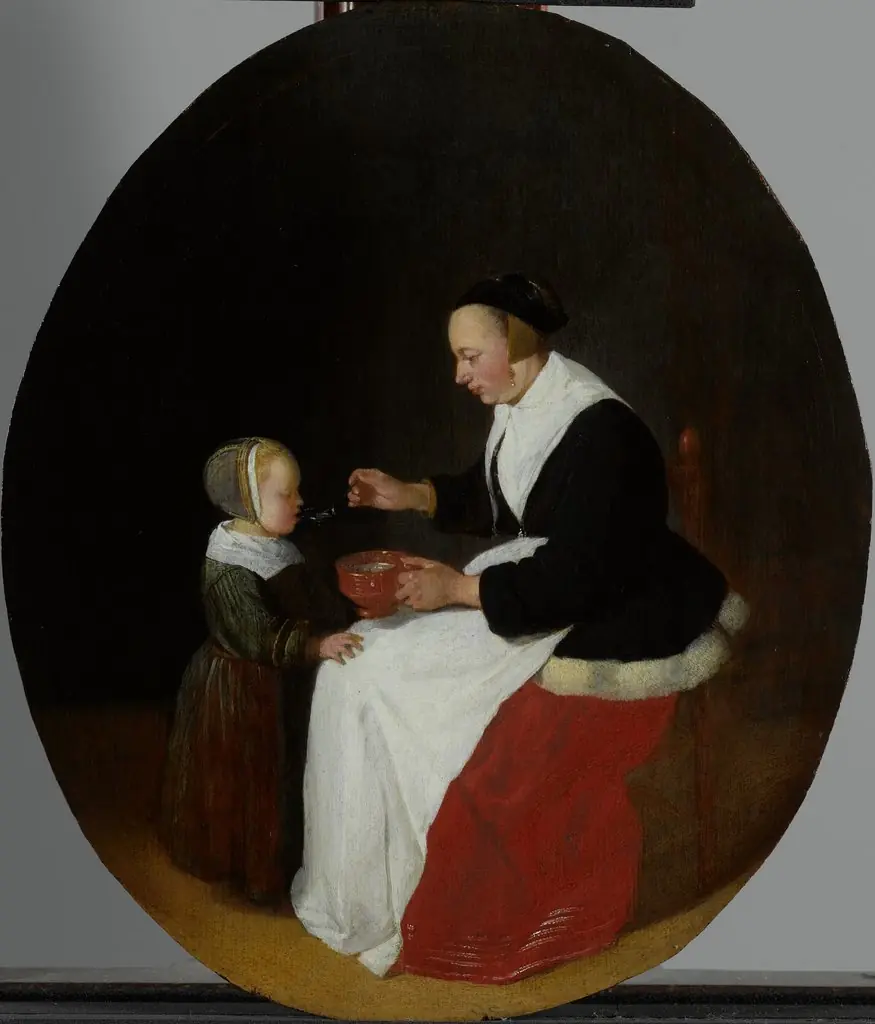 A mother feeding porridge to her child
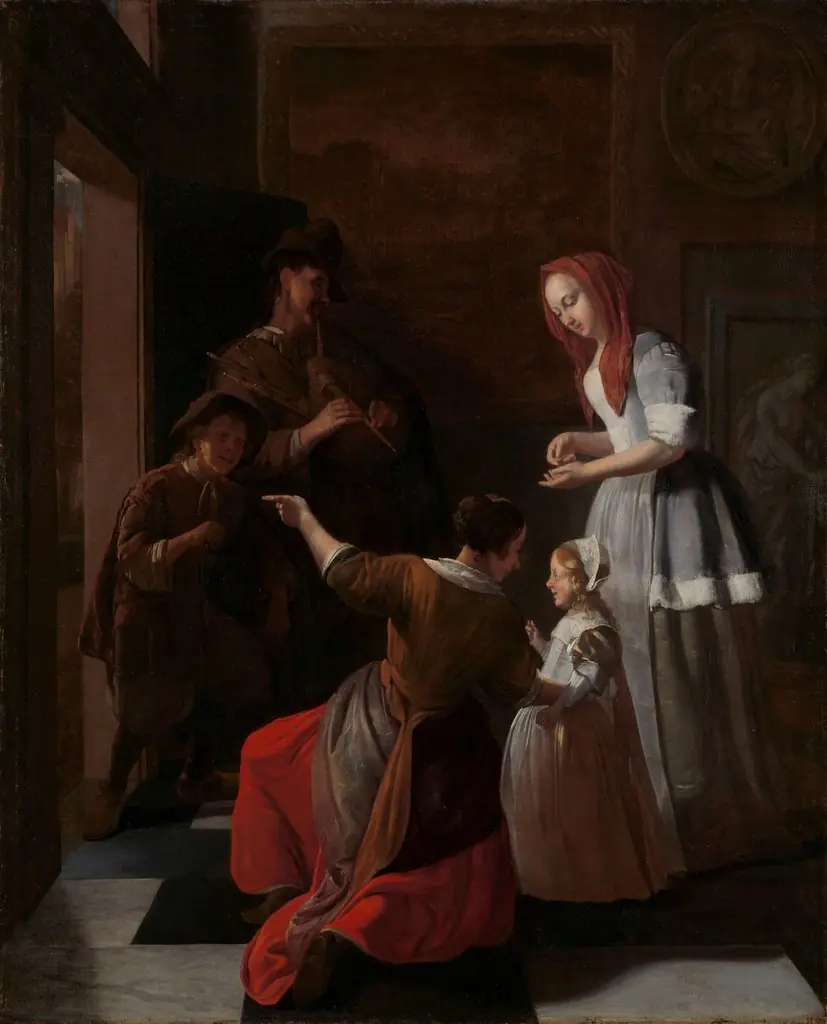 The players
 Portrait of a Girl Dressed in Blue