Artwork
Mystic Marriage of Saint Catherine
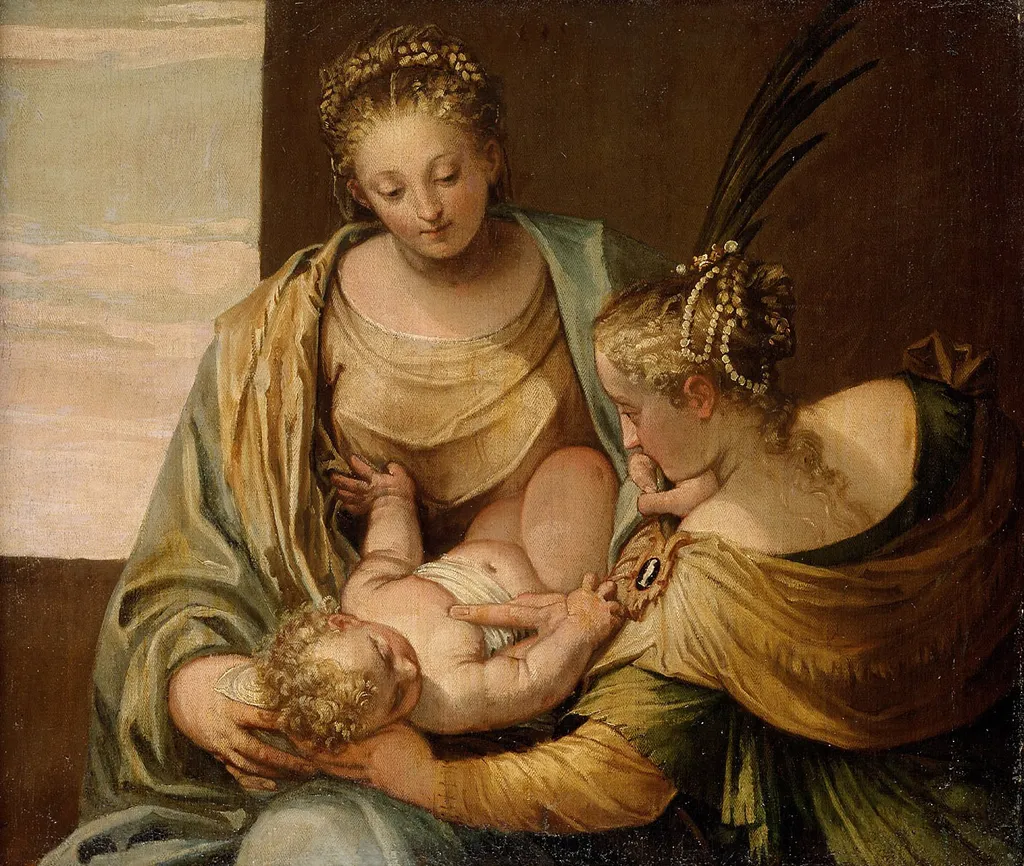
Mystic Marriage of Saint Catherine is an unspecified painting by the Mannerist artist Unknown. It dates from 1598 and is held in the collection of the Kunsthistorisches Museum.
About this work
Overview
Earth‑toned, flowing garments and a muted background emphasize the quiet interaction, and the infant appears calm, perhaps nursing.
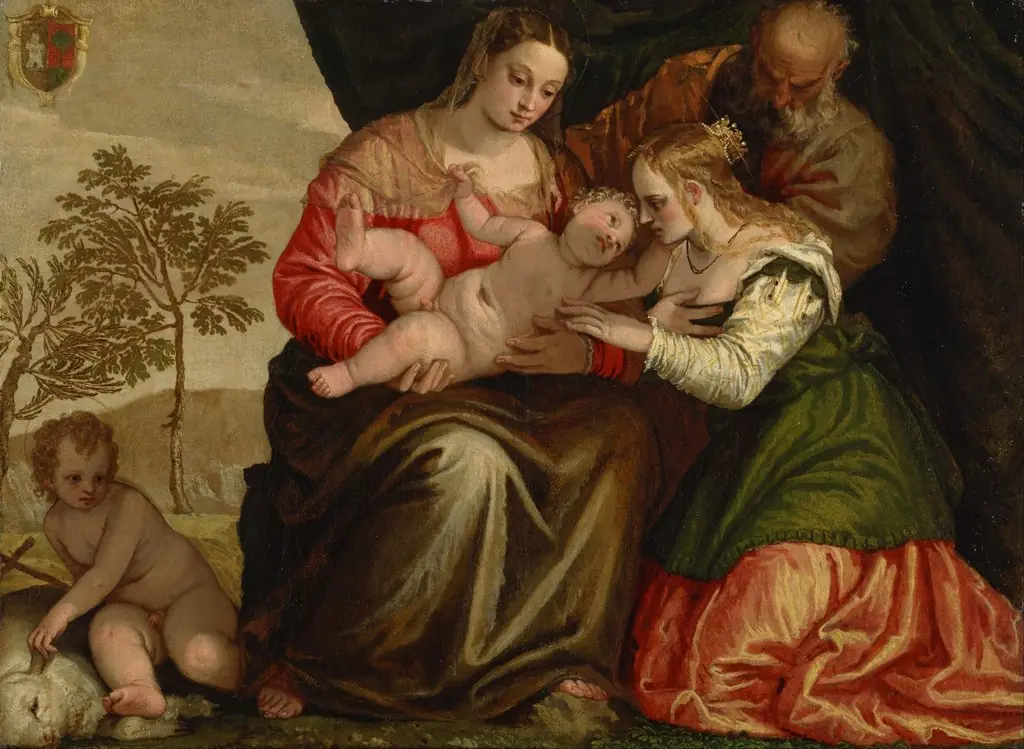
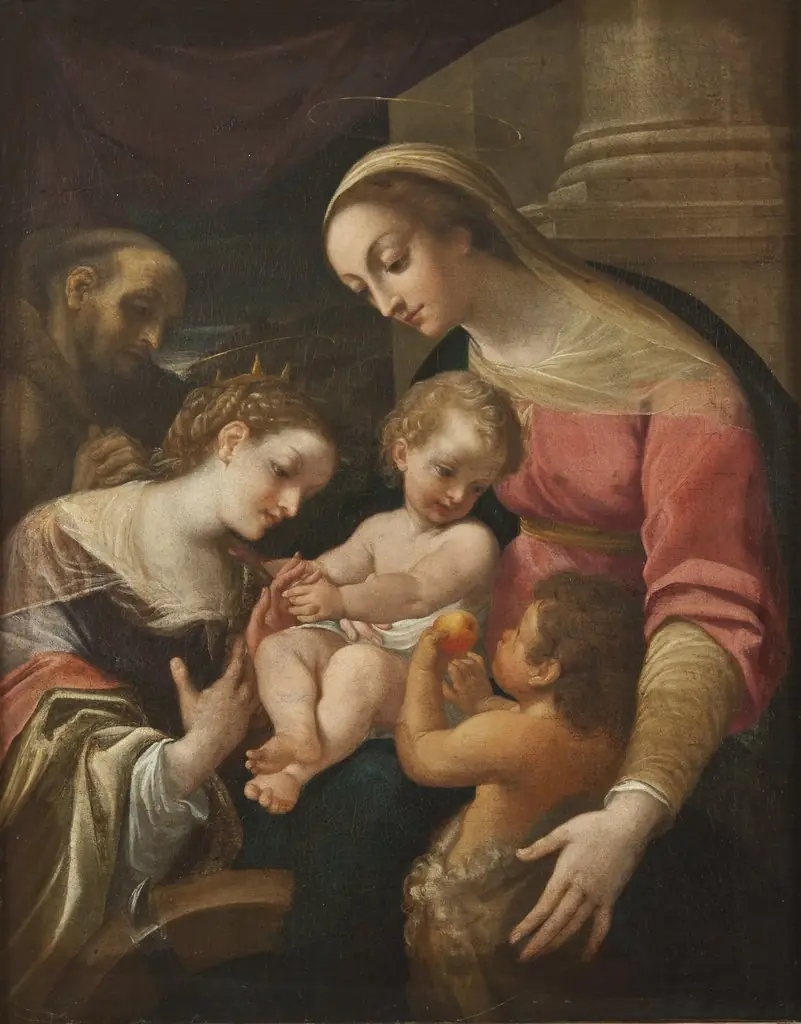
The work titled *Mystic Marriage of Saint Catherine* presents an intimate interior scene illuminated by a soft, directional light. Two women and an infant occupy the composition; the figure on the left cradles the child, while the figure on the right leans forward, gently touching the baby’s hand. Earth‑toned, flowing garments and a muted background emphasize the quiet interaction, and the infant appears calm, perhaps nursing.
Subject & Meaning
The painting alludes to the legendary mystic marriage of Saint Catherine, a symbolic union between the saint and Christ. The presence of the infant, likely the Christ Child, and the tender gesture of the right‑hand figure suggest a devotional moment of spiritual betrothal, conveyed through the personal contact between the women and the child.
Technique & Style
Executed with smooth brushwork, the artist employs chiaroscuro to model the figures, allowing light to fall on the faces and hands while the surrounding space recedes into shadow. Subtle gradations of tone create gentle shadows that define the drapery and flesh, and the overall palette of muted earth tones reinforces the subdued atmosphere.
History & Provenance
The painting is catalogued as a work titled *Mystic Marriage of Saint Catherine*, though specific details of its creation date, artist, and ownership history are not provided in the available description. Consequently, its provenance remains undocumented in the present record.
Context
Depictions of Saint Catherine’s mystic marriage were common in devotional art, often featuring the saint receiving a ring from the infant Christ. This composition follows that tradition, situating the narrative within a domestic interior rather than an elaborate architectural setting, thereby focusing attention on the personal, contemplative aspect of the encounter.
Artist & collection

 Domestic Scene
 Giacomo and Cardinal Marco, investing Andrea, Abbot of San Zeno, with his Benefice
 The Nymph of Fontainebleau
 Portrait of a Woman
 Madonna and Child with Saints in the Enclosed Garden
 Venus and Minerva
 Family Group of Four on Sofa
 Wall painting from Room H of the Villa of P. Fannius Synistor at Boscoreale
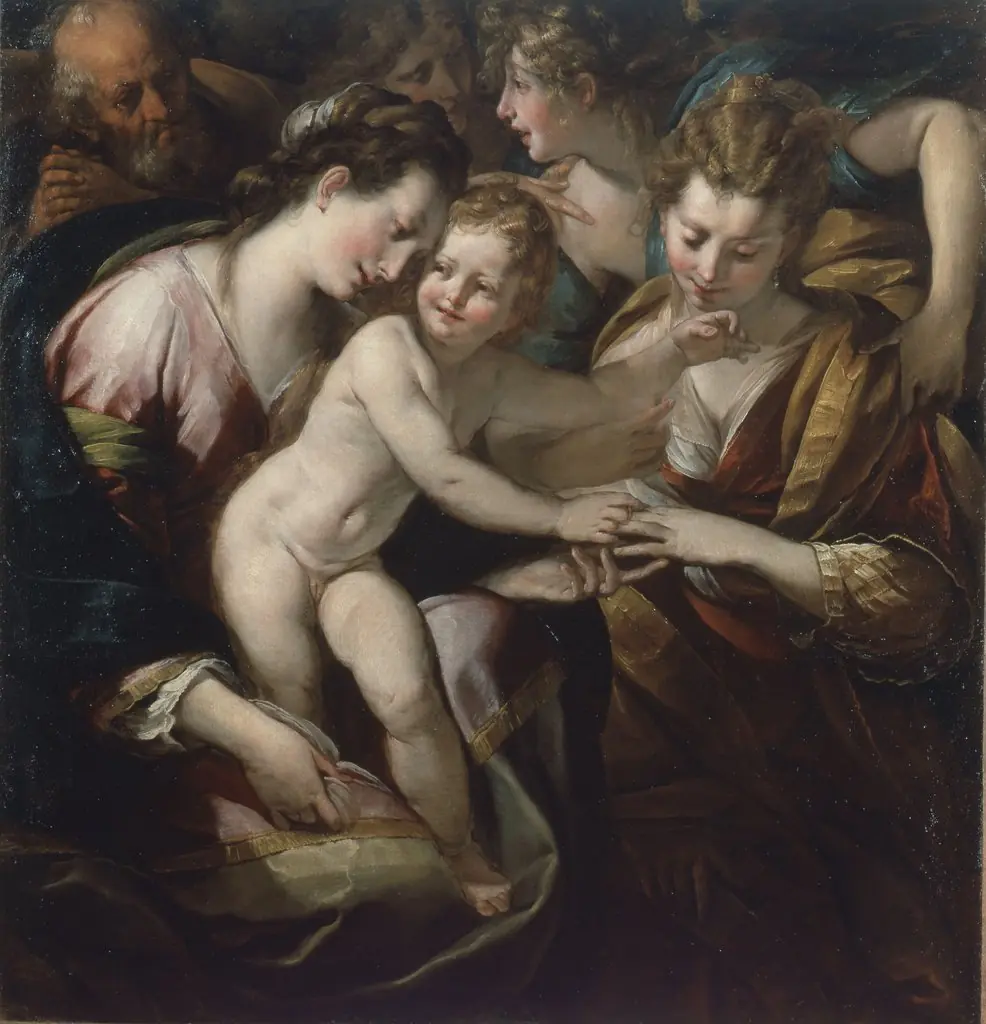 Mystic Marriage of Saint Catherine
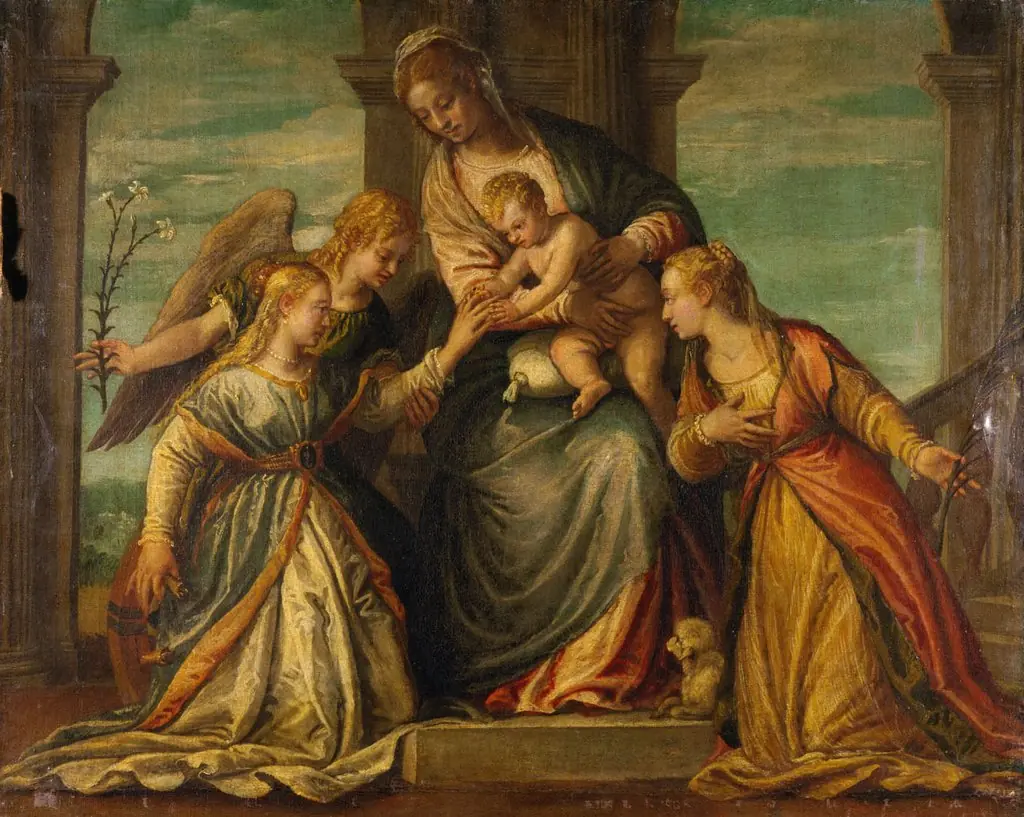 Mystic Marriage of St. Catherine
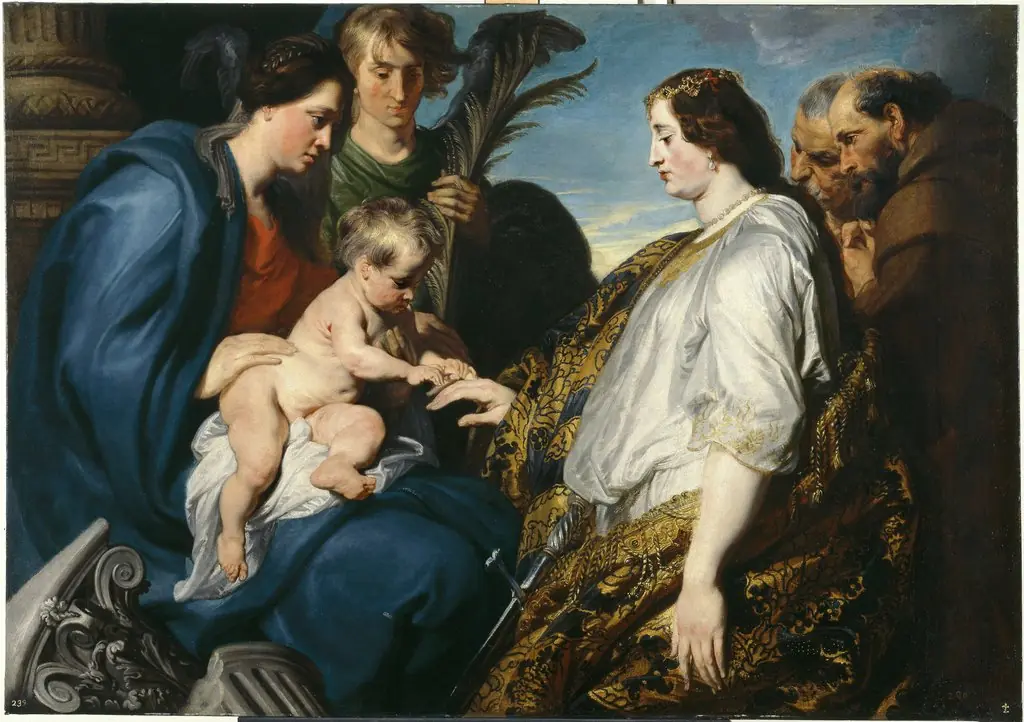 The Mystic Marriage of Saint Catherine
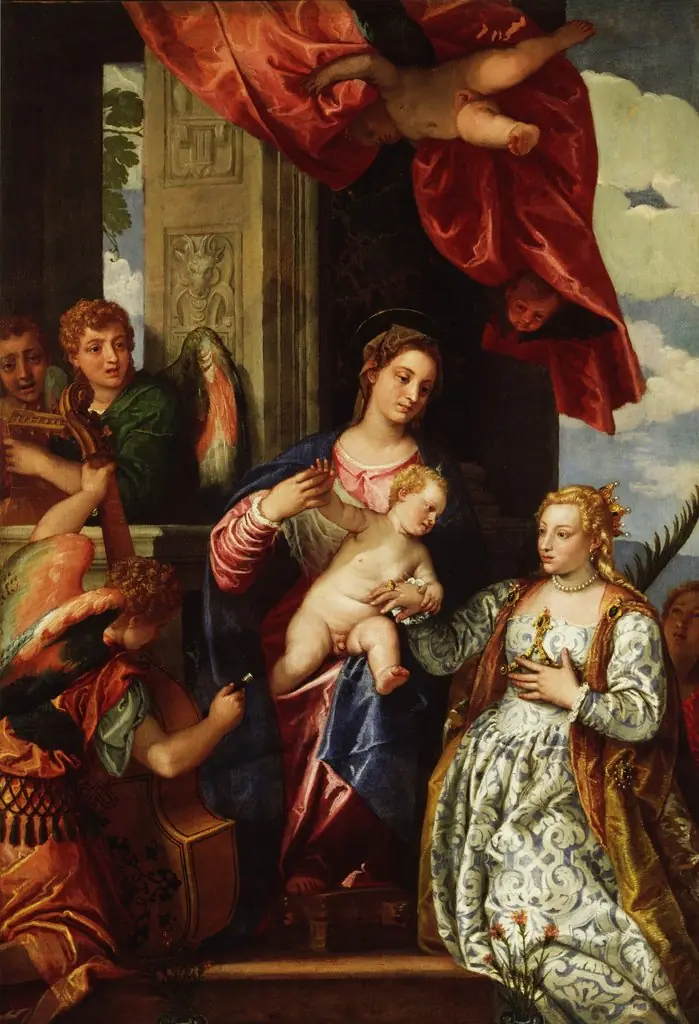 The Mystic Marriage of St. Catherine
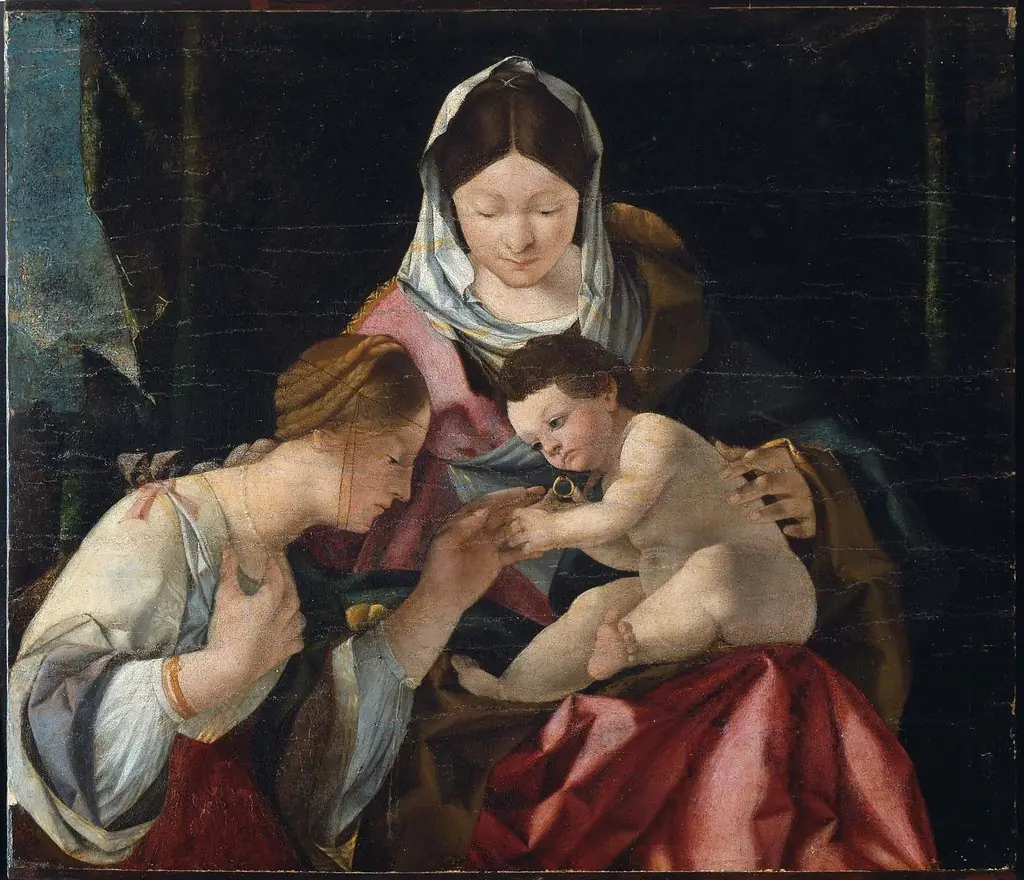 The Mystic Marriage of Saint Catherine
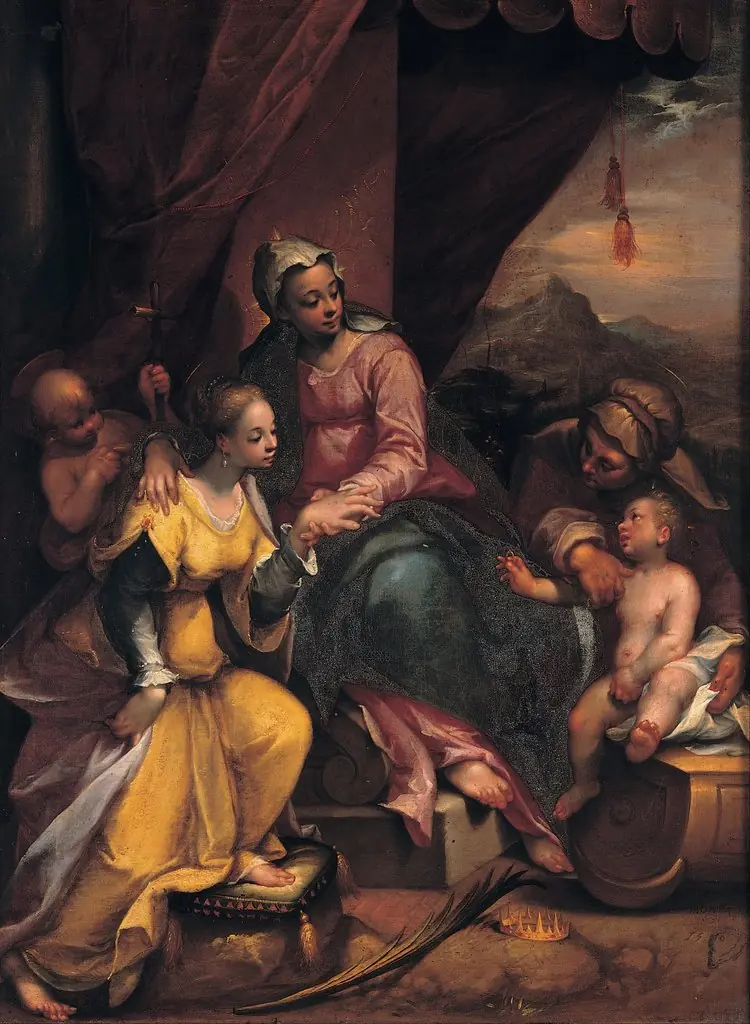 Mystic marriage of Saint Catherine
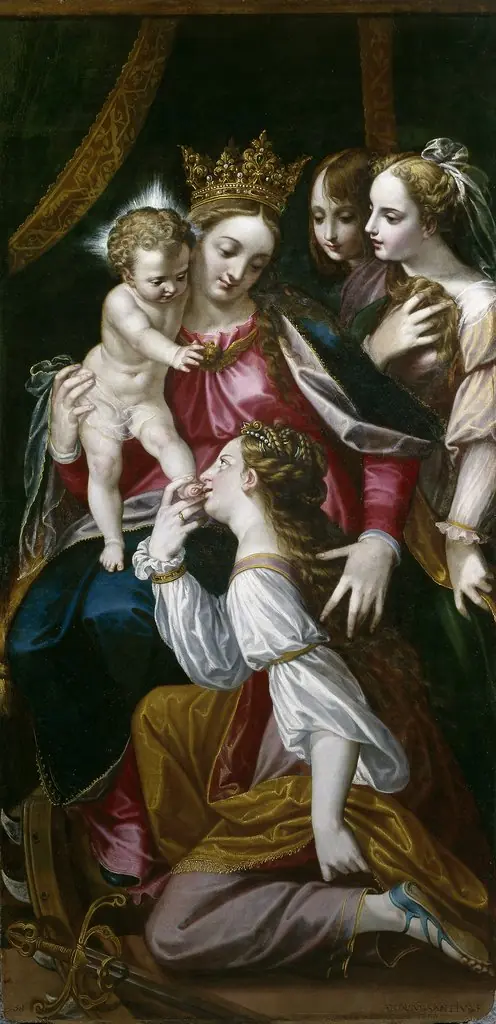 The Mystic Marriage of Saint Catherine
 The Mystic Marriage of St. Catherine
 The Mystic Marriage of St Catherine