Artwork
Kalpa Sutra
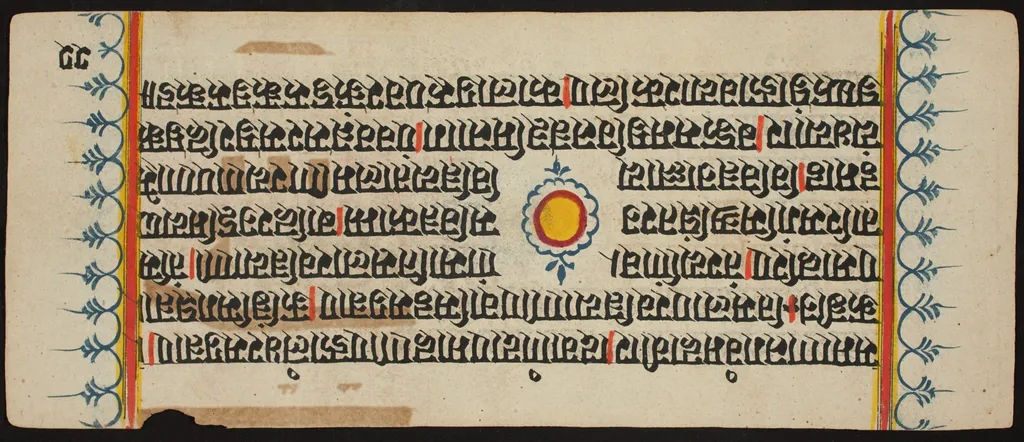
Kalpa Sutra is an unspecified painting by Unknown. It is held in the collection of the Detroit Institute of Arts.
About this work
Overview
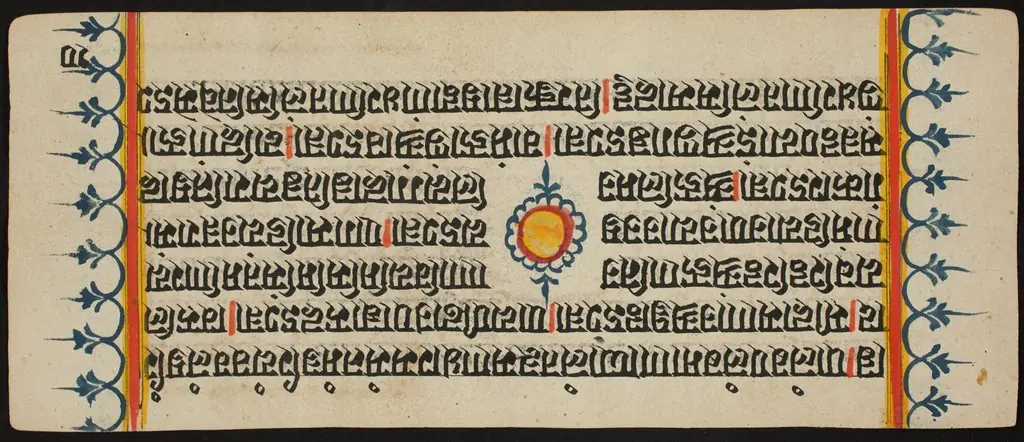
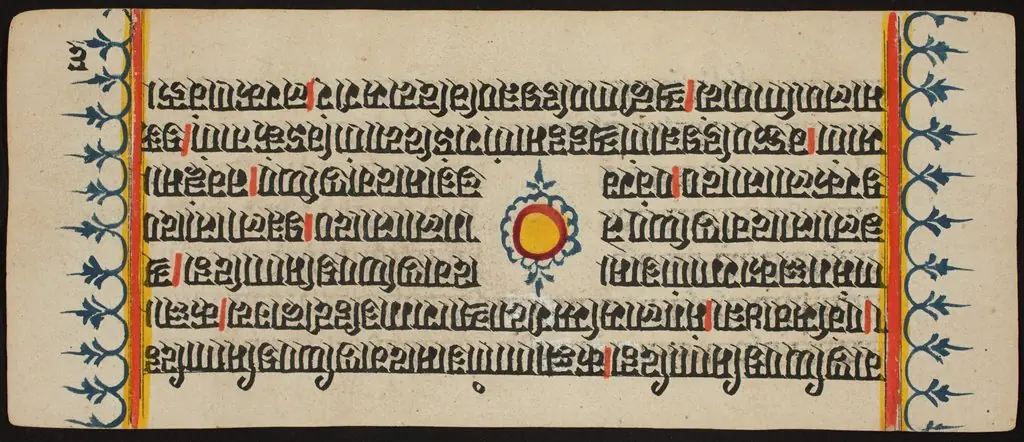
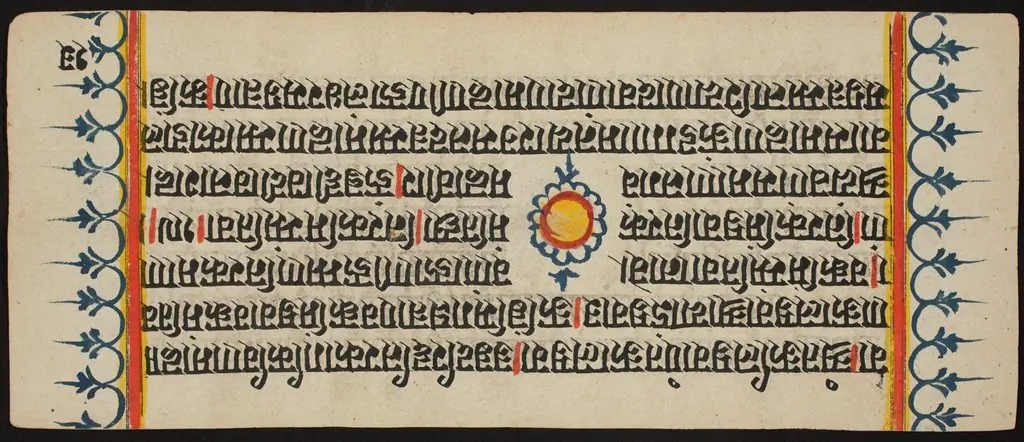
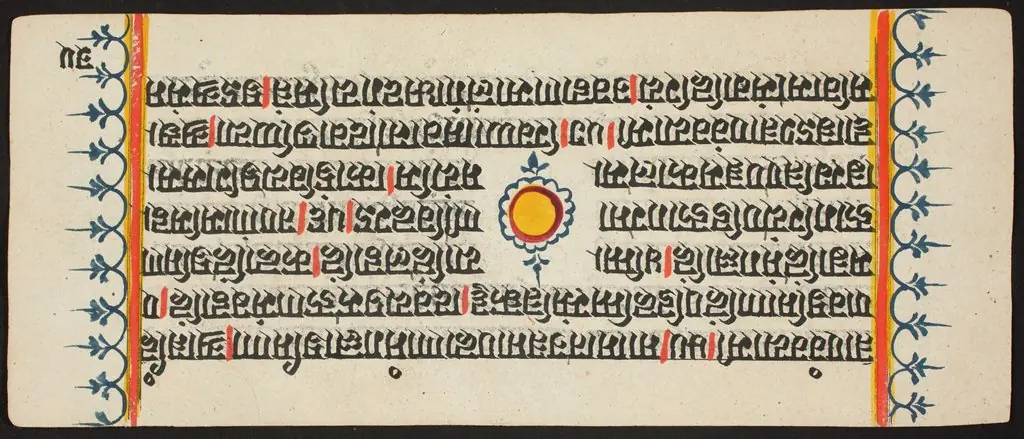
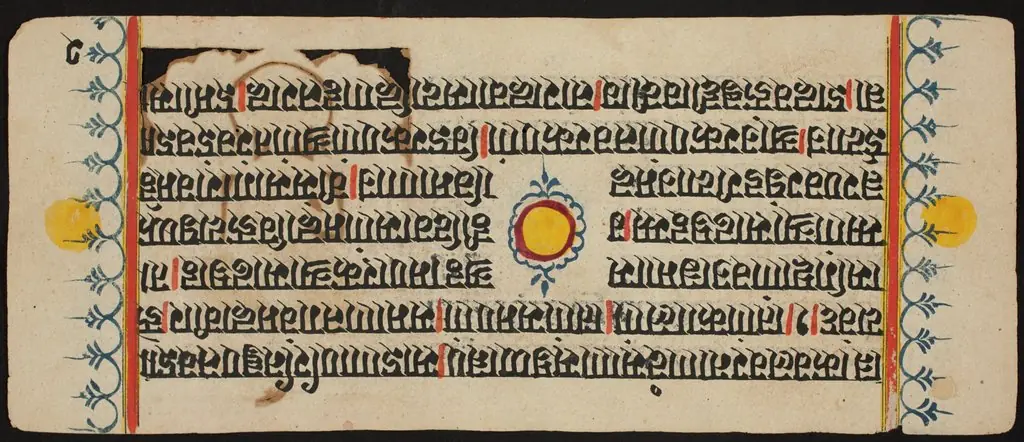
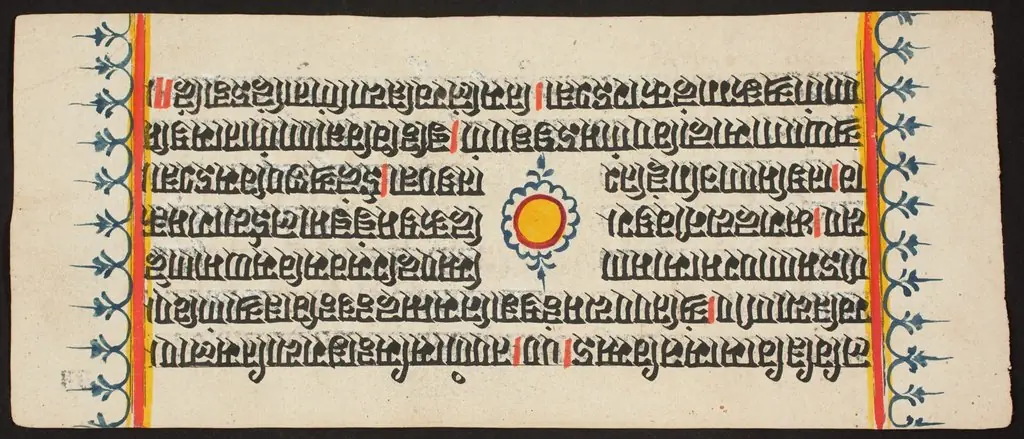
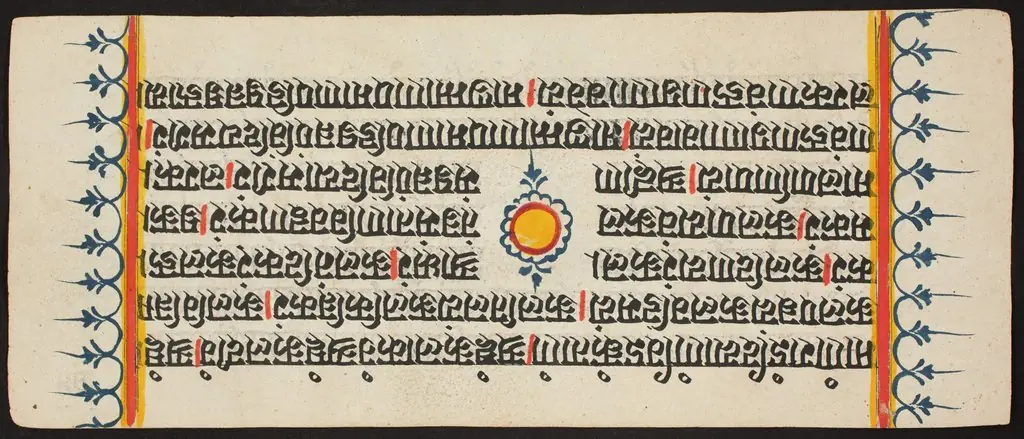
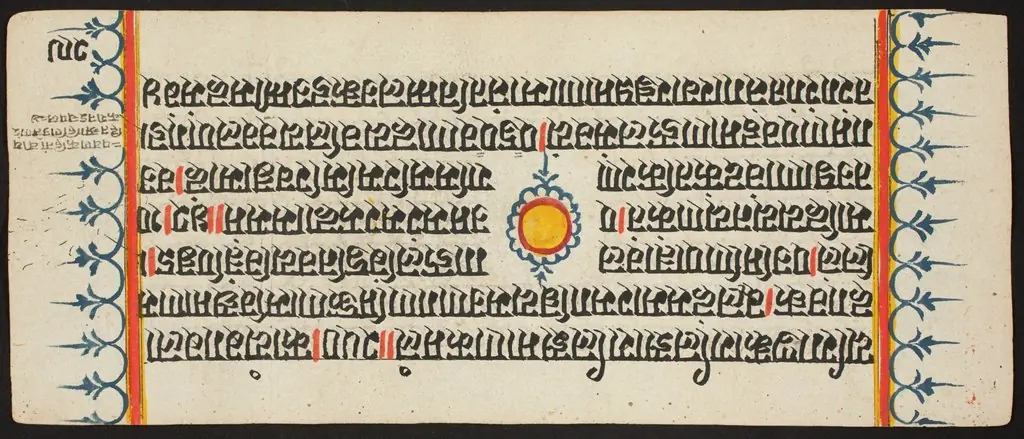
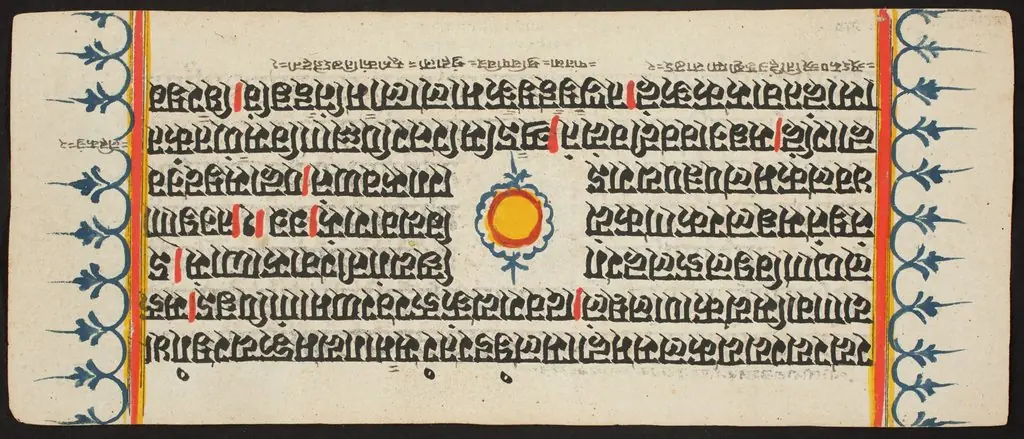
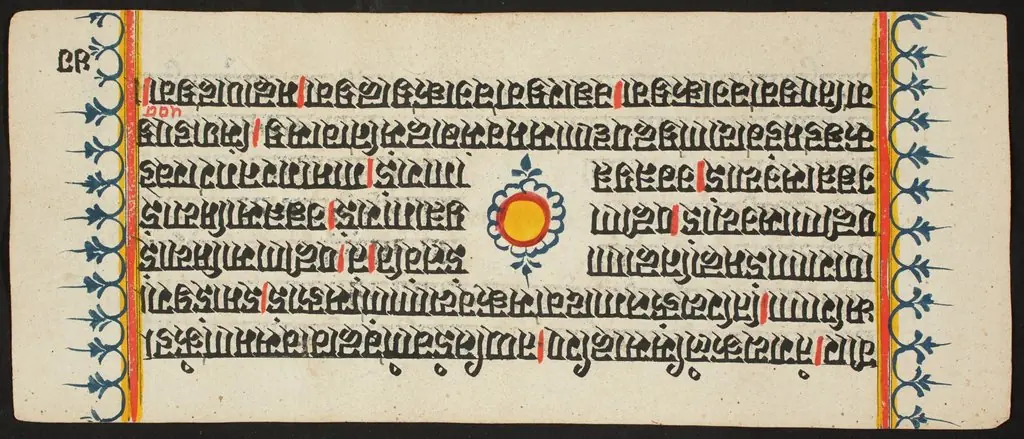
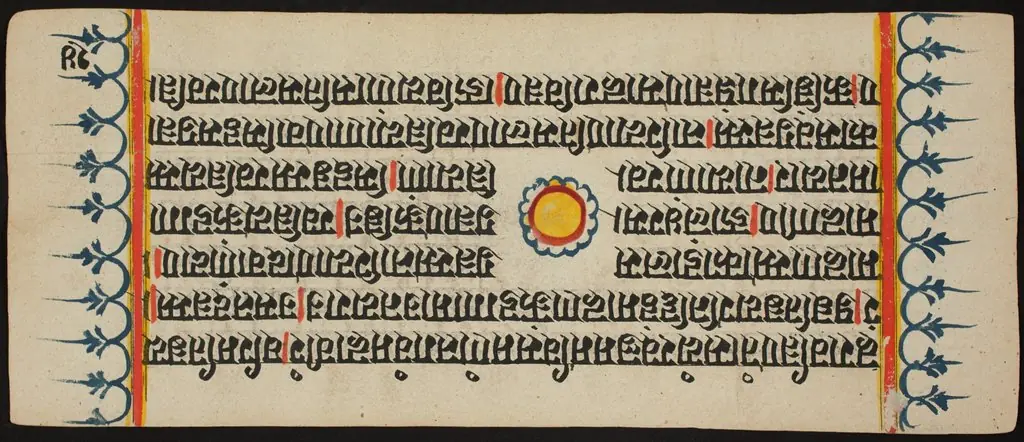
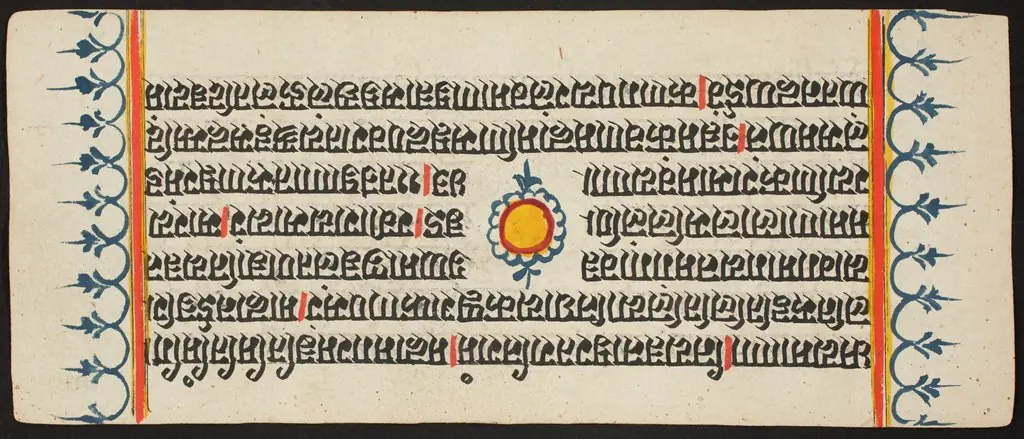
The Kalpa Sutra is a Jain religious text illustrated in a series of miniature paintings, produced in western India during the 15th century.
The Kalpa Sutra is a Jain religious text illustrated in a series of miniature paintings, produced in western India during the 15th century. These works were created to accompany recitations of the sacred scripture, serving both devotional and didactic purposes. The paintings are executed in tempera on paper, reflecting the regional style of Gujarat and Rajasthan, where Jain communities maintained strong traditions of manuscript illumination.
Subject & Meaning
The illustrations depict key episodes from the lives of the Jain Tirthankaras, particularly Parshvanatha and Mahavira, emphasizing their ascetic discipline, enlightenment, and spiritual authority. Scenes include renunciation, meditation, and sermons, each framed to highlight moral and metaphysical ideals. The imagery reinforces Jain principles of nonviolence, detachment, and the cyclical nature of existence, guiding viewers toward ethical reflection.
Technique & Style
The paintings employ fine brushwork, flat planes of color, and intricate decorative patterns typical of western Indian manuscript art. Figures are stylized with elongated eyes and minimal shading, while architectural elements and landscapes are rendered with symbolic precision rather than naturalism. Gold leaf accents and rich pigments like lapis lazuli and vermilion elevate the sacred nature of the scenes, enhancing their ritual function.
History & Provenance
Manuscripts of the Kalpa Sutra were commissioned by wealthy Jain merchants and monks, often as offerings to temples or for personal devotion. Surviving examples are held in collections across India and Europe, with many originating from temple libraries in Gujarat. Their preservation reflects the enduring reverence for Jain textual traditions, even as political and religious landscapes shifted over centuries.
Context
Produced during a period of flourishing Jain patronage in western India, these paintings coexisted with Islamic sultanates and Hindu kingdoms, yet maintained distinct religious aesthetics. Unlike courtly Mughal art, Kalpa Sutra illustrations avoided naturalism and portraiture, favoring symbolic representation aligned with Jain theological principles. The manuscripts were part of a broader culture of textual veneration, where the physical book was as sacred as its content.
Legacy
The Kalpa Sutra paintings influenced later Jain and regional Indian miniature traditions, preserving stylistic conventions into the 18th century. They remain vital sources for understanding medieval Jain iconography and manuscript culture. Scholars study them not only for artistic merit but as records of religious practice, community identity, and the transmission of doctrine through visual means.
Artist & collection

 Domestic Scene
 Giacomo and Cardinal Marco, investing Andrea, Abbot of San Zeno, with his Benefice
 The Nymph of Fontainebleau
 Portrait of a Woman
 Madonna and Child with Saints in the Enclosed Garden
 Venus and Minerva
 Family Group of Four on Sofa
 Wall painting from Room H of the Villa of P. Fannius Synistor at Boscoreale