Artwork
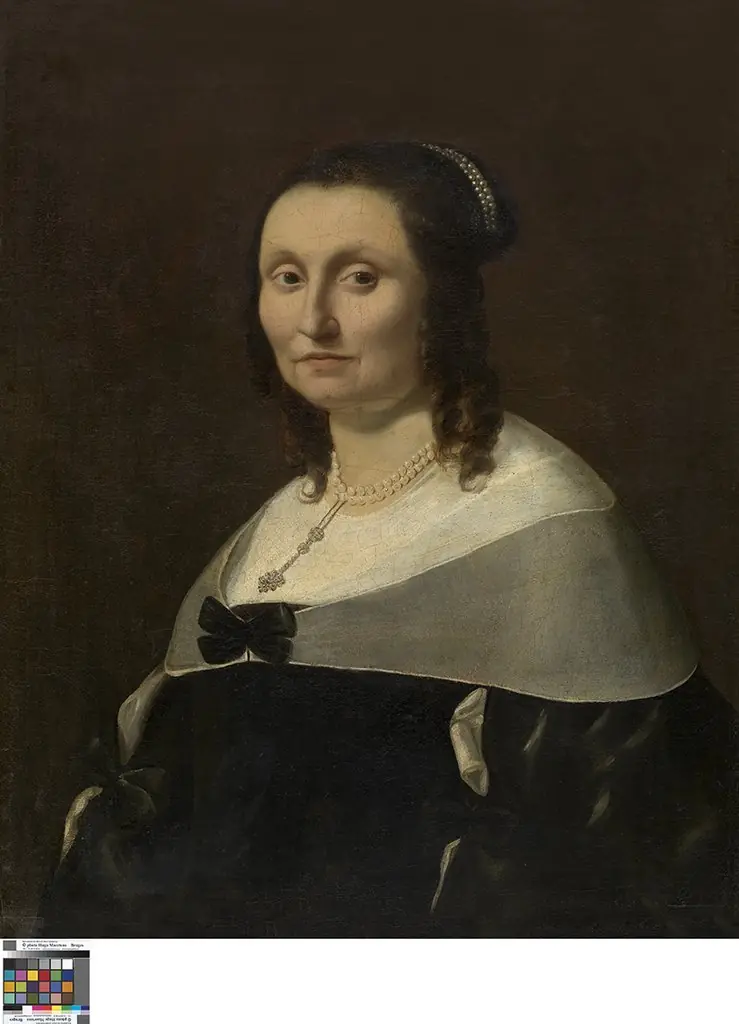
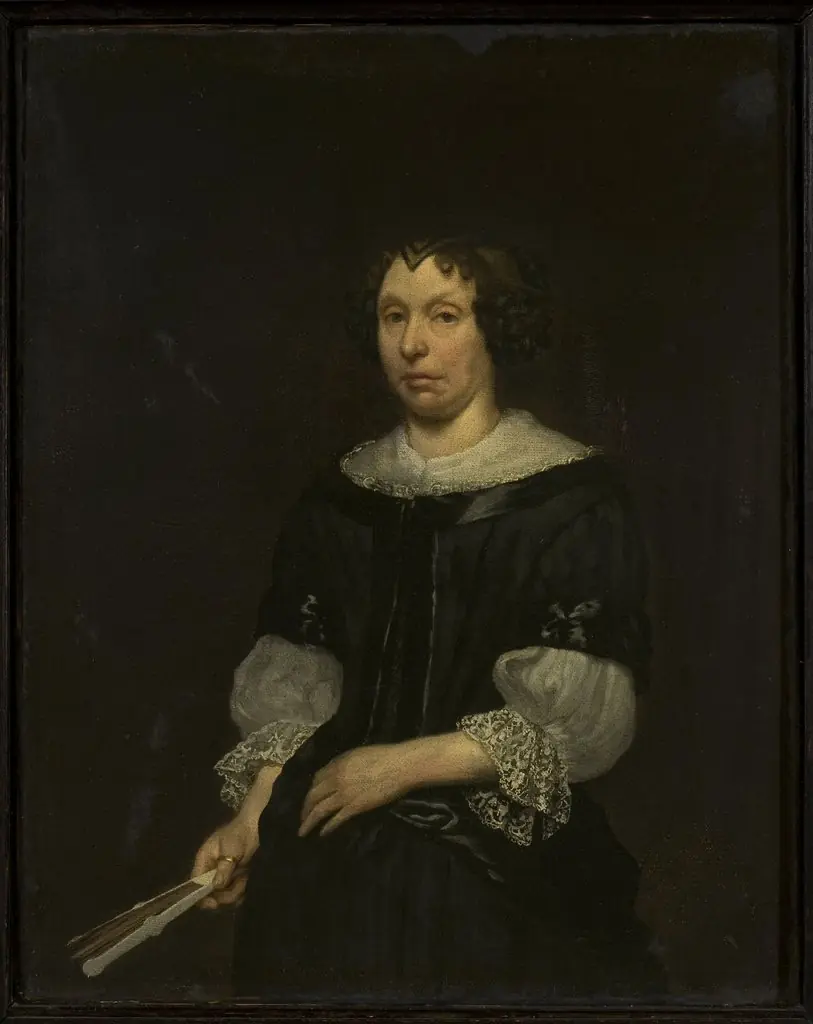
Portret van een vrouw
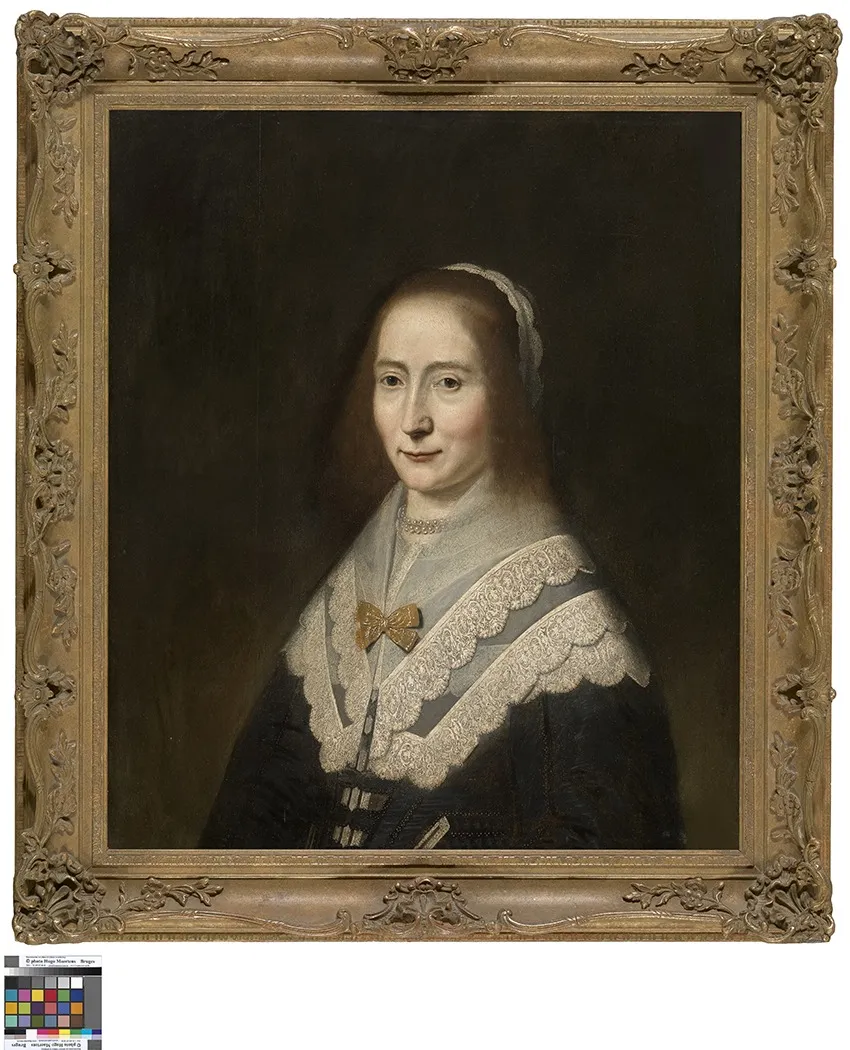
Portret van een vrouw is an oil painting by the Flemish Baroque painting artist Unknown. It dates from 1640 and is held in the collection of the Groeningemuseum. This oil painting presents a seated woman rendered with muted tones and soft focus, emphasizing texture over sharp detail.
About this work
Overview
This oil painting presents a seated woman rendered with muted tones and soft focus, emphasizing texture over sharp detail.
This oil painting presents a seated woman rendered with muted tones and soft focus, emphasizing texture over sharp detail. Her dark attire contrasts with a luminous lace collar and a small gold brooch at the neckline. The background recedes into shadow, isolating the figure and drawing attention to the fabric and adornments. The ornate gold frame complements the subtle opulence of the brooch, reinforcing a quiet formality.
Subject & Meaning
The subject is a woman dressed in somber, refined clothing, suggesting modesty or mourning. The white headscarf and lace collar indicate adherence to contemporary conventions of propriety, possibly reflecting regional or religious norms. The blurred facial features obscure individual identity, shifting focus from personality to social presentation—perhaps signaling anonymity, loss, or the artist’s intent to universalize the figure.
Technique & Style
The artist employs loose brushwork, particularly in the face and hair, creating a hazy, almost atmospheric effect. The dark background is applied thinly, allowing the textured lace and metallic brooch to emerge with tactile clarity. Oil paint is used to capture the sheen of silk and the translucency of lace, balancing realism with deliberate ambiguity. The composition is tightly cropped, eliminating context to heighten intimacy.
History & Provenance
The painting’s origin remains undocumented, with no known artist attribution or early ownership records. Its preservation in an ornate period frame suggests it was once owned by someone of means, though the subject’s identity has been lost. No exhibition history or archival references have surfaced, leaving its creation date and location speculative, likely within the 17th or early 18th century Northern European tradition.
Context
In early modern Europe, portraits of women often emphasized virtue through restrained dress and modest posture. The use of lace and gold accessories signaled social standing without overt display. Blurred features were occasionally employed to convey introspection or to avoid the risk of identifying a sitter whose status might be ambiguous. This work aligns with regional practices where personal identity was subordinated to symbolic representation.
Legacy
The painting endures as an example of understated portraiture, where emotional resonance arises from absence rather than detail. Its lack of clear provenance and obscured identity have invited scholarly speculation but no definitive conclusions. It remains a quiet artifact of a time when visual culture valued restraint, and the dignity of the ordinary was rendered through texture, light, and silence.
Artist & collection

 Domestic Scene
 Giacomo and Cardinal Marco, investing Andrea, Abbot of San Zeno, with his Benefice
 The Nymph of Fontainebleau
 Portrait of a Woman
 Madonna and Child with Saints in the Enclosed Garden
 Venus and Minerva
 Family Group of Four on Sofa
 Wall painting from Room H of the Villa of P. Fannius Synistor at Boscoreale
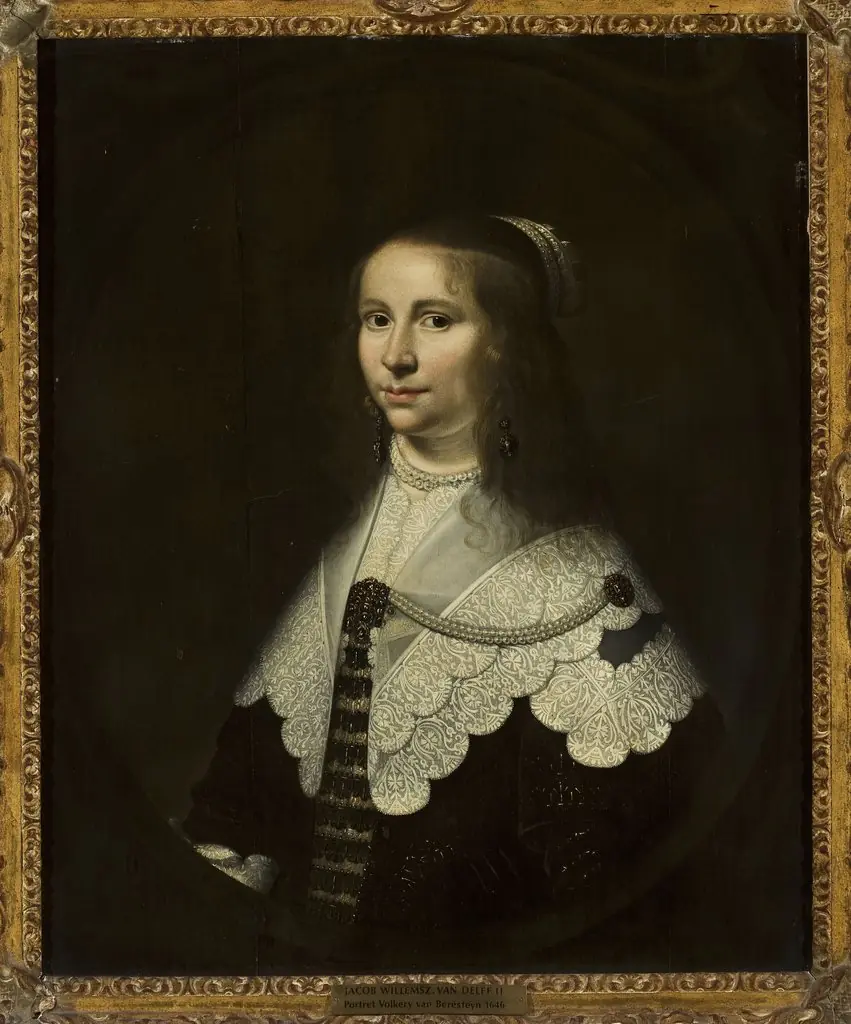 Portrait of Volkera van Beresteyn (1624–1653), wife of Salomon van Schoonhoven (1617–1653)
 Portrait of a Woman
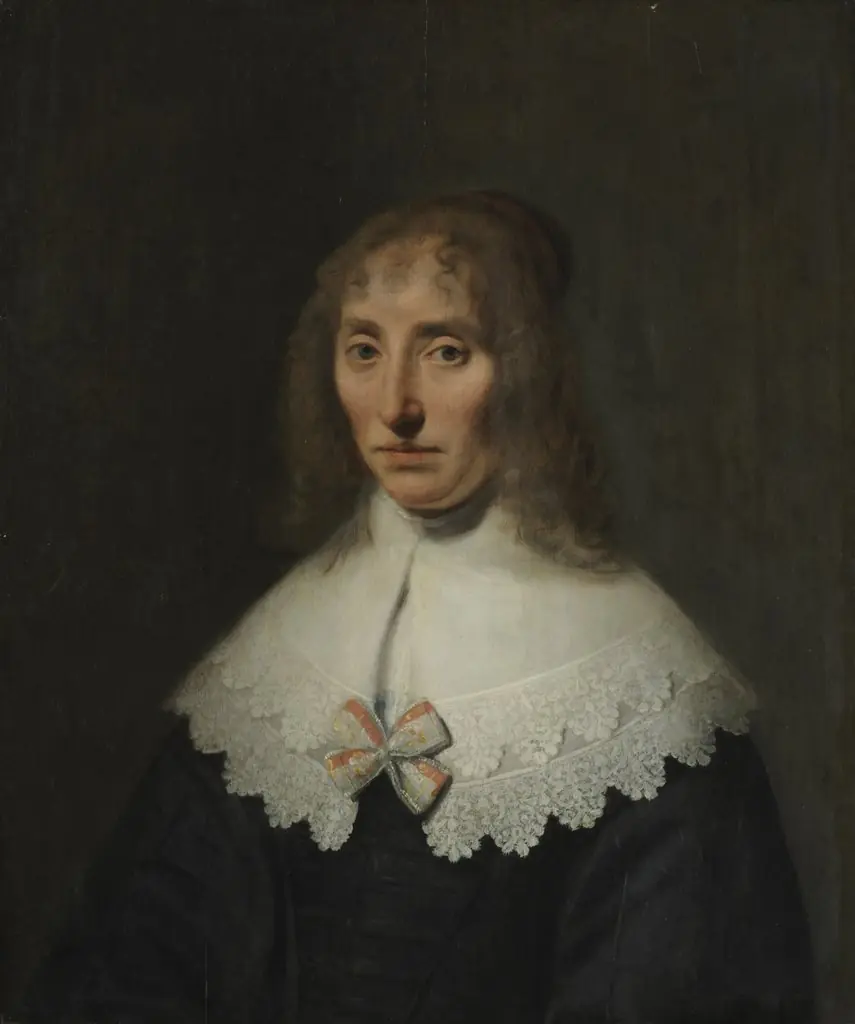 Portrait of a Woman
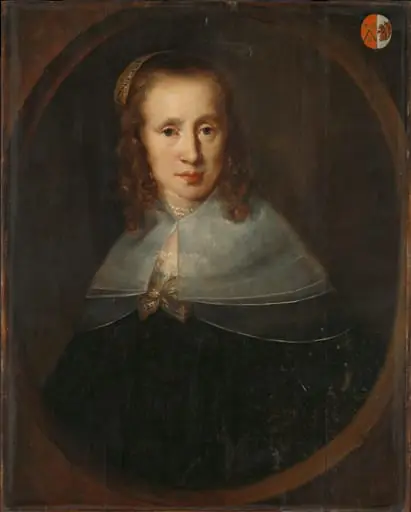 Portrait of Digna de Maets (?-before 1667)
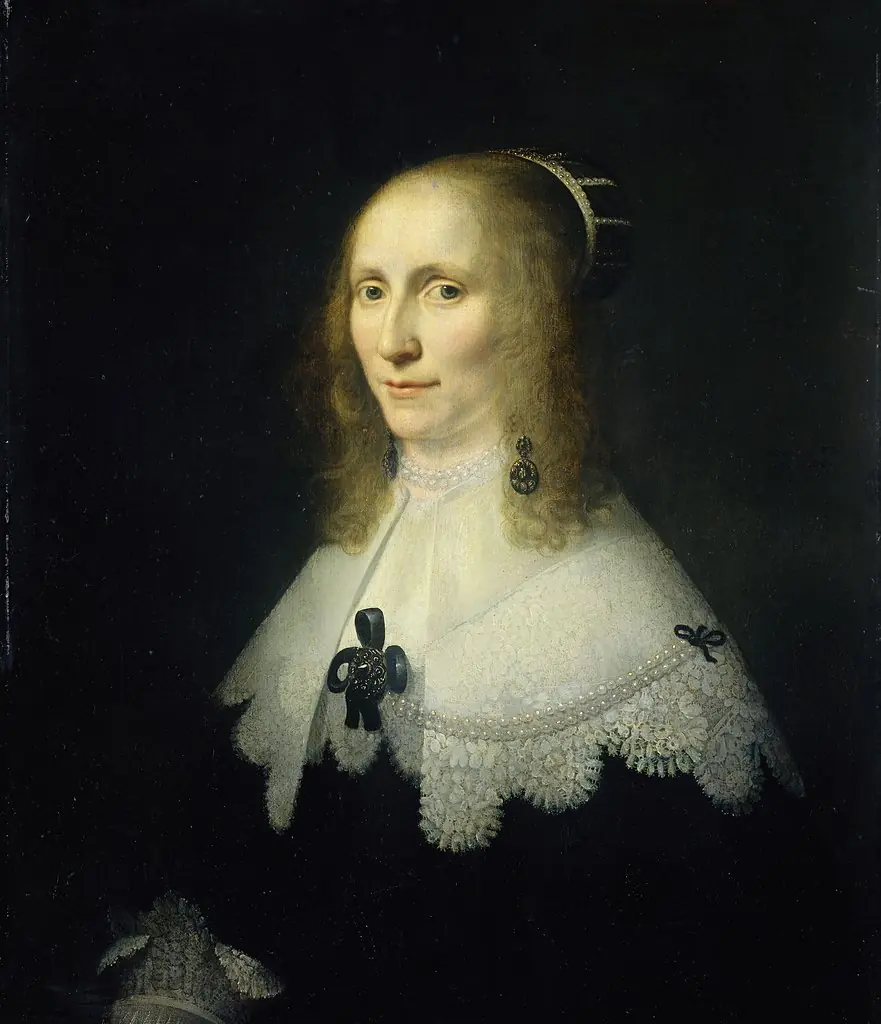 Portrait of Cornelia Tedingh van Berckhout (1614-80)
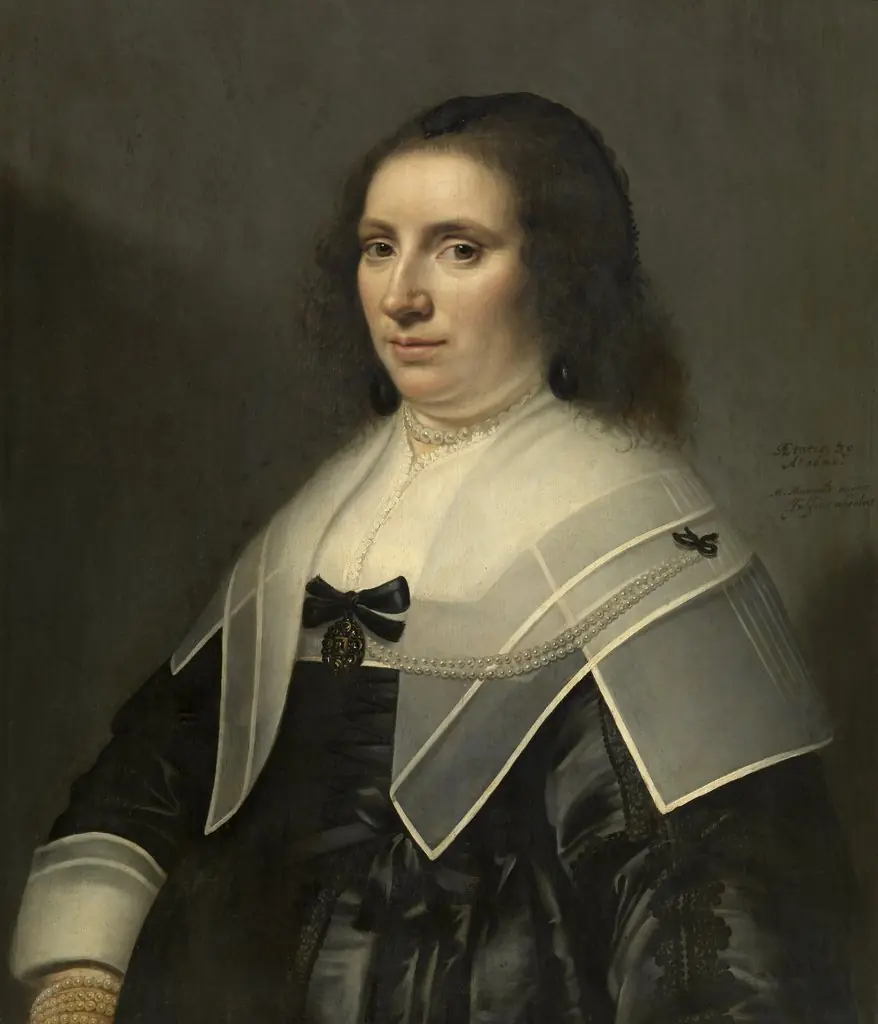 Portrait of Christina Pijll
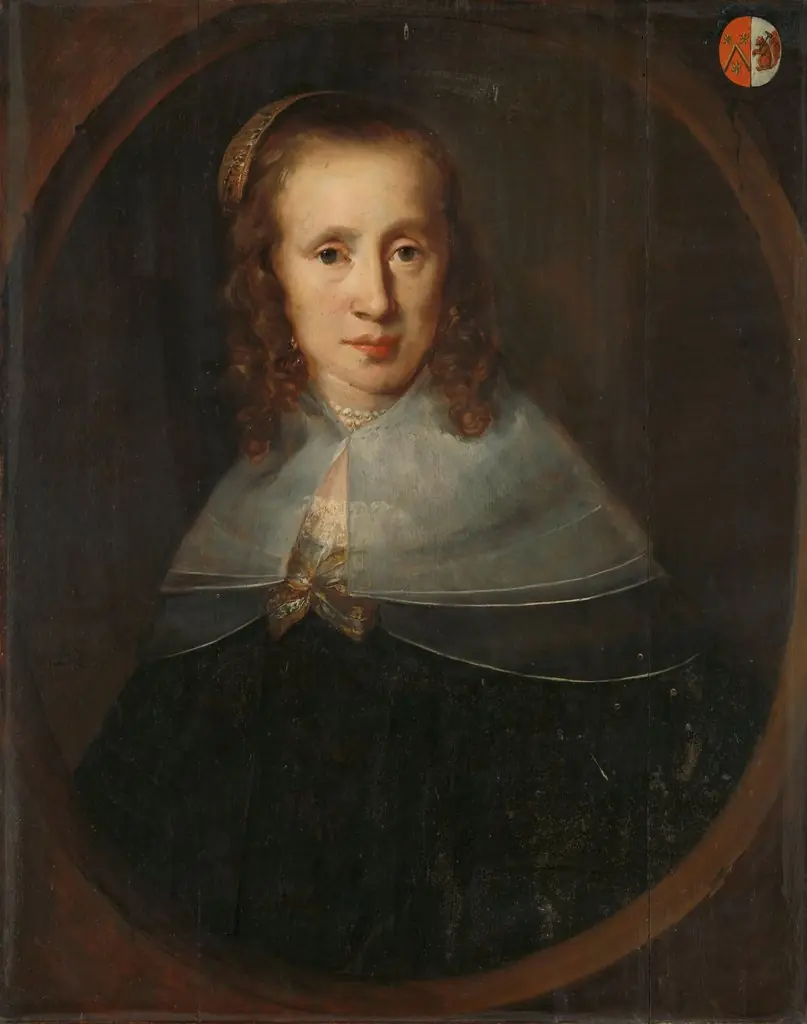 Digna de Maets. Wife of François Leydecker
 Portret van een vrouw
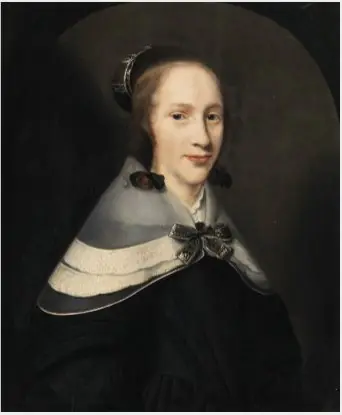 Portrait of a Young Lady
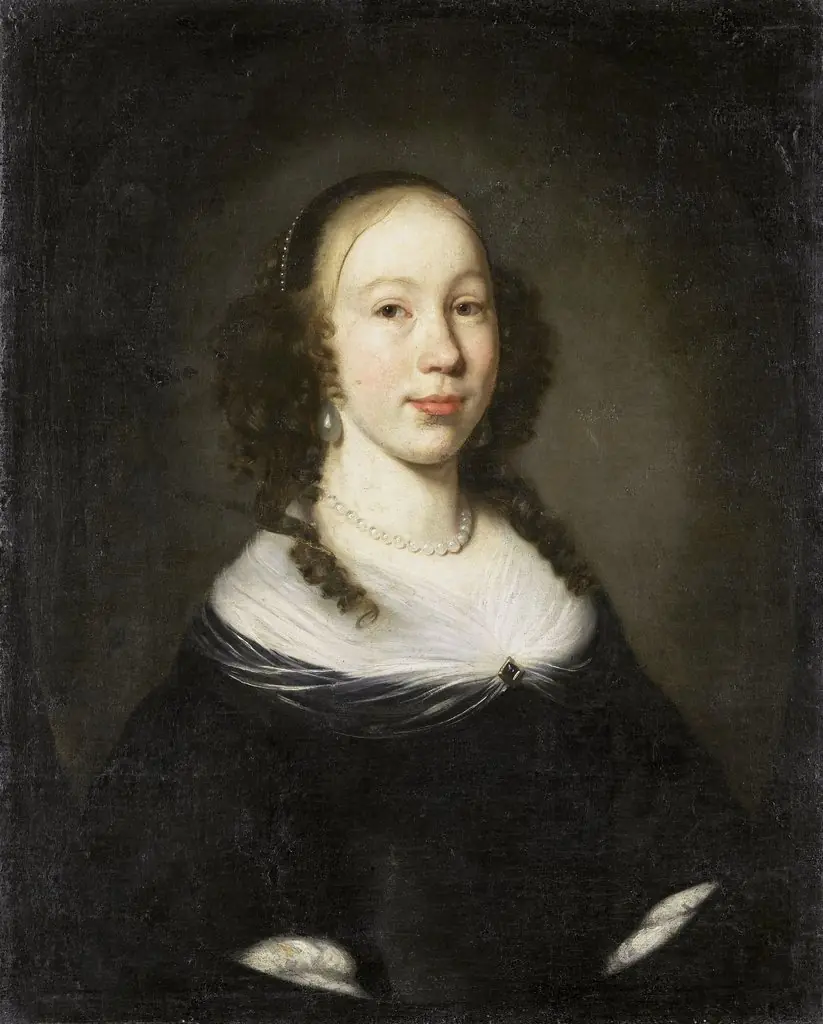 Portrait of a young woman
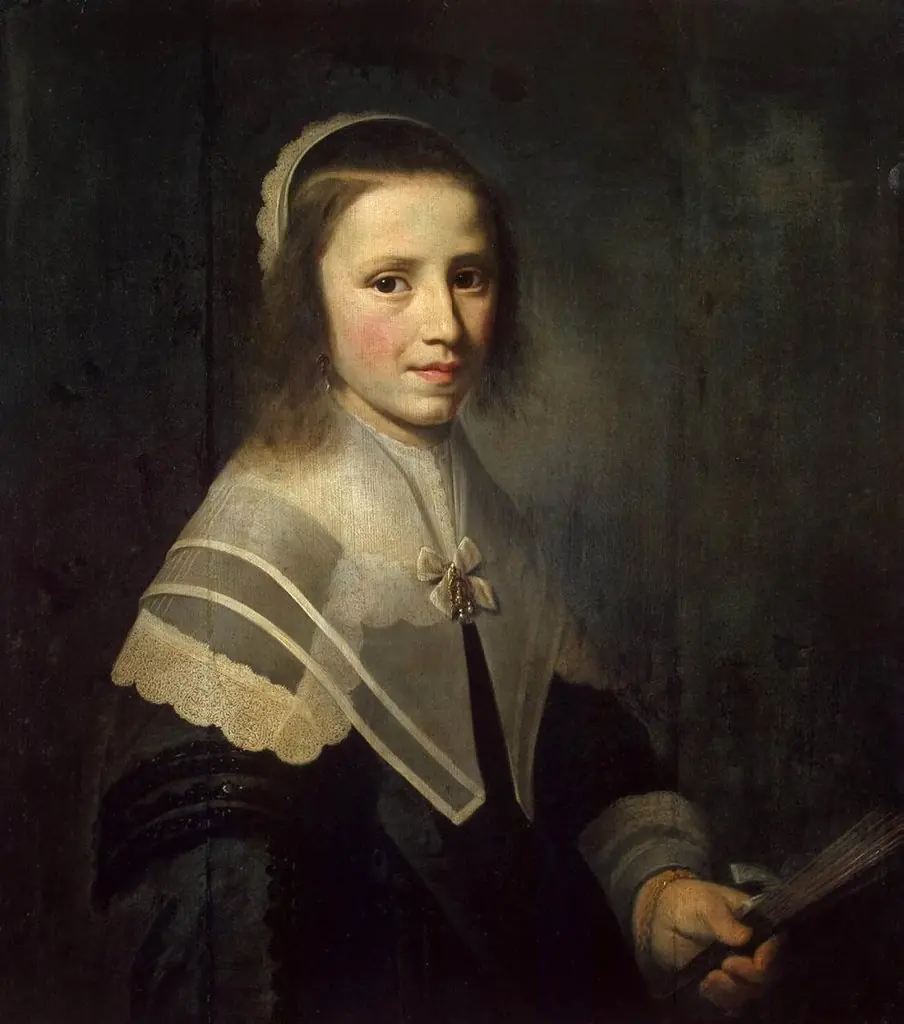 Girl Holding a Fan
 Portrait of a lady with a folding fan